
Loneliness, in its negative sense, has become one of the predominant feelings in the age we live in. It is a widespread problem, especially in the large Western metropolises, which products and services have tried to address and profit from. From the speed dating of the 2000s to the invention of social networks and virtual communication, people constantly seek contact and connection with others in a society moving in the opposite direction. Understanding loneliness is one of the fundamental steps for developing one’s inner growth.

When someone is left alone, they can feel uncomfortable. They only feel good if they are in company; if they are alone, they are ashamed of it. Sooner or later, everyone is faced with this problem. It affects millions of people because almost all of us are educated in a certain way. Loneliness is rarely encouraged by parents, teachers, or any other social setting we attend as children. A lonely child is always considered a little strange, a child who has problems, perhaps some embryonic form of psychic disorder. These are ideas that have very distant origins and have influenced entire generations.
The more an individual feels shunned by others, the more their anxiety grows to establish contact of any kind. At the same time, however, they begin to avoid any relationship for fear of being rejected. A self-defense mechanism to protect one’s self-esteem and to allay the nervousness that isolation causes.
Loneliness is a subjective perception

In this way, everyone moves further and further away from their own being. The presence of others keeps you in tension, anchored to reality. But if you relax alone with yourself, you are going against what society has instilled in you, towards unknown territory. The lonely individual is seen as a potential danger: they can be completely themselves. Nobody can give you orders, nobody can criticize you or tell you what you must or must not do. You become not the person people want, but something else.
Scientists have found no problems with many people who spend most of their time alone. On the contrary, there are people who have many social relationships but within them experience a deep feeling of negative loneliness and isolation. Why?
The negative feeling of isolation stems from an individual’s subjective perception of others. The quality of their relationships, the frustrations associated with them, the conflicting behaviors, and misunderstandings can make one feel alone even when seemingly in good company. The brain’s activity declines due to anxieties and negative perceptions, leading to a state of constant stress from which it becomes difficult to escape.
Sometimes the best option is to choose to spend time with the right people. To remove that annoying, sometimes unbearable feeling of isolation, we cannot continually try to communicate when there is only a wall in front of us. For the message to reach its destination, the transmitter and receiver must be tuned to the same frequency.
In most cases, the problem can be solved with less effort, without even moving from where you are or changing the people we share our time with. Change can only happen within us, by changing the ideas and beliefs we have about loneliness.
Loneliness as a social conditioning

There are seven hundred centers in the brain. All your actions are decided in those centers. Some psychologists have been able to understand, after lifelong work and attempts, which activities each of these areas of the brain control. Negative emotions and feelings: anger, aggression, depression; or positive emotions such as love, compassion, and solidarity. By inserting electrodes into specific parts of an animal’s brain, they discovered that it was possible to totally control its actions.
By implanting an electrode in a bull’s brain, it was possible to control the animal’s actions and reactions from a distance, using a remote control. The bull no longer attacked the people around him. If the command sent to him was to remain still, he stayed perfectly still. Just like a radio-controlled puppet.
That’s exactly what happened to Alex in A Clockwork Orange by Stanley Kubrick. At the final demonstration of the Ludovico cure, his brain had been so conditioned and manipulated that he was completely unable to react with violence. He became defenseless against any abuse due to an unbearable nausea that paralyzed any attempt at a violent reaction. The criminal Alex had become entirely controllable without any effort, like pressing a button on a remote control.
Social conditioning of the mind works in exactly the same way. These are ideas that come to us from the outside but don’t really belong to us. They are ideas, thoughts, beliefs that can be completely reversed.
Nobody put an electrode in your brain, but social conditioning works the same way. By freeing the mind from beliefs about what is right and what is wrong, and by regaining one’s individuality, the perception of loneliness can change from negative to positive.
Loneliness as isolation

The exact term is therefore not loneliness but isolation. Loneliness often has a positive meaning: it is sought after and experienced as a creative and fulfilling moment. There are millions of people who can be defined as loners, who don’t like being too much around people and prefer to cultivate their inner world.
Negative loneliness and isolation arise from the complete absence of authenticity in our relationships with others. While there may be no shortage of encounters and connections, we perceive them as artificial and superficial. They do not reflect who we are, and we feel misunderstood. In most cases, however, the root cause lies within the individual experiencing these feelings. They try to defend themselves, voluntarily withdrawing from others to protect themselves, avoid negative thoughts, and steer clear of stressful situations. They may behave in a hostile manner, react exaggeratedly or violently, easily enter into disputes, yet remain unaware of it. We ourselves create our loneliness, both positively and negatively.
Loneliness in the various seasons of life

Our perspective on loneliness undergoes a significant transformation throughout different stages of our life. In childhood and adolescence, it is an uncommon occurrence, seldom experienced in our youth. However, as we transition into adulthood, the sensation of loneliness becomes more prevalent, gradually intensifying as we age. During this journey, our focus moves from external circumstances to internal experiences, fostering a deeper understanding that external conditions and relationships may not bring about substantial changes within ourselves. We come to realize that an external adventure, no matter how thrilling or extensive, remains incomplete without a concurrent voyage into our inner world. In the evolving landscape of our lives, this shift becomes crucial, as it underscores the importance of inner exploration for genuine personal growth and fulfillment.
From this perspective, loneliness could arguably be considered the most ideal condition attainable. It suggests a profound introspection where the focus is directed inward rather than to the external world. This inward journey is seen as the true path to personal growth, allowing for deeper self-discovery and development. Yet, concurrently, connections with others and emotional bonds hold a crucial role in maintaining our mental and physical equilibrium. These relationships contribute to our sense of support and belonging, which are vital for overall well-being. Thus, while the solitude of our inner realm fosters individual growth, the companionship and emotional ties with others provide the essential stability needed for a balanced life.
Films on Loneliness to Watch
This guide is a journey across the entire spectrum. It is a path that unites the great classics we all know with the most intimate independent productions. We will explore the different faces of isolation: from the deafening solitude of metropolises to the empty vastness of desolate landscapes, from the prisons of the mind to the quiet desperation of the everyday.
Children Of A Darker Dawn
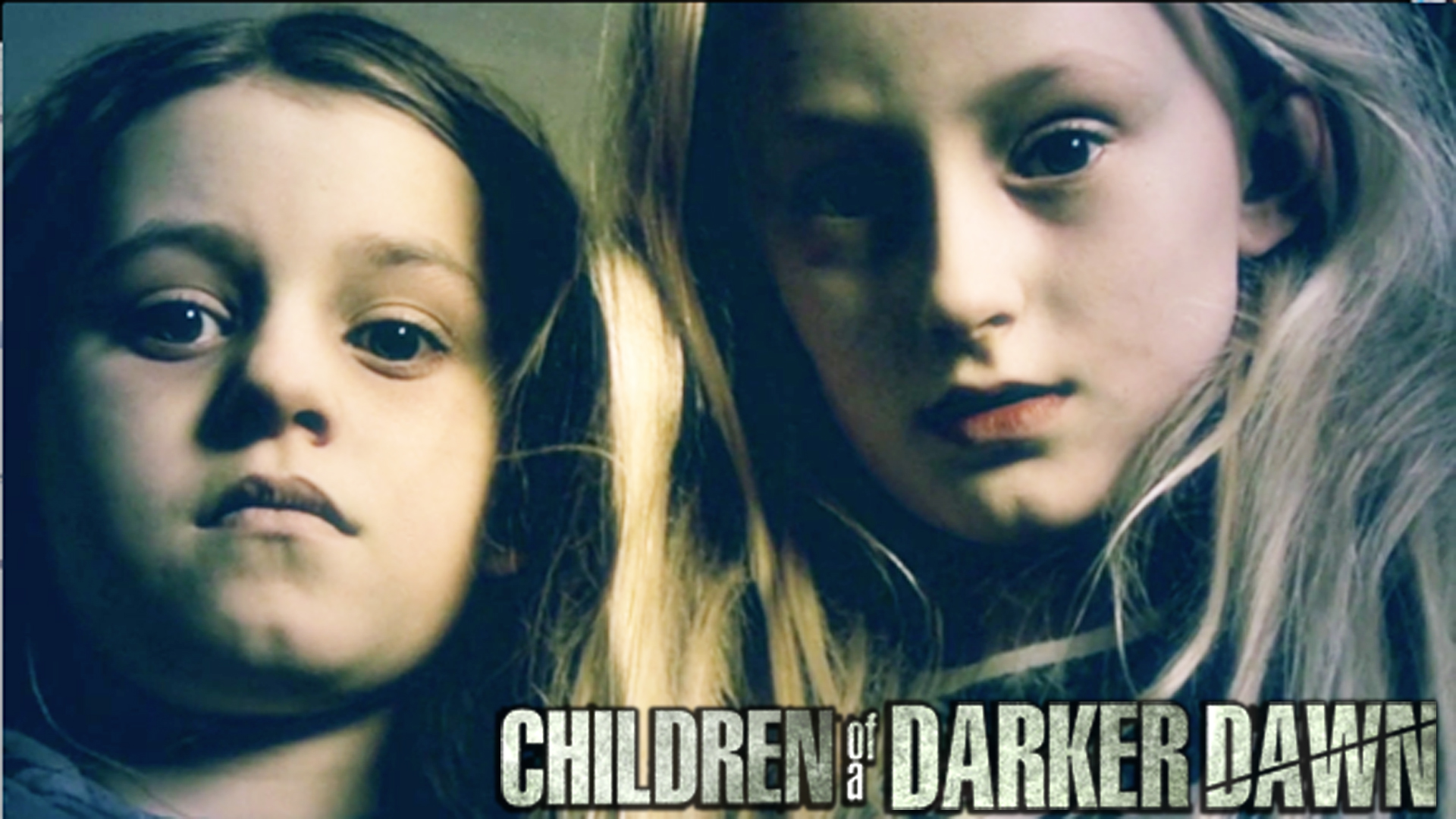
Drama, horror, sci-fi, by Jason Figgis, United States, 2012.
In a post-apocalyptic Ireland, a pandemic has wiped out the adult population, struck down by a mutant strain of flu that turns them paranoid and violent before killing them. Nine months later, the surviving children wander through abandoned buildings in search of food and shelter. Among them are Evie and her younger sister Fran, trying to survive while avoiding potentially dangerous groups of kids. Their only comfort is The Railway Children, the book their mother used to read to them. The arrival of Alice, a girl who has escaped from a gang led by her sister Kate, changes their path. After being betrayed by the gang, Evie decides to confront them, triggering a series of events that will lead to tensions and conflicts within the group.
The film, directed by Jason Figgis with limited resources but great sensitivity, is a post-apocalyptic drama that goes beyond horror, focusing on grief and the emotional fragility of its characters. The tone is somber, marked by melancholy, disturbing flashbacks, and unstable relationships. Though it recalls films like 28 Days Later, The Road, or Lord of the Flies, Children of a Darker Dawn finds its own voice through strong character development and powerful performances from its young cast.
LANGUAGE: English
SUBTITLES: Spanish, French, German, Portuguese
Nomadland (2020)

Following the total economic collapse of a company town in rural Nevada, Fern, a woman in her sixties, packs her meager belongings into a van and sets off on the road. She adopts the life of a modern nomad, exploring an existence outside the boundaries of conventional society and traversing the vast, silent landscapes of the American West.
Chloé Zhao directs a contemporary elegy where the American Dream dissolves into the dust of back roads. Fern’s loneliness is portrayed as both a hard-won liberation and a consequence of a ruthless economic system. The film uses a documentary-like style to capture the resilience of those living on the fringes, suggesting that in a world where home no longer exists, identity must be found in the journey itself.

The Lighthouse (2019)

In the late 1890s, two lighthouse keepers—the grizzled Thomas Wake and the young Ephraim Winslow—are stationed on a remote New England island for a four-week shift. As a relentless storm strands them, the extreme isolation and mounting psychological friction begin to unravel their fragile camaraderie, descending into a fever dream of paranoia and primal conflict.
Robert Eggers utilizes a claustrophobic frame and stark black-and-white cinematography to externalize a descent into madness. The film explores male rivalry and the海’s mythic loneliness, drawing on Greek tragedy and folklore to illustrate how radical solitude can strip away the veneer of civilization to reveal the monstrous nature within.
The Lost Poet
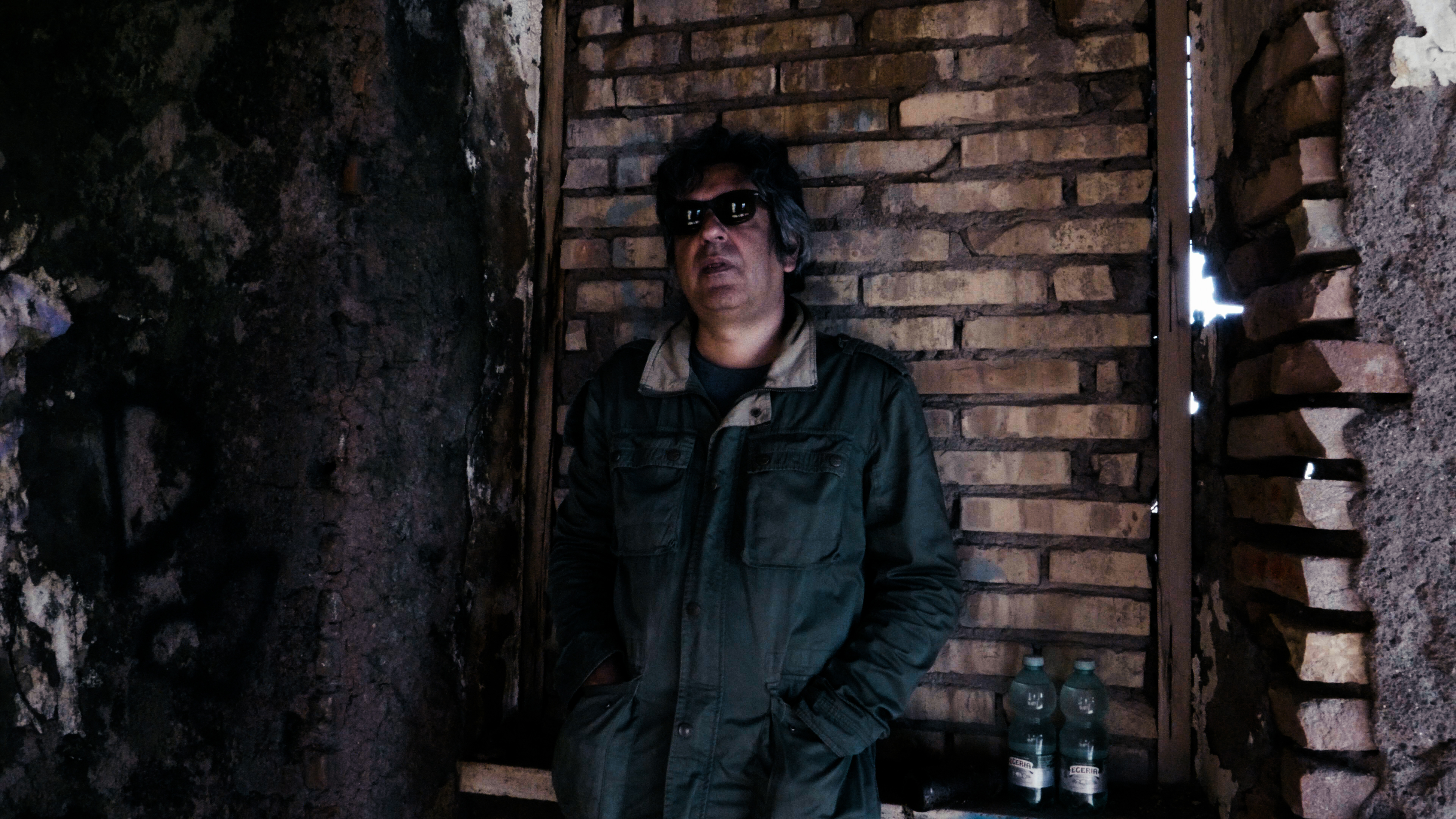
Drama, by Fabio Del Greco, Italy, 2024.
Dante Mezzadri wants to see an old friend, nicknamed the Iguana, whom he has lost sight of for many years, and who has managed to turn their shared youthful passion for poetry into a job, becoming a famous writer and poet. The man escapes from his bourgeois life and his wife to live homeless on the Roman coast, printing and trying to sell his poetry collections. At night he sleeps in a park of old carnival floats, inside a papier-mâché tank, and waits for the opportunity to meet his old friend, who however never shows up for appointments in the places they frequented when they were young, now in ruins. Dante's poetry books do not interest anyone and to support himself he is forced to "change product": he starts selling the infamous "cannibal pill" on behalf of young drug dealers, a new drug that sells like hot cakes and causes sensory and consumerist ecstasy. However, he realizes that this powerful drug is very dangerous for those who take it, he comes into conflict with his ethical conscience and throws all the pills into the sea. However, the dealers want to collect their money.
Shot over a period of 2 years, the film is a reflection on the cultural and artistic rubble of the society in which the protagonist lives, in an increasingly mechanized, consumerist and arid world. Dante Mezzadri is yet another human being who has renounced his inspiration and his creativity, but unlike many he is not willing to give his life to a system that distances him from his true identity. The physical world around him, however, seems constructed in such a way that it seems impossible to escape from this "invisible cage". The enthusiasm of the people he meets is ignited only by sensory gratification, by unreal visions of personal affirmation and success, by "metaverses" that offer an escape into an illusory and destructive reality. The poet's house on the coast, where he met with his friends as a young man, is just a pile of abandoned rubble. What happened to all those who wanted to become poets and ended up becoming something else? Are there internal forces with which that house can be "rebuilt"?
LANGUAGE: Italian
SUBTITLES: English, Spanish, French, German, Portuguese
First Cow (2019)

In 1820s Oregon, a gentle and solitary cook named Cookie Figowitz joins a group of rough fur trappers and meets King-Lu, a Chinese immigrant on the run. The two outsiders form a deep, silent bond and devise a plan to secretly milk the territory’s only cow, owned by a wealthy Englishman, to make and sell delicious fried cakes in a risky pursuit of the American Dream.
Kelly Reichardt subverts the myth of the rugged, individualistic pioneer by portraying the frontier as a place of deep-seated alienation where friendship serves as the only true wealth. The loneliness of the two protagonists is soothed by their tender complicity. The film is a bittersweet tale about how collaboration can create a “nest” of human warmth even in a hostile and desolate landscape.
A Ghost Story (2017)

A young musician, identified only as C, dies in a sudden car accident and returns to the home he shared with his wife, M, as a ghost covered by a simple white sheet. Unable to communicate or leave the property, he silently observes her grief, her eventual departure, and the passage of centuries as new tenants occupy the space he once called his own.
David Lowery creates a poetic meditation on grief and the nature of time from the unique perspective of the deceased. The iconic figure of the ghost becomes a powerful symbol of a loneliness that transcends human life and logic. Trapped in a cycle of memory, the entity experiences an absolute form of isolation: that of being an invisible witness to the slow dissolution of the world he knew.
Tokyo Story

Drama, by Yasujirô Ozu, Japan, 1953.
Shukichi and Tomi, now close to seventy, take a trip to Tokyo to visit their children before it's too late. When they arrive in the city, however, the welcome is not what they expected: the eldest son Koichi and his sister Shige have too many work commitments and seem to experience the visit of the elderly parents more as a nuisance than a joy. Only Noriko, widow of the second son Shoji for eight years, shows a sincere affection for the former in-laws, despite there is no blood bond to unite them. One of the most important films in the history of cinema, it opens with a departure and ends with a farewell, like many other films of Ozu's maturity. The Japanese director tells a simple story with the main themes of his filmography, managing to create a masterpiece. Generational conflict and change in society, rhythms, gestures, daily actions. A timeless moral apologue, like the cycles with which the seasons are repeated.
Food for thought
As parents age and become frail, the children devoted to work, to the ephemeral entertainment of modernity, are not interested in them, perhaps parking them permanently in some hospice and boasting of paying a fee for a high-level structure. As the joust of material life goes on, the collective memory and the achievements of the spirit of the age of wisdom are lost forever.
LANGUAGE: Japanese
SUBTITLES: English, Spanish, French, German, Portuguese
A vision curated by a filmmaker, not an algorithm
In this video I explain our vision
Manchester by the Sea (2016)

Lee Chandler leads a solitary and taciturn life as a handyman in Boston, emotionally shut off from the world. When his older brother dies suddenly, he is forced to return to his hometown, Manchester-by-the-Sea, where he learns he has been named the legal guardian of his teenage nephew. This return compels him to confront the tragic past that initially drove him into self-imposed exile.
Kenneth Lonergan explores grief not as a temporary phase but as a permanent state of being that redefines a person’s existence. Lee’s isolation is a form of self-punishment and an armor designed to protect him from further pain. The film is a heartbreaking portrait of a man forever imprisoned by his memories, illustrating that some forms of loneliness are a necessary means of survival after unbearable trauma.
Paterson (2016)

Paterson is a bus driver in the city of Paterson, New Jersey, who adheres to a simple, unchanging daily routine. He wakes up, drives his route, walks his dog, and writes poetry in a secret notebook, finding beauty in the minute details of his surroundings. His life is shared with his whimsical wife, Laura, yet his most profound moments occur in the quiet spaces of his own observation.
Jim Jarmusch’s film celebrates contemplative solitude as a fertile ground for creativity rather than a void to be filled. Paterson’s routine provides the structure that allows him to look at the world with a poet’s eye, transforming the mundane into art. It is a gentle portrait of how being alone with one’s thoughts can be a source of inner peace and hidden music rather than suffering.
The Last Laugh
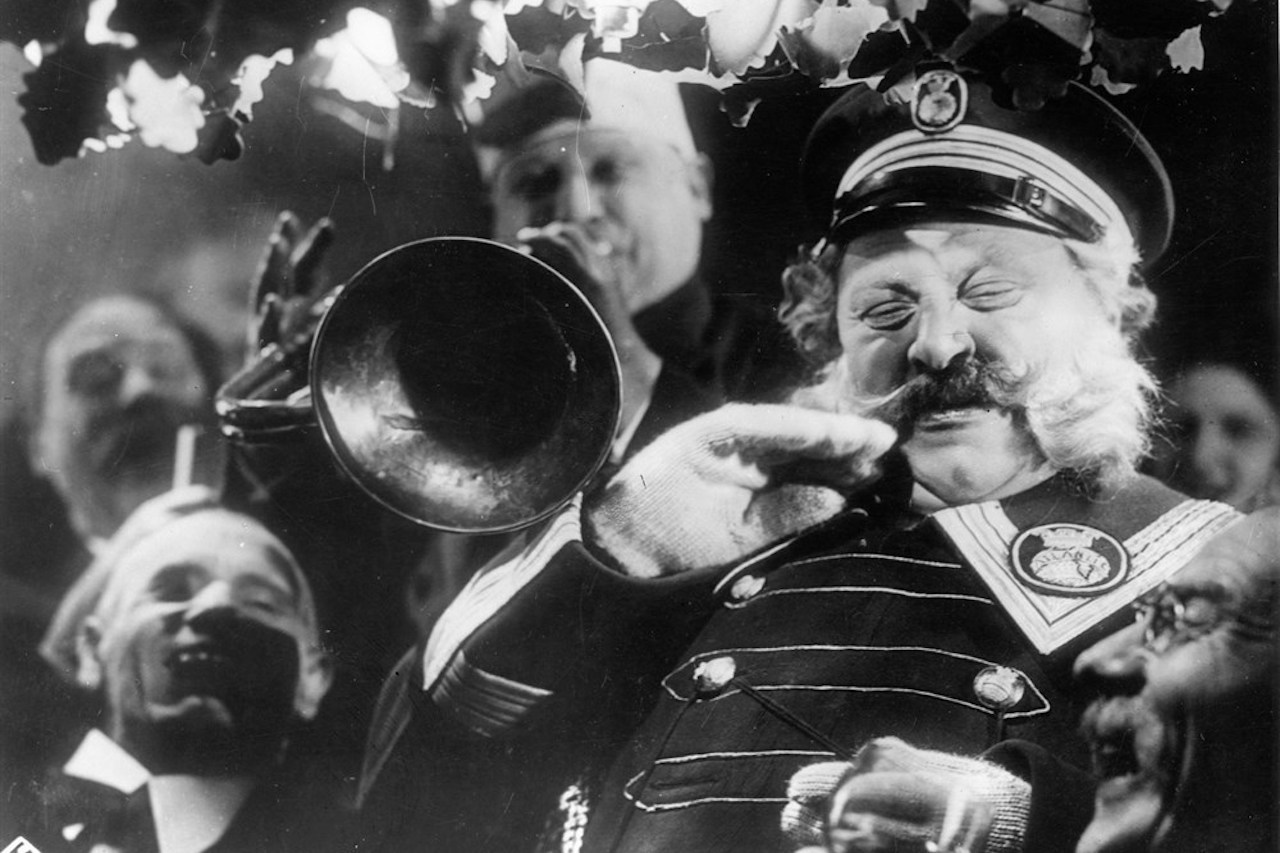
Drama, by F.W. Murnau, Germany, 1924.
Jannings is the doorman of the Atlantic hotel in Berlin, happy with his role and his uniform. But his boss thinks he is too old to receive customers at the entrance and sets him up to clean the bathrooms. Jannings, deeply troubled by what happened, gets drunk in the evening to forget what happened and tries to hide his new degrading job from family and friends. But the next day he is discovered. Absolute masterpiece by Murnau, in balance between expressionism and kammespiel. The camera comes to life in an incredibly avant-garde style of visual experimentation.
Food for thought
For the ego, uniform and respectable work can be an absolute value. For the ego, being put to clean toilets can be the worst of humiliations. Because the ego reasons according to the opinions of others and wants us to conform to their scale of values. For our deepest selves, however, it may be more fun to clean bathrooms than to be a doorman at the hotel entrance.
LANGUAGE: German (captions)
SUBTITLES: English
Anomalisa (2015)

Michael Stone, a successful motivational author specializing in customer service, is deeply unhappy and incapable of forming authentic connections. During a business trip to Cincinnati, he experiences a psychological phenomenon where everyone he encounters—including his own family—appears with the exact same face and the same monotonous voice. His despair breaks only when he meets Lisa, a woman whose unique presence and voice pierce through his homogeneous perception.
This stop-motion feature by Charlie Kaufman is a profound study of solipsistic loneliness and the “mysterious prison of identity.” The choice to use the same model and voice for most characters externalizes Michael’s depression and his inability to see individuality in others. The film explores the desperate hope of finding a cure for isolation in another person, as well as the inevitable disillusionment that follows.
The Martian (2015)
![The Martian | Official Trailer [HD] | 20th Century FOX](https://blog.indiecinema.co/wp-content/plugins/wp-youtube-lyte/lyteCache.php?origThumbUrl=https%3A%2F%2Fi.ytimg.com%2Fvi%2Fej3ioOneTy8%2F0.jpg)
During a manned mission to Mars, astronaut Mark Watney is presumed dead after a fierce storm and is left behind by his crew. Stranded alone on the hostile planet with meager supplies, Watney must rely on his ingenuity and scientific expertise to survive while attempting to signal Earth that he is alive, awaiting a rescue mission that is years away.
Ridley Scott transforms the terrifying reality of cosmic isolation into a testament to human resilience and problem-solving. Mark Watney’s loneliness is balanced by his sharp wit and gallows humor, which he maintains through video logs that serve as his only form of social interaction. The film is a gripping study of how hope and the drive to survive can endure even in the absolute void of space.
Her (2013)

In a near-future Los Angeles, sensitive and lonely writer Theodore Twombly is struggling to recover from a painful divorce. He purchases a new operating system designed with an advanced artificial intelligence named Samantha, who is witty, empathetic, and constantly evolving. As they share their lives, a romantic relationship develops that challenges traditional views on connection and consciousness.
Spike Jonze projects urban loneliness into a world where technology offers a seductive but ambiguous remedy for human disconnection. The film’s aesthetic of pastel colors and clean architecture masks a deep emotional dystopia where citizens are surrounded by people but remain isolated in their digital bubbles. It is a brilliant reflection on how the search for an antidote to loneliness can lead us into increasingly artificial and isolated territories.
The Exterminating Angel

Drama, by Luis Bunuel, Mexico, 1962.
The plot revolves around a group of people who gather in a sumptuous villa for a gala dinner. However, after dinner, they find that they are unable to leave the villa, despite the fact that the doors and windows are barred and the exits apparently blocked. What follows is a kind of surreal nightmare where the group of guests are trapped in the villa and their behaviors and social relationships begin to degrade in a bizarre way.
The film deals with themes of social conformity, alienation, and the downfall of social conventions. It is known for its surreal sequences and the way it challenges reality and traditional logic. "The Exterminating Angel" is often interpreted as a satirical critique of the upper class and self-righteous social norms. This film has become an icon of Surrealist cinema and represents one of Luis Buñuel's most distinctive and provocative works. It is prized for both its conceptual complexity and visual extravagance, and has been influential in the film world for its ability to push the boundaries of the cinematic art. At the time, many thought it was the last film of Bunuel's career. It was, however, the first of a series of masterpieces.
LANGUAGE: Spanish
SUBTITLES: English
Inside Llewyn Davis (2013)

Llewyn Davis is a talented folk singer in 1961 Greenwich Village, struggling to establish a solo career following the suicide of his musical partner. Penniless and homeless, he drifts from one acquaintance’s couch to another, alienating those around him with his surly attitude and bad luck. His journey is a circular odyssey through a freezing week in search of a gig and a sense of self-worth.
The Coen brothers examine the loneliness of the uncompromising artist, trapped in a loop of professional failure and personal pride. Llewyn’s isolation is largely self-inflicted, born of a refusal to compromise his artistic vision and a romantic attachment to his own misery. He is a man out of time, a purist in a culture that is about to be radically transformed, making his story an endless lament on the difficulty of being alone with one’s art.
Melancholia (2011)

Justine and Claire are two sisters whose strained relationship is tested during Justine’s lavish wedding reception at a secluded estate. As Justine sinks into a debilitating state of depression, a rogue planet named Melancholia is discovered to be on a collision course with Earth, threatening the total annihilation of the human race.
Lars von Trier’s apocalyptic drama intertwines the subjective experience of personal despair with the objective reality of cosmic isolation. Justine’s depressive ennui allows her to accept the impending doom with a calm that her anxious sister cannot find. The film suggests that planetary loneliness mirrors the soul’s unbridgeable voids, providing a visually stunning and emotionally devastating critique of bourgeois facades in the face of death.
Shame (2011)
![Shame - Movie Trailer [HD]](https://blog.indiecinema.co/wp-content/plugins/wp-youtube-lyte/lyteCache.php?origThumbUrl=https%3A%2F%2Fi.ytimg.com%2Fvi%2FAwSzlfMrguQ%2F0.jpg)
Brandon is a successful professional in New York whose life is dictated by a severe and secret addiction to sex and pornography. His constant pursuit of instant gratification is a defense mechanism used to avoid any form of genuine emotional intimacy. His sterile, controlled routine is shattered when his unstable sister, Sissy, arrives unannounced, forcing him to confront the profound void he has created.
Steve McQueen explores loneliness as a sociological condition in a culture of infinite, meaningless choices. Brandon’s minimalist apartment is a glass prison, reflecting a life that is functionally perfect but emotionally dead. The film is a chilling descent into the modern world where the ability to connect has been nullified by the commodification of desire, making the inability to love the ultimate source of shame.
Moon (2009)
![Moon (2009) Original Trailer [FHD]](https://blog.indiecinema.co/wp-content/plugins/wp-youtube-lyte/lyteCache.php?origThumbUrl=https%3A%2F%2Fi.ytimg.com%2Fvi%2FeVhC5CTC4VI%2F0.jpg)
Sam Bell is nearing the end of a three-year solo contract as the operator of a lunar mining base, with only an artificial intelligence named GERTY for company. Weeks before his scheduled return to Earth, his health begins to deteriorate and he suffers an accident that leads to a shocking discovery about his true identity and the nature of his mission.
Duncan Jones’s film explores two layers of isolation: the physical solitude of space and the existential terror of discovering one is not a unique individual. The revelation of the clones transforms a drama about loneliness into a philosophical thriller about the loss of self. It is an intelligent reflection on human definition when personhood is treated as a mass-produced, disposable consumer good.
There is a salad standing between us
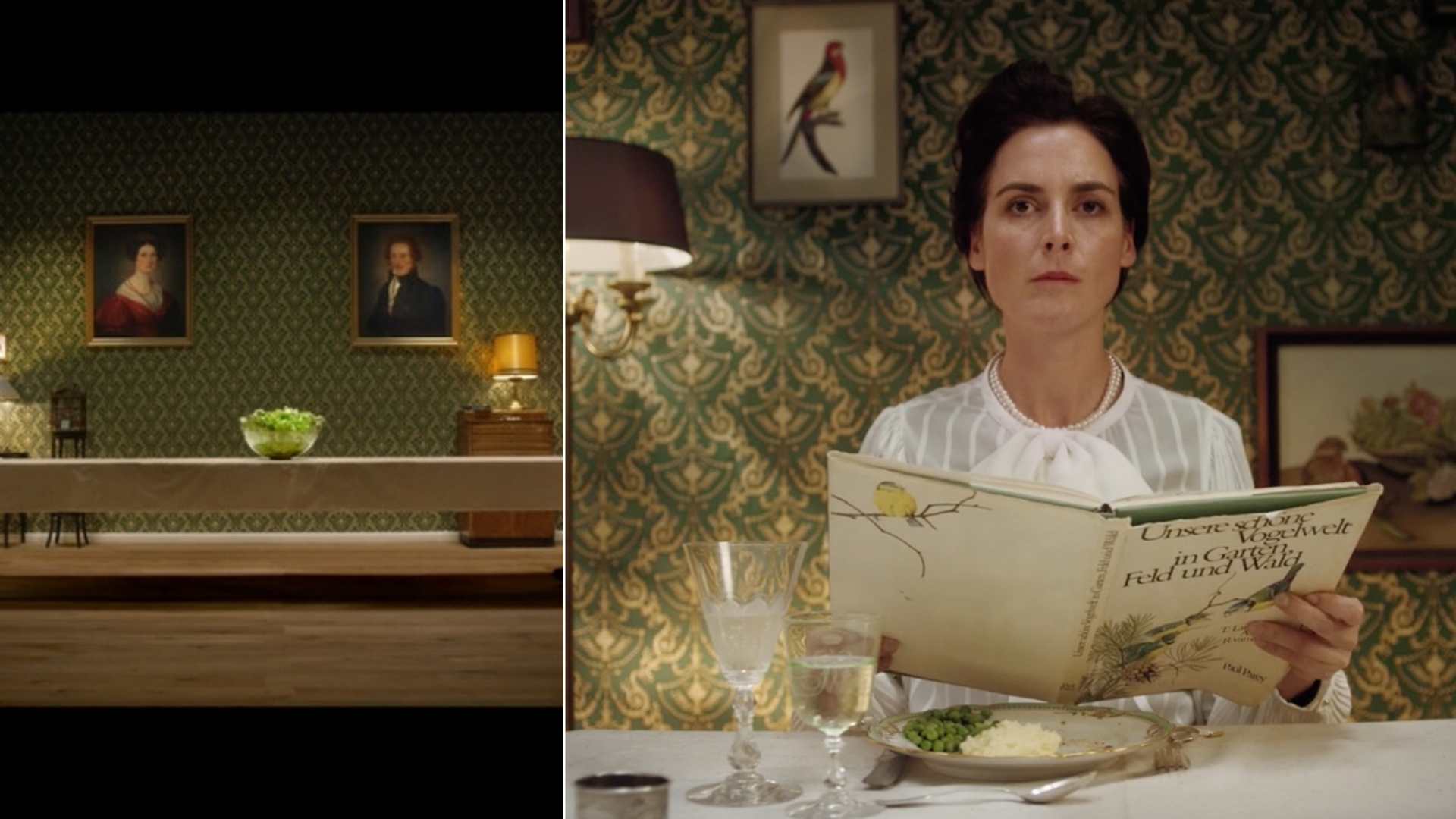
Short film, comedy, by Alice Von Gwinner, Germany, 2017.
42nd Open Air Filmfest Weiterstadt / 49th Nashville Film festival. The length of their dining table and the unreachable salad bowl in the center has become a symbol of their slowly freezing relationship. Today the time has finally come to change the scene. But what do the portraits on the wall think of all this?
LANGUAGE: german
SUBTITLES: Italian, English, Spanish, French, German
The Wrestler (2008)

Randy “The Ram” Robinson was a major wrestling star in the 1980s, but twenty years later he is a broken man living in a trailer and working at a supermarket. After a heart attack forces him to retire from the ring, Randy attempts to reconnect with his estranged daughter and a local stripper, struggling to find an identity outside the persona that once brought him fame.
Randy’s loneliness is that of an artist whose sense of self is entirely dependent on the applause of a crowd. Darren Aronofsky captures this desperation with a raw, realistic style set against the melancholic backdrop of New Jersey. Outside the ring, Randy is invisible and alone; his battered body is a map of his sacrifices, and he ultimately finds that his only connection to the world is through the tragic performance of self-destruction.
Wendy and Lucy (2008)
Wendy is a young woman with very few resources traveling toward Alaska in hopes of finding work, accompanied only by her dog, Lucy. When her car breaks down in a small Oregon town, her precarious life collapses. She is arrested for a minor theft, and while she is in custody, Lucy disappears, sparking a desperate search that highlights her total lack of a social safety net.
Kelly Reichardt crafts a minimalist masterpiece about the intersection of poverty and loneliness. Wendy’s isolation is not a choice but the direct result of an indifferent economic system that leaves individuals vulnerable to every minor catastrophe. The film shows with heartbreaking clarity how being poor is the most extreme form of isolation, as it strips away the ability to maintain even the most essential human and animal bonds.
Into the Wild (2007)

After graduating with honors, Christopher McCandless abandons his life of privilege, donates his savings to charity, and sets out to live in the Alaskan wilderness. Adopting the name Alexander Supertramp, he seeks a transcendental experience free from the constraints of modern materialism, eventually settling in an abandoned bus in the remote woods.
Sean Penn’s film explores the romantic allure and the inherent dangers of radical solitude. Christopher’s escape is a philosophical experiment intended to find the essential core of existence by rejecting all human ties. His tragic conclusion, marked by the realization that “happiness is only real when shared,” serves as a powerful warning about the fundamental human need for connection and community.
Lars and the Real Girl (2007)

Lars Lindstrom is a painfully shy and socially isolated young man who lives in his brother’s garage and is incapable of normal human interaction. One day, he introduces his family to Bianca, a life-size doll he ordered online, treating her as his real girlfriend. Rather than challenging him, his community decides to go along with the delusion to support him through his emotional crisis.
The film offers a unique and optimistic perspective on social anxiety and the power of collective empathy. Lars’s relationship with the doll is a symptom of his deep loneliness, but it becomes a vehicle for his eventual healing. It explores how an act of radical acceptance by a community can mend the fractures of a single soul, showing that the most unconventional solutions can be the most human.
The Consequences of Love (2004)

Titta Di Girolamo has lived in an anonymous Swiss hotel for eight years, adhering to a rigid routine of silence and boredom. He works for the mafia, delivering briefcases of money, and avoids all human contact to protect his secrets and atone for a past failure. This sterile existence is disrupted when he begins to notice Sofia, the hotel’s young and observant bartender.
Paolo Sorrentino directs a “thriller of the soul” about the prison of routine and the fear of feeling. Titta’s loneliness is a self-imposed purgatory, a fortress built to ensure his survival. The film demonstrates how a single, unexpected human connection can dismantle even the most impenetrable defenses, asserting that the consequences of love are the only force capable of truly challenging a life that has become a living death.
Corona days
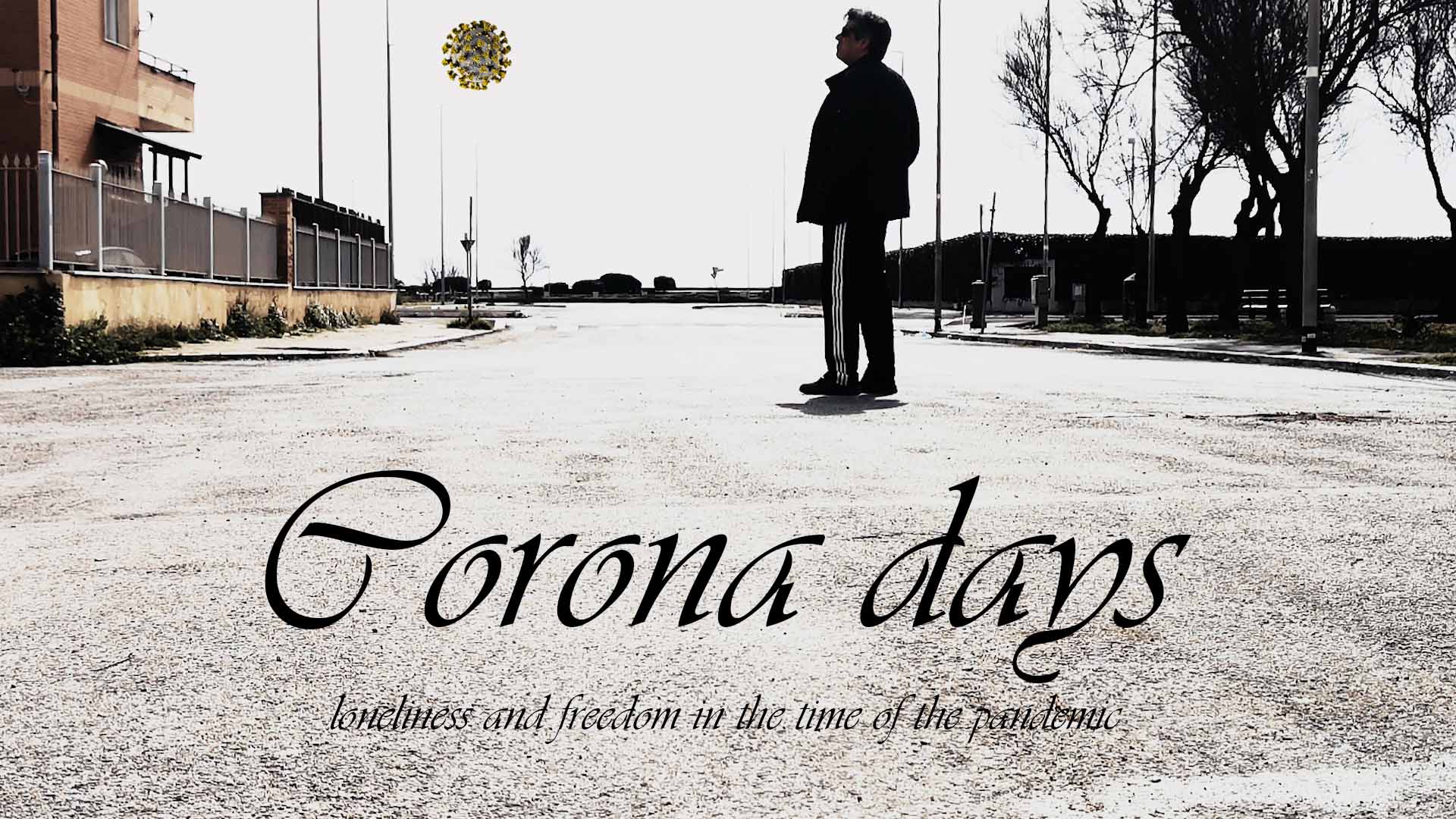
Drama, by Fabio Del Greco, Italy, 2020.
A man remains alone at home due to the Corona virus emergency measures. Solitude, time, and space become his adversaries, while imagination, memories, and the yearning for freedom become his allies. Director Fabio Del Greco intimately and personally documents the days of Corona virus isolation, filming outdoor scenes exclusively with a smartphone. The chronicle of these peculiar days serves as a catalyst for reflection on the relativity of time and space, and how freedom is something that can transcend reality to find its place within our souls.
In the times of the Corona virus, a genuine and instinctive filmmaker like Del Greco has reaped the fruits of his eccentric "cinediary" crafted during the quarantine weeks. He captured his own solitude up close, and from a safe distance, that of his friends and relatives. Above all, he seized the limited "hours of air" granted by authorities to film in a world emptied of humanity and subjected to rigorous police checks. All seen through the lens of an author who, as usual, is playful, disillusioned, and subtly ironic, even when he steps in as an actor. As he continues to explore reality, amidst melancholic insights and flashes of irony, Fabio Del Greco transcends this initial intent and transforms his feature film into a set of Russian nesting dolls, where diverse audiovisual contributions converge. These contributions may be chronologically disparate, yet they are all profoundly stimulating and laden with meaning. The interplay between present and past, expertly orchestrated even in the editing, creates a short-circuit where the past isn't merely an almanac of memories but another escape into the realm of imagination. As a socio-political critique surfaces, albeit legitimate, the narrative gradually shifts toward a broader existential framework.
LANGUAGE: italian
SUBTITLES: english, french, german, portuguese, spanish
Lost in Translation (2003)

Bob Harris, a fading American movie star in Tokyo to film a commercial, and Charlotte, a young graduate accompanying her photographer husband, meet in the bar of a high-end hotel. Both are suffering from insomnia and a profound sense of cultural and existential uprooting. They find in each other a fleeting but intense solace, navigating the alienating neon landscape of the city together.
Sofia Coppola captures a specific form of loneliness: the feeling of being “out of sync” with one’s own life. Tokyo acts as a physical embodiment of their inner state, where the incomprehensible crowds and language barriers amplify their sense of alienation. Their relationship is not a conventional romance, but an elegy on the untranslatability of certain bonds, born and consumed within a shared bubble of isolation.
The Man Who Wasn't There (2001)

In 1949 California, Ed Crane is an impassive, laconic barber whose life is a gray, aimless routine. He moves through the world with a sense of complete detachment, smoking incessantly and observing the events of his own life as a spectator. A single, ill-conceived plan to blackmail his wife’s lover triggers a chain of events involving murder and betrayal that Ed watches with the same characteristic apathy.
The Coen brothers utilize a meticulous noir style to create the definitive portrait of existential emptiness. Ed Crane is not merely alone; he is almost non-existent within his own narrative, a “ghost” in a world that barely notices him. His isolation is metaphysical rather than emotional, representing a man wandering through an absurd and meaningless universe where his own presence feels like an anomaly.
Buffalo '66 (1998)

Immediately after being released from prison, Billy Brown kidnaps a young tap dancer named Layla and forces her to pretend to be his wife during a visit to his parents. Billy is desperate to impress his mother and father, who are indifferent to him and obsessed with the Buffalo Bills. During the surreal visit, the depths of Billy’s childhood trauma and his intense self-hatred are revealed.
Vincent Gallo’s film is a raw, painful self-portrait and a dysfunctional cry for help. Billy’s aggressive and unstable behavior masks a profound need for love and acceptance that he was never granted. The film is a bitter fantasy about the possibility of finding an unconditional connection that can heal a lifetime of rejection, portraying loneliness as a jagged, physical pain that distorts the world around the protagonist.
Taste of Cherry (1997)

Mr. Badii is a middle-aged man driving through the arid hills on the outskirts of Tehran with a specific goal: he plans to commit suicide and is looking for someone to bury him the following morning. He approaches a variety of individuals—a soldier, a student, and a taxidermist—to offer them money for the task, leading to a series of conversations about the value of life and the nature of despair.
Abbas Kiarostami’s minimalist work is a pure exercise in existential loneliness, focusing not on the reasons for Mr. Badii’s pain, but on his search for one last act of human connection. The film questions the viewer’s capacity for empathy and the moral responsibility we have toward others in their moments of deepest darkness. It is a contemplative journey that asks whether any individual can truly understand the weight of another’s isolation.
Chungking Express (1994)

In the dense urban landscape of Hong Kong, the lives of two heartbroken policemen briefly touch those of two mysterious women. Officer 223 becomes obsessed with canned pineapple expiration dates after a breakup, while Officer 663 mourns his lost love by talking to his household objects, unaware that a local snack bar employee is secretly redecorating his apartment to change his life.
Wong Kar-wai captures the essence of metropolitan loneliness through an intoxicating, hyper-stylized visual language. Hong Kong is depicted as a labyrinth of neon lights and anonymous crowds where characters exist as emotional islands. The film is a visual poem about the randomness of urban encounters, showing how countless lonely hearts brush past one another in the city, meeting momentarily but rarely ever truly merging.
The Kempinsky Method

Drama, by Federico Salsano, Italy 2020.
The introspective imaginary road movie of a man in the maze of his own mind, his memories of his youth, his never dormant passions and contradictory truths. The road is made of water, the destination is falsely unknown. His traveling companions are three mysterious men, projections of his imagination and of different aspects of his personality: the perennial melancholy, the crazy creative, the introverted child. He is also followed by a female presence that tells the umpteenth human story. At a certain point of the crossing he decides to abandon the boat and his ghosts of him diving into the sea and arrives swimming on a deserted beach, naked, with a small Pinocchio puppet closed by a padlock.
In this splendid film life is like a long sea voyage and the human being is a small creature confronting immensity. Sometimes the ocean is calm, other times there are terrible storms. Sometimes we are captains of a boat with a well-defined route, other times we are shipwrecked in search of a land in which to save ourselves. But despite the long journey and the movement in physical space, there are other questions that resonate in the mind: who are these men I travel with? What is the mystery of this immense mass of water that seems to be made of my memories? You can circumnavigate the whole world but the main question always remains the same: who am I really?
LANGUAGE: italian
SUBTITLES: english, spanish, portuguese, german, french
Three Colors: Blue (1993)
Julie survives a car accident that kills her husband, a famous composer, and their young daughter. In the aftermath, she attempts to liberate herself from her past by selling her possessions and moving to an anonymous apartment in Paris, seeking absolute freedom through total emotional detachment. However, she finds that her husband’s unfinished music and the memories of her life haunt her like ghosts.
Krzysztof Kieślowski stages a radical attempt at emotional self-exile. The “freedom” Julie seeks is actually a state of total isolation intended to protect her from further suffering. The film uses the color blue and recurring musical motifs to represent the intrusive nature of memory. Her journey ultimately demonstrates that true freedom is found not in detachment, but in the painful and necessary reconnection with the world and other people.
Paris, Texas (1984)

Travis Henderson emerges from the Texas desert after four years of absence, unable to speak and seemingly suffering from amnesia. His brother finds him and brings him back to Los Angeles, where Travis slowly attempts to rebuild a relationship with his young son and find his missing wife, Jane. Their search leads them to a poignant encounter that reveals the reasons for the family’s original collapse.
The endless horizons and desolation of the Texan landscape serve as a perfect metaphor for Travis’s inner state: he is a man lost in an arid emotional desert. Wim Wenders transforms the “road movie” into a melancholic pilgrimage toward memory and redemption. Travis’s loneliness is not merely the absence of others, but a total loss of self, making his journey an attempt to return to his own humanity.
Possession (1981)

Mark, an international spy, returns to his home in West Berlin to find that his wife, Anna, wants a divorce for reasons she cannot explain. As her behavior becomes increasingly erratic and violent, Mark discovers that she is keeping a grotesque, tentacled creature in a hidden apartment. The couple enters a spiral of mutual destruction, betrayal, and supernatural horror as their marriage disintegrates.
Andrzej Żuławski’s masterpiece is a visceral allegory of the psychological horror of a collapsing relationship. The title refers to both demoniac possession and the toxic possessiveness that defines the couple’s bond. The film externalizes the internal chaos of divorce through body horror and surrealism, suggesting that there is little difference between being possessed by a demon and being possessed by another person’s trauma in a failing relationship.
Taxi Driver (1976)
![TAXI DRIVER [1976] - Official Trailer (HD)](https://blog.indiecinema.co/wp-content/plugins/wp-youtube-lyte/lyteCache.php?origThumbUrl=https%3A%2F%2Fi.ytimg.com%2Fvi%2FT5IligQP7Fo%2F0.jpg)
Travis Bickle is a Vietnam War veteran suffering from chronic insomnia who takes a job as a night-shift taxi driver in New York City. Disgusted by the perceived moral decay and crime on the streets, he spirals into deep isolation, obsessively recording his thoughts in a diary. His loneliness eventually fuels a violent fantasy of redemption as he attempts to “save” a child prostitute and a political worker.
Martin Scorsese’s film is a seminal exploration of urban alienation and the dangers of unchecked isolation. Robert De Niro’s portrayal of Bickle illustrates how being a “lonely man” can breed a destructive obsession with purity and violence. The neon-drenched, gritty visuals of 1970s New York amplify the protagonist’s disconnection from a society that has neglected him, turning his need for purpose into a bloody crusade.
Jeanne Dielman, 23 quai du Commerce, 1080 Bruxelles (1975)

For three days, we observe the meticulous daily routine of Jeanne Dielman, a widow living in a Brussels apartment with her teenage son. Her life is a series of repetitive domestic rituals: cooking, cleaning, and shopping, supplemented by receiving male clients in the afternoons to support herself. The film captures these gestures in near-real time, showing the mounting pressure behind her controlled facade.
Chantal Akerman’s work is a monumental analysis of domestic isolation and the “invisible” labor of women. By turning the mundane into the epic, the film reveals the repressed anxiety hidden within the rituals of home life. Jeanne’s routine is a desperate defense against existential chaos; her loneliness is that of countless women confined within the walls of domesticity, making the film a landmark in feminist cinema.
A Better Life
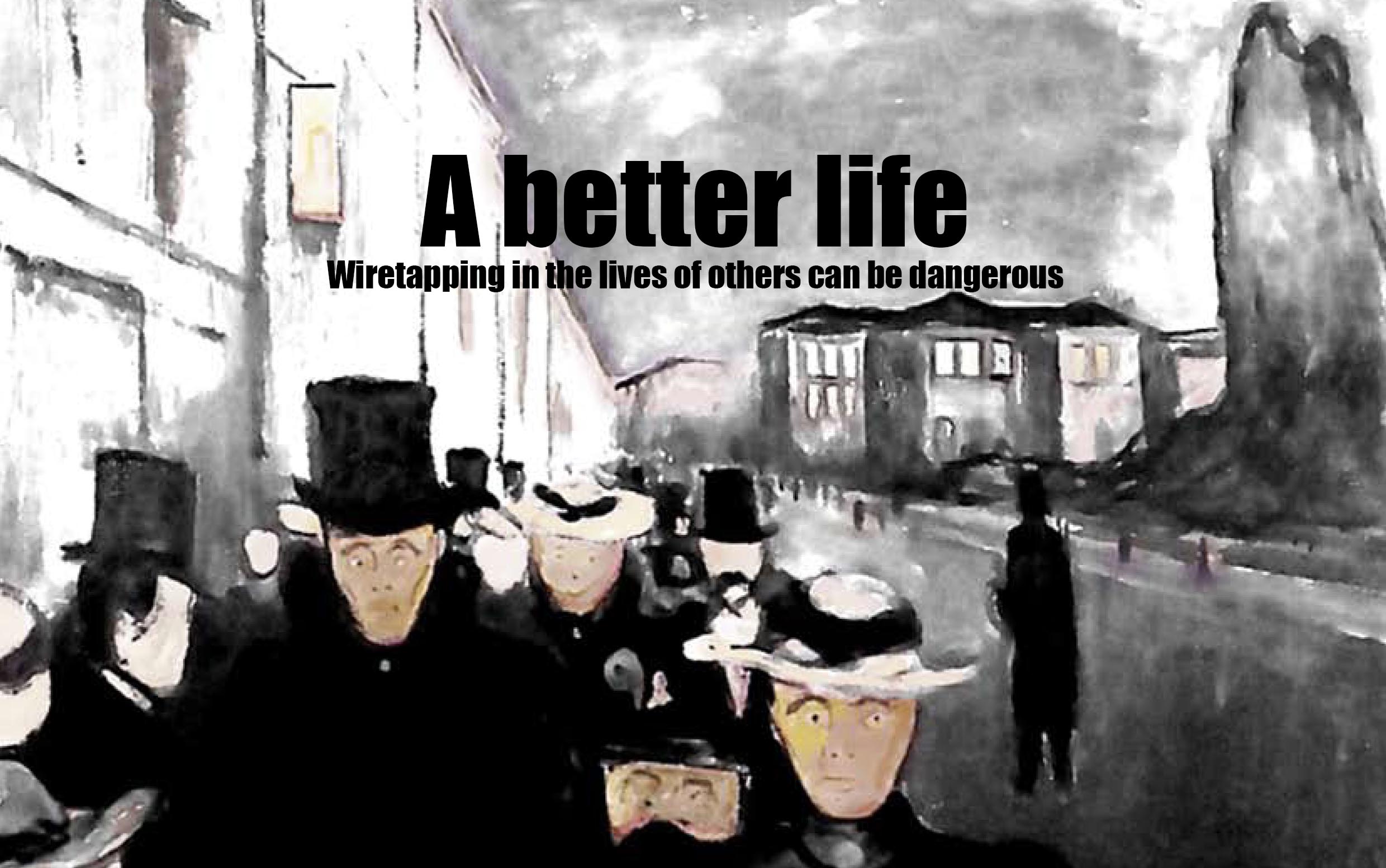
Drama, thriller, by Fabio Del Greco, Italy, 2007.
Rome: Andrea Casadei is a young investigator specializing in audio wiretapping who conducts investigations commissioned by husbands betrayed by their wives, or by parents worried about what their children are doing outside the home. But what interests him most is understanding the human soul, listening to casual conversations in the streets, knowing what people think. He often meets in Piazza Navona with his friend Gigi, a frustrated street artist obsessed with success at all costs, with whom he shares a passion for wiretapping. Shocked by the mystery of the disappearance of Ciccio Simpatia, another street artist common friend, Andrea decides to abandon the commissioned works to seek a better life and reflect on his own and others' existence. He will meet the actress Marina and with a bug he will slowly enter her life until he discovers her most unthinkable secrets. The film deals with an important theme of contemporary Western society: the lack of love. The mysterious and tormented figure of Marina is reflected in a gloomy and soulless Rome.
Director Fabio Del Greco declared about his film: "Perhaps this film is a reflection on the art of observing, of listening, in short, of what one does when one leaves the real world to tell about it. Perhaps he wants to talk about the subtle relationship between the mirages of success touted by today's society, power and the most authentic human relationships.A 'dark cloud' hangs over the city: it is engulfing everyone in a sort of indistinct, uniform mass, where everyone thinks the same things, where everyone they are more alone. Where is the truest part that makes us unique? Maybe you can try to intercept it only secretly."
LANGUAGE: Italian
SUBTITLES: English, Spanish, French, German, Portuguese, Dutch.
The Conversation (1974)

Harry Caul is a highly skilled but obsessively private surveillance expert who takes pride in his professional detachment. After recording a conversation between a young couple in a public square, he becomes convinced that his work will lead to their murder. Haunted by a past case that ended in tragedy, Harry spirals into a state of paranoid isolation as he attempts to intervene.
Francis Ford Coppola’s masterpiece is a tragedy of professional and personal isolation. Harry’s job is to invade the privacy of others, but his own life is a fortress built to protect his secrets. Surveillance technology becomes a metaphor for modern alienation, where the act of observing others without their knowledge eventually destroys the observer’s ability to participate in a moral or meaningful human connection.
Solaris (1972)

Psychologist Kris Kelvin is sent to a space station orbiting the planet Solaris to investigate the psychological distress of its crew. He discovers that the planet is a sentient ocean capable of materializing the repressed memories and guilt of the humans aboard. Soon, Kris is visited by a “visitor” taking the form of his deceased wife, Hari, forcing him to confront his grief in the isolation of deep space.
Andrei Tarkovsky’s film is an abyssal exploration of the human psyche that uses the space station as a mirror for the characters’ internal worlds. The work is a profound meditation on the impossibility of escaping oneself, even at the edge of the cosmos. Kris’s loneliness is that of a man trapped in his own past, condemned to interact with a projection of his failure that is both his beloved and his tormentor.
Persona (1966)
![Persona (1966) ORIGINAL TRAILER [FHD]](https://blog.indiecinema.co/wp-content/plugins/wp-youtube-lyte/lyteCache.php?origThumbUrl=https%3A%2F%2Fi.ytimg.com%2Fvi%2FYEfJopPIbQg%2F0.jpg)
Elisabet Vogler is a successful stage actress who suddenly falls mute during a performance and refuses to speak thereafter. She is sent to a seaside cottage to recover, accompanied by a young nurse named Alma. As they spend their days in relative isolation, Alma begins to divulge her deepest secrets to the silent Elisabet, leading to a psychological merging of their identities.
Ingmar Bergman’s experimental drama delves into existential isolation and the fragility of the self. Through innovative techniques like close-ups that merge the women’s faces, the film symbolizes the emotional enmeshment that can occur when two souls are trapped in silence. Persona forces viewers to confront the unbridgeable void between individuals and the masks we wear to hide our fundamental disconnection from others.
Repulsion (1965)

Carole Ledoux is a shy Belgian manicurist living in London with her sister, suffering from a pathological repulsion for men and sexual intimacy. When her sister goes away on a vacation, leaving Carole alone in their apartment, her forced isolation triggers a rapid descent into a psychotic nightmare filled with surreal hallucinations and violent impulses.
Roman Polanski transforms an ordinary apartment into a hellish landscape that reflects the protagonist’s fractured mind. The walls crack and domestic objects become threatening as Carole’s loneliness manifests as an active, destructive force. The film is a chilling analysis of how repression and psychological confinement can breed monsters, turning the home into a terrifying prison of the subconscious.
Red Desert (1964)

Giuliana, the wife of an industrial manager, lives in the city of Ravenna in a state of deep psychological distress following a suicide attempt. She wanders through a spectral landscape of factories, colored fumes, and metallic noises, feeling a profound sense of alienation from the modern, dehumanized world. An encounter with her husband’s colleague seems to offer a connection, but it results in further isolation.
Michelangelo Antonioni’s first color film uses a highly expressionistic palette to paint the state of a “sick soul.” The unnatural colors of the industrial environment—the yellow of sulfur, the gray of fog—are not realistic, but represent Giuliana’s anguished perception. Her loneliness is that of a sensitive human being in a world where technology has violently supplanted nature, creating a profound spiritual and emotional void.
Mystery of an Employee

Drama, thriller, by Fabio Del Greco, Italy, 2019.
Someone wants to control the life of the employee Giuseppe Russo: the products he buys, his political and religious faith, his private life, even his dreams. But he will do anything to escape control and find his true self. Giuseppe is a man of around 45, married, with a stable job and a home of his own. His life flows seemingly peacefully when he meets a mysterious tramp who gives him some old VHS video cassettes. Giuseppe begins to see video tapes in which he is filmed in some moments of his life since he was a child, then as a teenager and as a young man. Who shot those videos that he remembers nothing about? Giuseppe has the strange sensation of being constantly observed and begins to investigate what is happening. Through his investigation of him, he begins to rediscover his true identity and become aware of who he truly is.
Employee's Mystery is a film that highlights the danger of social control and shows a society where everyone is constantly monitored and conditioned in their deepest selves. The film is also an analysis of human nature and identity. Fabio Del Greco, who plays Giuseppe, gives an engaging performance. Equally good is Chiara Pavoni, in the role of Giada Rubin and Roberto Pensa in the role of the tramp. Employee's Mystery is a film that addresses important themes in an original way, a psychological thriller that keeps the viewer glued to the screen until the end: a metaphor for contemporary society, in which people are increasingly monitored and conditioned by the media and technologies . It is a courageous and provocative work, which addresses important themes in an original way.
LANGUAGE: Italian
SUBTITLES: English, Spanish, French, German, Portuguese
L’eclisse (1962)

Vittoria, a young translator, ends a relationship with an intellectual and soon begins a fragmented affair with Piero, a materialistic and energetic stockbroker. Their attraction is marked by long silences, missed meetings, and an inability to connect on a meaningful level. This failure reflects a broader malaise in a society that has become increasingly hollow and alienated.
The final chapter of Antonioni’s “trilogy of incommunicability” is a radical representation of emotional disconnection. The love story is a pretext to explore the emptiness that has crept into modern human relationships. The famous ending, showing deserted urban spaces where the lovers were meant to meet, is a definitive statement on metropolitan loneliness: objects outlive feelings, and absence becomes the most powerful presence.
Wild Strawberries (1957)

The elderly Professor Isak Borg travels by car from Stockholm to Lund to receive an honorary degree, accompanied by his daughter-in-law. Along the way, a series of dreams and encounters with strangers force him to re-examine his past, which has been marked by emotional coldness and a deep sense of isolation. He must confront his own mortality and the ghosts of his mistakes before he can find peace.
Ingmar Bergman’s masterpiece is an inner journey into the loneliness of old age and the burden of regret. The physical road trip is a pilgrimage into memory, where the loneliest place is revealed to be Isak’s own past. The film is a profound exploration of the possibility of reconciling with oneself, suggesting that even a life defined by isolation can find a late redemption through self-reflection and the acceptance of one’s own humanity.
A vision curated by a filmmaker, not an algorithm
In this video I explain our vision

