In an increasingly connected world, where geographical and cultural barriers are dissolving, a new trend is rapidly taking hold in the global film industry: independent film. We are facing an unprecedented phenomenon, where experimental and original film productions are gaining ground over traditional blockbusters and mainstream films. This trend stems from a variety of motivations that drive audiences to look for something different and to desire a more authentic form of entertainment.

One of the key reasons for the emergence of independent films is audiences’ fatigue with the prepackaged formulas and predictable storylines that characterize blockbusters. People are hungry for novelty, unique and inspiring stories that break the conventional mold. Independent films stand out for their narrative boldness and daring to deal with complex themes, voicing different perspectives and offering a more intimate look at human experiences.
Along with the desire for originality, there is a growing public awareness of the social, political, and cultural dynamics that shape the world around us. Independent films embrace this sensibility and offer a platform for discussing important and often overlooked topics. Through a combination of innovative aesthetics and engaging storytelling, these productions are able to create a lasting impact on society, inspiring audiences to reflect and consider new perspectives.
The Drama (2026)

This A24 production dives into a fever dream unpacking fame, creative pressure, and music industry absurdities with sharp humor and striking fashion. It promises a psychodrama blending pop-star introspection and visual spectacle for indie audiences.
As an A24 hallmark, The Drama fuses experimental narrative with incisive cultural critique, delivering a hallucinatory portrait of celebrity’s toll. Its bold aesthetics and thematic depth echo indie trailblazers, positioning it as a must-watch for its unflinching gaze on artistry’s dark underbelly in the streaming era.
Don Barry: A Quixotic Exploration

Docufiction, Experimental, by Paul Smart, Mexico, 2026.
Don Barry: A Quixotic Exploration is a debut feature that places the biography of an eighty-year-old experimental filmmaker and artist, Barry Gerson, within the metanarrative of Miguel de Cervantes’ Don Quixote. Don Barry was filmed in the city of Guanajuato during the 51st edition of the Cervantino Festival, as well as during the vibrant Day of the Dead celebrations held in the city’s UNESCO-listed tunnels. The film honors the director’s long friendship with artist Barry Gerson, drawing inspiration from Cervantes’ Don Quixote. Paul Smart’s directorial choices create something new that celebrates life and goes beyond conventional storytelling. A search for magic in our real lives. A moving film about the meaning of life, art, and death. Not to be missed.
Paul Smart is a proud outsider filmmaker with a long history of film screenings. In the 1980s, he emerged in New York’s vibrant youth art scene, working in theater production and later filmmaking, before retreating to rural upstate New York, in the Catskill Mountains, where he made a living writing and screening independent films in old parish halls for rural audiences, many of whom had never seen a film.
LANGUAGE: English
SUBTITLES: Spanish, French, German, Portuguese
The Gallerist (2026)

Natalie Portman plays a desperate gallery owner hatching an outrageous scheme to sell a dead body at Art Basel Miami, anchoring this razor-edged satire of the art world’s unforgiving power dynamics. Cathy Yan directs with an exceptional ensemble including Jenna Ortega and Charli XCX.
Yan, returning post-Dead Pigs, wields her Sundance-honed satire like a scalpel, exposing elitism and commodification through Portman’s fierce lead and a stellar cast. The film’s unsparing wit and visual panache cement it as essential indie fare, skewering capitalism’s absurdities with gleeful precision.

The Testament Of Ann Lee (2026)

Amanda Seyfried delivers a disarming, all-singing, all-dancing performance as Ann Lee, the fearless founder of the Shaker movement, in this bold musical drama co-written by Brady Corbet and Mona Fastvold, who also directs.
Fastvold’s direction elevates this biopic into a rhythmic triumph, blending historical reverence with theatrical flair. Seyfried’s transformative portrayal, earning Golden Globe and Critics’ Choice nods, illuminates Lee’s radical vision of equality and celibacy, making it a standout in indie musical storytelling with profound feminist undertones.
The Lost Poet
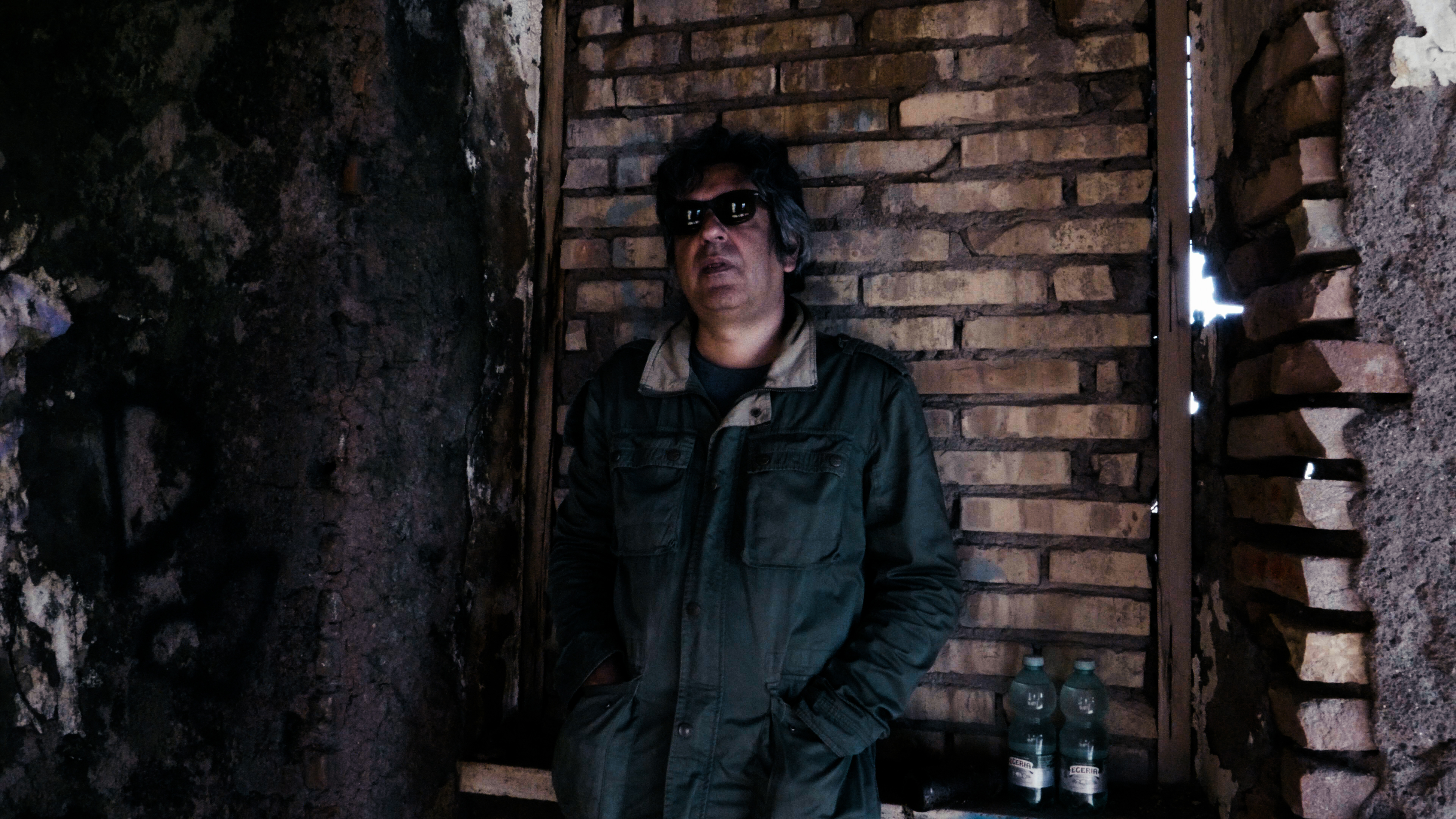
Drama, by Fabio Del Greco, Italy, 2024.
Dante Mezzadri wants to see an old friend, nicknamed the Iguana, whom he has lost sight of for many years, and who has managed to turn their shared youthful passion for poetry into a job, becoming a famous writer and poet. The man escapes from his bourgeois life and his wife to live homeless on the Roman coast, printing and trying to sell his poetry collections. At night he sleeps in a park of old carnival floats, inside a papier-mâché tank, and waits for the opportunity to meet his old friend, who however never shows up for appointments in the places they frequented when they were young, now in ruins. Dante's poetry books do not interest anyone and to support himself he is forced to "change product": he starts selling the infamous "cannibal pill" on behalf of young drug dealers, a new drug that sells like hot cakes and causes sensory and consumerist ecstasy. However, he realizes that this powerful drug is very dangerous for those who take it, he comes into conflict with his ethical conscience and throws all the pills into the sea. However, the dealers want to collect their money.
Shot over a period of 2 years, the film is a reflection on the cultural and artistic rubble of the society in which the protagonist lives, in an increasingly mechanized, consumerist and arid world. Dante Mezzadri is yet another human being who has renounced his inspiration and his creativity, but unlike many he is not willing to give his life to a system that distances him from his true identity. The physical world around him, however, seems constructed in such a way that it seems impossible to escape from this "invisible cage". The enthusiasm of the people he meets is ignited only by sensory gratification, by unreal visions of personal affirmation and success, by "metaverses" that offer an escape into an illusory and destructive reality. The poet's house on the coast, where he met with his friends as a young man, is just a pile of abandoned rubble. What happened to all those who wanted to become poets and ended up becoming something else? Are there internal forces with which that house can be "rebuilt"?
LANGUAGE: Italian
SUBTITLES: English, Spanish, French, German, Portuguese
Erupcja (2026)

Charli XCX makes her acting debut as a pop star sneaking away from her Golden Retriever boyfriend for a passionate all-night tryst with another woman. Directed by Pete Ohs, this hazy, playful tale unfolds like an upbeat riff on lost souls finding unexpected connections in unfamiliar places.
Ohs infuses the film with vibrant energy and queer joy, transforming a simple escapade into a vibrant exploration of identity and desire. Charli’s magnetic screen presence, paired with lush visuals and a killer soundtrack, positions Erupcja as a fresh indie gem that captures the thrill of self-discovery amid pop culture chaos.
How to Make a Killing (2026)

Rose Byrne stars as a Seattle woman teetering on the edge of homelessness, battling for 369 grueling days to recover her stolen 1991 Toyota Corolla after it’s towed away. Directed by Stephanie Laing, this indie drama captures her desperate fight against bureaucratic indifference and personal despair.
Laing’s film masterfully blends dark humor with poignant social commentary, showcasing Byrne’s Oscar-nominated prowess in a raw, unfiltered performance. It dissects urban precarity and resilience in modern America, earning festival buzz for its sharp script and empathetic lens on the overlooked struggles of the working class.
The Sands

Science fiction, by Noah Paganotto, Argentina, 2022.
In an undetermined location on planet Earth, in an unknown time, Zoilo lives with his family in a wasteland surrounded by ruins. They live uprooted, without mothers, knowing that pregnancy for women is synonymous with death. For them there is only one collective routine; keep the fire alive. Only Zoilo escapes this logic, observing, intrigued, details that others do not see and therefore do not appreciate. Zoilo's personal search for answers will increase the differences with his relatives, increasingly revealing an empty world of interiority.
Avant-garde film that burns slowly in the first part and then reveals in the second the profound conflicts of a family prisoner of archaic beliefs. It is a dystopian and visionary work, with wonderful photography and images of rare power that allow us to grasp the depth of the story and its poetic potential. The faces of the actors, especially the protagonist boy, are perfect. The Sands metaphorically represents the world we live in: an alienated society, where what keeps us alive is demonized and blamed for death. In opposition to the fast pace of the typical mainstream film, The Sands is a meditative journey into the depths of images. The film was shot in natural environments in the city of Necochea, Buenos Aires province, Argentina.
LANGUAGE: Spanish
SUBTITLES: English, Spanish, French, German, Portuguese
A vision curated by a filmmaker, not an algorithm
In this video I explain our vision
Flow (2025)

In a post-human world submerged by a great flood, a solitary cat finds refuge on a drifting boat along with a capybara, a lemur, a bird, and a dog. To survive, he must overcome his independent nature and learn to collaborate with the other animals.
A Latvian animation miracle, made without dialogue. It is not a children’s movie: it is an existential and visually incredible survival movie that uses fluid animation techniques to immerse the viewer in the wild. A universal sensory and emotional experience that enchanted Cannes.
Limonov: The Ballad (2024)

Based on Emmanuel Carrère’s famous biographical novel, the film retraces the tumultuous and incredible life of Eduard Limonov. The narrative traverses the second half of the 20th century, following the protagonist’s metamorphoses: from his origins in Soviet Russia to his bohemian life as a punk poet and homeless man in New York, up to his literary success in Paris and his return to Russia as the leader of an extremist and revolutionary political party. In Limonov: The Ballad, we follow the rise and fall of a man who wanted to be everything—thug, butler, writer, soldier—burning through his life with destructive vitality.
Directed by dissident Russian filmmaker Kirill Serebrennikov, this biography is not a celebration, but an electric and “rock’n’roll” portrait of an ambiguous figure. Ben Whishaw physically transforms to interpret Limonov’s disturbing charisma and vulnerability. Shot across different metropolises to faithfully recreate the eras, the film uses a powerful and theatrical visual style to explore the boundary between art and radical politics. It is a work that divided critics for its indulgent representation of a dangerous character, yet fascinates with its unstoppable energy.
Anora (2024)

A young sex worker from Brooklyn impulsively marries the son of a Russian oligarch, believing she is living a fairy tale. But when his parents arrive in New York to annul the marriage, the fairy tale turns into a frenetic and tragicomic nightmare.
Sean Baker (The Florida Project) wins the Palme d’Or with a film that is pure kinetic energy. It’s not the usual indie love story: it’s a desperate race across social classes, shot with a dirty and vital style reminiscent of New Hollywood. Funny, heartbreaking, and deeply human.
I Saw the TV Glow (2024)

Two outcast teenagers bond over their obsession with “The Pink Opaque,” a mysterious late-night horror TV show. When the show is canceled, reality begins to crumble for one of them, blurring the lines between suburban life and the monstrous world of television.
An instant generational cult classic produced by A24. Jane Schoenbrun uses lo-fi VHS aesthetics and neon colors to create a powerful allegory on dysphoria and the feeling of living a “wrong” life. It is a melancholic and hypnotic psychological horror, perfect for those seeking a new visual language.
Janet Planet (2024)

In the summer of 1991, in rural Massachusetts, eleven-year-old Lacy lives in symbiosis with her mother Janet, a magnetic acupuncturist who attracts a series of problematic lovers and friends. Through the child’s silent and judging eyes, we see the adult world crumble and recompose in a slow and sultry summer.
Playwright Annie Baker’s directorial debut is a film of “micro-observation.” There are no big events, but a subtle and constant emotional tension. It is American indie cinema at its best: intimate, theatrical, made of silences and details that reveal the complexity of the mother-daughter relationship. A film as small and precious as a childhood memory.
Aggro Dr1ft (2024)

An expert assassin moves through Miami’s criminal underworld to kill a demonic drug lord. But the plot is almost irrelevant: the film is shot entirely with thermal infrared cameras, transforming every image into a psychedelic trip of acid colors (yellow, red, blue) where bodies seem made of pure energy.
Harmony Korine (Spring Breakers) destroys narrative cinema to create something closer to video art or video games. It is a radical, repetitive, and hypnotic visual experiment, accompanied by a pounding soundtrack. You either love it or hate it: it is the perfect example of underground cinema rejecting any commercial compromise.
Kneecap (2024)

Belfast, Northern Ireland. Three guys form a hip-hop group rapping in the Irish language (Gaelic), unexpectedly becoming the voice of a disillusioned and political generation. Amidst drugs, police, and chaotic concerts, the film tells the true story of the eponymous band, with the real band members playing themselves (alongside Michael Fassbender).
An anarchic, energetic, and rebellious musical comedy reminiscent of Trainspotting. It is a “dirty,” funny, and politically incorrect film about cultural identity and resistance through music. An instant cult classic for those who love gritty British/Irish cinema.
Riddle of Fire (2024)

Three kids from Wyoming, armed with paintball guns and dirt bikes, set off on an epic mission: to buy a blueberry pie for their sick mother (so they can get the TV password to play video games). Their quest turns into a modern fairy-tale adventure against a cult of poachers and witches.
Shot on 16mm with a coarse and nostalgic grain, this film is a tribute to 80s kids’ adventure cinema, but with a modern and quirky sensibility. It is a charming and imperfect debut, full of magic and freedom, feeling like a fever dream of an endless summer.
Humanist Vampire Seeking Consenting Suicidal Person (2024)

Sasha is a young vampire from Quebec with an ethical problem: she is too sensitive to kill people for food. Her parents, exasperated, cut off her blood supply. Sasha meets Paul, a depressed and suicidal teenager who agrees to be eaten, provided she helps him fulfill one last wish before he dies.
A sweet, macabre, and visually stylish horror comedy that reinvents the vampire myth as a coming-of-age story. It is a film about youth alienation treated with dark and delicate humor. Perfect for those who loved Let the Right One In or Only Lovers Left Alive.
Bird (2024)

The film follows Bailey, a 12-year-old girl living with her family in a squat in North Kent, England. Her life is chaotic, marked by her father’s erratic behavior and the struggles of her young stepmother. Bailey seeks escape and meaning in her harsh reality, finding solace and a strange connection with a mysterious man named Bird.
Andrea Arnold‘s “Bird” is a visceral and empathetic exploration of the social peripheries of contemporary Britain. The film immerses the viewer in the lives of those living on the margins, in makeshift homes and neglected landscapes. The North Kent setting, with its desolate beauty and sense of abandonment, perfectly embodies the physical and emotional periphery. Arnold highlights the resilience and vulnerability of individuals, particularly young people, navigating poverty, dysfunctional families, and the search for identity and belonging in environments where traditional structures have broken down.
Beating Hearts (2024)

Love Never Dies (original title: L’Amour ouf), directed by Gilles Lellouche in 2024, is an intense and troubled love story set in the 1980s in northern France. The protagonists are Jackie (Adèle Exarchopoulos), a smart and determined middle-class girl, and Clotaire (François Civil), a young man from a humble background, raised in a large and troubled family.
The film is set in a working-class port city in northern France, among docks, factories, freight trains, and industrial landscapes. The peripheral spaces are not mere static backdrops, but actively contribute to the film’s atmosphere, expressing the sense of marginalization, conflict, and desire for redemption that drive the characters. Jackie comes from a petit bourgeois family, while Clotaire grows up amidst economic hardship and marginal influences.
The Lost Poet (2024)

The Lost Poet (2024), directed by and starring Fabio Del Greco, tells the story of Dante Mezzadri, a middle-aged man who decides to abandon an unfulfilling bourgeois life and his wife in order to pursue his poetic ideal along the Roman coastline. After years of friendship and youthful passion for poetry shared with Iguana — an old friend who has instead managed to become a famous poet — Dante now lives as a homeless man, printing and trying in vain to sell his own poetry collections.
The Lost Poet by Fabio Del Greco offers a tender and melancholic look at the Roman peripheries, focusing on individuals who are culturally and socially marginalized. The suburban setting underscores a sense of abandonment and neglect, where art and poetry often go unnoticed. The poet’s struggle highlights the isolation experienced by those living on the fringes, yet it also celebrates the resilience of the human spirit and the ability to find beauty and connection even in desolate environments.
Do Not Expect Too Much from the End of the World (2023/2024)

Angela, an exhausted production assistant, drives around Bucharest casting injured workers for a workplace safety video. Amidst hellish traffic and stress, she creates satirical TikTok videos using a filter that turns her into a vulgar man. The film is a punk collage of road movie, corporate satire, and found footage.
Radu Jude signs the angriest and smartest film about contemporary capitalism. It is a sprawling, unpleasant, and brilliant work that mixes cinema and social media to show the brutality of the gig economy. An underground masterpiece that won at Locarno and challenges the viewer to look at the ugliness of the modern world.
All of Us Strangers (2023)

A screenwriter living in a high-rise London tower encounters a mysterious neighbor, leading to surreal encounters with his deceased parents. The film blends supernatural elements with intimate character study, exploring isolation and connection in metropolitan isolation.
Andrew Scott‘s performance anchors this meditation on urban alienation and emotional periphery. The film’s deliberate pacing and atmospheric cinematography create a liminal space where emotional truth emerges from physical and psychological boundaries, defining contemporary psychological periphery cinema.
Monster (2023)

A schoolboy accused of murder by his classmates must navigate social ostracization and institutional judgment in contemporary Japan. The film explores how society constructs peripheral identities and scapegoats vulnerable individuals within rigid hierarchical systems.
Hirokazu Koreeda‘s examination of institutional cruelty reveals how periphery status is socially constructed and imposed. Through careful observation of courtroom procedures and school environments, the film critiques systems that marginalize individuals, emphasizing the gap between perception and truth in determining social worth.
The Old Oak (2023)

In a small village in northern England, a pub, The Old Oak, becomes the meeting point and clash between the local community, strained by economic crisis, and a group of Syrian refugees. The pub owner tries to build bridges of solidarity and understanding.
Ken Loach‘s latest film continues his exploration of the British peripheries, here understood as struggling local communities confronting immigration. The pub, a symbol of gathering, becomes a microcosm of a divided society, but also a place where solidarity and empathy can flourish, offering a hope of rebirth in a context of social degradation and distrust.
Athena (2022)

In the Athena district, a poor suburb of a French city, the killing of a young man under unclear circumstances, with suspicions of police responsibility, sparks a violent youth uprising that transforms the community into a besieged fortress.
Romain Gavras takes the “rioters vs. police” subgenre to its most spectacular and immersive dimension, almost like a video game. The film is an explosion of visual fury, with breathtaking long takes, reflecting a desperate and resolute rebellion of young people, aware that there may be no happy ending. The banlieue becomes the stage for a tragedy that spares no one, an arena where chaos reigns supreme.
Aftersun (2022)

A father and daughter share a holiday in Turkey, with their relationship’s fragility and hidden sorrows emerging through naturalistic moments and introspection. The film captures the periphery of family connection, dwelling in memory, regret, and unspoken grief.
Charlotte Wells captures peripheral family dynamics with poetic restraint, emphasizing what remains unsaid between characters. The film’s visual language privileges intimate moments over narrative clarity, positioning emotional distance as central—making internal isolation the true periphery space explored throughout.
Bardo, False Chronicle of a Handful of Truths (2022)

Silverio Gama, a renowned Mexican journalist and documentarian living in Los Angeles, feels compelled to return to his native country after receiving a prestigious international award. However, what was meant to be a simple celebratory trip turns into an existential and oneiric odyssey. In Bardo, False Chronicle of a Handful of Truths, Silverio wanders through a Mexico suspended between reality and dream, facing the ghosts of his past: the grief for a son lost at birth, the complex relationship with his family, the violent history of his country, and his own fractured identity as a successful immigrant who feels like an imposter.
Alejandro G. Iñárritu signs his most personal, ambitious, and Felliniesque film (often compared to 8½). It is a visually stunning work, thanks to Darius Khondji‘s cinematography, capturing the surreal beauty and cruelty of Mexico. Daniel Giménez Cacho offers a monumental performance, managing to convey the complexity of a man struggling to find meaning in a fluid world. It is a baroque, excessive, and moving film about memory and loss.
The Worst Person in the World (2021)

A woman in her thirties navigates love, career, and self-discovery across Oslo’s cultural landscape and intimate relationships. The film examines generational anxieties and the periphery of professional achievement, personal fulfillment, and romantic connection.
Joachim Trier‘s stylish narrative dissects urban millennial periphery through its protagonist’s aimless searching and relationship failures. The film’s formal innovation, including chapter breaks and fourth-wall breaks, emphasizes how individuality remains peripheral to societal expectations of success and stability.
Titane (2021)

After an automobile accident as a child, Alexia has a titanium plate in her head and a morbid attraction to cars. As an adult, she is a dancer who performs in motor shows and a serial killer. On the run after a murder, she decides to change her identity, posing as Adrien, a boy who disappeared ten years earlier. She is “recognized” by the boy’s father, a lonely and desperate firefighter, with whom she establishes a relationship as strange as it is tender.
Winner of the Palme d’Or, Julia Ducournau pushes French cinema into unexplored territories. Titane is an extreme work, a body horror that transforms into a family melodrama, a film that defies any genre label. It is a shocking and surprisingly moving reflection on identity, the body, gender fluidity, and the possibility of finding love and family in the most unthinkable ways.
Petite Maman (2021)

Nelly, an eight-year-old girl, has just lost her beloved grandmother. While helping her parents empty her mother’s childhood home, she explores the surrounding woods, the same place where her mother played as a child. There she meets a girl her age, Marion, who is building a hut in the trees. An immediate friendship is born between the two, and Nelly soon realizes that this new friend is, in fact, her mother as a child.
With disarming delicacy and depth, Céline Sciamma creates a small cinematic gem. In just 72 minutes, the film explores universal themes such as grief, the mother-daughter relationship, and the mystery of childhood with the grace of a fairy tale. It is a work of only apparent simplicity, which through a touch of magical realism manages to create a bridge between generations, offering an emotional experience of rare purity and power.
I Am (2010)

I Am is a 2010 American documentary created, directed and also narrated by Tom Shadyac. The film raises the concern: “What’s wrong with the world, and what can we do about it?”, and uncovers Shadyac’s individual journey after a bicycle accident in 2007 that led him to the answers of human nature and bonds.
Shot with a group of four, the film stands in stark contrast to the director’s most prominent comic works, such as Ace Ventura: Pet Detective. Shadyac explores the world’s ever-increasing dependence on materialism and questions the fundamental competitive nature of contemporary society.
Ad ogni costo (2010)

At All Costs is a 2010 film directed by Davide Alfonsi and Denis Malagnino. The story follows Gennarino, a desperate father living in an abandoned trailer on the outskirts of Rome. Gennarino is determined to get back his son Pasqualino, who was taken from him by social services. After failing to find a job, his desperation drives him back into criminal activity, becoming a drug dealer.
At All Costs portrays the Roman periphery as a place of extreme marginalization and despair. Gennarino lives in an abandoned trailer, a symbol of a life on the fringes of society. This environment is not just a backdrop, but a defining element of his existential condition and his decisions: the difficulty in finding work and the subsequent choice to turn to dealing drugs are directly linked to the precariousness of his surroundings.
Sorry We Missed You (2019)

Ricky and his family in Newcastle struggle with debt after the 2008 financial crisis. Ricky decides to become a franchise delivery driver, hoping for a breakthrough, but finds himself trapped in a precarious work system that severely tests his family and his dignity.
Ken Loach once again explores new forms of precariousness and exploitation in the contemporary world of work. The periphery, in this case, is the context of a daily life marked by sacrifices and constantly threatened dignity. The film is a sharp critique of the “gig economy” and its devastating impact on families, transforming the home, once a refuge, into an extension of the place of exploitation and despair.
Les Misérables (2019)

Stéphane, a newly transferred police officer, joins the anti-crime squad in Montfermeil, one of Paris’s toughest suburbs. He soon finds himself confronting tensions between various local gangs and the brutality of his colleagues, in a spiral of events that culminates in a riot.
Ladj Ly, who grew up in the same banlieue, offers an internal and visceral look at power dynamics and the fragility of social order. The film is an exploration of contemporary “French neorealism,” where the periphery is a constant battlefield, a place of irresolvable conflict between authority and residents, and a warning about the consequences of social neglect.
Parasite (2019)
The Kim family, living in a damp and precarious semi-basement, devises a plan to infiltrate, one by one, the lives of the wealthy Park family, who live in a luxurious villa. Their forced cohabitation reveals deep and brutal social inequalities, leading to an escalation of unpredictable and tragic events.
Bong Joon-ho creates a hyperbole on social inequality, where the “periphery” is represented by the underground and marginal living conditions of the Kims, in stark contrast to the opulence of the Parks’ villa. The film is a fierce critique of capitalism and its consequences, showing how physical proximity between opposing classes can lead to explosive and tragic conflict.
Vivarium (2019)

Gemma and Tom, a young couple, visit a new housing development called Yonder, consisting of identical houses. After the real estate agent mysteriously disappears, they find themselves trapped in this surreal neighborhood, unable to leave and forced to raise a non-human child, in a seemingly endless life cycle.
A dystopian psychological thriller that transforms the ideal periphery, a symbol of the bourgeois dream of stability, into a Kafkaesque nightmare. The film is a powerful metaphor for suburban alienation, the loss of individuality, and the trap of social expectations, where homogenization becomes a prison with no escape.
Portrait of a Lady on Fire (2019)

In the late 18th century, the painter Marianne is commissioned to paint the wedding portrait of Héloïse, a young woman who has just left the convent and refuses to pose. Marianne must therefore observe her by day to paint her in secret at night. An intimacy of glances, complicity, and a forbidden, fleeting love develops between the two women.
Céline Sciamma’s film is a sublime meditation on art, memory, and the “female gaze.” With pictorial photography and a narrative of almost classical elegance, the film deconstructs the traditional dynamic between artist and muse, transforming it into a collaboration between equals. The almost total absence of male characters and a traditional score creates an intimate space where the love and desire between the two protagonists can flourish.
Dogman (2018)

Marcello, a mild-mannered and gentle dog groomer, lives and works in a squalid Roman periphery, where he is crushed by the bullying of Simone, a violent former boxer. His search for dignity and redemption drags him into a spiral of violence and revenge, in a context where justice is absent.
Matteo Garrone immerses us in a desolate and lawless periphery, a “non-place” that reflects the moral degradation of its inhabitants. The film is a raw allegory about human nature and the loss of humanity in a context of social abandonment, where justice is absent and survival merges with bestiality.
The Land of Plenty (2018)

Mirko and Manolo, two inseparable friends from the Roman periphery (Tor Bella Monaca), accidentally hit a man with their car. Their decision to flee leads them to discover a criminal world that offers them an illusory escape from their condition, but which will swallow them in a vortex of violence and despair.
The D’Innocenzo brothers deliver a powerful and disenchanted debut, exploring the fragility of youth in the peripheries. The film is a ruthless analysis of how the lack of prospects and the allure of easy money can corrupt innocence, transforming the periphery into an existential prison from which escape is almost impossible.
Isle of Dogs (2018)

Isle of Dogs is set in a dystopian future where the mayor of Megasaki City, Japan has declared that all dogs are sick and exiled them to a garbage dump on the Isle of Dogs. The story follows a twelve-year-old boy named Atari Kobayashi, the mayor’s nephew, who ventures to the Isle of Dogs in search of his pet dog, Spots.
The film is notable for its unique aesthetic and soundtrack, which incorporates elements of Japanese culture and traditional Japanese taiko orchestra. The voice cast includes names like Bryan Cranston, Edward Norton, and Bill Murray. It explores themes of loyalty and political corruption through Wes Anderson‘s signature symmetrical style.
Suspiria (2018)

Luca Guadagnino‘s remake of the 1977 horror film is a modern retelling set in 1977 Berlin. It follows young American dancer Susie Bannion who joins a prestigious dance school run by Madame Blanc, only to discover that the school is filled with dark secrets and supernatural forces.
Unlike the original, which focused heavily on a colorful aesthetic, Guadagnino creates a gray and oppressive tone with elaborate dance scenes intertwined with disturbing sequences. The soundtrack, composed by Thom Yorke, contributes to the eerie atmosphere. The film is an exploration of motherhood, power, and historical guilt.
Roma (2018)
![Roma (2018) | Trailer [HD]](https://blog.indiecinema.co/wp-content/plugins/wp-youtube-lyte/lyteCache.php?origThumbUrl=https%3A%2F%2Fi.ytimg.com%2Fvi%2F7Iox_RAc5mM%2F0.jpg)
The film follows a year in the life of a middle-class family in Mexico City in the early 1970s, through the eyes of Cleo, their domestic worker of Mixtec origin. As the family deals with the father’s departure and the mother tries to maintain an appearance of normality, Cleo experiences her own joys and sorrows.
Alfonso Cuarón returns to his roots with a monumental work, shot in stunning digital black and white. He uses long, fluid tracking shots to recreate his memories, analyzing class and race dynamics in an intimate portrait that elevates a “small” story to a universal epic.
Get Out (2017)

Chris, a young African American photographer, goes for a weekend to meet the parents of his white girlfriend, Rose. The family’s overly warm welcome and the strange behavior of the staff make him uncomfortable until he discovers a terrifying secret hidden behind the family’s liberal facade.
Jordan Peele‘s directorial debut is a brilliant social thriller that redefined modern horror. It uses genre conventions to create a sharp satire on liberal racism and the appropriation of Black culture, proving an independent film could be both a commercial success and a cultural phenomenon.
Lady Bird (2017)

Christine “Lady Bird” McPherson is in her senior year at a Catholic high school in Sacramento, dreaming of escaping to the East Coast. The film follows her year of discoveries through friendships, first loves, and a contentious yet loving relationship with her mother.
Greta Gerwig‘s directorial debut is a moving semi-autobiographical coming-of-age story. With a brilliant screenplay, it captures the authentic nuances of adolescence and the complex mother-daughter bond, finding universality in the specific details of an ordinary life.
Sicilian Ghost Story (2017)

Inspired by a true story in 90s Sicily, the film tells of a love story between 13-year-olds Luna and Giuseppe, who mysteriously disappears due to the mafia. It mixes elements of fantasy cinema with social drama to explore the violence of organized crime.
The narrative unfolds through a fusion of magical realism and visual metaphors, offering a unique perspective on the consequences of an era marked by crime. It is considered one of the best mafia films made, achieving emotional depth through a lens of innocence.
I, Daniel Blake (2016)

Daniel Blake, a 59-year-old carpenter from Newcastle, finds himself caught in a bureaucratic labyrinth after a heart attack prevents him from working. He meets Katie, a young single mother, and together they fight against a dehumanizing and indifferent welfare system.
Ken Loach denounces the cruelty of the welfare system that marginalizes citizens. The film portrays an “existential periphery” of social invisibility and a struggle for dignity, showing how bureaucracy can create an isolation as suffocating as any urban one.
Moonlight (2016)

Divided into three chapters, the film follows the life of Chiron from childhood to adulthood as he grows up in a tough Miami neighborhood. He struggles with his identity, his sexuality, and his relationship with a drug-addicted mother while trying to find his place in the world.
Barry Jenkins‘ masterpiece is a work of lyrical beauty and emotional depth. With sumptuous photography, it explores themes of masculinity and identity with rare sensitivity, demonstrating the power of independent cinema to tell deeply personal and socially crucial stories.
I Am Not Your Negro (2016)

Based on James Baldwin‘s unfinished manuscript, the documentary explores the history of racism in America through the lives and assassinations of Medgar Evers, Malcolm X, and Martin Luther King Jr. It connects the civil rights movement to the present day.
Raoul Peck creates a powerful filmic essay using Baldwin’s prophetic voice to deconstruct the representation of race in American culture. It is an urgent work that mixes archival footage with contemporary images to question the nation’s past and present.
Don’t Be Bad (2015)

Set in Ostia in the mid-1990s, the film follows Cesare and Vittorio, two young men leading a life of petty crime and drug use. Their deep friendship is tested as Vittorio tries to escape this path while Cesare remains trapped by his environment.
Directed by Claudio Caligari, this is a spiritual successor to “Amore tossico,” capturing the raw energy and despair of young men living on the margins. The film is a poignant elegy for a lost generation, highlighting the struggles of those trying to break free from the gravitational pull of their environment.
Tangerine (2015)

On Christmas Eve in Los Angeles, Sin-Dee Rella, a transgender prostitute just released from prison, discovers her boyfriend has cheated on her. She embarks on a frantic search through the streets of Hollywood to find the woman and confront her man.
Shot entirely on three iPhones, the film possesses a unique immediacy and vitality. It is a hilarious comedy and a touching drama that offers an authentic portrait of a marginalized community, proving technology can democratize high-quality independent filmmaking.
The Lobster (2015)

In a dystopian society, single people are arrested and transferred to a hotel where they have 45 days to find a partner or be turned into an animal. David escapes the hotel to join a group of rebellious loners, only to discover that love is forbidden there as well.
Yorgos Lanthimos offers a surreal satire on social pressures related to relationships. With deadpan dialogue, it serves as a brilliant allegory on conformity, using the grotesque to comment on the anxieties of contemporary society.
Anomalisa (2015)

Michael Stone, an author on customer service, is afflicted by deep depression and perceives everyone around him with the exact same face and voice. His anguish is interrupted when he hears the unique voice of Lisa, an insecure woman who represents a possible anomaly in his world.
Written by Charlie Kaufman, this stop-motion work is a heartbreaking exploration of alienation. The choice to give characters the same voice is a devastating metaphor for depression, exploring the desperate need for human connection with profound sincerity.
Ida (2014)

In 1962 Poland, a young novice named Anna is about to take her vows when she discovers she is Jewish and has a living aunt. Together, they embark on a journey to discover what happened to their family during the Nazi occupation.
Shot in stunning black and white, the film is a work of austere beauty. It functions as a spiritual road movie exploring faith, identity, and guilt, using a rigorous aesthetic to cement its status as a masterpiece of contemporary auteur cinema.
Mommy (2014)

Diane, a feisty widow, tries to raise her violent ADHD son Steve alone until their relationship is stabilized by a shy neighbor, Kyla. Together, they form an unlikely family while finding a fragile balance in their emotional lives.
Xavier Dolan uses a 1:1 square image format to intensify the emotional claustrophobia of his characters. It is a visceral film about maternal love and mental illness, confirming Dolan as one of the most daring talents in contemporary cinema.
Boyhood (2014)

Mason’s life is followed from age six to eighteen as he grows up, dealing with moves, family conflicts, and the search for himself. The story is a mosaic of common experiences like school and first crushes, captured through the lens of a single growing boy.
Richard Linklater shot the film over 12 years with the same actors, capturing their real aging. This transforms the narrative into a temporal experience, finding epic quality in the most ordinary moments of life and creating a realistic portrait of growing up.
The Babadook (2014)

Amelia, a widow, struggles to raise her troubled son Samuel, who is terrified of an imaginary monster from a storybook. As the sinister presence of “Mister Babadook” manifests, mother and son are dragged into a psychological nightmare.
Jennifer Kent‘s debut uses the monster as an allegory for repressed grief and depression. Building tension through atmosphere, the film explores the dark side of motherhood and pain, demonstrating how horror can be a vehicle for complex psychological analysis.
20,000 Days on Earth (2014)

The film stages a fictional day in the life of Nick Cave on his 20,000th day on Earth. Between a session with his psychoanalyst and car conversations with past collaborators, the film explores Cave’s creative process and the mythology he has built.
Iain Forsyth and Jane Pollard reinvent the music documentary by abandoning conventional biography for a stylized work. It is a filmic essay on creativity and memory that respects the mystery of its subject while exploring how the man and artist feed each other.
Sacro Gra (2013)

This documentary explores the lives of individuals living along Rome’s ring road (GRA). It weaves together stories of a nobleman, a paramedic, and a fisherman, offering a mosaic of humanity on the fringes of the eternal city.
Gianfranco Rosi highlights the hidden communities and individual narratives just beyond the city’s iconic center. The ring road becomes a symbolic periphery—a liminal space where diverse lives intersect, demonstrating that the periphery is a rich tapestry of human experience.
The Act of Killing (2013)

Joshua Oppenheimer invites former leaders of Indonesian death squads to re-enact their crimes using their favorite film genres. These men, celebrated as heroes, recreate their atrocities with pride and cinematic fantasy.
The film is a shocking exploration of the banality of evil. Its surreal approach allows the protagonists to film their own nightmares, blurring the line between performance and confession and questioning the nature of memory and impunity.
Under the Skin (2013)

An alien entity in the form of a seductive woman drives through Scotland, luring lonely men to their doom. As she continues her hunt, she begins to develop a form of consciousness and curiosity about the human world, putting herself in danger.
Jonathan Glazer‘s minimalist sci-fi work uses hidden cameras and non-professional actors to capture the reality of Scotland through an alien gaze. It is a hypnotic film exploring themes of identity and humanity from a unique, terrifying perspective.
Holy Motors (2012)

Mr. Oscar travels through Paris in a limousine, transforming himself for a series of “dates” as a beggar, murderer, or family man. The purpose of these performances remains unclear, spanning the spectrum of human experience.
Leos Carax offers a surreal tribute to the history of cinema and a reflection on identity in the digital age. With an unbridled visual imagination, the film is a psychedelic journey into the heart of cinema itself and an elegy for a disappearing world.
Beasts of the Southern Wild (2012)

Six-year-old Hushpuppy lives in an isolated Louisiana bayou community. When a storm floods their land and prehistoric creatures are released from the ice, she must learn to survive while trying to save her father and her home.
Benh Zeitlin’s debut mixes the harsh reality of poverty with a childlike mythology. Shot on a small budget with non-professional actors, it is an ode to resilience and imagination in the face of catastrophe, capturing the hearts of audiences with its wild energy.
Frances Ha (2012)

Frances is a 27-year-old aspiring dancer in New York whose life goes into crisis when her best friend moves out. She drifts from one apartment and precarious job to another, awkwardly trying to find her place in the world.
Shot in black and white, this film is a milestone of the “mumblecore” genre. Greta Gerwig’s performance captures the feeling of being “undateable” and adrift, creating an affectionate portrait of the uncertainty of one’s twenties.
A Separation (2011)

A Tehran couple’s separation triggers a chain of events involving a religious caregiver, leading to a conflict of lies and accusations in court. The family’s crisis is exacerbated by the father’s refusal to leave his parent with Alzheimer’s.
Asghar Farhadi explores the conflicts of class, gender, and religion in contemporary Iranian society. With a precise screenplay, the film presents ordinary people trapped in impossible circumstances, forcing the viewer to question the nature of truth and judgment.
Samsara (2011)

Filmed over five years in 25 countries, this work discovers the wonders of our world from the mundane to the transcendent. It considers the limits of human spirituality and experience through a non-verbal guided meditation.
Expanding on the themes of “Baraka,” the film uses 70mm cinematography to immerse the viewer in a visual tapestry. It operates as a sensory experience that bypasses conventional narrative to connect with global human patterns.
Happy (2011)
![Happy - Official Trailer [HD] 2012 (Documentary)](https://blog.indiecinema.co/wp-content/plugins/wp-youtube-lyte/lyteCache.php?origThumbUrl=https%3A%2F%2Fi.ytimg.com%2Fvi%2F4vZ1LutLRRY%2F0.jpg)
Roko Belic investigates human happiness through encounters with people in 14 different countries. The documentary weaves together personal stories with the latest findings in positive psychology to find what truly makes life worth living.
Inspired by an article ranking the happiness of various nations, the film stands in contrast to materialistic views of success. It explores the universal nature of well-being, suggesting that human bonds are more critical than wealth.
Life in a Day (2011)

This crowd-sourced documentary composes a series of videos from 80,000 clips sent to YouTube showing events from around the world on a single day: July 24, 2010. It includes scenes from 192 different countries.
The film acts as a time capsule of the human experience on Earth. By showing the mundane and the extraordinary simultaneously, it creates a sense of global connection and shared reality across geographic boundaries.
Surviving Progress (2011)
![Surviving Progress Trailer [HD]](https://blog.indiecinema.co/wp-content/plugins/wp-youtube-lyte/lyteCache.php?origThumbUrl=https%3A%2F%2Fi.ytimg.com%2Fvi%2FsDdhA_qCfYw%2F0.jpg)
Structured as a series of interviews, the film focuses on the impact of current financial developments on the world’s resources. It suggests that modern global economic methods lack a moral foundation, leading to excessive exploitation.
The underlying message warns of a possible population collapse due to the disconnect between wealth and the real world. It serves as a social critique of the idea of “progress” and its long-term sustainability.
Finding Joe (2011)

This film offers an introduction to the mentors and explorations of the late mythologist Joseph Campbell. It tracks down 20 enthusiasts to share his research on the “hero’s journey,” the structure of all mythological narrative.
The film uses Campbell’s wisdom to encourage viewers to “follow their bliss.” It serves as a basic introduction to the universal patterns found in human storytelling and their application to personal growth and discovery.
The Tree of Life (2011)

A middle-aged architect reflects on his Texas childhood in the 1950s, recalling his authoritarian father and spiritual mother. His personal memories intertwine with cosmic visions of the birth of the universe and the meaning of existence.
Terrence Malick creates a lyrical philosophical poem that abandons traditional narrative. It is an immersive cinematic experience that explores themes of grace and nature, attempting to capture the mystery of life through film.
A Prophet (2009)

Malik, a young French-Arab man, is sentenced to six years in prison where he is forced to become an enforcer for a mafia boss. Inside, he learns the rules of the criminal underworld and begins to rise through its ranks.
Jacques Audiard depicts the prison as a distinct and brutal periphery. It explores how individuals from marginalized backgrounds are further pushed to the fringes, reflecting the harsh realities of the French banlieues and the cycle of crime.
(500) Days of Summer (2009)

Tom, a greeting card writer, falls for Summer, who doesn’t believe in love. The film chronicles their 500-day relationship in non-chronological order, exploring the moments of joy and misunderstanding that mark their story.
This film deconstructed the traditional romantic comedy by using non-linear storytelling to reflect how we remember relationships. It is an intelligent reflection on expectations and the subjective nature of love.
Dogtooth (2009)

Three teenagers live isolated from the outside world in a fenced-in house, educated by parents with absurd rules and an altered vocabulary. Their reality begins to crumble when an outsider is introduced to the environment.
Yorgos Lanthimos’s film is a chilling allegory about control and manipulation. Its clinical aesthetic and unnatural performances create an atmosphere of profound unease, launching the “Greek Weird Wave.”
Fish Tank (2009)

Mia, a lonely 15-year-old in an Essex council estate, finds an escape through hip-hop dancing. Her life takes a turn when her mother brings home a new boyfriend who shows interest in her and her dancing.
Andrea Arnold delivers a work of British social realism with extraordinary power. It is a raw yet lyrical portrait of adolescence and the search for an escape in an environment that seems to offer no hope.
Zeitgeist: Addendum (2008)

This sequel to “Zeitgeist: The Movie” suggests that culture is manipulated into economic slavery through debt-based financial plans. It argues that the current system requires people to work to pay off perpetual financial debt.
Beginning with a speech by Jiddu Krishnamurti, the film is divided into four parts exploring different aspects of social control. It advocates for a transition away from monetary systems toward a resource-based economy.
Tuning In (2008)

This documentary features six famous American channelers who establish psychic bonds with spiritual beings. Each channeler describes the information obtained and the sensation of acting as a dimensional intermediary.
The film reveals that despite their different characters, the entities convey a unified message of empowerment for humanity. It explores the intersection of spirituality and consciousness through a series of detailed interviews.
The Dhamma Brothers (2008)

Set in a maximum-security prison in Alabama, the film follows inmates participating in a Vipassana meditation program. It documents the impact of an ancient practice on men living in an environment of violence and isolation.
The documentary shows how the practice of the Dhamma can transform even the most hardened criminals. It challenges perceptions of prison rehabilitation and explores the potential for inner peace in the darkest of circumstances.
Let the Right One In (2008)

Oskar, a bullied 12-year-old, befriends a mysterious girl named Eli who has just moved in next door. As their relationship grows, it becomes clear that Eli is a vampire, leading to a story of mutual protection and blood.
The Swedish film reinvented the vampire genre by stripping it of gothic romanticism. It explores themes of loneliness and the nature of love in a profound way, using a melancholic atmosphere to analyze the adolescent experience.
Waltz with Bashir (2008)

Filmmaker Ari Folman interviews old comrades to recover his lost memories of the 1982 Lebanon War. Their stories transform into animated sequences that reconstruct a traumatic past.
This work expanded the possibilities of documentary through animation. It explores the subjective nature of memory and war trauma, ending with a switch to real archival footage that underscores the terrible reality behind the repression.
The Zone (2007)

In a fortified neighborhood in Mexico City, a robbery gone wrong leads to the death of a woman. The residents decide to take justice into their own hands, unleashing a merciless manhunt against the intruders from the favelas.
Rodrigo Plá explores the fear and selfishness of the privileged who barricade themselves against poverty. The film is a powerful allegory about inequality, suggesting that a world without walls is a more humane world.
4 Months, 3 Weeks and 2 Days (2007)

In communist Romania, two college students arrange a clandestine abortion in a squalid hotel room. They face an unscrupulous doctor and the constant fear of being caught in a society where the procedure is illegal.
Cristian Mungiu creates a minimalist moral thriller with an austere, realistic style. It shows the devastating impact of a totalitarian system on private lives, making for a visceral and unforgettable cinematic experience.
Once (2007)

A Dublin street musician and a young Czech immigrant form a bond through their shared love of music. Over a week, they write and record songs that tell the story of their budding, complicated relationship.
Shot with an almost documentary-like style, the film reinvented the modern musical. Its authenticity and intimacy created a huge emotional impact, proving that the simple power of song can transcend technical constraints.
Persepolis (2007)

Based on an autobiographical graphic novel, the film chronicles a girl’s childhood in Iran during and after the Islamic Revolution. She faces political changes, repression, and eventual exile in Europe before returning to a changed homeland.
This is a brilliant example of animation used for personal, political storytelling. Its simple black-and-white style reproduces the aesthetic of the original work, exploring themes of identity and freedom with humor and tenderness.
Half Nelson (2006)

A passionate history teacher at a Brooklyn middle school struggles with cocaine addiction. After one of his students catches him doing drugs, an unlikely friendship is born that forces both to confront their difficult lives.
The film is a realistic drama anchored by extraordinary performances. It avoids the clichés of drug and teacher movies, offering an honest exploration of responsibility and the difficult search for redemption in a naturalistic style.
Little Miss Sunshine (2006)

A dysfunctional family embarks on a journey in a yellow Volkswagen bus to take their young daughter to a beauty pageant. Along the way, they deal with various personal crises while trying to support each other.
This is the quintessential bittersweet indie comedy. It balances humor and pathos, satirizing a success-obsessed culture while celebrating the beauty of imperfection and the value of family, no matter how broken.
A Scanner Darkly (2006)

In a future where America has lost the war on drugs, an undercover cop infiltrates a group of addicts. As he becomes an addict himself, his identity begins to fragment, and he sinks into an abyss of paranoia.
Richard Linklater used a rotoscoping technique to visualize the novel’s themes of altered perception. The animation creates a hallucinatory atmosphere that perfectly reflects the characters’ mental state and the dissolution of self.
The Death of Mr. Lazarescu (2006)

A 63-year-old retiree feels ill and begins a harrowing night-long journey through the Romanian healthcare system. He is shifted from hospital to hospital, rejected by overworked doctors as his condition deteriorates.
Part of the Romanian New Wave, the film is a work of brutal realism. It serves as a devastating critique of bureaucratic inefficiency and a profound meditation on loneliness, mortality, and human dignity.
The Fountain (2006)

Three stories spanning past, present, and future explore themes of love and mortality. A conquistador searches for the Tree of Life, a modern scientist seeks a cure for his wife’s cancer, and a space traveler travels toward a dying star.
Darren Aronofsky‘s film is a visual poem about the acceptance of death. It intertwines these disparate timelines to create a meditative experience about the eternal struggle to find meaning in the face of loss.
Me and You and Everyone We Know (2005)

A collage of stories explores the search for connection in a fragmented world. An artist falls for a shoe salesman while children in the neighborhood navigate their own strange relationships, often mediated by technology.
Miranda July‘s debut is an eccentric and deeply human work. It captures the vulnerability of modern relationships with surreal humor, exploring how people seek intimacy in an age of growing isolation through art and interaction.
Saimir (2004)

A sixteen-year-old Albanian immigrant lives in Ostia with his father, who is involved in illegal trafficking. Saimir is forced to participate in these activities but dreams of a different life far from the moral compromises of his current existence.
Francesco Munzi delves into the harsh realities of the Italian peripheries. The film portrays the outskirts as a moral borderland where immigrants struggle for identity, reflecting broader challenges of integration and the hope for a better future.
Tarnation (2004)

Through a collage of home videos and photographs, Jonathan Caouette recounts his life and his complex relationship with his schizophrenic mother. The film documents his childhood, his discovery of his homosexuality, and years of family trauma.
Tarnation redefined the autobiographical documentary by using an extreme DIY approach. Caouette transforms his personal archive into a visceral cinematic experience, a psychedelic stream of consciousness that explores memory and filial love.
Primer (2004)

Four engineers discover a side effect in one of their machines that allows for a time loop. Two of them begin to exploit the discovery for financial gain, but soon find themselves trapped in a paradox of duplicates and paranoia.
Written and directed on a minuscule budget, the film is a science fiction work of bewildering complexity. It treats time travel as an engineering problem with terrifying philosophical implications, demanding the viewer’s full attention to its intricate logic.
Grizzly Man (2004)

The documentary chronicles the life of Timothy Treadwell, an activist who lived among grizzly bears in Alaska until he and his girlfriend were mauled and killed. It uses Treadwell’s own footage to examine his passion and death.
Werner Herzog creates a meditation on the line between passion and madness. The film questions Treadwell’s idealized vision of nature and raises profound questions about the relationship between humans and animals in the wild.
I Heart Huckabees (2004)

Two “existential detectives” investigate the lives of their clients to help them find meaning. Their methods involve investigating the coincidences and patterns that define each person’s existence.
David O. Russell‘s film is a playful exploration of philosophy and connectivity. It uses an ensemble cast to satirize the search for meaning in a consumer-driven world, finding humor in the absurdities of the human psyche.
The Triplets of Belleville (2003)

Madame Souza sets off in search of her grandson, who was kidnapped during the Tour de France. She arrives in the metropolis of Belleville and teams up with three eccentric former music-hall stars to rescue him.
This almost silent animated work is a nostalgic homage to classic French culture. With a unique and grotesque drawing style, it relies entirely on visual storytelling and a jazz score, celebrating animation as a pure art form.
Oldboy (2003)

A man is kidnapped and imprisoned for 15 years without explanation. Suddenly released, he is given five days to discover the identity of his captor, leading to a spiral of violence and shocking discoveries.
Park Chan-wook’s thriller helped launch South Korean cinema onto the world stage. It mixes extreme violence with formal elegance, culminating in a twist of tragic power that redefined action choreography and themes of revenge.
Lost in Translation (2003)

A fading movie star and a young recent graduate meet in a Tokyo hotel bar. Both suffering from a sense of cultural alienation, they form an unlikely, platonic friendship that explores their shared loneliness.
Sofia Coppola captures the beauty of disconnection with exquisite sensitivity. The film explores themes of communication and unexpected human connections, relying on glances and silences to communicate profound emotional depth.
Capturing the Friedmans (2003)

What begins as a documentary about a children’s party clown turns into a shocking investigation when his father and brother are accused of child abuse. The film uses the family’s own home videos to explore their disintegration.
The documentary raises complex ethical questions about the nature of truth. It offers an intimate yet partial perspective on a family in crisis, leaving the audience to confront their own doubts and judgments about the evidence presented.
Spring, Summer, Autumn, Winter … And Spring (2003)

Set on a floating monastery, the film follows a Buddhist monk through five seasons of his life. Each season represents a different stage of human experience, from childhood innocence to the wisdom of old age.
Kim Ki-duk uses virtually no dialogue, letting the natural landscape tell the story. It is a meditative masterpiece that explores timeless themes of desire and spiritual redemption through the cycle of nature and life.
Russian Ark (2002)

A 21st-century filmmaker journeys through the Hermitage Museum and 300 years of Russian history. The entire film is shot in a single, uninterrupted 96-minute take as he encounters figures from the past.
Alexander Sokurov’s technical feat is a dreamlike experience that transforms the museum into an ark for Russian culture. The continuous shot creates a fluid meditation on memory and the soul of a nation, merging time and art.
Punch-Drunk Love (2002)

Barry Egan, a small business owner afflicted by fits of rage, finds his life turned upside down by a mysterious woman and a phone scam. To escape his problems, he devises a plan to accumulate airline miles by buying pudding.
Paul Thomas Anderson creates a surreal and tender romantic comedy that challenges genre conventions. It is an experimental work that finds beauty in awkwardness and explores the transformative power of love in a dysfunctional life.
City of God (2002)

The rise of organized crime in a Rio de Janeiro favela is chronicled through the eyes of an aspiring photographer. It follows the violent ascent of a drug lord and the gang war that bloodies the neighborhood over two decades.
The film is a vibrant and brutal crime epic shot with a kinetic energy. Using a cast of non-professional actors from the favelas, it achieves a shocking level of realism and brought Brazilian cinema to international prominence.
Irréversible (2002)
![Irréversible (2002) Bande Annonce VF [HD]](https://blog.indiecinema.co/wp-content/plugins/wp-youtube-lyte/lyteCache.php?origThumbUrl=https%3A%2F%2Fi.ytimg.com%2Fvi%2FJrMzJ80-fr0%2F0.jpg)
The story of a night of violence and revenge is told in reverse chronological order. It starts with the punishment of the culprit and rewinds to the moments of happiness that preceded the central tragedy.
Gaspar Noé’s film is a shocking cinematic experience that uses its structure to reflect on the irreversible nature of time. It is a visceral work that questions the limits of representation and the responsibility of the audience.
Mulholland Drive (2001)

An amnesiac woman hides in a Hollywood apartment where she meets an aspiring actress. Together, they try to uncover the woman’s identity, embarking on a mystery that reveals the dark side of the Hollywood dream.
David Lynch‘s narrative labyrinth is a surreal masterpiece that defies logical interpretation. It is an enigmatic exploration of desire and identity, morphing from a noir mystery into a psychological nightmare of the subconscious.
Y tu mamá también (2001)

Two teenage friends and an older woman embark on a road trip to a non-existent beach in Mexico. During the journey, they explore their sexuality and friendship against a backdrop of social and political tension.
Alfonso Cuarón reinvented the road movie with a sensual and melancholic work. It mixes an erotic coming-of-age story with social commentary, capturing the transience of youth and the complexity of a country in transition.
Ghost World (2001)

Two sarcastic teenage friends face the summer after graduation with no plans. While one tries to integrate into the adult world, the other forms an unlikely friendship with a lonely, middle-aged record collector.
Based on a graphic novel, the film is a sharp portrait of teenage alienation. It is an ode to outsiders who seek authenticity in a conformist world, remaining a cult classic for its caustic intelligence and hidden vulnerability.
Donnie Darko (2001)

A troubled teenager is lured out of his house by a figure in a rabbit costume who tells him the world will end in 28 days. From that moment, he experiences surreal events involving time travel and apocalyptic visions.
Richard Kelly‘s film is an unclassifiable hybrid of psychological thriller and science fiction. Its complex themes of predestination and sacrifice have generated a lasting mythology and a community of devoted fans among indie audiences.
Spirited Away (2001)

Young Chihiro becomes trapped in a world of spirits and monsters after her parents are turned into pigs. To save them, she must work in a bathhouse run by a powerful witch while trying to remember her true name.
Hayao Miyazaki‘s hand-drawn masterpiece draws on Shinto mythology to create a fantastic universe. It is a powerful allegory about the loss of innocence and the importance of identity, which achieved unprecedented global success for Japanese animation.
Amores Perros (2000)

A car crash in Mexico City connects three disparate stories involving a young man in the world of dog fighting, a supermodel, and a hitman. It explores themes of loss and redemption across different social strata.
Alejandro González Iñárritu’s debut is a visceral ensemble work that highlights the boundaries within a sprawling metropolis. The periphery is portrayed as a social condition where desperation and fate collide, exposing the underbelly of a complex urban landscape.
Requiem for a Dream (2000)

The lives of four characters in Coney Island are destroyed by their various addictions. A widow becomes obsessed with weight loss for a TV show while her son and his friends sink into the abyss of heroin addiction.
Darren Aronofsky uses a frantic editing style to drag the viewer into the subjective experience of addiction. It is a devastating warning about the destructive nature of the American dream when it turns into an all-consuming obsession.
Memento (2000)

A man searching for his wife’s killer suffers from a form of amnesia that prevents him from creating new memories. He uses tattoos and photographs to keep track of his investigation in a story told in reverse chronological order.
Christopher Nolan subverted the conventions of the psychological thriller with this narrative structure. It forces the audience to experience the protagonist’s confusion, exploring themes of memory, identity, and the danger of self-deception.
Dancer in the Dark (2000)

An immigrant factory worker in rural America is losing her sight to a disease. Her only escape is her passion for Hollywood musicals, but a series of tragic events pushes her toward a dark and inevitable destiny.
Lars von Trier’s anti-musical is a controversial work that creates a contrast between bleak reality and idealized fantasy. It is a cruel melodrama that deconstructs the American dream through the perspective of a marginalized woman.
In the Mood for Love (2000)
![In the Mood for Love (2000) ORIGINAL TRAILER [HD]](https://blog.indiecinema.co/wp-content/plugins/wp-youtube-lyte/lyteCache.php?origThumbUrl=https%3A%2F%2Fi.ytimg.com%2Fvi%2FdWVDZ98AFhI%2F0.jpg)
In 1962 Hong Kong, two neighbors discover their respective spouses are having an affair. They begin dating but their relationship remains platonic, suspended in a limbo of unexpressed desire and social decorum.
Wong Kar-wai’s masterpiece is a visual poem of repressed emotion and memory. Sumptuous cinematography and a melancholic soundtrack contribute to an elegy on missed opportunities, communicating more through silences than through words.
Buena Vista Social Club (1999)

Guitarist Ry Cooder travels to Cuba to reunite a group of legendary musicians who had fallen into obscurity. The documentary follows the recording of their album and their triumphant return to the international stage.
Wim Wenders‘ documentary is an act of cultural rediscovery and a celebration of the human spirit. It captures the vibrant music and personal stories of these artists, turning them into international stars and revitalizing a cultural legacy.
The Blair Witch Project (1999)

Three film students disappear in the woods of Maryland while shooting a documentary about a local legend. The film is presented as the “found footage” recovered a year later, documenting their descent into terror.
This film revolutionized marketing and popularized the “found footage” genre. Its raw, amateur style proved that the most effective horror comes from what the audience imagines in the darkness rather than what they see on screen.
Happiness (1998)

The interconnected lives of several characters in American suburbia reveal a world of perversions and loneliness. The film explores the dark side of the pursuit of happiness, involving taboos like pedophilia and sexual violence.
Todd Solondz pushes suburban satire to an extreme, exposing the hypocrisy hidden behind the facades of bourgeois normality. It is a disturbing work that plumbs the depths of the human psyche with pitch-black humor.
The Idiots (1998)

A group of young people in Copenhagen pretend to have mental disabilities in public to defy social conventions. Their subversive game begins to unravel as the emotional consequences of their actions become apparent.
Lars von Trier’s film is a provocative attack on conformism and hypocrisy. Using the rules of Dogme 95, it forces the viewer to confront their own prejudices and voyeurism through a deliberately crude aesthetic.
Run Lola Run (1998)

Lola has twenty minutes to find 100,000 marks to save her boyfriend’s life. The film presents three versions of her race through Berlin, each determined by small variations in chance and the power of her choices.
Tom Tykwer‘s film is an explosion of kinetic energy that redefined the visual language of the late 90s. Beyond its technical virtuosity, it is a philosophical reflection on fate and the impact of seemingly minor events on a life.
The Celebration (1998)

During a patriarch’s birthday celebration, his eldest son publicly accuses him of sexual abuse. The revelation triggers a night of chaos and violent truths within a wealthy Danish family struggling with its own secrets.
The first film of the Dogme 95 movement, it uses a handheld camera and natural light to achieve an unbearable immediacy. It is a brutal exploration of bourgeois hypocrisy and the devastating nature of family secrets.
Gummo (1997)

Residents of a tornado-ravaged Ohio town live bizarre and desolate lives. The film is a collage of vignettes portraying the poverty, boredom, and latent violence of a forgotten “white trash” America on the margins of society.
Harmony Korine’s directorial debut completely abandons traditional narrative for a collage structure. The result is a disturbing visual experience that offers an uncompromising look at a marginal reality, becoming a cult classic of underground cinema.
Taste of Cherry (1997)

A man drives through the hills of Tehran looking for someone to bury him after he commits suicide. He meets three different people, each of whom reacts to his request in a way that reflects their own philosophy on life.
Abbas Kiarostami‘s minimalist masterpiece is a profound meditation on life and the freedom of choice. It uses long takes and existential dialogues to create emotional power, inviting the viewer to reflect on the beauty of life even in despair.
Irma Vep (1996)

A director in a creative crisis decides to remake the classic “Les Vampires” and casts a Hong Kong action star as the lead. On the caotic set, the lines between fiction and reality begin to blur for the actress and the crew.
Olivier Assayas offers an intelligent reflection on the state of cinema and global culture in the 90s. It is a postmodern work that celebrates creative chaos and the fascination with the globalized world of moving images.
Un eroe molto discreto (1996)

A former soldier reinvented himself as a hero of the Resistance to gain wealth and respect in post-war France. He weaves a web of increasingly intricate lies, using deception as a tool for social climbing.
Jacques Audiard directs a bitter satire on national memory and the French identity after the war. The film explores the theme of the lie as a tool of survival and success, critiquing collective hypocrisies with a sharp wit.
La Haine (1995)

Three friends spend a day in the Parisian banlieue following a night of violent clashes. The film captures the tension and rage of a generation trapped between police brutality and a lack of social opportunities.
Mathieu Kassovitz uses stylized black and white to immerse the viewer in a claustrophobic environment. The film is an exploration of violence as a response to marginalization, making the banlieue a symbol of permanent civil war.
Kids (1995)

Over 24 hours in New York, a group of teenage skaters navigate a life of sex, drugs, and nihilism. One teenager has a mission to deflower as many girls as possible, unaware that he is HIV-positive.
Larry Clark‘s raw style generated enormous controversy for its explicit depiction of teenage life. Beyond the shock, the film is a powerful portrait of a lost generation in the age of AIDS, forcing audiences to confront a painful truth.
Welcome to the Dollhouse (1995)

An awkward and unpopular 11-year-old girl is tormented by bullies and ignored by her family. She navigates the cruelties of middle school in a desperate attempt to find acceptance and build an identity for herself.
Todd Solondz’s black comedy is a ruthless satire of adolescence. Unlike films that idealize youth, it exposes the psychological brutality of school years with disarming honesty, maintaining a gaze that is both merciful and empathetic.
Reservoir Dogs (1994)

After a jewelry heist goes wrong, criminals gather in a warehouse, suspecting a traitor is among them. Through flashbacks, the tension explodes as they try to figure out who betrayed them in a world of toxic masculinity.
Quentin Tarantino‘s debut used a non-linear narrative and pop culture dialogue to announce a unique voice. It subverts heist movie conventions by never showing the robbery, focusing instead on the psychological breakdown of the group.
Hoop Dreams (1994)

This documentary follows two African American teenagers in Chicago over five years as they pursue dreams of becoming professional basketball players. It documents their triumphs, defeats, and the social pressures they face.
The film transcends the sports documentary to become a profound analysis of the American dream. It highlights the class and racial barriers that hinder success, offering an intimate and powerful portrait of American society.
Clerks (1994)

Dante Hicks is forced to work on his day off at a convenience store where he deals with bizarre customers and romantic dramas. His best friend Randal, working next door, provides cynical commentary on life and pop culture.
Made on a shoestring budget, the film is the epitome of DIY independent cinema. Its success proved that a brilliant script filled with witty dialogue could overcome any technical constraints, inspiring a generation of filmmakers.
Crumb (1994)

This documentary explores the mind of underground cartoonist Robert Crumb and his dysfunctional family history. It reveals how psychological trauma and family dynamics fueled his controversial and incredible creative work.
Terry Zwigoff‘s portrait is a brutal and empathetic investigation into the nature of the creative process. It refuses to separate the art from the demons that generated it, revealing the unsettling and fascinating humanity of its subjects.
Pulp Fiction (1994)
The lives of hitmen, a mob boss’s wife, and a boxer intertwine in a series of tales of violence and redemption in Los Angeles. Through non-linear storytelling and pop dialogue, the film subverts crime genre conventions.
The film proved that independent cinema could be both bold and immensely profitable, becoming a cultural phenomenon. Its postmodern structure and iconic dialogue set a new standard for how stories could be told on screen.
Chungking Express (1994)

In Hong Kong, two love stories involving policemen and mysterious women intertwine. The film explores themes of urban loneliness and missed connections in a rapidly moving and vibrant city.
Wong Kar-wai captured the feverish energy of the 90s with an unmistakable visual style. Saturated photography and a pop soundtrack create a dreamlike atmosphere that defined the aesthetic of modern Asian art-house cinema.
Tre colori – Film Blu (1993)

After losing her husband and daughter, a woman tries to cut all ties to her past and live a life of total emotional freedom. However, the music and the world around her force her to confront her grief and her connection to life.
Kieślowski explores the concept of liberty through the lens of inner, emotional freedom. It is a sensory experience that uses the color blue and music to narrate a profound journey of loss and eventual rebirth.
The Days (1993)

Shot in black and white, the film follows the life of a married couple of musicians living meagerly in Beijing. Their relationship begins to falter under the weight of their financial struggles and lack of opportunities.
Wang Xiaoshuai’s debut was made outside the state system and was eventually blacklisted in China. Internationally, it was seen as an early indicator of a new Chinese independent cinema that focused on the gritty reality of everyday life.
Slacker (1991)

Over 24 hours in Austin, the camera passes from one character to another, encountering conspiracy theorists and musicians. There is no central plot, only a relay of eccentric conversations that create a mosaic of a subculture.
Richard Linklater captured the spirit of a generation by abandoning traditional structure. The film became a manifesto for DIY cinema, celebrating conversation and the beauty found on the margins of a productive society.
My Own Private Idaho (1991)
A narcoleptic hustler and a rebellious mayor’s son embark on a journey that takes them from Portland to Italy. Their search for a “place” and identity intertwines with a modern retelling of Shakespearean themes.
Gus Van Sant created a lyrical work of New Queer Cinema, blending raw realism with dreamlike sequences. It is a meditation on memory and abandonment, capturing a sense of longing for a home that remains elusive.
Do the Right Thing (1989)

On the hottest day of the year in Brooklyn, racial tensions between the African American community and Italian-American business owners reach a boiling point, escalating into a violent tragedy.
Spike Lee‘s film is a politically explosive work that captures America’s racial tensions with a bold visual style. Its ambiguous ending forces the viewer to question the nature of violence and the meaning of justice in society.
Sex, Lies, and Videotape (1989)

A man with an obsession for videotaping women’s sexual confessions returns to his hometown, disrupting the lives of an old friend and his wife. The tapes become a catalyst for revealing hidden truths and repressed desires.
Steven Soderbergh‘s film ignited the independent boom of the 90s. It proved that a low-budget film focused on character psychologies could achieve global success, exploring intimacy and alienation in a deeply personal way.
The Thin Blue Line (1988)

A documentary investigates a 1976 police murder, uncovering the lies that led to an innocent man’s death sentence. Through interviews and reenactments, it suggests that the real culprit is still at large.
The film revolutionized the investigative documentary and had a real-world impact, leading to the release of an innocent man. It remains a profound reflection on the elusive nature of truth and the failures of justice.
Stranger Than Paradise (1984)

A young Hungarian immigrant and his cousin embark on a ramshackle journey from New York to Cleveland and Florida. The film captures their laconic encounters and existential emptiness with deadpan humor.
Jim Jarmusch‘s minimalist aesthetic defined the style of a new generation of American independent cinema. It proved that great cinema could be created with almost nothing, turning “dead time” into moments of poetry and humor.
Blood Simple (1984)

A bar owner hires an investigator to kill his wife and her lover, but the plan turns into a tangle of double-crosses and brutal violence. No one truly knows what is happening as misunderstandings lead to a bloody climax.
The Coen brothers’ debut established their trademark style of black humor and sharp dialogue. The film’s formal precision and neo-noir atmosphere created a suffocating tension that became a benchmark for modern independent thrillers.
Amore tossico (1983)

Set in drug-ridden Ostia, the film follows a group of heroin addicts as they navigate their daily lives marked by addiction and crime. It offers an unflinching look at the impact of drug abuse on individuals and their community.
Claudio Caligari’s work is a harrowing depiction of the extreme social periphery. The decaying landscapes of Ostia reflect the internal desolation of the characters, highlighting the brutal realities of poverty and despair.
Killer of Sheep (1978)

A worker in a Los Angeles slaughterhouse struggles with the alienation caused by his grueling job and poverty. The film is an episodic portrait of his life and community, capturing moments of frustration and tenderness.
Charles Burnett‘s work is a milestone of African American independent cinema. Shot in a neorealist and lyrical style, it offers an intimate look at Black working-class life, finding beauty in the poetry of everyday struggle.
Eraserhead (1977)

Henry Spencer lives in a desolate industrial landscape where his life becomes a nightmare after his girlfriend gives birth to a mutant creature. He sinks into an abyss of paternal anxiety and grotesque hallucinations.
David Lynch‘s surreal debut is the archetype of an underground film born from a singular vision. It transforms the fear of responsibility into a Kafkaesque work of art, proving that independent cinema could explore the subconscious.
Harlan County, USA (1976)

This documentary follows a strike of coal miners in Kentucky against a power company. It documents their struggle for better wages and safe conditions, capturing the determination and courage of the families involved.
The film is a masterpiece of cinema-vérité and a fundamental document of class struggle. It siding openly with the miners, giving a voice to a community in struggle and recording history from the perspective of the oppressed.
Jeanne Dielman, 23 quai du Commerce, 1080 Bruxelles (1975)

The film meticulously documents three days in the life of a widow whose existence is a repetitive ritual of domestic chores. When a small crack appears in her routine, the entire edifice of her controlled life begins to crumble.
Chantal Akerman‘s monumental work is a masterpiece of feminist cinema. Using long shots to focus on domestic labor, it challenges the dominant male gaze and forces the viewer to experience the time and oppression of its protagonist.
Phantom of Paradise (1974)

A songwriter whose work is stolen by a record producer seeks revenge while haunting a new theater. This cult rock musical horror mash-up blends elements of Faust and the Phantom of the Opera in a satirical spectacle.
Brian De Palma‘s excessive style and genre-blending defined a distinct aspect of 70s independent counter-culture. It gave future filmmakers license to explore stylized aesthetic excess and cynicism regarding the music industry.
The Texas Chain Saw Massacre (1974)

A group of friends traveling through rural Texas falls victim to a family of deranged cannibals. Their day turns into a nightmare of terror as they are hunted by Leatherface and his degenerate family.
Tobe Hooper redefined horror with a low-budget film that is pure visceral terror. Its raw aesthetic and relentless realism proved that the most effective horror could come from atmosphere and suggestion rather than expensive effects.
The Bitter Tears of Petra von Kant (1972)

Set entirely within a fashion designer’s apartment, the film chronicles her obsessive and destructive relationships with other women. Her silent assistant watches as her world collapses into emotional instability.
Rainer Werner Fassbinder‘s drama is a masterclass in independent constraints. By limiting the action to a single set, he proved that psychological intensity could explode within a confined space, influencing future character-driven dramas.
Aguirre, the Wrath of God (1972)

A 16th-century expedition of Spanish conquistadors descends the Amazon River in search of El Dorado. Led by a madman, the group sinks into paranoia and madness as the jungle and their own greed consume them.
Werner Herzog’s film is a monument to the tenacity of independent cinema, shot under extreme conditions. It creates a powerful vision of tyranny and human obsession set against the terrifying indifference of nature.
Pink Flamingos (1972)
![Pink Flamingos (1972) - "Filth are my politics, filth is my life!" [HD]](https://blog.indiecinema.co/wp-content/plugins/wp-youtube-lyte/lyteCache.php?origThumbUrl=https%3A%2F%2Fi.ytimg.com%2Fvi%2Fuh4caBkxlcQ%2F0.jpg)
A drag queen and her family compete with a criminal couple for the title of the “filthiest person alive.” The competition involves increasingly extreme acts of depravity as they challenge social conventions.
John Waters‘ “trash” masterpiece is the epitome of underground transgression. Shot on a shoestring budget, it celebrates the grotesque with anarchic energy, proving cinema could be an act of total rebellion against good taste.
Sweet Sweetback's Baadasssss Song (1971)
![SWEET SWEETBACK’S BAADASSSS SONG [Official Theatrical Trailer - AGFA]](https://blog.indiecinema.co/wp-content/plugins/wp-youtube-lyte/lyteCache.php?origThumbUrl=https%3A%2F%2Fi.ytimg.com%2Fvi%2Faen5aQ7w4PE%2F0.jpg)
After saving a revolutionary from corrupt police, a hustler goes on the run through the Los Angeles ghetto. His journey becomes a violent escape and a symbol of rebellion against systemic oppression in America.
Melvin Van Peebles‘ film is considered the birth of the Blaxploitation genre. It is an explosion of political anger and stylistic innovation, creating a revolutionary language to express the Black experience in America.
Ostia (1970)

Two petty criminals return to their squalid existence in the seaside town of Ostia after being released from prison. Their lives are further complicated by a mysterious young woman, leading to a tragic love triangle amidst desperation.
Sergio Citti paints a raw portrait of the Roman periphery, exploring lives on the fringes of society. Ostia becomes a metaphor for a forgotten and decaying Italy, where human relationships are shaped by violence and a search for redemption.
El Topo (1970)

A gunslinger travels through a surreal desert with his son, challenging masters to become the greatest. After being betrayed, he is saved by outcasts and resurrected as a sacred figure seeking to free them.
Alejandro Jodorowsky‘s acid western invented the concept of the “midnight movie.” It is a psychedelic mixture of religious symbolism and surrealism that defies categorization, demonstrating an audience for visionary cinema.
Wanda (1970)

An apathetic housewife leaves her family and wanders aimlessly until she meets a criminal and gets involved in a bank robbery. She moves through her life with a sense of resignation and disconnection.
Barbara Loden‘s film is an uncompromising portrait of female alienation. Shot in 16mm with a documentary-like style, it is a radical feminist work that offers a bleak look at the lack of options for working-class women.
Au Hasard Balthazar (1966)
![Robert Bresson | Au Hasard Balthazar [HD] trailer 1966](https://blog.indiecinema.co/wp-content/plugins/wp-youtube-lyte/lyteCache.php?origThumbUrl=https%3A%2F%2Fi.ytimg.com%2Fvi%2FGwFIzjTPYMU%2F0.jpg)
The life of a donkey named Balthazar is followed from birth through a series of owners who treat him with cruelty or kindness. His fate runs parallel to a troubled young woman, creating a parable of martyrdom.
Robert Bresson’s transcendental style is a pillar of arthouse cinema. The film taught that profound emotional themes could be explored through non-human protagonists and that quiet endurance can be a potent cinematic subject.
Mamma Roma (1962)

A former prostitute tries to build an honest life for her son in the Roman borgate. However, the shadows of her past and the bad company of the periphery threaten her dreams of redemption and lead to tragedy.
Anna Magnani embodies the strength and despair of a mother fighting an adverse fate. Pasolini continues his investigation into the Roman outskirts, showing how the periphery can be a place of both hope and downfall.
Accattone (1961)

A young pimp lives by his wits in the Roman slums until he tries to change his life and work honestly. However, his condition as a sub-proletarian seems to offer no escape from his inevitable and tragic destiny.
Pier Paolo Pasolini’s debut is a neorealist masterpiece that portrays life on the margins with ruthless authenticity. It depicts the periphery as a place of existential alienation where characters are victims of a circular destiny.
Rocco and His Brothers (1960)
![Rocco and His Brothers (1960) Original Trailer [FHD]](https://blog.indiecinema.co/wp-content/plugins/wp-youtube-lyte/lyteCache.php?origThumbUrl=https%3A%2F%2Fi.ytimg.com%2Fvi%2F54IuJ8ivZl0%2F0.jpg)
A family migrates from the impoverished South to the industrialized North of Italy in search of a better life. Their dreams are shattered as they face the harsh realities of urban life and internal conflicts in Milan.
Luchino Visconti‘s work is a monumental study of internal migration. It portrays Milan as a cold environment that corrupts traditional values, illustrating how the dream of the “center” can lead to degradation in the “periphery.”
Breathless (1960)

A small-time criminal takes refuge in Paris after killing a policeman and tries to convince an American student to flee with him. Their relationship embodies a youthful nonchalance and existential nihilism.
Jean-Luc Godard’s film changed the grammar of cinema with its use of jump cuts and location shooting. It proved that cinema could be intellectual and “cool” simultaneously, perfectly embodying the spirit of the Nouvelle Vague.
The 400 Blows (1959)

A young boy neglected by his parents and stifled by school descends into petty crime in Paris. The film is a semi-autobiographical portrait of childhood confusion and rebellion, ending on a famous freeze-frame.
François Truffaut’s debut revolutionized independent filmmaking by rejecting studio polish for the kinetic energy of the streets. Its raw, personal narrative inspired young filmmakers globally to embrace location shooting.
Shadows (1959)
![Shadows (1959) ORIGINAL TRAILER [HD 1080p]](https://blog.indiecinema.co/wp-content/plugins/wp-youtube-lyte/lyteCache.php?origThumbUrl=https%3A%2F%2Fi.ytimg.com%2Fvi%2FaheU7PJK-Is%2F0.jpg)
Three African American siblings in New York navigate the Beat Generation era, dealing with racial tensions and identity. A relationship between a light-skinned sister and a white man exposes complex social dynamics.
John Cassavetes‘ debut provided the blueprint for American independent cinema. Shot on the streets with an improvised style, it captures emotional truths and human problems with a frankness that was startling for its time.
Le notti di Cabiria (1957)

A naive prostitute living in the outskirts of Rome seeks a better life, only to be exploited by the men she encounters. Despite her misfortunes, she maintains an indomitable spirit and an enduring hope for happiness.
Federico Fellini portrays the Roman peripheries by focusing on marginalized women. Cabiria’s vulnerability and resilience become a testament to the human spirit thriving in even the most neglected corners of society.
Il grido (1957)

A factory worker in the Po Delta wanders aimlessly across the desolate Italian countryside after his lover leaves him. His journey is a desperate search for connection in a world that seems increasingly indifferent.
Michelangelo Antonioni explores the periphery through both geographical and existential lenses. The desolate environment mirrors the protagonist’s internal alienation, portraying the periphery as a place of stagnation and quiet desperation.
A Man Escaped (1956)

A French Resistance fighter meticulously plans and executes his escape from a Nazi prison. The drama chronicles the process with an intense focus on sound design and an austere removal of conventional emotion.
Robert Bresson’s dedication to formal purity deeply influenced rigorous independent filmmakers. The film taught that a meticulous focus on procedural detail could create cinematic tension of the highest order without dramatic flourish.
The Apu Trilogy (1955)

The life of a boy from a poor Bengali village is followed as he grows up, pursues education, and grapples with loss. Shot with minimal resources, the films are poetic meditations on transition and the human condition.
Satyajit Ray’s trilogy globalized independent cinema by proving internationally resonant art could emerge outside Hollywood. His quiet, observational style inspired the development of national independent film movements globally.
Sansho, the Bailiff (1954)

Two aristocratic children are separated from their mother and sold into slavery in 11th-century Japan. The film is a haunting examination of the cruelty of the feudal system and the resilience of the human spirit.
Kenji Mizoguchi’s use of long takes and meticulous composition influenced directors seeking an observational style. It taught that moral outrage could be effectively delivered through controlled restraint and visual beauty.
Umberto D. (1952)

A retired government worker struggles to survive on a meager pension in Rome, facing eviction while holding onto his dog. He contemplates suicide as he experiences the isolation of the elderly in a changing society.
Vittorio De Sica’s work is Neorealism at its purest, focusing on the slow violence of poverty. It demonstrated that the sheer survival of a marginalized individual is drama enough, influencing indie cinema’s patient style.
Bicycle Thieves (1948)

A poor worker in post-war Rome searches for his stolen bicycle, which he desperately needs for a new job. Along with his young son, he explores the city in a journey that leads to a heartbreaking climax about dignity.
The film’s rejection of Hollywood structure and star power proved that profound social critique could resonate universally. It cemented a commitment to casting non-actors and focusing on the small failures of everyday life.
Rome, Open City (1945)

Roberto Rossellini depicts the struggles of ordinary Romans resisting Nazi occupation in the final months of World War II. Shot on location with minimal resources, it achieves an unflinching immediacy in documenting tragedy.
This is the birth certificate of Neorealism, teaching filmmakers that authenticity matters more than production value. By choosing real locations and suffering, Rossellini inspired generations to find drama in gritty reality.
Arthouse Cinema
If you are looking for films that stimulate the intellect and challenge narrative conventions, “Arthouse Cinema” is your destination. This selection gathers works awarded at major Festivals, films that require special attention and offer a profound cultural experience, far from the fast consumption of multiplexes.
👉 READ THE ARTICLE: Guide to Arthouse Cinema
Cult Movies
Many independent films, born poor or ignored upon release, have become legends over time thanks to word of mouth. “Cult” is the rebellious soul of indie cinema: strange, excessive, or visionary works that have created a devoted fanbase. Discover the titles that made underground history.
👉 READ THE ARTICLE: Best Cult Movies
Documentaries
Documentary is the purest form of independent cinema. Often made with minimal crews and low budgets, these films tell reality without studio filters. If you are looking for true stories, uncomfortable investigations, or intimate biographies that fiction cannot match, this section is for you.
👉 READ THE ARTICLE: Best Documentaries to Watch
Experimental & Underground Cinema
This is the extreme frontier of indie, the place where cinema stops telling stories and starts creating dreams (or nightmares). On Indiecinema, you will find a curated selection of works that defy all commercial logic: abstract films, surrealism, video art, and forgotten underground masterpieces you won’t find on any other platform. If you are looking for a radical visual experience that expands the boundaries of your perception, enter here.
👉 BROWSE THE CATALOG: Stream Experimental Cinema Now
B-Movies
Independence is also anarchy and lack of funds. B-Movies are films born on the fringes of the industry, often with non-existent budgets but insane creativity. If you love “dirty” genre cinema, artisanal horror, and stories that compensate for the lack of money with an excess of ideas, don’t miss this list.
👉 READ THE ARTICLE: B-Movies
The Independent Films That Shaped Cinema
Here is a curated selection of films that perfectly embody the rebellious spirit and artistic vision that define independent cinema. These works did not just tell stories; they forged new cinematic languages, challenging the narrative and production conventions of their time and paving the way for generations of counter-current filmmakers.
Insights into independent cinema
New Filmmakers
Another contributing factor in the growth in popularity of independent films is the democratization of film production. Thanks to advances in technology, access to shooting and editing tools has become more accessible than ever. This has opened the door to a new generation of filmmakers and storytellers, who can express their artistic vision without the restrictions imposed by large production studios. As a result, the cinematic landscape has been enriched with unique voices, creating a variety of options that meet the most diverse needs and tastes.
Last but not least, there is a growing desire for cinematic experiences that go beyond mere entertainment. Independent films offer a deeper and more immersive experience that challenges the viewer and evokes genuine emotions. Experimental art, innovative cinematography and remarkable performances combine to create an experience that stays in the viewer’s mind
In a world dominated by the grandeur of special effects and the stars of Hollywood, a change of outlook is spreading among movie audiences.The importance of huge budgets and spectacular special effects is slowly fading,replaced by a desire for authenticity and connection to the real world.Today’s audiences are looking for real actors playing real characters,they want stories that touch the heart and that resonate with their own life experience.Films without any budget, but which manage to convey authentic emotions, are gaining more and more acclaim, as they demonstrate that the real magic of cinema does not lie in the costs and special effects, but in the ability to involve and touch the spectators with their authenticity and depth.
The global growth of indie films
With this cinematic revolution underway,independent films are emerging as the global fad of the moment.They offer a refuge from the monotony of predictable blockbusters by presenting unique, exciting stories and exploring complex themes. Independent filmmakers have the courage to challenge convention and tell the stories that truly matter. So for audiences weary of the same old formulas, clichés, and packaged entertainment, independent films offer a fresh perspective, a showcase for experimental artistry, original storytelling, and soul-touching experiences. It’s time to embrace this global trend and discover the emotion and inspiration that only independent films can deliver.
Independent cinema and documentaries
It’s not just in fictional narratives that audiences are embracing the allure of independent films. Even in the world of documentaries, the demand for authentic and realistic stories is leading to an amazing renaissance of independent filmmaking. The documentary genre has the power to reveal the truth and to explore social, political, and environmental issues that have a direct impact on our society. What matters here is the substance and the ability to engage the viewer through a sincere story. Independent filmmakers can capture reality with an intimate lens and without filters, often on modest budgets yet with a depth that is unmatched. In this new cinematic landscape, independent documentaries are proving to be a fascinating option for those who want to experience an authentic view of the world and learn about stories that would otherwise remain silent.
With the rise of independent films in both fictional and documentary formats, a new era of cinema is emerging, where audiences seek cinematic experiences that go beyond mere mass entertainment. It is indeed a time of change and openness to new forms of artistic expression, originality, and a deeper connection with the world around us. Independent films and documentaries offer a refuge for those who wish to be transported to new and authentic worlds, inviting us to explore the complexity and diversity of the human condition. This is an opportunity for the public to participate in this cultural revolution, embracing the trend of independent films and opening the door to a unique and memorable cinematic experience. But let’s take a step back and examine exactly what independent films are and how they are created.
What Are Independent Films?
An independent film, also known as an indie film, is a film produced without the intervention of a large production company, created wholly independently of all the major studios. Independent films are often described as original and unconventional. However, there are numerous ambiguities and nuances in this definition.
The world of independent cinema is a complex world, which reflects the progress of the film industry and society. Independence In fact it is a way of thinking and acting, which can be found at various levels both in cinema and in life. Financial independence, Independence of ideas, Independence of action, Independence from canons and dominant fashions.
How Indie Films Are Born

Almost all the films that have pioneered and developed the cinematic language since the dawn of cinema have been indie films. industrial cinema was more concerned with selecting what worked to offer its distributive power to a more dressed audience, without ever risking large budgets for something that hadn’t already been tested by independent cinema.
All the pioneers of turn-of-the-century cinema, and all the avant-gardes and movements that changed the history of films were puppy independent films with a few rare exceptions in the bravest mainstream world. Independent and artistic cinema has always explored new territories while the entertainment industry has always preferred to stay safe in reassuring and low-risk places.
The stories, the characters, and above all the languages that independent and experimental films have been able to discover were fundamental in times when it seemed that the business of moving images produced copies of films that were all the same.
Independent films and the phenomenon of independent cinema were born with the invention of cinema. A number of inventors and manufacturers of the first film projectors and shooting systems operated in the shadow of large groups. These groups, Edison, Biograph, and Vitagraph, held the power and patents needed to monopolize the film industry. As soon as any independent inventor managed to create better devices than theirs, they neutralized it with legal action.

The goal was to have absolute control of the industry to maximize their profits. In the early 1900s, independent cinema thus became a sort of romantic struggle against monopoly giants such as the Patents company. These monopolistic companies, though, coalesced and all merged into the creation of Hollywood, which gives almost a century is a conglomerate of Studios that manage the control of theaters and distribution in the United States and around the world. & nbsp;
Independent films, at the dawn of cinema, were aimed at the niche of provincial cities of the American states that were not always reached by mainstream productions. Or addressed to a specific ethnic group like that of black men. Or to a certain youth subculture that was neglected by mainstream films.
Several inventions came from independent inventors who operated in cinemas that weren’t controlled by the Studios. Such as the widescreen, and later, in the 1950s, three-dimensional cinema.
From Hollywood creations onwards, the dialectic between high-budget films and independent cinema becomes continuous. Some writers start as independents and then go to work in Hollywood studios. Others take the opposite path and decide to have more freedom of expression after the first films. Even famous actors work on both types of films, which in some cases get confused.
Producers such as David Selznick and Sam Goldwin understand that producing independent films as well, already having the resources of a large studio, can be an interesting activity. The most critically important battle against the big studios was made by United Artists a distribution company created by Mary Pickford, Charlie Chaplin, Douglas Fairbanks , and D. W. Griffith . Producer Selznick’s success in indie cinema hinted that things would soon change.
The Development of Independent Films
In the 1950s, Hollywood’s industrial assembly line started allowing independent producers and directors to take part, fostering greater creativity. This collaborative approach led to the emergence of a hybrid independent cinema, where major studios worked alongside smaller independent firms. As a result, many blockbusters were produced through partnerships between independent companies and studios.
The phenomenon of independent cinema has increased considerably in the last 30 years thanks to video and digital technologies. It is now a boundless universe that lives next to Hollywood’s mainstream cinema. annual films.
What movie is this? What is the lowest common denominator of independent films? It is indeed difficult to answer this question. Each independent film has its own personality. Every independent director has his or her own creative motivations. Independent cinema is certainly a mirror of independence in everyday life. The independent film often emerges as a critique of the dominant system, as an alternative film with greater sensitivity and creativity.
Just as in life, some citizens question the dogmas and truths of the dominant data systems, do not lower their heads to the absurdities of power, and want to think for themselves. In the same way, independent cinema is made up of filmmakers and people who want to create something that goes beyond the standards of cinema that submit to commercial approval.
The Genres of Independent Films

The genres, however, can be the most varied: there is the filmmaker who creates an intimate film, akin to a personal diary, that would be unfeasible to shoot in the film industry. There is also the director who uses independent cinema to bring his social and political ideas to life, without following the winding road of seeking large funding.
There is the director who feels part of a community and wants to tell that community through his documentary. There is the director who goes into the territories of experimental cinema and the avant-garde with the intention of deconstructing the language and renewing it. And there is also the independent cinema that is born with purely commercial intentions, the cinema of exploitation, or the production of B movies like those of the American director who more than any other has been able to transform indie films into profitable products: Roger Corman.
In short, independent cinema is an extraordinary galaxy, much more complex, heterogeneous, and stratified than mainstream cinema. You could spend a lifetime discovering independent cinemas from various countries around the world and their often unknown authors. And you would be impressed by the quality of the films, frequently enough not accompanied by as much notoriety.
American Independent Cinema

In the 1960s, a trend of artistic and avant-garde independent cinema was born. The American New Wave has its corresponding movements in various countries of the world such as the French Nouvelle Vague and the Iranian New Wave. The progenitor of this beautiful movement in the United States is John Cassavetes, who made his first film of the 60s, Shadows.
The characteristic of this type of film is the realistic setting and the centrality of the characters, often played by ordinary people. Together with the experimentation of a free and new language. Filmmakers like Maya deren and Stan Brakhage rather seek a more experimental and underground way, far from the narrative.
This type of cinema slowly contaminates the Hollywood mentality over time. In the 70s, the industrial system is on the brink of a financial abyss; its production mechanism no longer worked, the films cost too much, and they are unable to recover the expenses with the proceeds. It is precisely independent cinema that saves industrial cinema.
Movies like Night of the Living Dead, Halloween, The Last Man On Earth, and many others in the horror genre were hugely financially triumphant. Youth counterculture films like Easy Rider made Hollywood understand the importance and magnitude of these phenomena. Independent cinema showed Hollywood the strength of a frequently enough rough, violent, erotic language, as for example in Russ Meyer.
In the 1970s, Hollywood began to imitate some very successful independent films with more expensive versions. As for example in the case of William Friedkin‘s The Exorcist and Steven Spielberg‘s Jaws.In those years, Hollywood understood the public’s demand for independent films and managed to regain that slice of the market, leaving the crumbs to independent productions again.
This did not happen in the art and avant-garde sector, the phenomenon of the so-called New Hollywood. Independent directors with original languages and aesthetics such as Martin Scorsese and Robert Altman gave birth to New Hollywood. However, it was a short-lived episode and relegated to the Festival circuit. In the 80s Hollywood and right-wing politics reaffirmed itself with arrogance, regaining the market and consensus. Scorsese, Altman,and many others began working for the departments of arthouse cinema of the Hollywood majors.
European Independent Films
In Europe, things are different. Indie film is a popular definition, especially in the United States, but the term is more ambiguous in Europe. There are few large studios, television, and state funding are the major film producers. It could be argued that 90% of European films, like a large part of US films, are small indie films with modest budgets that could easily be called independent films in the United States.
According to this definition of independent films, the most famous European authors, and many Americans, known all over the world, are independent directors. Certain streaming channels, such as, put names like Woody Allen, Martin Scorsese in the indie movie category. The reality is quite different. Within this generic category, from which we could only exclude Hollywood blockbusters, there are indie films “truly independent”, that is, made in an artisanal way or, for the most successful ones, we could say “state of the art” with minimal budgets. and almost non-existent.
Indie Films, The New Frontier of digital Cinema
From the 1980s onwards, independent cinema has grown tremendously, thanks to video technology, but it has seen an exponential increase since the early 2000s with digital and sophisticated compact cameras that today guarantee a quality similar to that of mainstream productions.
Added to this are digital editing software such as Adobe Premiere, Final Cut, and others that offer the simplicity of classic editing and incredible post-production capabilities for image, color, sound, and special effects.
The only market in which independent films have always been taken very seriously is the US, where the eye of large productions has always been focused on low-budget films, with talent scouts always looking for new potentially interesting projects. for a wider audience. Many studios, actually, have created departments exclusively dedicated to auteur and independent cinema, expanding their target to that public niche.
Watch the video of director Fabio Del Greco explaining his vision of the new possibilities of making and distributing independent films in the age of digital technology (subtitles with automatic translation).

Independent Films Are a Lasting Enterprise
independent films are a sustainable enterprise but have always played a marginal role throughout Europe. Most of the films (almost all) that appear to the public as successes are not part of this niche, but they are also totally unsuccessful projects. Let’s take an example: a first feature advertised as an extraordinary debut, an unpretentious film that looks like a television drama, production cost €600,000, promotion and marketing cost for the theatrical release around €200,000 (which is why the public knows it and which consequently generates prizes at important festivals. Box office €200,000. The film is thus at a loss of €600,000, a hefty sum for mere mortals, thank goodness there is public taxpayers’ money, as always, to cover the losses.
But we could give examples of much more famous auteur films and considered by all to be great successes which are actually in financial deficit. Multiply this hole by hundreds of films every year and 40 years of public cinema funding and you get a gigantic hole full of money. Many will respond indignantly to these insinuations that it is indeed legitimate to finance culture. however, it must be specified that most of these films, even if financed with the film of cultural interest label, are neither culture nor art, and are often mediocre, or less than mediocre, works that are awarded prizes and awards. The cinema enterprise has not been sustainable for a long time and has been getting worse and worse. Independent films have existed as the 70s, and in a certain way of seeing things they have always existed, but it was from 2000 onwards that, thanks to digital, it spread in Italy and that its production costs dropped considerably.
In the United States, from Cassavetes’ films onwards, indie cinema has always generated a millionaire turnover and stimulated the interest of Studios, because it has often produced unpredictably profitable and innovative films. In Europe, independent cinema has always had a very marginal role outside of any business interest, but for about ten years truly remarkable films have been produced which are distributed directly in streaming. But the real point is that independent cinema is a sustainable enterprise. If I produce a low-budget independent film my business risk is low and the chances of being able to make a profit are many more. But by now the scenario is clear: with minimal investments, technology makes it possible to make films that are also perfect from a technical point of view.
I’m not talking about great mainstream cinema or period films that will remain high-budget productions, but rather about the range of art-house films, or those presumed to be such, which still today have stratospheric industrial costs and in many European countries are subsidized, coming out of our own pockets. In Europe, independent cinema is still wrapped in a patina of disinterest, viewed as something amateurish or as a stepping stone towards the classic mechanisms of industrial production described above—the same mechanisms that seem to have a short lifespan. To be recognized as an important director, one needs to secure state funding, raise their voice, be seen on TV, and collect the tin statuettes while dressed in tuxedos. This patina envelops everyone: viewers, critics, insiders, and even directors. If the filmmakers themselves think this way, then no change is absolutely possible.
A vision curated by a filmmaker, not an algorithm
In this video I explain our vision