
Cinema, since its genesis, has been defined as a dream factory, a complex mechanism designed to suspend the viewer’s disbelief and transport them into alternative worlds. However, there exists an underground, subversive, and intellectually provocative current that operates in the opposite direction: the mockumentary. This genre does not ask the audience to believe in a declared fiction, but rather deceives, seduces, and disorients them by appropriating the visual and narrative codes of truth. Using the aesthetics of documentary authority—the shaky handheld camera, frontal interviews, grainy archival footage, and the omniscient voice-over—these films construct parallel realities that reflect, distort, and sometimes reveal the nature of our society with a precision that traditional fiction rarely achieves. The greatness of these masterpieces lies in their intrinsic ability to deconstruct our relationship with media, forcing us into a constant critical examination of what we accept as “real” on the screens that dominate our daily existence.

The historical evolution of the genre is a fascinating path traversing decades of technological and social changes. From early experiments playing with the public’s blind trust in newsreels, passing through the cinéma vérité revolution of the Sixties that provided the stylistic tools for political satire, to the explosion of found footage that redefined contemporary horror, the mockumentary has always acted as a distorting mirror. In the Eighties and Nineties, visionary authors codified the comic language of the genre, transforming social awkwardness, vanity, and human ineptitude into high art forms. More recently, the advent of digital technology and the democratization of filming means have allowed new voices to emerge, using the format to explore themes ranging from dystopian sci-fi to domestic intimacy, demonstrating unmatched narrative versatility.
In this definitive and exhaustive guide, we will explore the capital works that have marked the history of cinema, ordered chronologically to trace the evolutionary arc of this art form. This is not a simple list, but a deep analysis digging into the technical motivations, social implications, and stylistic revolutions brought by each film. We will include independent productions that conquered the global box office and mainstream giants that legitimized the style for the general public. Prepare to immerse yourself in a world where the lie is the only tool to reach the truth, in a journey celebrating cinematic deception as the supreme form of storytelling.
The War Game (1965)

Commissioned by the BBC and subsequently banned from broadcast for over two decades due to its unbearable realism, this film simulates with journalistic rigor the devastating consequences of a Soviet nuclear attack on British soil. Through a tight montage alternating interviews with unsuspecting passersby and sequences of mass destruction, Peter Watkins paints the total collapse of civil infrastructure, the helplessness of authorities, and society’s descent into barbarism, all set in the county of Kent. The work refuses to offer any catharsis or heroism, presenting instead a clinical and terrifying vision of radiation effects, firestorms, and the disintegration of social order.
This seminal work represents not only a masterpiece of the mockumentary genre but stands as one of the most powerful acts of political indictment ever achieved through the cinematic medium. Watkins understood, decades ahead of contemporary media theory, that the documentary aesthetic possessed an intrinsic authority capable of bypassing the viewer’s critical defenses. Using non-professional actors, deliberately crude makeup simulating horrific burns, and an unstable camera replicating the urgency of war reportage, the director created an effect of verisimilitude sufficient to terrify the public broadcaster’s executives themselves. The film’s analysis reveals a fierce critique of government propaganda of the time, which attempted to reassure the population about post-atomic survival; The War Game destroys these illusions, showing that there is no “civil defense” against total annihilation. The decision to censor it only confirmed the work’s implicit thesis: the reality of modern war is a horror that society is not ready to face, and the mockumentary is the only language capable of making it visible without comforting filters.
Don Barry: A Quixotic Exploration
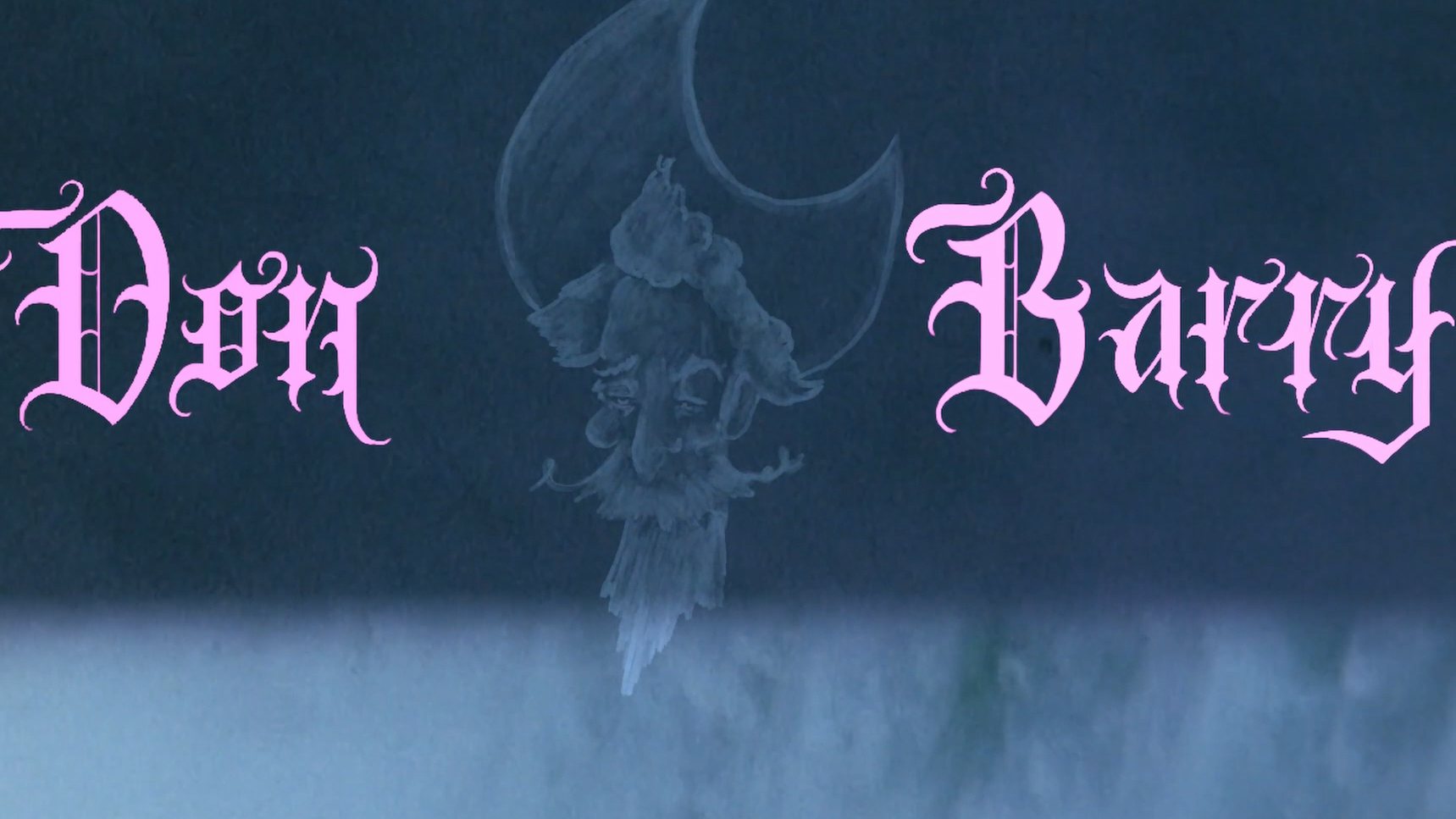
Docufiction, Experimental, by Paul Smart, Mexico, 2026.
Don Barry: A Quixotic Exploration is a debut feature that places the biography of an eighty-year-old experimental filmmaker and artist, Barry Gerson, within the metanarrative of Miguel de Cervantes’ Don Quixote. Don Barry was filmed in the city of Guanajuato during the 51st edition of the Cervantino Festival, as well as during the vibrant Day of the Dead celebrations held in the city’s UNESCO-listed tunnels. The film honors the director’s long friendship with artist Barry Gerson, drawing inspiration from Cervantes’ Don Quixote. Paul Smart’s directorial choices create something new that celebrates life and goes beyond conventional storytelling. A search for magic in our real lives. A moving film about the meaning of life, art, and death. Not to be missed.
Paul Smart is a proud outsider filmmaker with a long history of film screenings. In the 1980s, he emerged in New York’s vibrant youth art scene, working in theater production and later filmmaking, before retreating to rural upstate New York, in the Catskill Mountains, where he made a living writing and screening independent films in old parish halls for rural audiences, many of whom had never seen a film.
LANGUAGE: English
SUBTITLES: Spanish, French, German, Portuguese
David Holzman’s Diary (1967)

A young cinephile in New York, obsessed with Jean-Luc Godard’s famous maxim that “cinema is truth twenty-four times a second,” decides to undertake a radical experiment: filming every single instant of his life to understand its profound meaning. However, the constant act of documenting his existence paradoxically begins to crumble it; the intrusive presence of the camera drives away his girlfriend, annoys his friends, and progressively isolates the protagonist. David finds himself trapped in a loop of narcissistic voyeurism where lived life is replaced by its representation, transforming the search for truth into a spiral of alienation.
Directed by Jim McBride, this film is considered the sacred text of American independent meta-cinema and a shocking precursor to the era of social media and digital overexposure. Long before the advent of vlogs and Instagram stories, David Holzman’s Diary had already diagnosed with surgical precision the pathology of living one’s life through a lens. The analysis of the work highlights a farsighted critique of the concept of cinéma vérité: the protagonist naively believes that capturing the image equals capturing the essence, but the film ruthlessly demonstrates that the recording tool is a filter that inevitably alters the observed reality. The brilliance lies in the Chinese-box structure, a film about a man who fails at living because he is too busy recording living. L.M. Kit Carson‘s performance is so natural and the direction so skillfully “amateurish” that many viewers of the time believed it was a real documentary. It is a philosophical investigation into the paradox of the observer modifying the observed, demonstrating how the mockumentary is the ideal medium to explore the vanity intrinsic in the act of filming oneself.

Take the Money and Run (1969)

The film retraces, through a series of frontal interviews and meticulously reconstructed flashbacks, the tragicomic criminal career of Virgil Starkwell. Virgil is the antithesis of a criminal mastermind: an inept, socially awkward man persecuted by bad luck, who fails miserably in every attempt to break the law. From bank robberies with threatening notes written in incomprehensible handwriting to escape attempts using a gun sculpted from soap that melts in the rain, the documentary narrative follows his descent into illegality, painting the portrait of a man crushed by his own inadequacy.
With Take the Money and Run, Woody Allen formally introduces the grammar of the documentary into mainstream comic cinema, intuiting the humorous potential arising from the contrast between the solemnity of the journalistic format and the absurdity of the subject matter. The voice-over, grave and serious, treats Starkwell’s pathetic life as if it were that of a public enemy like John Dillinger, creating hilarious cognitive dissonance. The analysis of this film reveals the pioneering use of the interview as a punchline tool: Virgil’s parents, who wear grotesque masks out of shame while speaking to the documentarian, are a glaring example of how Allen uses the mockumentary to externalize neurosis and family humiliation. It is not just a parody of gangster films, but a deconstruction of the American myth of success, filtered through the lens of a chronic loser who is analyzed with the clinical seriousness usually reserved for great historical or sociological cases.
Mystery of an Employee

Drama, thriller, by Fabio Del Greco, Italy, 2019.
Someone wants to control the life of the employee Giuseppe Russo: the products he buys, his political and religious faith, his private life, even his dreams. But he will do anything to escape control and find his true self. Giuseppe is a man of around 45, married, with a stable job and a home of his own. His life flows seemingly peacefully when he meets a mysterious tramp who gives him some old VHS video cassettes. Giuseppe begins to see video tapes in which he is filmed in some moments of his life since he was a child, then as a teenager and as a young man. Who shot those videos that he remembers nothing about? Giuseppe has the strange sensation of being constantly observed and begins to investigate what is happening. Through his investigation of him, he begins to rediscover his true identity and become aware of who he truly is.
Employee's Mystery is a film that highlights the danger of social control and shows a society where everyone is constantly monitored and conditioned in their deepest selves. The film is also an analysis of human nature and identity. Fabio Del Greco, who plays Giuseppe, gives an engaging performance. Equally good is Chiara Pavoni, in the role of Giada Rubin and Roberto Pensa in the role of the tramp. Employee's Mystery is a film that addresses important themes in an original way, a psychological thriller that keeps the viewer glued to the screen until the end: a metaphor for contemporary society, in which people are increasingly monitored and conditioned by the media and technologies . It is a courageous and provocative work, which addresses important themes in an original way.
LANGUAGE: Italian
SUBTITLES: English, Spanish, French, German, Portuguese
Fellini: A Director’s Notebook (1969)

Commissioned by the American network NBC, this medium-length film presents itself as a “behind-the-scenes” documentary on the work of Federico Fellini. The Maestro takes us around Rome, to the abandoned sets of his never-realized film (the mythical The Journey of G. Mastorna), and shows us the grotesque auditions for Satyricon. We see Fellini in his office, at the Colosseum by night, and among the “freaks” that populate his imagination, in what appears to be a sincere and spontaneous logbook.
In reality, Fellini is lying and knows it. Every “documentary” scene is actually reconstructed, acted, and staged with the same care as a fiction film. It is the first great example of a “Self-Mockumentary”: Fellini plays the role of himself, transforming his creative block and his working method into a dreamlike spectacle. It is a fundamental work that anticipates Intervista and 8½, showing how for a great auteur, there is no boundary between real biography and cinematic lies.
Punishment Park (1971)

In a dystopian yet frighteningly plausible America of the near future, the government has established detention camps in the California desert to manage the surplus of political dissidents, pacifists, and protesters. Prisoners are offered a brutal choice between serving very long prison sentences or participating in a “run” through the desert, the Punishment Park, where they must reach an American flag without water and under the scorching sun. However, the exercise is actually training for law enforcement, who hunt down the fugitives with real weapons, turning the course into a legalized massacre.
Peter Watkins returns to this list with another incendiary work that uses the mockumentary as a weapon of direct and uncompromising political denunciation. Punishment Park is a film of unheard-of psychological violence, shot with a vérité style so aggressive and chaotic as to make the viewer feel physically involved in the dust, sweat, and terror of the desert. The film is structurally divided between the dynamic sequences of the hunt and the static sessions of the tribunal, where dissidents are summarily tried. Critical analysis must focus on the work’s prophetic ability to predict the extreme polarization of contemporary Western society. Watkins breaks the fourth wall not to seek a comic effect, but to morally implicate the viewer: the film crew inside the movie is not neutral, and their powerlessness in the face of police brutality reflects the powerlessness of traditional media to counter authoritarianism. Ferociously attacked upon its release, the film appears today as a chilling warning about the militarization of justice and the suppression of dissent, exploiting the immediacy of the documentary format to eliminate the safety distance of fiction.
A vision curated by a filmmaker, not an algorithm
In this video I explain our vision
F for Fake (1973)

Orson Welles, dressed as a magician and narrator, guides us through a dizzying labyrinth of intertwined stories about forgery. At the center are Elmyr de Hory, the world’s greatest art forger, and Clifford Irving, the man who wrote a fake biography of Howard Hughes. Welles promises the viewer that “everything you hear for the next hour is true,” but then builds a house of cards made of frenetic editing, anecdotes about Picasso, and a subplot about a model (Oja Kodar) that is pure invention, revealing the trick only at the very last second.
This is not just a film; it is a philosophical treatise on cinema itself as “the grandest lie in the world.” Welles anticipates modern editing (YouTube/MTV style) by decades to prove that truth is manipulable. It is the definitive “Mockumentary” because it doesn’t just fake a true story; it dismantles the very mechanism of documentary truth. A brilliant, ironic, and essential visual essay for understanding how art is “a lie that makes us realize truth.”
All You Need Is Cash (1978)

This television film tells the epic story of “The Rutles,” a legendary band from Liverpool that changed pop music history forever, clearly modeled on The Beatles in every detail. Through the clever use of falsified archival footage, interviews with real rock stars like Mick Jagger and Paul Simon playing along, and music videos perfectly parodying the stylistic evolution of the Fab Four, we follow the rise and fall of Dirk, Nasty, Stig, and Barry. From black-and-white “Rutlemania” to psychedelic and experimental excesses, the film reconstructs a parallel rock history.
Also known simply as The Rutles, this film represents the crucial link between the anarchic comedy of Monty Python (Eric Idle is the creator and co-director) and the musical mockumentary that would find its later apotheosis. The analysis of All You Need Is Cash reveals maniacal attention to philological detail: the parody works at a deep level not only because Neil Innes‘s original songs are catchy, but because the film replicates with forensic precision the visual and sonic aesthetics of The Beatles. The film demonstrates a sophisticated understanding of how the music documentary constructs and canonizes the myth of rock stars. Inserting real figures like George Harrison, who plays an interviewer reporter, the film further blurs the lines between reality and fiction, creating a coherent alternate universe. It is an affectionate yet precise satire, using the mockumentary to comment on the constructed nature of celebrity and cultural nostalgia, establishing a narrative model that would influence decades of musical and television comedy.
Real Life (1979)

Albert Brooks plays a narcissistic, exaggerated, and neurotic version of himself: a comedian and director who decides to move in with an average American family in Phoenix for a whole year. The goal is to film their daily life in a revolutionary sociological experiment aiming to capture “real life” without filters. However, the intrusion of the film crew and Brooks’s boundless ego quickly destroy the family’s normality, leading to disastrous consequences and increasingly desperate and artificial attempts to create entertainment out of daily boredom.
Real Life is a prophetic work that anticipated the global obsession with reality shows, such as Big Brother or Keeping Up with the Kardashians, decades before their actual birth. Inspired by the 1973 documentary series An American Family, Brooks uses the mockumentary to expose the hypocrisy intrinsic in presumed objective observation. His satirical analysis is sharp: it shows how the mere presence of cameras transforms ordinary people into bad actors and directors into sociopathic manipulators willing to do anything to get a reaction. The film is also technically innovative for the use of “Ettin-cams,” futuristic helmet-shaped cameras worn by operators, symbolizing the invasive and alien nature of surveillance technology. Albert Brooks deconstructs the myth of the director as a neutral observer; in the film, the director is the virus infecting the subject. Real Life remains one of the most cynical and intelligent masterpieces of the genre, demonstrating that the search for absolute truth on screen is inevitably destined to produce only a grotesque artifice.
Cannibal Holocaust (1980)

An anthropologist travels into the deep Amazon rainforest to search for a crew of documentarians who disappeared months earlier while filming local tribes. What he finds are the “raw” film reels shot by the group before dying. Brought back to New York and viewed by television executives, the images reveal a horrible truth: the documentarians were not innocent observers, but had orchestrated unheard-of violence, arson, and rape against the indigenous people to obtain sensational footage, triggering the just revenge that led to their death.
Ruggero Deodato signs with Cannibal Holocaust the most controversial film in the history of the mockumentary, as well as the true spiritual father of the found footage horror subgenre. The analysis of this work requires looking beyond its infamous graphic violence—including the real and indefensible killing of animals—to understand its sophisticated framed narrative structure. The film is sharply divided between the “traditional” search and the viewing of the “found” material, creating a powerful stylistic contrast. Deodato uses the mockumentary format to launch a fierce critique of neocolonialism and the sensationalism of Western media, the so-called “mondo movies.” The shaky cam technique, scratched film, and distorted sound are not just aesthetic expedients but tools to create a realism so disturbing that the director was forced to appear in court with the actors to prove they were still alive. The film poses a fundamental ethical question: who are the real savages, the tribes acting for survival or civilized man killing for ratings?
Zelig (1983)

Through a masterful combination of vintage newsreels, retouched photographs, and interviews with contemporary intellectuals like Susan Sontag and Saul Bellow, the film tells the extraordinary story of Leonard Zelig. Living in the Twenties and Thirties, Zelig is a “chameleon man” with the supernatural ability to assume the physical, linguistic, and psychological characteristics of anyone next to him. He becomes Black among jazz musicians, obese among the fat, Irish among the Irish, and even a Nazi among Brownshirts, all driven by a desperate, pathological need to be accepted and conform to feel safe.
With Zelig, Woody Allen elevates the mockumentary to a level of technical perfection and philosophical depth rarely equaled in cinema history. The work of integrating Allen’s character into real archival footage is a miracle of analog special effects, achieved decades before the digital advent that would make such operations routine. But beyond technique, the analysis of the film reveals a poignant meditation on Jewish identity, cultural assimilation, and social conformity. The documentary format lends historical gravity to Zelig’s absurd story, transforming a comic premise into an existential tragedy about the annihilation of the self. The interviews with academic “witnesses” provide an intellectual counterpoint that legitimizes the madness, parodying the serious tone of biographical documentaries. Zelig demonstrates how the mockumentary can be used to rewrite the history of the 20th century, inserting the marginal individual at the center of world events to explore mass psychology.
This Is Spinal Tap (1984)

Director Marty DiBergi follows the British rock band Spinal Tap during their disastrous American tour aimed at promoting the new album “Smell the Glove.” Between drummers spontaneously exploding under mysterious circumstances, Stonehenge stage sets built in dwarf dimensions due to a calculation error, amplifiers modified to go up to volume 11, and getting lost in labyrinthine backstages, the film documents the slow, inexorable decline of a group that takes itself terribly seriously despite its own mediocrity and the absurdity of the music world surrounding them.
Directed by Rob Reiner, This Is Spinal Tap is universally recognized as the cornerstone of the genre, the film that codified the very term “mockumentary” into common usage. Its influence on modern comedy is incalculable. The analysis of the film highlights its almost entirely improvised nature: actors Christopher Guest, Michael McKean, and Harry Shearer do not recite written lines but “live” the characters, creating a level of realism in interactions, awkward silences, and group dynamics that scripted comedies fail to reach. The genius of Spinal Tap lies in its anthropological accuracy; many real musicians have stated they did not laugh at the first viewing because the film reflected their real lives too painfully. The film deconstructs the mythology of the “Rock God,” exposing the fragility, infantilism, and stupidity that often hide behind the public image of bands. Every scene has become iconic not for slapstick gags, but for the acute observation of human behavior under stress.
Man Bites Dog (1992)

A film crew follows Ben, a charismatic, cultured, and talkative serial killer, while he commits robberies and brutal murders in the Belgian suburbs. Ben speaks directly to the camera, explaining the tricks of the trade—such as how to properly weigh down corpses in quarries—and amiably discussing art, architecture, and philosophy. Slowly but inexorably, the crew loses its neutrality as observers, starting to help Ben in his crimes and becoming active accomplices in the atrocities, until an inevitable and bloody finale where the violence turns against them.
Original title C’est arrivé près de chez vous (It Happened Near Your Home), this Belgian film is one of the darkest, most disturbing, and intelligent satires ever made. Shot in grainy black and white with a negligible budget, the film pushes the concept of “participant observer” to its extreme ethical consequences. The analysis of the film focuses on the seduction of evil: Ben is funny, intelligent, and likable, and the viewer, exactly like the crew, finds themselves in the uncomfortable position of laughing with him one moment before watching him suffocate a child. The film is a direct condemnation of the voyeuristic audience consuming violence as entertainment. The progression from passive documentation to active participation by the crew is handled with terrifying gradualness, serving to show how slippery the moral slope is when fascinated by power and transgression. It is a fundamental work because it denies the viewer the comfort of moral distance, forcing them to acknowledge their own complicity.
Bob Roberts (1992)

The film follows the Senate election campaign in Pennsylvania of Bob Roberts, a millionaire right-wing folk singer who uses music and the rebellious image typical of the Sixties to promote conservative, xenophobic, and corporatist policies. A British documentarian tries to capture the truth behind Roberts’ dazzling smile, clashing with media manipulation, covered-up sexual scandals, and the cynical use of populism. Roberts is not just a candidate; he is a media phenomenon who shields every criticism behind accusations of bias.
Written, directed, and starring Tim Robbins, Bob Roberts is a political satire that appears even more relevant and prophetic today than when it was released in the early Nineties. The film brilliantly inverts the iconography of the music documentary—Dont Look Back style on Bob Dylan—to tell the rise of a modern demagogue. The analysis reveals how Robbins perfectly understood the mechanisms of spectacle politics: Roberts does not sell concrete ideas, but sells an image and an emotional narrative constructed at a table. The film explores how the language of documentary and television journalism can be neutralized and co-opted by politicians expert in image use. The film’s songs, catchy but with horribly reactionary lyrics if listened to carefully, underscore how appealing form can mask dangerous content. Bob Roberts is a grim warning about the fragility of democracy in the face of image manipulation.
Fear of a Black Hat (1993)

An academic sociologist follows the rap group N.W.H. (Niggaz With Hats) for a year in an attempt to understand hip-hop culture, its codes, and its deep meanings. The group members, Ice Cold, Tasty Taste, and Tone Def, however, reveal themselves to be more interested in hat fashion, senseless feuds with other rappers, and maintaining a tough image rather than musical substance. They offer hilarious pseudo-philosophical explanations for their vulgar lyrics and obvious contradictions, trying to justify every failure as a radical artistic choice.
Often unfairly defined only as “the Spinal Tap of rap,” Fear of a Black Hat is actually an underrated gem deserving masterpiece status for its acute cultural and sociological analysis. While other similar films of the period aimed at generic parody, this one uses the mockumentary format to specifically deconstruct hyper-masculinity, the commercialization of black anger, and the intrinsic contradictions of Nineties gangsta rap. The analysis of the film shows how director Rusty Cundieff uses the academic interviewer as a proxy for the white audience trying to intellectualize a culture they do not fully understand, while the rappers consciously exploit those stereotypes for profit. The original songs are brilliant parodies perfectly replicating the flows of iconic groups like N.W.A. and Public Enemy. The film succeeds in the difficult task of celebrating the vitality of hip-hop culture while mocking its performative excesses.
Forgotten Silver (1995)

Peter Jackson and Costa Botes present to the public the sensational “discovery” of Colin McKenzie, a forgotten New Zealand director who, according to the film, invented sound and color cinema years before Hollywood, in addition to shooting a biblical epic, Salome, in the New Zealand jungle. The documentary shows the alleged “restorations” of McKenzie’s films found in a shed and interviews with film historians and celebrities—such as Sam Neill and Harvey Weinstein—who confirm with gravity the greatness of this lost genius and the tragedy of his oblivion.
Forgotten Silver is one of the most elaborate, successful, and bold cinematic pranks ever. Broadcast on New Zealand television as a real documentary in prime time, it fooled much of the nation, sparking fierce controversy when the truth inevitably came out. The analysis of this masterpiece lies in its celebration of the very act of cinematic creation and national mythology. Jackson uses his extraordinary technical skill to create incredibly convincing “vintage” footage, building an alternative film history from scratch. The film is a love letter to silent cinema and the visionary madness of pioneers like Griffith and DeMille, but it is also a powerful reflection on the manipulation of history and the unquestioned authority of the television format. Forgotten Silver demonstrates that with enough technical competence and authoritative “talking heads,” one can rewrite the past and make it true in the viewer’s mind, exploiting the audience’s desire to discover forgotten heroes.
Waiting for Guffman (1996)
![Waiting for Guffman (1996) ORIGINAL TRAILER [HD 1080p]](https://blog.indiecinema.co/wp-content/plugins/wp-youtube-lyte/lyteCache.php?origThumbUrl=https%3A%2F%2Fi.ytimg.com%2Fvi%2FDE_KdBT-xVU%2F0.jpg)
In the small and insignificant fictional town of Blaine, Missouri, eccentric theater director Corky St. Clair recruits a group of local amateurs to stage a musical celebrating the town’s 150th founding anniversary. The film documents the rehearsals, the delirious hopes of the participants dreaming of being discovered by a Broadway producer—the phantom Guffman—and the inevitable, tender mediocrity of the final result. Each character projects their frustrations and repressed dreams of glory into the show.
This film marks the beginning of the series of mockumentaries directed by Christopher Guest, who perfects his unique style here. The analysis of this work is fundamental to understanding “cringe comedy” and the humanism that can hide behind satire. Guest almost completely eliminates traditional plot in favor of deep character study. The film is a bittersweet celebration of artistic mediocrity and self-delusion; it does not laugh at the characters, but with their fallible humanity. Through improvisation, the cast—including Eugene Levy, Catherine O’Hara, and Parker Posey—creates three-dimensional figures that are ridiculous but never hateful. The documentary format here serves to capture small moments of truth: pauses, uncertain glances, sentences left half-finished revealing more than a thousand written dialogues. It is a masterpiece of understatement, finding humor in the painful reality of provincial aspirations colliding with a lack of talent.
The Blair Witch Project (1999)

In October 1994, three film students disappear in the woods near Burkittsville, Maryland, while shooting a documentary about the local legend of the Blair Witch. A year later, their equipment is found. The film shows exclusively their raw footage: interviews with locals, the optimistic entry into the woods, the progressive geographical and psychological disorientation, and the escalation of nocturnal terror caused by sounds, piles of stones, and inexplicable wooden artifacts, up to the abrupt and terrifying final interruption.
This film is not just a genre masterpiece, but a seismic cultural phenomenon that forever changed film marketing and horror rules. The Blair Witch Project exploited the dawn of the Internet to spread the fake news that the events were real, creating a tangible level of hype and fear that no subsequent film has managed to replicate with the same intensity. The analysis of the film reveals the genius use of the “unseen” and sensory deprivation. Unlike traditional horror that shows the monster, here fear is generated entirely by the actors’ reactions—who were genuinely frightened, tired, and starved by the directors—and the hostile environment. The handheld camcorder, often out of focus or pointed at nothing in the dark, becomes the viewer’s limited eye, increasing claustrophobia in an open space. It is the supreme example of how found footage can generate pure terror by removing the artifice of classic film direction.
Drop Dead Gorgeous (1999)

In a small Minnesota town, a crew documents the annual “Sarah Rose Cosmetics” teen beauty pageant, the most important event of the year for the local community. While contestants prepare amidst hairspray and costumes, deadly accidents and suspicions begin to occur, systematically eliminating the rivals of the rich and spoiled daughter of the committee chairwoman. Sweet Amber Atkins, who lives in a trailer and dreams of being a journalist like Diane Sawyer, must survive the contest and the murderous madness surrounding it.
Drop Dead Gorgeous has become an absolute cult classic for its fierce satire of deep America, classism, and female objectification, all masked as a teen comedy. The analysis highlights how the documentary format is used to expose the emptiness and desperation hiding behind the strained smiles of provincial beauty pageants. The “confessional” interviews allow characters to reveal their ignorance, internalized racism, or malice with hilarious candor. The film blends black comedy and social critique, showing how the obsession with appearance and local success can lead to outright sociopathy. Unlike Guest’s films, here the narrative is more structured and the humor more grotesque and macabre, but the use of the camera as a silent witness to suburban hypocrisy is masterful. It is a frontal attack on the American dream in white trash sauce.
Best in Show (2000)

Several couples of dog owners, each with their own neuroses and eccentricities, travel to Philadelphia to participate in the prestigious Mayflower Kennel Club dog show. The documentary follows their manic preparations, their interactions with the dogs—which often replace missing children or human affections—and the final competition. Everything is commented on by a completely incompetent TV announcer who knows nothing about dog breeding but never stops talking.
Christopher Guest reaches the peak of his formula here, creating one of the funniest films of the decade. The analysis of Best in Show displays a perfect balance between affection and ridicule. The film explores the theme of psychological projection: dogs become extensions of the owners’ egos and vessels for their anxieties. The neurotic yuppie couple traumatizing their dog, the provincial ventriloquist dreaming big, the exuberant gay couple; each archetype is deconstructed through the cast’s brilliant improvisation. The mockumentary format is essential because it allows capturing the absolute seriousness with which these characters face an intrinsically ridiculous event like running a dog in a circle for a ribbon. Fred Willard, in the role of the ignorant commentator, offers a counter-narrative representing the lay audience, destroying the event’s sacredness and creating irresistible comic contrast.
A Mighty Wind (2003)

Christopher Guest reunites his celebrated ensemble cast for this affectionate yet sharp mockumentary set in the world of 1960s folk music revival. When legendary folk promoter Irving Steinbloom passes away, his children organize a tribute concert at New York’s Town Hall, bringing together three iconic acts: the folksy Folksmen, the wholesome New Main Street Singers, and the once-beloved duo Mitch and Mickey, whose romantic history makes their reunion particularly fraught. The film captures the nostalgic earnestness of folk culture while gently exposing its pretensions and the bittersweet passage of time.
Where This Is Spinal Tap wielded its mockumentary format as a weapon of comic destruction, A Mighty Wind uses it with remarkable tenderness. Guest and co-writer Eugene Levy understand their characters deeply enough to love them even as they expose their absurdities. The film’s emotional centerpiece — the reunion of Mitch and Mickey, played by Levy and Catherine O’Hara — transcends parody entirely, achieving genuine pathos. The songs composed for the film are themselves impressive folk pastiches, demonstrating a craft that reinforces rather than undermines the comedy. Guest’s direction is characteristically invisible, trusting his ensemble completely, and the result is a film that earns its unexpectedly moving final moments through meticulous comic groundwork.
Bamboozled (2000)

Spike Lee‘s audacious and deeply unsettling satire follows Pierre Delacroix, a frustrated Black television writer who deliberately pitches a modern minstrel show — complete with blackface performers — expecting the network to reject it outright. Instead, the show becomes a massive cultural hit, forcing Delacroix to confront the moral consequences of his own cynical creation. Shot primarily on digital video to give it a raw, urgent texture, Bamboozled is a provocation disguised as dark comedy, interrogating the commodification of Black culture by the American entertainment industry.
Lee employs the mockumentary aesthetic with genuine subversive intent, using the format’s supposed objectivity to make the audience complicit in the spectacle it is witnessing. The film’s genius lies in how it refuses to offer comfortable distance — viewers laugh, then feel the laughter curdle into discomfort. Damon Wayans delivers a fascinating performance as a man who loses control of his own irony, while Savion Glover brings heartbreaking authenticity to his dancer role. The famous closing montage of historical minstrelsy footage is genuinely disturbing, anchoring the satire in brutal historical reality. Bamboozled remains one of the most formally daring and thematically confrontational American films of its era.
The Rutles 2: Can’t Buy Me Lunch (2003)
Reuniting with his beloved fictional Beatles parody, Eric Idle returns as narrator and guide through another chapter in the manufactured mythology of the Rutles. The film revisits the cultural legacy of Dirk, Barry, Stig, and Nasty through a series of newly staged interviews with real celebrities — including Salman Rushdie, Jimmy Fallon, and Garry Shandling — who reflect on the band’s imaginary influence with utterly straight faces. The mockumentary format is deployed with gleeful irreverence, blurring the lines between genuine music criticism and absurdist comedy.
While it lacks the groundbreaking novelty of the original 1978 film, The Rutles 2: Can’t Buy Me Lunch still delivers considerable pleasures for fans of the format and the original property. Idle understands that the joke only works if the fictional mythology is treated with complete sincerity, and the celebrity participants commit admirably to the bit. The film is most interesting as a meditation on how rock mythology is constructed and perpetuated — how willingly audiences and critics alike invest meaning into manufactured personas. The participation of genuine cultural figures blurs the boundary between parody and documentary in ways that feel prescient given today’s media landscape, where satire and reality are increasingly indistinguishable.
C.S.A.: The Confederate States of America (2004)

Presented as a documentary produced by British television and broadcast in the Confederate States of America—a nation where the South won the Civil War—the film retraces the alternate history of North America from 1860 to the present day. In this dystopian reality, slavery is legal and modernized, Hitler was a strategic ally, and the Cold War was fought against abolitionist Canada. The film is interrupted by fictional commercials promoting racist products and slave control technologies.
Directed by Kevin Willmott, C.S.A. is a work of biting historical satire using uchronia conveyed by the Ken Burns-style historical documentary format to strike at the heart of American consciousness. The analysis of this film is painful and necessary: many of the products and laws shown in the film as “dystopian” are based on actual historical realities of the pre-civil rights United States or on stereotypes still present. The mockumentary format allows presenting the horror of institutionalized slavery with a detached, bureaucratic, and celebratory tone, making it even more chilling. The commercials serve to show how capitalism can normalize any atrocity if it becomes socially acceptable. It is not just an intellectual exercise of “what if,” but a mirror reflecting how much of the Confederacy mentality has survived in real culture.
Incident at Loch Ness (2004)

Legendary director Werner Herzog decides to shoot a documentary about the Loch Ness Monster, or rather, about the psychological reason why people need to believe in monsters. However, producer Zak Penn—who is also the director of the real film—has other plans: he wants to turn the project into a sensationalist blockbuster, hiring a Playboy model as a sonar operator and building a fake rubber monster. The collision between Herzog’s artistic integrity and Penn’s commercial stupidity leads to total disaster.
This is perhaps the definitive meta-mockumentary, a film within a film within a film. The analysis focuses on the dizzying game of mirrors: we see the “real” Herzog playing himself trying to make a serious documentary, systematically sabotaged by a producer who wants to make a fake documentary passing it off as real. It is a hilarious and intelligent reflection on the cultural clash between European auteur cinema and the Hollywood entertainment machine. Herzog plays along with surprising self-irony, allowing the film to deconstruct his own myth of an extreme filmmaker challenging nature. The film exposes the manipulation mechanisms of television “reality”—the fake monster, the false scripted interviews—while creating its own fictional reality, becoming a brilliant essay on documentary ethics and the fine line between ecstatic truth and fraud.
Noroi: The Curse (2005)
![Noroi: The Curse | Official Trailer [HD]](https://blog.indiecinema.co/wp-content/plugins/wp-youtube-lyte/lyteCache.php?origThumbUrl=https%3A%2F%2Fi.ytimg.com%2Fvi%2FUgQ-KRkvTG0%2F0.jpg)
A respected documentarian expert in the paranormal, Masafumi Kobayashi, disappears mysteriously after his house burns down. The film consists of the meticulous editing of the video footage he left behind, documenting his last investigation into a series of apparently unconnected events in Japan: a woman hearing voices, a psychic child, an actress possessed during a TV program, and a deranged man wearing aluminum foil. All threads slowly lead to an ancient forgotten demonic entity called Kagutaba.
Noroi is widely considered the absolute masterpiece of Japanese found footage, or J-Horror. Unlike Western films that rely on sudden jump scares, the analysis of Noroi reveals a complex, sprawling, and investigative narrative construction. Director Kōji Shiraishi uses the documentary form to create a sense of “layered reality”: clips from real Japanese TV variety shows mix with Kobayashi’s raw footage, rooting the horror in Japan’s media everyday life. The film requires patience, building a creeping sense of unease through details, sounds, and connections that the viewer must actively piece together. The verisimilitude is such that the final horror does not feel like a special effect, but the inevitable and tragic conclusion of a journalistic investigation gone wrong. It is a film demonstrating how the mockumentary can be used to create modern folklore mythology.
Borat (2006)

Kazakh journalist Borat Sagdiyev is sent to the United States to make a documentary about the “greatest nation in the world.” Through a coast-to-coast journey, Borat interacts with real Americans—politicians, feminists, cowboys, evangelical Christians—who do not know they are in a comedy movie but believe they are speaking with an ignorant foreign reporter. His offensive, anti-Semitic, and misogynistic questions, asked with disarming naivety, push the interviewees to reveal their prejudices and true nature.
Sacha Baron Cohen creates with Borat a revolutionary work of performance art that transcends simple comedy. The analysis of the film cannot be limited to vulgar humor; it must recognize the genius of the sociological method. Borat acts as an “agent provocateur”: wearing the mask of the naive foreigner, he offers his interlocutors a comfort zone where they feel free to express racist or homophobic opinions they would normally hide for political correctness. The mockumentary format here is a double-edged sword: it is fiction for Borat, but pure documentary for the people he meets. The film exposes the soft underbelly of American culture, the superficial politeness hiding hatred, and the absurdity of social conventions. It is a masterpiece of improvisation and physical courage, redefining the limits of what is legal and moral to do in a film to obtain an uncomfortable truth.
Behind the Mask: The Rise of Leslie Vernon (2006)
![Behind the Mask - Official Slasher Comedy Trailer [HD] | Shudder](https://blog.indiecinema.co/wp-content/plugins/wp-youtube-lyte/lyteCache.php?origThumbUrl=https%3A%2F%2Fi.ytimg.com%2Fvi%2FyG10afTkopU%2F0.jpg)
In an alternate world where cinematic monsters like Jason Voorhees, Freddy Krueger, and Michael Myers are real historical figures, an aspiring serial killer named Leslie Vernon invites a documentary crew to film his meticulous preparation for a night of slaughter. Leslie enthusiastically explains the tricks of the trade: the cardio training needed to walk fast while victims run, pre-organizing escape routes, sabotaging lights, and creating his own “boogeyman” mythology.
This film is a brilliant and meta-cinematic deconstruction of the slasher genre. The analysis reveals how the film dismantles horror tropes piece by piece, making them logical, practical, and the result of hard work. The mockumentary format in the first part serves to humanize the monster, making him likable, charismatic, and almost admirable in his professional dedication. However, the film takes a masterful turn in the third act, abandoning the detached documentary style to become a true traditional horror film when the crew loses its immunity and gets involved in the deadly game. It is an essay on the storytelling of fear, exploring the human need for monstrous archetypes and our complicity as viewers who, secretly, “root” for the killer in slasher movies.
Surf’s Up (2007)

A sports documentary follows young surfing prospect, penguin Cody Maverick, as he leaves his home in Antarctica to participate in the great “Big Z Memorial” competition on Pen Gu Island. The film uses all the stylistic elements of ESPN documentaries or Seventies surf films: grainy archival interviews, shots from the water, technical commentary, and intimate behind-the-scenes moments, all realized in digital animation. Cody discovers that his idol, the legendary Big Z, is not dead but living in exile, and learns that winning isn’t everything.
Surf’s Up represents a brilliant anomaly in the animation landscape: an animated mockumentary that takes its own visual language seriously. The technical analysis of this film is fascinating because the animators worked to replicate the imperfections of live-action filming. They simulated the use of handheld cameras, focus errors, wrong exposures, and the natural movement of water on the lens, creating a photorealistic and “dirty” aesthetic that contrasts with the perfection typical of Pixar or DreamWorks. The voice acting, often overlapping and improvised (with a cast including Jeff Bridges parodying his “Dude”), adds a level of spontaneity rare in cartoons. The film demonstrates that the language of the mockumentary is so encoded in our culture that it can be applied even to talking penguins while keeping its narrative strength and emotional verisimilitude intact.
REC (2007)
![[Rec] (2007) Trailer #1 | Movieclips Classic Trailers](https://blog.indiecinema.co/wp-content/plugins/wp-youtube-lyte/lyteCache.php?origThumbUrl=https%3A%2F%2Fi.ytimg.com%2Fvi%2FKLizS5GFBQI%2F0.jpg)
A television journalist, Ángela, and her cameraman, Pablo, follow a team of Barcelona firefighters for a routine night shift. The call leads them to an old apartment building where an elderly woman is screaming. Once inside, the building is suddenly sealed by health and military authorities from the outside, leaving everyone quarantined without explanation. Trapped with the residents, they discover that a mysterious virus is transforming people into aggressive and bloodthirsty creatures. The camera keeps rolling until the very last second.
REC, directed by Jaume Balagueró and Paco Plaza, is one of the peaks of European horror cinema and a masterful use of the first-person perspective. The analysis of the film focuses on the impeccable management of space and time. Shot in chronological order and almost in real-time, the film uses the limitation of the frame—we only see what Pablo sees through the lens—to create unbearable tension. The mockumentary/found footage format justifies the absence of extra-diegetic music and elaborate editing, leaving room only for chaos, screams, and pure fear. The film is exceptional in transforming a banal domestic environment (an entrance hall, stairs, apartments) into an infernal labyrinth from which there is no exit. The final element, introducing a supernatural explanation to the virus, adds a layer of mythology elevating the film above the simple zombie movie, making the horror experience physical and tactile.
Cloverfield (2008)

During a farewell party in Manhattan, a sudden and devastating attack strikes the city. A group of friends attempts to flee and save a girl trapped in her apartment, documenting everything with an amateur digital camcorder. As they traverse a collapsing New York, they come face to face with a gigantic monster and lethal parasites, all filmed from ground level, amidst dust, rubble, and total confusion.
Produced by J.J. Abrams, Cloverfield brought the found footage aesthetic into the realm of high-budget blockbusters, forever changing how giant monsters are represented in cinema. The analysis of the film is inseparable from the post-9/11 context: images of collapsing skyscrapers, clouds of dust chasing civilians, and urban panic deliberately evoke amateur footage of the World Trade Center attacks. The monster becomes a metaphor for sudden and inexplicable collective trauma. The choice to limit the perspective to that of a single camera denies the viewer the overview typical of disaster movies (“God’s eye view”), immersing them instead in the protagonists’ fog of war. It is a bold technical experiment demonstrating how mockumentary language can be integrated with industrial-level special effects to create a total and dizzying immersion experience.
Lake Mungo (2008)
![Lake Mungo | Official Trailer [4K]](https://blog.indiecinema.co/wp-content/plugins/wp-youtube-lyte/lyteCache.php?origThumbUrl=https%3A%2F%2Fi.ytimg.com%2Fvi%2Fs-KnomEI6NE%2F0.jpg)
After the accidental drowning of sixteen-year-old Alice Palmer, her family begins to experience strange phenomena in their home in Australia. The brother installs video cameras and seems to capture the ghostly image of Alice. The family hires a parapsychologist and begins an investigation that brings to light the secret and disturbing double life Alice led before dying. The film presents itself as an investigative TV documentary, with family interviews and detailed analyses of photos and videos.
Lake Mungo, an Australian film directed by Joel Anderson, is a masterpiece of sadness and ghostly unease that stands out sharply in the horror landscape. Unlike most found footage films that rely on frenetic action, this film is slow, meditative, and deeply melancholic. The analysis reveals that it is actually a film about the pain of loss and the impossibility of truly knowing those we love, even those living next to us. The TV documentary format—similar to shows like Unsolved Mysteries—lends a veneer of journalistic objectivity that makes the plot twists even more devastating. The film plays masterfully with expectations: when it debunks some footage as fake, the viewer relaxes, only to be hit by an even more terrible truth in the finale. The cell phone discovery sequence contains one of the most genuinely scary moments in recent cinema history, achieved not with a jump scare, but with a grainy image that creeps into the subconscious.
No End in Sight (2008)

No End in Sight offers a chilling and meticulously constructed account of the catastrophic mismanagement of the Iraq War following the 2003 invasion. Directed by Charles Ferguson, the film assembles a remarkable roster of senior military officials, diplomats, and White House insiders who speak candidly about the decisions that dismantled Iraqi infrastructure, disbanded the army, and fueled an insurgency. Through damning interviews and archival footage, Ferguson constructs a timeline of institutional failure that feels both infuriating and tragically inevitable.
Ferguson’s approach is deceptively straightforward — no dramatic reenactments, no manipulative scoring — yet the cumulative effect is devastating. The film functions almost as a procedural horror story, where the monster is bureaucratic arrogance and ideological blindness. What elevates No End in Sight above standard political documentary is its insistence on specificity: names, dates, memos, and decisions are catalogued with prosecutorial precision. The witnesses are not outsiders or critics but architects and participants of the occupation itself, lending the testimony an uncomfortable authority. Ferguson forces the viewer to confront not just what went wrong, but how preventable each failure was, making the film a masterclass in documentary restraint and moral clarity.
District 9 (2009)

A gigantic alien ship stalls over Johannesburg, South Africa. The aliens, malnourished and disoriented, are confined to a militarized shantytown called District 9. Twenty years later, social tension is sky-high, and a private corporation is tasked with evicting the aliens to a new concentration camp. Inept bureaucrat Wikus van de Merwe leads the operation, followed by a documentary crew, but is exposed to an alien fluid that begins to mutate his DNA, making him the most wanted man in the world and the aliens’ only hope.
Neill Blomkamp debuts with a film blending sci-fi, action, and social critique using the aesthetics of war reportage and corporate documentary. The analysis of District 9 highlights how the mockumentary format—prevalent in the first half of the film—serves to root the impossible (insectoid aliens) in gritty, dirty, and tangible reality. The film is a clear and powerful allegory of South African Apartheid, and the use of interviews with “experts,” sociologists, and civilians allows showing racism, xenophobia, and bureaucratic brutality directly. The seamless transition from documentary to narrative action film reflects Wikus’s loss of humanity and social status. Visual effects are perfectly integrated into handheld daylight shots, creating a sense of documentary verisimilitude that makes segregation and violence painfully credible.
Trollhunter (2010)

A group of Norwegian university students decides to investigate a series of mysterious bear killings, suspecting a poacher. Following a mysterious and grumpy man, Hans, they discover he is actually a government employee charged with controlling and, if necessary, killing giant Trolls living in Norway’s forests and mountains. Hans, tired and disillusioned, agrees to be filmed to document his thankless, dangerous, and underpaid life as the sole member of the “Troll Security Service.”
Original title Trolljegeren. This Norwegian film is a triumph of fantasy, folklore, and bureaucratic realism. The analysis of the film focuses on the brilliant contrast between epic fairy-tale mythology—three-headed trolls, trolls smelling Christian blood, cave trolls—and the scientific-administrative approach with which the subject is treated. Hans is not a fantasy hero, but a stressed civil servant who has to fill out forms for every slain troll and complains about unpaid overtime and lack of benefits. The mockumentary format serves to “naturalize” the fantastic: green night vision, shaky shots from a running car, and sound design make the giant CGI monsters surprisingly real and integrated into the Nordic landscape. The film is also a subtle satire on government management of secrets and environmentalism, turning ancient legends into a matter of problematic wildlife management.
I'm Still Here (2010)

Directed by Casey Affleck, this deeply strange and uncomfortable film documents — or purports to document — Joaquin Phoenix‘s apparent mental and professional breakdown as he abandons acting to pursue a hip-hop career. Over approximately two years, cameras follow Phoenix through increasingly erratic public behavior, humiliating industry encounters, and a chaotic personal life. The film generated enormous controversy upon release, with audiences and critics debating furiously whether they were witnessing genuine self-destruction or an elaborate performance art hoax orchestrated by Phoenix and Affleck.
I’m Still Here is most valuable precisely because of the epistemological crisis it creates. Whether real or fabricated, the film exposes the mechanics of celebrity mythology with uncomfortable clarity — how the entertainment industry processes and monetizes personal breakdown, how media figures are simultaneously celebrated and destroyed, and how audiences develop parasocial relationships that blur empathy with voyeurism. Affleck’s camera is deliberately invasive, maintaining an ethnographic neutrality that makes the viewer increasingly uncertain about their own role in the spectacle. The film’s revelation as a staged performance only deepens its conceptual richness rather than diminishing it, making I’m Still Here one of the more intellectually provocative works in the mockumentary tradition.
What We Do in the Shadows (2014)

A documentary crew gains exclusive access to a dilapidated house in Wellington, New Zealand, shared by four vampires of different ages and eras: Viago (the 18th-century dandy), Vladislav (the medieval impaler), Deacon (the “young” rebel of 183 years), and Petyr (the Nosferatu-style monster of 8000 years). The film documents their difficult cohabitation: turns for cleaning bloody dishes, choosing outfits without being able to see reflections, night outings to clubs where they must be invited to enter, and rivalry with a group of extremely polite werewolves.
Taika Waititi and Jemaine Clement sign one of the funniest and most intelligent comedies of the 21st century. The analysis of What We Do in the Shadows reveals a deep understanding of both vampire myth and modern reality show dynamics like “roommates.” The genius lies in making the supernatural mundane. Vampires are not tragic or romantic figures, but petty and bored roommates arguing over household chores. The mockumentary format allows the use of confessional interviews where characters explain their insecurities directly to the camera. The film deconstructs every horror genre cliché—from seduction to bat transformation—reducing it to a daily logistical problem or social embarrassment. It is a masterpiece of tone, perfectly balancing zany humor with moments of genuine friendship and melancholy about immortality, proving that even monsters need social connection.
Popstar: Never Stop Never Stopping (2016)

The film follows the life of Conner4Real, a global pop star and former member of the successful boy band “The Style Boyz,” during the launch of his highly anticipated second solo album. When the album turns out to be a critical and commercial disaster, the tour starts going wrong, and his circle of sycophants begins to crumble. The documentary captures his boundless ego, his total lack of contact with reality, and his desperate attempts to remain relevant through increasingly humiliating and expensive publicity stunts.
Produced by the comedy trio The Lonely Island (Andy Samberg, Akiva Schaffer, Jorma Taccone), Popstar is to 2010s pop music what Spinal Tap was to Eighties heavy metal. The analysis of the film highlights a surgical and ruthless satire of celebrity culture in the era of social media, TMZ, and aggressive corporate branding. The film targets self-celebratory documentaries of stars like Justin Bieber or Katy Perry, replicating their glossy aesthetic but revealing the pneumatic void behind the scenes. The original songs are musically perfect parodies underscoring the stupidity and emptiness of modern pop lyrics. But beneath the surface of rapid-fire gags, the film tells a classic story of friendship betrayed and regained among old band members, using the musical mockumentary structure to explore how fame distorts human relationships. It is a hilarious portrait of digital narcissism.
One Cut of the Dead (2017)

The film opens as a zombie B-movie shot in a single 37-minute take inside an abandoned water filtration plant, where a crew is attacked by real living dead. But when the end credits roll, the film goes back in time one month to show the true story: the pre-production of this crazy project, commissioned by a TV channel dedicated to live streaming. The second part shows the preparation, and the third the chaotic “behind the scenes” during the live broadcast of the initial long take, revealing how every mistake seen at the beginning was actually a miracle of improvisation.
Original title Kamera o tomeru na!. This low-budget Japanese film became a global phenomenon and a moving love letter to the art of filmmaking. The analysis of One Cut of the Dead requires not stopping at the first 37 minutes, which are deliberately poorly acted and full of technical oddities. The true heart of the film is the meta-cinematic structure that follows: the mockumentary about the production. It reveals that the “mistakes” and awkward moments of the zombie film were actually brilliant improvised solutions to disasters happening on set (drunk actors, diarrhea, broken cranes). The film celebrates teamwork, creativity under pressure, and the madness necessary to complete a film regardless of obstacles. The narrative structure completely flips the viewer’s perspective, transforming initial critical judgment into admiration and wild cheering for the fictional crew fighting to keep the cinematic illusion alive.
Marcel the Shell with Shoes On (2021)

A documentarian named Dean moves into an Airbnb after a painful romantic breakup and discovers Marcel, a small anthropomorphic shell with one eye and pink sneakers, living there with his grandmother Connie. Dean begins filming Marcel’s daily life, his ingenious inventions to survive in a world of giants, and his search for his lost family, scattered after the previous homeowners inadvertently took away the rest of the community. The videos uploaded online make Marcel a viral celebrity, bringing new challenges.
This film represents the tenderest, most innovative, and philosophical evolution of the contemporary mockumentary. Combining artisanal stop-motion and live-action footage, director Dean Fleischer Camp creates a work using the aesthetic of the intimate documentary to explore universal themes: grief, community, separation, and resilience. The analysis of the film highlights how Marcel’s physical smallness becomes a powerful metaphor for human fragility in the face of a vast and often indifferent world. The documentary format lends dignity to the small shell; the camera treats him as a subject worthy of attention and respect, not just a special effect. The film also gently critiques internet culture: when fame arrives, it brings “influencers” seeking only a selfie, emphasizing the difference between virtual connection and real community. It is a masterpiece of empathy demonstrating how the mockumentary can still surprise and move audiences.
A vision curated by a filmmaker, not an algorithm
In this video I explain our vision

