
The ronin, the masterless samurai wandering feudal Japan without lord or purpose, occupies one of cinema’s most fertile symbolic territories. Stripped of the rigid social contract that once defined his existence, the ronin becomes a figure of radical ambiguity: neither hero nor villain, neither fully bound by bushido nor entirely free of it. This liminal status has made him an irresistible vessel for filmmakers interested in exploring questions of identity, loyalty, and moral autonomy in a world stripped of clear hierarchies. Long before the American Western canonized the lone gunslinger, Japanese cinema had already given the world a deeper, more philosophically textured archetype of the solitary wanderer.

The cultural significance of the ronin extends far beyond genre conventions. Born from a specific historical reality, the disenfranchised samurai class of the Edo period, the figure has evolved into something closer to an existential metaphor. Directors as varied as Akira Kurosawa, Masaki Kobayashi, and Hideo Gosha understood that the ronin’s severed ties to feudal obligation offered a unique narrative freedom: he could critique the very system that produced him, exposing the hypocrisy of honor codes, the brutality of institutional power, and the loneliness of principled defiance. In this sense, the ronin film often functions as a covert political statement, using period setting to interrogate contemporary anxieties about conformity, authority, and individual conscience.
Aesthetically, the ronin has inspired some of the most striking visual language in world cinema, from the choreographed violence of chanbara swordplay to the stark, painterly compositions of black-and-white jidaigeki. Yet this tradition is not confined to Japan alone. The archetype has rippled outward, influencing Sergio Leone’s Italian westerns, Jim Jarmusch’s meditative genre hybrids, and countless international auteurs drawn to the poetry of the wandering outsider. What follows is a journey through the finest cinematic incarnations of this figure, tracing how directors across generations and borders have reshaped the ronin into an enduring emblem of dignity, defiance, and existential solitude.
Blue Eye Samurai (2023)

Though technically an animated series rather than a feature film, Blue Eye Samurai demands inclusion in any serious survey of ronin narratives for the sheer rigor with which it reinvents the archetype. Created by Michael Green and Amber Noizumi, the series follows Mizu, a mixed-race swordswoman disguised as a man, hunting the four European traders who might be her father in an Edo-period Japan violently hostile to foreignness. The animation, produced with a painterly blend of 2D and 3D techniques, channels the visual austerity of samurai cinema while injecting a texture closer to woodblock printmaking than conventional Western animation, giving every frame the gravity of a masterwork in motion.
What elevates the series within the ronin tradition is its refusal to treat masterlessness as simple narrative convenience. Mizu’s exile is triply coded, by gender, by race, and by trade, making her wandering existence a meditation on identity itself rather than mere genre furniture. The series draws visibly from Kurosawa’s compositional discipline and from the vengeance-driven fury of Lady Snowblood, yet its emotional interiority owes more to literary tradition than to pure chambara spectacle. Its violence is balletic and brutal in equal measure, choreographed with an anatomical precision rare even in live-action equivalents. As an animated expansion of ronin mythology, it proves the archetype’s resilience across media, insisting that the wandering swordsman remains cinema’s most versatile vessel for stories of dispossession and reckoning.
Rurouni Kenshin: The Final (2021)

Keishi Otomo’s Rurouni Kenshin: The Final closes a live-action saga that reimagined Nobuhiro Watsuki’s manga through a distinctly modern lens on the wandering swordsman archetype. Takeru Satoh’s Kenshin Himura, a former assassin who has renounced killing in favor of a reverse-blade sword, embodies the ronin’s central paradox: a man defined by lethal mastery who seeks redemption through restraint. This final chapter confronts him with Enishi, whose vendetta forces Kenshin to reconcile his violent past with the pacifist identity he has constructed. The film’s emotional weight rests on this tension between the sword as instrument of death and as symbol of atonement, a conflict that has animated ronin cinema since Kurosawa first explored masterless warriors caught between duty and personal conscience.
What distinguishes this franchise within the broader ronin tradition is its willingness to blend balletic, almost superhuman choreography with genuine melancholy about the Meiji era’s violent transition from feudalism to modernity. Kenshin is a ronin twice over, having abandoned both his master-less killer identity and the revolutionary cause that shaped him, leaving him permanently suspended between worlds. Otomo stages the climactic swordfights with kinetic precision, yet the franchise’s lasting achievement lies in humanizing its protagonist’s exhaustion and guilt rather than glorifying his technical brilliance. Alongside films like Twilight Samurai, The Final insists that the ronin figure’s true drama unfolds internally, in the negotiation between violence and peace, making this conclusion a fitting, emotionally resonant capstone.

Hara-Kiri: Death of a Samurai (2011)
![Hara-Kiri: Death of a Samurai [2011] Official Trailer](https://blog.indiecinema.co/wp-content/plugins/wp-youtube-lyte/lyteCache.php?origThumbUrl=https%3A%2F%2Fi.ytimg.com%2Fvi%2F29El4phRPaw%2F0.jpg)
Takashi Miike approached Masaki Kobayashi’s 1962 masterpiece with unusual restraint, delivering a 3D remake that trades the original’s jagged, percussive editing for a slower, more mournful rhythm. The story follows Hanshiro Tsugumo, an aging ronin who arrives at the House of Ii requesting a place to perform ritual suicide, only to unravel a devastating tale of poverty, desperation, and institutional cruelty that exposes the samurai code as a hollow, often sadistic performance. Ebizo Ichikawa brings a controlled, sorrowful dignity to the role, while Miike frames the bureaucratic rituals of the clan with cold, architectural precision, emphasizing how honor has calcified into administrative violence.
Within the ronin canon, this film occupies a crucial position because it strips away any romanticism attached to the masterless warrior, presenting him instead as a casualty of a system that discards its servants once they cease to be useful. Unlike the vengeful or wandering ronin archetypes found in more action-driven entries, Tsugumo’s tragedy is quiet and administrative, unfolding through flashback and testimony rather than swordplay. Miike, a director typically associated with visceral extremity, here channels his critique into restraint, letting silence and formal compositions carry the outrage. The film ultimately argues that the ronin figure is less a warrior than a mirror reflecting the cruelty of the hierarchies that produced him, making it an essential, quietly devastating counterpoint to more triumphant tales of masterless samurai.
13 Assassins (2010)

Takashi Miike’s remake of Eiichi Kudo’s 1963 original stands as one of the great masterworks of twenty-first century samurai cinema, a film that understands ronin identity not as romantic wandering but as a desperate arithmetic of honor against annihilation. Kôji Yakusho anchors the ensemble as Shinzaemon, a masterless samurai recruited to assassinate the sadistic Lord Naritsugu before he ascends to a position of national power. What distinguishes the film within the ronin tradition is its patient, almost bureaucratic first half, meticulously assembling its team of outcasts, gamblers, and disgraced swordsmen, before detonating into the extended village siege that occupies the final act, a sequence so sustained and tactically choreographed it redefines what battle cinema can achieve.
Miike, a director more associated with provocation than classicism, reveals himself here as a custodian of jidaigeki tradition, honoring Kurosawa’s ensemble compositions while injecting the violence with a modern, almost nihilistic brutality that strips away any lingering romanticism about bushido. The ronin in this film are not tragic poets but professional killers fully aware their cause is likely suicidal, and that awareness gives the film its moral weight. Unlike the wandering swordsmen of Yojimbo or Sanjuro, Shinzaemon’s men fight not for personal survival or cunning but for an ethical stand against tyranny, making their deaths meaningful rather than merely spectacular. The film’s climactic mayhem, staged through a booby-trapped village, becomes a meditation on sacrifice, transforming the ronin ethos into something closer to collective martyrdom than individual heroism.
Sword of Desperation (2010)
![Sword of Desperation (2010) Original Trailer [FHD]](https://blog.indiecinema.co/wp-content/plugins/wp-youtube-lyte/lyteCache.php?origThumbUrl=https%3A%2F%2Fi.ytimg.com%2Fvi%2Fdmz8X8-fU1g%2F0.jpg)
Hideyuki Kikuchi’s source material becomes, in Yojiro Takita’s directorial hands, a work of austere restraint that distinguishes itself within ronin cinema through its refusal of spectacle. Etsushi Toyokawa plays Kanemi Sanzaemon, a low-ranking samurai who assassinates his lord’s concubine for reasons that unfold slowly across the narrative, revealing a plot of court corruption and quiet moral rot. Unlike the wandering masterless swordsmen of Kurosawa’s tradition, this protagonist remains bound to his clan even as that clan discards him, making his eventual estrangement a slower, more bureaucratic tragedy than the romantic exile typically associated with the ronin figure. The film’s patient pacing and muted color palette owe much to the Yamada Yoji school of jidaigeki, particularly The Twilight Samurai and The Hidden Blade, both adapted from the same Fujisawa Shuhei source novels.
What makes this film essential to any serious survey of ronin cinema is its insistence that dishonor and duty are rarely distinguishable in practice. Sanzaemon’s climactic duel, staged in falling snow, strips away the choreographic bravado typical of chambara spectacle, replacing it with brutal, almost clumsy desperation that justifies the film’s title far more literally than genre convention usually allows. His swordsmanship is not elegant mastery but survival instinct, exposing the myth of samurai grace as something constructed retrospectively by cinema itself. Toyokawa’s performance, weary and interior, refuses heroic posturing, aligning the film with a broader tendency in twenty-first-century jidaigeki to interrogate rather than celebrate the feudal codes that produced the ronin archetype. Within the definitive guide to ronin cinema, this film stands as a melancholic corrective, insisting that masterlessness is as often imposed by institutional betrayal as chosen through defiance.
A vision curated by a filmmaker, not an algorithm
In this video I explain our vision
Zatoichi (2003)
![Zatōichi (2003) Original Trailer [FHD]](https://blog.indiecinema.co/wp-content/plugins/wp-youtube-lyte/lyteCache.php?origThumbUrl=https%3A%2F%2Fi.ytimg.com%2Fvi%2FhfMSfvmUPH8%2F0.jpg)
Takeshi Kitano’s reinvention of the iconic blind masseur swordsman stands slightly apart from the ronin archetype in the strictest sense, since Zatoichi is a wandering gambler rather than a disgraced or masterless samurai, yet his rootless existence, his rejection of institutional loyalty, and his moral code operating entirely outside the feudal hierarchy align him spiritually with the ronin tradition explored throughout this guide. Kitano, directing, editing, and starring, strips away solemnity in favor of playful anachronism, tap-dancing finales, and bursts of CGI blood that feel almost comic in their excess. The film functions as a genre deconstruction, honoring Shintaro Katsu’s beloved franchise while injecting a distinctly postmodern irreverence that recontextualizes the wandering-swordsman narrative for contemporary audiences.
What makes the film essential to any serious survey of masterless-warrior cinema is its tonal audacity. Kitano treats violence as sudden, almost balletic punctuation rather than spectacle, echoing the abrupt brutality found in classic ronin narratives while subverting their gravity with deadpan humor. Zatoichi’s blindness becomes a metaphor for the ronin’s outsider perception, someone who reads the world through senses beyond hierarchy and appearance, cutting through social pretense with the same precision as his blade. The film’s hybrid identity, part comedy, part tragedy, part musical, demonstrates how the wandering-swordsman figure remains endlessly malleable, capable of absorbing formal experimentation while still honoring the genre’s core tension between isolation, justice, and quiet moral clarity.
When the Last Sword Is Drawn (2003)

Yojiro Takita’s period drama occupies a distinctive position within ronin cinema by refusing the genre’s traditional romanticism about masterless samurai freedom. Kenshiro Yoshimura, played with astonishing restraint by Kiichi Nakai, is not a ronin by choice but a farmer-turned-swordsman who joins the Shinsengumi purely for money to send home to his starving family. This mercenary pragmatism, initially mocked by his comrades as cowardly and shameful, becomes the film’s radical thesis: that survival and love for one’s family can constitute a form of honor equal to, or greater than, the suicidal bravado celebrated by his peers. The film dismantles bushido mythology by exposing it as a performance often disconnected from lived necessity.
Structured through nested flashbacks recounted decades later, the narrative mirrors how ronin legends are constructed retrospectively, filtered through nostalgia and revisionism. Nakai’s Kanichiro, dismissed as “Oni no Kanichiro” for his obsessive frugality and old-fashioned swordsmanship, ultimately reveals a moral clarity that outshines the Shinsengumi’s more celebrated warriors, including the stoic Saito played by Koichi Sato. As the Tokugawa era collapses and the samurai class becomes obsolete, the film uses its ronin protagonist to interrogate what remains of honor once the social structures justifying violence disappear, making it an essential, emotionally devastating entry in any serious survey of the genre.
Twilight Samurai (2002)
![The Twilight Samurai (2002) Original Trailer [FHD]](https://blog.indiecinema.co/wp-content/plugins/wp-youtube-lyte/lyteCache.php?origThumbUrl=https%3A%2F%2Fi.ytimg.com%2Fvi%2FVAepcd9zwgg%2F0.jpg)
Yoji Yamada, a director best known for decades of gentle domestic comedy in the Tora-san series, brought an entirely different sensibility to the jidaigeki genre with this quietly devastating study of a low-ranking samurai in the dying days of the shogunate. Seibei Iguchi, played with remarkable restraint by Hiroyuki Sanada, is no swaggering ronin in the classical mold but a widowed clerk who cleans fish guts to survive, cares for his daughters and senile mother, and has neither the means nor the desire for a sword’s glory. The film’s power lies precisely in this negation of expectation, presenting a warrior class hollowed out by bureaucracy and poverty, its honor code reduced to threadbare formality rather than living creed.
Within the broader taxonomy of ronin cinema, Twilight Samurai occupies a crucial position as a corrective to romanticized swordplay, standing closer to the domestic melancholy of Yasujiro Ozu than to the balletic violence of Akira Kurosawa or the anarchic nihilism found in later revisionist entries. When Seibei is finally compelled into a duel, Yamada stages the confrontation not as spectacle but as tragedy, a moment of reluctant, almost embarrassed violence that strips away every trace of samurai mythology. The film insists that the ronin figure, at the twilight of feudal Japan, was less an icon of martial transcendence than a man trapped between duty and disappearance, making this one of the most quietly radical entries in the entire genre.
Ghost Dog: The Way of the Samurai (1999)

Jim Jarmusch’s audacious transposition of samurai codes onto the crumbling infrastructure of urban America produces one of the most unusual entries in any ronin filmography. Forest Whitaker embodies the titular hitman as a masterless retainer serving a low-level mobster who once saved his life, a debt of giri, or duty, that he honors with monastic devotion despite his employer’s indifference and eventual betrayal. Jarmusch draws explicitly from Yamamoto Tsunetomo’s Hagakure, interspersing the narrative with intertitles quoting the eighteenth-century samurai text, grounding Ghost Dog’s contemporary alienation in centuries-old philosophy about death, loyalty, and the emptiness of worldly attachment.
What makes this film essential to any serious survey of ronin cinema is its radical recontextualization of the masterless warrior as a Black American man navigating a decaying, racially fractured Rust Belt city, his samurai code both a spiritual anchor and a tragic anachronism. The mafia clan he serves, aging and cartoonish, mirrors the obsolescence of the feudal lords ronin once served, while Ghost Dog’s inevitable martyrdom recalls the fatalistic endings of classical Japanese films like Harakiri. Jarmusch’s hip-hop soundtrack, courtesy of RZA, and his deadpan visual style create a hybrid meditation on honor systems adrift in late capitalism, proving that the ronin archetype, stripped of samurai swords and replaced with silenced pistols, remains a potent vessel for exploring isolation, loyalty, and the search for meaning in a world without masters.
Lady Snowblood (1973)

Toshiya Fujita’s Lady Snowblood occupies a fascinating position within the masterless-warrior tradition, transposing the ronin ethos onto the figure of Yuki, a woman literally born and raised for vengeance against the men who destroyed her family. Though not a samurai film in the strictest sense, its Meiji-era setting captures a Japan where the old bushido codes have collapsed into commerce and corruption, leaving Yuki to wander as a spiritual descendant of the wandering swordsman archetype, untethered from clan or master, guided only by an inherited blood oath. Meiko Kaji’s glacial performance channels the same stoic self-possession found in the great ronin protagonists, transforming grief into disciplined, ritualized violence that feels both ceremonial and operatic.
The film’s radical stylization, its blood-geyser aesthetics, chapter-based structure borrowed from graphic novels, and Kazuo Miyagawa’s painterly snowbound cinematography, expanded what a wandering-warrior narrative could visually be, directly influencing later hybrids that blur samurai tradition with genre experimentation. Its DNA runs through Kill Bill and countless revenge sagas that adopt the ronin’s isolation as a metaphor for female rage against patriarchal betrayal. Where classical ronin cinema often mourns a lost social order, Lady Snowblood weaponizes that displacement, suggesting that true masterlessness might belong most authentically to those already excluded from the samurai hierarchy altogether, making it an essential, gender-subverting entry in any serious survey of masterless-warrior cinema.
Lone Wolf and Cub: Sword of Vengeance (1972)

Kenji Misumi’s Sword of Vengeance opens with a jolt of transgressive violence that redefines what a ronin narrative could be. Ogami Itto, once shogunal executioner, is framed by the treacherous Yagyu clan and cast out as a masterless samurai, condemning his infant son Daigoro to a life of wandering vengeance alongside him. Tomisaburo Wakayama’s performance carries a stoic, almost mythic weight, transforming the traditional ronin figure into something closer to an avenging deity pushing a wooden baby cart armed with concealed blades. The film’s opening act, depicting Itto’s forced ritual disembowelment trial, remains one of the genre’s most audacious sequences.
Within the broader lineage of ronin cinema, this film occupies a singular position: it strips away the melancholic restraint of Kurosawa’s wandering swordsmen and replaces it with baroque, blood-soaked spectacle. Where Yojimbo offered wit and Harakiri offered tragic dignity, Misumi’s vision embraces exploitation aesthetics without abandoning formal rigor, using widescreen compositions and arterial geysers as expressive tools rather than mere shock. The ronin here is not simply masterless but actively weaponized against the very social order that betrayed him, his fatherhood becoming both burden and moral anchor. This tension between paternal tenderness and mechanized slaughter gives the film a strange, operatic gravity, cementing its influence on countless samurai films and even Western works like Kill Bill that borrowed its iconography wholesale.
Lone Wolf and Cub: Baby Cart at the River Styx (1972)

Kenji Misumi returns to the helm for this second entry in the saga, tightening the balletic brutality that made Ogami Itto one of cinema’s most singular ronin figures. Traveling the meifumado, the road to hell, with his infant son Daigoro in tow, Itto here confronts a trio of assassins from the Akashi clan while accepting a commission tied to a secret dye formula. The film escalates the series’ operatic violence into something closer to mythic tableau, culminating in a geyser-red battle on a beach that has become an indelible image of the genre.
What distinguishes this entry within any serious survey of ronin cinema is its fusion of exploitation excess with formal rigor. Misumi frames Itto’s massacres with the same painterly stillness he brought to Zatoichi, yet pushes the bloodshed to operatic extremes that anticipate later stylists like Takashi Miike. The ronin here is not a wandering seeker of redemption but an engine of cold, professional annihilation, his baby cart concealing blades that transform paternal devotion into an instrument of vengeance. Tomisaburo Wakayama’s stone-faced performance embodies the masterless samurai as tragic assassin, a figure whose honor survives only through ritualized carnage, making this film essential to understanding how the ronin archetype could be radicalized into pure, stylized nihilism.
Zatoichi and Yojimbo (1970)
![Zatoichi Meets Yojimbo (1970) ORIGINAL TRAILER [HD]](https://blog.indiecinema.co/wp-content/plugins/wp-youtube-lyte/lyteCache.php?origThumbUrl=https%3A%2F%2Fi.ytimg.com%2Fvi%2FbLg6hpGmwBM%2F0.jpg)
Kihachi Okamoto’s meeting of two icons stages one of the great encounters in Japanese genre cinema, pairing Shintaro Katsu’s blind masseur swordsman against Toshiro Mifune’s unkempt, nameless ronin, a figure inseparable from the persona Mifune had forged across Akira Kurosawa’s Yojimbo and Sanjuro. The plot, involving corrupt officials, gold shipments, and rival gangs, functions mainly as scaffolding for the real attraction: two of the era’s most iconic masterless swordsmen sizing each other up with wary professional respect. Okamoto, known for his brisker, more irreverent style compared to Kurosawa’s classicism, injects the film with dark comedy and a looser, more anarchic energy that distinguishes it from the somber tone typical of ronin cinema.
For a guide devoted to ronin films, this crossover is essential precisely because it interrogates the archetype from two opposing angles. Mifune’s ronin is cynical, mercenary, and morally ambiguous, the direct descendant of Kurosawa’s revisionist samurai, while Katsu’s Zatoichi, though not technically a ronin, embodies a parallel outsider status, a masterless wanderer whose blindness sharpens his ethical clarity. Their eventual, inevitable duel becomes a meta-commentary on two divergent postwar visions of the swordsman, one rooted in disillusioned realism, the other in populist myth. The film’s willingness to blend humor, violence, and genre self-awareness marks it as a fascinating hybrid, essential viewing for understanding how the ronin figure could be reinvented through collision rather than isolation.
Goyokin (1969)

Hideo Gosha’s widescreen epic stands as one of the most visually staggering entries in the ronin canon, transforming the genre’s moral inquiries into a symphony of snow, steel, and silence. Tatsuya Nakadai plays Magobei Wakizaka, a samurai who abandoned his clan after witnessing the massacre of an entire fishing village ordered to conceal a shogunate gold shipment scandal. Three years later, summoned back into a world of corruption and complicity, he must decide whether inaction constitutes its own form of guilt. Gosha stages the drama across frozen coastal landscapes that dwarf his characters, using Scope compositions to visualize the crushing weight of feudal hierarchy pressing down on individual conscience.
What distinguishes Goyokin within any serious survey of ronin cinema is its fusion of operatic aesthetics with genuine historical outrage, echoing Masaki Kobayashi’s institutional critiques while pushing the visual language toward something closer to painterly abstraction. The climactic swordfight amid swirling snow becomes a purification ritual, violence rendered as both spectacle and penance. Nakadai, fresh from his collaborations with Kurosawa and Kobayashi, embodies the ronin as tragic witness rather than triumphant avenger, his masterless status a direct consequence of ethical awakening. Gosha’s film insists that the ronin’s exile is never merely social but existential, a permanent estrangement from a system too corrupt to deserve loyalty, making it essential viewing for understanding the genre’s darker, more politically charged register.
Kill! (1968)

Kihachi Okamoto’s Kiru arrives as a gleeful subversion of ronin mythology, transposing the wandering samurai narrative into something closer to picaresque farce without ever losing its tragic undertow. Tatsuya Nakadai plays Genta, a former samurai turned drifter who stumbles into a botched coup plot alongside Yuzo Kayama’s naive, low-ranking would-be warrior. Where so many ronin films treat masterlessness as noble suffering, Okamoto treats it as absurdist comedy, mining the gap between samurai ideology and its grubby, hungry reality. The film’s frenetic pacing and sardonic wit owe an obvious debt to Kurosawa’s Yojimbo, yet Okamoto pushes the satire further, exposing the entire bushido apparatus as a machine that chews up idealists and cynics alike.
What makes Kiru essential to any accounting of ronin cinema is its doubled perspective on masterlessness itself, split between Nakadai’s world-weary disillusionment and Kayama’s wide-eyed hunger for purpose. Nakadai, fresh off his career-defining turn in Samurai Rebellion, brings a coiled, ironic physicality that makes Genta feel like a man perpetually laughing at his own ruin. Okamoto’s kinetic camerawork, jagged editing, and jazz-inflected score signal a director actively dismantling genre solemnity, treating the ronin not as a tragic icon but as a shrewd survivor navigating a corrupt hierarchy. In doing so, Kiru stands alongside the genre’s more reverent classics as proof that the ronin figure could carry comedy, critique, and existential weight all at once, without sacrificing any of its melancholic core.
Samurai Rebellion (1967)

Masaki Kobayashi’s Samurai Rebellion stands as one of the most devastating indictments of feudal loyalty ever committed to film, and its ronin narrative arrives only in the final act, transforming the entire preceding drama into a slow-burning fuse. Toshiro Mifune plays Isaburo Sasahara, a retainer whose son is forced to marry a discarded concubine of his lord, only for the couple to build a genuine, tender love that the clan later demands be destroyed for political convenience. Unlike the wandering masterless swordsmen of so many genre entries, Isaburo begins as a model of obedience, a man who has spent his life suppressing his own desires. His transformation into rebellion is earned through domestic tragedy rather than battlefield circumstance, making his eventual defiance feel unbearably human.
What elevates the film within any serious survey of ronin cinema is Kobayashi’s insistence that becoming a ronin is not liberation but annihilation, a final, fatal severing from a social order that has already betrayed every promise it made. The climactic duel between Mifune and Tatsuya Nakadai, another Kobayashi regular whose icy precision perfectly complements Mifune’s coiled fury, is staged not as heroic spectacle but as tragic inevitability. Where Yojimbo or Sanjuro find dark comedy in the ronin’s outsider status, Kobayashi finds only grief, situating this film alongside Harakiri as an unflinching critique of bushido’s cruelty, and cementing its place as essential viewing for anyone seeking the genre’s most morally serious statement.
The Sword of Doom (1966)
![The Sword of Doom (1966) ORIGINAL TRAILER [HD 1080p]](https://blog.indiecinema.co/wp-content/plugins/wp-youtube-lyte/lyteCache.php?origThumbUrl=https%3A%2F%2Fi.ytimg.com%2Fvi%2FFGhpT8PGslA%2F0.jpg)
Kihachi Okamoto’s descent into pure nihilism follows Ryunosuke Tsukue, played with glacial menace by Tatsuya Nakadai, a swordsman whose technique is flawless precisely because his soul is empty. Unlike the disciplined ronin of Kurosawa or the melancholic wanderers of Kobayashi, Ryunosuke kills without cause, seduces without love, and drifts through the collapsing Bakumatsu era as a kind of moral void given human shape. The film abandons redemption arcs entirely, refusing to offer its protagonist even the dignity of tragic self-awareness. What remains is technique, cold and beautiful, severed from any code.
This makes the film essential to understanding the darkest possibilities within the ronin genre, the point where masterless status becomes not liberation but spiritual bankruptcy. Okamoto shoots swordplay with balletic precision, yet strips away the heroic grammar that usually accompanies such choreography, culminating in a legendarily unresolved bloodbath that mirrors Ryunosuke’s own psychological disintegration. Nakadai’s performance, all hollow stares and sudden violence, anticipates his later work for Kurosawa and Kobayashi, but here he embodies something rarer: the ronin as pure death drive, a warning about what happens when martial mastery exists entirely detached from ethical purpose.
Sword of the Beast (1965)

Hideo Gosha’s directorial debut announces itself as one of the great anti-establishment ronin films, following Gennosuke, a masterless samurai who assassinated a corrupt official believing it would bring reform, only to discover he was manipulated into becoming a common criminal. Fleeing across the mountains, he encounters another desperate ronin scavenging for gold to fund a doomed vendetta, and their uneasy alliance exposes the rotten core of a feudal system that manufactures outlaws from honest men. Gosha shoots the wilderness with a raw, almost feral energy, positioning his protagonist quite literally as a beast stripped of the social identity that once defined his worth, a status ronin narratives return to obsessively.
What separates Sword of the Beast from more contemplative entries in the genre is its ferocious pacing and unsentimental brutality, closer to a fable of survival than a meditation on honor. Gosha, emerging from television and unburdened by the studio conventions that shaped Kurosawa or Kobayashi, stages violence as sudden, ugly, and consequence-laden rather than choreographed grace. The film’s cynicism toward the clan system, revealing samurai loyalty as a mechanism of exploitation, positions it alongside Harakiri as a bitter corrective to romanticized bushido. For any definitive survey of ronin cinema, this film matters precisely because it refuses redemption, insisting instead that the masterless swordsman is less a tragic hero than a hunted animal.
Samurai Assassin (1965)

Set against the bloody backdrop of the Sakuradamon Incident of 1860, Kihachi Okamoto’s Samurai Assassin (Samurai, 1965) offers one of the most historically grounded portraits of ronin desperation in the genre. Toshiro Mifune plays Tsuruchiyo Niiro, a masterless samurai whose obsessive quest for identity and belonging drives him into a conspiracy to assassinate Ii Naosuke, the shogunate’s regent. Unlike the romanticized wandering swordsmen of so many contemporaries, Okamoto’s ronin is a man consumed by insecurity, his illegitimacy and rootlessness fueling a violence that is less heroic than pathological. The film’s stark black-and-white cinematography and unflinching depiction of factional betrayal strip away any lingering samurai mythology.
What makes this film indispensable to a ronin-centered survey is its refusal to ennoble masterlessness as a path to freedom. Niiro’s tragedy is that his search for a father figure and social legitimacy leads him directly into the very system that will destroy him, a bitter irony that recalls the existential dread of Masaki Kobayashi’s Harakiri while lacking that film’s formal elegance in favor of chaotic, almost documentary-style violence. Mifune, so often the embodiment of ronin dignity in Kurosawa’s work, here plays against type, portraying a man whose rage is inseparable from his humiliation. The climactic snowbound ambush, brutal and disorienting, crystallizes the ronin condition as one of perpetual, bloody unbelonging rather than romantic independence.
Samurai Spy (1965)

Set in the shadowy aftermath of the Osaka Campaign, Masahiro Shinoda’s film follows Sarutobi Sasuke, a former ninja turned wandering ronin, as he becomes entangled in a labyrinthine plot involving rival spy networks and a defector carrying secrets that could reshape the balance of power between Tokugawa and Toyotomi loyalists. Unlike the stoic, sword-focused ronin of Kurosawa’s tradition, Sasuke moves through a world of mist, silence, and betrayal where combat is sparse but psychologically loaded. The film trades the clarity of moral codes for ambiguity, making its ronin protagonist less a warrior seeking redemption than a man adrift in a geopolitical chess game he barely understands.
Within the context of ronin cinema, Shinoda’s work stands apart for its painterly abstraction and existential detachment, aligning more closely with European art cinema than with traditional chanbara. The influence of Antonioni is palpable in the desolate landscapes and long, contemplative silences that replace conventional swordplay tension. Sasuke’s rootlessness becomes a metaphor for historical rupture itself, the ronin as a figure suspended between obsolete loyalties and an uncertain future. Where Yojimbo offers cynical wit and Harakiri delivers tragic clarity, Samurai Spy offers disorientation and mystery, expanding the genre’s emotional register and proving that the masterless warrior could also embody Cold War-era paranoia and modernist ambiguity.
Three Outlaw Samurai (1964)

Hideo Gosha announced himself with startling authority in this 1964 debut, a film that expanded television’s serialized samurai drama into a taut, morally jagged feature that reshuffled the ronin archetype into something more communal and unpredictable. Three drifting swordsmen, each with his own weary code, converge almost by accident around a group of peasants holding two officials hostage in protest against corrupt magistrates. Gosha resists easy heroism, instead sketching a world where allegiance shifts scene by scene, and honor becomes a negotiation rather than a fixed virtue. The black-and-white cinematography, all sharp diagonals and claustrophobic interiors, gives the impression of men trapped inside a rotting feudal machine, reinforcing the ronin’s function as an outsider forced to expose the hypocrisy of those still nominally in power.
What makes the film essential to any serious survey of ronin cinema is its refusal to romanticize solitude. Where Kurosawa’s Sanjuro operates as a singular moral force, Gosha’s masterless samurai only achieve meaning through uneasy alliance, their reluctant teamwork exposing the fragility of individual heroism under systemic corruption. The violence is sudden, unchoreographed in the balletic sense, closer to brutal punctuation than spectacle, anticipating the grittier chanbara reinvention that Misumi and later Kobayashi would push further. As a ronin narrative, Three Outlaw Samurai insists that displacement from the samurai hierarchy is not romantic exile but a bruising, precarious existence, and in doing so it recalibrates the genre’s moral compass toward skepticism, solidarity, and hard-won, imperfect justice.
Kwaidan (1964)

Masaki Kobayashi’s anthology of supernatural tales occupies a curious but essential place in any survey of ronin cinema, since its second story, “The Black Hair,” and its haunting fourth episode, “In a Cup of Tea,” both orbit around masterless samurai whose severed loyalties leave them vulnerable to forces beyond the human world. Unlike the sword-driven bushido narratives typical of the genre, Kobayashi reframes the ronin as a figure already spiritually undone, wandering through a feudal Japan rendered in painterly, studio-built landscapes of ochre skies and impossible colors. The ronin here is not a warrior seeking redemption through combat but a man haunted by the consequences of abandoned vows, making Kwaidan a meditation on guilt and impermanence rather than heroism.
What distinguishes this film within the ronin tradition is its refusal of action in favor of dread. Toru Takemitsu’s atonal score and Kobayashi’s theatrical, Noh-influenced staging transform the masterless samurai into a vessel for existential horror, where the absence of a lord becomes a metaphysical wound rather than a narrative device. This vision complicates the genre’s usual romanticism, suggesting that the ronin’s freedom is inseparable from spiritual exposure. Placed alongside the more combat-oriented entries in this guide, Kwaidan offers a vital counterpoint, proving that the masterless samurai could be as compelling a vessel for poetic terror as for stoic vengeance.
Bushido (1963)
![Bushido (1963) Original Trailer [FHD]](https://blog.indiecinema.co/wp-content/plugins/wp-youtube-lyte/lyteCache.php?origThumbUrl=https%3A%2F%2Fi.ytimg.com%2Fvi%2F9M6PMM7WSsE%2F0.jpg)
Tadashi Imai’s film, winner of the Golden Bear at Berlin, stands as one of the most scathing indictments of the samurai code ever committed to celluloid, and its relevance to any serious survey of ronin cinema lies precisely in its refusal to romanticize masterlessness. Structured as a series of episodes spanning seven generations of the Iikura family, the film traces how bushido functions not as a noble ethical system but as a mechanism of feudal oppression, forcing sons and grandsons into cycles of sacrifice, humiliation, and death for the benefit of their lords. Kinnosuke Nakamura, playing multiple descendants across centuries, embodies the tragic continuity of a code that produces ronin not through defiance but through betrayal and abandonment by the very hierarchy they served.
Where many ronin films frame masterlessness as a path toward existential freedom or violent redemption, Imai’s saga positions it as the logical endpoint of a system designed to consume the individuals beneath it. Each vassal becomes disposable once his usefulness expires, and the accumulated weight of these repeated betrayals across generations transforms the film into a generational indictment rather than a single hero’s journey. This structural ambition sets it apart from more conventional chanbara narratives, aligning it instead with the political cinema emerging from postwar Japan. For any comprehensive understanding of the ronin figure, Bushido, Samurai Saga offers an essential counterpoint, revealing the human cost obscured by the mythology of honor that so many other films in the genre take for granted.
Harakiri (1962)

Masaki Kobayashi’s masterpiece opens with a ronin, Tsugumo Hanshiro, arriving at the House of Ii requesting permission to commit seppuku in their courtyard, a common bluff among destitute samurai hoping for charity. What follows is not the honorable death he claims to seek but a devastating unraveling of the truth behind a previous supplicant’s fate, exposing the brutal hypocrisy embedded within the Bushido code and the feudal system that manufactures ronin as disposable casualties of peacetime.
Few films dismantle the mythology of the ronin as ruthlessly as this one. Where countless samurai pictures romanticize the wandering swordsman as a figure of stoic nobility, Kobayashi weaponizes the flashback structure to reveal Hanshiro not as a warrior seeking glory but as a father destroyed by a system that discards masterless men once their usefulness expires. Tatsuya Nakadai delivers a performance of coiled, simmering fury beneath ritual composure, and the film’s austere compositions, courtyard duels, and final assault on the House of Ii’s sacred armor stand as a searing indictment of institutional cruelty, making this arguably the most intellectually devastating ronin film ever made, one that recasts the genre’s core figure as tragic witness rather than heroic outsider.
Sanjuro (1962)

Akira Kurosawa’s sequel to Yojimbo takes the disheveled ronin archetype established a year earlier and refines it into something both funnier and more melancholic. Toshiro Mifune returns as the scruffy, scratching, perpetually hungry swordsman who reluctantly mentors nine naive young samurai attempting to root out corruption within their clan. Where the first film reveled in mercenary cynicism, this one leans into comedy without ever losing its critical edge, exposing the gap between the idealized bushido code the young men have absorbed from stories and the messy, improvisational cunning required to actually survive violence. Sanjuro himself becomes a walking rebuke to romantic notions of samurai honor, a man who succeeds precisely because he refuses to perform nobility for its own sake.
The film’s climactic duel, a single shocking eruption of blood after minutes of motionless tension, distills the ronin genre’s fascination with restraint versus explosion, discipline versus chaos. It stands as a deliberate rebuke to the tidy morality of more traditional samurai cinema, insisting that swords drawn in anger accomplish nothing admirable, only necessary tragedy. Sanjuro’s famous closing rebuke to his young admirers, warning them against becoming like him, functions as Kurosawa’s own meditation on the ronin figure as cautionary rather than aspirational, a wandering outsider whose skills exist only because society has already failed him. Within any serious survey of masterless-samurai cinema, this film earns its place as the genre’s sharpest, wittiest critique.
Yojimbo (1961)
![Yojimbo (1961) Original Trailer [4K]](https://blog.indiecinema.co/wp-content/plugins/wp-youtube-lyte/lyteCache.php?origThumbUrl=https%3A%2F%2Fi.ytimg.com%2Fvi%2Fnazk6Zpm_Ks%2F0.jpg)
A masterless samurai wanders into a small town torn apart by two rival criminal factions, and rather than choosing a side, he decides to manipulate both into destroying each other. Toshiro Mifune plays the nameless ronin with a shrugging, itch-scratching physicality that immediately redefined what a samurai hero could look like on screen, — dirty, cynical, and gloriously amused by his own cunning game of chaos.
Akira Kurosawa’s film stands as the essential blueprint for the modern ronin archetype, the wandering swordsman whose lack of a master becomes not a tragedy but a source of total narrative freedom. Unlike the tormented, loyalty-bound warriors of earlier samurai cinema, Mifune’s Sanjuro is a trickster figure, closer to a hardboiled noir antihero than a tragic retainer, and his moral ambiguity opened the door for every gunslinger-for-hire archetype that followed, including Sergio Leone’s direct remake as a spaghetti western. The film’s stark compositions, wind-blown streets, and Masaru Sato’s jazzy, mocking score all reinforce the ronin as a figure of detached, ironic power, making Yojimbo the genre’s foundational text on mercenary independence and moral improvisation.
The Hidden Fortress (1958)
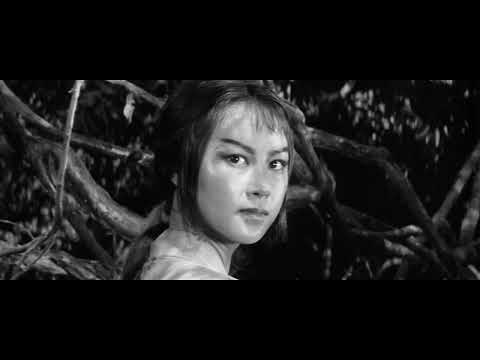
Akira Kurosawa’s escapist adventure occupies a curious but essential place in any survey of ronin cinema, since its protagonist Rokurota Makabe, played with commanding physicality by Toshiro Mifune, is not a wandering masterless swordsman by circumstance but a general who takes on the disguise and precarious existence of one. Tasked with smuggling a fugitive princess and her clan’s gold across enemy territory, he embodies the ronin archetype from the outside in, adopting its watchfulness, its improvisational cunning, and its readiness for violence while never fully surrendering his loyalty to a lord and cause. This tension between nobility and disguise gives the film a different textural flavor than the melancholic drifters of later samurai cinema, offering instead a swashbuckling energy that still respects the codes of honor central to the genre.
What makes the film indispensable to this guide is its structural audacity, filtering the heroic narrative through the bumbling perspective of two greedy peasants, a device that would famously inspire George Lucas. This reframing forces the ronin figure into sharper relief, since Mifune’s general becomes almost mythic when viewed through the peasants’ fear and self-interest, a demigod of competence surrounded by human frailty. The film also showcases Kurosawa’s mastery of widescreen composition, using the Tohoscope frame to stage battles and border crossings with sweeping geometric clarity. Alongside Yojimbo and Sanjuro, it demonstrates how Kurosawa continually reinvented the ronin figure, here proving that even a temporary, performed masterlessness carries genuine dramatic and moral weight.
Seven Samurai (1954)

A remote farming village, terrorized each harvest by marauding bandits, hires seven masterless samurai to defend it in exchange for nothing more than rice and shelter. Kurosawa assembles a company of drifters led by the weary strategist Kambei and the volatile pretender Kikuchiyo, forging an unlikely brotherhood out of desperation, pride, and duty. Over three hours the film builds toward one of cinema’s most influential battle sequences, staged in mud and rain with a choreographic precision that redefined action filmmaking.
Within any serious survey of ronin cinema, this film functions as the foundational text, the wellspring from which nearly every subsequent masterless-warrior narrative draws its DNA. Kurosawa’s ronin are not glamorous outlaws but economically obsolete men, stripped of lords and stipends, forced to sell their swords for survival, and it is precisely this social precarity that gives the film its enduring moral weight. Toshiro Mifune’s Kikuchiyo embodies the class rage simmering beneath the samurai mythos, a peasant-born impostor whose fury exposes the hypocrisy of feudal hierarchy. The film’s genius lies in refusing easy heroism, insisting instead that the ronin’s victory is inseparable from loss, transience, and the peasants’ quiet indifference once the swords are no longer needed.
Rashomon (1950)
![Rashômon (1950) ORIGINAL TRAILER [HD 1080p]](https://blog.indiecinema.co/wp-content/plugins/wp-youtube-lyte/lyteCache.php?origThumbUrl=https%3A%2F%2Fi.ytimg.com%2Fvi%2FZqoyl2p8_lw%2F0.jpg)
In a bandit-infested grove somewhere in Heian-era Japan, a samurai is found dead, and the woodcutter, the bandit Tajomaru, the samurai’s wife, and even the murdered man himself, speaking through a medium, each offer a contradictory account of what transpired. Akira Kurosawa’s fractured narrative structure, unspooling four irreconcilable versions of a single crime, transformed a modest production into a global sensation and introduced Western audiences to Japanese cinema almost overnight, winning the Golden Lion at Venice and an honorary Academy Award.
Though the murdered samurai rather than a masterless ronin sits at the story’s center, the film belongs in any serious conversation about ronin cinema because it dismantles the very mythology that ronin narratives depend upon: the idea of honor as a fixed, verifiable truth. Toshiro Mifune’s feral, cackling Tajomaru is the spiritual ancestor of countless disgraced or wandering swordsmen who populate later ronin films, men whose relationship to bushido is performative, self-serving, or entirely fictional. Kurosawa’s genius lies in refusing resolution, suggesting that the samurai code itself may be little more than a story people tell to survive their own cowardice, a skepticism that would echo through every serious ronin film that followed, from Sanjuro to Harakiri.
⚔️ Warrior Codes and Wandering Blades
The path of the masterless samurai is steeped in honor, exile, and violence — themes that echo across many corners of world cinema,. If you’re drawn to the ronin’s solitary journey, these related guides explore adjacent traditions of martial discipline, historical drama, and stylized combat.
Samurai Movies You Must Watch Absolutely
No exploration of ronin cinema is complete without its parent genre: the samurai film. This guide traces the broader tradition of bushido, sword duels, and feudal drama that gave birth to the wandering, masterless warriors at the heart of ronin stories.
GO TO THE SELECTION: Samurai Movies You Must Watch Absolutely
Martial Arts Movies to Watch
The physical discipline and choreography that define ronin combat sequences share deep roots with martial arts cinema at large. This selection widens the lens to include the global evolution of hand-to-hand and weapon-based fighting on screen, from Hong Kong classics to modern actioners.
GO TO THE SELECTION: Martial Arts Movies to Watch
Gangster Films That Rewrote the Rules of the Genre
The ronin’s code of loyalty and vengeance finds a curious mirror in the underworld hierarchies of gangster cinema. Both genres explore honor among outcasts and the violent consequences of broken allegiance, making this list a compelling companion piece.
GO TO THE SELECTION: Gangster Films That Rewrote the Rules of the Genre
Revenge Films You Must See
Revenge is often the engine driving a ronin’s quiet, deadly resolve, and this collection gathers films built entirely around that same primal motivation. From slow-burning grudges to explosive final reckonings, these titles share the emotional intensity that defines the best ronin sagas.
GO TO THE SELECTION: Revenge Films You Must See
🎬 Keep Exploring Beyond the Blade
If these masterless warriors and their codes of honor have stirred your curiosity, Indiecinema offers a rich streaming library of independent and international films waiting to be discovered. Dive deeper into world cinema’s hidden gems and uncover your next obsession today.
👉 EXPLORE THE CATALOG: Watch Indie Films in Streaming
A vision curated by a filmmaker, not an algorithm
In this video I explain our vision

