
The Choreography of Shared Silence
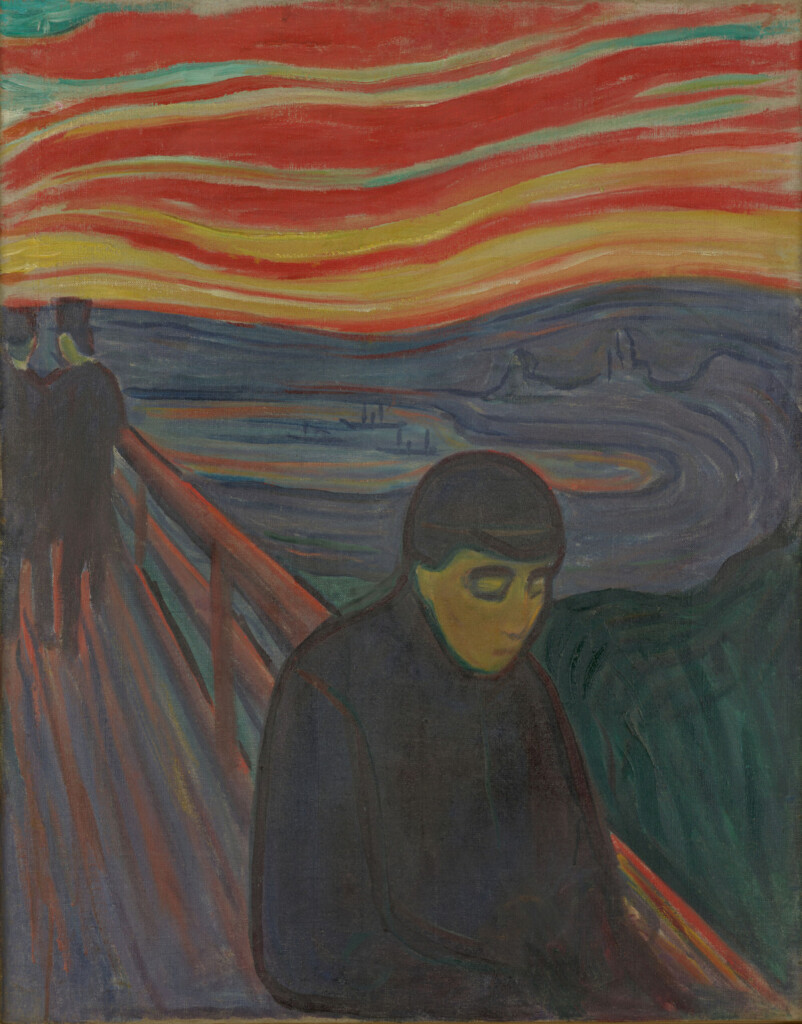

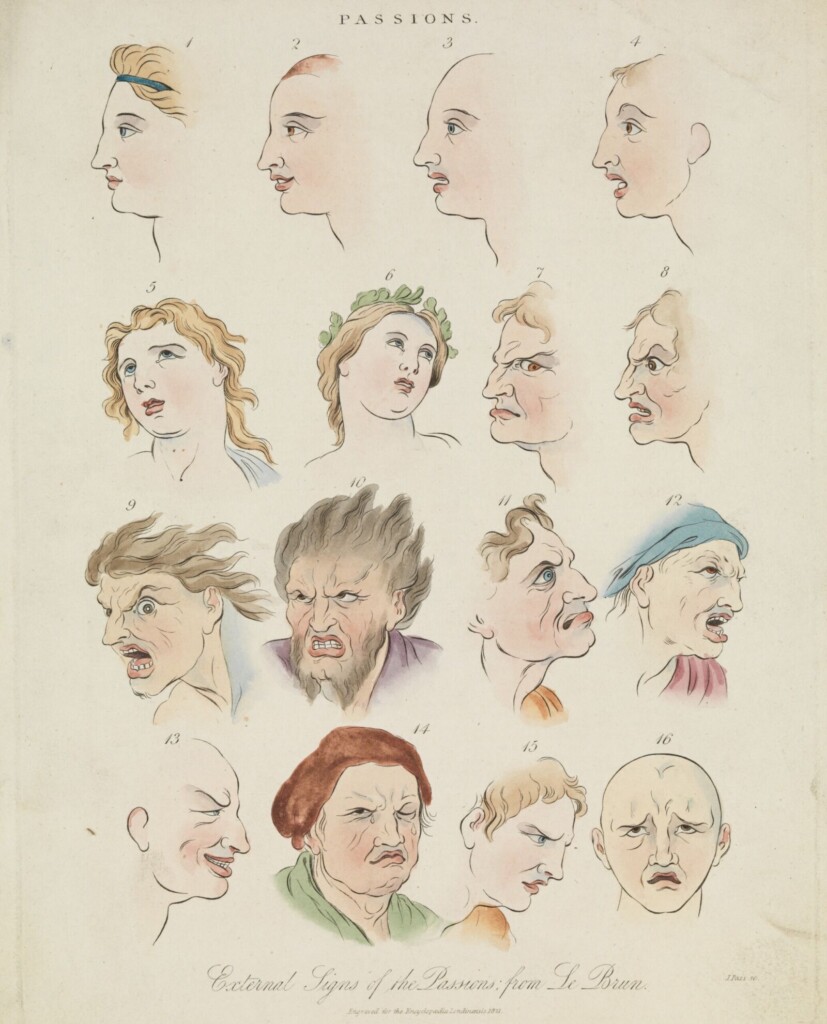
You reach for the coffee before she finishes with it, and the timing is so practiced, so unconsciously calibrated, that your hands never meet. She moves left, you move right. The refrigerator opens, closes. A drawer slides. Toast surfaces from the toaster and lands on a plate already positioned to receive it. You have both become extraordinarily efficient at this, and somewhere in the efficiency lives a grief neither of you has named.

There is a particular skill that long-term couples develop that no one talks about honestly: the skill of frictionless coexistence. Not love, not hatred, not the dramatic rupture of a relationship in its final hour. Something quieter and more total. The shared kitchen becomes a kind of choreography, a mutual agreement written in the body rather than in language, that presence is negotiable and proximity does not require contact. Two people can inhabit the same four hundred square feet and remain, structurally speaking, alone. What is disturbing about this is not the distance itself. It is how comfortable the distance becomes.
The sociologist Arlie Hochschild, writing in The Second Shift in 1989, documented the emotional labor performed disproportionately by women in domestic partnerships — the invisible management of feeling, atmosphere, and relational maintenance that never appears on any ledger. But beneath even that asymmetry lies something she gestures toward without fully excavating: the possibility that what couples are really managing, over years of shared life, is not the distribution of tasks but the distribution of absence. The labor is real, but the deeper negotiation is about how much of yourself you are willing to let the other person see, and how much you will quietly withdraw without announcement.
What makes domestic detachment so structurally invisible is that it borrows the external grammar of a functioning relationship. The bills are paid. Dinner happens. There are perhaps children, and those children are loved, and that love is genuine. The apartment or the house continues to operate as a social unit legible to the outside world. Holidays are attended. Photographs are taken. The performance is not cynical — it is, in most cases, entirely sincere, which is precisely what makes it so impenetrable to examination. People do not feel like they are performing. They feel like they are surviving, and surviving together, and have confused that shared endurance with intimacy.
The psychologist John Gottman spent decades at the University of Washington coding thousands of hours of couples in interaction, and what his 1994 work Why Marriages Succeed or Fail revealed was not that conflict destroys relationships. The most lethal dynamic was not argument but contempt, and before contempt comes something less dramatic: stonewalling, the withdrawal of emotional engagement so complete that one partner simply ceases to register the other as a source of meaningful information. The body is present. The signal is cut. And crucially, stonewalling is not always experienced as hostility. It is frequently experienced as peace.
What accumulated decades of proximity can produce is a kind of sensory adaptation, the same neural mechanism by which you stop smelling your own home within minutes of entering it. The partner becomes, neurologically and emotionally, background. Not enemy, not stranger, but something more unsettling: furniture. And furniture does not require you to be seen by it. Furniture does not notice the way your voice changes when you are frightened. This adaptation is not a moral failure. It is a structural one, built into the architecture of how human attention operates under conditions of prolonged familiarity. The eighteenth-century philosopher David Hume observed in his Treatise of Human Nature that the force of any impression diminishes through repetition, that what once struck us with violence eventually registers as nothing at all. He was writing about perception. He was also, without knowing it, writing about marriage.
A vision curated by a filmmaker, not an algorithm
In this video I explain our vision

