
French Filmmakers: A Journey Through History
French directors have a rich and vibrant cinematic tradition, which has helped shape the art of cinema since its inception. From the technical innovations of the early pioneers to the visionary works of modern directors, French cinema has left an indelible mark on the history of the silver screen.

The Origins of Cinema and the Nouvelle Vague
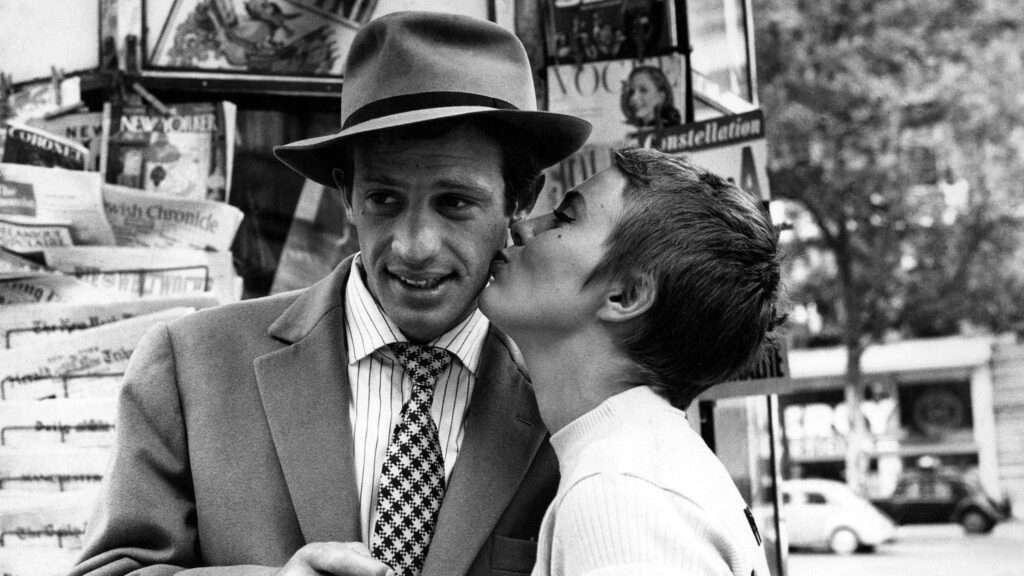
Early films, such as “L’Arrivée d’un train en gare à La Ciotat” by the Lumière brothers (1895), aroused wonder and amazement, paving the way for a new form of expression. Throughout the 20th century, directors such as Georges Méliès and Abel Gance experimented with film storytelling and special effects, creating visionary works like “A Trip to the Moon” (1902) and “Napoléon” (1927).
The post-war period saw the advent of the Nouvelle Vague, a movement that revolutionized French and world cinema. Jean-Luc Godard, François Truffaut, Claude Chabrol, and Alain Resnais, among others, rebelled against the narrative and stylistic conventions of classical cinema, adopting a more free and auteur-driven approach. Their films, such as “Breathless” (1960), “The 400 Blows” (1959), and “Hiroshima Mon Amour” (1959), influenced generations of filmmakers and created a new cinematic language.
From the Nouvelle Vague to the Present Day
In the years that followed, French cinema continued to explore new paths and to engage with the different social and cultural realities of the country. Directors such as Claude Lelouch, Louis Malle, and Jean-Pierre Melville made films of great emotional and social impact, while others, such as Luc Besson and Patrice Leconte, brought French genre cinema to success.
More recently, female directors such as Claire Denis, Catherine Breillat, and Agnès Varda have given voice to female experiences with poetic and provocative films. Contemporary French cinema, with auteurs such as Olivier Assayas, Jacques Audiard, and Mia Hansen-Løve, continues to distinguish itself for its originality and its social commitment.
Georges Méliès

Regarded as the founding figure of fantasy cinema, Georges Méliès stands as one of the visionary pioneers in the realm of world cinema. His groundbreaking work and inventive spirit left an indelible mark on the industry. Méliès’ films, renowned for their pioneering use of special effects and boundless creativity, played a crucial role in shaping the emerging language of filmmaking that is still revered today. Among his most celebrated and iconic works is the legendary “A Trip to the Moon” (1902), a film that captivated audiences with its whimsical and innovative storytelling.
In the same year, he crafted “The Voyage Across Time” (1902), further solidifying his reputation as a master of the fantastical. Another notable creation is “The Man with the Rubber Head” (1901), where his extraordinary use of illusion and effects astonished viewers and redefined the possibilities of cinema. Through these films and many others, Méliès not only entertained but also educated future generations of filmmakers about the boundless potential of cinema as a storytelling medium.

Auguste and Louis Lumière

The Lumière brothers, hailing from France, are widely acknowledged as the ingenious inventors of the cinematograph, a revolutionary apparatus that played a pivotal role in the evolution of moving pictures. The groundbreaking first public screening they hosted took place in the vibrant city of Paris on December 28, 1895. This historic event is celebrated as the watershed moment that heralded the dawn of cinema history, capturing the imagination of audiences and setting the stage for the dynamic growth of the film industry.
Their early repertoire, consisting of short and documentary films, undeniably contributed significantly to the dissemination and popularization of cinema across the globe. Among their most renowned works is the gripping and unparalleled “Arrival of a Train at La Ciotat” (1895), which famously captivated audiences with its realism, and the enchanting “Baby’s Meal” (1895), known for its charming portrayal of everyday life. These films not only entertained but also demonstrated the limitless potential of film as a medium, paving the way for future filmmakers and enthusiasts worldwide.
René Clair

René Clair emerged as a pivotal figure in the evolution of French cinema during the 20th century, standing out as one of its most significant directors. His cinematic works were distinguished by a unique blend of surreal humor and a poetic portrayal of the world, elements that played a crucial role in shaping the fabric of modern French cinema. Clair’s distinctive filmmaking style brought forth a legacy that was not only influential in the immediate film scene but also left a lasting impression for future generations of filmmakers.
Among his most renowned and celebrated films are “À nous la liberté” (1931), a groundbreaking piece that satirically explored themes of industrialization and freedom; “Le Million” (1931), which combined elements of comedy and fantasy with musical innovation; and “L’Atalante” (1934), a poetic narrative that intertwined romance with a visually captivating exploration of human relationships. These films collectively showcased Clair’s ability to meld narrative depth with whimsical elements, establishing a new paradigm in cinematic storytelling. Clair’s contribution to the art of film has ensured his place in history as a transformative director whose impact on the cinematic landscape continues to be revered and studied to this day.
Germaine Dulac
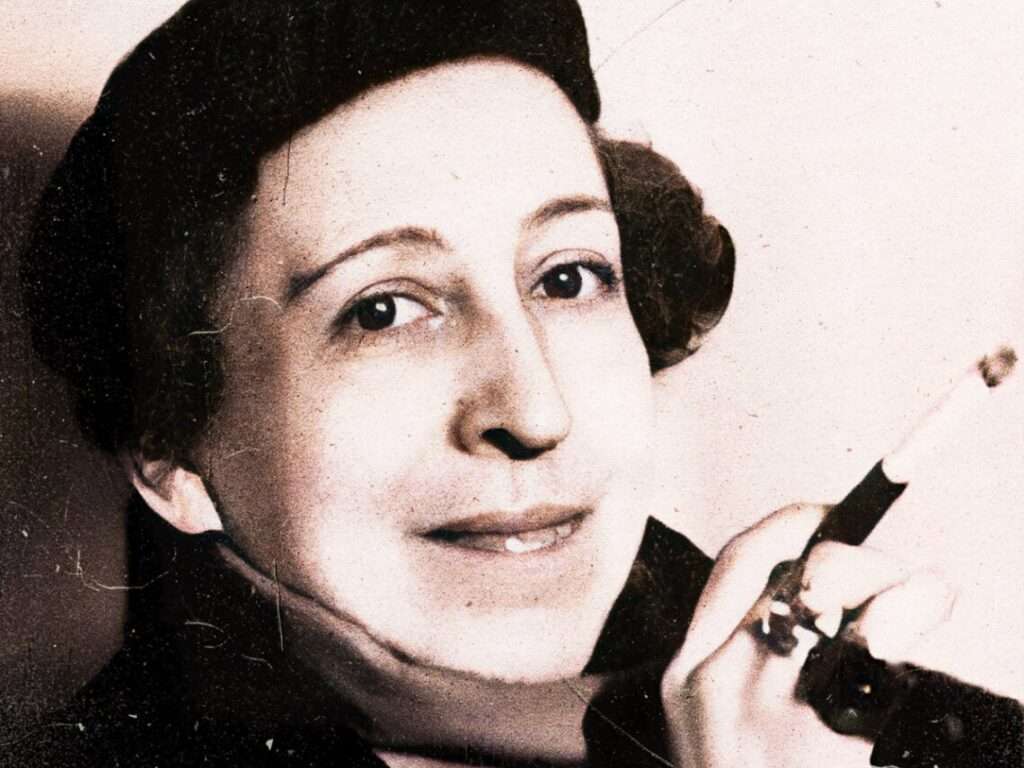
Germaine Dulac remains a seminal pioneer of French cinema, deeply influencing the domain as both a film critic and a leading voice in the impressionist movement. Renowned for her groundbreaking approach to filmmaking, Dulac masterfully utilized innovative techniques to delve into the intricacies of subjective reality. Her cinematic creations frequently embodied a dreamlike and poetic essence, constantly redefining the possibilities within the medium of film.
Among her most celebrated works is “The Seashell and the Clergyman” (1928), a surreal and intricate exploration of the human psyche, which pushed narrative boundaries and challenged audiences to engage with film in new ways. Equally notable is “The Woman and the Puppet” (1929), an atmospheric and dark melodrama that showcased her ability to craft profound emotional narratives. Through these films and others, Dulac not only contributed to but also transformed the cinematic landscape, leaving an indelible mark on the evolution of film as an art form.
A vision curated by a filmmaker, not an algorithm
In this video I explain our vision
Marcel L’Herbier
Marcel L’Herbier was a renowned French director celebrated for his groundbreaking and ambitious contributions to cinema. As a pivotal figure in the impressionist movement, his work was characterized by a unique blend of visual style and thematic depth, drawing significant influence from the bold aesthetic of German expressionism as well. His films were often notable for their grand, operatic scale, delving deeply into subjects such as societal transformation and political turmoil, capturing the zeitgeist of the changing times. L’Herbier’s cinematic masterpieces made a significant impact on the film industry, with “L’Inhumaine” (1924) standing out as one of his most acclaimed works. This science fiction drama portrays the riveting tale of a woman who undergoes a fantastical metamorphosis into a mechanical being, a narrative that explores the intricate boundaries between humanity and technology. Another quintessential work, “Eternal Melodies” (1929), is a vibrant musical drama set against the backdrop of the tumultuous era of the French Revolution. Through this film, L’Herbier masterfully intertwines music and revolutionary fervor, illustrating a rich tapestry of human emotion and historical upheaval that continues to resonate with audiences and influence filmmakers today.
Louis Delluc
Louis Delluc was a prominent French film critic and director, widely recognized as one of the pioneering figures behind the inception of the impressionist movement in cinema. His career was marked by his fervent and perceptive commentaries on the art of filmmaking, which showcased his keen insight and deep passion for the medium. Delluc was not just an influential writer but also an essential proponent for the advancement and acceptance of experimental cinema. Through his efforts, he contributed significantly to shaping the trajectory of avant-garde film techniques and narratives, challenging conventional norms and encouraging creative exploration. His most renowned work, “The Madness of Dr. Tube” (1921), stands as a testament to his innovative spirit. This surreal and expressionist film delves into the story of a scientist who invents a machine capable of manipulating people’s dreams, weaving a narrative that explores the boundaries between reality and the subconscious. By doing so, Delluc’s film exemplified the potential of cinema to transcend the ordinary and probe into the complexities of human perception and imagination.
Jean Renoir
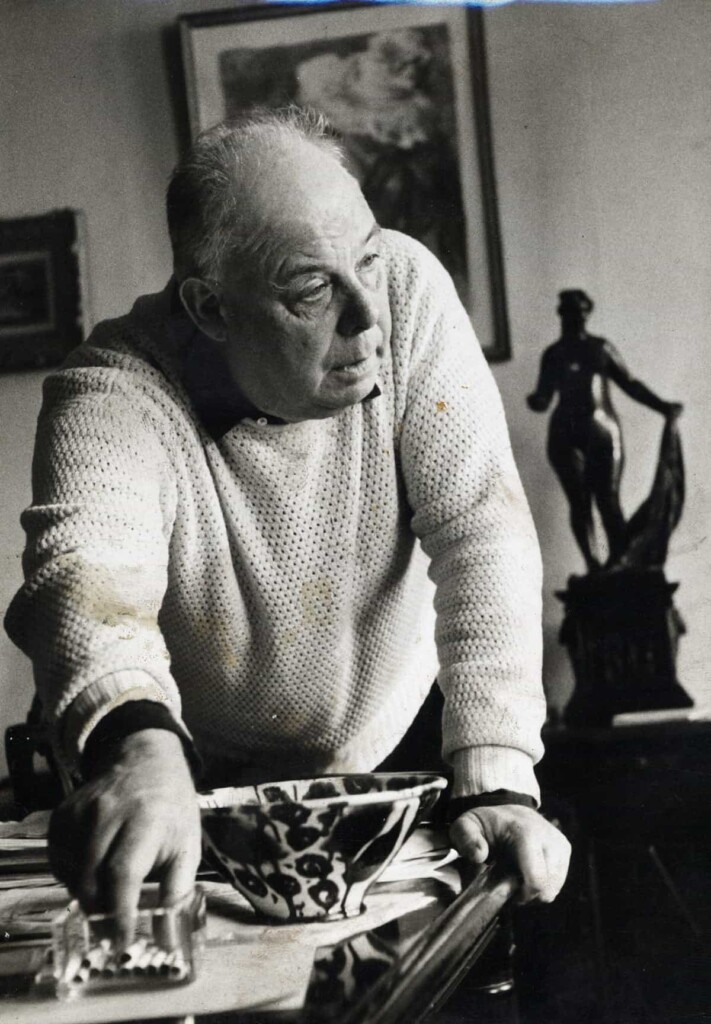
Jean Renoir was one of the most critically important French directors of the 20th century. His films, characterized by attention to social realism and a poetic view of life, helped define modern French cinema. Some of his most famous films include “La Grande Illusion” (1937), “The Rules of the Game” (1939), and “Picnic on the Grass” (1959). Renoir’s work is renowned for its innovative narrative techniques and deep humanism, often exploring themes of class struggle, love, and the complexities of human relationships. La Grande Illusion,” set during World War I, is a seminal anti-war film that examines the relationships between prisoners and their captors, highlighting the artificiality of class distinctions in times of conflict.
The Rules of the Game” is often hailed as one of the greatest films ever made; it satirizes the French bourgeoisie while weaving a complex web of romantic entanglements. The film’s innovative use of deep focus and ensemble cast revolutionized cinematic storytelling, allowing for greater depth and realism. Later in his career, Renoir saw his style evolve, particularly with “Picnic on the Grass,” showcasing a new approach that included vibrant color palettes and a more relaxed narrative form, reflective of his move to America and engagement with different cinematic traditions.
Renoir’s influence on filmmakers is profound; he inspired generations of directors, including the likes of François Truffaut and Jean-Luc Godard, who revered his ability to blend artistic vision with deep social commentary. His legacy lives on, as his works continue to be studied and celebrated for their artistic merit and emotional depth. Renoir’s perspective on life remains relevant, capturing the nuances of the human experience with empathy and nuance, securing his place as a vital figure in the history of cinema.
Marcel Carné
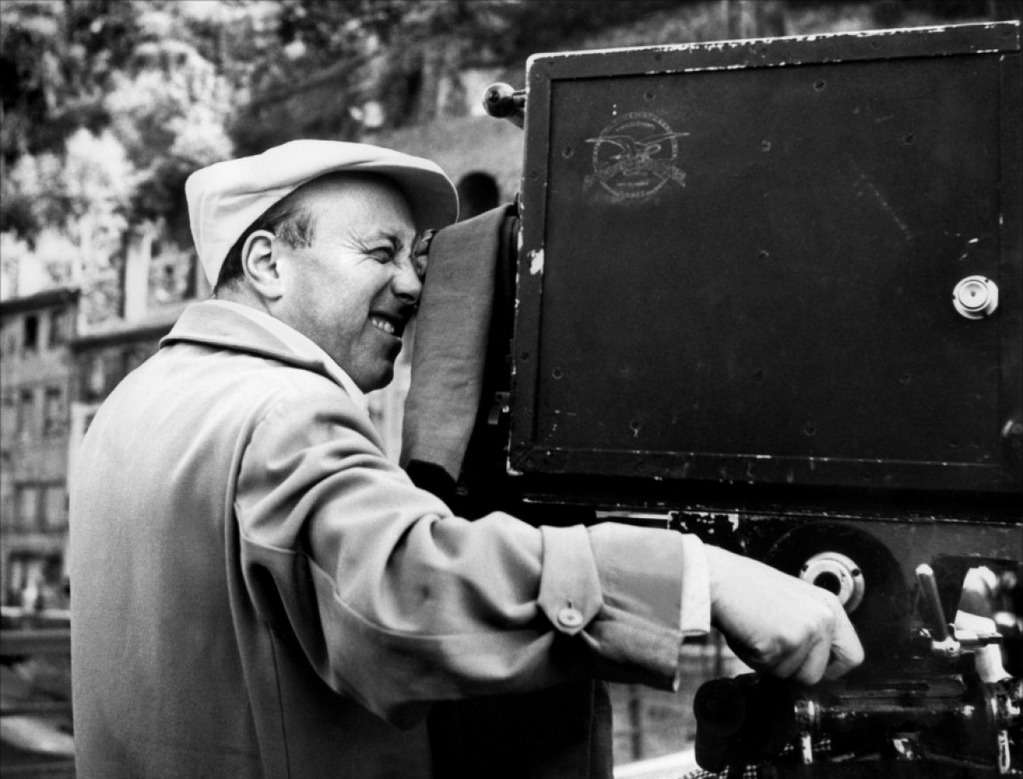
Marcel Carné was one of the most important French directors of the 20th century. His films, characterized by a noir atmosphere and a romantic view of the world, contributed to defining modern French cinema. Some of his most famous films include “Children of Paradise” (1945), “Port of Shadows” (1938), and “Hotel du Nord” (1938). Carné’s collaboration with screenwriter Jacques Prévert was instrumental in shaping the poignant narratives and rich dialogues that became hallmarks of his work. Their partnership produced a unique blend of lyrical storytelling and visual poetry, establishing a distinctive tone that resonated deeply with audiences.
Children of Paradise,” often regarded as Carné’s masterpiece, is set in the bustling Paris theater scene of the 1820s and tells the story of a beautiful courtesan, Garance, and the four men who love her. This film not only showcases Carné’s ability to create complex characters and emotional depth but also highlights his talent for capturing the essence of human longing and aspiration against a backdrop of artistic creativity.
In “Port of Shadows,” Carné explores themes of fate and existentialism, portraying the life of a disillusioned soldier who finds himself in a fog-laden harbor city. The film’s atmospheric cinematography, coupled with Jean Gabin‘s haunting performance, builds an eerie yet captivating world that draws viewers into the despair and beauty of its characters’ lives.
Hotel du Nord,” on the other hand, offers a more intimate look at love and tragedy, set in a Parisian hotel where various characters intersect, revealing their dreams and disappointments. With its real-life dialogue and emotional realism, the film captures the various shades of human experience, from hope to despair. Carné’s influence extended beyond his films, as he became emblematic of the poetic realism movement that defined French cinema during the 1930s and 40s. His works continue to inspire filmmakers and are celebrated for their artistic innovation and emotional resonance. Despite facing challenges during the post-war period and the decline of the poetic realism genre, Carné’s legacy endures, reminding us of the power of cinema to explore the human condition in all its complexity.
Jean Vigo

Jean Vigo was a director known for his experimental and political films. His films, frequently enough characterized by a strong sense of humor and original aesthetics, had a significant influence on French and international cinema. His most famous films include “À propos de Nice” (1930),”Zero for Conduct” (1933), and “L’Atalante” (1934). Vigo’s work often explored themes of youth, rebellion, and the complexities of human relationships, all while challenging conventional storytelling techniques of his time. À propos de Nice,” a silent film blending documentary and surrealism, captures the stark contrast between the glamour of the Riviera and the realities of the working class, presenting a critical view of social inequalities.
Zero for Conduct” is perhaps his most audacious work, a semi-autobiographical short film that depicts the discontent of schoolchildren in a strict boarding school. Its blend of fantasy and reality, along with its portrayal of the rebellious spirit, resonated with audiences and laid the groundwork for future countercultural movements in cinema. L’Atalante,” Vigo’s only feature-length film released before his untimely death at 29, showcases his poetic sensibility and innovative visual style. The story of a young woman who struggles to adapt to life aboard a barge is rich with metaphor and emotion, capturing the essence of love, longing, and the passage of time. The film is often lauded for its lyrical cinematography and its ability to convey deep emotional states through visual storytelling.
Despite his brief career, Jean Vigo’s influence is palpable in the works of later directors, including the French New Wave filmmakers like François Truffaut and Jean-Luc Godard, who admired his audacity and vision. His films continue to inspire new generations of filmmakers and audiences alike, reminding us of the power of cinema as a means of artistic expression and social critique. Vigo’s legacy endures, not only in the films he created but in the spirit of experimentation and resistance that he championed.
Jean Grémillon
Jean Grémillon was a filmmaker celebrated for his emotionally charged and lyrical films. Frequently set against a rural backdrop, his works delve into themes of love, loss, and the natural world. Among his most notable films are “Gueule d’amour” (1937), “Daybreak” (1939), and “Ladies of the Park” (1945). Grémillon’s unique storytelling style combined lyrical visuals with deeply human emotions, creating a rich cinematic tapestry that resonated with audiences. His ability to depict the intricacies of everyday life and the struggles of his characters allowed for a profound exploration of the human condition.
In “Gueule d’amour,” Grémillon delves into the complexities of romantic desire and the pain of unrequited love, presenting a poignant narrative that balances beauty with melancholy. The film’s striking cinematography enhances the emotional weight of the story, making it a standout work in French cinema. “Daybreak” exemplifies Grémillon’s talent for blending realism with poetic elements. Through the tale of a farmer’s longing for freedom and escape from the confines of his rural life, the film tackles the themes of social class and personal aspiration, offering a critique of societal constraints while celebrating the landscape that frames the characters’ lives.
Throughout his career, Jean Grémillon remained committed to pushing the boundaries of cinematic expression. His works continue to provoke thought and emotion, solidifying his legacy as a master of French cinema whose films invite viewers to reflect on the delicate interplay between nature, humanity, and the complexities of life itself. Grémillon’s artistry not only influenced his contemporaries but also inspires new generations of filmmakers seeking to explore the depths of human experience through the lens of cinema.
Max Ophüls

Max Ophüls was a German-born French director, known for his melodramatic and refined films. his films, often characterized by a strong atmosphere and attention to detail, had a significant influence on French and international cinema. His most famous films include “La Ronde” (1950), “Le Plaisir” (1952), and “Lola Montes” (1955). Ophüls was renowned for his innovative use of camera movement and intricate mise-en-scène, which contributed to the emotional depth of his storytelling. His background in theater and his early career as a stage director informed his cinematic style, allowing him to craft visually stunning and narratively rich films.
La Ronde,” based on Arthur Schnitzler‘s play, weaves together a series of interlinked stories exploring themes of love and desire in a pre-World War I society. The film’s circular narrative structure invites viewers to reflect on the cyclical nature of relationships, while Ophüls’ elegant tracking shots and lush cinematography enhance the romantic atmosphere. In “Le Plaisir,” an anthology film composed of three segments, Ophüls delves into the pleasures and pains of love. Each story is infused with an existential undertone, revealing the complexity of human emotions and the ephemeral nature of happiness. The film’s rich visual style, combined with its exploration of the human condition, earned it critical acclaim and solidified Ophüls’ reputation as a master filmmaker.
Throughout his career, Ophüls grappled with themes of memory, desire, and the fleeting nature of existence. His films often reflect a melancholic yet romantic worldview, striking a balance between beauty and tragedy. Despite facing challenges in his later years, including the political climate in Europe and the difficulties of exile, Ophüls continued to create films that captivated audiences and inspired future generations of filmmakers. His legacy endures as a testament to the power of cinema to evoke deep emotional responses and provoke thoughtful reflection on the human experience.
Henri-Georges Clouzot

Henri-Georges Clouzot was a renowned director celebrated for his thriller and mystery films. His works, frequently marked by a chilling ambiance and meticulous detail, left a lasting impact on both French and global cinema. Among his most notable films are “The Raven” (1943), “Quai des Orfèvres” (1947), and “Les Diaboliques” (1955). Clouzot’s films often delved into the darker aspects of human nature, exploring themes of betrayal, obsession, and moral ambiguity. His ability to build suspense and create a palpable sense of dread earned him comparisons to Alfred Hitchcock, although Clouzot’s style was distinctively rooted in the psychological complexities of his characters.
In “Les Diaboliques,” for instance, Clouzot masterfully wove a tale of revenge and intrigue, employing a narrative structure that kept audiences guessing until the final moments. The film’s shocking twist ending became a benchmark for thrillers and remains highly influential. Similarly, “Quai des Orfèvres” is a skillful blend of crime and character study, showcasing Clouzot’s intricate plotting and his knack for developing multifaceted characters.
Another significant work, “The Raven,” drew audiences into its web of intrigue with a narrative steeped in themes of guilt and retribution. Clouzot’s meticulous attention to detail extended beyond storytelling; his visual composition and use of lighting set a claustrophobic tone, enhancing the overall atmosphere of dread.
Throughout his career, Clouzot faced challenges, including battles with censorship and the complexities of production that sometimes stalled his projects. Nevertheless, he continued to push the boundaries of cinematic storytelling. His work not only laid the groundwork for future filmmakers but also contributed significantly to the evolution of the thriller genre.
Jean Cocteau

Cocteau was a director, writer, poet, and playwright, known for his surrealist and visionary style. His films, often inspired by mythology and folklore, are characterized by strong creativity and original aesthetics. Some of his most famous films include “Beauty and the Beast” (1946), “Orpheus” (1950), and “Children of the Damned” (1950). Cocteau’s work transcended traditional cinematic boundaries, often blending elements of theater, poetry, and visual art. His unique approach to storytelling and visual imagery set him apart as a pioneer of surrealism in film.
In “Beauty and the Beast,” Cocteau reimagined the classic fairy tale with a dreamlike quality, using innovative techniques such as dissolves and shadow play to enhance the ethereal atmosphere. This adaptation remains one of the most celebrated renditions of the story, offering a deep exploration of love, transformation, and the duality of human nature. “Orpheus,” on the other hand, reinterprets the mythological tale of Orpheus and Eurydice, set against the backdrop of post-war Paris. Cocteau’s portrayal of Orpheus as a poet navigating the realms of life and death speaks to the power of art and love, showcasing his signature blend of the fantastical and the tragic. The film features stunning visual motifs, including mirrored surfaces and surreal landscapes, which have become hallmarks of Cocteau’s artistic vision.
In addition to his cinematic achievements, Cocteau was deeply involved in various artistic endeavors, including poetry and painting. His literary works often mirrored the themes found in his films, exploring existential questions and the nature of reality. His collaborations with notable figures in the arts, such as Pablo Picasso and Igor Stravinsky, further solidified his position as a central figure in the cultural landscape of the 20th century.
Jacques Tati
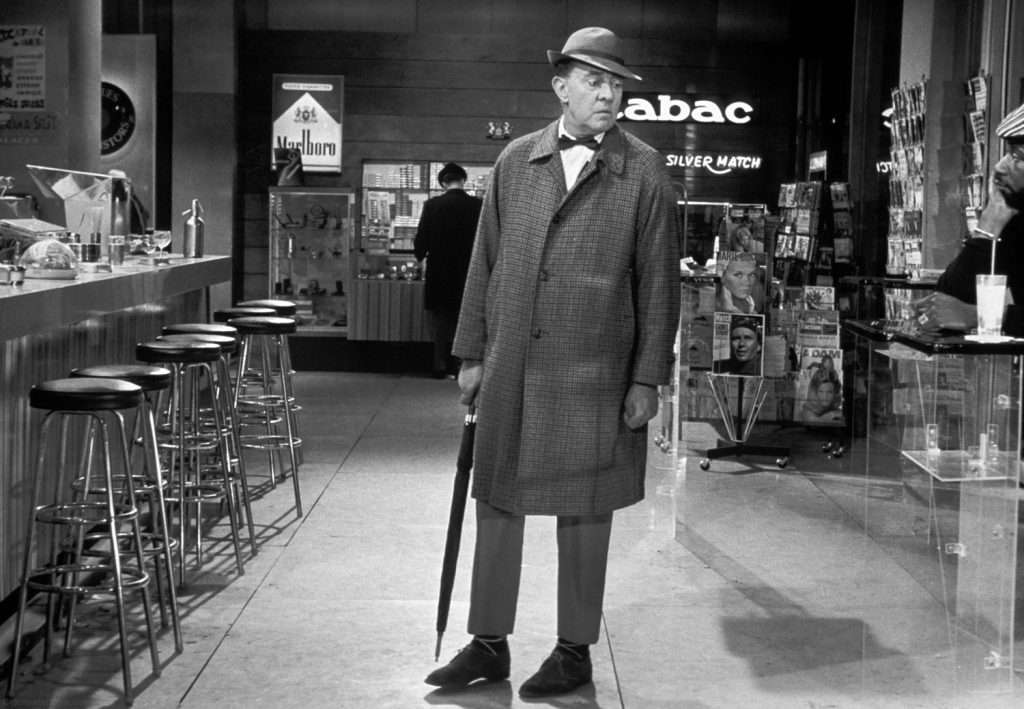
Tati was a director known for his comedic and surreal films. His films, often set in an urban context, explore the quirks of modern society. Some of his most famous films include “jour de Fête” (1949), “My Uncle” (1958), and “Playtime” (1967). Tati’s unique vision and style revolutionized the world of cinema, blending visual gags with a meticulous attention to detail and a distinct lack of dialogue. His characters often found themselves in absurd situations, navigating through a vibrant, bustling world that mirrored the complexities of contemporary life.
In “Jour de Fête,” Tati introduced audiences to the charming postman, François, whose simple desire to modernize his village’s annual fair spirals into a series of hilarious misunderstandings. The film’s vibrant colors and whimsical sound design set the tone for Tati’s later works, emphasizing the impact of sound and silence in storytelling. “My Uncle” presented a commentary on the rapid industrialization of society. Through the eyes of a naive and old-fashioned uncle, Tati cleverly juxtaposed the simplicity of traditional life with the sterility of modernity, showcasing the clash between progress and nostalgia. His use of visual storytelling, rich with detailed backgrounds and playful interactions, captivated audiences and critics alike.
Despite his innovative approach, Tati faced challenges in the film industry, particularly with the rise of more conventional filmmaking techniques and the changing tastes of audiences. Nevertheless, his legacy endures, with many filmmakers citing him as a profound influence on their work. Modern cinema often echoes Tati’s style, blending visual humor with rich storytelling—a testament to the timelessness of his artistic vision. His films, characterized by their charm and wit, continue to resonate with viewers, inviting them to see the world through Tati’s uniquely playful lens.
Chris Marker
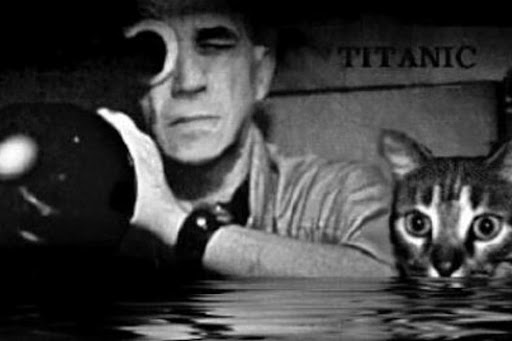
Chris Marker, the enigmatic French filmmaker and multimedia artist, is best known for his essayistic documentaries blending politics, memory, and philosophy. La Jetée (1962), a landmark 28-minute photo-roman about time travel and apocalypse, inspired countless works including 12 Monkeys. Other seminal films include Sans Soleil (1983), a meditative global travelogue on culture and memory, and Grin Without a Cat (1977), analyzing 1960s-70s political upheavals.
Marker’s fragmented, montage-driven style fuses still photography, voiceover narration, and music to create associative essays that interrogate history, ideology, and human perception. A leftist intellectual, he chronicled revolutions from Vietnam to May ’68 with wry humanism, avoiding didacticism through cat motifs and elusive persona (‘Sand cat’ pseudonym). La Jetée’s still-image innovation expanded cinema’s formal possibilities, while Sans Soleil’s non-linear reflections on Japan and Guinea-Bissau exemplify his globalist gaze. His influence spans video art and interactive media, cementing his legacy as a visionary of politically engaged, poetic nonfiction.
Jean-Luc Godard
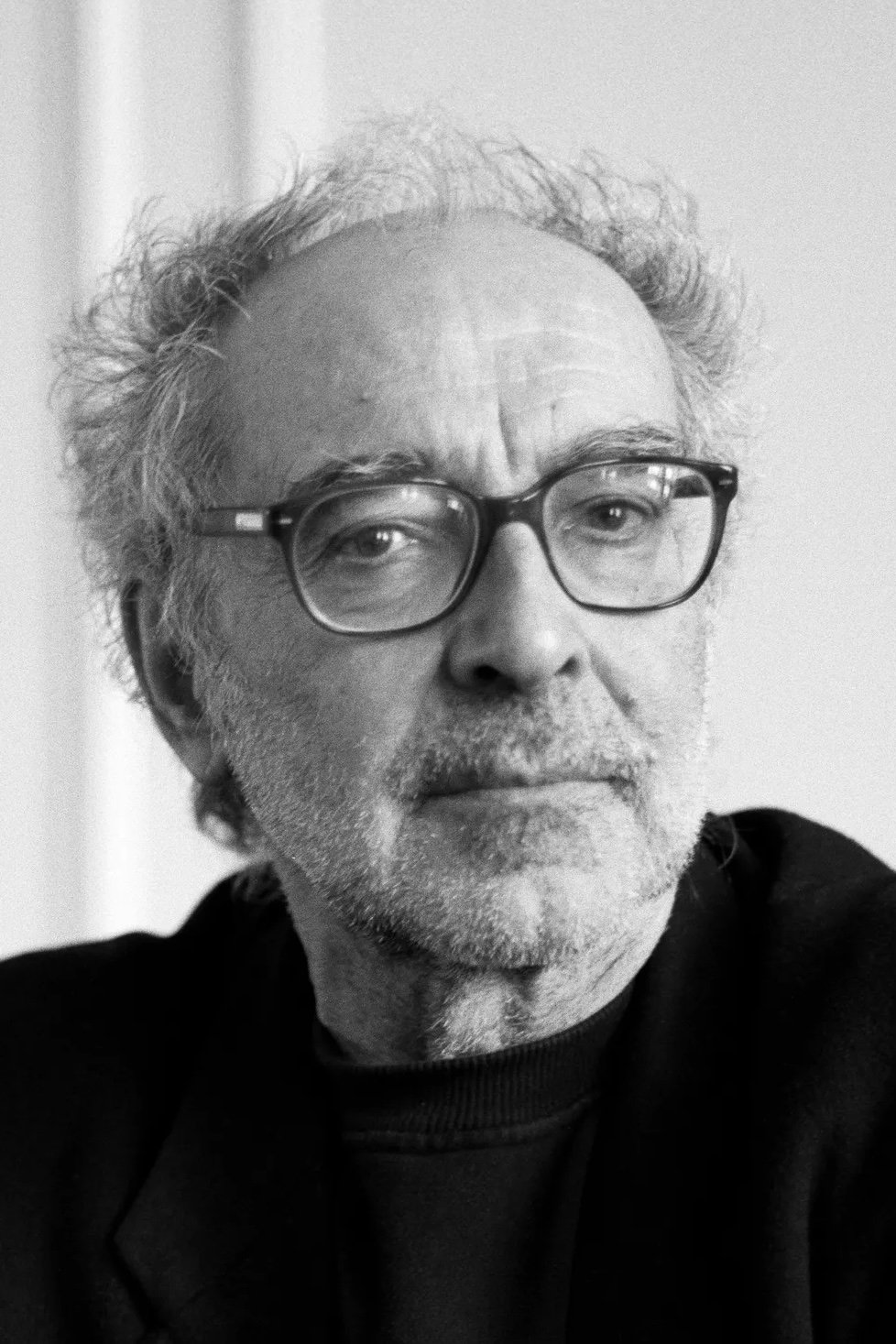
Jean-Luc Godard was one of the most important directors of the Nouvelle Vague. His films, characterized by experimental language and a radical political vision, revolutionized French and world cinema. Some of his most famous films include “Breathless” (1960), “La Chinoise” (1967), and “Weekend” (1967). Godard’s approach to filmmaking often challenged conventional narrative structures and traditional forms of storytelling. He employed jump cuts, long takes, and a playful use of sound and music, which not only created a distinctive visual style but also invited audiences to engage more actively with the film text.
“Breathless,” his debut feature, is particularly noteworthy for its innovative editing and its exploration of themes such as existentialism and alienation. The film follows a young car thief on the run, embodying the spirit of rebellion that defined much of the Nouvelle Vague. “La Chinoise,” on the other hand, reflects Godard’s deepening political concerns during the turbulent 1960s. The film portrays a group of young revolutionaries in Paris, delving into Marxist ideology and the nature of political activism. Through a series of provocative dialogues, Godard encourages viewers to examine the complexities of belief and the role of art in political movements.
Godard’s influence extended beyond his own films, inspiring countless filmmakers around the world to experiment with narrative and form. His later works continued to evolve, often reflecting his ongoing engagement with politics, philosophy, and the nature of cinema itself. Even today, his legacy endures as a beacon for those who seek to challenge the status quo and redefine the possibilities of film as an art form.
François Truffaut

François Truffaut was one of the most important directors of the Nouvelle Vague. His films, characterized by attention to psychological realism and a romantic view of life, contributed to defining modern French cinema. Some of his most famous films include “The 400 Blows” (1959), “Jules and Jim” (1962), and “Day for Night” (1973). Truffaut’s work often explored themes of love, childhood, and the complexities of relationships, making him a pioneer in portraying the nuances of human emotion on screen. His debut film, “The 400 Blows,” is a semi-autobiographical tale of a troubled youth in Paris, which not only captured the struggles of adolescence but also showcased Truffaut’s stylistic innovations, such as the use of handheld cameras and natural lighting.
In “Jules and Jim,” Truffaut employed a distinctive narrative technique, weaving a love triangle across the backdrop of pre- and post-World War I Europe. The film’s exploration of the themes of friendship, freedom, and the nature of love resonated deeply with audiences and remains a classic of world cinema. “Day for Night,” Truffaut’s homage to the art of filmmaking itself, offers a behind-the-scenes look at the complexities and challenges of movie production. The film not only reflects his love for cinema but also serves as a commentary on the intersection of reality and fiction, ultimately capturing the joys and sorrows that come with the creative process.
Truffaut’s influential career was marked by a deep commitment to the principle of auteurship, where he believed that directors should have a personal vision and distinct style that resonate throughout their works. His contributions helped pave the way for future generations of filmmakers and solidified his legacy as one of the giants of 20th-century cinema. Through his storytelling and innovative techniques, Truffaut continues to inspire filmmakers and film lovers alike, cementing his place in the annals of cinematic history.
Claude Chabrol
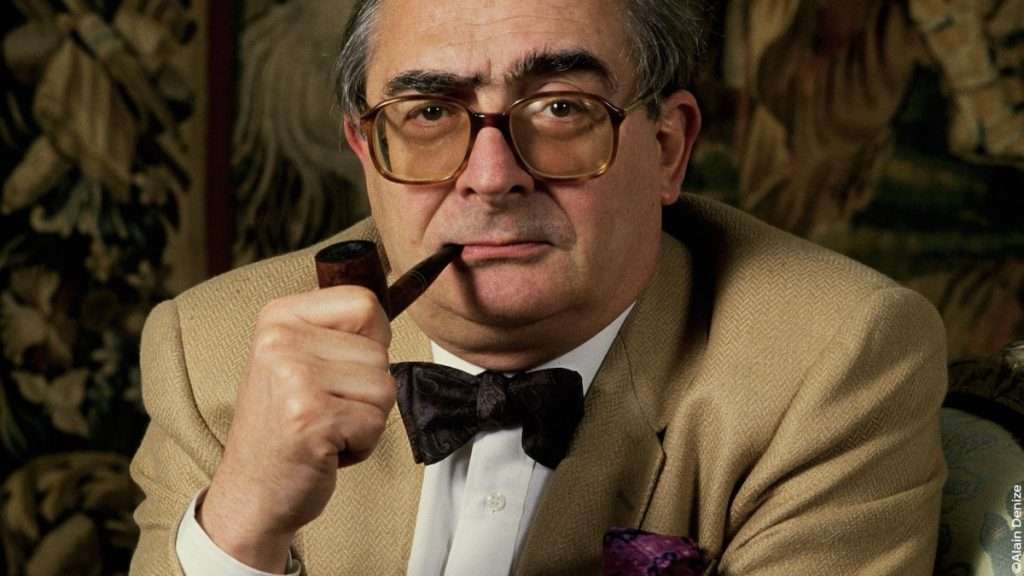
Claude Chabrol was one of the most critically important directors of the Nouvelle Vague. His films, characterized by attention to social realism and a critical view of society, contributed to defining modern French cinema. Chabrol’s work often explored themes of bourgeois hypocrisy, moral ambiguity, and the intricate dynamics of human relationships. He had a unique ability to blend suspense with a keen psychological insight, making his narratives both engaging and thought-provoking.
One of his notable early films, “Le Beau Serge” (1958), is often regarded as one of the first films of the Nouvelle Vague movement. It tackled issues of provincial life and personal disillusionment, showcasing Chabrol’s talent for intimacy and nuance. His second feature, “Les Biches” (1968), demonstrated his interest in complex female characters and relationships, challenging traditional notions of gender and sexuality.
Chabrol’s collaborations with actors like Isabelle Huppert and his adaptation of literary works, particularly those of Simenon, highlighted his versatility and commitment to storytelling. His ability to create suspense through everyday situations set him apart from his contemporaries and helped solidify his reputation.
Despite often being overshadowed by directors like Godard and Truffaut, Chabrol’s films remain significant for their exploration of social issues and the moral dilemmas faced by individuals in a rapidly changing world. His legacy continues to influence filmmakers, and his work is celebrated for its rich textures and profound insights into human nature.
Éric Rohmer

Éric Rohmer was one of the most important directors of the Nouvelle Vague. His films, characterized by attention to the psychology of characters and a poetic view of life, contributed to defining modern French cinema. Some of his most famous films include “The Sign of Leo” (1959), “My Night at Maud’s” (1969), and “La Collectionneuse” (1967). Rohmer’s unique style often involved dialogue-driven narratives and a focus on moral dilemmas, providing profound insights into human relationships. His films typically feature young, introspective characters navigating the complexities of love, desire, and ethical choices.
In “My Night at Maud’s,” for instance, Rohmer explores themes of faith, temptation, and the intricacies of friendship through the story of a man torn between his beliefs and his feelings for a woman. The film’s rich dialogue and contemplative pacing encourage viewers to engage deeply with the philosophical underpinnings of the characters’ decisions. “La Collectionneuse” takes a lighter approach, showcasing the interactions between a group of young people at a summer villa. Here, Rohmer examines the dynamics of attraction and jealousy, all while maintaining a delicate balance between humor and tragedy.
Rohmer’s influence extended beyond his own works, as he also played a significant role in the French New Wave movement. His commitment to independent filmmaking and personal storytelling inspired a generation of filmmakers to prioritize character development and dialogue over traditional narrative structures and visual spectacle. His later works, such as the “Tales of the Four Seasons” series, continue to reflect his fascination with the seasonal cycle and the interplay of love and nature, further solidifying his legacy as a master of cinema who explored the depths of the human experience with both grace and complexity. Through his keen observation and deep understanding of human nature, Éric Rohmer remains a pivotal figure in the landscape of world cinema.
Jacques Rivette

Jacques Rivette stands as a pivotal figure in the Nouvelle Vague movement. Renowned for his lengthy and experimental filmmaking style, his works played a significant role in shaping contemporary French cinema. Notable films from his repertoire include “Paris Belongs to Us” (1961), “The Stunning Troublemaker” (1991), and “Out 1: Noli Me Tangere” (1971). Rivette’s unique approach to storytelling often involved a focus on character exploration, improvisation, and a deep engagement with the theatricality of cinema. His films frequently blurred the lines between reality and fiction, offering viewers a richly layered narrative experience. Paris Belongs to Us,” his first feature, exemplified this technique, weaving a tale of paranoia and existential dread set against the backdrop of a politically charged Parisian landscape.
Out 1: Noli Me Tangere,” one of Rivette’s most ambitious projects, is a nearly 13-hour epic that follows two groups of artists as they become entangled in a web of intrigue and exploration of the self. This film stands as a testament to Rivette’s commitment to challenging cinematic norms, utilizing lengthy improvisational segments that encourage audiences to immerse themselves fully in the film’s unique cadence. In “The Stunning Troublemaker,” Rivette continued his exploration of avant-garde narratives, fusing elements of comedy, drama, and the absurd as he delved into the lives of a group of artists grappling with the complexities of love and friendship. The film’s playful yet poignant examinations of creativity mirror the struggles faced by Rivette himself as a filmmaker navigating the evolving landscape of cinema.
Rivette’s influence extends beyond his own works; alongside contemporaries such as Jean-Luc Godard and François Truffaut, he helped redefine the role of the director in French cinema, encouraging an ethos of personal expression and innovation. His films challenge audiences to reconsider the nature of film as an art form, often inviting them to engage with the material on a more intellectual and emotional level.
Alain Resnais
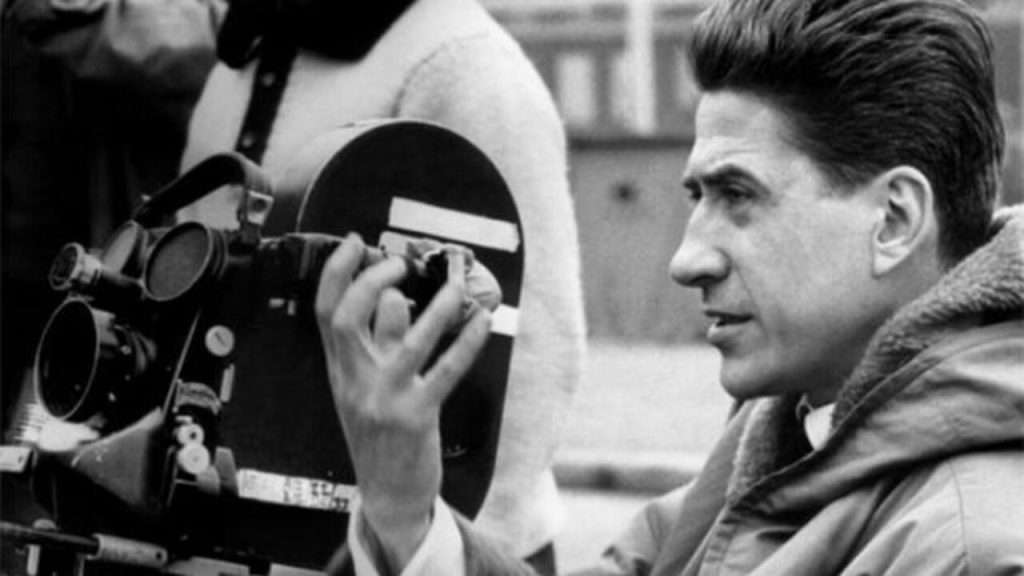
Alain Resnais was one of the most critically important directors of French cinema in the 20th century. His films, characterized by innovative use of editing and a poetic view of time, contributed to defining modern French cinema. Some of his most famous films include “Hiroshima mon Amour” (1959), “Last Year at Marienbad” (1961), and “My American Uncle” (1980). Resnais’ work often explored themes of memory, identity, and the passage of time, challenging traditional narrative structures and engaging viewers in a more intellectual and emotional experience. In “Hiroshima mon Amour,” he melded personal tragedy with historical trauma, creating a poignant meditation on love and loss in the shadow of war. The film’s intricate structure and profound dialogue set a precedent for the French New Wave, influencing countless filmmakers.
Last Year at Marienbad,” perhaps his most enigmatic work, is a hallucinatory exploration of memory and perception. The film’s surreal atmosphere and non-linear narrative blurred the line between reality and imagination, inviting viewers to question their own understanding of time and truth. Its impact on the art of cinema has been profound, inspiring directors like Luis Buñuel and David Lynch, who similarly ventured into the complexities of the human psyche.
My American Uncle,” based on the theories of philosopher Henri Bergson, examined the nature of free will and human behavior through the lens of a group of friends whose lives intersect and diverge in unexpected ways. Resnais’ masterful blending of documentary and narrative styles in this film showcases his innovative approach to storytelling, weaving together the lives of his characters with a reflective, almost metafictional commentary. Throughout his career, Resnais collaborated with prominent screenwriters, including Alain Robbe-Grillet and Marguerite Duras, further enriching his films with literate and philosophical depth. His unique vision earned him numerous accolades, including accolades from the Cannes Film Festival and recognition from international film organizations.
Robert Bresson

Robert Bresson was one of the most important directors of French cinema in the 20th century. His films, characterized by a minimalist use of cinematic language and an ascetic view of life, contributed to defining modern French cinema. Some of his most famous films include “Pickpocket” (1959), “Mouchette” (1967), and “Au Hasard Balthazar” (1966). Bresson’s approach to filmmaking was distinctive, often eschewing conventional narrative techniques in favor of a more spiritual and introspective style. He believed in the power of the image to convey complex emotions and profound themes without the need for excessive dialogue or elaborate setups. His use of non-professional actors, referred to as “models,” was pivotal in creating an authenticity that resonated deeply with audiences.
Pickpocket,” for example, explores themes of guilt and redemption through the life of a young thief who struggles to reconcile his criminal existence with his inner moral conflict. The film’s meticulous composition and deliberate pacing invite viewers to engage with the protagonist’s psychological journey rather than merely following a plot. In “Au Hasard Balthazar,” Bresson employs the life of a donkey as a central metaphor for suffering and compassion, illustrating how Balthazar endures the cruelty and indifference of those around him. This simple yet powerful storytelling technique showcases Bresson’s talent for imbuing everyday occurrences with profound significance.
Through “Mouchette,” Bresson delves into the hardships faced by a young girl living in a harsh rural environment, depicting her struggles with loneliness and despair. The film’s stark realism and emotional weight highlight Bresson’s belief in the inherent dignity of his characters, regardless of their circumstances. Bresson’s legacy in cinema is marked by his philosophical exploration of faith, grace, and the human condition. His work has had a lasting influence not only on French filmmakers but also on the broader landscape of global cinema, inspiring directors such as filmmakers in the French New Wave, as well as contemporary auteurs. Bresson’s commitment to artistic purity, along with his innovative use of cinematic form, ensures that his films remain relevant and continue to provoke thought and introspection.
Agnès Varda

Agnès Varda was one of the most critically important directors of French cinema in the 20th century. Her films, characterized by attention to social reality and a poetic view of life, contributed to defining modern French cinema. some of her most famous films include “La Pointe Courte” (1954), “Cleo from 5 to 7″ (1962) ,and “Vagabond” (1985). Varda’s innovative storytelling and unique visual style were pivotal in shaping the French New Wave, a movement that embraced experimentation and challenged traditional narrative forms. La Pointe Courte,” often considered her debut feature, presented a juxtaposition of a love story set against the backdrop of a fishing village, showcasing her ability to weave personal and socio-political themes seamlessly.
In “Cleo from 5 to 7,” Varda captured the anxieties and existential questions of a young woman awaiting medical test results. The film unfolds in real-time, immersing viewers in Cleo’s world as she navigates moments of despair and anticipation, all while artfully exploring themes of identity and mortality. This groundbreaking work not only highlighted Varda’s innovative use of time but also marked her as a prominent voice in feminist cinema. With “Vagabond,” Varda further solidified her reputation as a pioneer. The film follows the life of a young drifter, Mona, and presents a raw and unfiltered portrayal of her transient existence. Through this film, Varda examined issues of freedom, societal norms, and the human condition, emphasizing the complexity of her characters who exist on the fringes of society.
Varda’s legacy extends beyond her films; she was also a prolific visual artist, photographer, and documentarian. Her work often blurred the lines between fiction and reality, as seen in her later films like “The Gleaners & I” (2000), which explored the lives of gleaners in contemporary France while reflecting Varda’s own introspective journey as an artist. Throughout her career, Varda received numerous accolades, including an honorary Academy Award in 2017, recognizing not only her contributions to cinema but also her impactful role in advocating for women filmmakers and equality in the industry. Her unique perspective and unwavering vision continue to inspire new generations of filmmakers and cinephiles worldwide. Agnès Varda’s influence on cinema is indelible, making her a true icon of both French cinema and global film history.
Jean-Pierre Melville
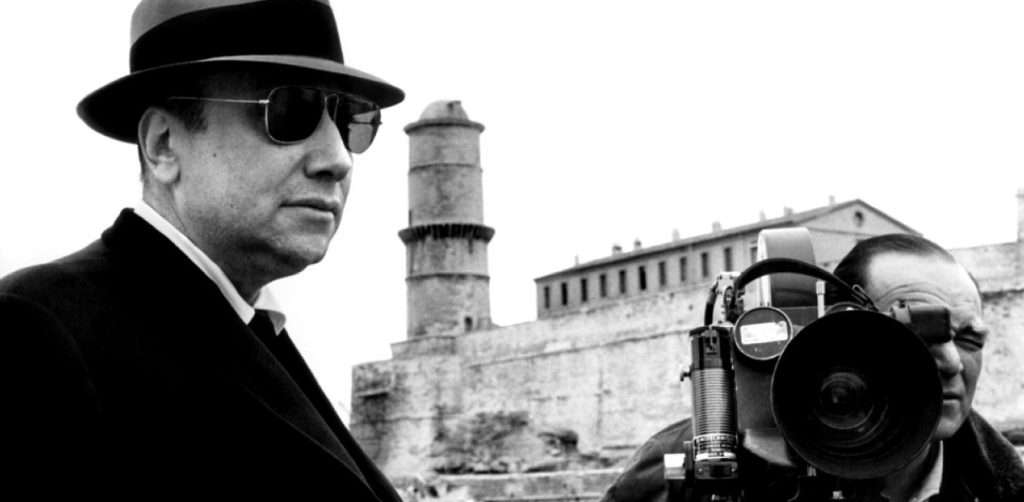
Jean-Pierre Melville was one of the most critically important directors of French cinema in the 20th century. His films, characterized by a noir atmosphere and a cynical view of life, contributed to defining modern French cinema. Some of his most famous films include “Le Samourai” (1967), “The Red Circle” (1970), and “Dirty Money” (1972). Melville’s work is often noted for its meticulous craftsmanship and a distinct visual style that employs stark lighting and carefully composed shots. His narratives frequently revolve around themes of loyalty, betrayal, and the existential dilemmas faced by his characters, often depicted as solitary figures navigating a morally ambiguous world.
“Le Samourai,” featuring Alain Delon as the enigmatic hitman Jef Costello, exemplifies Melville’s signature approach. The film’s minimal dialogue and long, contemplative takes reflect both a meditative quality and a sense of existential isolation, inviting audiences to immerse themselves in the criminal underworld portrayed on screen. In “The Red Circle,” Melville further explores the intricacies of crime and redemption through the intertwined stories of an escaped convict, a thief, and a former police officer. The film masterfully blends elements of heist cinema with philosophical musings, culminating in a gripping narrative that transcends the traditional genre boundaries.
“Dirty Money,” while perhaps less celebrated than his earlier works, still embodies Melville’s unique perspective on morality and societal corruption. The film delves into the darker aspects of human nature, showcasing a world where personal codes of honor are juxtaposed against a backdrop of greed and treachery. Melville’s influence can be felt in the works of later filmmakers, both in France and across the globe. His contributions to the heist genre and film noir have inspired a new generation of directors, who admire his ability to weave complex narratives that challenge conventional storytelling. His legacy is firmly embedded in the fabric of cinema, and his films continue to resonate with audiences, embodying a timeless exploration of the human condition.
Louis Malle

Louis Malle was a director known for his dramatic and satirical films. His films, often characterized by strong attention to detail and social awareness, had a significant influence on French and international cinema. Some of his most famous films include “Elevator to the Gallows” (1958), “The Fire Within” (1963), and “Lacombe Lucien” (1974). Malle’s ability to blend personal stories with broader societal issues allowed him to explore complex themes such as existentialism, alienation, and the human condition. His narrative style often challenged conventional storytelling, utilizing innovative cinematography and editing techniques that set his works apart from his contemporaries.
In “Elevator to the Gallows,” Malle created a gripping noir thriller that showcased a young couple’s ill-fated plan to commit murder, all while being set against the hauntingly beautiful backdrop of Paris. This film not only established Malle as a bold new voice in cinema but also helped to launch the French New Wave movement, which revolutionized filmmaking through its embrace of spontaneity and a break from traditional narrative structures. “The Fire Within,” a deeply autobiographical exploration of depression and existential despair, garnered widespread acclaim for its sensitive portrayal of a man’s struggle to find purpose in a seemingly indifferent world. Malle’s ability to evoke empathy in the audience while navigating difficult subject matter solidified his reputation as a master storyteller.
Lacombe Lucien marked a significant shift in Malle’s career as he tackled the controversial subject of collaboration during World War II. The film’s unflinching examination of moral ambiguity and the complexities of human behavior generated both praise and criticism, but ultimately reinforced Malle’s position as a filmmaker unafraid to confront challenging themes. Throughout his career, Malle collaborated with a diverse array of actors and artists, including the likes of Jeanne Moreau, Gérard Depardieu, and Catherine Deneuve. His commitment to authentic characters and nuanced performances helped to elevate the standards of acting in contemporary cinema.
Chantal Akerman

Chantal Akerman, a pioneering Belgian-born director integral to French cinema, revolutionized feminist and experimental filmmaking. Her landmark Jeanne Dielman, 23 quai du Commerce, 1080 Bruxelles (1975), a radical three-and-a-half-hour depiction of a housewife’s routine unraveling, redefined narrative cinema. Other works like News from Home (1977), using New York footage with her mother’s letters, and No Home Movie (2015), an intimate documentary of her dying mother, probe domesticity, exile, and loss.
Akerman’s style emphasizes duration, static shots, and meticulous observation of everyday gestures, challenging viewer passivity and exposing the labor of women’s lives. Influenced by structuralism and her Jewish heritage, she dissected alienation and obsession, as in the hypnotic repetitions of Jeanne Dielman, which critics hail as a feminist masterwork. Her oeuvre spans fiction, documentary, and installation art, confronting themes of migration, sexuality, and mortality with unflinching precision. Akerman’s innovative minimalism profoundly impacted avant-garde cinema, establishing her as a cornerstone of French-language arthouse for her rigorous formalism and emotional acuity.
Claire Denis

Claire Denis, a leading figure in contemporary French cinema, is renowned for her sensual and atmospheric films that explore themes of colonialism, identity, and human desire. Born in Paris but raised in French Africa, her work often draws from personal experiences abroad. Key films like Beau Travail (1999), a hypnotic reimagining of Herman Melville‘s Billy Budd set in the French Foreign Legion in Djibouti, and Trouble Every Day (2001), a provocative vampire tale, showcase her distinctive style blending poetry and raw physicality.
Denis’s filmmaking transcends conventional narrative structures, favoring fragmented storytelling, long takes, and immersive sound design to evoke emotional and sensory depths. Critics praise her for challenging Western gazes on Africa and marginal bodies, as in Chocolat (1988), which dissects colonial legacies through a child’s perspective. Her refusal of didacticism allows ambiguity to flourish, making films like White Material (2009) potent critiques of racial and political tensions. Denis’s oeuvre, influenced by her nomadic upbringing, bridges arthouse and genre, earning her status as one of France’s most innovative directors, with Beau Travail often hailed as a modern masterpiece for its balletic precision and homoerotic undertones.
Jacques Becker
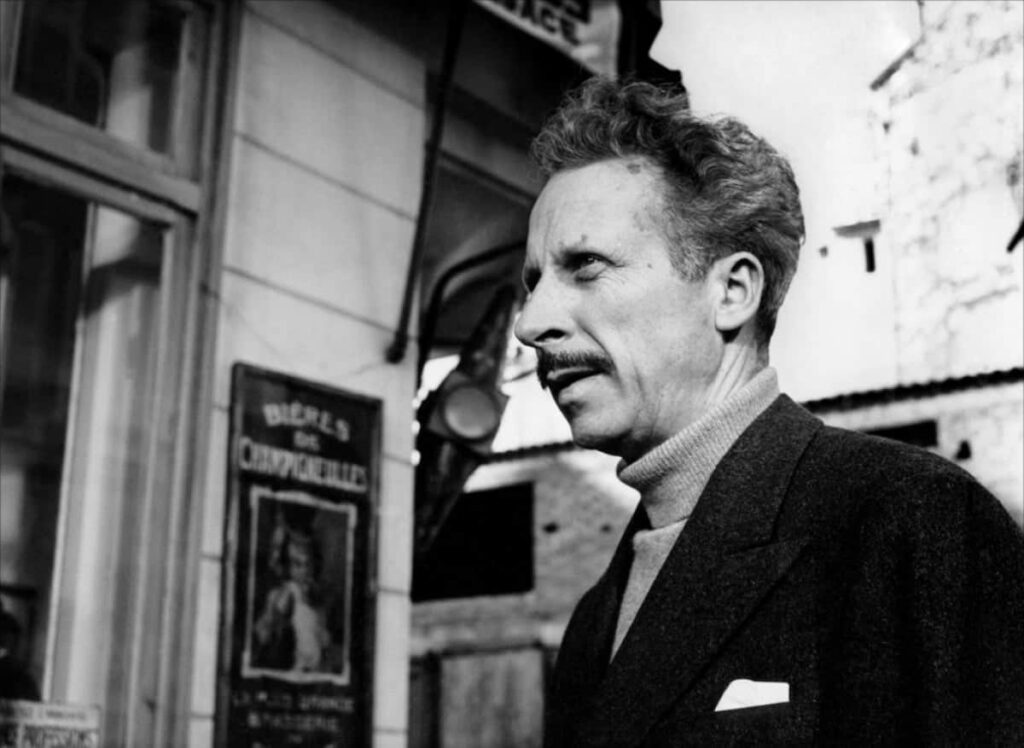
Jacques Becker was one of the most important directors of French cinema in the 20th century. His films, characterized by attention to social realism and a poetic view of life, contributed to defining modern French cinema. Some of his most famous films include “Golden Marie” (1952), “The Hole” (1960), and “The Raven” (1943). Becker’s work was deeply influenced by his experiences during World War II, which shaped his understanding of human nature and the complexities of existence. His storytelling often delved into themes of fate, redemption, and the struggles of ordinary people, making his characters relatable and their journeys poignant.
In “Golden Marie,” Becker explores the life of a woman who is torn between her aspirations and the harsh realities of her environment, using a blend of lyrical visuals and gritty narrative. The film’s subtle commentary on the societal constraints faced by women in post-war France resonated with audiences and critics alike, solidifying Becker’s reputation as a thoughtful filmmaker. “The Hole” stands out as one of Becker’s most acclaimed works, telling the gripping story of inmates attempting to escape from a grim prison. The film’s meticulous attention to detail and psychological depth not only highlight the desperation of the characters but also serve as a broader metaphor for human confinement and the quest for freedom. Its narrative structure and cinematic techniques have influenced countless filmmakers and continue to inspire discussions about the art of storytelling in cinema.
In “The Raven,” Becker drew upon themes of existential despair and the search for meaning, incorporating elements of allegory and symbolism that invite viewers to reflect on their own lives. This film, along with his other works, helped cement his legacy as a pioneer of French film noir. Despite facing challenges and tragedies throughout his career, including the loss of close friends and collaborators, Becker’s dedication to his craft never wavered. He was instrumental in mentoring aspiring filmmakers and playwriters, contributing to the growth of a new generation of French cinema.
Christine Pascal

Pascal was a director known for her dramatic and intimate films. Her films, frequently enough characterized by attention to everyday life and original aesthetics, had a significant influence on French and international cinema. Some of her most famous films include “Vagabond” (1985), “Next Summer” (1989), and “The Daughter of the Air” (1992). Pascal’s ability to capture the nuances of human emotion and the complexity of relationships set her apart from her contemporaries. Each film delved deeply into characters’ inner lives, often highlighting marginalized voices and exploring themes of identity, struggle, and connection.
In “Vagabond,” for instance, she chronicled the journey of a young woman who chooses a life of wandering, challenging societal norms and forcing audiences to confront their own preconceptions about freedom and belonging. The film’s raw cinematography and poignant storytelling earned it critical acclaim, and it won the prestigious Golden Lion at the Venice Film Festival. “Next Summer” presented a contrasting yet equally compelling narrative about a family grappling with loss and reconciliation during a seemingly idyllic holiday. Through the lens of the family’s interactions, Pascal skillfully exposed the fragility of happiness and the lingering shadows of grief that often accompany it.
Throughout her career, Pascal’s films not only entertained but also challenged audiences to reflect on their own lives. Her adept storytelling and distinctive visual style left a lasting legacy that inspired countless filmmakers and creators around the world. As a pioneer in feminist cinema, she opened doors for women in the industry, encouraging new voices to tell their stories and reshaping the cinematic landscape for generations to come.
François Ozon

François Ozon is one of the most critically important contemporary French directors. His films, characterized by attention to social themes and an ironic view of life, have contributed to defining modern French cinema. Some of his most famous films include ”Water Drops on Burning Rocks” (2000), “8 Women” (2002), and “The New Girlfriend” (2014). His work often explores complex relationships, gender dynamics, and the intricacies of human emotions, blending elements of drama and dark humor. Ozon’s ability to navigate diverse genres—from melodrama to thriller—has allowed him to appeal to a broad audience while maintaining a distinct stylistic identity.
In “8 Women,” for example, Ozon combines a murder mystery with an exploration of female identity, showcasing a stellar cast that delivers powerful performances. The film’s vibrant cinematography and catchy musical numbers add to its unique charm, making it a standout in his oeuvre. Similarly, “The New Girlfriend” breaks conventional narratives by delving into themes of identity and gender fluidity, revealing the intricacies of love and friendship through unexpected revelations.
Ozon’s exploration of socially relevant issues often invites viewers to reflect on broader societal norms, while his witty dialogue and sharp characterizations keep audiences engaged. His films not only push the boundaries of traditional storytelling but also challenge viewers to reconsider their perspectives on love, loyalty, and identity in an ever-evolving world.
Luc Besson

Luc Besson is one of the most important contemporary French directors. His films, characterized by attention to action and heroism, have contributed to defining modern French cinema. Some of his most famous films include ”Leon: The Professional” (1994), “The Big Blue” (1988), and “Nikita” (1990). Besson’s unique visual style and storytelling approach have left a significant mark on both French and international cinema. He often blends elements of fantasy and adventure, creating films that resonate with audiences across the globe.
In “Leon: The Professional,” Besson crafted a compelling narrative that explores themes of redemption and the bond between an assassin and a young girl. The film not only showcased Jean Reno‘s iconic performance as Leon but also launched Natalie Portman into stardom at a young age, highlighting Besson’s talent for discovering and nurturing fresh talent. The Big Blue,” on the other hand, delves into the world of free diving, presenting a stunning visual feast that captures the beauty and peril of the ocean. Its cinematography and haunting score by Éric Serra have made it a cult classic, and it remains one of Besson’s most beloved works.
“Nikita,” which revolves around a young woman trained to be a government assassin, established Besson’s female protagonists as complex and formidable characters, paving the way for a new wave of action heroines in cinema. This film’s success led to various adaptations, including an acclaimed American remake and a popular TV series, solidifying its influence. Besson’s later works, such as “The Fifth Element” (1997) and “Lucy” (2014), further showcase his ability to blend genre elements with a distinctive flair, combining science fiction with action and philosophical undertones. The Fifth Element” in particular has become a landmark in the sci-fi genre, noted for its imaginative world-building and vibrant visuals.
Jean-Pierre Jeunet

Jean-Pierre Jeunet is one of the most critically important contemporary French directors. His films, characterized by a fairy-tale atmosphere and a poetic view of life, have contributed to defining modern French cinema. Some of his most famous films include “Delicatessen” (1991), “Amélie” (2001), and “Micmacs” (2009). His unique visual style combines vivid colors, whimsical set designs, and intricate cinematography, creating worlds that often feel like a blend of fantasy and reality. In “Delicatessen,” Jeunet explores themes of love and survival in a post-apocalyptic setting, using humor and surrealism to highlight the absurdity of human nature. This film garnered international acclaim and established Jeunet as a visionary director.
“Amélie,” perhaps his most famous work, tells the story of a shy waitress who decides to change the lives of those around her for the better while grappling with her own isolation. Its success not only showcased Jeunet’s ability to weave enchanting narratives but also revitalized global interest in French cinema in the 2000s. The film’s distinctive use of color and inventive storytelling resonated with audiences worldwide and earned multiple Academy Award nominations. In “Micmacs,” Jeunet further demonstrates his penchant for blending humor and poignancy through the adventures of a man who seeks vengeance against the arms industry that destroyed his family. This film exemplifies his sharp social commentary, characteristic of many of his works, all while maintaining a light-hearted, whimsical approach.
Jeunet’s collaborations, notably with co-writer Guillaume Laurant and cinematographer Bruno Delbonnel, contribute significantly to his films’ enchanting qualities. Their ability to create a cohesive and visually stunning narrative allows Jeunet to present complex themes through accessible and engaging stories.
Mathieu Kassovitz
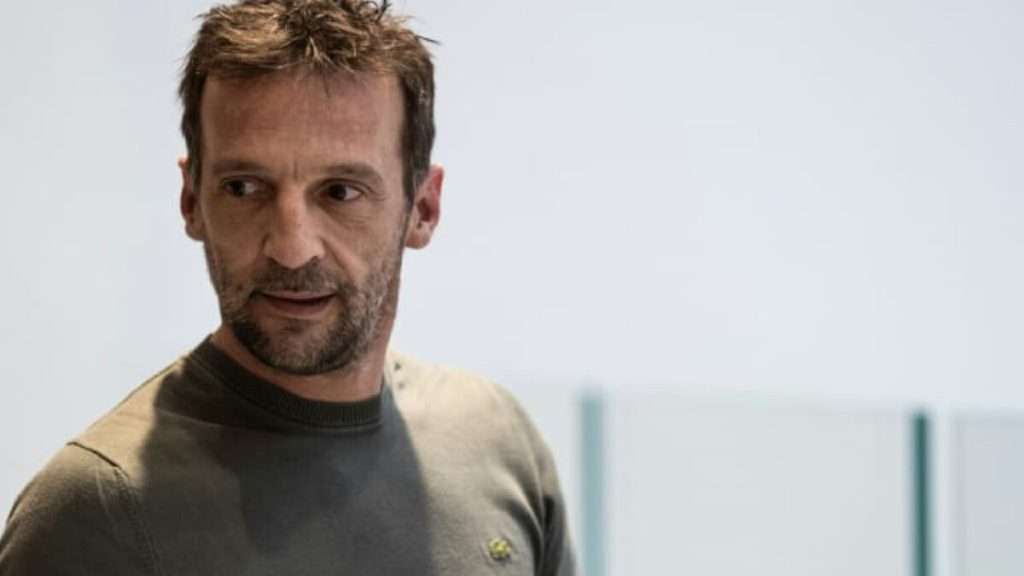
Mathieu Kassovitz is one of the most important contemporary French directors. His films, characterized by attention to social themes and a realistic view of life, have contributed to defining modern French cinema. Some of his most famous films include “la Haine” (1995), “The Hate” (1995), and “Polisse” (2011). Kassovitz’s work often explores the complexities of urban life, class struggles, and the intricacies of personal relationships. La Haine,” perhaps his most iconic film, delves into the lives of three young men in the French suburbs over a tumultuous 24-hour period following a riot. The film’s raw portrayal of disillusionment and societal tensions resonated deeply with audiences, showcasing Kassovitz’s ability to address pressing social issues through cinematic storytelling.
In “Polisse,” Kassovitz presents a gripping insight into the workings of the Child Protection Unit of the Paris police. The film interweaves various personal stories and professional challenges faced by the officers, highlighting the emotional toll of their work. It received critical acclaim for its authentic representation of the struggles within law enforcement and the fragile innocence of childhood.
Beyond these acclaimed works, Mathieu Kassovitz has also engaged with the broader issues of identity and culture through his diverse filmography. His exploration of personal and societal themes invites viewers to reflect on the realities of contemporary life in France and beyond. With his innovative storytelling and a commitment to social commentary, Kassovitz continues to influence a new generation of filmmakers and remains a pivotal figure in the evolution of French cinema.
Olivier Assayas
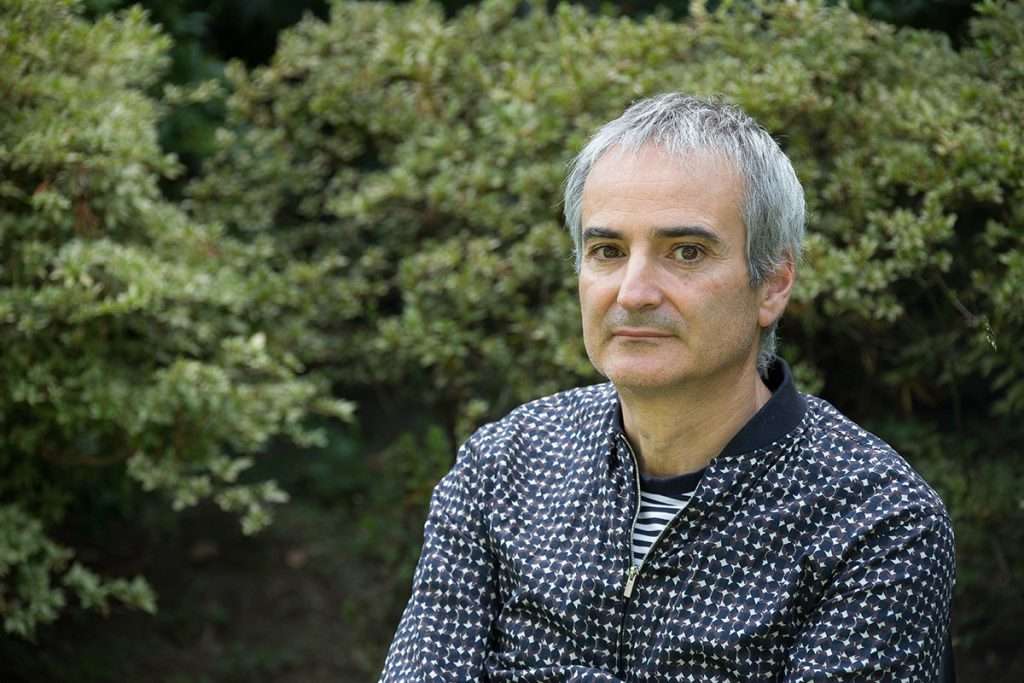
Olivier Assayas is one of the most important contemporary French directors. His films, characterized by attention to social themes and a complex view of life, have contributed to defining modern French cinema. Some of his most famous films include “Personal Shopper” (2016), “Carlos” (2010), and “Clouds of Sils Maria” (2014). Assayas’s work often delves into the intricacies of identity, the intersection of personal desire and societal expectations, and the impact of technology on human relationships. In “Personal Shopper,” for instance, he explores themes of grief, longing, and the quest for connection in the digital age through the eyes of a young woman who communicates with her deceased twin brother. This film not only showcases his unique storytelling but also highlights his ability to weave supernatural elements into contemporary narratives.
Carlos,” a sprawling epic that chronicles the life of notorious terrorist Ilich Ramírez Sánchez, effectively blurs the lines between political ideologies and personal motivations. Assayas’s meticulous attention to detail and character development allows viewers to understand the complex motivations behind Carlos’s actions, illuminating a story that transcends mere biopic conventions. In “Clouds of Sils Maria,” Assayas takes on the dynamics of aging and the shifting nature of artistic expression, as a veteran actress grapples with her past while preparing to perform in a play that mirrors her own life experiences. The film’s exploration of mentorship, jealousy, and the changing landscape of the entertainment industry resonates deeply in today’s cultural context.
Beyond these notable works, Assayas is also recognized for his collaborative spirit and willingness to push cinematic boundaries. His partnerships with powerful actors like Juliette Binoche and Kristen Stewart have garnered critical acclaim, showcasing his ability to draw out nuanced performances that reflect the complexities of human emotions.
Michel Gondry

Michel Gondry is a highly acclaimed French film director, producer, and screenwriter, known for his distinctive visual style and innovative storytelling techniques. Born on May 8, 1963, in Versailles, France, Gondry initially gained recognition for his work in music videos, collaborating with artists like Björk, The White Stripes, and Radiohead, which showcased his creative and imaginative approach to visual narrative. Gondry made his feature film debut with “Human Nature” (2001), but it was his next film, “Eternal Sunshine of the Spotless Mind” (2004), that solidified his reputation as a master storyteller. Co-written by Charlie Kaufman, the film received critical acclaim for its exploration of memory, love, and loss, and won an Academy Award for Best Original Screenplay.
His subsequent films continued to showcase his unique style, characterized by practical effects, whimsical storytelling, and a focus on human emotions. Works like “The Science of Sleep” (2006) and “Be Kind Rewind” (2008) demonstrate his commitment to blending fantasy and reality, often leaving audiences both entertained and contemplative. In addition to feature films, Gondry has also directed documentaries and TV projects, proving his versatility across genres. His work often emphasizes the importance of imagination and the artistic process, inviting viewers to see the world through a lens of creativity and wonder.
Gaspar Noé

Gaspar Noé, an Argentine-French provocateur, crafts visceral, hallucinatory films that assault senses and taboos. Irreversible (2002), infamous for its reverse-chronology and graphic 9-minute rape scene, shocked Cannes. Enter the Void (2009), a psychedelic odyssey through Tokyo’s underworld via a dying drug dealer’s soul, showcases immersive POV techniques. Climax (2018) depicts a dance troupe’s hallucinogenic descent into frenzy.
Noé’s hyper-stylized cinema employs long takes, strobe lighting, nonlinear structures, and trance music to plunge viewers into chaos, ecstasy, and existential dread. Exploring sex, death, and altered states with unflinching intensity, films like Love (2015), with its explicit 3D sex scenes, challenge erotic boundaries and narrative norms. Critics note his nihilistic philosophy and technical bravura, akin to Gaspar Noé’s influences like Kubrick and Gaspar Noé, yet his work polarizes for graphic content. A digital-age innovator, Noé pushes cinema’s physiological limits, embodying French cinema’s avant-garde extremity.
Céline Sciamma

Céline Sciamma is a vital voice in modern French cinema, celebrated for her intimate portraits of youth, gender, and sexuality. Her debut Water Lilies (2007) launched her career, followed by acclaimed works like Tomboy (2011), exploring a child’s gender fluidity, and Girlhood (2014), a vibrant coming-of-age story of a Parisian banlieue girl navigating friendship and identity. Portrait of a Lady on Fire (2019), a luminous lesbian romance set in 18th-century Brittany, solidified her international reputation.
Sciamma’s films are marked by naturalistic performances, minimalistic aesthetics, and a profound empathy for her characters’ inner lives, often using non-professional actors and location shooting for authenticity. She subverts patriarchal norms, centering female gazes and queer narratives without sensationalism, as seen in the gaze-driven intensity of Portrait of a Lady on Fire. Her work critiques social marginalization while celebrating resilience, blending raw realism with poetic lyricism. A key figure in post-New Wave French cinema, Sciamma’s consistent output and feminist perspective have influenced global indie filmmaking, earning praise for revitalizing intimate, character-driven stories.
A vision curated by a filmmaker, not an algorithm
In this video I explain our vision

