
Docufiction is a film genre that mixes elements of documentary and fiction narrative to create a narrative that appears authentic, but has actually been crafted to include elements of fiction or dramatization. This genre aims to combine the informational aspect of documentary with the emotional and narrative appeal of fiction, often seeking to make historical or real events more engaging for the audience. Docufiction can be used to address historical events, biographies, social issues, and many other issues.

Key features of the docufiction include:
- Hybrid storytelling: Docufiction mixes elements of documentary reality with dramatization or narrative fiction. This can involve using actors to impersonate real people or creating situations that didn’t happen exactly as shown.
- Interviews and Testimonials: Docufiction may include interviews with people involved in the historical or real events who are providing a personal perspective on what happened. Such interviews can be authentic or created for storytelling.
- Distorted reality: One of the controversial aspects of docufiction is the manipulation of reality. Events can be emphasized, simplified, or altered to fit the desired narrative. This raises ethical questions about the veracity of information presented to the public.
- Attention to realism: While it may include elements of dramatization, docufiction often seeks to accurately depict the environments, settings, and people involved in the story. Attention to detail can make storytelling more believable.
- Exploration of Themes and Issues: docufiction is not limited to reporting events, but can also explore social, political or human themes related to those events. This genre can offer in-depth perspective on important issues.
- Emotional Engagement: docufiction seeks to engage audiences emotionally, often through connecting with characters or through building suspense and tension in the narrative.
- Subjective Truth: Due to the use of dramatization and fiction, docufiction often presents subjective rather than objective truth. This can lead to audiences interpreting events in different ways.
When Was Docufiction Born?
Docufiction has deep roots in cinema history, but it is difficult to pinpoint an exact date of birth as the genre gradually emerged over time. However, we can identify some key moments and influences that have contributed to its evolution.
One of the earliest influences that contributed to the emergence of docufiction is the cinema verité movement, which originated in the 1960s. Cinema verité, or “cinema of reality,” sought to capture reality without interference, often using lighter, more mobile technical means to document real events in a direct and authentic way. This approach has inspired the way docufiction tries to represent reality through a realistic point of view.
Another important antecedent is the “mockumentary” (combination of the words “mock” and “documentary”), which is a type of film that simulates a documentary but is completely invented. Films such as “A Hard Day’s Night” (1964), a musical comedy with the Beatles, and Woody Allen‘s “Zelig” (1983) are examples of works that played with documentary elements in a satirical and fictional way.
The term “docufiction” itself began to be used in the 1970s to describe independent films that blended elements of documentary and fiction. However, the practice of mixing documentary and fictional elements dates back to much earlier than this period. For example, Robert J. Flaherty’s film “Nanook of the North” (1922), often considered one of the first documentaries, used elements of dramatization and fiction to present Inuit life.
The concept of docufiction continued to develop over time, with films such as “The Battle of Algiers” (1966) by Gillo Pontecorvo, which reconstructed the events of Algeria’s struggle for independence using a realistic approach. Over the years, docufiction has been influenced by the evolution of cinematic technologies, new artistic perspectives and the ethical challenges associated with the accurate representation of reality.
In summary, docufiction has roots dating back at least to the 1960s, but its evolution has been influenced by various factors throughout the history of cinema. There is no precise date of birth for the genre, but rather a series of developments and influences that have led to the creation of this hybrid narrative form.
Don Barry: A Quixotic Exploration
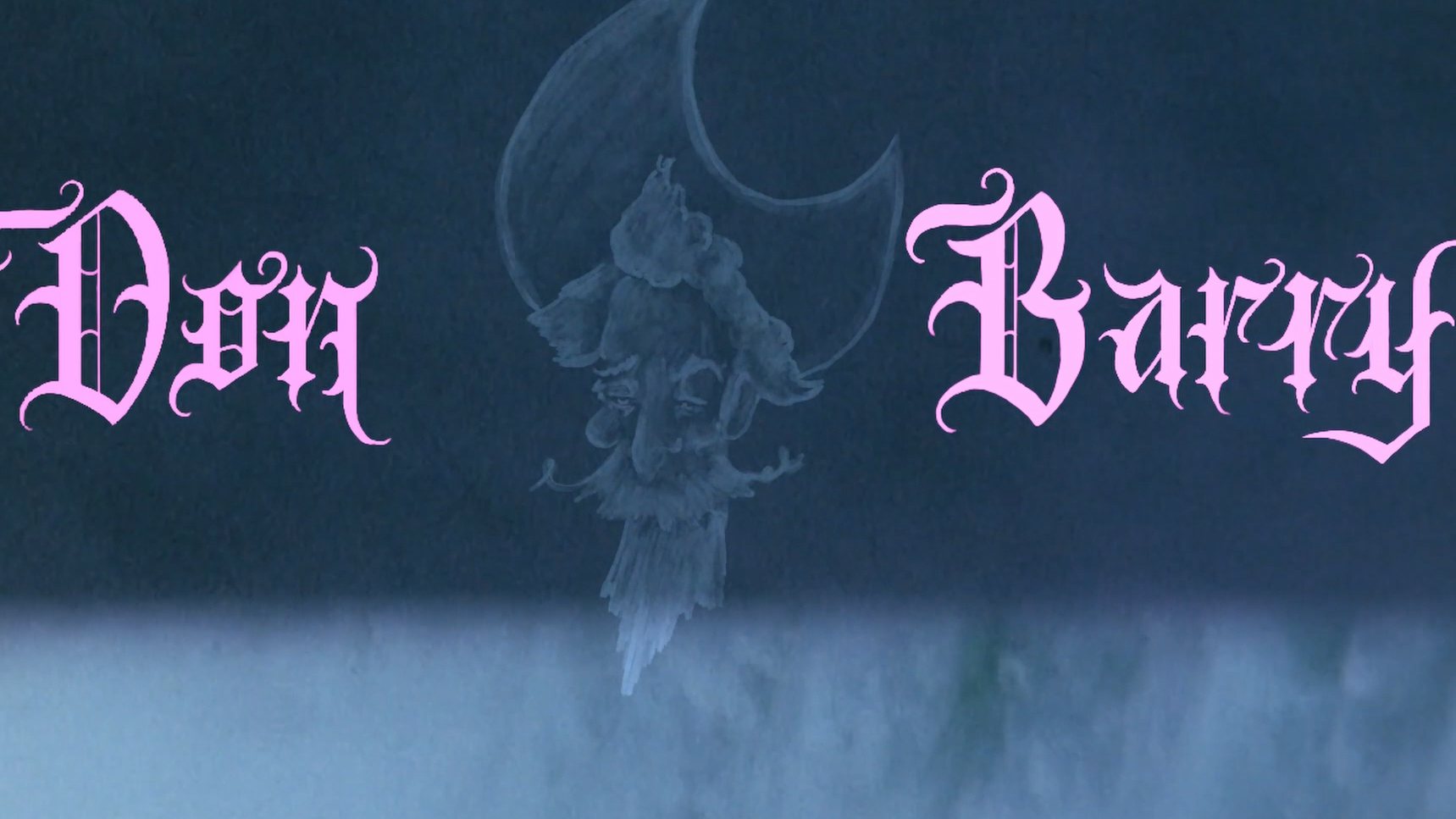
Docufiction, Experimental, by Paul Smart, Mexico, 2026.
Don Barry: A Quixotic Exploration is a debut feature that places the biography of an eighty-year-old experimental filmmaker and artist, Barry Gerson, within the metanarrative of Miguel de Cervantes’ Don Quixote. Don Barry was filmed in the city of Guanajuato during the 51st edition of the Cervantino Festival, as well as during the vibrant Day of the Dead celebrations held in the city’s UNESCO-listed tunnels. The film honors the director’s long friendship with artist Barry Gerson, drawing inspiration from Cervantes’ Don Quixote. Paul Smart’s directorial choices create something new that celebrates life and goes beyond conventional storytelling. A search for magic in our real lives. A moving film about the meaning of life, art, and death. Not to be missed.
Paul Smart is a proud outsider filmmaker with a long history of film screenings. In the 1980s, he emerged in New York’s vibrant youth art scene, working in theater production and later filmmaking, before retreating to rural upstate New York, in the Catskill Mountains, where he made a living writing and screening independent films in old parish halls for rural audiences, many of whom had never seen a film.
LANGUAGE: English
SUBTITLES: Spanish, French, German, Portuguese
Triumph of the Will (1935)

“Triumph of the Will” is a docufiction propaganda directed by Leni Riefenstahl in 1935. The film documents the 1934 National Socialist German Party Congress in Nuremberg, Germany, and presents the Nazi Party and Adolf Hitler in a highly idealized and celebratory lens. The documentary is known for its technical mastery of photography and editing, but is also highly controversial due to its propaganda content and manipulative use of images. Triumph of the Will” was made during a time when the Nazi regime was trying to consolidate and strengthen its power, and was used as a propaganda tool to promote the party’s ideology and Hitler’s leadership. The film is now often studied in the context of the history of cinema and propaganda, as it raises important questions about ethics and the influence of the media in shaping public opinion.

Night and Fog (1955)

Night and Fog” is a docufiction directed by Alain Resnais in 1955. The film deals with the subject of the Holocaust, examining the Nazi concentration camps and the atrocities committed during the Second World War. Through the use of archival images, photographs, film footage and a narrative commentary, the documentary presents a powerful and moving testimony to the horror and suffering endured by prisoners in concentration camps. “Nuit et Brouillard” is a deeply moving film that seeks to preserve the historical memory of the Holocaust and to raise public awareness of the atrocities committed during that dark period in history. The film is often considered a major contribution to the historical documentary genre.
Three Songs about Lenin

Documentary, by Dziga Vertov, Russia, 1934.
The most famous film while the director Dziga Vertov was alive, a great success of socialist documentary cinema. An experimental documentary celebrating Lenin with the use of sound and folk songs. The liberation of Muslim women in Uzbekistan, footage of Lenin's funeral, his public appearances and one of his speeches recorded live.
LANGUAGE: Russian
SUBTITLES: English, Italian, Spanish, French, German, Portuguese
Chronicle of a Summer (1961)

Jean Rouch and Edgar Morin took their cameras into the streets of Paris, asking ordinary citizens one simple question: are you happy? The resulting film captures France in a moment of post-colonial tension and social uncertainty, blending candid interviews with staged conversations. The filmmakers even appear on screen, openly discussing their methodology, making the act of filmmaking itself part of the documentary subject.
Chronicle of a Summer is nothing less than the founding document of cinéma vérité. Rouch and Morin’s radical transparency about their own presence as observers permanently altered the ethics of documentary practice. By showing subjects reacting to footage of themselves, the film introduces a recursive self-awareness that anticipates decades of subsequent experimentation. Its influence extends beyond documentary into reality television, participatory journalism, and contemporary auto-fiction. It remains essential viewing for anyone seeking to understand how docufiction negotiates the complex relationship between filmmaker and filmed subject.
I Am Cuba (1964)

A Soviet-Cuban co-production directed by Mikhail Kalatozov, this visually astonishing film presents four dramatized stories set in pre- and post-revolutionary Cuba. Part propaganda, part poetic document, it captures the social conditions that fueled revolution through breathtaking cinematography. Long considered lost, its rediscovery revealed a work of extraordinary formal ambition that blurs the line between staged drama and documentary truth.
I Am Cuba is a masterpiece of docufiction that prioritizes aesthetic intensity over ideological clarity. Sergei Urusevsky’s camera performs impossible-seeming feats — descending from rooftops into swimming pools, floating through sugarcane fields — transforming political content into pure visual sensation. While its propagandistic origins are undeniable, the film transcends them through sheer cinematic force. Its influence on contemporary filmmakers like Alfonso Cuarón and Paul Thomas Anderson confirms its status as a foundational text in the history of hybrid cinema.
Man with a Movie Camera
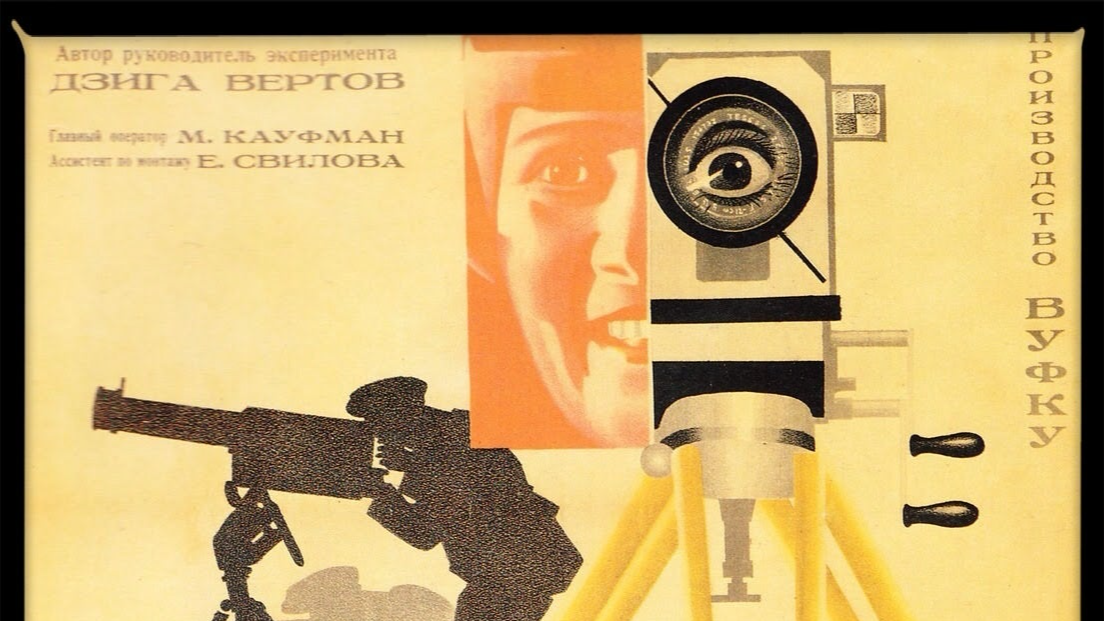
Documentary, by Dziga Vertov, Russia, 1929.
After a few years spent making propaganda documentaries, Dziga Vertov realizes his masterpiece, inspired by the theories on reality cinema and Kinoglaz. An experimental visual symphony with futurist roots. An ordinary day of a cinematographer wandering around the city without apparent purpose in search of the life to be filmed. The camera triggers an explosion of creativity that is a new vision of reality: pure cinema that is enhanced with ingenious editing inventions. A film so inspired and modern that it is still an endless subject of discussion and new ideas today.
Food for thought
Certain works of art, certain films have an objective art quality. In subjective art, the artist does not consider who is looking at the work of art, he merely brings out his own inner world. The objective work of art, on the other hand, has an inherent quality that can be passed on for thousands of years. The objective work of art is not linked to any ideology, social culture or era: it can excite anyone, at any latitude and in any era.
Without dialogue
A vision curated by a filmmaker, not an algorithm
In this video I explain our vision
Salesman (1969)
![Salesman (1969) ORIGINAL TRAILER [HD]](https://blog.indiecinema.co/wp-content/plugins/wp-youtube-lyte/lyteCache.php?origThumbUrl=https%3A%2F%2Fi.ytimg.com%2Fvi%2FGMcrdhBJkvA%2F0.jpg)
Salesman” is a 1969 docu-fiction directed by Albert and David Maysles, together with Charlotte Zwerin. The film follows a group of door-to-door salesmen who work for a company selling high-priced Bibles. The documentary offers an intimate look into their lives, economic challenges and personal dynamics.
Through an observational approach, “Salesman” captures the hardships and drudgery of the sales job, as well as exploring broader themes such as economic pressure, the dehumanization of selling and group dynamics. The documentary focuses on the daily life of the sellers, offering an authentic and unfiltered look at their experience. Salesman” has been praised for its powerful portrayal of the working class and natural documentary style.
F for Fake (1973)

Orson Welles constructs a dazzling essay film around Elmyr de Hory, a notorious art forger, and his biographer Clifford Irving, himself exposed as a fabricator. Using archival footage, interviews, and his own theatrical narration, Welles creates a labyrinthine meditation on forgery, authorship, and the nature of truth. The film ultimately turns its lens on Welles himself and the entire enterprise of storytelling.
F for Fake is perhaps the most self-conscious docufiction ever made, a film that deliberately exposes and celebrates its own deceptions. Welles uses the editing table as a philosophical argument, demonstrating that all cinema is manipulation and all storytelling is forgery of a kind. The film predates postmodern theory yet embodies it completely, raising questions about authenticity that feel even more urgent in the digital age. Its playful yet rigorous approach to truth-making makes it an indispensable reference point for the entire docufiction genre.
Corona days
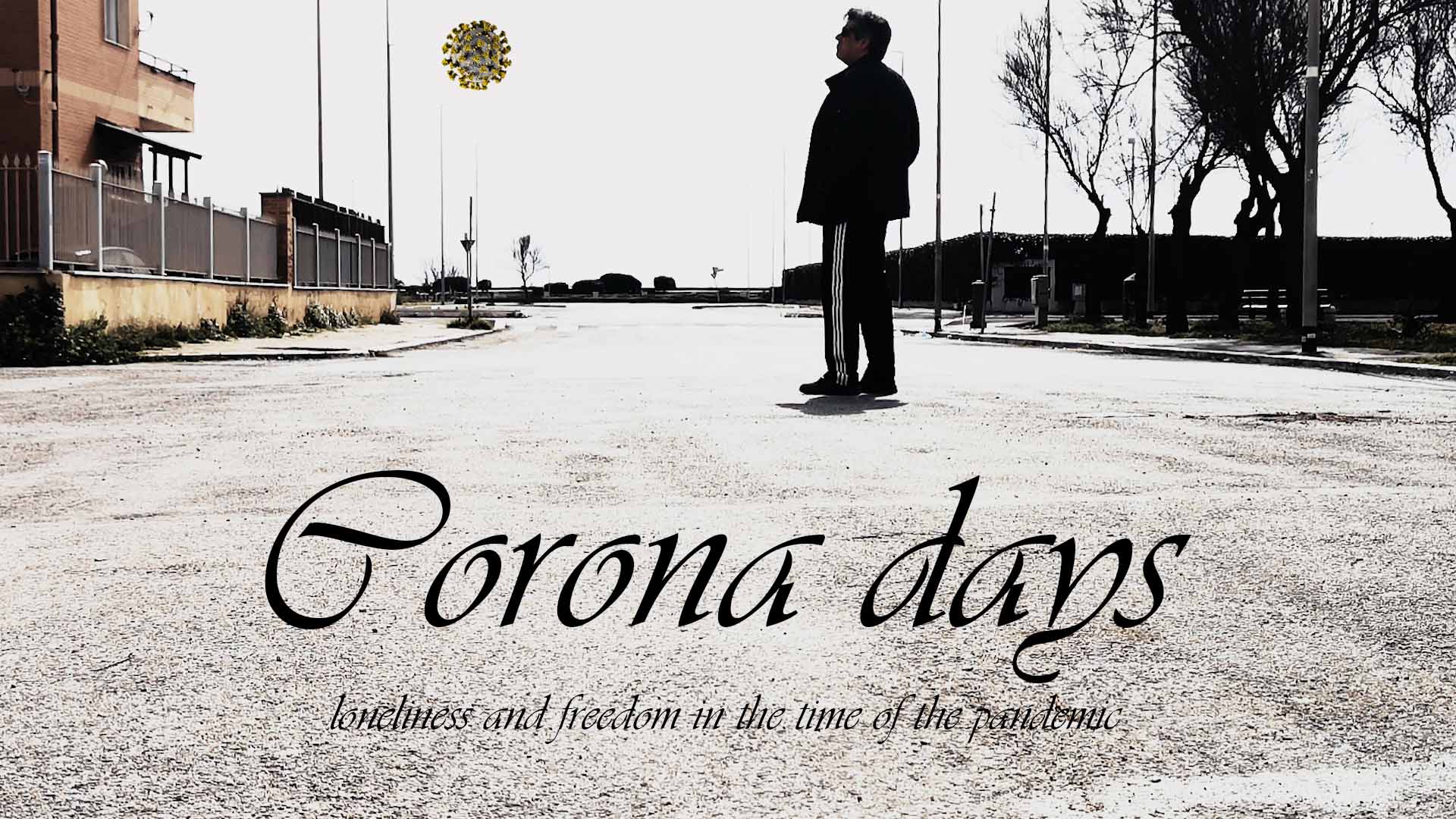
Drama, by Fabio Del Greco, Italy, 2020.
A man remains alone at home due to the Corona virus emergency measures. Solitude, time, and space become his adversaries, while imagination, memories, and the yearning for freedom become his allies. Director Fabio Del Greco intimately and personally documents the days of Corona virus isolation, filming outdoor scenes exclusively with a smartphone. The chronicle of these peculiar days serves as a catalyst for reflection on the relativity of time and space, and how freedom is something that can transcend reality to find its place within our souls.
In the times of the Corona virus, a genuine and instinctive filmmaker like Del Greco has reaped the fruits of his eccentric "cinediary" crafted during the quarantine weeks. He captured his own solitude up close, and from a safe distance, that of his friends and relatives. Above all, he seized the limited "hours of air" granted by authorities to film in a world emptied of humanity and subjected to rigorous police checks. All seen through the lens of an author who, as usual, is playful, disillusioned, and subtly ironic, even when he steps in as an actor. As he continues to explore reality, amidst melancholic insights and flashes of irony, Fabio Del Greco transcends this initial intent and transforms his feature film into a set of Russian nesting dolls, where diverse audiovisual contributions converge. These contributions may be chronologically disparate, yet they are all profoundly stimulating and laden with meaning. The interplay between present and past, expertly orchestrated even in the editing, creates a short-circuit where the past isn't merely an almanac of memories but another escape into the realm of imagination. As a socio-political critique surfaces, albeit legitimate, the narrative gradually shifts toward a broader existential framework.
LANGUAGE: italian
SUBTITLES: english, french, german, portuguese, spanish
Grey Gardens (1975)

Grey Gardens” is a 1975 docu-fiction directed by Albert and David Maysles, with Ellen Hovde and Muffie Meyer. The film is set in the luxurious but decadent mansion “Grey Gardens” in East Hampton, New York, inhabited by Edith Ewing Bouvier Beale (known as “Big Edie”) and her daughter Edith Bouvier Beale (known as “Little Edie”), relatives by Jacqueline Kennedy Onassis.
The documentary offers an intimate look into the lives of the two women, who live in isolation and decay into poverty and disorder. “Grey Gardens” explores their complex relationship, quirky personalities and personal challenges. The film is a portrait of two singular women, belonging to an aristocratic family, but trapped in an unusual and difficult situation. “Grey Gardens” was praised for its intimate storytelling and authentic portrayal of these two unique figures.
Shoah (1985)

Claude Lanzmann‘s monumental nine-and-a-half-hour film documents the Holocaust exclusively through present-day testimony and contemporary footage of the sites where atrocities occurred. Refusing all archival images, Lanzmann interviews survivors, perpetrators, and bystanders across multiple countries over a decade of filming. The result is a work of overwhelming moral seriousness that reconceptualizes what documentary testimony can demand of both witness and viewer.
Shoah occupies a singular position in the history of docufiction because it stages memory rather than illustrating it. Lanzmann’s insistence on the present tense — on faces speaking today about what happened then, against landscapes that have changed and not changed — creates a form of temporal collision that no archival footage could achieve. The film’s extreme length is itself an ethical argument: some subjects cannot be treated efficiently. Shoah challenged every assumption about Holocaust representation and, more broadly, about what it means to document events that exceed the capacity of any image to contain them.
Sans Soleil (1983)

Chris Marker‘s meditative essay film blends documentary footage with fictional narration, weaving together images from Japan, Guinea-Bissau, and Iceland. A woman reads letters from a fictional cameraman named Sandor Krasna, reflecting on memory, time, and the nature of images themselves. The result is a hypnotic exploration of how we perceive and reconstruct reality through the lens of cinema.
Sans Soleil stands as one of cinema’s most profound interrogations of the documentary form. Marker dismantles the boundary between what is observed and what is imagined, using voiceover narration as a philosophical instrument rather than an informational tool. The film’s free-associative structure challenges viewers to question the authority of the image itself. Decades after its release, it remains a benchmark for filmmakers seeking to push docufiction into genuinely experimental territory, influencing an entire generation of essay filmmakers worldwide.
Lightning part 2
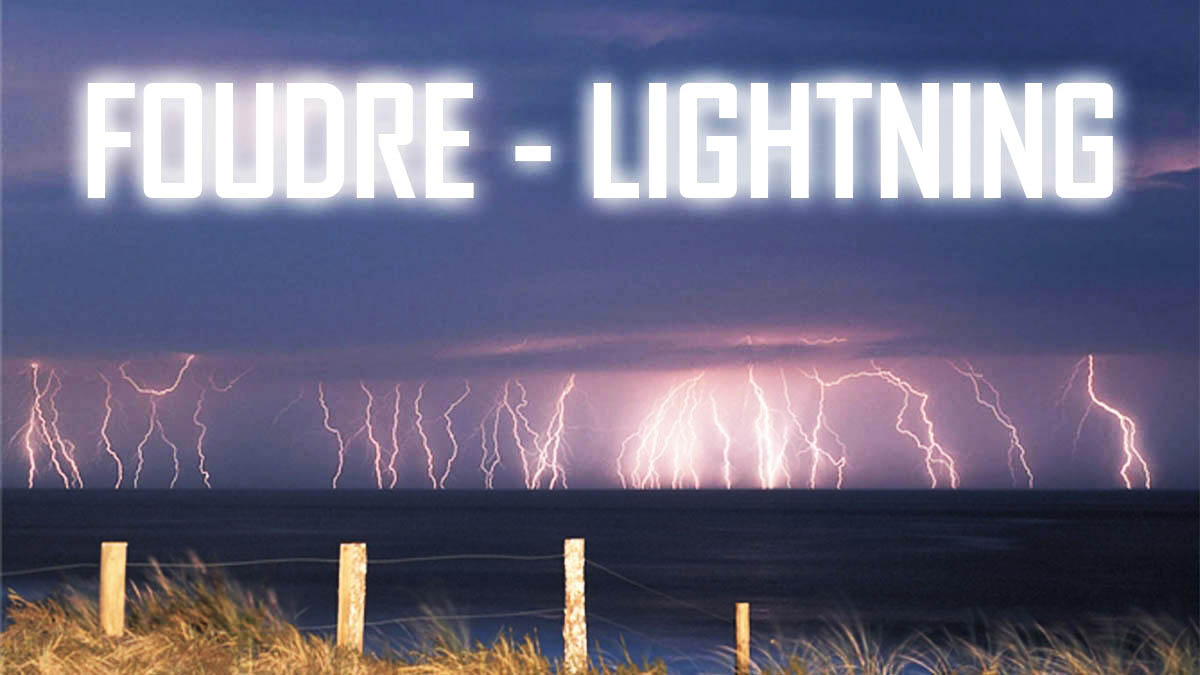
Documentary, directed by Manuela Morgaine, France, 2013.
This fresco is a cinema of zig-zags, akin to the branching of lightning bolts. It unfolds its subject across different countries of the world and over the span of several centuries, concurrently presented in both documentary and legendary forms. Spring brings back to life Syméon the stylite, a madman who lived atop his column for 40 years. Simeon was killed in Syria, in the Cham desert near Palmira. But he is also the one who scrutinizes the earth, recounting the true story of Aleppo soap, which is a cauldron brimming with mythology. Additionally, it delves into how lightning generates an aphrodisiac truffle called Kama once a year, in spring – a phenomenon known to exist as the "Vegetable of Allah" in the tales of One Thousand and One Nights. Summer stages, from Marivaux's "La dispute," the love at first sight between two creatures, Azor and Églé, isolated on an island called Sutra. On this paradisiacal island, they consume the Kama, the forbidden fruit, and then, consumed by love, they are banished. Finally branching out, Baal, Saturn, Simeon, the melancholic, and the downtrodden unite with the torn-apart lovers in the night lightning.
Running for almost four hours, this documentary is undoubtedly among the most original ever created, offering a fantastic auditory and visual experience that straddles the line between documentary and legend. For those who seek to rediscover, even symbolically, lost energies, watching this film divided into four parts is a must. One of the rarest and most magnificent cinematic artifacts. A film that truly shakes you to the core and demands introspection after viewing.
LANGUAGE: French
SUBTITLES: English, Italian, German, Spanish, Portuguese
The Emperor’s Naked Army Marches On (1987)

The Emperor’s Naked Army Marches On” (Yuki Yukite Shingun) is an influential Japanese documentary directed by Kazuo Hara in 1987. The film follows Kenzo Okuzaki, a former soldier of the Japanese Imperial Army, as he attempts to expose the truth about murders committed during World War II, particularly those carried out by military superiors. The film starkly and provocatively addresses themes of guilt, responsibility, and historical denial. Its controversial narrative and raw style have made this film a landmark in the documentary landscape and a critical reflection on Japanese history and society.
The Thin Blue Line (1988)

The Thin Blue Line” is a famous 1988 docu-fiction directed by Errol Morris. The documentary examines the case of Randall Dale Adams, a man wrongly convicted of the murder of a policeman in Texas in 1976. The documentary questions the validity of the evidence presented in the trial and analyzes the testimony of various individuals involved in the case, among including eyewitnesses and investigators.
Errol Morris’ documentary is known for its innovative approach to the use of interviews, recreation and storytelling. Morris interviews several people involved in the case, presenting a variety of viewpoints and versions of events. Furthermore, the director uses stylized recreations of the events in question, which give the film a unique look and contribute to its narrative structure.
The Thin Blue Line’ was critically acclaimed and had a significant impact not only in the world of documentary filmmaking but also in criminal justice. The documentary helped get Randall Dale Adams’ case reexamined, and the evidence that emerged after his release eventually led to his conviction being reviewed. The film demonstrated the potential of documentaries to bring about real change and influenced how documentary cinema can address legal and legal issues.
“The Thin Blue Line” is often cited as one of the most influential and important documentaries ever made. His distinctive style and ability to explore legal and justice themes with an immersive narrative approach have had a lasting impact on the documentary form and practice. The film has also helped create new conversations about the veracity of legal evidence and the manipulation of testimony in court trials.
The Gleaners and I (2000)

Agnès Varda takes her small digital camera through France to document modern-day gleaners — people who collect leftover food from fields and markets — connecting them to the agricultural tradition depicted in Millet’s famous painting. As she films others salvaging what has been discarded, Varda reflects on her own aging body, her memories, and the act of filmmaking itself as a form of gleaning. The camera becomes simultaneously a documentary tool and an intimate companion.
The Gleaners and I inaugurated a new mode of personal documentary in which the filmmaker’s subjectivity is not a bias to be corrected but a method to be explored. Varda’s embrace of digital video’s lightness and intimacy allowed her to make a film that feels simultaneously like field research, visual poetry, and autobiography. The self-reflexive passages, in which Varda films her own wrinkled hands, place her body alongside her subjects as material for the camera’s gaze. The film remains one of the most generous and philosophically rich examples of docufiction made in the modern era.
Tarnation (2003)

Jonathan Caouette assembled home movies, answering machine messages, photographs, and Super 8 footage spanning two decades to create an autobiographical portrait of his turbulent life and his relationship with his mentally ill mother, Renee. Originally edited on iMovie at a reported cost of $218, the film is a raw, hallucinatory self-portrait that collapses the boundary between private archive and public confession. It became a sensation at Sundance and announced a radically new form of personal documentary.
Tarnation represents the democratization of docufiction taken to its logical extreme. Caouette’s film demonstrates that the hybrid form does not require institutional resources — only an archive, an instinct for montage, and the courage to expose one’s own most vulnerable material. The film’s aesthetic instability, oscillating between distorted found footage and confessional directness, mirrors its subject’s fractured psychological landscape. Critics debated whether its rawness constituted formal sophistication or simply emotional intensity, but that very debate confirms the film’s power to destabilize conventional categories of documentary and personal cinema.
Lightning part 1

Documentary, by Manuela Morgaine, France, 2013.
A film divided into two parts, a legend intertwining with a documentary across four seasons. This portrait unfolds like a cinematic kaleidoscope, zigzagging like the branching of lightning bolts. The narrative is set in different countries around the world and spans various centuries, simultaneously presented in both documentary and legendary forms. In the autumn segment, a lightning hunter races forth, embodying the Syrian lightning god, Baal. With visionary insight, Baal projects 25 years' worth of video archives onto lightning, unveiling the scientific keys to this remarkable yet devastating phenomenon. In winter, an exploration of melancholy, the final stage of depression, and how it can be overcome takes place. A psychiatrist personifies the enigmatic god Saturn, journeying from Africa to Syria to trace back to his origins and certain ancestral practices. Among these is a ritual practiced by women in the depths of Guinea Bissau, spinning dervishes, and a catfish that holds the secret of healing in the ancient city of Aleppo.
Running for nearly four hours, this documentary undoubtedly stands among the most original ever made, delivering an exceptional audiovisual experience that merges documentary and myth. For those who wish to rediscover, even symbolically, lost energies, watching this film divided into four parts is imperative. One of the most rare and magnificent cinematic creations. A film that truly shakes to the core and, after viewing, necessitates a thorough analysis of the experience.
LANGUAGE: French
SUBTITLES: English, Italian, German, Spanish, Portuguese
Capturing the Friedmans (2003)

Andrew Jarecki gained access to hundreds of hours of home video footage shot by the Friedman family of Great Neck, New York, as their father and son faced charges of child sexual abuse. The film assembles this intimate archive alongside present-day interviews, constructing a portrait of a family in crisis while leaving the question of guilt deliberately unresolved. What emerges is a shattering examination of memory, family mythology, and the limits of documentary truth.
Capturing the Friedmans achieves something genuinely rare: it implicates the viewer in its own moral ambiguity. Jarecki refuses to deliver verdicts, instead allowing contradictory testimonies to coexist in productive tension. The home movies function as a form of involuntary docufiction — performances staged for a private audience that suddenly become public evidence. The film raises profound questions about how families narrate themselves and how those narratives collapse under external pressure. Its ethical complexity has made it a touchstone in discussions about documentary responsibility and the limits of objectivity.
Grizzly Man (2005)

Grizzly Man” is a 2005 docu-fiction directed by Werner Herzog. The film focuses on the life and death of Timothy Treadwell, a man who spent thirteen summers living near grizzlies in wild Alaska. The documentary explores his obsession with bears, his interactions with them and the tragic fate he has met.
Using footage from Treadwell himself, interviews and comments from director Herzog, the documentary offers a reflection on topics such as human nature, the relationship with the wild nature and the boundaries of human understanding of wild creatures. “Grizzly Man” has been praised for its emotional depth and critical analysis of man’s relationship with nature, as well as Herzog’s unique approach to narrating this remarkable story.
Man on Wire (2008)

“Man on Wire” is a 2008 docu-fiction directed by James Marsh. The film tells the story of Philippe Petit, a French tightrope walker who in 1974 accomplished an extraordinary feat: crossing the void between the Twin Towers of the World Trade Center in New York on a steel cable stretched between the two towers. The documentary mixes interviews, archival images and dramatizations to create an engaging account of this daring exploit. “Man on Wire” was acclaimed for its compelling storytelling and for the depiction of Philippe Petit’s courage and determination in accomplishing this incredible feat. It also won the Academy Award for Best Documentary in 2009.
Waltz with Bashir (2008)

Waltz with Bashir” è un animation film and 2008 docufiction, written and directed by Ari Folman. The film deals with traumatic memories of the Israeli invasion of Lebanon in 1982. The director, a former Israeli soldier, tries to recover his memories of that period through interviews with old comrades in arms and friends. Using stunning animation and a mix of visual styles, the film explores the traumas of war, guilt and the effect of time on memory. “Waltz with Bashir” is known for its uniqueness and emotional depth, as well as its depiction of historical events through a personal and psychological prism. It has received numerous awards and nominations, including an Academy Award nomination for Best Foreign Language Film.
Exit Through the Gift Shop (2010)

Exit Through the Gift Shop” is a 2010 docu-fiction exploring the world of street art and graffiti, directed by the mysterious British artist Banksy. The film follows the story of Thierry Guetta, a French video camera enthusiast who becomes obsessed with documenting street artists, including Banksy himself.
However, in the end it is Banksy who takes over the reins and becomes director, reversing roles and creating a work that raises questions about the true nature of art, authenticity and commercialization. The documentary deals with themes of creativity, authenticity and cultural criticism in an intriguing and often ironic way. Exit Through the Gift Shop” has been lauded for its insight into the contemporary art world and its unique perspective on popular culture.
The Arbor (2010)

A vision curated by a filmmaker, not an algorithm
In this video I explain our vision
British filmmaker Clio Barnard’s extraordinary debut feature tells the story of playwright Andrea Dunbar, who grew up on a Bradford housing estate and died at twenty-nine. Rather than conventional interviews, actors lip-sync to audio recordings of real testimonies from Dunbar’s family and friends, creating an uncanny effect that highlights the distance between experience and representation. Footage of Dunbar’s own plays performed outdoors on the original estate further blurs documentary and theatrical space.
The Arbor is one of the most formally inventive docufictions of the twenty-first century. Barnard’s lip-sync technique transforms every moment into a meditation on authenticity, performance, and embodiment. By making the artifice visible, she paradoxically draws the audience closer to the emotional truth of her subjects’ experiences. The film refuses both the comfort of conventional biography and the detachment of pure formal experiment, insisting instead on the co-presence of pain and form. Its influence on subsequent hybrid documentary practice has been substantial, establishing Barnard as a major voice in British cinema.
The Act of Killing (2012)

The Act of Killing” is a 2012 docu-fiction directed by Joshua Oppenheimer. This docu-fiction film deals with the Indonesian massacre of 1965-66 through the perspective of some of the perpetrators. The same individuals, who were involved in the killing of thousands of people, are invited to reconstruct the scenes of the past using the film genre. The result is an extraordinary exploration of memory, guilt and the nature of human violence. The Act of Killing” has been widely praised for its originality and depth in its depiction of traumatic historical events.
Stories We Tell (2012)

Canadian filmmaker Sarah Polley investigates a family secret — the question of her own paternity — by interviewing relatives and friends while interweaving what appear to be authentic Super 8 home movies. As the film progresses, it is gradually revealed that some of this archival footage was staged. Polley transforms a personal family mystery into a profound reflection on how stories are constructed, contested, and owned.
Stories We Tell is a landmark of contemporary docufiction precisely because it makes its own deceptions the subject of the film. Polley’s revelation that recreated footage had been presented as authentic does not feel like a betrayal but rather like the film’s central argument made visible: all memory is reconstruction, all family narrative is collaborative fiction. The film’s layered approach to testimony — showing multiple speakers offering contradictory accounts — produces a kind of narrative cubism. It is simultaneously intimate memoir, formal experiment, and philosophical inquiry into the nature of autobiographical truth.
Amy (2015)

Amy” is a 2015 docu-fiction directed by Asif Kapadia. The film chronicles the life and career of British singer-songwriter Amy Winehouse, known for her musical talent and the personal challenges she has faced. Through archival images, interviews and footage, the documentary offers an intimate look at his artistic growth, success, but also the battles with fame, addictions and media pressures.
Amy” offers an honest and moving perspective on the life of Amy Winehouse, exploring both her musical talent and the personal challenges leading up to her tragic death. The documentary was praised for its sincerity and respectful approach to exploring the life of a complex music icon. It won the Oscar for best documentary in 2016.
Searching for Sugar Man (2012)

Searching for Sugar Man” is a 2012 docu-fiction directed by Malik Bendjelloul. The film follows the story of American singer-songwriter Sixto Rodriguez, who released two albums in the 1970s but remained relatively unknown in the United States. However, unbeknownst to him, his music had a significant impact in South Africa, becoming a symbol of resistance under apartheid.
The documentary follows the efforts of two South African fans as they try to find out what happened to Rodriguez and if he is still alive. The search takes them on a surprising journey, revealing the truth about the musician’s career and life. Searching for Sugar Man” is an emotional story of discovery and rebirth, celebrating the power of music and its ability to impact people’s lives. The film won the Academy Award for Best Documentary in 2013.

