
Stop motion, or stop-frame animation, is far more than a mere cinematic technique; it’s an ancient art form that breathes life into inanimate objects, frame by painstaking frame. In the vast universe of animated cinema, the stop motion technique stands out for its tangible charm, its craftsmanship, and the “human touch” that permeates every single image. This definitive guide will lead the reader through the rich history of stop motion, exploring the stop motion masterpieces that have shaped the medium and the stop motion directors who have dared to push the boundaries of imagination.

Stop motion represents a unique bridge between pure craftsmanship and the magic of cinema. It is one of the oldest forms of animation, whose essence lies in patience and precision, creating an illusion of movement that is intrinsically fascinating. Its importance lies not only in its longevity but also in its ability to evoke emotions and tell stories in ways that other forms of animation struggle to replicate.
In an era dominated by digital perfection, stop-frame animation cinema continues to resist and thrive, offering a unique visual and narrative experience. This phenomenon reveals a profound artistic statement. Despite stop motion being an incredibly time-consuming process, requiring a meticulous attention to detail for every frame—consider the 12-24 frames per second needed for fluid movement—it persists and is appreciated, even when techniques like CGI offer faster and more economical solutions. Its appeal lies in its distinctive and natural aesthetic, stemming from the practical and tangible method of creation. Its “imperfections” are not seen as flaws, but as tangible evidence of the animator’s presence. This suggests that the success and continuity of stop motion do not depend on nostalgia or a niche market, but on a conscious artistic choice. Its intrinsically handcrafted process and visible imperfections are not limitations, but distinctive elements that create a palpable aesthetic and a “human touch” that CGI, while able to imitate, cannot authentically replicate. In an increasingly digitized and potentially automated media landscape, stop motion stands as a bastion of craftsmanship and human authenticity in the creative process, increasing its cultural value and emotional resonance.
This definitive guide will explore the origins, technical evolution, various forms (such as claymation, pixilation, and object animation), cultural influences, and recurring themes. It will be a journey through the auteur animated films that have defined the genre, culminating in a curated selection of the best stop motion films of all time.
The Stop Motion Masterpieces Not to Be Missed
Here is a curated selection of films that perfectly embody the excellence and innovation of stop motion, true stop motion masterpieces that have left an indelible mark on the history of animated cinema, demonstrating the depth and versatility of this craftsmanship technique.
The Inventor (2023)

Questo film biografico combina la stop motion con l’animazione 2D per esplorare la straordinaria vita di Leonardo da Vinci durante il suo soggiorno nella Francia del XVI secolo. La narrazione segue il genio toscano mentre si dedica alla creazione di invenzioni rivoluzionarie, sfidando le convenzioni dell’epoca e cercando di comprendere l’anima umana.
L’opera rappresenta un esempio eccellente di come l’animazione a passo uno continui a essere uno strumento ideale per il racconto storico e biografico. La combinazione di tecniche diverse arricchisce l’esperienza visiva, conferendo autenticità e un fascino artigianale che riesce a dare vita alla figura di Leonardo con una sensibilità artistica moderna e sofisticata.

Guillermo del Toro's Pinocchio (2022)

Questa profonda reinterpretazione della fiaba classica di Collodi, co-diretta da Guillermo del Toro e Mark Gustafson, è ambientata nell’Italia durante l’ascesa del fascismo. Il film trasforma il racconto tradizionale in un’opera cupa che affronta temi complessi come la perdita, il lutto, la ribellione politica e la natura dell’umanità.
Vincitrice dell’Oscar come miglior film d’animazione, la pellicola dimostra la straordinaria rilevanza artistica della stop motion per narrazioni mature. Del Toro infonde la sua sensibilità dark fantasy in ogni fotogramma, creando un capolavoro visivamente magnifico che celebra l’artigianalità e la capacità del mezzo di risuonare emotivamente con un pubblico adulto.
No Dogs or Italians Allowed (2022)
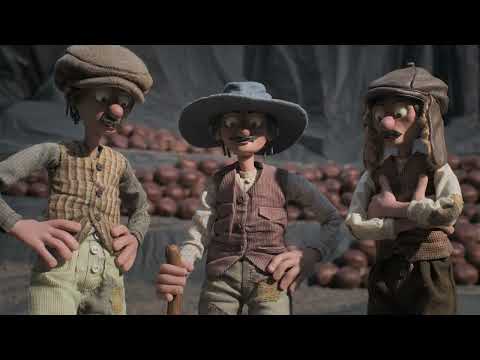
Diretto da Alain Ughetto, questo film d’animazione in plastilina narra la storia personale e storica di Luigi, il nonno del regista, un immigrato italiano in Francia all’inizio del 1900. Attraverso l’uso della claymation, la pellicola documenta le fatiche, le discriminazioni e la resilienza di una famiglia che cerca una vita migliore oltre il confine.
L’uso della stop motion conferisce calore e tangibilità a un racconto che è allo stesso tempo intimo e universale. La tecnica artigianale aggiunge una dimensione di vissuto e memoria alle immagini, trasformando la biografia familiare in un tributo commovente alla forza dello spirito umano e alla storia delle migrazioni europee.
The House (2022)
Prodotta da Nexus Studios per Netflix, questa antologia britannica presenta tre storie distinte ma collegate, ambientate all’interno della stessa misteriosa abitazione in epoche diverse. Le trame esplorano temi legati alla follia, all’avidità, alla ricerca della ricchezza e alla felicità, utilizzando atmosfere che variano dal dramma psicologico all’umorismo nero.
Il film mette in luce la versatilità della stop motion nel creare mondi diversi e narrazioni inquietanti destinate a un pubblico adulto. La struttura antologica permette di sperimentare diverse sfaccettature della tecnica, dimostrando il suo enorme potenziale narrativo nell’esplorare gli aspetti più oscuri e surreali dell’esperienza umana all’interno di un unico spazio fisico.
A vision curated by a filmmaker, not an algorithm
In this video I explain our vision
Mad God (2021)

Diretto dal leggendario esperto di effetti speciali Phil Tippett, questo film horror sperimentale segue un misterioso assassino in una discesa attraverso un mondo sotterraneo popolato da mostri e scenari da incubo. La produzione ha richiesto oltre 30 anni per essere completata, diventando un progetto di vita guidato da una visione artistica senza compromessi.
Mad God spinge i confini dell’animazione a passo uno verso il nichilismo filosofico e l’orrore viscerale. Con la sua estetica grezza e puramente artigianale, l’opera si configura come un’esperienza visiva unica e visionaria, dimostrando come la stop motion possa essere il medium ideale per esplorare temi estremamente oscuri e immaginari distorti.
Marcel the Shell with Shoes On (2021)

Questo originale mockumentary indipendente combina live-action e stop motion per raccontare le vicende di Marcel, una conchiglia parlante alta tre centimetri che diventa una sensazione virale sul web. La storia segue la piccola creatura mentre cerca disperatamente di ritrovare la sua famiglia scomparsa all’interno di una casa trasformata in affitto per turisti.
Il film è un esempio affascinante di integrazione tra animazione e realtà, capace di infondere una personalità profonda e commovente in un oggetto inanimato. La semplicità del personaggio e la delicatezza dei suoi movimenti esaltano il “tocco umano” della tecnica, creando una narrazione originale che esplora i temi della solitudine e della connessione in modo poetico e moderno.
Missing Link (2019)

Diretto da Chris Butler e prodotto da Laika, questo film d’avventura segue Sir Lionel Frost, un coraggioso esploratore britannico, che parte alla ricerca del leggendario Sasquatch. Dopo aver incontrato “Mr. Link”, un essere solitario e gentile, i due intraprendono un viaggio verso l’Himalaya per trovare i suoi lontani cugini Yeti, accompagnati dall’indipendente Adelina Fortnight.
La pellicola rappresenta un trionfo tecnico che ha ulteriormente alzato gli standard della puppet animation grazie a personaggi e ambienti incredibilmente dettagliati. Laika dimostra ancora una volta la capacità di creare mondi vasti e figure dotate di una straordinaria espressività, bilanciando l’umorismo della commedia d’azione con una ricchezza visiva che spinge la stop motion verso nuove frontiere.
Isle of Dogs (2018)

Ambientato in un futuro distopico in Giappone, questo film di Wes Anderson racconta l’esilio di tutti i cani di Megasaki City su un’isola di rifiuti a causa di un’epidemia di influenza canina. Un giovane ragazzo di nome Atari parte per l’isola a bordo di un piccolo velivolo per ritrovare il suo fedele cane Spots, aiutato da un branco di cani randagi.
Anderson applica il suo inconfondibile stile autoriale alla stop motion, caratterizzato da simmetrie perfette, inquadrature studiate e una palette cromatica rigorosa. Il film utilizza la tecnica per costruire un mondo stilizzato e minuzioso, servendosi della narrazione per veicolare commenti sociali e politici attraverso una messa in scena visivamente ricca e metodica.
The Tower (2018)
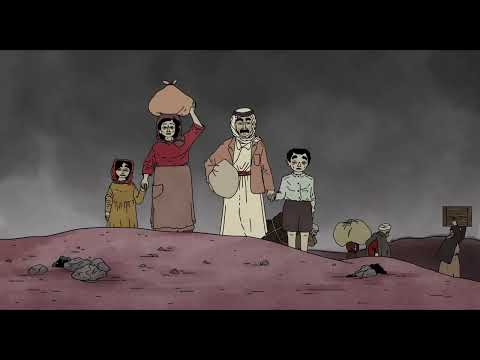
Questa produzione norvegese, diretta da Mats Grorud, segue la storia di Wardi, una bambina palestinese di 11 anni che vive in un campo profughi libanese. Attraverso i racconti del bisnonno e degli altri parenti, la piccola scopre la storia della sua famiglia e le vicende che li hanno portati a vivere in esilio per generazioni.
Il film è un potente esempio di come la stop motion possa affrontare temi sociali e politici complessi con grande delicatezza. Mescolando diverse tecniche di animazione, l’uso della passo uno contribuisce a dare tangibilità e un senso di “storia vissuta” alle vicende narrate, offrendo una prospettiva unica e toccante su una realtà umanamente difficile.
Kubo and the Two Strings (2016)

Diretto da Travis Knight per lo studio Laika, questo film d’azione fantasy ambientato nel Giappone feudale segue il giovane Kubo, un narratore che possiede poteri magici legati all’origami. Accompagnato da una scimmia e da un guerriero scarabeo, Kubo intraprende una missione epica per recuperare l’armatura magica di suo padre e sconfiggere il malvagio Re della Luna.
L’opera è visivamente sbalorditiva e ha ridefinito i limiti della puppet animation integrando modelli in scala reale con effetti visivi digitali. Laika fonde con maestria l’artigianato tradizionale e l’innovazione tecnologica, creando un’esperienza epica e commovente che celebra il potere del racconto e della memoria attraverso una tecnica di animazione impeccabile.
My Life as a Zucchini (2016)

Diretto da Claude Barras, questo dramma in stop motion segue la storia di Icare, soprannominato “Zucchina”, che viene mandato in una casa famiglia dopo un tragico incidente domestico. In questo nuovo ambiente, il bambino impara a legare con altri piccoli ospiti che hanno vissuto esperienze traumatiche, riscoprendo la speranza e il valore dell’amicizia.
Acclamato dalla critica, il film affronta con sensibilità e profondità temi delicati come il trauma infantile e la resilienza. L’uso della stop motion permette di creare personaggi estremamente espressivi e un’atmosfera carica di empatia, dimostrando come la tecnica sia efficace anche per narrazioni realistiche e toccanti che puntano direttamente al cuore dello spettatore.
Anomalisa (2015)

Scritto e diretto da Charlie Kaufman e Duke Johnson, questo dramma psicologico segue Michael Stone, un esperto di servizio clienti che soffre di una profonda crisi esistenziale e percepisce tutti gli esseri umani con la stessa faccia e la stessa voce. La sua alienazione viene interrotta dall’incontro con Lisa, una donna che appare come l’unica eccezione nel suo mondo monotono.
Il film è un’opera audace che utilizza la stop motion per esplorare temi complessi come l’isolamento, la depressione e la connessione umana. Gli autori hanno scelto deliberatamente di lasciare visibili le giunture sui volti dei pupazzi animati, trasformando un dettaglio tecnico in una scelta artistica che riflette la natura frammentata della percezione del protagonista, raggiungendo una profondità emotiva straordinaria.
Shaun the Sheep Movie (2015)

Diretto da Richard Starzak e Mark Burton per la Aardman Animations, questo spin-off della serie di Wallace & Gromit vede Shaun e il suo gregge avventurarsi nella grande città per salvare il loro fattore, che ha perso la memoria a causa di un incidente. La storia si sviluppa come una commedia corale piena di ingegno e situazioni paradossali.
Il film è una commedia muta che celebra la pura abilità visiva della claymation. Basandosi interamente sull’animazione fisica e sulla recitazione dei personaggi per trasmettere umorismo ed emozione senza l’uso di dialoghi, la pellicola testimonia la maestria della Aardman nel raccontare storie complesse ed esilaranti attraverso la sola forza del movimento fotogramma per fotogramma.
The Little Prince (2015)

Diretto da Mark Osborne, questo adattamento cinematografico combina la computer grafica (CGI) con la stop motion per raccontare la storia di una bambina che scopre l’opera di Saint-Exupéry grazie a un anziano aviatore suo vicino di casa. La narrazione si sposta dal mondo reale e ordinato della bambina alle avventure fantastiche del Piccolo Principe.
L’integrazione delle due tecniche crea un’esperienza visiva stratificata: le sequenze in stop motion, utilizzate per le parti più oniriche della storia, esaltano il “tocco umano” e danno la sensazione di un libro illustrato che prende vita. Questo contrasto stilistico sottolinea la differenza tra la logica rigorosa del mondo adulto e la magia senza tempo dell’infanzia e dell’immaginazione.
Ernie Biscuit (2015)

Questo cortometraggio australiano, definito “clayography” dal regista Adam Elliot, racconta la vita di Ernie, un tassidermista parigino sordo la cui esistenza solitaria viene scossa dall’arrivo inaspettato di un piccione morto. L’evento innesca una serie di cambiamenti che portano il protagonista a confrontarsi con il mondo esterno in modo inedito.
Adam Elliot utilizza la plastilina per narrare una storia intima e toccante sulla solitudine e sulla ricerca di legami inaspettati. La scelta della stop motion esalta la natura artigianale e la vulnerabilità dei personaggi, trasformando le imperfezioni del materiale in una risorsa espressiva che rende il film un’esperienza profondamente umana e malinconica.
Frankenweenie (2012)

Diretto da Tim Burton, questo lungometraggio in bianco e nero è il remake del suo omonimo cortometraggio del 1984. La trama segue il giovane Victor Frankenstein che, distrutto dalla perdita del suo amato cane Sparky, utilizza il potere della scienza per riportarlo in vita, scatenando una serie di conseguenze mostruose e divertenti nella sua cittadina.
Il film è un sentito omaggio ai classici dell’orrore della Universal, valorizzato da un’animazione in stop motion che esalta l’atmosfera gotica attraverso il contrasto del bianco e nero. Burton esplora temi come l’accettazione del diverso e il valore dell’amicizia, dimostrando la versatilità emotiva dei pupazzi animati e la capacità della tecnica di creare un immaginario iconico e nostalgico.
ParaNorman (2012)

Prodotto dallo studio Laika e diretto da Sam Fell e Chris Butler, questo film combina orrore e commedia seguendo le vicende di Norman Babcock, un ragazzino capace di parlare con i fantasmi. Norman si ritrova a essere l’unica speranza per salvare la sua città da una secolare maledizione lanciata da una strega e da un’invasione di zombie.
La pellicola è stata celebrata per l’innovazione tecnologica, essendo il primo film a utilizzare ampiamente la stampa 3D a colori per le espressioni facciali dei personaggi. Questo progresso ha permesso di raggiungere un livello di dettaglio e recitazione senza precedenti, creando un capolavoro della stop motion moderna che unisce divertimento, brividi e un profondo messaggio sociale sull’accettazione e la paura del diverso.
Fantastic Mr. Fox (2009)

Diretto da Wes Anderson e basato sul libro di Roald Dahl, questo film racconta le avventure di Mr. Fox, una volpe che non riesce a resistere al suo istinto di ladro di pollame, scatenando la furia di tre spietati allevatori. La battaglia che ne segue coinvolge l’intera comunità animale del sottosuolo in una lotta per la sopravvivenza e la dignità.
Anderson trasferisce il suo stile simmetrico e curato nel mondo della stop motion, utilizzando una palette di colori autunnali e inquadrature geometriche. Il film celebra la natura artigianale della tecnica, visibile nel movimento dei peli delle marionette, creando un’estetica visiva e narrativa unica. È un esempio eccellente di cinema d’autore animato che fonde umorismo sofisticato e una realizzazione tecnica minuziosa.
Coraline (2009)

Basato sul romanzo di Neil Gaiman e diretto da Henry Selick, questo dark fantasy segue la giovane Coraline Jones attraverso una porta segreta che conduce a una versione idealizzata ma inquietante della sua vita. In questo “Altro Mondo”, la bambina incontra i suoi “Altri Genitori”, che hanno bottoni al posto degli occhi e nascondono intenzioni sinistre.
Coraline rappresenta un punto di svolta per la stop motion moderna, essendo il primo film della tecnica girato interamente in 3D stereoscopico. Lo studio Laika ha introdotto l’uso della stampa 3D per creare migliaia di espressioni facciali, permettendo una fluidità narrativa e una ricchezza estetica che hanno reso la pellicola un punto di riferimento visivo e atmosferico per il genere dark animation.
Mary and Max (2009)

Diretto da Adam Elliot, questo film indipendente narra l’improbabile amicizia epistolare che dura vent’anni tra Mary, una bambina australiana solitaria, e Max, un uomo ebreo di New York affetto dalla sindrome di Asperger. Attraverso lo scambio di lettere e regali, i due condividono le loro paure, le gioie e le difficoltà della vita quotidiana.
La pellicola è un’opera toccante che dimostra la capacità della plastilina di affrontare temi sociali e psicologici complessi come la solitudine, l’alcolismo e l’accettazione di sé. Grazie a un’estetica unica e a una narrazione intima, il film si configura come un capolavoro della stop motion che supera i confini dell’intrattenimento per ragazzi per diventare una riflessione profonda sulla condizione umana.
Wallace & Gromit: The Curse of the Were-Rabbit (2005)

In questo lungometraggio della Aardman, l’inventore Wallace e il suo silenzioso ma intelligente cane Gromit gestiscono un servizio di disinfestazione incruenta. La loro attività viene messa a dura prova dalla comparsa di un misterioso “coniglio mannaro” gigante che minaccia di distruggere gli orti della città proprio alla vigilia di una prestigiosa competizione agricola.
Il film è un trionfo della claymation, dove l’uso della plastilina permette di raggiungere una gamma straordinaria di espressioni e movimenti fluidi. Rappresenta l’essenza dell’umorismo britannico e la maestria tecnica dello studio Aardman nella creazione di gag fisiche e storie avvincenti, consolidando Wallace e Gromit come icone intramontabili dell’animazione a passo uno mondiale.
Corpse Bride (2005)

Co-diretto da Tim Burton e Mike Johnson, questo musical fantasy gotico segue Victor Van Dort, un giovane timido che accidentalmente chiede in sposa il cadavere di una donna di nome Emily durante le prove del suo matrimonio. Victor viene trascinato nel colorato e vivace mondo dei morti, mentre la sua promessa sposa Victoria lo attende nel grigio mondo dei vivi.
Il film è un esempio iconico dello stile burtoniano applicato alla stop motion, dove l’estetica visiva ricca e i toni cupi ma affascinanti si fondono perfettamente. L’opera esplora temi legati all’amore eterno e alla morte con un tocco fiabesco, confermando la puppet animation come il mezzo ideale per dare forma a racconti gotici e visioni oniriche di grande impatto emotivo.
Harvie Krumpet (2003)

Questo cortometraggio australiano diretto da Adam Elliot ripercorre la biografia eccentrica e spesso sfortunata di Harvie Krumpet. Nonostante una serie di eventi avversi e tragedie personali, Harvie riesce a mantenere una visione ottimistica e originale dell’esistenza, trovando bellezza nelle piccole cose e nell’assurdità della vita di ogni giorno.
Vincitore dell’Oscar per il miglior cortometraggio d’animazione, il film è un esempio magistrale di come la claymation possa veicolare umorismo nero e una profonda umanità. La narrazione idiosincratica e lo stile visivo distintivo rendono Harvie Krumpet un piccolo capolavoro della stop motion che celebra con grazia e ironia la resilienza dello spirito umano di fronte alle avversità.
Chicken Run (2000)

Diretto da Peter Lord e Nick Park, il primo lungometraggio della Aardman segue un gruppo di galline all’interno di un allevamento intensivo che, guidate dalla determinata Ginger, pianificano una fuga spettacolare per evitare di finire in una pressa per torte di carne. I loro piani ricevono un aiuto inaspettato dall’arrivo di Rocky, un carismatico gallo americano.
La pellicola è un esempio brillante di claymation che combina umorismo slapstick, personaggi memorabili e una trama carica di suspense ispirata ai classici film di fuga di guerra. Il successo globale del film ha dimostrato che l’animazione in plastilina poteva sostenere una produzione cinematografica di grande scala, consolidando definitivamente la reputazione della Aardman come leader nel settore.
James and the Giant Peach (1996)

Diretto da Henry Selick e prodotto da Tim Burton, questo adattamento del libro di Roald Dahl mescola live-action e stop motion per raccontare la storia di James, un orfano maltrattato dalle zie. Grazie a una magia, il bambino entra in una pesca gigante e intraprende un viaggio avventuroso verso New York insieme a un gruppo di insetti antropomorfi.
Il film è un esempio notevole della capacità della stop motion di fondersi con elementi reali per creare un mondo fantastico e surreale. La pellicola mette in mostra la versatilità della puppet animation nel dare vita a storie complesse e commoventi, caratterizzate da un’estetica visiva distintiva che cattura perfettamente il tono fiabesco e bizzarro dell’opera originale.
The Nightmare Before Christmas (1993)
Prodotto da Tim Burton e diretto da Henry Selick, questo musical dark fantasy segue Jack Skeletron, il Re di Halloween, che stanco della solita routine decide di rapire Babbo Natale per portare la festività natalizia nel suo mondo. I suoi tentativi di diffondere la gioia del Natale si trasformano però in una serie di eventi macabri e caotici che mettono a rischio l’equilibrio delle due festività.
Icona assoluta del cinema d’animazione, il film ha elevato la puppet animation a nuove vette di complessità visiva e narrativa. L’atmosfera unica, i personaggi indimenticabili e la fusione perfetta tra elementi fiabeschi e horror ne fanno un capolavoro della stop motion che ha influenzato intere generazioni, consolidando definitivamente lo stile gotico del duo Burton/Selick nell’immaginario collettivo.
Alice (1988)

In questa visione surreale del classico di Lewis Carroll, una giovane ragazza segue un coniglio bianco tassidermizzato in un Paese delle Meraviglie degradato e inquietante. Il viaggio di Alice si snoda tra oggetti quotidiani che prendono vita, scheletri di animali e trasformazioni grottesche, trasformando la fiaba originale in un incubo tattile e disturbante.
Jan Švankmajer firma un capolavoro che mescola stop motion e live-action, ponendo l’accento sulla materialità e sull’orrore psicologico. L’opera è una critica profonda dell’innocenza infantile attraverso una lente freudiana, dove la meticolosità dell’animazione di oggetti reali assicura al film lo status di una delle interpretazioni più inventive e inquietanti mai realizzate del testo di Carroll.
Street of Crocodiles (1986)

Basato sul racconto di Bruno Schulz, il cortometraggio segue un personaggio che entra in un mondo meccanico e decadente fatto di strade corrose e botteghe di sarti. In questo scenario cupo, figure con teste di uccello si muovono tra ingranaggi industriali e materia organica in decomposizione, creando un tableau onirico tipico dell’estetica dell’Europa dell’Est.
I fratelli Quay utilizzano una stop motion estremamente minuziosa per costruire un universo ipnotico e gotico dove la consistenza delle superfici ed i suoni evocano un senso di angoscia esistenziale. La precisione dei movimenti e la profondità simbolica dedicata ai temi della memoria e della perdita rendono l’opera un pilastro dell’animazione d’avanguardia e del cinema d’autore.
The Little Drummer Boy (1968)

Questo speciale televisivo natalizio prodotto dalla Rankin/Bass racconta la storia di Aaron, un giovane orfano che nutre un profondo risentimento verso l’umanità dopo aver perso la sua famiglia. Il suo viaggio lo porta a Betlemme dove, non avendo doni materiali, decide di suonare il suo tamburo per il neonato Gesù, scoprendo il vero significato del dare e della pace.
Il film è un classico natalizio che ha contribuito a far conoscere la stop motion a milioni di spettatori televisivi, dimostrando la capacità della tecnica di creare atmosfere fiabesche e commoventi. Rappresenta un esempio della duratura influenza della puppet animation nel panorama televisivo americano, definendo un’estetica specifica per i racconti della tradizione religiosa e popolare.
The Hand (1965)

Un vasaio solitario dedica la sua vita alla creazione di vasi finché una gigantesca mano disincarnata non irrompe nella sua casa, costringendolo a scolpire esclusivamente la sua immagine. Nonostante i ripetuti tentativi di fuga e la resistenza del protagonista, la mano lo perseguita senza sosta, distruggendo la sua libertà artistica e conducendolo verso una fine tragica.
Jiří Trnka realizza un’opera magistrale che utilizza la stop motion come potente allegoria contro il totalitarismo e il controllo autoritario sulla creatività. La manipolazione dei pupazzi trasmette una tensione psicologica profonda, culminando in una critica inquietante al conformismo che eleva il cortometraggio a pietra miliare intramontabile dell’animazione politica mondiale.
Rudolph the Red-Nosed Reindeer (1964)

Un altro celebre speciale natalizio della Rankin/Bass incentrato su Rudolph, una giovane renna che viene emarginata dal gruppo a causa del suo naso rosso luminoso. Insieme a un elfo che sogna di fare il dentista, Rudolph intraprende un viaggio avventuroso scoprendo che la sua diversità è in realtà un dono prezioso capace di salvare la notte di Natale.
Pietra miliare dell’animazione a passo uno, il film ha reso la tecnica accessibile al grande pubblico e ha dimostrato la sua efficacia nel raccontare storie di accettazione sociale. L’estetica distintiva e i personaggi diventati icone culturali fanno di questa produzione un capolavoro della stop motion televisiva, capace di incantare generazioni di spettatori con il suo messaggio positivo.
Jason and the Argonauts (1963)
![Jason and the Argonauts (1963) ORIGINAL TRAILER [HD 1080p]](https://blog.indiecinema.co/wp-content/plugins/wp-youtube-lyte/lyteCache.php?origThumbUrl=https%3A%2F%2Fi.ytimg.com%2Fvi%2FWbWmMsyqf6k%2F0.jpg)
L’eroe greco Giasone intraprende una pericolosa missione alla ricerca del Vello d’Oro insieme ai suoi Argonauti, affrontando creature leggendarie come l’Idra e giganti di bronzo. Guidato dagli dei dell’Olimpo, il gruppo deve superare prove sovrumane e combattere un esercito di scheletri nati dai denti di un drago per compiere il proprio destino.
Gli effetti in stop motion curati da Ray Harryhausen, in particolare la celebre battaglia contro gli scheletri, hanno elevato il film a uno status leggendario. La sua tecnica “Dynamation” ha permesso di integrare perfettamente le creature fantastiche con gli attori in carne ed ossa, creando uno spettacolo visivo che ha influenzato profondamente il cinema fantasy e l’uso degli effetti speciali moderni.
The Tale of the Fox (1937)

In questo pionieristico lungometraggio d’animazione, l’astuta volpe Renard mette in atto una serie di inganni ai danni degli altri animali e del sovrano del regno. Tra furti di polli e travestimenti creativi, le peripezie della volpe conducono a un processo finale dove la sua furbizia riesce ancora una volta a trionfare sulle regole stabilite, mescolando folklore e satira sociale.
Diretto da Ladislas Starevich, l’opera è il primo lungometraggio della storia realizzato interamente con pupazzi animati a passo uno. La fluidità dell’animazione e la ricchezza dei set rivoluzionarono il settore, infondendo nelle favole classiche una profondità visiva e una poesia che hanno ispirato tutte le successive generazioni di artisti della stop motion.
Insight
The Art of Stop Motion: Historical Context and Evolution
The history of stop motion is almost as old as cinema itself, a fascinating evolution from simple “tricks” to complex narratives. This craftsmanship technique, based on the physical manipulation of objects between each shot, has deep roots dating back to the late 19th century.
Pioneers and Early Experiments: The Seeds of an Illusion
The very first experiments in stop-frame animation were born from the curiosity of making the inanimate move. The first documented stop motion film was The Humpty Dumpty Circus from 1898, created by J. Stuart Blackton and Albert E. Smith. This unfortunately lost short film used dolls with jointed limbs to simulate circus acrobats, marking a starting point for object animation. Its importance lies in demonstrating the technique’s potential to create illusions of movement with real objects.
Fun in a Bakery Shop (1902), directed by Edwin S. Porter, is one of the earliest surviving films to use stop motion, in a primitive version of claymation. The film shows a face made of dough coming to life, an early example of how malleable materials could be used to create dynamic characters. This highlighted the technique’s versatility beyond simple rigid objects.
Another fundamental pioneer was the Russian filmmaker Wladyslaw Starewicz, an entomologist who animated dead insects with wire skeletons in works like Battle of the Stag Beetles and The Ant and the Grasshopper, and notably The Cameraman’s Revenge (1912). Starewicz is credited with producing the first narrative stop motion short films, elevating the technique from a mere trick to a complex storytelling tool. His work demonstrated the dramatic and comedic potential of puppet animation.
The evolution of stop motion did not follow a single trajectory but developed on two parallel and interconnected tracks: as a “trick” or special effect for live-action cinema and as an autonomous narrative art form. This duality ensured its survival and innovation. Early uses of stop motion were often for “trick films” or as experiments in moving objects before the camera. Pioneers like James Stuart Blackton were also cartoonists and caricaturists. Films like The Humpty Dumpty Circus and Fun in a Bakery Shop show the animation of objects or plasticine for surprising visual effects. Starewicz is credited with producing the first narrative short films with stop motion, such as The Cameraman’s Revenge. This transition reflects a broader trend in cinema history, where technical innovations often precede and then enable new forms of expression narrative, transforming the novelty in art.
The Golden Age of Special Effects: Pre-CGI Monsters and Myths
Stop motion found fertile ground in special effects for live-action films, particularly for the creation of fantastic creatures. Willis O’Brien and Ray Harryhausen were central figures in this phase. These artists perfected the integration of animated models with live footage, making dinosaurs and giant monsters believable and influencing generations of filmmakers.
The Lost World (1925), an adaptation of Arthur Conan Doyle‘s story, was the first feature film to make extensive use of stop motion. Its animated dinosaurs were so realistic for the time that they left audiences speechless. O’Brien’s work culminated with the iconic King Kong (1933). The giant gorilla, masterfully animated, not only became a cultural icon but set a template for all giant monster films to come and inspired an entire generation of animators.
Among these young talents, Ray Harryhausen stood out, a stop motion giant with a decades-long career. Starting with Mighty Joe Young (1949), Harryhausen created mythical, alien, and prehistoric creatures for numerous science fiction and adventure films, culminating in works like Clash of the Titans (1981). His technique, called “Dynamation,” allowed for an almost perfect fusion between animated models and live-action footage, making his creatures incredibly articulated and believable. The famous skeleton battle sequence in Jason and the Argonauts (1963) remains an unsurpassed benchmark for its complexity and realism.
Before the advent of CGI, stop motion was not just an animation technique, but the cutting-edge technology for special effects that defined the fantasy, adventure, and science fiction genres in live-action cinema. The work of O’Brien and Harryhausen established a visual and narrative language for the integration of fantastic creatures and worlds, directly influencing modern blockbusters and demonstrating stop motion’s ability to create wonder on a large scale. This highlights how a “handcrafted” technique can have a revolutionary impact on the film industry, shaping entire genres and inspiring future innovators, even when more advanced technologies take over.
The Evolution Towards Feature Films: Auteur Animation
While the era of O’Brien and Harryhausen saw stop motion shine in special effects, the true “coming of age” of the entirely stop motion feature film was a longer and more complex journey. The time-consuming and resource-intensive nature of the technique made producing long-form films a significant challenge.
Nevertheless, pioneers like Ladislas Starewicz made the first feature-length puppet animation, Le Roman de Renard (The Tale of the Fox), completed in 1930 but released only years later. In recent decades, thanks to dedicated studios like Aardman and Laika, and visionary directors, stop motion has reached its full potential as an autonomous narrative form, with an unprecedented variety of personal styles and release timings for the medium. The transition of stop motion from a special effects technique to an autonomous art form for feature films has been a slow but inexorable maturation. This “adulthood” was achieved not only through technical innovation, but also through the emergence of studios and directors who have invested in complex storytelling and character development, demonstrating that stop motion can sustain deep and engaging stories for a broad audience, overcoming its initial perception as a “novelty.” This maturation process demonstrates that the artistic value of a technique is not determined by its speed or cost, but by the ability of artists to bend it to their vision, elevating it to a complete expressive medium.
Table 1: Milestones in Stop Motion
The historical section contains many names, dates, and film titles, making it difficult for the reader to visualize the temporal progression and key contributions. For this reason, a table offers a clear and concise structure, allowing the reader to quickly assimilate essential information, identify key moments in stop motion history and understand the chronological sequence of developments. This reinforces the understanding of “Historical Context and Evolution” and serves as a quick reference for the stop motion masterpieces and stop motion directors mentioned.
| Year | Film Title | Key Director/Animator | Historical Contribution |
| 1898 | The Humpty Dumpty Circus | J. Stuart Blackton, Albert E. Smith | First documented use of object animation with jointed dolls. |
| 1902 | Fun in a Bakery Shop | Edwin S. Porter | One of the earliest surviving examples of claymation and animation of malleable materials. |
| 1912 | The Cameraman’s Revenge | Wladyslaw Starewicz | First narrative short film with complex animated puppets, elevating the technique to a storytelling tool. |
| 1925 | The Lost World | Willis O’Brien | First feature film to make extensive use of stop motion for special effects with realistic creatures. |
| 1933 | King Kong | Willis O’Brien | Iconic stop motion masterpiece that defined monster animation and inspired generations of animators. |
| 1963 | Jason and the Argonauts | Ray Harryhausen | Perfection of “Dynamation” for seamless integration with live-action, creating mythical sequences. |
Key Aspects, Cinematic Styles, and Influences
Stop motion is not just a technique, but a distinctive aesthetic, forged by the creation process itself.
The Craftsmanship
Stop motion is intrinsically a craftsmanship technique, requiring meticulous patience and precision. Each individual frame is shot after a minimal manipulation of the object or character. To achieve fluid movement, approximately 24 frames per second of footage are needed (or 12 frames per second for acceptable fluidity, sometimes even “on twos” or “on threes” for more normal movements). This means that even one minute of animation can require hundreds or thousands of individual poses and shots. The laboriousness is a distinctive trait that confers to the final product an intrinsic value and a sense of authenticity. The practical and “hands-on” nature of stop motion, which implies the physical manipulation of objects, confers to the final product a palpable appearance and a unique texture that CGI, despite its realism, struggles to replicate. This direct link between the production method and the aesthetic result is a fundamental aspect of stop motion.
The “Human Touch”
One of the most celebrated characteristics of stop motion is its “human touch,” meaning the small visible imperfections that distinctly set it apart from digital animation. These “unwanted leaps, jerks, and jumps” or the slight oscillations of fur, the traces of the animator’s hands, are not errors, but clues of the human presence behind every frame. In an era dominated by CGI and artificial intelligence, these imperfections become a distinctive sign of authenticity and craftsmanship, creating a unique emotional connection with the viewer. Wes Anderson, for example, has intentionally replicated Starewicz’s “twitchiness” in Fantastic Mr. Fox.
Contrary to the pursuit of perfection and absolute fluidity that characterizes CGI, stop motion has transformed its intrinsic “imperfections” into a distinctive aesthetic element and an added value, especially in the context of contemporary animation. Early stop motion films were “rough, full of jerky movements,” while CGI aims for “fluidity” and “realism.” This is not a simple acceptance of technical limitations, but a conscious artistic valorization. The imperfection becomes an artist’s “signature,” a sign of authenticity in an increasingly digitized world. This creates a deeper emotional connection with the public, who perceives the effort and artisanal care. The craftsmanship technique becomes an intrinsic added value, not a defect.
Reciprocal Influences
Stop motion has influenced and continues to interact with other forms of animated cinema and live-action. From its origins as a cinematic “trick” integrated into live films (like King Kong), stop motion has demonstrated its ability to enrich narratives. With the advent of CGI (Computer Generated Imagery), the differences have become evident: CGI offers scalability and flexibility, while stop motion offers a tactile aesthetic and a “hands-on” process.
However, these techniques are not mutually exclusive. CGI can be used to enhance stop motion (for example, by removing rigs or adding digital effects) or, conversely, can replicate the aesthetic of stop motion (as in The Lego Movie). The influence of stop motion extends beyond its films, having shaped the visual language of special effects in live-action cinema for decades. Its aesthetic is so compelling that even CGI seeks to emulate its “handmade” feel, demonstrating a cyclical influence between traditional and digital animation. This interconnectedness demonstrates its continued relevance and adaptability.
Subgenres, Artistic Movements, and Specific Themes
The versatility of stop motion is manifested in the richness of its subgenres and the various artistic currents it has generated, exploring a wide range of themes.
The Variants of Stop Motion
The basic “stop-frame” technique adapts to a multitude of materials and subjects, giving rise to different specializations. The choice of material is not only practical, but determines the aesthetic and thematic possibilities.
- Claymation: Uses plasticine puppets as main subjects. Their malleability allows for unique expressions and movements. Notable examples include Aardman Animations’ works like Wallace & Gromit and Chicken Run. This variant is loved for its soft and often comedic appearance, but it can also convey deep dramas as in Mary and Max.
- Puppet Animation: Animates puppets, marionettes, toys, or models with rigid internal structures (armatures) to allow precise movements. It is the preferred technique of studios like Laika (e.g., Coraline, Kubo and the Two Strings) and stop motion directors like Tim Burton and Henry Selick (The Nightmare Before Christmas, Corpse Bride). It allows for intricate details and a wide range of expressions, often used for gothic or fairy-tale atmospheres.
- Pixilation: Applies the stop motion technique to real human beings, who pose for each frame. It creates a surreal, almost dreamlike effect, where people seem to move jerkily or perform impossible actions, as in Hôtel électrique (1908).
- Cutout Animation: Uses two-dimensional cutouts of paper or fabric, placed on a plane and filmed from above. It is one of the oldest techniques, used for example by Lotte Reiniger in The Adventures of Prince Achmed (1926), creating an effect similar to shadow puppetry (silhouette animation).
- Object Animation: Animates inanimate objects of any kind, not specifically created as puppets. From early experiments like The Humpty Dumpty Circus to modern works that animate graffiti or urban elements, this technique demonstrates stop motion’s ability to bring anything to life.
- Go-Motion: A more advanced variant that introduces a slight “motion blur” by moving objects during the exposure of each frame, often with the aid of computers. This technique aims to make the movement even more realistic, reducing the typical “jerkiness” of traditional stop motion, particularly useful for fast-moving objects.
- Graphic Animation: Utilizes non-drawn graphic material, such as photographs or newspaper clippings.
- Silhouette Animation: A monochromatic variant of Cutout animation, where characters appear as black shadows against a colored background.
- Model Animation: A technique that allows the insertion of stop motion animated elements into scenes of a common live-action film, as seen in King Kong.
The wide range of stop motion variants demonstrates its adaptability and the boundless creativity that it enables, allowing artists to choose materials and methods that best suit their unique vision. This diversity is a strength that ensures its continuous evolution.
Table 2: Variants of the Stop Motion Technique
The section on subgenres discusses many specific techniques such as claymation, pixilation, and others. A table clarifies each technique, provides examples, and helps differentiate them, a crucial aspect for a “definitive guide.” This format improves clarity and understanding for the reader.
| Technique Name | Description | Notable Examples |
| Claymation | Animation of plasticine puppets molded frame by frame. | Wallace & Gromit, Chicken Run, Mary and Max |
| Puppet Animation | Animation of articulated puppets or models within a set. | Coraline, The Nightmare Before Christmas, Kubo and the Two Strings |
| Pixilation | Animation of human actors posing for each frame. | Hôtel électrique |
| Cutout Animation | Animation of two-dimensional paper or fabric cutouts. | The Adventures of Prince Achmed, early South Park series |
| Object Animation | Animation of everyday inanimate objects. | The Humpty Dumpty Circus |
| Go-Motion | Technique that introduces motion blur by moving the object during exposure. | Used in films like Star Wars: Episode V – The Empire Strikes Back (for AT-ATs) |
| Graphic Animation | Animation of non-drawn graphic material, such as photographs or newspaper clippings. | Commercials, experimental short films |
| Silhouette Animation | Monochromatic variant of cutout animation, with characters appearing as black shadows. | The Adventures of Prince Achmed |
| Model Animation | Animation of miniature models integrated into live-action scenes. | King Kong, Jason and the Argonauts |
Artistic Movements and Visionary Directors
Stop motion has been a vehicle for unique artistic visions, often associated with specific movements or styles. The emergence of distinct schools and authors within stop motion demonstrates the medium’s capacity for complex artistic expression and authorial voice, elevating it beyond mere technical novelty.
- Surrealism (Jan Švankmajer): The Czech filmmaker Jan Švankmajer is a central figure of neo-surrealism, known for his absurd and grotesque humor, and for using claymation and object animation to explore the unreal and the unsettling. His works, like the short film Food, influence artists like the Quay Brothers, demonstrating how stop motion can be a tool for psychological and philosophical exploration.
- The Czechoslovak School (Jiří Trnka, Karel Zeman): This school revitalized the tradition of puppet theater, creating auteur animated films with a strong artistic identity. Karel Zeman, in particular, is famous for his adaptations of Jules Verne, often using mixed techniques (drawings, marionettes, objects). Their distinctive aesthetic demonstrated stop motion’s ability to create fantastic and adventurous worlds with a deeply artisanal imprint.
- The Gothic and Fairy-Tale Style (Tim Burton, Henry Selick): Tim Burton is one of the most iconic stop motion directors, known for his poetic, imaginative, and ironic universe, which perfectly blends with the animation of animated puppets and three-dimensional scenic contexts. Henry Selick, his collaborator and director of The Nightmare Before Christmas and Coraline, excels at combining fairy-tale, horrific, and fantastic elements. Their work has popularized stop motion for a wider audience, demonstrating its ability to create unique atmospheres and complex narratives, often with a dark but fascinating tone.
- The Distinctive Aesthetic (Wes Anderson, Laika, Aardman):
- Aardman Animations (Nick Park, Peter Lord): Masters of claymation, they have created iconic characters like Wallace and Gromit and successful films like Chicken Run. Their style is characterized by slapstick humor and expressive plasticine characters. They have demonstrated that claymation can sustain successful feature films with universal appeal.
- Laika: This American studio is a pioneer in integrating cutting-edge technology (like 3D printing for character faces) with the craftsmanship technique of stop motion, creating visually stunning and narratively complex films like Coraline, ParaNorman, and Kubo and the Two Strings. Laika has redefined the technical and artistic standards of puppet animation, demonstrating how innovation can enhance, rather than replace, the “human touch.”
- Wes Anderson: With films like Fantastic Mr. Fox and Isle of Dogs, Anderson has applied his distinctive visual style (symmetry, specific color palettes, eccentric dialogues) to stop motion, creating an immediately recognizable aesthetic. His approach demonstrates how stop motion can be a medium for expressing a very specific authorial vision, with a meticulous attention to detail and production design.
Table 3: Masters and Styles in Stop Motion Cinema
The section on artistic movements covers many influential figures and studios. A table that summarizes their unique styles and key works provides a valuable quick reference, allowing readers to connect specific artistic visions to their film output and appreciate the breadth of creative approaches in stop motion.
| Director/Studio | Distinctive Style | Exemplary Films |
| Jan Švankmajer | Surrealism, grotesque humor, plasticine and object animation. | Food, Alice |
| Jiří Trnka / Karel Zeman | Czechoslovak school, revitalization of puppet theater, mixed techniques. | The Fabulous Baron Munchausen, A Midsummer Night’s Dream |
| Tim Burton | Gothic and fairy-tale aesthetic, eccentric characters, puppet animation. | The Nightmare Before Christmas (producer), Corpse Bride, Frankenweenie |
| Henry Selick | Dark fantasy, fairy-tale horror, innovation in puppet animation. | The Nightmare Before Christmas, Coraline, James and the Giant Peach, ParaNorman |
| Aardman Animations (Nick Park, Peter Lord) | Comedic claymation, slapstick humor, iconic plasticine characters. | Wallace & Gromit: The Curse of the Were-Rabbit, Chicken Run, Shaun the Sheep Movie |
| Laika | Fusion of craftsmanship technique and advanced technology (3D printing), visually rich puppet animation. | Coraline, ParaNorman, Kubo and the Two Strings, Missing Link |
| Wes Anderson | Stylized and symmetrical aesthetic, distinctive color palettes, idiosyncratic humor. | Fantastic Mr. Fox, Isle of Dogs |
| Guillermo del Toro | Mature dark fantasy, fairy-tale reinterpretations, thematic depth. | Guillermo del Toro’s Pinocchio |
| Adam Elliot | Independent drama-comedy, exploration of human themes with intimate claymation. | Mary and Max, Harvie Krumpet, Ernie Biscuit |
Recurring Themes
Stop motion lends itself to exploring a variety of themes, often with a unique sensibility. The tactile nature of stop motion and its inherent “otherness” make it particularly suitable for exploring themes of the uncanny, the fantastic, and the deeply human, often with a unique blend of charm and melancholy. It allows for a heightened sense of reality or surrealism that can amplify emotional impact.
- Fantasy and Adventure: Dinosaurs, mythological monsters, enchanted worlds. Examples include The Lost World, King Kong, Jason and the Argonauts, Kubo and the Two Strings.
- Horror and Gothic: Eerie atmospheres, eccentric characters, exploration of the macabre. This includes films like The Nightmare Before Christmas, Coraline, Corpse Bride, Frankenweenie, ParaNorman, and Mad God.
- Comedy and Grotesque Humor: Lighthearted stories or those with a touch of absurdity. Examples include Wallace & Gromit, Chicken Run, Harvie Krumpet, Anomalisa.
- Coming-of-Age and Social Themes: Tales of growth, acceptance, diversity, and social critique. Among these are My Life as a Zucchini, Mary and Max, Frankenweenie, No Dogs or Italians Allowed.
- Psychological Exploration and Surrealism: Journeys into the mind, the unconscious, the absurd. Works by Jan Švankmajer and Anomalisa are striking examples.
The richness of stop motion’s subgenres and artistic currents is not just a matter of materials or techniques, but deeply reflects the medium’s ability to become an extension of the director’s authorial vision, allowing for unique and immediately recognizable visual and narrative styles. It is no coincidence that Tim Burton is associated with gothic and animated puppets, Aardman with comedic claymation, Laika with innovation in puppet animation, and Wes Anderson with a stylized and symmetrical aesthetic. These directors do not merely “use” stop motion, but “mold” it to express their signature. Unlike other forms of animation that can be more “standardized” or “industrial,” stop motion tends to highlight the auteur animated film. The handcrafted nature and frame-by-frame control allow for a level of detail and aesthetic personalization that make the film an almost direct expression of its creator. The “imperfections” become part of this authorial signature, making each work unique and unrepeatable.
Insights, Cultural Impact, and Future Prospects
Despite the challenges, stop motion continues to thrive, maintaining a significant cultural impact and looking to the future with innovation.
Lasting Cultural Impact
Stop motion has left an indelible mark on the collective imagination, thanks to its ability to create unforgettable worlds and characters that resonate with audiences. From the charm of O’Brien’s dinosaurs to Harryhausen’s mythological monsters, to Burton/Selick’s gothic characters and Aardman’s plasticine creatures, stop motion has generated cultural icons. Its appeal lies in the tangibility of its characters and environments, which seem “alive” in a way that CGI, however realistic, does not always match. This “artisanal charm” is a key element of its lasting impact. Its persistent ability to offer an alternative aesthetic that values craftsmanship over digital perfection makes it a timeless art form and increasingly relevant in an AI-driven world.
Innovation and Technology
Far from being an obsolete technique, stop motion has embraced new technologies to push its creative boundaries. The introduction of digital cameras (DSLRs), video assist software, and, above all, 3D printing (rapid prototyping) has revolutionized production. Studios like Laika are at the forefront of using 3D printing to create thousands of interchangeable faces for characters, allowing for unprecedented facial expressiveness. These innovations do not eliminate the craftsmanship technique, but enhance it, allowing for greater complexity and detail without losing the “human touch.” This hybrid approach, which blends craftsmanship with cutting-edge technology, is fundamental to the contemporary success and artistic evolution of stop motion.
The Future of Stop Motion
In a landscape dominated by CGI and artificial intelligence, stop motion not only survives but thrives, asserting its uniqueness. Its intrinsically “imperfect” and “handmade” nature becomes a distinctive strength. While CGI and AI aim to remove human intervention from the creative process, stop motion celebrates the very presence of the animator, their fingerprints, the unpredictable movements. This makes it a bastion of artistic authenticity. Directors continue to explore new possibilities, such as psychological horror (Stopmotion 2024) or integration with live-action, ensuring that this ancient craftsmanship technique continues to evolve and enchant audiences.
Stop motion is not a relic of the past, but a resilient art form that has managed not only to survive the advent of CGI but even to strengthen its identity and relevance, transforming its supposed limitations (laboriousness, “imperfections”) into distinctive and appreciated strengths. Although stop motion is incredibly time-consuming and CGI is often preferred for budget and time-saving reasons, it continues to produce enchanting and memorable films and iconic characters. This lasting cultural impact is directly linked to its “artisanal charm” and the “human touch” that digital animation struggles to replicate. The fact that CGI even tries to imitate the look of stop motion demonstrates its unique and appreciated aesthetic contribution to the broader animation landscape. Stop motion has capitalized on its intrinsic value: its handcrafted nature, its “human touch,” and the aesthetic uniqueness that derives from physical manipulation. This has allowed it to carve out a distinctive and appreciated niche, becoming a symbol of artistic authenticity in an increasingly virtual world. Its “ancient technique” has become a virtue, not a limitation.
A vision curated by a filmmaker, not an algorithm
In this video I explain our vision

