
Ireland is a complex soul, an island of breathtaking landscapes and turbulent history. The collective imagination is marked by two extremes: on one hand, the rolling green hills and romanticism of films like P.S. I Love You; on the other, the historical epics of Michael Collins or The Wind That Shakes the Barley. But the true cinematic essence of the Emerald Isle also lies in a more intimate gaze, in the beating, sometimes wounded, heart of the nation.

This guide is an exploration of the entire national psyche. It is a path that unites the great masterpieces that defined the island with a rawer, more personal alternative cinema. We will explore the scars of history, the loneliness of rural landscapes, the chaotic energy of urban life, and the deep roots of folklore.
Through the support of bodies like Screen Ireland, a generation of local talent has been able to tell these unique stories, forging a cinematic identity that is as local as it is universal. This is not just a list, but a journey to understand Ireland, from its global icons to its most hidden gems.
Chapter 1: The Echo of History – Conflict, Memory, and Fractured Identity
Irish cinema does not treat history as a museum piece, but as an open wound, a collective trauma that pulses beneath the skin of the present. The films in this chapter are not academic lessons; they are visceral human dramas that use the powerful language of genre—from war film to revenge western, from docudrama to body horror—to deconstruct and re-interrogate the national narrative. Through personal stories of family breakdown and sacrifice, these directors make the weight of the War of Independence, the Civil War, the Great Famine, and the Troubles a tangible emotional experience, proving that for Ireland, the past is never truly past.
Children Of A Darker Dawn
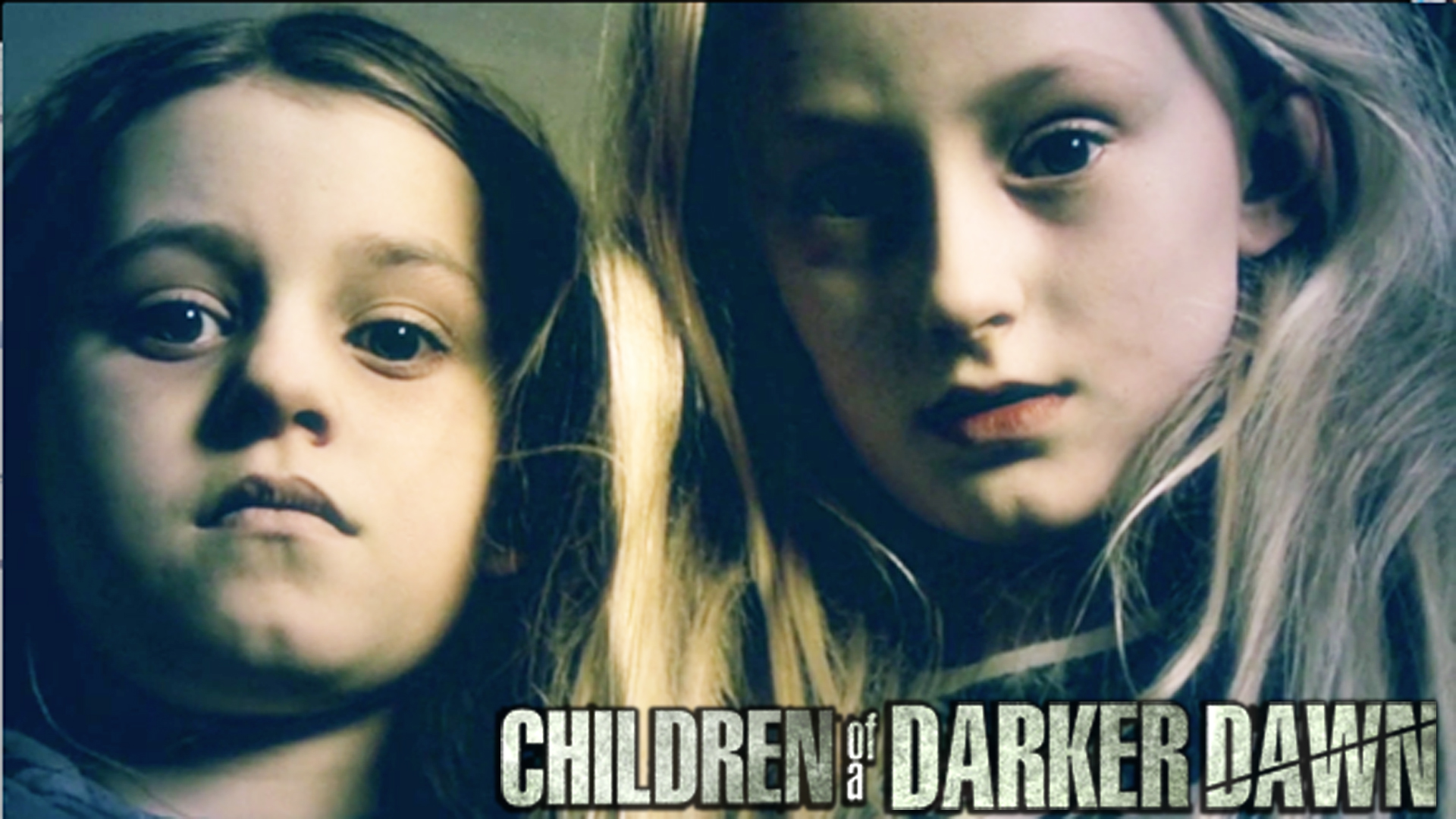
Drama, horror, sci-fi, by Jason Figgis, United States, 2012.
In a post-apocalyptic Ireland, a pandemic has wiped out the adult population, struck down by a mutant strain of flu that turns them paranoid and violent before killing them. Nine months later, the surviving children wander through abandoned buildings in search of food and shelter. Among them are Evie and her younger sister Fran, trying to survive while avoiding potentially dangerous groups of kids. Their only comfort is The Railway Children, the book their mother used to read to them. The arrival of Alice, a girl who has escaped from a gang led by her sister Kate, changes their path. After being betrayed by the gang, Evie decides to confront them, triggering a series of events that will lead to tensions and conflicts within the group.
The film, directed by Jason Figgis with limited resources but great sensitivity, is a post-apocalyptic drama that goes beyond horror, focusing on grief and the emotional fragility of its characters. The tone is somber, marked by melancholy, disturbing flashbacks, and unstable relationships. Though it recalls films like 28 Days Later, The Road, or Lord of the Flies, Children of a Darker Dawn finds its own voice through strong character development and powerful performances from its young cast.
LANGUAGE: English
SUBTITLES: Spanish, French, German, Portuguese
The Wind That Shakes the Barley (2006)

In 1920s County Cork, two brothers join the Irish Republican Army to fight for independence. Damien, a young doctor, abandons his career in London for the cause. When the Anglo-Irish Treaty divides the nation, the two brothers find themselves on opposing sides in the subsequent brutal Civil War, turning their family bond into a tragic battle line.
Ken Loach‘s Palme d’Or-winning work is a masterful example of how historical conflict is, in its essence, a story of personal and familial fracture. The British director’s raw, social-realist style strips the war of any romanticism, focusing on the tearing ideological divisions that devastated communities and families. The dispute over the Anglo-Irish Treaty is not presented as an abstract political debate, but as a devastating choice between a flawed peace and an idealistic struggle, a dilemma that echoes through much of Irish history. The title itself, taken from a nationalist ballad, roots the political struggle in the very soil of the nation, transforming the Irish landscape from an idyllic backdrop into a silent witness to a fratricidal tragedy.

Hunger (2008)

The film offers an intense and almost abstract depiction of the final days of Bobby Sands, an IRA member who led the 1981 hunger strike in the Maze Prison. His protest aimed to gain political prisoner status from the British government, turning his own body into the ultimate weapon of resistance.
Steve McQueen’s directorial debut is less a narrative film and more a work of body art and political resistance. Transcending dialogue, it focuses on the physical and psychological horror of imprisonment and starvation, forcing the viewer to confront the extreme limits a human being is willing to go to be heard. Its power lies not so much in the masterful central sequence—a long, single-take dialogue between Sands and a priest—as in its silent, unflinching observation of suffering as the ultimate political act. Hunger does not simply recount a historical event; it embodies its brutality and desperation, turning Michael Fassbender‘s body into a canvas of pain and defiance.
Cathnafola - A Paranormal Investigation
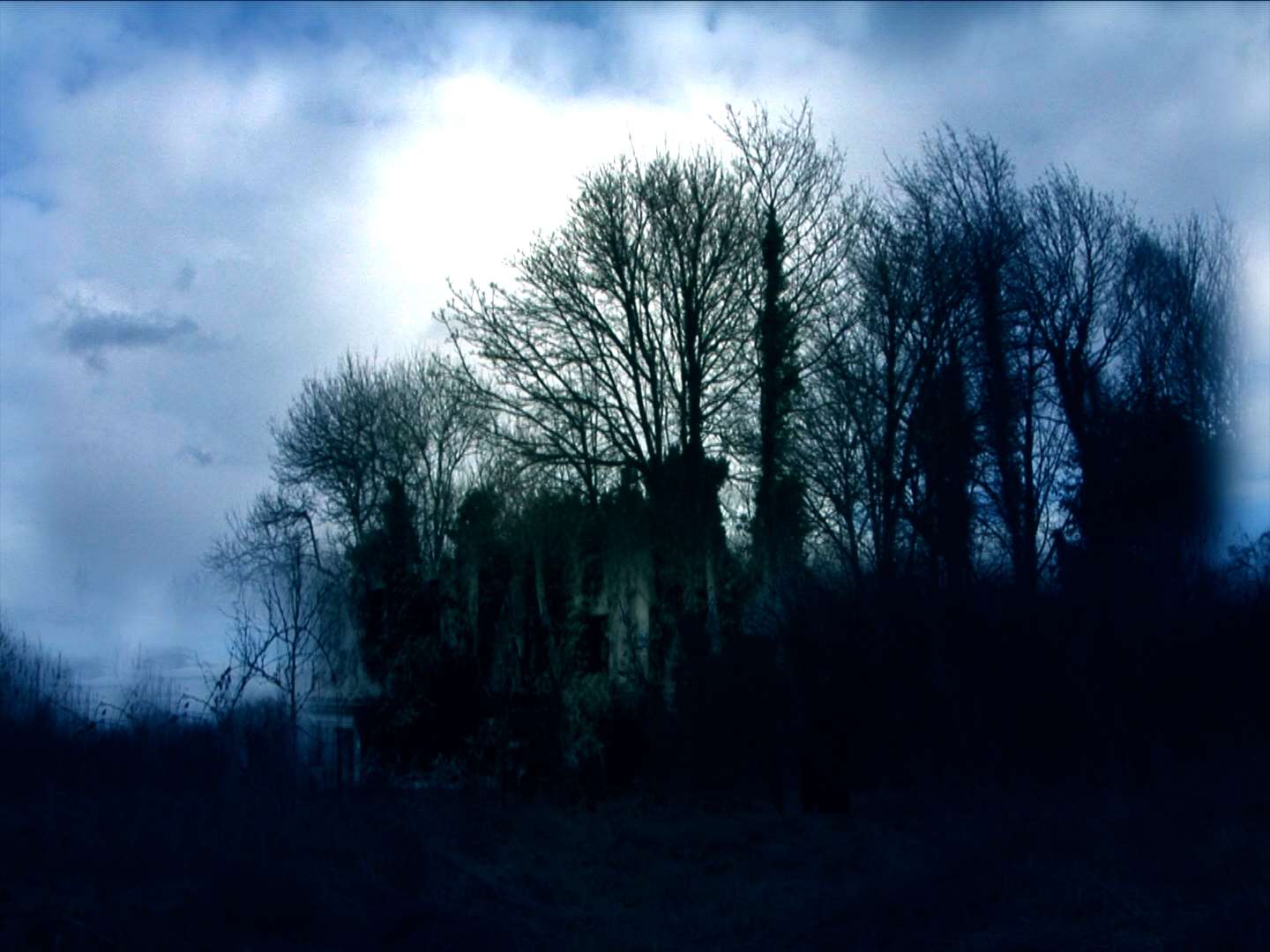
Documentary, horror, by Jason Figgis, USA, 2014.
In "Cathnafola", everything begins when renowned paranormal investigator Chris Halton of Haunted Earth UK receives footage filmed by three teenagers at the ruins of Cathnafola House in Ireland. Determined to unearth the truth behind the location’s bloody past, Halton embarks on a nighttime exploration of the infamous ruins—and soon uncovers terrifying and disturbing revelations.
LANGUAGE: English
SUBTITLES: Spanish, French, German, Portuguese
Bloody Sunday (2002)

This docudrama meticulously reconstructs the events of January 30, 1972, in Derry, Northern Ireland, known as “Bloody Sunday.” The narrative follows Ivan Cooper, a civil rights activist who organized a peaceful march that turned into a massacre when British paratroopers opened fire on unarmed protesters.
Paul Greengrass uses a kinetic, almost war-reportage style that immerses the viewer in the chaos and terror of that day. By avoiding a traditional narrative structure, the film achieves a harrowing sense of immediacy and truth, as if one were witnessing the events in real time. It captures a crucial moment when a peaceful civil rights movement was met with state violence, an event that fueled the conflict for decades. Bloody Sunday is a testament to the power of cinema to bear witness, to reclaim a historical narrative from official versions, and to give a voice to the victims.
Black ’47 (2018)

Set during the most devastating year of the Great Famine, 1847, the film follows Martin Feeney, an Irish ranger who deserts the British army to return home to Connemara. He finds his family destroyed by starvation and eviction and embarks on a brutal path of revenge against those he holds responsible.
Black ’47 is a landmark film for being one of the few fictional works to directly confront the tragedy of the Famine. It frames the historical catastrophe through the lens of a revenge western, a genre choice that translates the abstract horror of starvation into a tangible, personal quest for justice. While some historical details are dramatized, the film powerfully depicts the systemic cruelty and indifference that defined the era, highlighting the complicity of not only British landlords but also Irish collaborators. The use of the Irish language adds a further layer of authenticity and cultural defiance, making the film a gothic western rooted in national trauma.
A vision curated by a filmmaker, not an algorithm
In this video I explain our vision
Chapter 2: Rural Soul – Land, Faith, and Silence
In independent Irish cinema, the rural landscape is a paradoxical entity. It is simultaneously a place of stunning natural beauty and profound psychological isolation. It is not a space of escape, but a container for unresolved traumas, unspeakable secrets, and suffocating social pressures. These films subvert the tourist-board image, revealing the Irish countryside as a complex psychological terrain where characters, often in silence, must confront their inner demons. The land itself seems to hold the memory of both community and confinement.
Garage (2007)

Josie is the lonely, slow-witted caretaker of a dilapidated petrol station in the Irish countryside. Regarded as a harmless eccentric by the local community, his simple, repetitive life is upended when his clumsy search for affection and friendship inadvertently leads him to break a social taboo, with devastating consequences.
Lenny Abrahamson‘s film is a masterpiece of quiet observation. It captures the specific loneliness of the Irish Midlands, a place of routine and unspoken judgment. Pat Shortt‘s performance as Josie is heartbreakingly nuanced, portraying a man of childlike innocence in a world that no longer has a place for him. The film is a subtle but powerful critique of the casual cruelty of small communities and the way social outsiders are tolerated until they become a problem, only to be ostracized. It is a poignant look at a forgotten Ireland, far from the economic boom of the Celtic Tiger.
Calvary (2014)

Father James, a good-hearted priest in a small, windswept coastal town, receives a death threat during confession: he will be killed the following Sunday. The designated killer is a victim of abuse by another priest and intends to kill an innocent man to make his gesture more shocking. Father James has one week to put his affairs in order and confront the darkness and cynicism of his parishioners.
John Michael McDonagh uses the structure of a mystery-thriller to conduct a profound examination of faith, forgiveness, and the legacy of the Catholic Church’s scandals in modern Ireland. Father James, magnificently played by Brendan Gleeson, becomes a Christ-like figure, an innocent man forced to bear the sins of a corrupt institution. The film is a powerful dialogue on the possibility of goodness in a post-faith world, set against the beautiful but unforgiving Atlantic coast, which mirrors the priest’s spiritual turmoil.
The Quiet Girl (An Cailín Ciúin) (2022)

In rural Ireland in 1981, Cáit, a neglected and introverted nine-year-old girl, is sent to live with distant relatives for the summer. In their home, for the first time, she experiences affection and care. As she slowly blossoms in this loving environment, she also discovers a painful family secret that her host couple quietly holds.
This Oscar-nominated film is a milestone for Irish-language cinema. Its power lies in its exquisite delicacy and its attention to what is left unsaid. Director Colm Bairéad constructs a world seen entirely through a child’s eyes, where small gestures of kindness become monumental events. The film contrasts a home of emotional poverty with one of quiet, nurturing love, exploring themes of grief, foster care, and the transformative power of care. It is a moving testament to the idea that a home is not a place, but a feeling of belonging.
The Butcher Boy (1997)

In a small Irish town in the early 1960s, twelve-year-old Francie Brady retreats into a fantastical and violent world to escape the reality of his dysfunctional family. With a depressed mother and an alcoholic father, his sanity progressively deteriorates, leading him to commit acts of increasing brutality that shock the community.
Neil Jordan‘s adaptation of Patrick McCabe’s novel is a surreal and deeply disturbing black comedy that shatters the idyllic image of 1960s rural Ireland. The film uses Francie’s increasingly unhinged narration and his fantasy sequences—often featuring a foul-mouthed, cynical Virgin Mary—to explore the psychological damage caused by alcoholism, mental illness, and the oppressive hypocrisy of provincial life. It is a bold and brilliant work that exposes the dark underbelly of a seemingly innocent era, showing how repression and silence can incubate madness.
Chapter 3: Urban Beats – Dublin Between Broken Dreams and Harsh Reality
The independent cinematic representation of Dublin reveals a city of profound dualities: it is simultaneously a landscape of social failure—addiction, crime, poverty—and a crucible of artistic creation and escape. This dichotomy reflects the complex reality of post-Celtic Tiger Ireland, a society that experienced rapid economic change, generating both opportunity and deep social fractures. In this context, music, in particular, emerges as the primary vehicle for transcendence, an act of creative defiance against the forces of decay. Dublin, in these films, is not just a location; it is a symbolic battleground between decay and creation.
Adam & Paul (2004)

The film follows a day in the life of two Dublin heroin addicts, bound by a long-standing friendship and necessity. Their existence is a perpetual, bleak cycle: wake up, desperately search for money for the next fix through petty theft and scams, and start over. Today, however, their luck seems to have finally run out.
Often described as a modern Waiting for Godot, this film offers a desolate yet tender portrait of life on the margins of Celtic Tiger Dublin. Director Lenny Abrahamson and writer Mark O’Halloran find a tragic, Beckettian humor in the duo’s repetitive, aimless quest. The film avoids moral judgment, instead offering a deeply human look at the persistence of friendship amidst total devastation, capturing a side of Dublin that the economic boom left behind.
Once (2007)

A Dublin street musician who repairs vacuum cleaners in his father’s shop meets a young Czech immigrant who sells flowers. Bonded by their shared love of music, the two spend a fateful week collaborating on writing and recording a series of heartfelt songs that tell their personal stories of love and loss.
Shot on a micro-budget with a raw, almost documentary-like aesthetic, Once captured the hearts of audiences worldwide, winning an Oscar for Best Original Song. The film’s authenticity is its greatest strength; the music flows naturally from the characters’ lives, and the streets of Dublin become a character in their own right. It is a quiet, wonderfully realistic love story that is ultimately about the creative process and the fleeting connections that can change a life.
Intermission (2003)

After a clumsy romantic breakup, the lives of a dozen Dubliners—small-time criminals, dissatisfied lovers, a fame-seeking cop, and an insecure bank clerk—intersect in violent and hilarious ways. A plan to rob the bank where his ex-girlfriend’s new boyfriend works sets off a chaotic chain of events.
This film perfectly captures the frenetic energy of post-boom Dublin. Its ensemble cast and intersecting storylines reflect a city in transition, where traditional values have crumbled and everyone is in a state of flux. The film’s cynical humor and sudden bursts of violence create a portrait of a hyper-connected yet deeply alienated society. It is a key text for understanding the anxieties of modern urban Ireland, a black comedy that pulses with the chaotic rhythm of the city.
Sing Street (2016)

In 1980s Dublin, amidst economic recession, teenager Conor is moved to a rough public school. To escape family problems and bullying, and to impress a mysterious aspiring model, he decides to form a band. Inspired by the music of the era, from Duran Duran to The Cure, he finds his voice and a way to dream of a different future.
John Carney’s spiritual successor to Once is a joyous and nostalgic ode to the power of music as a form of escape. Set against the backdrop of economic crisis, the film shows how creativity can be a lifeline for young people in a bleak environment. It is a feel-good film that does not ignore the harsh realities of 1980s Dublin but celebrates the rebellious optimism of those who create art in the face of adversity, proving that a song can truly save your life.
Cardboard Gangsters (2017)

A group of young men from Darndale, a tough Dublin neighborhood, decide to enter the drug trade for easy money and respect. Led by Jay Connelly, they attempt to take control of the territory from a local boss, but their pursuit of a lifestyle of power and sex quickly drags them into a brutal and inescapable spiral of violence.
A raw and uncompromising look at modern gang culture in Dublin’s forgotten suburbs. Written in part by its star, John Connors, the film possesses a powerful authenticity, portraying its characters not as glamorous criminals, but as products of a society that offered them no opportunities. It is a bleak, violent, and necessary work about a generation left to its own devices, where the desire for respect manifests in the most destructive ways.
Kisses (2008)

Kylie and Dylan, two pre-teen neighbors living in dysfunctional families on the outskirts of Dublin, decide to run away together during the Christmas holidays. Their escape leads them on a magical and dangerous night through the city streets, searching for Dylan’s older brother, their only hope.
Lance Daly‘s film is a modern fairy tale that contrasts the grim reality of the children’s home lives, shot in stark black and white, with the vibrant, colorful adventure of their night in Dublin. The city becomes a fantastical landscape of wonder and peril. It is a touching exploration of childhood innocence and resilience, capturing the perspective of two children navigating a world of adults who have failed them, finding refuge and strength only in each other.
Chapter 4: The Shadow of the Cross – The Cinema that Challenges the Institution
The films in this chapter represent a crucial cultural shift in Ireland: the cinematic dismantling of the Church’s moral authority. They function as acts of historical testimony, giving voice to those who were silenced by the institution. Crucially, they do not merely blame individuals—a cruel nun, a sadistic priest—but expose the systemic nature of the abuse, implicating the State and a complicit society. Cinema became a vital public forum for a conversation the nation was finally ready to have. These films are not just art; they are evidence.
The Magdalene Sisters (2002)

In the 1960s, four young women are locked away in a “Magdalene Asylum,” a type of penal institution run by nuns. Their “sins” range from being an unmarried mother, to being a victim of rape, or simply being considered too attractive or naive. Inside, they suffer physical and psychological abuse, forced to work in slave-like conditions in the institution’s laundries.
Peter Mullan‘s film is a furious and devastating indictment of the collusion between Church and State that allowed the Magdalene Laundries to operate for decades. It exposes the systematic abuse suffered by women, shedding light on a period of intense social and sexual repression in Ireland. It is a work of cinematic activism, which forced the nation to confront a hidden and shameful part of its past, finally giving a voice to thousands of women whose stories had been erased.
Song for a Raggy Boy (2003)

Based on a true story, the film is set in 1939 in a brutal Irish Catholic reform school. A new lay teacher, William Franklin, a veteran of the Spanish Civil War, clashes with the sadistic and violent regime imposed by the priests and brothers who run the institution, trying to protect the boys and teach them the value of dignity and rebellion.
This work sheds light on the violent culture of Irish industrial schools, another dark chapter of institutional abuse. Aidan Quinn‘s character, with his secular and humanist worldview, directly confronts the authoritarian, faith-based cruelty of the school’s prefect. It is a powerful story of individual courage against an oppressive and seemingly untouchable system, showing how a single man can attempt to make a difference even in the most desperate circumstances.
Breakfast on Pluto (2005)

In the 1970s, Patrick Braden, a young boy abandoned at birth on the doorstep of the local priest’s house, grows up feeling like a girl. Renaming herself “Kitten,” she leaves her small, conservative town for vibrant London, in search of her lost mother and a place in the world. Her picaresque journey winds through the glamour of rock and the violence of the Troubles, faced with unwavering wit and innocence.
While not exclusively focused on the Church, Neil Jordan’s vibrant film uses its protagonist’s origins (the daughter of a priest) as a starting point for a critique of the hypocrisy and rigidity of Catholic Ireland. Kitten’s flamboyant and unapologetic identity is a direct rebellion against the repressive social and sexual mores of her upbringing. The film is a celebration of resilience and self-creation in the face of a society that seeks to define and condemn her, a hymn to individual freedom in an era of rigid boundaries.
Chapter 5: Mythical Roots and Modern Nightmares – Irish Folklore Revisited
Contemporary Irish genre directors are using the nation’s rich mythological and folkloric heritage not as a source of nostalgia, but as a powerful allegorical framework to explore distinctly modern anxieties: mental health, maternal fears, the grieving process, and social pressures. Folklore is not a relic; it is a living language that filmmakers are adapting to articulate the unspoken fears of the 21st century. The ancient figure of the “changeling,” for example, is no longer just a fairy tale, but a potent symbol of the terrifying and alienating experience of seeing a loved one succumb to mental illness.
The Secret of Kells (2009)
![The Secret of Kells [Official Trailer, GKIDS] - Out now on Blu-ray, DVD & Digital!](https://blog.indiecinema.co/wp-content/plugins/wp-youtube-lyte/lyteCache.php?origThumbUrl=https%3A%2F%2Fi.ytimg.com%2Fvi%2FtMPhHTtKZ8Q%2F0.jpg)
In the 9th century, the young monk Brendan lives in the remote Abbey of Kells, fortified to withstand Viking raids. When a master illuminator arrives with an ancient, unfinished book, Brendan is drawn into an adventure in an enchanted forest. There, with the help of a fairy creature, he must confront ancient pagan deities to complete the legendary Book of Kells.
The debut film from the studio Cartoon Saloon is a visually stunning masterpiece that blends history, mythology, and a unique animation style inspired by the very manuscript it celebrates. The work creates a world where pagan magic and Christian faith coexist, and where the act of artistic creation is presented as the ultimate defense against the darkness of ignorance and violence. It was instrumental in establishing a national animation style rooted in Irish cultural heritage, a true gem of independent cinema.
A Dark Song (2016)

A grieving woman rents an isolated house and hires a cynical occultist to perform a grueling magical ritual that lasts for months. Her goal is to contact her dead son, but the process, which requires immense physical and psychological discipline, unleashes dark forces and tests her sanity and determination.
A rare example of an occult horror film treated with almost documentary-like seriousness. Liam Gavin‘s debut feature is a claustrophobic and psychologically intense experience that treats its magical ritual with unnerving realism. The film is less interested in jump scares than in the grueling process of grief, using the occult structure as a powerful metaphor for a woman’s desperate and dangerous journey through her own personal hell to find some form of catharsis.
The Hole in the Ground (2019)

After moving to an isolated house in the Irish countryside, a young mother, Sarah, begins to notice disturbing behavior in her son Chris, especially after the boy briefly disappears near a huge sinkhole in the forest. Sarah becomes increasingly convinced that the child who returned to her is not her son, but a sinister entity that has taken his place.
This film masterfully draws on the ancient Irish folklore of the “changeling,” updating it as a modern psychological horror about maternal anxiety. The narrative cleverly plays with ambiguity: is the child a supernatural entity, or is the mother suffering from a psychological breakdown like Capgras syndrome? The eerie forest and the titular sinkhole become powerful symbols of the unknown fears of parenthood, creating an atmosphere of palpable paranoia and terror.
You Are Not My Mother (2021)

In a North Dublin housing estate, in the week leading up to Halloween, young Char’s mother disappears. When she returns, she is strangely changed, with an energy and behavior that unnerves the family. Char must confront the terrible possibility that her mother has been replaced by something evil, linked to dark secrets of Irish folklore.
Kate Dolan’s debut brilliantly transposes the ancient myths of the “changeling” into a contemporary, working-class urban setting. The film uses folk horror tropes to explore themes of inherited trauma and mental illness. The supernatural elements become a powerful allegory for a daughter’s struggle to understand her mother’s severe depression, resulting in a unique, unsettling, and emotionally resonant horror that shows how ancient fears can still haunt us in the most modern of places.
Sea Fever (2019)

The crew of an Irish fishing trawler, stranded in an exclusion zone in the Atlantic, encounters a mysterious and gigantic sea creature. They soon discover that a bioluminescent parasite from the creature has infected their water supply, threatening their lives. The protagonist, a marine biology student, must use her scientific knowledge to fight the threat.
A tense and intelligent sci-fi horror that works as a fascinating variation on classics like Alien and The Thing. The protagonist, a socially awkward student, brings a scientific and rational perspective to the unfolding horror, creating a compelling conflict between superstition, pragmatism, and the terror of the unknown. It is a claustrophobic and atmospheric creature feature, with a distinctly Irish maritime flavor, that explores the fear of contagion and isolation on the open sea.
Grabbers (2012)

When a remote Irish island is invaded by bloodthirsty, tentacled monsters, the inhabitants accidentally discover the creatures’ only weakness: they are allergic to alcohol. To survive, the entire community has no choice but to barricade themselves in the local pub and get blind drunk, hoping to become unpalatable to the alien invaders.
A brilliant and hilarious horror-comedy that lovingly embraces and subverts Irish stereotypes. The film is a perfect blend of creature-feature thrills and sharp, character-driven humor. It is a genius premise executed with charm and wit, resulting in one of the most purely entertaining Irish genre films ever made. Grabbers proves that sometimes the most Irish solution is also the most effective.
Vivarium (2019)

A young couple looking for their first home visits a mysterious housing development called Yonder, where all the houses are identical. After the strange real estate agent vanishes, they find themselves trapped in an endless suburban labyrinth. Their only hope of escape, it seems, is to raise a non-human child delivered to them in a box.
Although not explicitly based on Irish folklore, this surreal sci-fi horror, an Irish co-production, taps into a universal nightmare of suburban conformity and the anxieties of parenthood. The film’s sterile, artificial environment is a terrifying metaphor for the loss of identity in the pursuit of a conventional life. It is a disturbing and original allegory about the traps of the “dream” of homeownership and the nuclear family, a theme that resonates with the pressures of modern society.
Chapter 6: The Indomitable Spirit – Black Comedy and Surreal Irreverence
The prevalent strain of black and surreal comedy in independent Irish cinema is more than a stylistic choice; it functions as a form of cultural resilience. It is a defense mechanism that allows characters (and the audience) to confront dark subjects—death, crime, mental illness—without succumbing to despair. In a country with a history steeped in tragedy, black humor becomes a tool for survival and defiance, a way to look absurdity in the face and laugh. This irreverence is also a form of rebellion against authority and convention, a key feature of the independent spirit these films embody.
The Guard (2011)

Sergeant Gerry Boyle is a small-town cop in County Galway with a confrontational personality, a subversive sense of humor, and a decidedly ambiguous morality. When a local murder puts him in the path of a humorless FBI agent investigating an international drug trafficking ring, Boyle must decide if he cares enough to do his job.
A masterclass in black comedy, driven by a monumental performance from Brendan Gleeson. The film is a “violent, crackerjack comedy with a strong Irish flavor” that subverts the conventions of the buddy-cop genre with its politically incorrect humor and cynical worldview. It is a hilarious and intelligent film, deeply and specifically Irish in its wit, its attitude, and its refusal to take itself too seriously.
Waking Ned Devine (1998)

In the tiny Irish village of Tulaigh Mhór, two elderly friends, Jackie and Michael, discover that one of their fellow villagers, Ned Devine, has won the national lottery. When they rush to his house to congratulate him, they find him dead from shock, the winning ticket still in his hand. To prevent the fortune from being lost, the entire village conspires to impersonate Ned and claim the prize.
The quintessential “village comedy,” a film full of quirky charm and eccentric, lovable characters. It celebrates community, friendship, and a healthy disregard for bureaucracy. It is a feel-good farce that taps into the fantasy of collective fortune, driven by a gentle, bizarre humor that made it an international independent hit. Waking Ned Devine is a reminder that sometimes the most logical thing to do is the most absurd.
Frank (2014)

Jon, an aspiring musician with no particular talent, accidentally joins an avant-garde pop band. The group’s leader is the enigmatic Frank, a musical genius who perpetually hides his face inside a giant papier-mâché head. Whisked away to an isolated Irish cottage to record an album, Jon finds himself in a world of chaotic creativity and mental instability.
A funny, touching, and deeply eccentric ode to outsider art and the creative process. Loosely inspired by the real-life musician Frank Sidebottom, the film explores the line between genius and madness with “delicate slapstick” and surprising emotional depth. It satirizes the modern hunger for social media fame while being a tender exploration of mental illness and the fragile nature of artistic collaboration. Michael Fassbender, hidden for almost the entire time, gives a remarkably expressive performance.
Chapter 7: Identity on the Margins – Stories of Outsiders and Rebels
The “outsider” in modern independent Irish cinema is often a character trapped by their environment and reputation. Their struggle is not just against external forces, but against a predefined identity imposed on them by their small community. Their rebellion is an attempt to reclaim their own narrative. This reflects a broader theme in a country where identity—national, religious, political—has often been a source of conflict and constraint. These films suggest that the most important Irish struggle today is that of the individual for self-definition against the weight of community expectations and the ghosts of the past.
A Date for Mad Mary (2016)

Fresh out of prison, “Mad” Mary returns to her hometown of Drogheda to find that everything has changed. Her best friend, Charlene, is about to get married and seems to have left her behind. When Charlene refuses her a “plus one” to the wedding, convinced Mary can’t find a date, Mary embarks on a disastrous quest for a partner, which leads her to an unexpected first love and a painful reckoning with herself.
A tough, tender, and hilarious film about female friendship, sexuality, and the struggle to escape a reputation in a small town. Seána Kerslake’s performance is a tour de force, perfectly capturing Mary’s aggressive exterior and vulnerable heart. The film is a brilliant exploration of that difficult transition into adulthood when lifelong friendships fracture and you have to figure out who you really are, on your own.
Calm with Horses (2019)

In rural Ireland, Douglas “Arm” Armstrong, a former boxer, works as the feared enforcer for the Devers crime family. While trying to be a good father to his autistic son, he finds himself torn between loyalty to his criminal family and the desire for a different life. His allegiance is tested when he is asked to kill for the first time.
A brutal and immersive crime drama about toxic masculinity and the search for redemption. The film contrasts the unflinching violence of the criminal world with moments of quiet tenderness between the protagonist and his son. It is the powerful and tragic story of a man trapped between two families, struggling to break a cycle of violence that has defined his entire life, set in a rural landscape that offers as much isolation as it does beauty.
The Killing of a Sacred Deer (2017)

Steven Murphy is a charismatic surgeon whose idyllic life with his wife and two children begins to unravel when he takes Martin, a sinister, fatherless teenager, under his wing. When Martin reveals his true intentions, Steven is forced to make an unthinkable choice, a harrowing sacrifice to atone for a past transgression, based on a curse that seems to come from an ancient Greek tragedy.
Yorgos Lanthimos‘s film, an Irish co-production, is a chilling and deeply unsettling psychological horror that reimagines a Greek tragedy in a modern, sterile setting. The stiff, deadpan dialogue and unnerving atmosphere create a profound sense of dread. While its themes are universal, its production context places it within the modern wave of artistically ambitious and internationally funded Irish cinema. It is a deeply uncomfortable and unforgettable work about guilt, consequences, and the terrifying logic of retribution.
Conclusion: A Mosaic of Voices – The Future of Irish Cinema
This exploration of Irish cinema reveals an artistic landscape of extraordinary vitality and diversity. From the social realism of Lenny Abrahamson to the genre mastery of Cartoon Saloon, from the black humor of the McDonagh brothers to the historical activism of Peter Mullan, a body of work emerges that forms a collective and ongoing conversation about what it means to be Irish in the 21st century. This conversation is complex, contradictory, and endlessly fascinating.
The strength of this cinema lies in its refusal to offer simple answers. It is a cinema “engaged with the politics of identity” in the broadest sense, constantly questioning and redefining itself. There is no single Irish “voice,” but a mosaic of voices telling stories of conflict, faith, madness, resilience, and hope. The future, as suggested by the varied output funded by Screen Ireland, is one of continued exploration across all genres, ensuring that the cinematic portrait of Ireland remains as dynamic and multifaceted as the country itself. The final invitation is to you, readers and cinephiles: seek out these films, go beyond the postcard, and discover the real Ireland, one frame at a time.
A vision curated by a filmmaker, not an algorithm
In this video I explain our vision

