
Since the origins of cinematographic art, Italian directors have influenced and inspired the most famous directors from all over the world, creating some of the most important absolutely must-see movie, cinema masterpieces of all time. Italy is one of the birthplaces of arthouse cinema and the artistic element has actually been the most essential element in the history of Italian cinema.

The first Italian filmmakers began to take an interest in films a couple of months after the Lumière brothers began their film exhibitions. The very first Italian director is thought to have been Vittorio Calcina, an associate of the Lumière brothers, who filmed Pope Leo XIII in 1896. The very first films date back to 1896 and were shot in the main Italian cities. These short experiments immediately interested the working class as entertainment, motivating Italian directors to produce unreleased films to the point of laying the foundations for the birth of a real film market. In the early years of the 20th century, silent cinema established itself, with various avant-garde Italian directors. In the early 1900s, creative and legendary films such as Othello (1906), The Last Days of Pompeii (1908), The Inferno (1911), Quo Vadis (1913), and Cabiria (1914), were made as adaptations of books or theatrical performances. Italian directors used elaborate sets, luxurious clothing and record spending plans to produce pioneering films.
The first European film movement, Italian futurism, dates back to the late 1910s. After a period of contraction in the 1920s, the Italian film market rejuvenated in the 1930s with the arrival of sound cinema. Many Italian directors dedicated themselves in those years to the cinema of Telefoni Bianchi, comedies with attractive settings. While the Italian fascist government provided financial support to the country’s film market, particularly the construction of the Cinecittà studios, the largest film studio in Europe, it similarly participated in censorship, and thus many Italian films produced in the late 1930s they were films by propaganda. A renewal for Italian directors occurred at the end of the Second World War with the birth of the Italian neorealist movement, which achieved broad public and critical consensus throughout the post-war period, and which introduced the careers of Luchino Visconti, Roberto Rossellini, Vittorio De Sica. Neorealism declined in the late 1950s in favor of lighter films, such as those of Italian comedy and great directors such as Federico Fellini and Michelangelo Antonioni. Actresses such as Sophia Loren, Giulietta Masina and Gina Lollobrigida achieved worldwide fame during that period.
From the mid-1950s to the end of the 1970s, Commedia all'Italiana and many other categories developed thanks to auteur cinema, and Italian directors achieved a position of excellence both nationally and abroad. [13] [14] Spaghetti Westerns achieved appeal in the mid-1960s, reaching their peak with Sergio Leone‘s Dollars Trilogy. Italian erotic thrillers, or Giallo, produced by Italian directors such as Mario Bava and Dario Argento in the 1970s, influenced the horror category around the world. In the 1980s, for various reasons, Italian directors went through a crisis. Throughout the 1980s and 1990s, Italian directors such as Ermanno Olmi, Bernardo Bertolucci, Giuseppe Tornatore, Gabriele Salvatores and Roberto Benigni brought Italian cinema crucial praise, while the most appreciated directors of the 2000s and 2010s were Matteo Garrone, Paolo Sorrentino, Marco Bellocchio, Nanni Moretti.
Here is a partial list of Italian directors to know (in alphabetical order)
Gianni Amelio
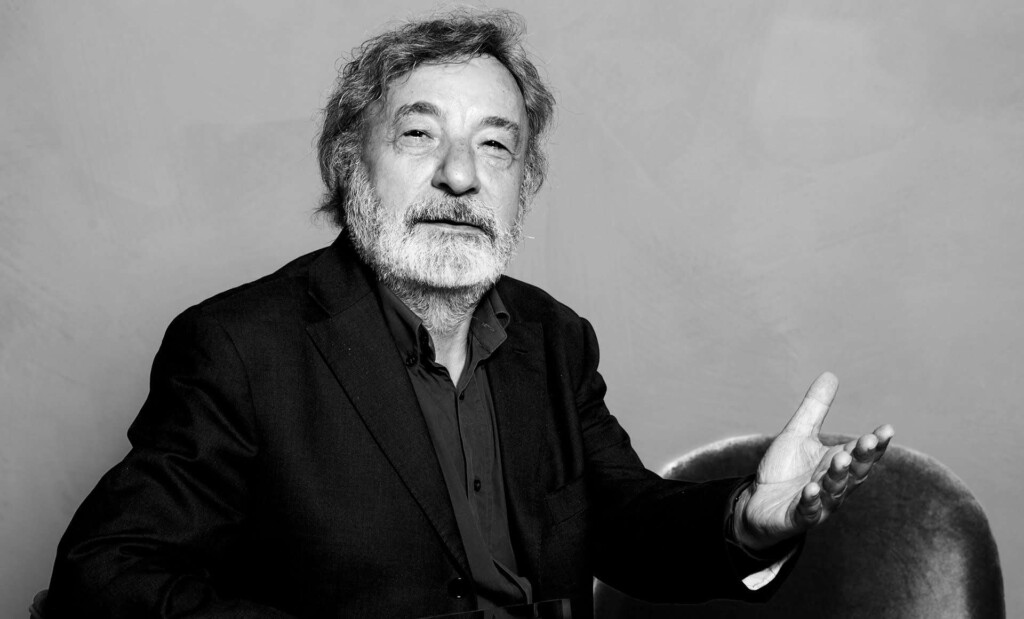
Gianni Amelio was born in San Pietro di Magisano, province of Catanzaro, in Calabria. His father moved to Argentina soon after he was born. He spent his youth and adolescence with his mother and grandmother. The lack of a father figure will be a common thread in Amelio’s future works. During his university studies in Messina, Amelio began to think about cinema, writing as a film critic for a local newspaper. In 1965 he moved to Rome, where he worked as an operator and assistant director for people such as Liliana Cavani and Vittorio De Seta.
Amelio’s initial work is the television film La città del sole, directed in 1973 for RAI and inspired by the work of Tommaso Campanella. In 1982 he made his film debut with Colpire al cuore, about Italian terrorism, presented at the Venice Film Festival. In 1987 Amelio created The Boys of Through Panisperna, about the lives of Italian physicists of the 1930s such as Enrico Fermi and Edoardo Amaldi. 1989’s Open Doors (Open Doors), including Gian Maria Volonté, established Amelio as one of Italy’s best directors and won best foreign film at the 1991 Academy Awards.
Interesting was The Child Thief in 1992, which won the Special Jury Prize at the 1992 Cannes Film Festival plus 2 Silver Ribbons and 5 David di Donatello. In 1994 Lamerica, on the Albanian migration to Italy, doubled its success, with 2 Silver Ribbons and 3 Davids. 4 years later, Cosi Laughing (So They Laughed) won the Golden Lion at the Venice Film Festival. Amelio won another Nastro d’Argento for best director for 2004’s The Keys to the House.
The Lost Poet
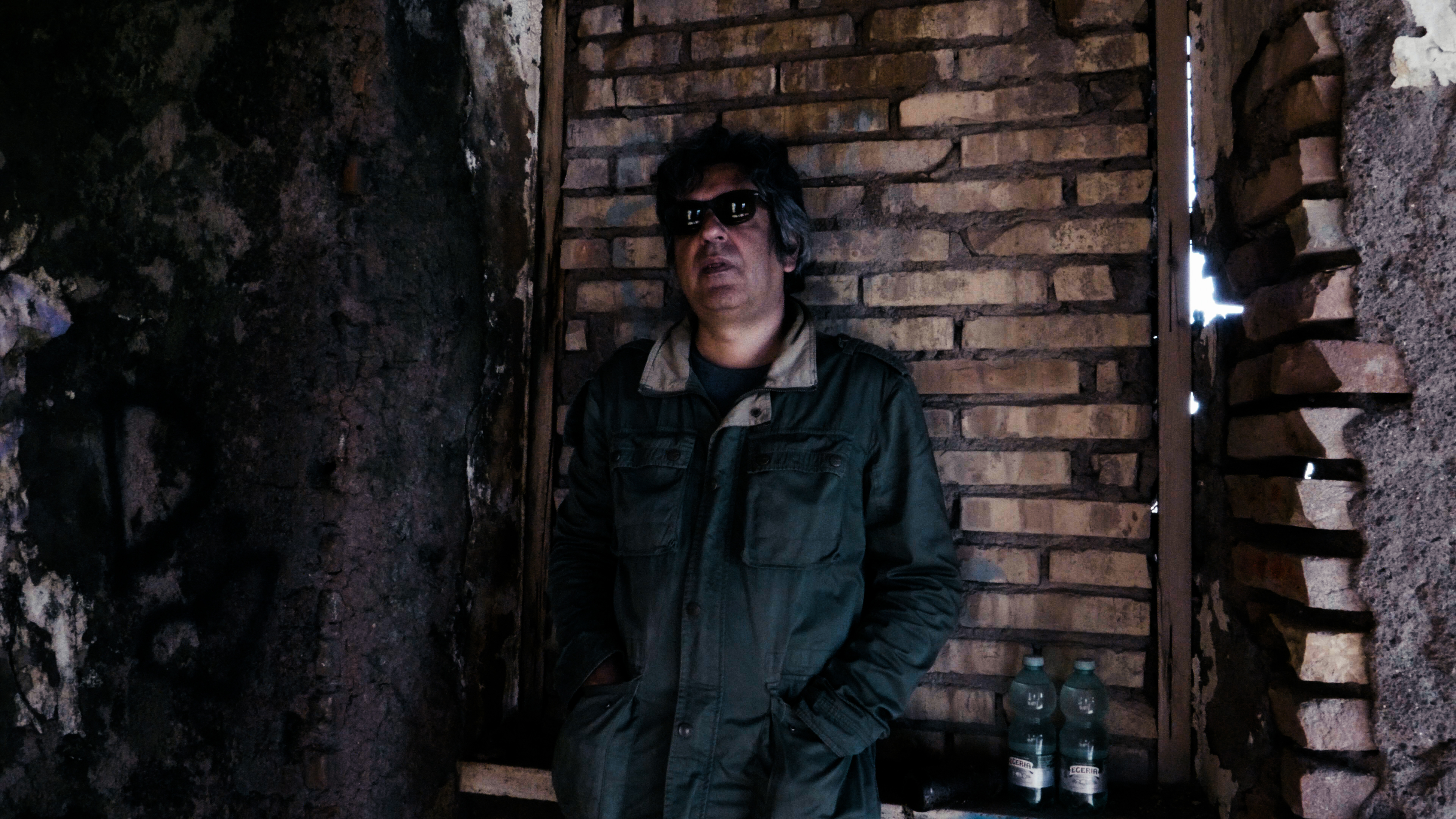
Drama, by Fabio Del Greco, Italy, 2024.
Dante Mezzadri wants to see an old friend, nicknamed the Iguana, whom he has lost sight of for many years, and who has managed to turn their shared youthful passion for poetry into a job, becoming a famous writer and poet. The man escapes from his bourgeois life and his wife to live homeless on the Roman coast, printing and trying to sell his poetry collections. At night he sleeps in a park of old carnival floats, inside a papier-mâché tank, and waits for the opportunity to meet his old friend, who however never shows up for appointments in the places they frequented when they were young, now in ruins. Dante's poetry books do not interest anyone and to support himself he is forced to "change product": he starts selling the infamous "cannibal pill" on behalf of young drug dealers, a new drug that sells like hot cakes and causes sensory and consumerist ecstasy. However, he realizes that this powerful drug is very dangerous for those who take it, he comes into conflict with his ethical conscience and throws all the pills into the sea. However, the dealers want to collect their money.
Shot over a period of 2 years, the film is a reflection on the cultural and artistic rubble of the society in which the protagonist lives, in an increasingly mechanized, consumerist and arid world. Dante Mezzadri is yet another human being who has renounced his inspiration and his creativity, but unlike many he is not willing to give his life to a system that distances him from his true identity. The physical world around him, however, seems constructed in such a way that it seems impossible to escape from this "invisible cage". The enthusiasm of the people he meets is ignited only by sensory gratification, by unreal visions of personal affirmation and success, by "metaverses" that offer an escape into an illusory and destructive reality. The poet's house on the coast, where he met with his friends as a young man, is just a pile of abandoned rubble. What happened to all those who wanted to become poets and ended up becoming something else? Are there internal forces with which that house can be "rebuilt"?
LANGUAGE: Italian
SUBTITLES: English, Spanish, French, German, Portuguese
Michelangelo Antonioni
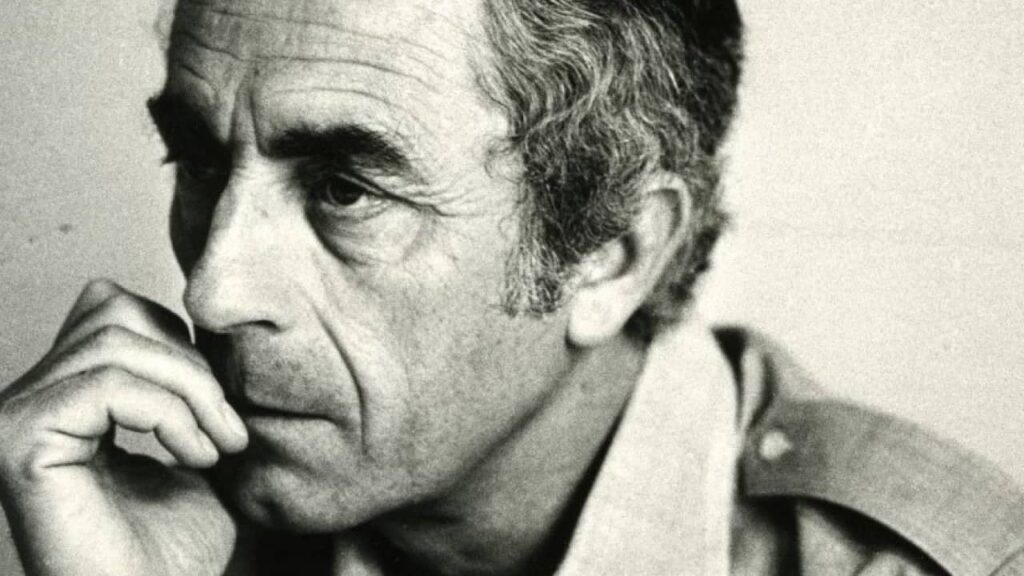
Michelangelo Antonioni was born into a prosperous landowning family in Ferrara, located within the Emilia Romagna region of northern Italy. Despite his origins in an affluent family, Antonioni’s journey to success wasn’t confined by his initial circumstances. For a significant period, he belonged to a working-class sector and diligently worked his way to financial stability through attending night classes and engaging in various forms of work. From an early age, he displayed a natural affinity for the arts, with a particular passion for drawing and music. Demonstrating remarkable talent, he took up the violin and became adept at playing it, showcasing his skills in a public performance at the tender age of 9. However, during his teenage years, he experienced a transformative moment with the discovery of cinema, leading him to set the violin aside, yet he retained a lifelong devotion to drawing.
Antonioni ultimately carved a distinctive niche for himself within the cinematic world, becoming renowned especially for his innovative approach to filmmaking that explored themes of modernity and alienation. His celebrated trilogy includes three pivotal films: “L’Avventura” (1960), “La Notte” (1961), and “L’Eclisse” (1962), which are lauded for their deep exploration of societal disconnection and personal estrangement. These works earned him considerable acclaim and distinguished them as significant contributions to global cinema. Additionally, his entry into English-language films was marked by “Blow-up” (1966), which continues to be regarded as a masterwork, further solidifying Antonioni’s reputation as a visionary director in the international film landscape.
His films are often described as enigmatic explorations into the depth of the human soul, marked by plots that provide an escape from the mundane reality, offering unexpected and innovative visual compositions. These works delve deeply into the complexities of modern landscapes, imprinting a unique obsession with their portrayal. His cinematic creations have had a profound impact on the development and style of subsequent art cinema, leaving a lasting legacy on future generations of filmmakers. Antonioni’s accolades are numerous, highlighting his distinguished contribution to the film industry. He remains unparalleled as the only director to achieve the prestigious distinctions of having won the Palme d’Or at Cannes, the Golden Lion at Venice, the Golden Bear at Berlin, and the Golden Leopard at Locarno, securing his place as a titan of international cinema.

Dario Argento

Dario Argento is an Italian director, screenwriter, and producer, a master of horror and giallo cinema. Born in Rome, he revolutionized the genre with films such as “The Bird with the Crystal Plumage” (1970), the first of the Animal Trilogy, “Deep Red” (1975), and “Suspiria” (1977). His stories intertwine gruesome murders, psychological mysteries, and dreamlike settings, often accompanied by music by Goblin.
Argento’s style is distinguished by his masterful use of the killer’s subjective camera, baroque framing, and obsessive attention to visual detail, such as saturated colors and expressionist lighting. A pioneer of the “metaphysical giallo,” he explores the boundary between reality and nightmare, influencing generations of horror directors. Critics praise his ability to create tension through sound and image, making him an icon of Italian genre cinema, despite accusations of excessive stylization. His work has elevated Italian horror to an international level.
Pupi Avati
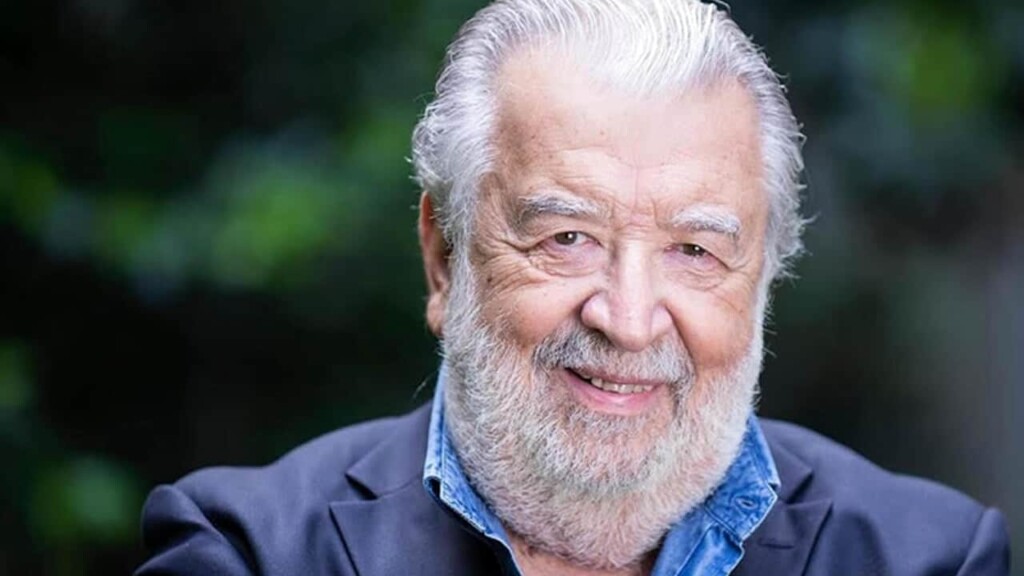
Pupi Avati, born November 3, 1938, is an Italian screenwriter, producer and film director. He is known to horror film fans for his two crime works of art, The House with Laughing Windows (1976) and Zeder (1983). After attending school and studying Political Science at the University of Florence, he began working at a frozen food company. At the same time, he became passionate about jazz, ending up as a professional clarinetist.
In the second half of the 1950s he played and trained in the Doctor Dixie Jazz Band, which also included Lucio Dalla. At first he thought he was an expert musician, then he realized he didn’t have the essential skill. In the mid-1960s he chose to devote himself to cinema after seeing 8 1/2 by Federico Fellini. Avati’s enthusiasm for music, as well as his love for his hometown, which was the setting for most of his films, would end up being recurring themes in his productions.
Mystery of an Employee
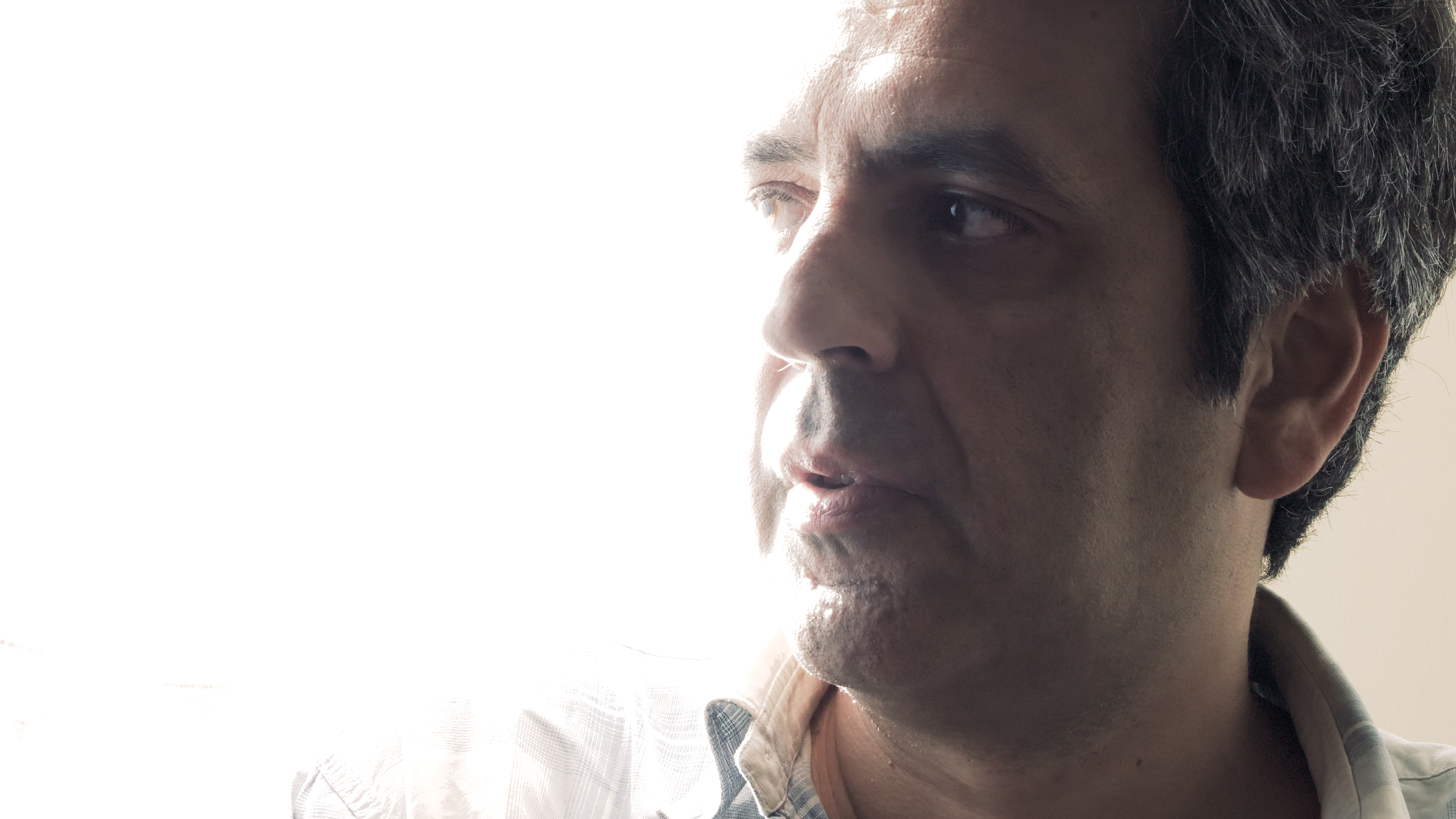
Drama, thriller, by Fabio Del Greco, Italy, 2019.
Someone wants to control the life of the employee Giuseppe Russo: the products he buys, his political and religious faith, his private life, even his dreams. But he will do anything to escape control and find his true self. Giuseppe is a man of around 45, married, with a stable job and a home of his own. His life flows seemingly peacefully when he meets a mysterious tramp who gives him some old VHS video cassettes. Giuseppe begins to see video tapes in which he is filmed in some moments of his life since he was a child, then as a teenager and as a young man. Who shot those videos that he remembers nothing about? Giuseppe has the strange sensation of being constantly observed and begins to investigate what is happening. Through his investigation of him, he begins to rediscover his true identity and become aware of who he truly is.
Employee's Mystery is a film that highlights the danger of social control and shows a society where everyone is constantly monitored and conditioned in their deepest selves. The film is also an analysis of human nature and identity. Fabio Del Greco, who plays Giuseppe, gives an engaging performance. Equally good is Chiara Pavoni, in the role of Giada Rubin and Roberto Pensa in the role of the tramp. Employee's Mystery is a film that addresses important themes in an original way, a psychological thriller that keeps the viewer glued to the screen until the end: a metaphor for contemporary society, in which people are increasingly monitored and conditioned by the media and technologies . It is a courageous and provocative work, which addresses important themes in an original way.
LANGUAGE: Italian
SUBTITLES: English, Spanish, French, German, Portuguese
Mario Bava
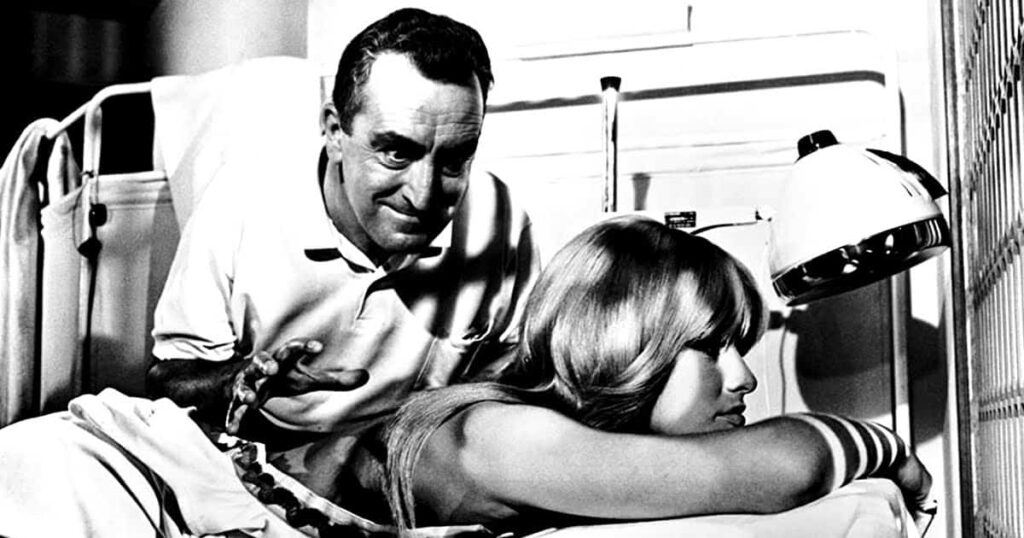
Mario Bava was born in Sanremo, Liguria, on 31 July 1914. Mario Bava’s very first aspiration was to become a painter. Unable to finish paintings at a good pace, he entered his father’s service, working as an assistant to other Italian cinematographers such as Massimo Terzano. He also assisted his father in the special effects department at the Luce Institute. He has worked as a director, cinematographer, special effects artist and film writer, regularly regarded as the Master of Italian horror. His low-budget genre films, known for their unique visual style and ingenious technical resourcefulness, are a mix of fiction and realism.
He was a leader of Italian genre cinema, and is considered among the most important authors in the horror genre. After offering impactful work and other help on productions such as Hercules (1958) and Caltiki, The Immortal Monster (1959), Bava made his directorial debut with the horror film Black Sunday, released in 1960. He went on to direct films such as The Girl Who Knew Too Much, Black Sabbath, The Body and the Whip, Six Daughters (1964), Planet of the Vampires, 1965, Kill , Baby, Kill, 1966), Diabolik (1968), Chain Reaction (A Bay of Blood, 1971), The Horrors of Nuremberg Castle (Baron Blood, 1972), Lisa and the Devil (1974) and Rabid Dogs (Rabid Dogs, 1974).
A vision curated by a filmmaker, not an algorithm
In this video I explain our vision
Marco Bellocchio
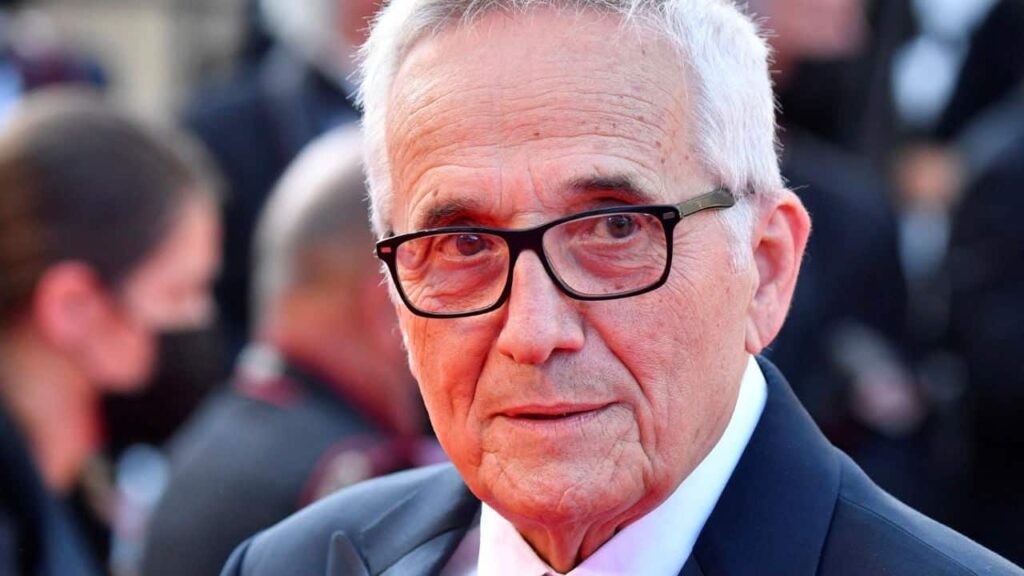
Born in Bobbio, near Piacenza, Marco Bellocchio had a strict Catholic childhood: his father was a lawyer, his mother a teacher. He began studying in Milan but then chose to enter film school, first at the Centro Sperimentale di Cinematografia in Rome, then at the Slade School of Fine Art in London. His very first film, Fists in the Pocket, was financed by a relative and shot at home, in 1965. Bellocchio’s films include China is Near (1967), Slap the Monster on Page One) (1972), In the name of the Father (1972), Marcia triumphale (Victory March, 1976), Salto nel vento (A Leap in the Dark, 1980), Enrico IV (Henry IV, 1984 ), Devil in the Flesh, 1986 and My Mother’s Smile, 2002.
Bernardo Bertolucci
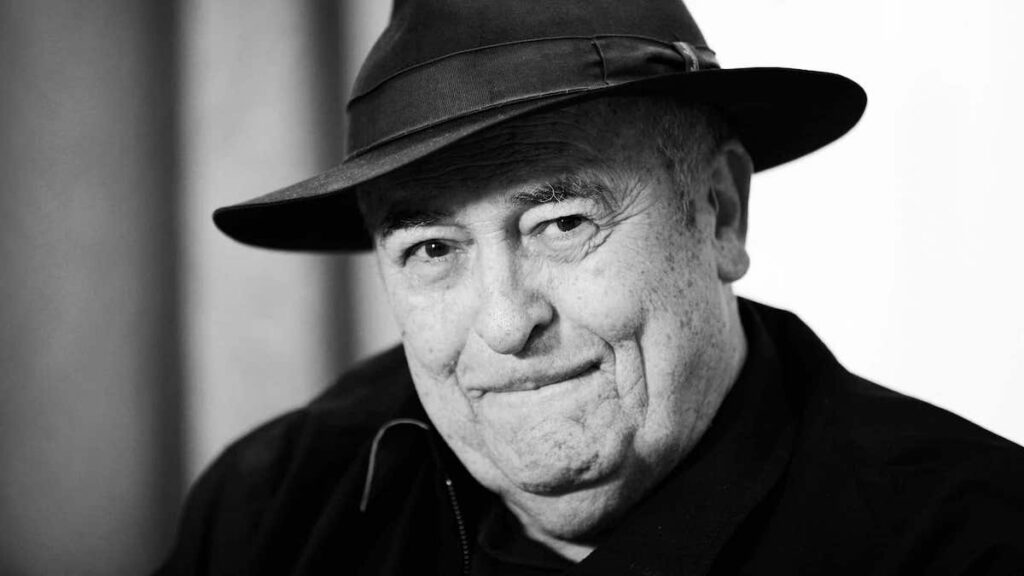
Bernardo Bertolucci was an Italian director and screenwriter with a career that spanned 50 years. Considered among the best directors of Italian cinema, Bertolucci’s work has achieved worldwide recognition. He was the first Italian director to win the Academy Award for Best Director for The Last Emperor (1987), with many awards including 2 Golden Globes, 2 David di Donatello, a British Academy Award and a César Award.
A student of Pier Paolo Pasolini, Bertolucci made his directorial debut at 22 years old. His second film, Before the Revolution (1964), had strong global reviews and has been called a work of art of Italian cinema. His 1970 film The Conformist, an adaptation of Alberto Moravia‘s original, is considered a classic of world cinema and was shortlisted for an Academy Award for Best Adapted Screenplay and the Berlin Golden Bear. His 1972 sensual drama Last Tango in Paris was scandalous and hampered by censors because of its sex scenes, as well as an unscripted rape scene, which actress Maria Schneider did not allow. This was followed by films such as the historic and impressive Novecento (1976), the family drama La Luna (1979) and the black comedy Tragedy of a Ridiculous Man (1981).
His epic movie 1987’s The Last Emperor, a biopic of Chinese emperor Puyi, was a critical and commercial success, garnering rave reviews and Oscars for Best Picture and Best Director. He followed his success with 2 more films in his “Oriental Trilogy”: The Sheltering Sky, an adaptation of the book of the same name, and Little Buddha, an epic spiritual film about Buddhism. His 1996 film, Stealing Beauty, brought him his second nomination for the Palme d’Or. He continued directing well into the 21st century, launching his last film, Io e te (Me and You), in 2012. Bertolucci’s films deal with themes of politics, sexuality, history, class struggle and social taboos and his style has influenced numerous directors. Some of his films are considered among the best films of all time.
Mauro Bolognini
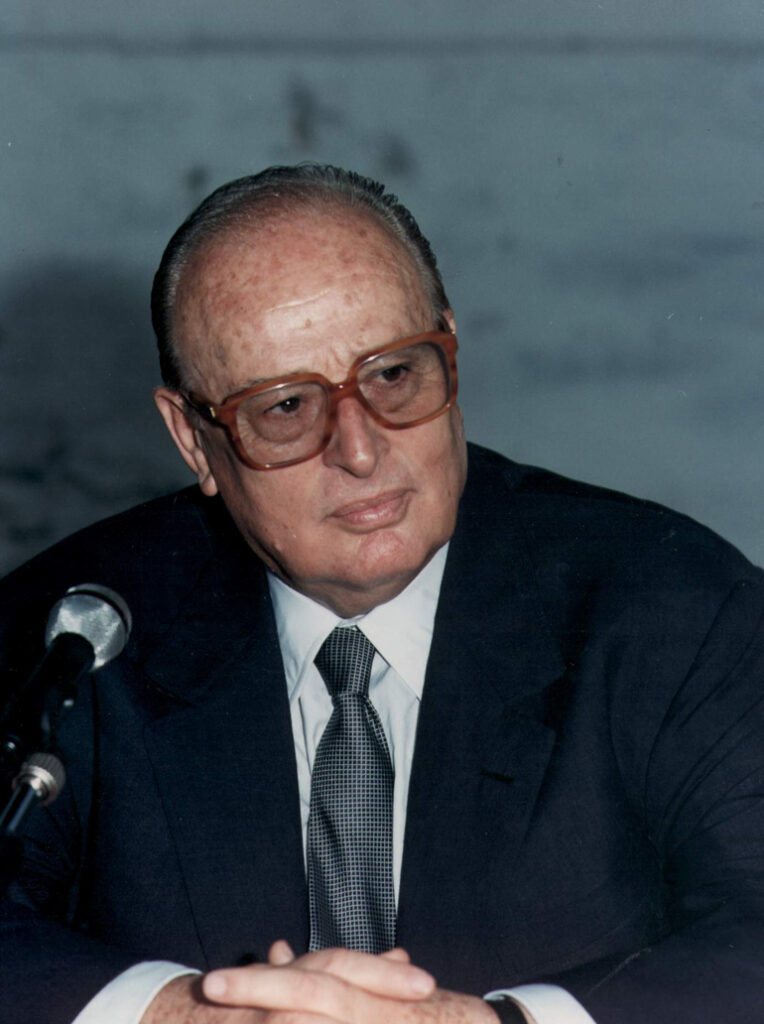
Mauro Bolognini was one of the most elegant and underrated directors of Italian cinema, known for his literary adaptations of rare visual beauty. Collaborating with screenwriters like Pasolini and Moravia, Bolognini brought to the screen a 19th and early 20th century Italy of great visual appeal, with films like Il bell’Antonio (1960) and La viaccia (1961), exploring sexuality, social conventions, and bourgeois hypocrisy.
Bolognini’s direction is distinguished by an almost manic attention to photography, costumes, and sets, which transform each of his films into an authentic visual fresco. His sensitivity to the erotic and psychological dimensions of the characters, often repressed by social conventions, runs consistently throughout his work. By collaborating with the best cinematographers of the time, Bolognini created a cinema of extraordinary aesthetic refinement that deserves a deep critical rediscovery, far from the simplistic categorizations with which it has often been dismissed.
Tinto Brass
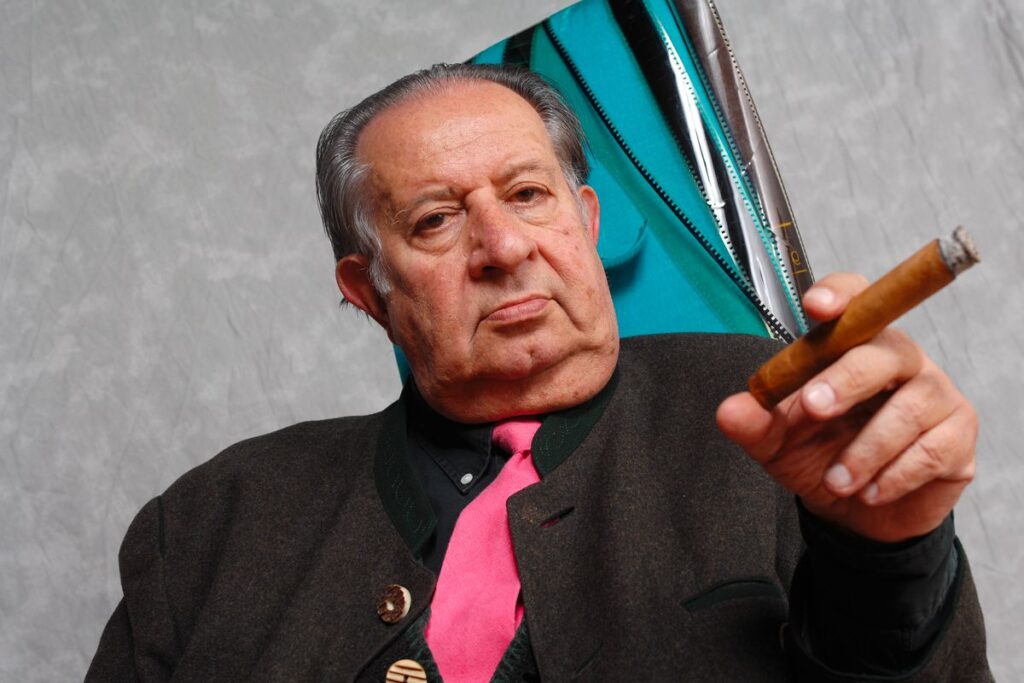
Tinto Brass, born Giovanni Brass, is an Italian director specializing in erotic cinema. Born in Venice, he directed “The Key” (1983), “Monamour” (2005), and “Caligula” (1979, contributions). His films boldly explore sexual desires, often adapting literature such as “The Virgin Wife” (1975).
Brass’s style is characterized by low-angle shots and voyeuristic framing that celebrates the female body in motion, with warm lighting and sensual compositions. A pioneer of post-Fellini Italian erotica, he challenges bourgeois taboos through provocative and ironic narratives, emphasizing sexual liberation. Critics call him the “king of erotic glamour,” appreciating his aesthetic sophistication despite censorship controversies. His work endures into the 21st century, influencing European independent cinema with an elegant, non-vulgar eroticism.
Claudio Caligari
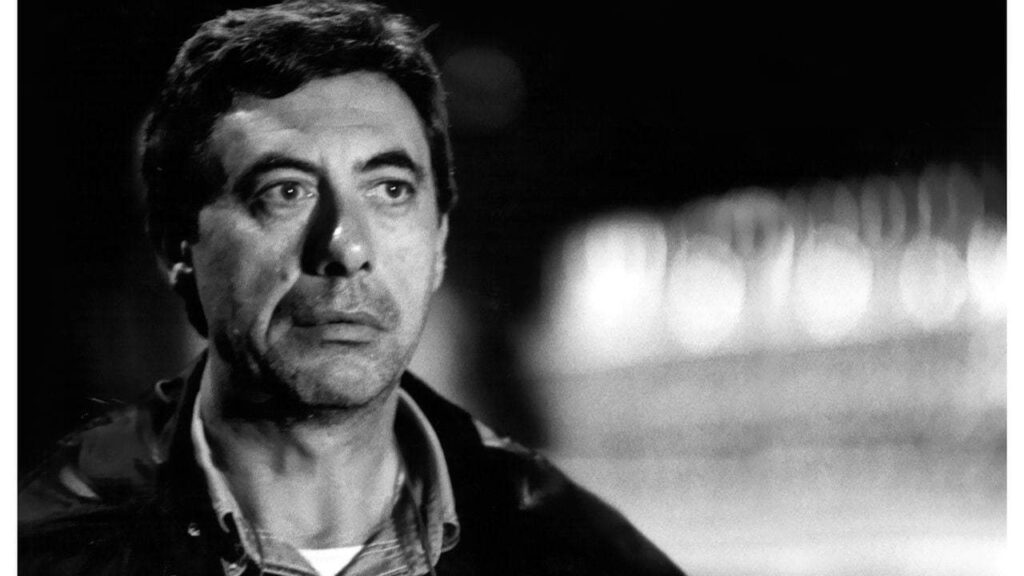
Born in Arona, Piedmont, Claudio Caligari began his profession as a documentary filmmaker, often collaborating with Franco Barbero; his first ever work was Why Drugs (1975). He launched his first feature film in 1983, with the drug-focused drama Toxic Love, which won the De Sica Award at the 40th Venice International Film Festival. Only fifteen years later he directed another work, the neo-noir The Scent of the Night. He finished editing his latest and third film, Don’t Be Bad, a couple of days before his death from cancer.
Liliana Cavani
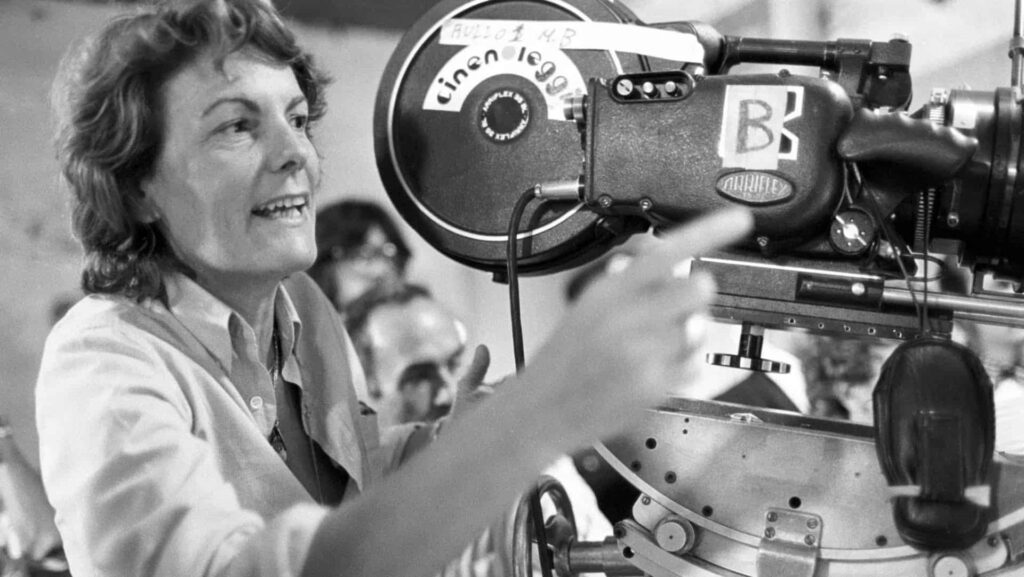
Liliana Cavani is an Italian director and screenwriter. He comes from a generation of Italian filmmakers from Emilia-Romagna who entered the scene in the 1970s, made up of Bernardo Bertolucci, Pier Paolo Pasolini and Marco Bellocchio. Cavani ended up becoming known around the world after the success of her 1974 feature film The Night Porter. His films deal with historical issues. In addition to making documentaries and films, he has also directed operas.
Sergio Citti
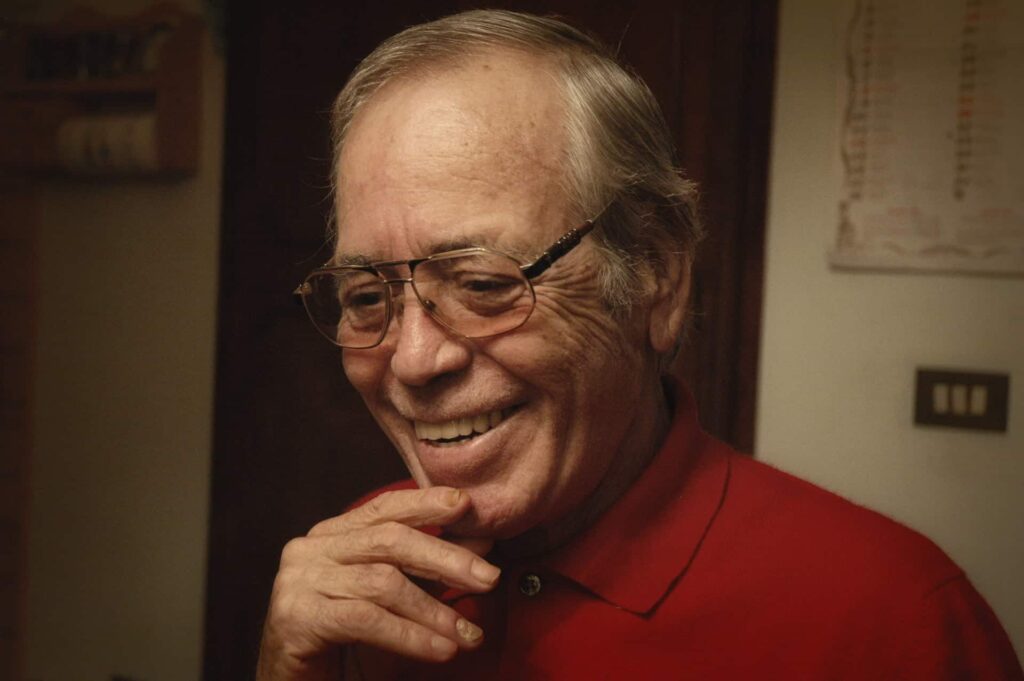
Sergio Citti was an Italian director and screenwriter, born in Rome in 1933. He usually worked with Pier Paolo Pasolini, but also for other directors such as Ettore Scola. His films include We Free Kings, for which he won a Silver Ribbon for Best Original Story. His 1981 film Il minestrone participated in the 31st Berlin International Film Festival. His 1977 film Beach House was part of a retrospective on Italian comedy at the 67th Venice International Film Festival. He was the brother of the actor Franco Citti. Among his masterpieces are Ostia (1970), Storie scellerate (1973), Mortacci (1989).
Luigi Comencini
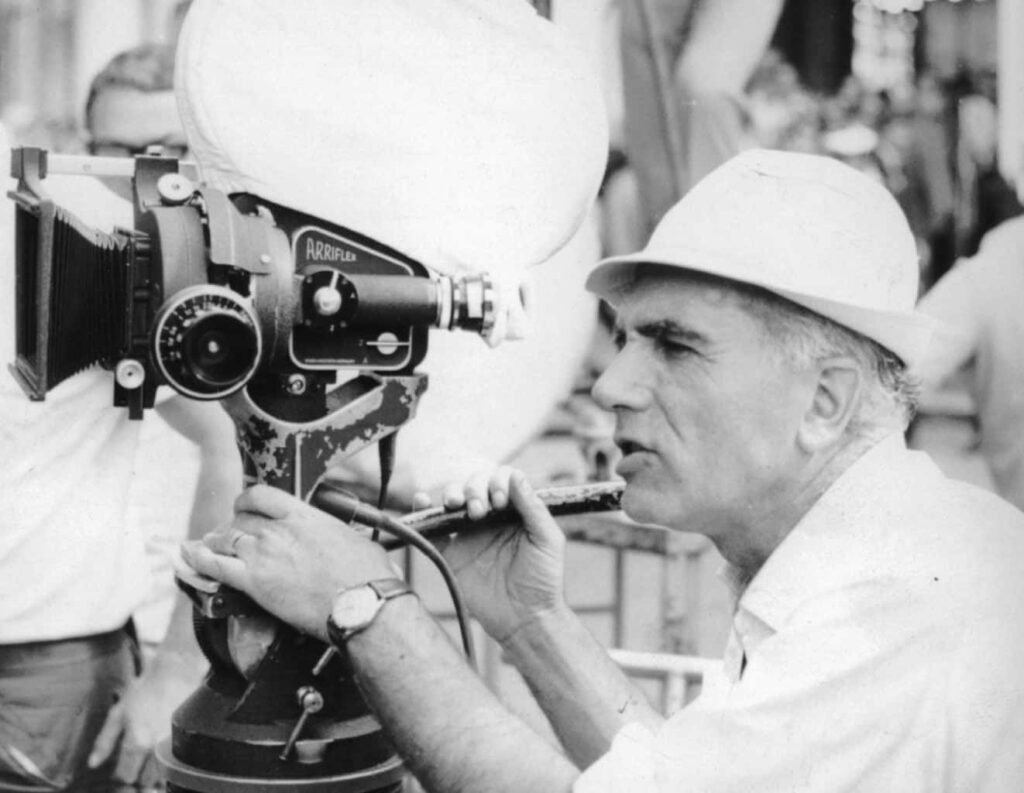
Luigi Comencini was an Italian director. Together with Dino Risi, Ettore Scola and Mario Monicelli, was considered among the masters of Italian comedy. His first successful film was The Emperor of Capri, with Totò. Comencini’s 1953 Bread, Love and Fantasy, with Vittorio De Sica and Gina Lollobrigida, is considered an example of pink neorealism. Followed by Bread, Love and Jealousy. After having directed Alberto Sordi for the first time in La belle di Roma (1955), Comencini once again confronted Sordi in what is considered his masterpiece, Tutti a casa, a bitter comedy about Italy after the armistice of 1943. The film won the Special Prize at the 2nd Moscow International Film Festival. Set in the Second World War, but dedicated to the Italian partisans, is Bube’s Girl (1963). Followed by Incompreso (1966, based on the English book by Florence Montgomery). One of his must-see films is a TV serial, The Adventures of Pinocchio from 1972, an extraordinarily poetic 6-episode TV miniseries.
Vittorio De Sica
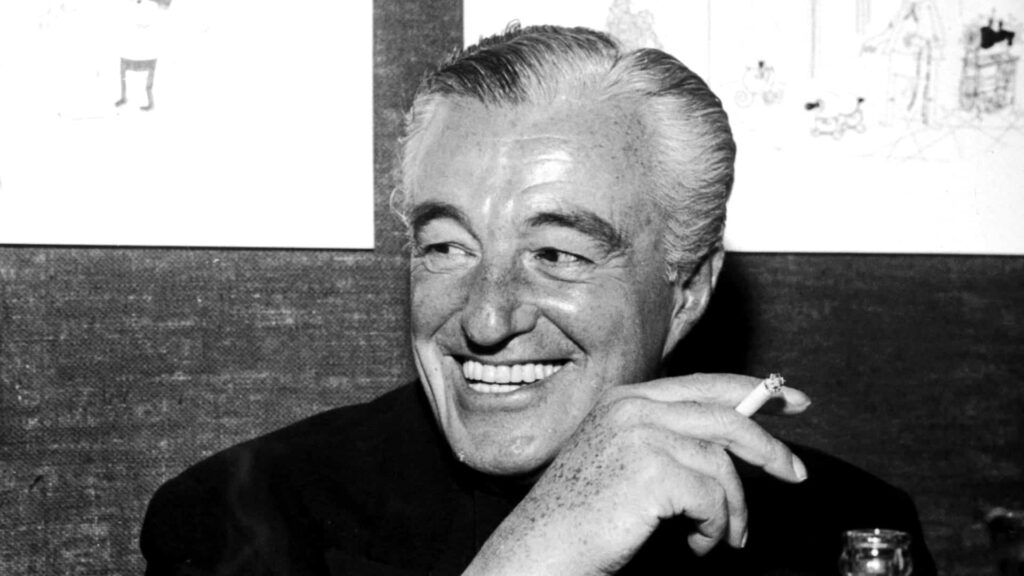
Vittorio De Sica was an influential Italian director and actor, widely recognized as a key figure in the neorealist movement, which sought to portray the everyday lives of ordinary people post-World War II. His exceptional prowess and contribution to cinema were underscored by the remarkable success of several films he directed, with four of them earning the prestigious Oscar. Notably, “Sciuscià” and “Bicycle Thieves” were honored by the Academy, the latter often hailed as the pinnacle of cinematic achievement by renowned directors and critics alike. In addition to these, “Yesterday, Today, Tomorrow” and “The Garden of the Finzi-Continis” also received Oscars for Best Foreign Language Film, further cementing De Sica’s reputation.
Significantly, “Sciuscià” holds the distinction of being the first foreign film recognized by the Academy of Motion Picture Arts and Sciences, alongside “Bicycle Thieves,” both of which remain influential masterpieces in the annals of film history. Beyond directing, De Sica showcased his versatile talent as an actor as well. He was nominated for the 1957 Academy Award for Best Supporting Actor due to his portrayal of Major Rinaldi in American director Charles Vidor’s adaptation of Ernest Hemingway’s “A Farewell to Arms.” Despite the film’s critical and commercial failure, where it struggled to impress audiences or critics at the box office, De Sica’s performance stood out, adding another dimension to his esteemed career in film.
Fernando Di Leo
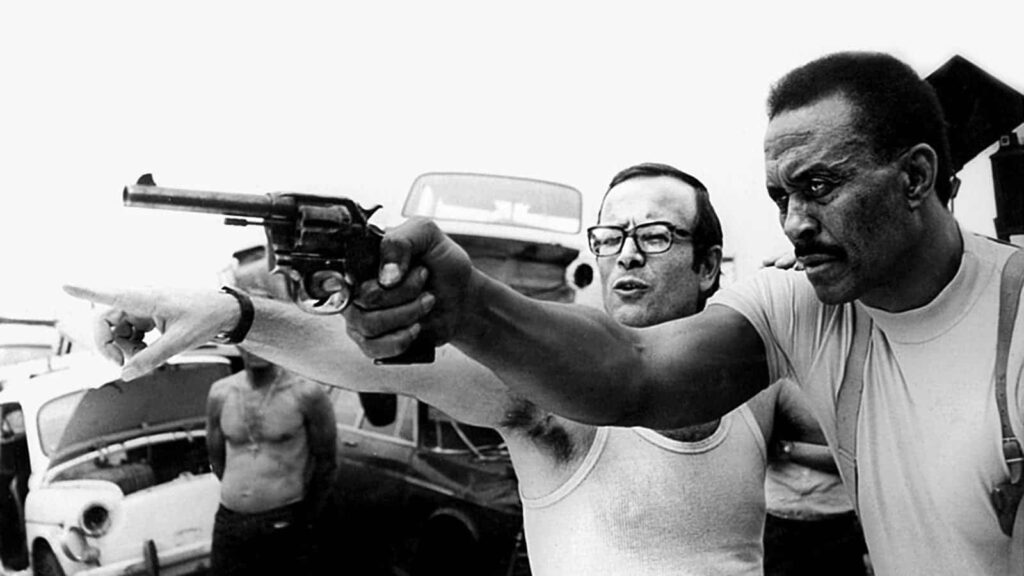
Fernando Di Leo was an Italian director and screenwriter. He made 17 films as director and around 50 screenplays from 1964 to 1985. Fernando Di Leo was born on 11 January 1932 in San Ferdinando di Puglia. After working for a short period at the Centro Sperimentale di Cinematografia of a film school in Rome, he made his debut as a director in the comedy The Heroes of Yesterday, Today, Tomorrow with his episode entitled A Place in Paradise. Di Leo later wrote numerous screenplays for westerns, often uncredited, such as A Fistful of Dollars and For a Few Dollars More. Some of his westerns had uncredited literary sources, such as Days of Vengeance which was loosely based on Alexandre Dumas‘ The Count of Monte Cristo.
Di Leo was a fan of noir movie and wanted to make an Italian variation of these films. Among his very first works was the screenplay for Mino Guerrini‘s Appointment for a Murder based on the novel Tempo di massacro by Franco Enna written in 1955. Di Leo began directing some of his own films at the time, including the war film Red roses for the Fuhrer and a couple of sexual films: Lady on Fire, The Wrong Way to Love and Seduction. From 1969 to 1976, di Leo was able to produce much of his own work with his production company Duania cineproduzioni 70. He returned to the noir genre with Naked Violence, a film adapting a short story by Giorgio Scerbanenco, an author that Di Leo will adapt for numerous future film productions.
Federico Fellini
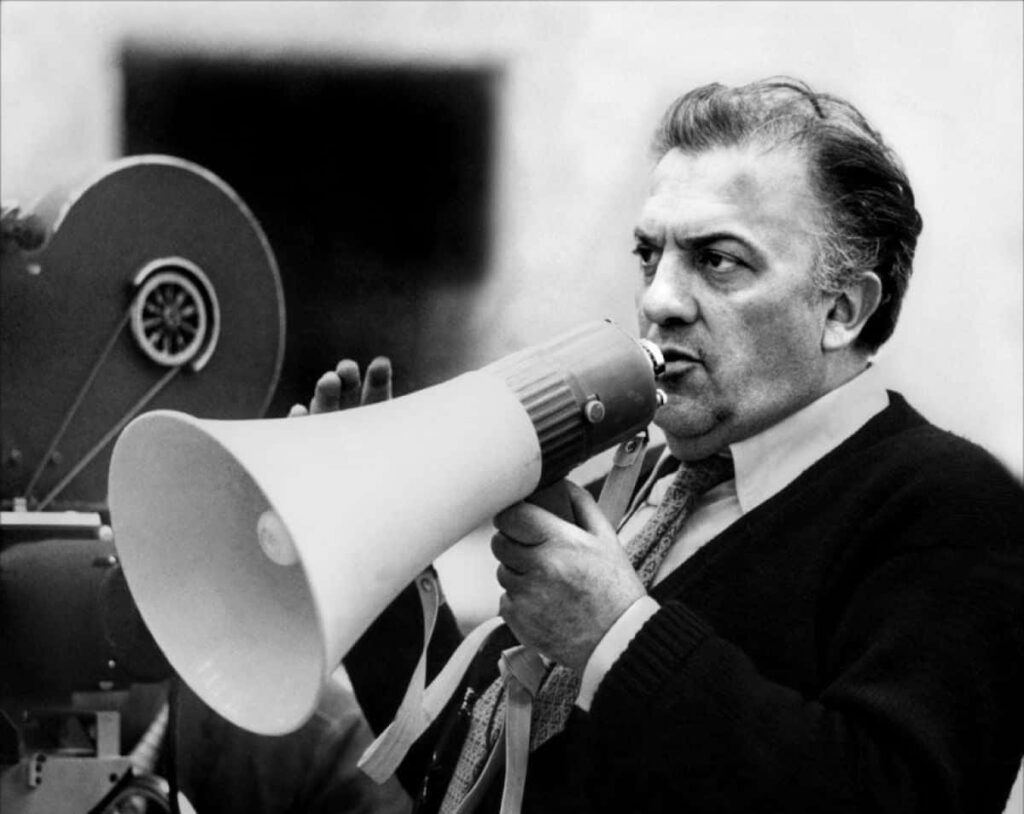
Federico Fellini, an illustrious figure in the realm of cinema, hailed from Italy and made an indelible mark on the world as both a director and a screenwriter. Renowned for his distinctive style, Fellini deftly crafted films that fused dreamlike sequences with elaborate and ornate imagery, creating a unique tapestry of visual storytelling that captivated audiences and critics alike. He is celebrated as one of the most pivotal and influential directors in cinematic history, leaving behind a legacy that continues to inspire filmmakers around the globe. His body of work includes numerous films that have been universally acknowledged as masterpieces of cinema, artfully blending elements of fantasy, reality, and introspection. Among his most notable creations are “The Road” (1954), a poignant narrative that explores the human condition and emotional depth through the lens of a traveling circus performer; “The Nights of Cabiria” (1957), an evocative tale that delves into the life and resilience of a spirited woman finding her way in post-war Italy.
“La Dolce Vita” (1960) stands as an iconic exploration of Rome’s high society, while “8 1/2” (1963) reflects an introspective and metaphorical journey akin to an artist’s self-discovery. Continuing his artistic evolution, Fellini presented “Juliet of the Spirits” (1965), a vibrant and surreal exploration of the subconscious mind. His satirical interpretation of classical literature shines in “Toby Dammit” (1968) and “Fellini’s Satyricon” (1969), with both films displaying his flair for blending classical themes with contemporary cinematic techniques. Fellini’s later works, such as “Roma” (1972), poetically convey his nostalgia and profound attachment to the eternal city, while “Amarcord” (1973) reminisces fondly about his formative years with whimsical charm and vivid imagination. Finally, “Fellini’s Casanova” (1976) chronicles the legendary lover’s life with a blend of opulence and authenticity, solidifying his repertoire as diverse yet unmistakably his own. Each film stands as a testament to Fellini’s visionary creativity and his unparalleled ability to bridge the tangible and the ethereal within the tapestry of filmmaking.
Marco Ferreri
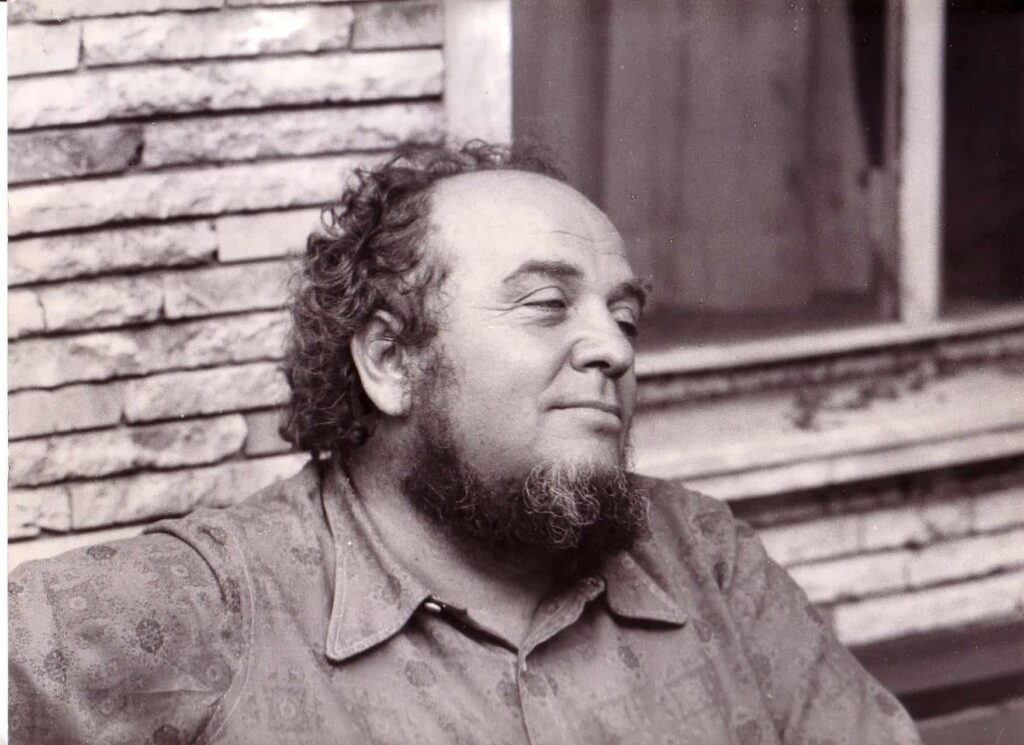
Marco Ferreri, an eminent Italian film director and screenwriter, was born in the bustling city of Milan. He started his illustrious career in the 1950s, embarking on a journey that began with directing three films in Spain. As his career evolved, Ferreri went on to direct an impressive total of 24 Italian films before his passing in 1997. Renowned and admired for his provocative approach to cinema, Ferreri emerged as one of Europe’s foremost cinematic provocateurs of his era. His works consistently garnered attention and acclaim on the international festival circuit. Notably, eight of his films competed at the prestigious Cannes Film Festival, a testament to his impactful and thought-provoking storytelling. In 1991, his creative prowess was further validated when he achieved a significant milestone by winning the coveted Golden Bear award at the Berlin Film Festival, solidifying his legacy in the annals of global cinema history.
Three of his acclaimed films have been included in the prestigious list of 100 films selected for long-term preservation due to their significant impact and contribution to Italian cinema. Among these, his most renowned work is “La Grande Bouffe,” released in 1973, which featured an exceptional cast including Marcello Mastroianni, Michel Piccoli, Philippe Noiret, and Ugo Tognazzi. A committed socialist and a declared atheist, his philosophies often permeated his work, offering a distinct blend of social commentary and artistic expression. His death was a significant loss to the cinematic world, as emphasized by Gilles Jacob, the creative director of the Cannes International Film Festival, who remarked, “Italian cinema has lost one of its most crucial artists, one of its most original voices. No one else was as uncompromising or as symbolic in depicting the crisis of modern humanity.”
Damiano Damiani
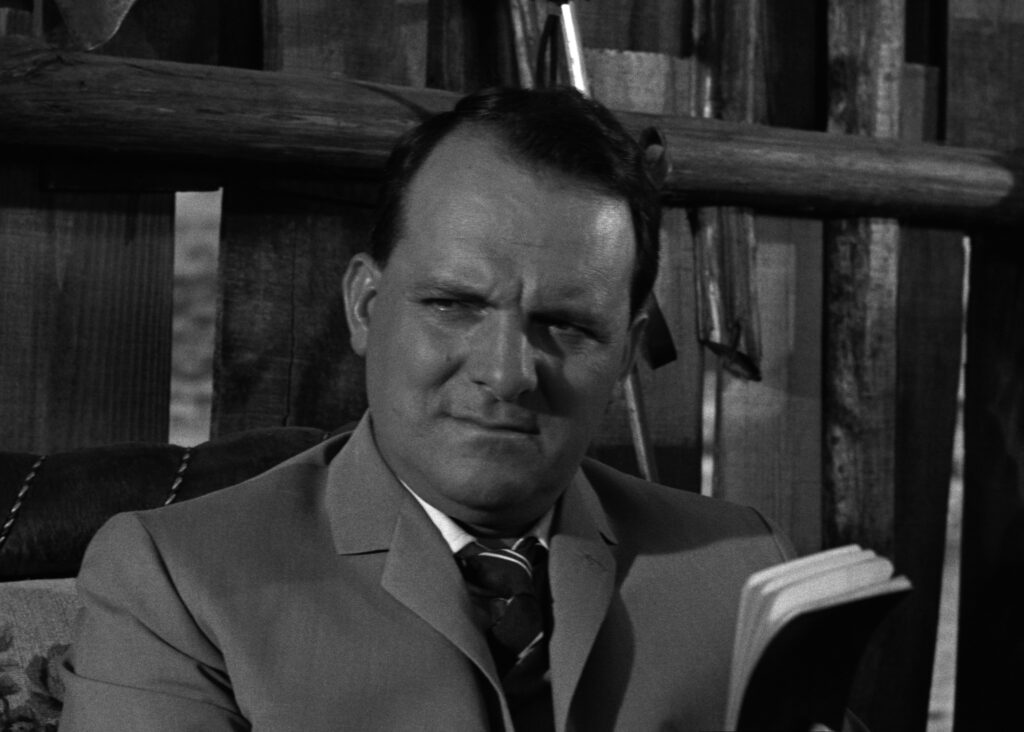
Damiano Damiani was one of Italian cinema’s most committed political filmmakers, a director whose work consistently interrogated the corrupting power of the Mafia, the state, and institutional violence. Films like ‘Confessione di un Commissario di Polizia al Procuratore della Repubblica’ and ‘Il Giorno della Civetta’ established him as a master of the political thriller, combining rigorous investigative narratives with vivid dramatic urgency and a deep moral seriousness.
Damiani’s cinema occupies a vital place in the tradition of Italian civil engagement filmmaking, alongside contemporaries like Rosi and Petri, yet he brought to the genre a particular directness and popular accessibility that widened his audience considerably. His films function simultaneously as compelling entertainment and rigorous political indictment, exposing the systemic roots of organized crime and governmental complicity with unflinching clarity. His later work in television, particularly the ‘La Piovra’ series, extended his political vision to a mass audience and cemented his legacy as a filmmaker of genuine civic importance.
Riccardo Freda
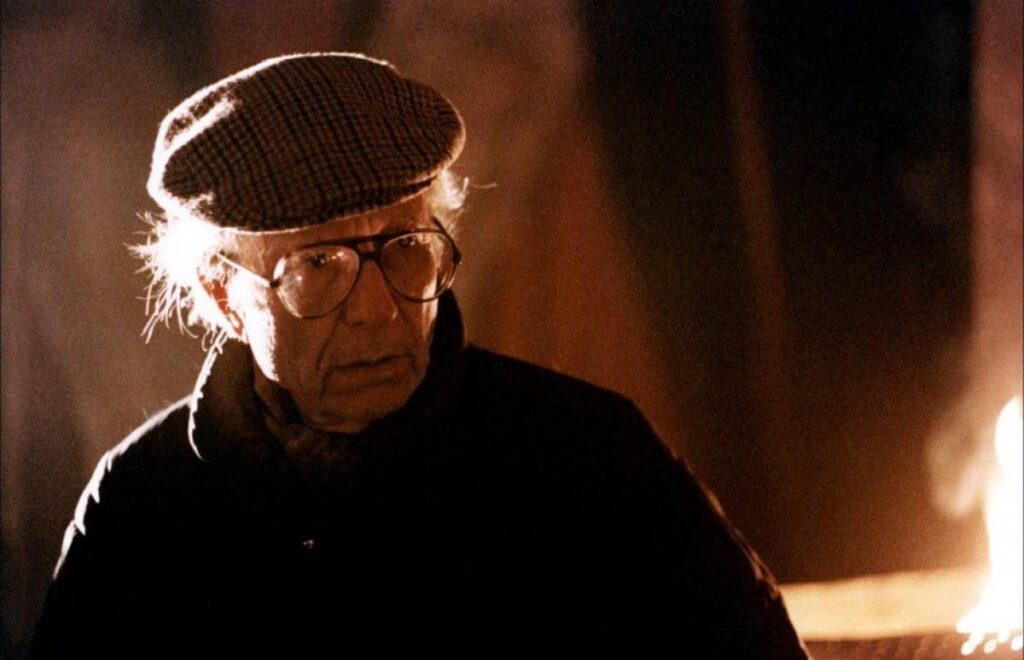
Riccardo Freda, born in 1909 in Alexandria, Egypt, was an Italian director who worked in a number of film genres, including cloak and dagger, crime, horror and spy films. Freda began directing The Vampires in 1956. After school he worked as a carver and art critic. Freda began working in the film market in 1937 and directed her first film Don Cesare di Bazan in 1942. The Vampires was the first Italian horror film of the sound period, after the only silent scary film Frankenstein’s Monster (1920) . The wave of Italian horror productions didn’t catch on until Mario Bava’s Black Sunday was released globally.
Lucio Fulci
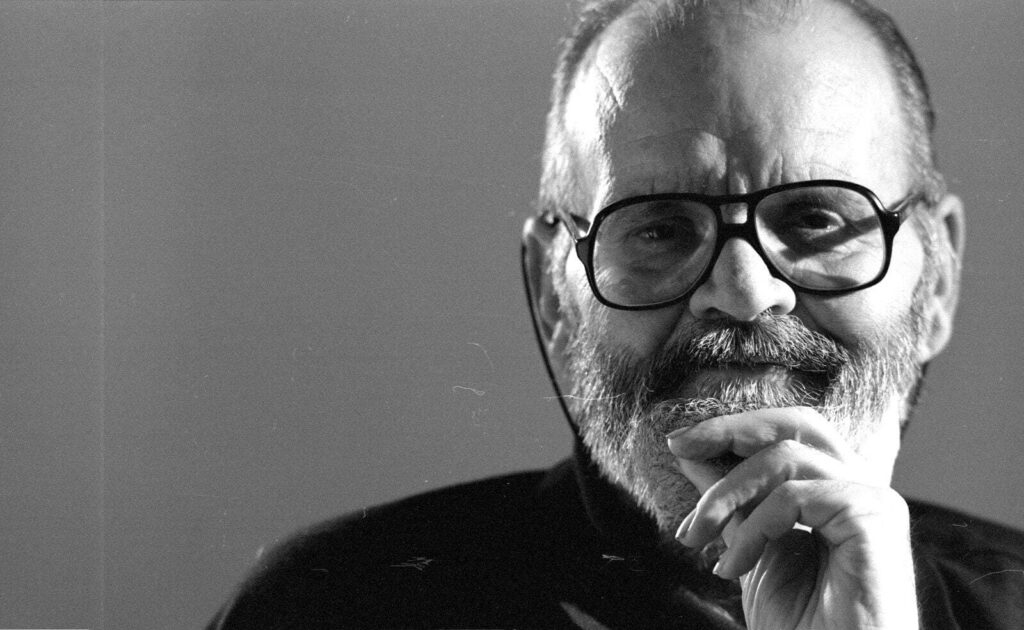
Lucio Fulci was an Italian writer, actor and film director. He has worked in a wide selection of categories such as Giallo movie and spaghetti westerns and has garnered a worldwide cult following. His most significant films are in the “Gates of Hell” trilogy – City of the Living Dead (1980), The Beyond (1981) and The House by the Cemetery (1981) – along with Massacre Time (1966), One Above the other (1969), Beatrice Cenci (1969), A lizard with the skin of a woman (1971), Don’t torture a Donald Duck (1972), White Fang (1973), The Four of the Apocalypse (1975), Seven Notes in Black ( 1977), Zombies 2 (1979), Contraband (1980), The New York Ripper (1982), Murder Rock (1984) and A Cat in the Brain (1990). For his telling imagery and nontraditional storytelling, Lucio Fulci has been called “The Poet of the Macabre” by critics and scholars, in reference to Edgar Allan Poe, whom he adapted into The Black Cat (1981). The high level of graphic violence present in many of his films, particularly Zombies 2, The Beyond, Contraband and The New York Ripper, has made him “The Godfather of Blood.
Matteo Garrone
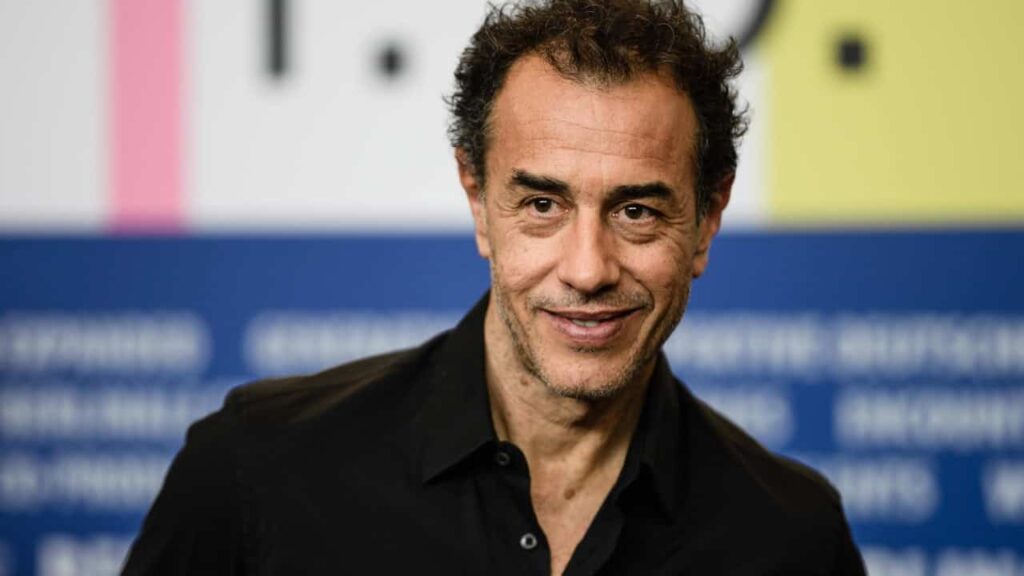
Matteo Garrone, renowned for his unique cinematic storytelling and evocative visual style, is an esteemed Italian film director born in Rome, Italy. Beginning his illustrious career in 1996, Garrone garnered significant attention by winning the prestigious Sacher d’Oro award, an accolade established by acclaimed filmmaker Nanni Moretti. This award was for his compelling short film Silhouette, which later formed an integral part of his debut feature film, Terra di mezzo, released in 1997. Garrone gained mainstream recognition with his gripping noir film The Embalmer in 2002.
His powerful depiction of crime and society in Gomorrah (2008) earned him the Best Director Award at the European Film Awards and the esteemed David di Donatello award, alongside numerous other accolades that established him as a leading figure in contemporary cinema. In 2012, Garrone’s film Reality captivated audiences and critics alike, securing a place in the competition at the Cannes Film Festival, where it was awarded the Grand Prix. Further cementing his reputation as a versatile filmmaker, his subsequent films Tale of Tales (2015) and Dogman (2018) were both selected for competition for the prestigious Palme d’Or at the Cannes Film Festival, in 2015 and 2018, respectively. Each of these works exemplifies Garrone’s distinctive approach to storytelling and reflects his profound impact on international cinema.
Pietro Germi
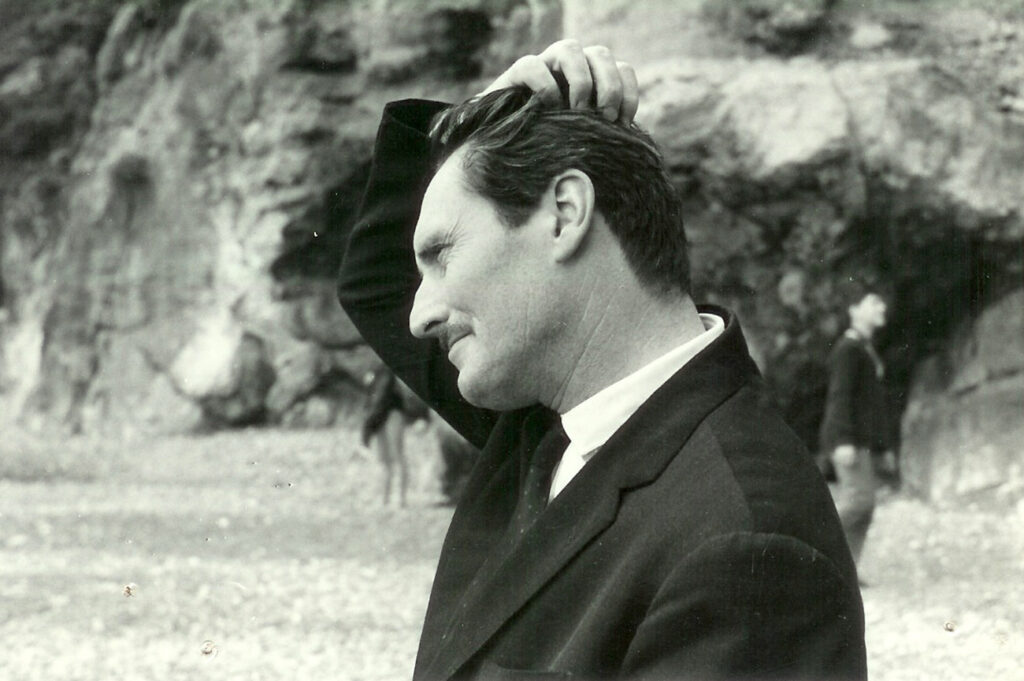
Pietro Germi was a director of extraordinary versatility, able to move from the harsh neorealism of In nome della legge (1949) to the incisive comedy of Divorce Italian Style (1961) and Seduced and Abandoned (1964). Originally from Genoa, Germi depicted Italy with a gaze that was both affectionate and merciless, unmasking the contradictions of a rapidly changing society, especially in the South.
The greatness of Germi lies in his ability to use the comic genre as a tool for sharp social commentary. Divorce Italian Style, with the extraordinary performance of Marcello Mastroianni, is a masterpiece of black humor that targets the codes of honor and the outdated laws of southern Italy. His visual style, understated yet effective, always serves the story and the characters. Germi is one of the few Italian directors to have won the Oscar for Best Original Screenplay, a sign of the international recognition of his art.
Emidio Greco
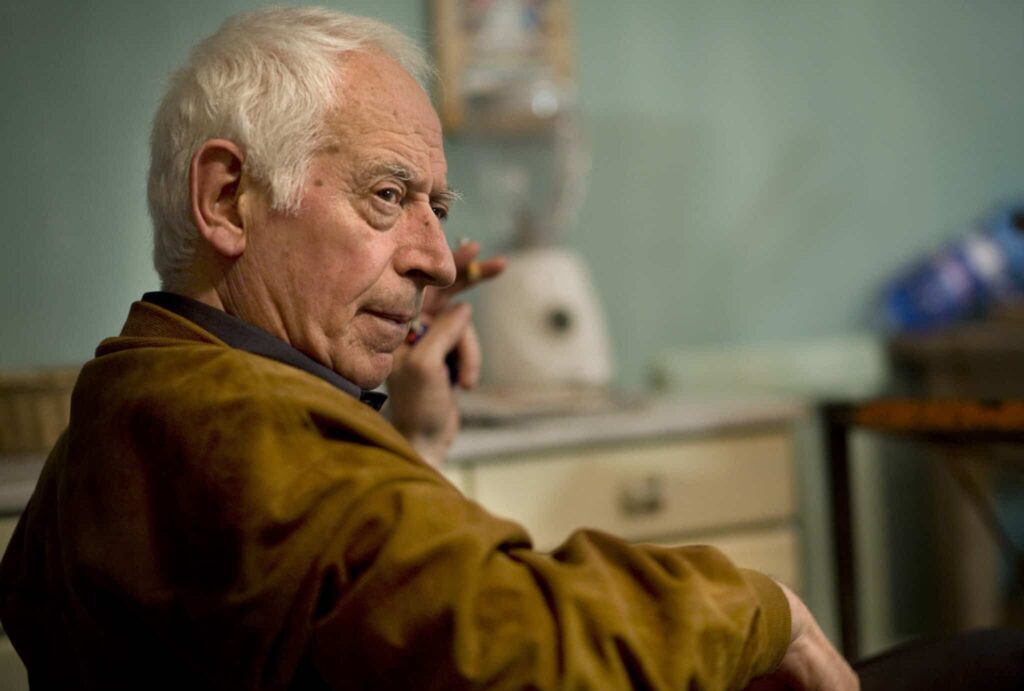
Emidio Greco was an Italian director and screenwriter, best known for the 1974 film Morel’s Invention. Born in Leporano, in the province of Taranto, Greco moved to Turin as a boy. In 1964 he finished at the Centro Sperimentale di Cinematografia, then, 2 years later, he began working as a documentary maker for RAI. In 1971 he collaborated with Roberto Rossellini, accompanying him to Chile for an interview with Salvador Allende. In 1974 Greco made his directorial debut in a feature film with The Invention of Morel which, appreciated by critics, marked him as a true promise of Italian art cinema. His second film, Ehrengard, recorded in 1982, would not be released until 2002 due to the bankruptcy of the producers. Since then he has directed 6 more films, generally adaptations of literary works. In 1991 he was awarded a Nastro d’Argento for best screenplay for the film A simple story. In 2004 Greco, together with Francesco Maselli, conceived and set up the “Giornate degli Autori” space at the Venice Film Festival.
Ugo Gregoretti
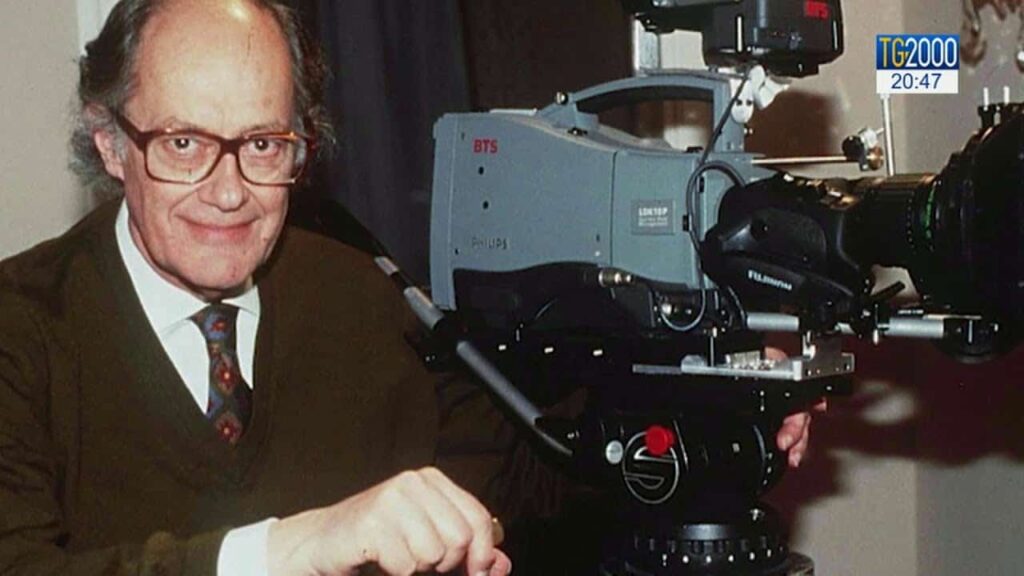
Ugo Gregoretti was an Italian film, television and theater director, actor, screenwriter, author and television host. He directed 20 films during his career. Born in Rome, Gregoretti joined RAI in 1953, working as a director and documentary maker. In 1960 he won the Italy Award for the television documentary La Sicilia del Gattopardo. In 1962 he made his film debut with the comedy drama The New Angels. In 1978 he began his activity in theater and opera. His work as a director has been primarily defined by a level of sensitivity to social and political problems integrated with a strange use of paradox and satire. In 2010 he was awarded a Silver Ribbon for lifetime achievement.
Luca Guadagnino
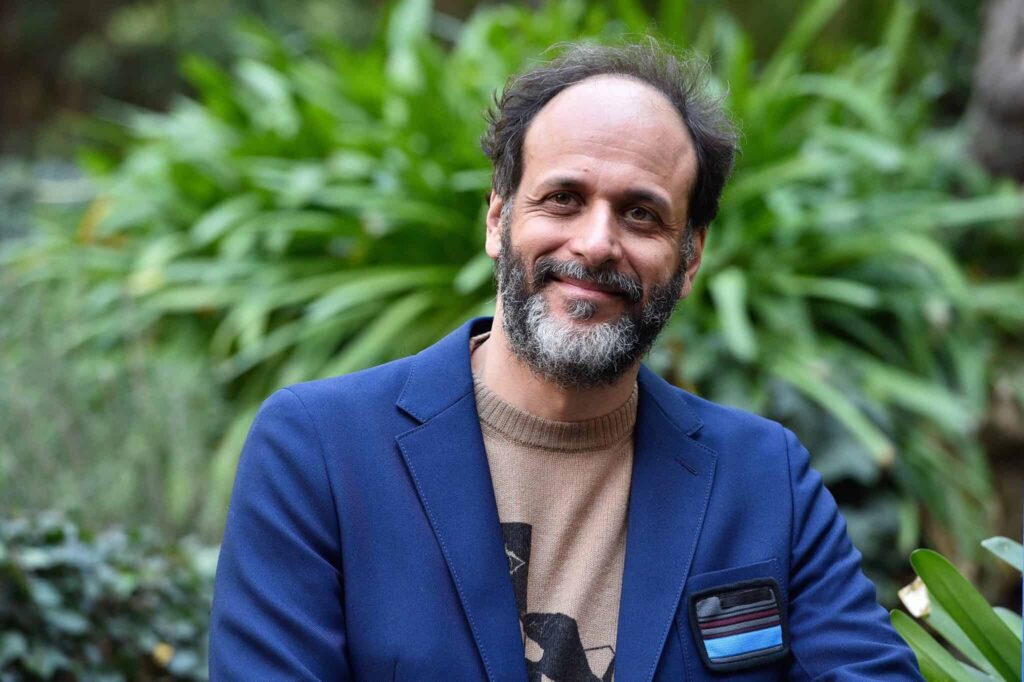
Luca Guadagnino was born on August 10, 1971 in Palermo and spent his early youth in Ethiopia, where his father taught Italian history and literature at a technical school in Addis Ababa. The family left Ethiopia for Italy in 1977 to avoid the Ethiopian civil war, settling in Palermo. Guadagnino is a writer, director and film producer. He worked together several times with actress Tilda Swinton in the films The Protagonists (1999), I Am Love (2009), A Bigger Splash (2015) and Suspiria (2018).
For the production and direction of Call Me by Your Name (2017), Guadagnino received crucial recognition and numerous awards, including elections for the Oscar for Best Film, the Nastro d’Argento for Best Director, the BAFTA Award for Best Director and Best Film, and the Golden Globe for Best Motion Picture – Drama.
Umberto Lenzi
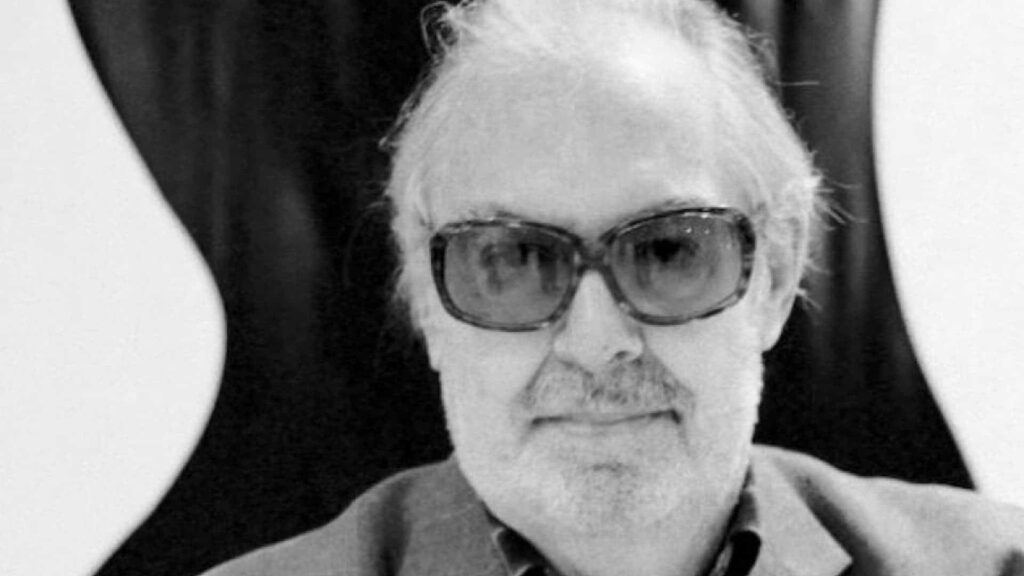
Umberto Lenzi was an Italian writer, screenwriter and director. Passionate from a young age, Lenzi studied at the Centro Sperimentale di Cinematografia and made his first film in 1958 which remained unpublished, while his main launch came in 1961 with The Adventures of Mary Read (Queen of the Seas). Lenzi’s films of the 1960s followed the popular patterns of the period, which led him to direct numerous spy films and sensual thrillers. In the 1970s he made crime films, crime films and the first film about an Italian cannibal with Man from the Deep River. He continued making films until the 1990s and later worked as a writer creating a series of thrillers.
Sergio Leone
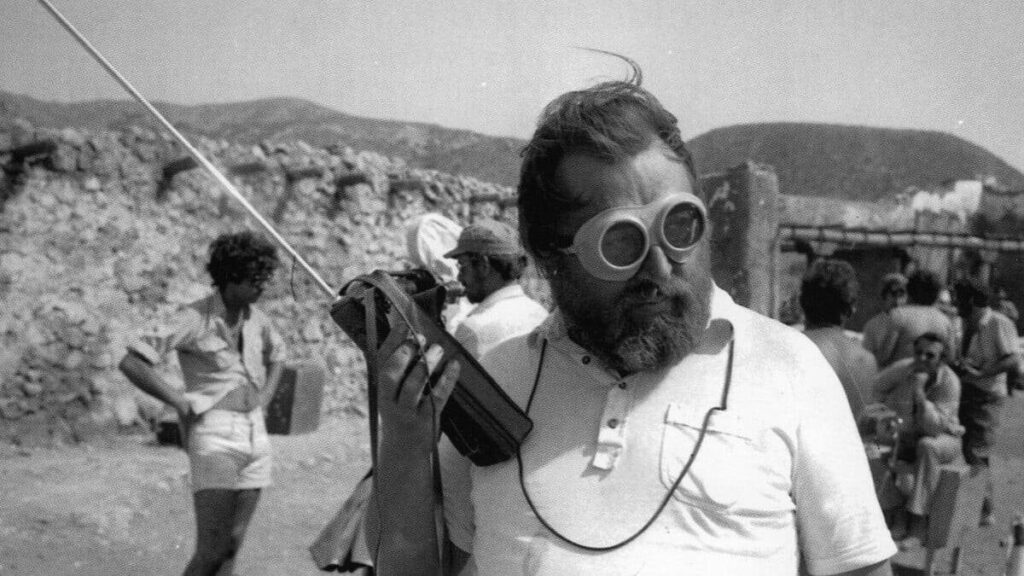
Born on January 3, 1929, in the enchanting city of Rome, Leone was the cherished son of the distinguished film director Vincenzo Leone and the renowned silent film actress Edvige Valcarenghi. Growing up amidst the vibrant world of cinema, Leone’s path was undoubtedly influenced by his parents’ careers. During his formative school years, he shared classes with Ennio Morricone, who would later become his esteemed musical collaborator and an integral part of his cinematic success. Inspired by his father’s dedication and creative work on various film sets, Leone decided to immerse himself fully in the world of filmmaking. At the youthful age of 18, he courageously chose to abandon his pursuit of law studies at university, opting instead to embark on a promising career in cinema, driven by a passion inherited from his illustrious family heritage.
Sergio Leone is widely recognized as a pioneer and leading figure in the Spaghetti Western genre, which is a distinctive subgenre of Western films that emerged in the mid-20th century. His reputation as one of the most outstanding directors in the history of cinema is firmly established due to his innovative approach to filmmaking. Leone is celebrated for his unique style, which artfully combines intense, dramatic close-up shots with long, deliberate, drawn-out scenes that build tension and narrative depth. His most renowned works include the iconic Dollars Trilogy, starring the legendary actor Clint Eastwood.
This trilogy consists of three groundbreaking films: “A Fistful of Dollars” released in 1964, “For a Few Dollars More” released in 1965, and the epic “The Good, the Bad and the Ugly” released in 1966. Each installment of the trilogy introduced audiences to a distinct narrative and visual experience that has had a lasting impact on the genre. In addition to these, Leone directed other notable films under the “Once Upon a Time” banner, which includes “Once Upon a Time in the West” from 1968 and “Once Upon a Time in America” from 1984, both of which are celebrated for their storytelling and stylistic achievements, further cementing Leone’s legacy in cinematic history.
Carlo Lizzani

Carlo Lizzani was a distinguished director, talented screenwriter, and renowned film historian, a figure of fundamental importance in the Italian post-war film culture. Born in Rome in 1922, Lizzani developed an early interest in politics and cinema, influenced by Italy’s difficult socio-economic and political situation during his youth. From the outset, he was actively politically engaged, which characterized much of his cinematic work. He explored and successfully experimented with various film genres, ranging from neorealism, marked by the raw and authentic representation of reality, to the crime genre, known for its complex and dynamic plot.
Despite the diversity of genres, Lizzani always maintained a strong critical awareness, placing great emphasis on ethical and social reflection. Significant films like “Attention! Bandits!” in 1951 and “Bandits in Milan” in 1968, among others, widely demonstrate his ability to combine deep and compelling narrative tension with a clear historical-social analysis. These works reflect not only his mastery in cinematic storytelling but also his commitment to raising questions and stimulating debate on culturally and politically relevant themes, confirming his prominent role in the landscape of Italian cinema.
Antonio Margheriti
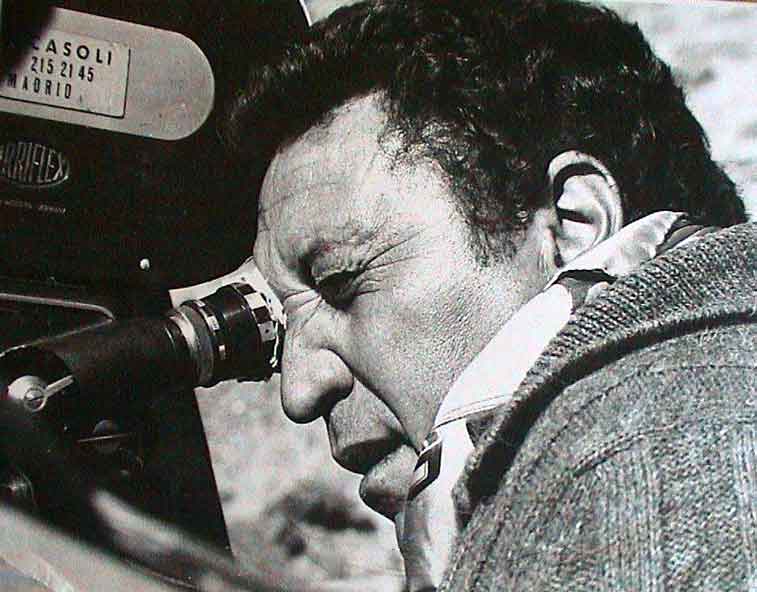
Antonio Margheriti was born in Rome on 19 September 1930. The son of a railway engineer, he began his film career in 1950 with Mario Serandrei. He then began making short documentaries starting with Vecchia Roma in 1953. In 1955 he was credited in film scripts such as The Iron Class. He also worked under the pseudonyms Anthony M. Dawson and Antony Daisies. Margheriti has worked in various genres in the Italian film market: science fiction, cloak and dagger, horror, crime fiction, espionage, Spaghetti Westerns, war films and action films which have been distributed to a wide audience worldwide.
Mario Martone
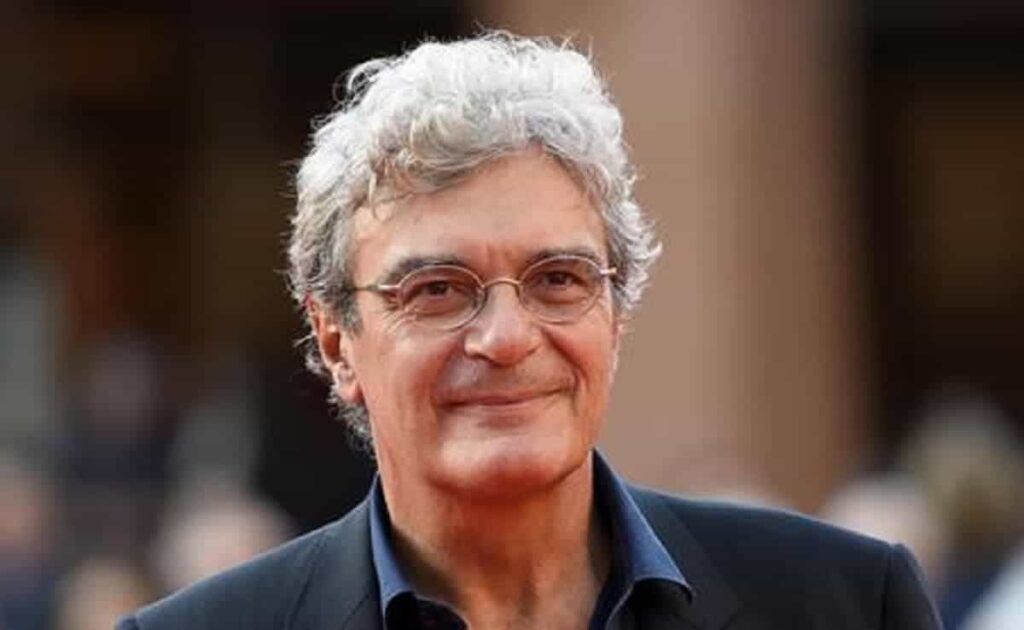
Mario Martone is an Italian director and screenwriter. He has directed more than 30 films since 1985. His film L’amore molesto participated in the 1995 Cannes Film Festival. His 2010 film We believed competed for the Golden Lion at the 67th Venice International Film Festival . He was also the director of Lorenzo Ferrero’s opera Charlotte Corday, which premiered at the Teatro dell’Opera di Roma on 21 February 1989. His 2014 film about Leopardi was in competition for the Golden Lion at 71st International Venice Exhibition.
Francesco Maselli
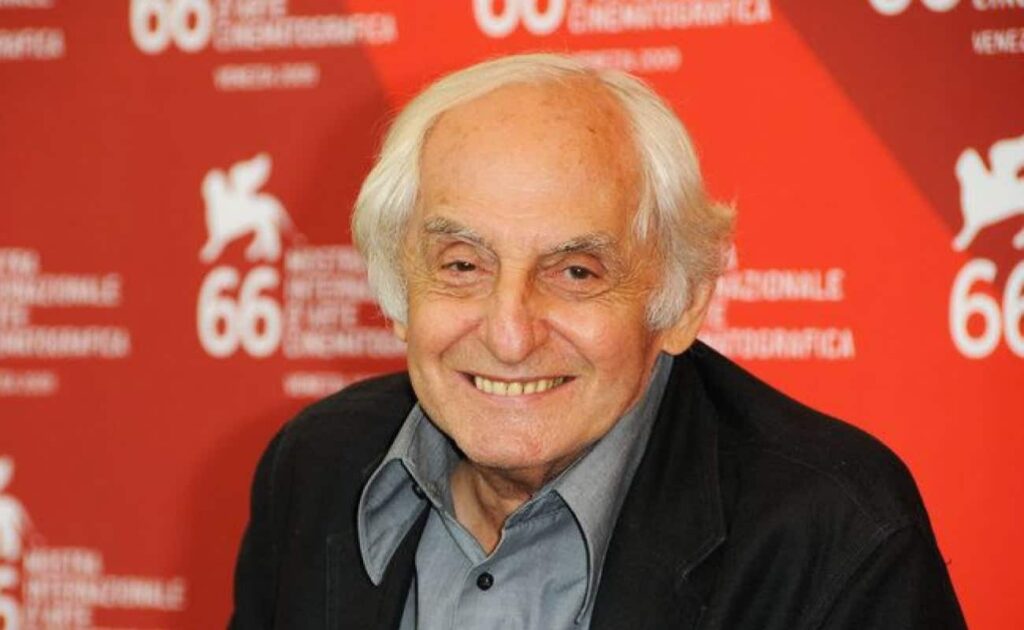
Francesco Maselli, a distinguished figure in Italian cinema, completed his education at the esteemed National Film School back in 1949. Shortly thereafter, he embarked on his professional journey in the film industry by stepping into the role of assistant director for some of Italy’s most revered filmmakers—Luigi Chiarini, Michelangelo Antonioni, and Luchino Visconti. It was under Visconti’s mentorship that Maselli found the opportunity to helm his first full-length feature film, “Abandoned.” This noteworthy debut was showcased in competition at the prestigious 16th Venice Film Festival, marking the beginning of his remarkable career as a director.Throughout the 1980s, Maselli shifted his creative focus towards creating more introspective films, with a particular emphasis on female narratives and themes. This period of his career was marked by films like “A Tale of Love,” which earned him significant acclaim, including the esteemed Grand Jury Prize at the 43rd Venice Film Festival, where the performance of Valeria Golino was also recognized with an award for Best Actress. Continuing his success, Maselli’s 1990 cinematic work, “The Secret,” was selected for screening at the 40th Berlin International Film Festival, further cementing his reputation in the international film circuit. Over the span of his illustrious career, which began in 1949, Francesco Maselli directed a total of 38 films, crafting a legacy celebrated by critics and audiences alike.
Aristide Massaccesi
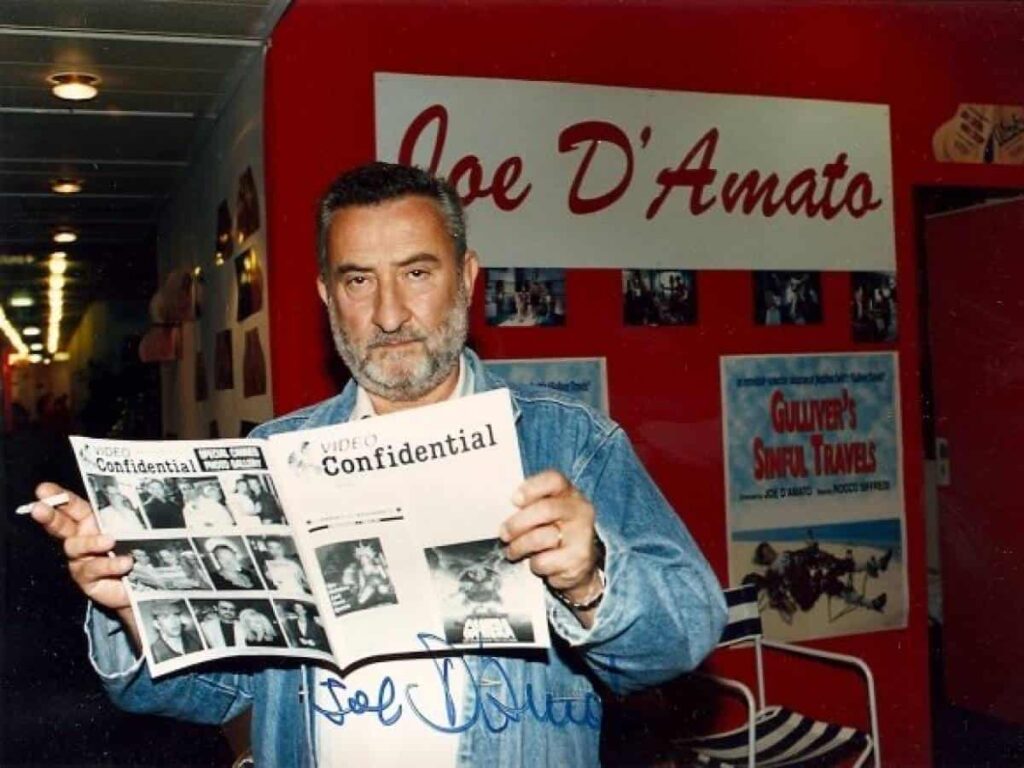
Aristide Massaccesi, known as Joe D’Amato, was an Italian director, producer, screenwriter and cinematographer who worked in many film genres (western, erotic, peplum, war film, sword, comedy, dream, post-apocalyptic film and thrillers. However he is best known for his adult horror and erotic films. D’Amato worked in the 1950s as a photographer, in the 1960s as a camera operator and from 1969 onwards as a director of photography. Since 1972, he has directed and co-directed approximately 200 films under many pseudonyms as a cinematographer. Since the early 1980s, D’Amato has produced many director’s genre films through his production company. From 1979 to 1982 and 1993 to 1999, D’Amato also produced and directed approximately 120 films for adults.
Mario Monicelli
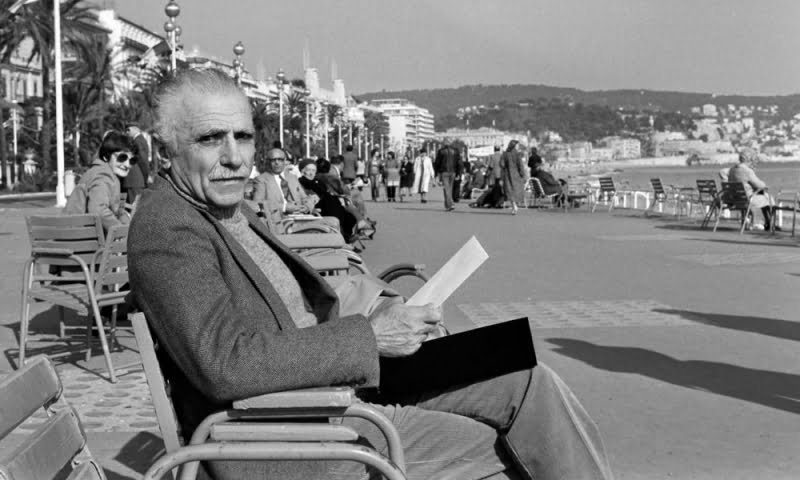
Mario Monicelli was a distinguished Italian film director and screenwriter, acclaimed as one of the pioneering figures in the genre of Italian comedy. His illustrious career earned him six nominations for the prestigious Academy Awards, highlighting his significant contribution to the film industry. Furthermore, Monicelli’s exceptional work and dedication were honored with the Golden Lion for Lifetime Achievement, a testament to his enduring impact on cinema.Born in the culturally rich city of Rome, Monicelli hailed from an affluent family rooted in Ostiglia, a charming municipality situated in the province of Mantua, Lombardy. He was the second of five children born to Tomaso Monicelli, a notable journalist, and Maria Carreri, who managed the household as a homemaker. Growing up, Monicelli was raised in diverse and vibrant cities—Rome, Viareggio, and Milan—all of which offered him a unique blend of cultural and social exposure.His childhood was marked by a sense of liberation and adventure across these different locales. This carefree youth played a crucial role in shaping his creative vision. Many of the hallmark comedic elements that later defined his celebrated film “Amici Miei” were directly inspired by his own youthful escapades and experiences in the picturesque region of Tuscany. Thus, Monicelli’s personal life and artistic journey were intricately intertwined, with his early life providing a rich tapestry of anecdotes and memories that later found expression in his cinematic endeavors.
Nanni Moretti
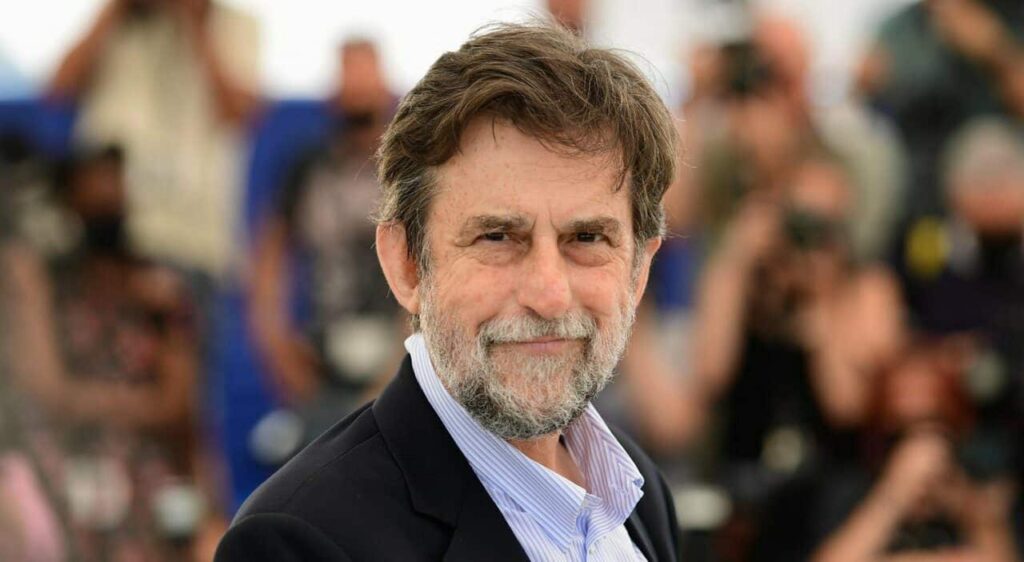
Nanni Moretti is an Italian director, producer, actor and screenwriter. His films have won awards including a Palme d’Or at the 2001 Cannes Film Festival for The Son’s Room, a Silver Bear at the 1986 Berlin Film Festival for The Mass is Over and a Silver Lion at the 1986 Film Festival Venice cinema in 1981 for Sogni d’oro, as well as the David di Donatello for best film for Dear Diary in 1994, The Son’s Room in 2001 and The Caiman in 2006.
Ermanno Olmi
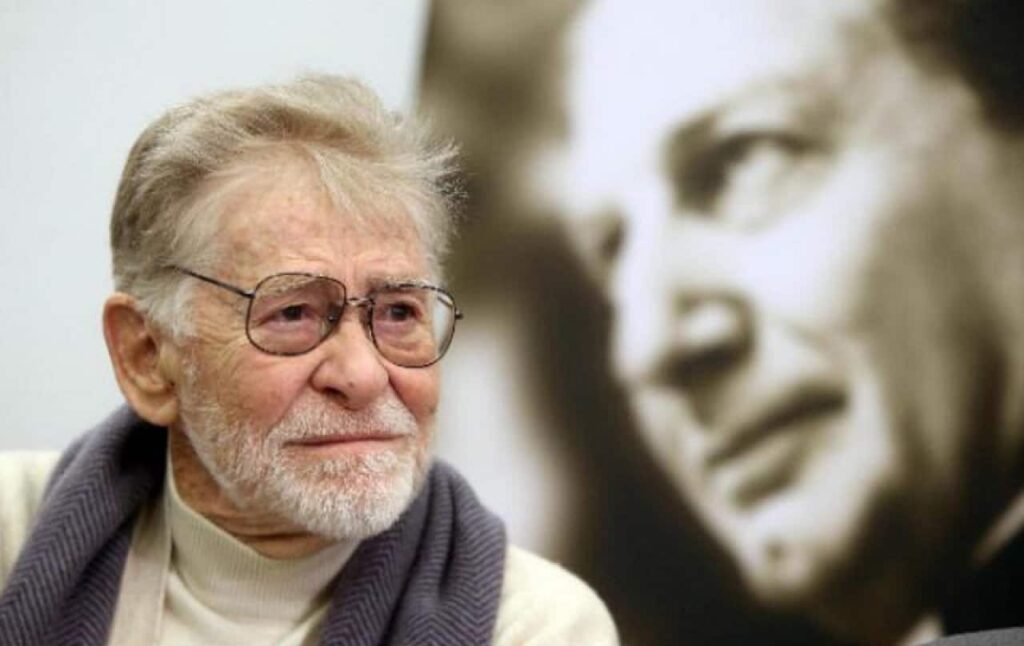
Ermanno Olmi, an esteemed Italian director and screenwriter, was born into a devout Catholic family in the city of Bergamo, nestled in the picturesque region of Lombardy in northern Italy. At the tender age of 3, Olmi’s family relocated to the bustling metropolis of Milan. It was in this vibrant city that he completed his high school education and nurtured his passion for the performing arts by enrolling in acting lessons at the Academy of Dramatic Arts. During his tenure at the Milanese electricity company Edison Volta, Olmi’s interest in cinema began to unfold. While employed there, he channeled his burgeoning creativity into producing 16mm documentaries, focusing on the intricacies and operations of power plants. These experiences kindled his enduring fascination with the world of film.
In 1963, he entered into matrimony with Loredana Detto, an actress known for her role as Antonietta Masetti in his earlier cinematic work titled “Il Posto,” released in 1961. During that period, another notable film he directed was “The Engaged,” which also came out in 1963. Among his cinematic creations, the most renowned is “The Tree of Clogs.” This film achieved critical acclaim and was honored with the prestigious Palme d’Or at the Cannes Film Festival in 1978. Its narrative was profoundly inspired by the rich tapestry of stories his grandmother shared about the rural existence of peasants living in Italy’s farming regions. Further into his career, in 1988, he directed “The Legend of the Holy Drinker.” This film, an adaptation of Joseph Roth‘s novel and featuring the talents of Rutger Hauer, secured the esteemed Golden Lion at the Venice Film Festival. Additionally, it was celebrated with Donatello’s David, highlighting its artistic and cultural significance.
Pier Paolo Pasolini
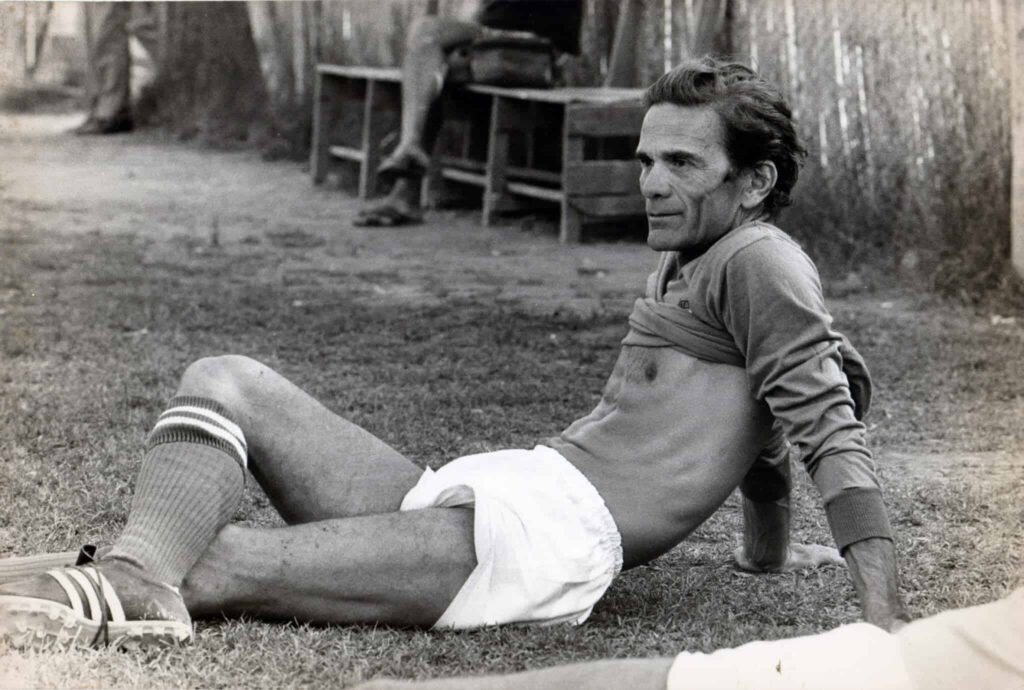
Pier Paolo Pasolini was a multifaceted and influential figure in 20th-century Italy, renowned for his work as a poet, author, intellectual, and film director, as well as for his roles as a journalist, writer, translator, and playwright. His contributions have left a profound impact on Italian culture, marking him as a significant reference point both artistically and politically. Openly gay and a committed Marxist, Pasolini was a vocal critic of the bourgeoisie and the emerging wave of consumerism in post-war Italy.
His work often delved into socio-political controversies and challenged prevailing sexual taboos. As a central figure in the vibrant Roman cultural landscape following World War II, Pasolini achieved widespread recognition and respect in European literature and film. His tragic and unresolved murder in Ostia in November 1975 shocked the Italian public, leading to a widespread scandal, and his legacy remains a subject of passionate debate. Among his notable works are the films “Accattone,” “The Gospel According to Matthew,” “La ricotta,” and “Teorema,” each of which underscores his distinct and provocative approach to storytelling.
Giovanni Pastrone
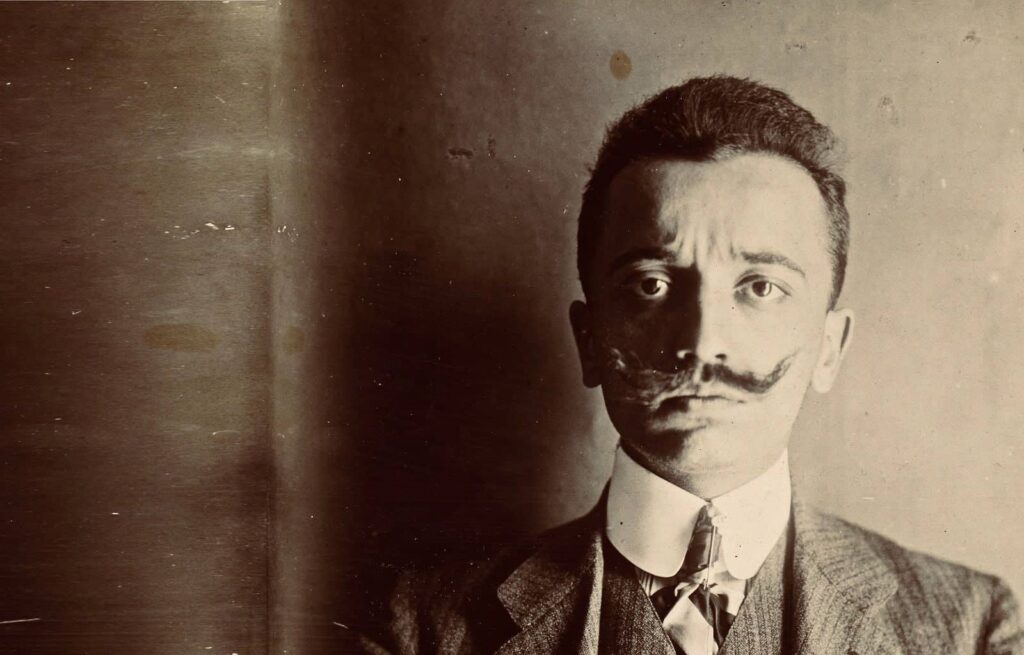
Giovanni Pastrone, also known by his stage name Piero Fosco, was an Italian actor, director, screenwriter and film actor. Pastrone was born in Montechiaro d’Asti. He worked throughout the silent film era and influenced numerous crucial directors in global cinema with Cabiria, such as David Wark Griffith, for his The Birth of a Nation (1915) and Intolerance (1916). Martin Scorsese thinks that Pastrone’s work in Cabiria can be considered as the birth of epic movie and is worthy of credit for a number of developments typically attributed to D. W. Griffith and Cecil B. DeMille. Among these was the full use of a moving camera, which freed the narrative feature from the fixed frame.
Elio Petri
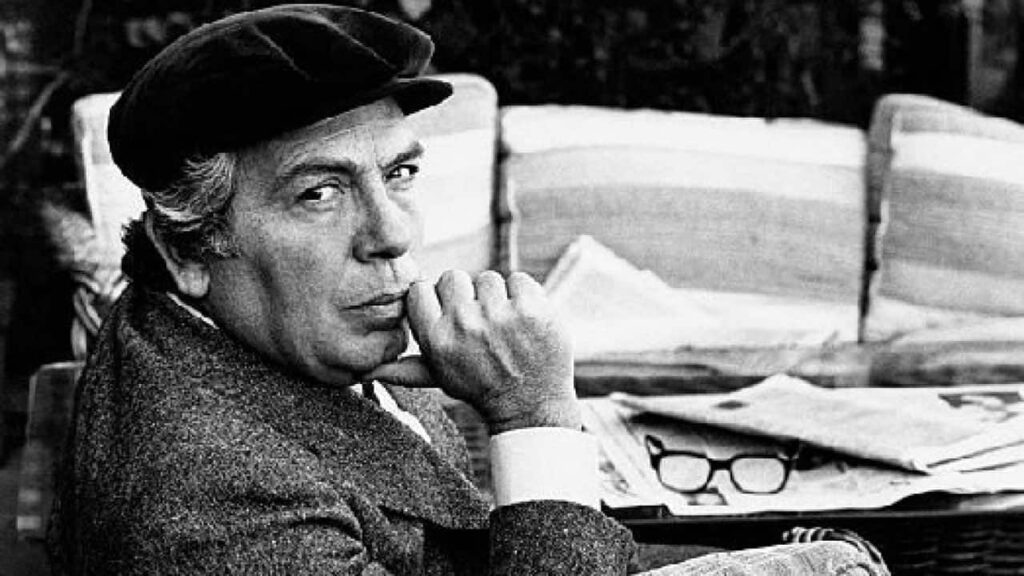
Elio Petri, an influential figure in Italian cinema, was born in the vibrant city of Rome on January 29, 1929. During his early years, he encountered significant challenges when he was expelled for political reasons from the San Giuseppe di Merode school, an institution managed by a priest situated at the renowned Piazza di Spagna. Following this, he found his political voice by enrolling in the youth organization of the Italian Communist Party (PCI), which became a cornerstone in shaping his ideological path.
Petri’s journey in journalism began as he contributed his writings to key publications such as L’Unità, Gioventù nuova, and Città Aperta, where he expressed his views and expanded his influence. His multifaceted career spanned film directing, screenwriting, theater direction, and film criticism, firmly establishing him as a central figure in the realm of political cinema during the transformative decades of the 1960s and 1970s.
The highlight of Petri’s cinematic achievements came with his acclaimed film “Investigation of a Citizen Above Suspicion,” which was honored with the prestigious Oscar for Best Foreign Language Film in 1971. Following this triumph, his film “The Working Class Goes to Heaven” garnered the coveted Palme d’Or at the Cannes Film Festival in 1972, solidifying his reputation in international cinema.
Franco Piavoli
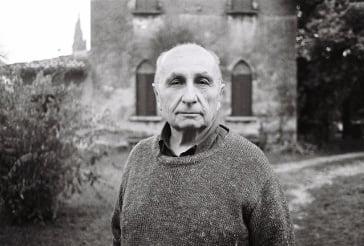
Degree in law, Franco Piavoli he practiced as a lawyer for several years. He made the short film Stagioni in 1961; he later abandoned the legal profession to teach in a technical institute and dedicate himself to cinema. After making a couple of short films (Domenica sera, Emigranti, Evasi), he came to prominence in 1982 when he made Il Pianeta blu (The Blue Planet), his launch feature film, in competition at the Venice Film Festival, UNESCO award. The knowledge of this work was made possible thanks to the interest of his friend Silvano Agosti who one day in 1979 showed up at Piavoli in Pozzolengo with an Arriflex video camera and a pack of reels, informing him that it was the time to make his first feature film .
For an entire year Piavoli was responsible for filming the film which Andrej Tarkovsky would define as a total work of art. In the following years he made 3 more feature films (Nostos – The Return, 1989; Voci nel tempo, 1996; Al primo soffio di vento, 2002). In his cinema Piavoli does not give much meaning to words, focusing above all on images and sounds which in turn end up being protagonists and representing life. A cinema defined as “symphonic video”.
Antonio Pietrangeli
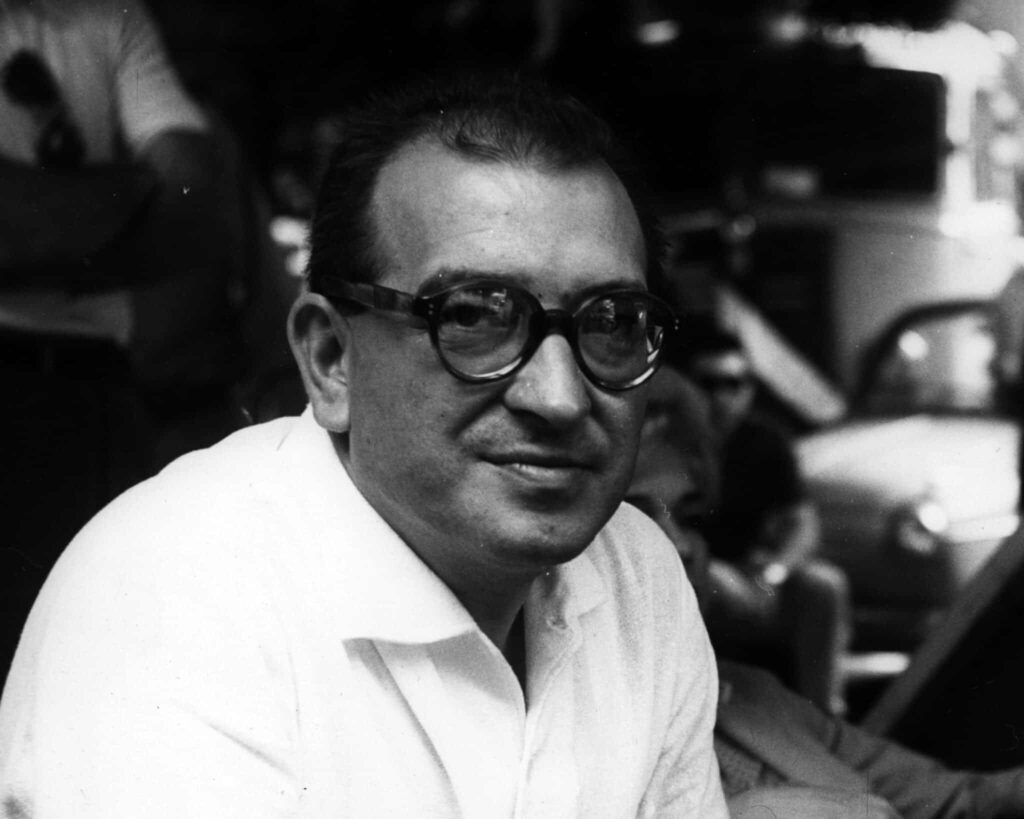
Antonio Pietrangeli was a distinguished Italian director and screenwriter, celebrated for his pivotal contributions to Italian Comedies. Born in the artistic milieu of Rome, Pietrangeli initially ventured into the cinematic realm as a film critic, penning reviews for esteemed Italian film publications such as Bianco e Nero and Cinema. His entry into screenwriting saw him collaborate on remarkable works like “Ossessione” and “La terra trema,” both directed by the iconic Luchino Visconti, as well as “Fabiola” by Alessandro Blasetti and Roberto Rossellini’s influential “Europa ’51.”Pietrangeli’s transition from screenwriting to directing was marked by his debut film, “Il sole nelle occhi,” released in 1953, which featured the talented Gabriele Ferzetti. He further solidified his reputation through a series of engaging comedies starring the charismatic Alberto Sordi, with notable films including “Lo scapolo” in 1956 and “Souvenir d’Italie” in 1957. However, it was his 1965 film “I Knew Her Well” that truly showcased his mastery of the craft. This film is renowned for its vivid portrayal of a naive and aspiring young actress, brilliantly brought to life by Stefania Sandrelli. Through these varied yet impactful projects, Pietrangeli affirmed his status as a key figure in Italian cinema.
Gillo Pontecorvo

Gillo Pontecorvo was one of the most internationally influential Italian directors, the author of a small but extraordinary number of films that have marked the history of world political cinema. The Battle of Algiers (1966), shot with a pseudo-documentary technique and a style of absolute modernity, is considered one of the greatest political films ever made, still studied today in military academies around the world.
The strength of Pontecorvo’s cinema lies in its ability to address major historical conflicts — the Algerian resistance, the slave trade in Queimada (1969) — without ever slipping into simplistic propaganda, but rather conveying the moral and political complexity of the situations depicted. His essential, intense, and visually impactful direction, combined with his collaboration with Ennio Morricone for the soundtracks, creates cinema of rare emotional and intellectual power. Pontecorvo remains an essential reference point for anyone who wants to understand the relationship between cinema and history.
Dino Risi
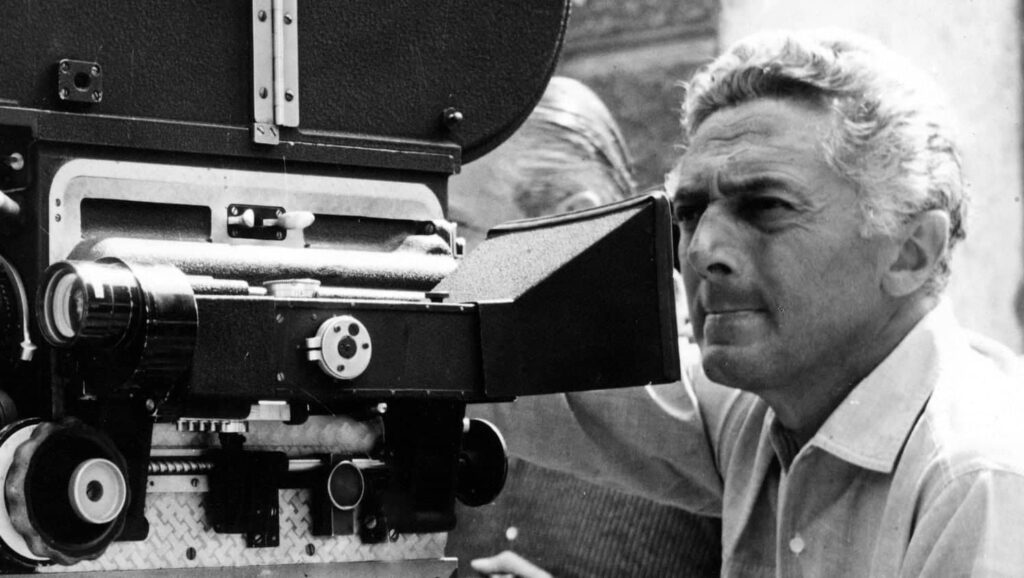
Dino Risi, an esteemed Italian director, played a pivotal role in the canon of Italian cinema. Alongside renowned filmmakers such as Mario Monicelli, Luigi Comencini, Nanni Loy, and Ettore Scola, Risi was celebrated as one of the maestros of Italian comedy. Born in Milan, Risi was part of a talented family; he was the middle child with an older brother, Fernando, who worked as a cinematographer, and a younger brother, Nelo, who pursued a career in directing and writing. Orphaned at the tender age of twelve, Risi found refuge under the care of his extended family and friends, who supported him through these challenging times.
Despite studying medicine in his early years, Risi decided not to conform to his parents’ wishes of becoming a psychiatrist. Instead, he forged his path in film, initially cutting his teeth as an assistant director to notable figures like Mario Soldati and Alberto Lattuada. This foundational experience paved the way for Risi to embark on directing his own films, through which he not only honed his craft but also played a significant role in giving a platform to budding talents who would later become cinema legends, such as Sophia Loren and Vittorio Gassman.
Risi’s directorial prowess was recognized internationally. His 1966 film, “The Treasure of San Gennaro,” was showcased at the 5th Moscow International Film Festival, where it garnered an award, underscoring his impact on the global stage. Among his extensive filmography, several works stand out as seminal pieces of Italian comedy. “Una vita difficile” (1961), “Il sorpasso” (1962), “I mostri” (1963), each contributing to the distinctive flair and cultural significance of Italian comedic cinema. These films not only reflect his artistic vision but also his ability to capture and caricature the essence of Italian society, securing his lasting legacy in the world of film.
Francesco Rosi
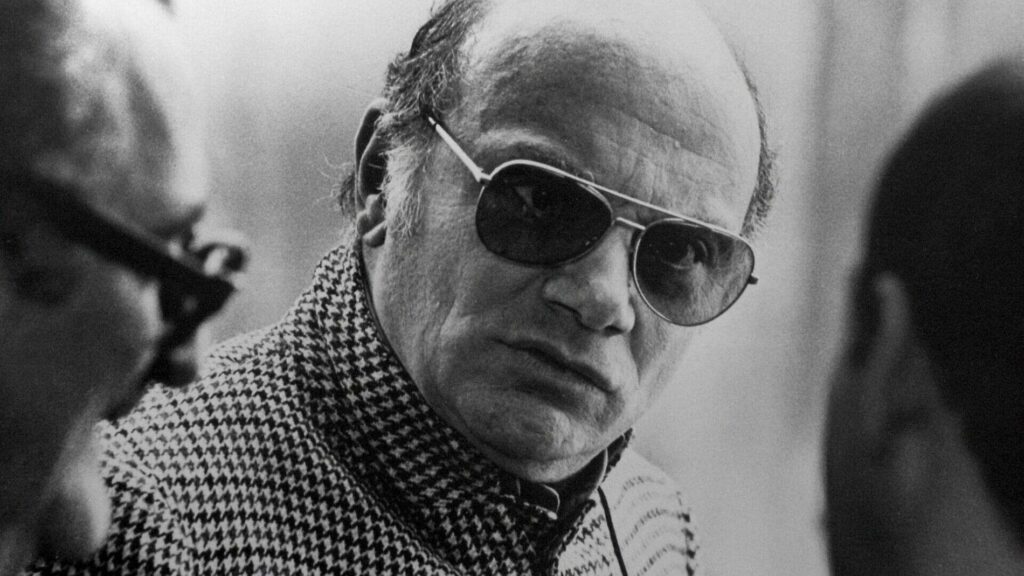
Francesco Rosi was a distinguished Italian director renowned for his masterful works that left a significant impact on the film industry. His acclaimed film, The Mattei Case, achieved one of the highest honors by winning the Palme d’Or at the prestigious 1972 Cannes Film Festival, a testament to his exceptional storytelling and directorial skills. Rosi’s films from the 1960s and 1970s were particularly noted for their compelling political messages, reflecting the socio-political climate of the times through his cinematic lens.As Rosi’s career progressed, he transitioned towards creating films with a stronger focus on literary themes, although the political undercurrents were never entirely absent. Even in the later years of his career, Rosi continued to pursue his passion for direction, culminating in his last film, the adaptation of Primo Levi‘s poignant book, The Truce, which he directed in 1997.Throughout his illustrious career, Rosi was recognized with numerous accolades, one being the esteemed Golden Bear for Lifetime Achievement, a recognition of his contributions to the cinematic world. Further honoring his legacy and influence in cinema, the Venice Biennale conferred upon him the Golden Lion for Lifetime Achievement in 2012. Amongst his remarkable portfolio, the 1963 film Hands on the City stands out and is widely regarded as his masterpiece, encapsulating his unique ability to blend gripping narratives with socially relevant themes.
Roberto Rossellini
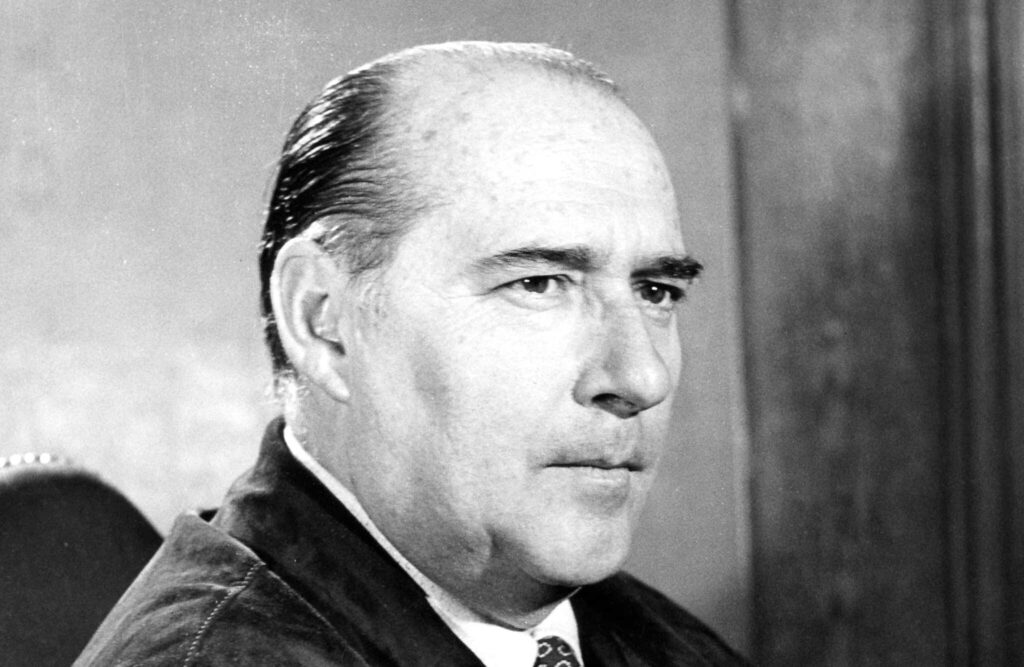
Roberto Rossellini, a significant figure in the world of cinema, was an esteemed Italian director, screenwriter, and film producer whose influence is particularly noted in the realm of Italian neorealist cinema. His pioneering vision gave life to iconic films such as “Rome, Open City” released in 1945, “Paisà” in 1946, and “Germany Year Zero” in 1948. These works are celebrated for their raw portrayal of post-war reality and have left a lasting impact on the film industry. Born in the vibrant city of Rome, Rossellini was shaped by his unique familial background. His mother, Elettra, originally from Rovigo, dedicated her life to household duties, while his father, Angiolo Rossellini, established himself as the proprietor of a successful construction enterprise. Significantly, Elettra was of partial French ancestry, descending from immigrants who settled in Italy amidst the tumultuous era of the Napoleonic Wars, thereby adding a rich cultural layer to Rossellini’s heritage and creative inspirations.
Rossellini’s films that came after his initial ventures into neorealism, particularly those featuring Ingrid Bergman, did not achieve commercial success. Despite this, he garnered great respect and a reputation as a master filmmaker among the influential critics of Cahiers du Cinéma, a prestigious French film journal. François Truffaut, an acclaimed film critic and filmmaker, highlighted Rossellini’s unique approach in his 1963 essay, where he noted that Roberto Rossellini had an affinity for real life over cinematic portrayals. His influence was particularly notable in France where his impact was so profound that he became known as “the father of the French New Wave,” a revolutionary movement in cinema.
This movement was characterized by its break from traditional filmmaking techniques, and Rossellini’s contributions were pivotal. Unlike many directors who tend to become more restrained and stylistically conservative over the course of their careers, Rossellini’s journey was marked by a continuous desire for innovation. He perpetually pushed the boundaries of filmmaking, experimenting with new methods and techniques, thus leaving an indelible mark on the world of cinema.
Corso Salani
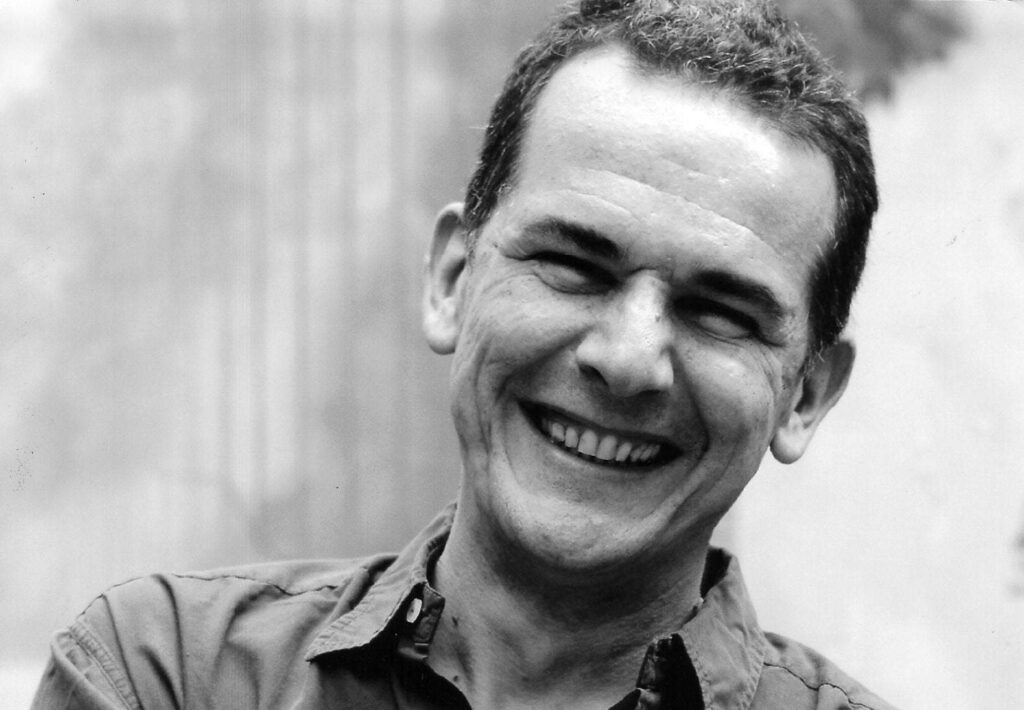
Corso Salani was an Italian director, screenwriter and actor. Graduated from the Institute of Cinematographic Sciences of Florence in 1984, he made his directorial debut the same year with the short film Zelda, set on the island of Capraia. In 1985, he wrote the story and directed the video for the song Guerra dei Litfiba. Having moved to Rome, he was assistant director to Carlo Mazzacurati on the set of Notte italiana (1987), and in 1989 he made his first feature film, Voci d’Europa, which won an award at the RiminiCinema. He also began his profession as an actor, kept in the background compared to his career as a director. The role of reporter Rocco Ferrante in Marco Risi‘s Muro di rubber (1991), about the Ustica massacre, became popular.
Gabriele Salvatores
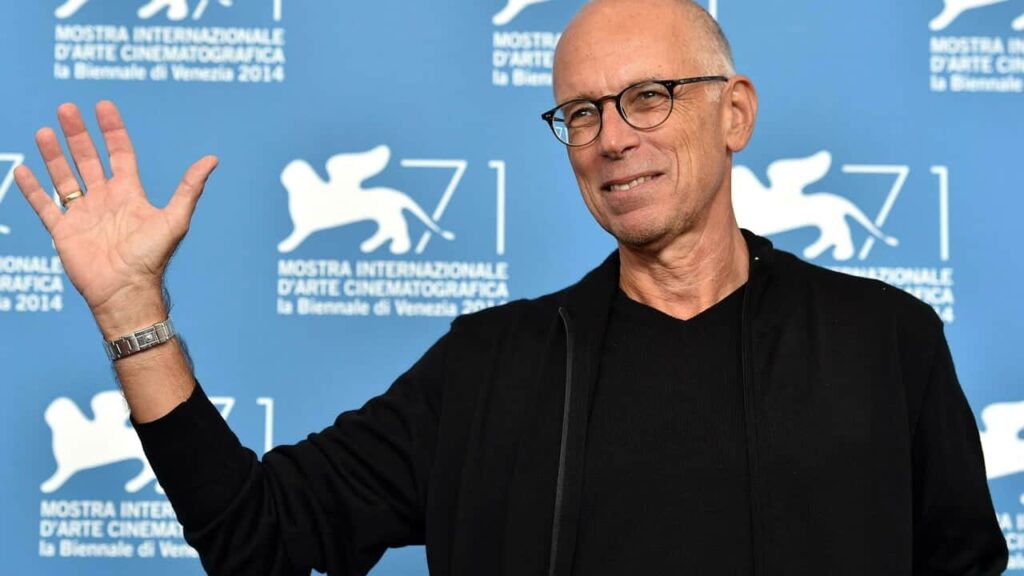
Gabriele Salvatores is an Oscar-winning Italian director and screenwriter. Neapolitan by birth, Salvatores made his debut as a theater director in 1972, founding the Teatro dell’Elfo in Milan, for which he directed numerous shows until 1989. In that year he directed his third feature film, Marrakech Express, for which he Turnè’s 1990 sequel. Both films include a group of actor-friends, composed of Diego Abatantuono and Fabrizio Bentivoglio, who will be present in many of his subsequent films. Turné was selected in the Un Certain Regard section at the 1990 Cannes Film Festival. In 1991, Salvatores received worldwide recognition for Mediterraneo, which won an Oscar for best foreign film. He also won 3 David di Donatello and a Nastro d’Argento.
Romano Scavolini
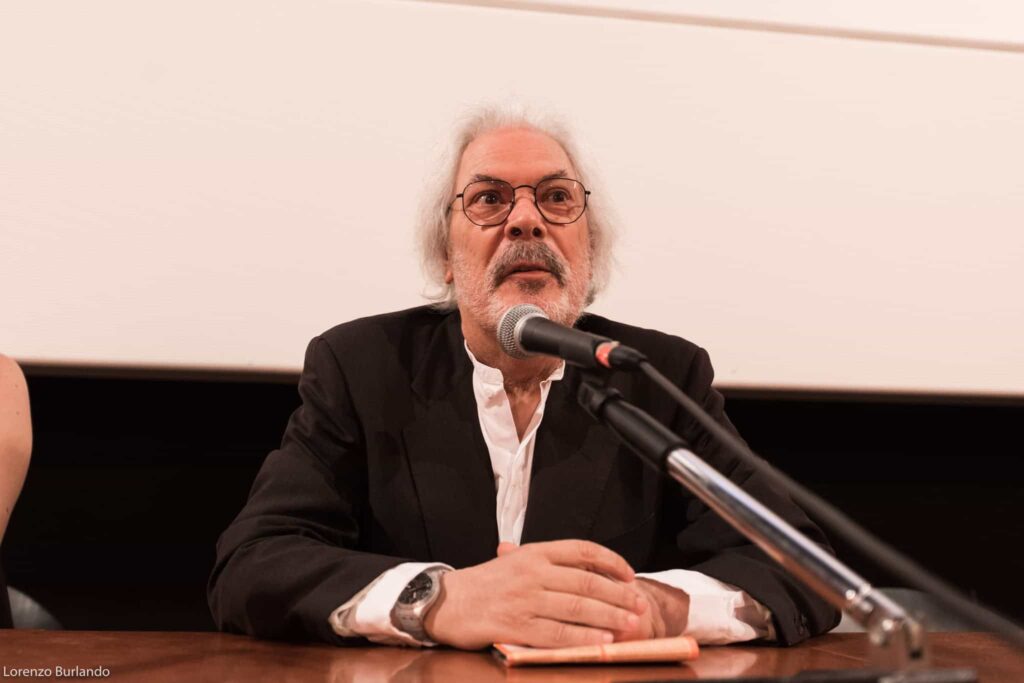
Romano Scavolini, an accomplished Italian director, is notably the younger sibling of the screenwriter Sauro Scavolini. He embarked on his directing career in the 1960s, carving a niche for himself in the cinematic world. Over the years, he has primarily focused on independent films, each crafted with a unique and original style, often on limited budgets—but this in no way diminishes their artistic integrity or impact. Scavolini is perhaps most celebrated for his chilling horror films, with “Nightmare” (1981) standing out as a particularly notorious work; this gruesome and terrifying film was so intense that it faced a ban in the United Kingdom, underscoring its provocative and unsettling nature. Another significant piece in his oeuvre is “A White Dress for Marialé” from 1972, further cementing his reputation in the horror genre and showcasing his capacity to evoke fear and intrigue with a compelling narrative.
Ettore Scola
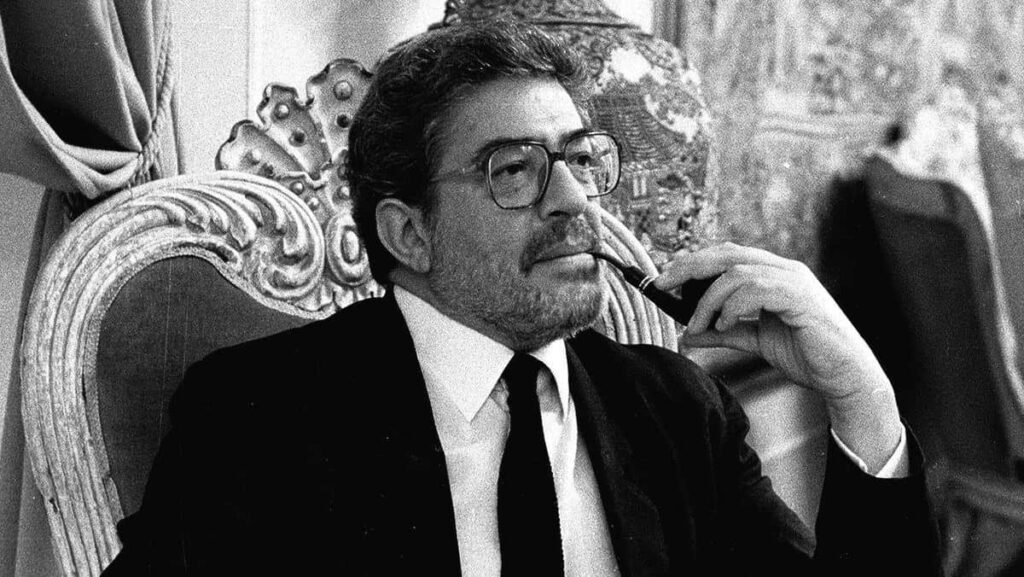
Ettore Scola was a renowned figure in the world of cinema, particularly recognized for his exceptional skills as an Italian screenwriter and director. His contribution to the film industry was celebrated globally, as evidenced by his receipt of the prestigious Golden Globe Award for Best Foreign Language Film in 1978. This accolade was bestowed upon him for his remarkable film “One Special Day.” Throughout his illustrious career, Scola’s work was met with critical acclaim, leading him to be shortlisted for five Academy Awards in the category of Best Foreign Language Film—a testament to his influence and talent. Scola was born in the picturesque town of Trevico, located in the province of Avellino in the region of Campania, Italy. His foray into writing began at the young age of 15 when he became a ghostwriter. This early engagement with storytelling laid the foundation for his later achievements in cinema. His official entry into the film industry occurred in 1953 when he started as a screenwriter.
During this period, he teamed up with the noted director Dino Risi and fellow writer Ruggero Maccari to craft the screenplay for Risi’s highly acclaimed film, “Il Sorpasso,” which was released in 1962. Scola made his directorial debut in 1964 with the film “Let’s Talk About Women,” signaling the beginning of a celebrated career as a director. A significant milestone came in 1974 with the international success of “C’eravamo tanto amati.” This film offered a sweeping portrayal of Italian life and politics in the post-World War II era and was a heartfelt dedication to his dear friend and fellow director Vittorio De Sica. Its impact was profound, earning Scola the Gold Prize at the 9th Moscow International Film Festival, further solidifying his place in the cinematic world. In 1976, Scola continued to garner accolades, achieving recognition at the Cannes Film Festival. For his film “Ugly, Dirty and Bad,” he was honored with the Prix de la mise en scène, an award celebrating his outstanding direction. This period marked yet another highlight in a career filled with artistic triumphs, as Scola’s work consistently resonated with audiences and critics alike, establishing him as a towering figure in the sphere of international cinema.
Paolo Sorrentino
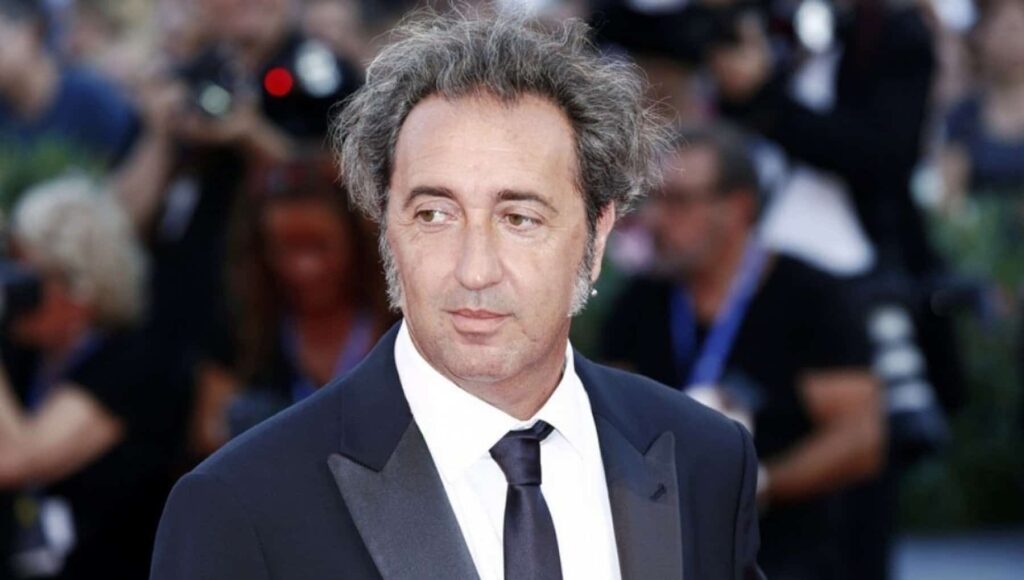
Paolo Sorrentino is an Italian writer and film director. His 2013 film The Great Beauty won the Oscar, Golden Globe and Bafta Award for Best Foreign Language Film. In Italy he was awarded 8 David di Donatello and 6 Nastri d’Argento. Sorrentino’s direction and screenplays such as Il divo, The consequences of love, The family friend, This Must Be the Place and the 2016 television series The Young Pope, have received 3 Cannes Lions, 4 Venice Film Awards and 4 European Film Awards. He often collaborates with the actor Toni Servillo and with the director of photography Luca Bigazzi. He has also written three novels. Perhaps his best films are the 2 initial ones: The Extra Man and The Consequences of Love.
Giuseppe Tornatore
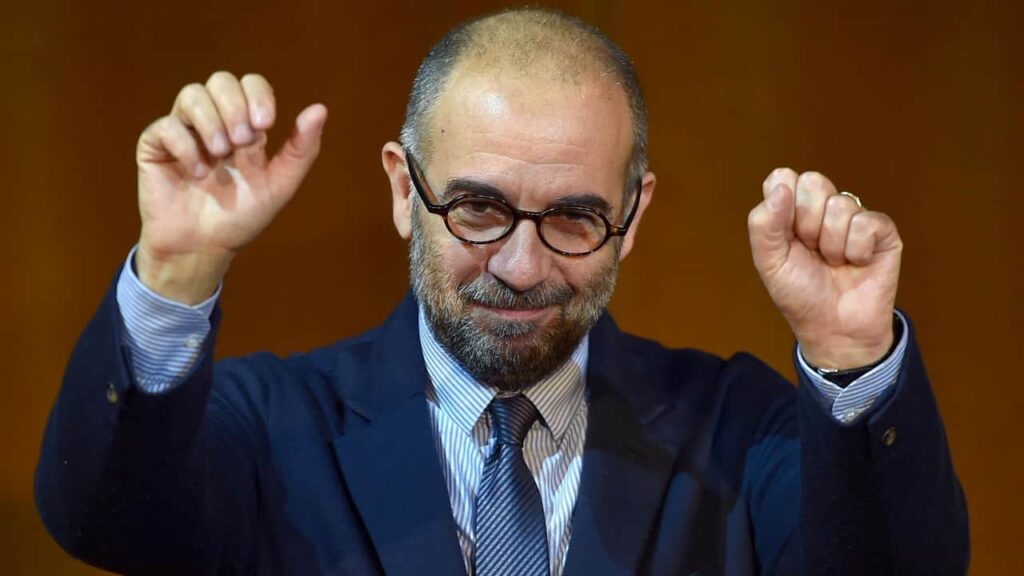
Born in Bagheria, in the province of Palermo, Tornatore has been interested in acting and theater since the age of 16 and dedicated himself to the works of Luigi Pirandello and Eduardo De Filippo. He initially worked as a freelance photographer. Moving on to cinema, he made his debut with Ethnic Minorities in Sicily, a collective documentary awarded at the Salerno Festival. He then worked for RAI before launching his first feature film, Il camorrista, in 1985. This sparked a favorable reaction from critics and audiences and Tornatore received the Nastro d’argento for best debut director.
He is considered among the directors who have brought important recognition to Italian cinema. In a profession that has spanned over 30 years, he is known for writing and directing dramatic films such as Everybody’s Fine, The Legend of the Pianist on the Ocean, Malèna, Baarìa and The Best Offer. His best remembered film is Nuovo Cinema Paradiso, for which Tornatore won the Oscar for best foreign language film. He also directed several commercials for Dolce & Gabbana. His most personal film, from a linguistic point of view, is A Pure Formality. Then his style became more and more mainstream and “Hollywood.
Roberta Torre
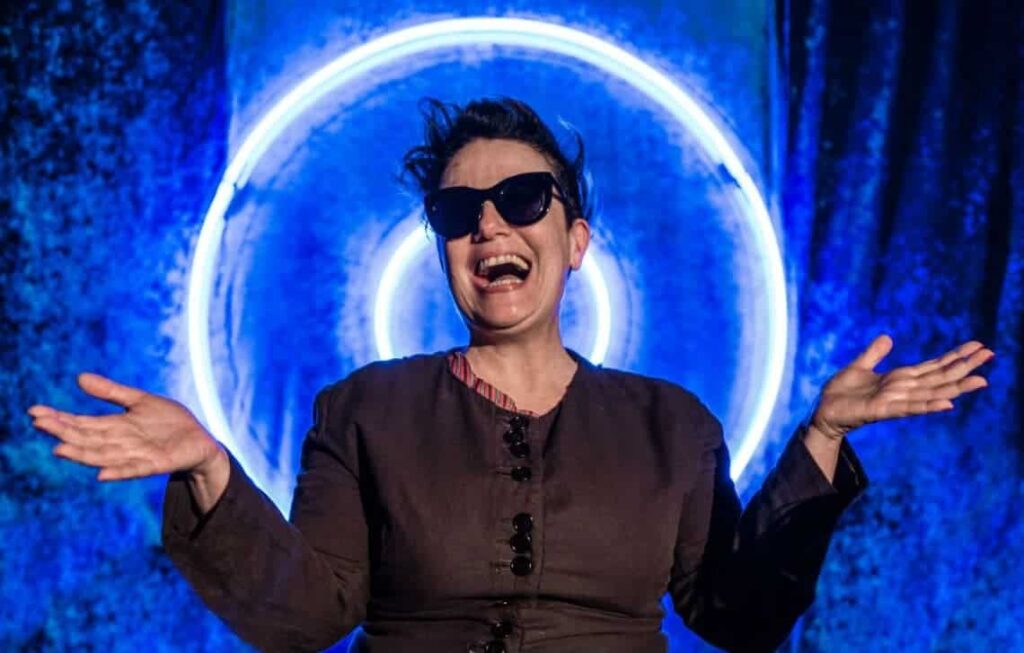
Roberta Torre is a renowned Italian director and screenwriter, noted for her significant contributions to the world of cinema. Her remarkable career took off in 1997 when she achieved acclaim by winning the esteemed Nastro d’Argento for Best Debut Director with her groundbreaking first film, “Tano to Die.” This film is celebrated as a truly original and kaleidoscopic “mafia” musical that has left an indelible mark on the genre. “Tano to Die” was prominently featured at the prestigious 54th Venice International Film Festival, where it garnered widespread recognition and success. It secured several prestigious awards, including the FEDIC Award, the Kodak Award, and the Luigi De Laurentiis Award for Best Debut Director, underscoring its impact and the creative talent of its director. Further affirming its success, the film also earned two David di Donatello awards and two Nastri d’Argento, cementing Roberta Torre’s reputation as a visionary and innovative force in the film industry.
Florestano Vancini
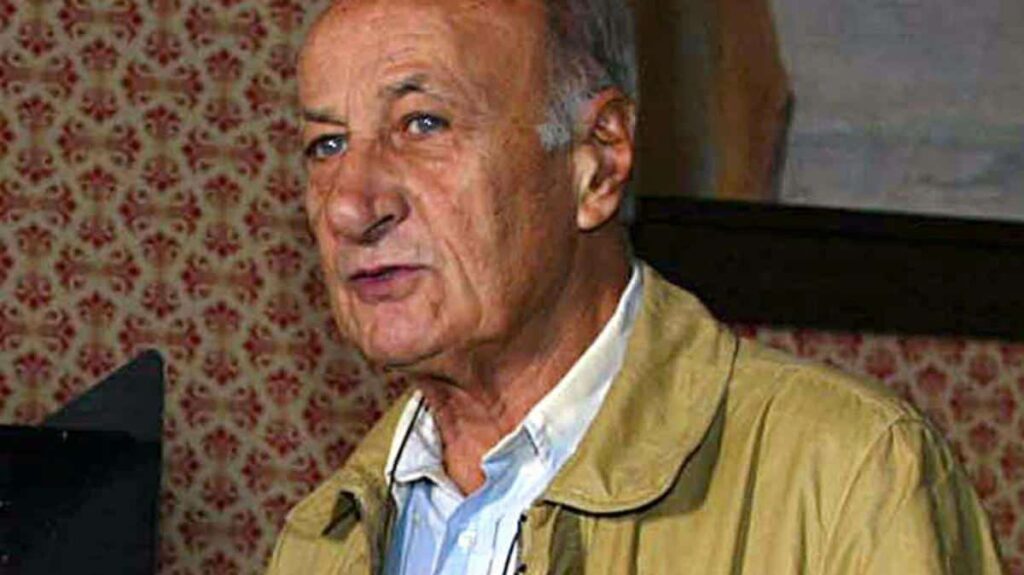
Florestano Vancini was a renowned Italian director and screenwriter, whose illustrious career in the film industry spanned several decades. With a remarkable portfolio, Vancini directed more than 20 films beginning in 1960, showcasing his significant impact on Italian cinema. His 1966 film, The Seasons of Our Love, which featured the talented Enrico Maria Salerno as its star, was a notable entry at the distinguished 16th Berlin International Film Festival, highlighting Vancini’s international recognition and acclaim. Furthermore, his 1973 film, The Assassination of Matteotti, was an important piece of work that was showcased at the prestigious 8th Moscow International Film Festival, where it earned a Special Prize, attesting to its artistic value and Vancini’s creative prowess. Adding to his impressive credentials, in 1999, he served on the jury for the 21st Moscow International Film Festival, further emphasizing his respected status in the filmmaking community.
Luchino Visconti
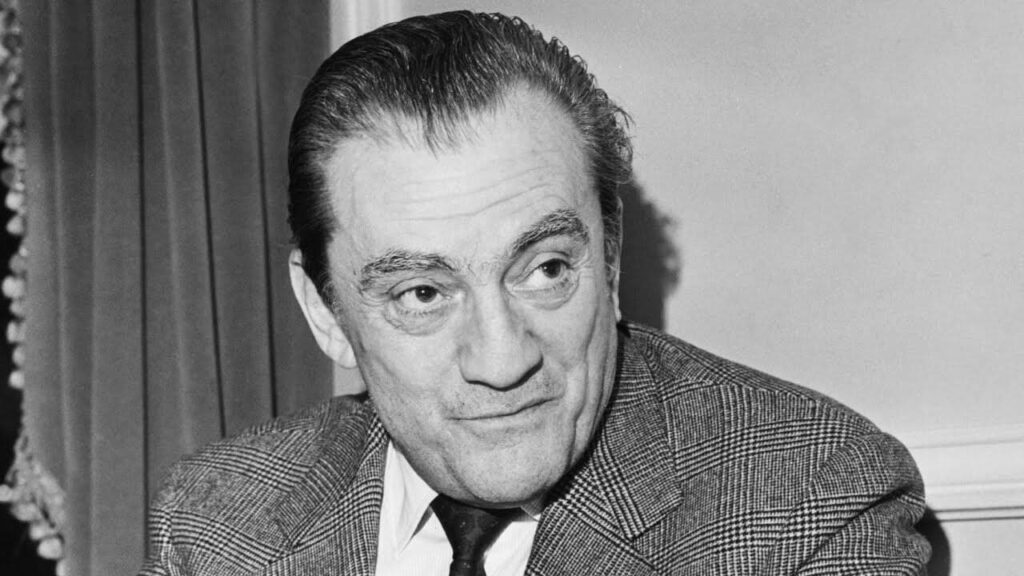
Luchino Visconti was an Italian film director, director and screenwriter. A significant figure in Italian art and culture in the mid-20th century, Visconti was among the fathers of cinematic neorealism, but later moved towards melodrama and themes such as decadence, death and European history, particularly the decay of bourgeoisie and nobility. He received numerous awards, including the Palme d’Or and the Golden Lion, and many of his works are considered influential to subsequent generations of directors.
Born into a noble Milanese family, Visconti worked as an assistant director to Jean Renoir. His 1943 directorial debut, Ossessione, was condemned by the fascist party for its depictions of working-class characters turning into criminals, but today it is known as a pioneering work of Italian cinema. His best-known films are Senso (1954) and Il Gattopardo (1963), both historical melodramas based on classics of Italian literature, the gritty drama Rocco and His Brothers (1960), and his “German Trilogy” – The Fall of the Gods (1969), Death in Venice (1971) and Ludwig (1973). He was also a skilled theater director of theatrical and lyrical works, both in Italy and abroad.
Lina Wertmüller
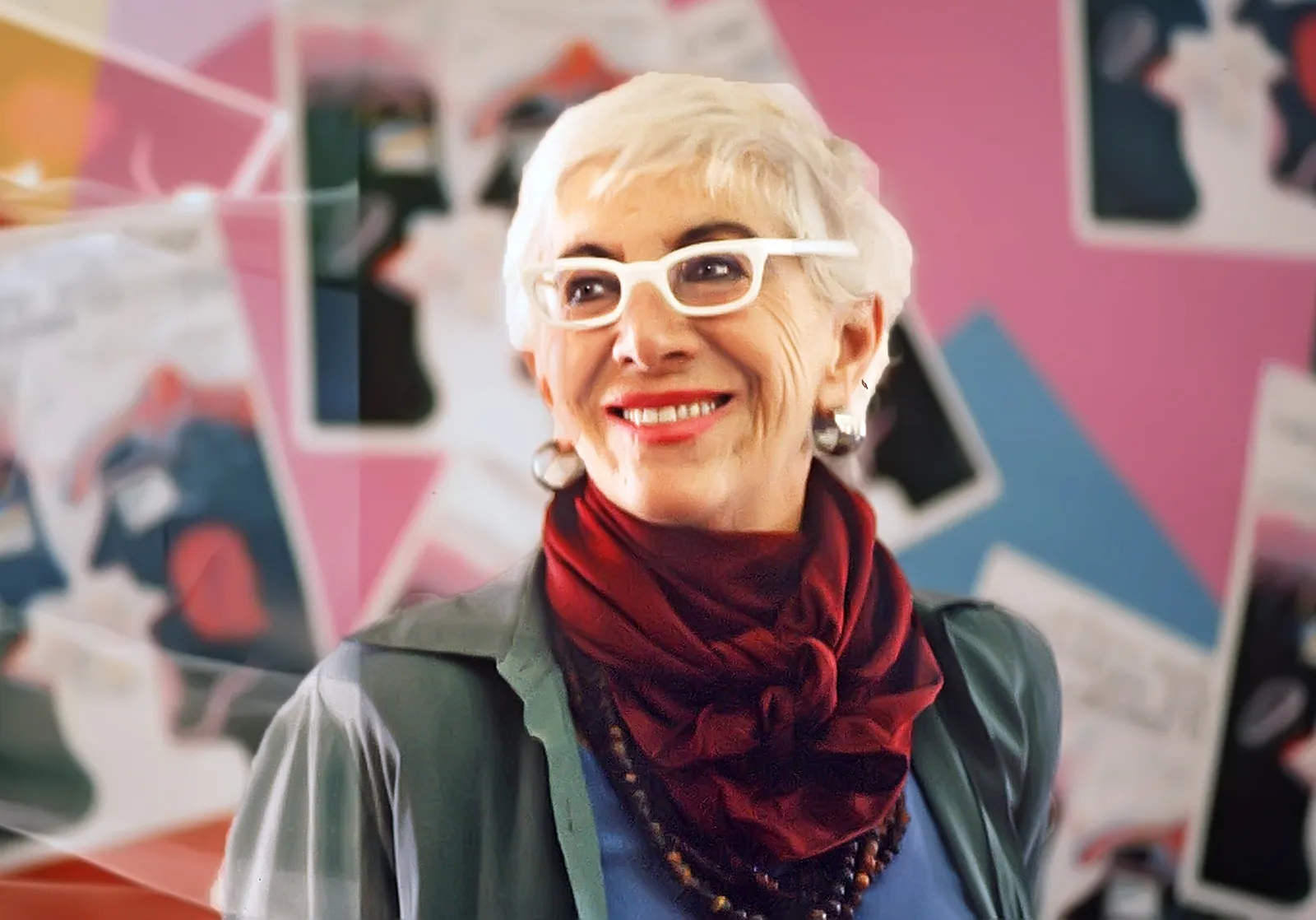
Lina Wertmüller was born in Rome in 1928. During her youth she was expelled from 15 different Catholic high schools. Throughout this time, she remained fascinated by comic books and defined them as particularly important to her in her youth, especially Alex Raymond’s Flash Gordon. Wertmüller characterized Raymond’s comic framing as “quite cinematic, more cinematic than most films”, an early sign of his predisposition towards cinema.
Wertmüller’s desire to work in cinema and theater took hold at a young age, and from a young age she was fascinated by the works of Russian playwrights Pietro Sharoff, Vladimir Nemirovich-Danchenko and Konstantin Stanislavsky. She is known for her films of the 1970s Pasqualino Settebellezze, for which she was the first female director to be chosen for the Oscar as best director in 1977, Mimì metallurgico, Film of love and anarchy and Overwhelmed by an unusual destiny in the blue sea of August. In 2019, Lina Wertmüller was one of 4 recipients of the Academy Honorary Award for Lifetime Achievement, the second female director to receive the award.
Cesare Zavattini
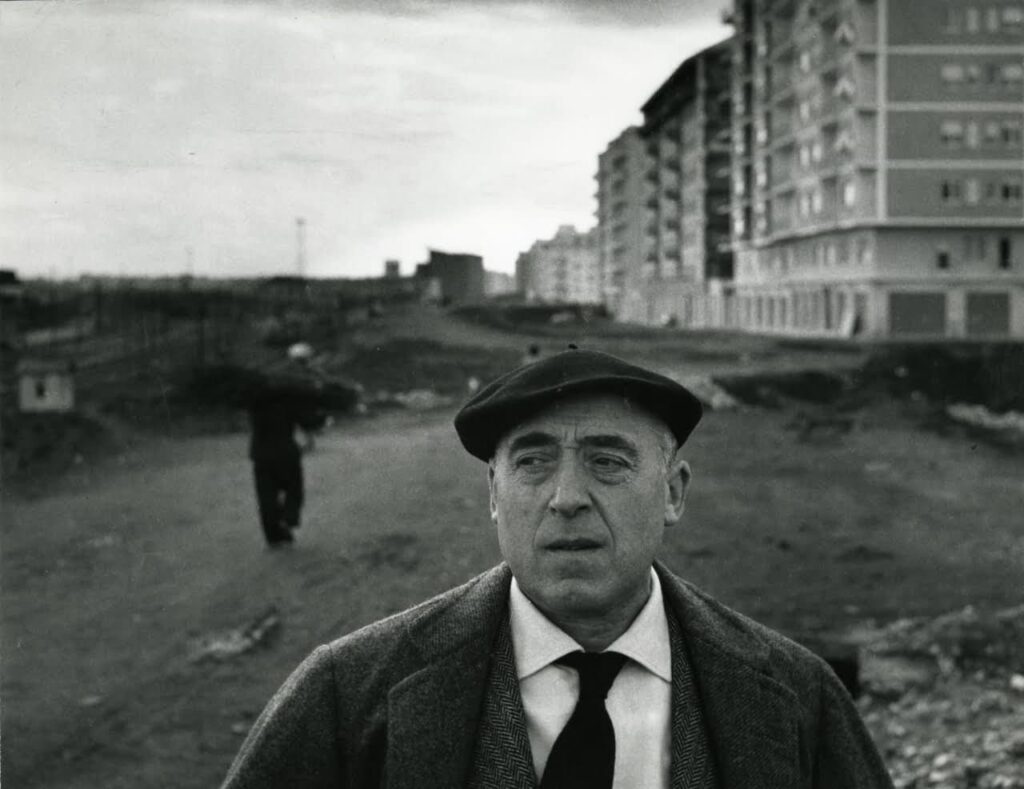
Cesare Zavattini, a notable figure in the world of cinema, was an Italian film writer and is widely recognized as one of the pioneers and staunch advocates of the neorealist movement in filmmaking. He was born on September 20, 1902, in the quaint town of Luzzara, positioned near the historical city of Reggio Emilia. Zavattini embarked on his academic journey by studying law at the prestigious University of Parma. However, his true passion lay in the realm of writing, prompting him to pursue a career that matched his creative aspirations.His professional writing career took its initial steps at the ‘Gazzetta di Parma,’ where he engaged in journalism. In 1930, with an eye on advancing his career, Zavattini relocated to the bustling city of Milan. There, he became associated with the eminent book publisher Angelo Rizzoli, a move that would soon intertwine his fate with the world of cinema. As Rizzoli transitioned into film production in 1934, Zavattini seized the opportunity to delve into the cinematic arts. His perseverance bore fruit in 1936 when he successfully scripted his very first film, setting the stage for a prolific career in the film industry.
Franco Zeffirelli
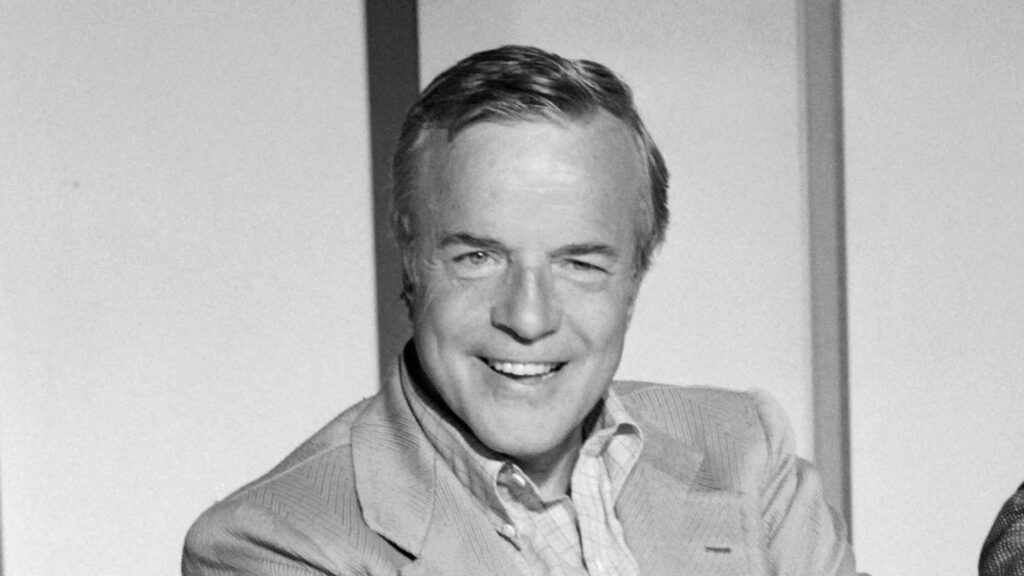
Franco Zeffirelli is an Italian theater, opera, and film director known for his lush Shakespearean adaptations. Born in Florence, he directed Romeo and Juliet (1968), starring Olivia Hussey and Leonard Whiting, the TV miniseries Jesus of Nazareth (1977), and Othello (1986), starring Placido Domingo.
Zeffirelli favors a baroque and romantic visual style, with sumptuous sets, detailed historical costumes, and painterly cinematography that enhance the physical and emotional beauty of his protagonists. His Shakespearean films emphasize passion and human drama, criticized for excessive spectacle but praised for their accessibility to a broad audience. A versatile director, he revolutionized opera on film, blending Italian tradition with Hollywood appeal, confirming his status as a master of epic staging.
Valerio Zurlini
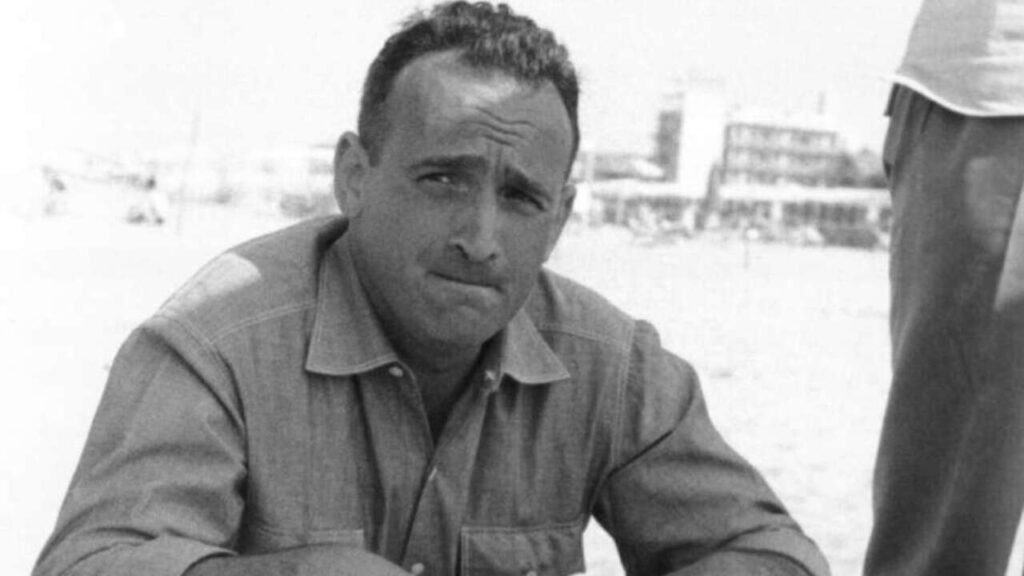
While studying law in Rome, he began working in the theater. In 1943 he joined the Italian Resistance. Zurlini was a member of the Italian Communist Party. He shot short documentaries in the immediate post-war period and in 1954 he directed his first feature film, The Girls of San Frediano, his only comedy film. In 1958, together with Leonardo Benvenuti, Piero De Bernardi and Alberto Lattuada, Zurlini won the Nastro d’argento for best screenplay for Lattuada’s Guendalina. Zurlini made his name as a director with his second feature film, Estate Violenta (1959), starring Eleonora Rossi Drago and Jean Louis Trintignant. In 1976 he created the greatest adaptation of the famous novel The Desert of the Tartars by Dino Buzzati.
A vision curated by a filmmaker, not an algorithm
In this video I explain our vision

