
Korean cinema has gained international recognition and popularity in recent years, with its unique storytelling techniques and distinct aesthetic style. Known for its ability to seamlessly blend genres, Korean films often explore complex themes such as social issues, family dynamics, and political unrest. From gripping thrillers to heartwrenching dramas, Korean cinema offers a diverse range of narratives that captivate audiences from around the world.

Moreover, the country’s filmmakers have a knack for creating strong and memorable characters, allowing viewers to deeply connect and empathize with their stories. With its commitment to high-quality productions and a growing pool of talented directors, actors, and cinematographers, Korean cinema continues to push boundaries and leave a lasting impact on the global film industry.
The recent rise of the powerful Korean wave in the West is remarkable for several reasons, including the relatively recent emergence of Korea’s film industry on the global stage. Both countries have endured a long history of hardships, wars, repression, and colonial exploitation, resulting in limited opportunities for a thriving film industry in Korea. Creating a list of the greatest Korean directors requires avoiding the temptation to focus solely on the past 25 years while acknowledging that Korea was not an ideal environment for talented auteurs to flourish for significant portions of the 20th century.
Kim Jee-woon

Kim Jee-woon is a versatile South Korean filmmaker celebrated for his genre mastery across horror, thriller, comedy, and Westerns. From the psychological chiller ‘A Tale of Two Sisters’ to the stylish revenge tale ‘I Saw the Devil’ and the star-studded action epic ‘The Good, the Bad, the Weird,’ his films blend meticulous craftsmanship with bold narratives. Hollywood collaborations like ‘The Last Stand’ with Arnold Schwarzenegger highlight his global appeal.
Renowned for dynamic visuals and genre innovation, Kim Jee-woon elevates Korean cinema through precise pacing, vivid cinematography, and unpredictable twists. He seamlessly fuses Eastern storytelling with Western tropes, as in ‘The Good, the Bad, the Weird,’ a 1930s Manchurian Western paying homage to Sergio Leone while infusing Korean flair. His horror works like ‘A Tale of Two Sisters’ master psychological dread and ambiguity, influencing global remakes. This stylistic range and technical prowess position him as a bridge between commercial entertainment and artistic ambition in contemporary Korean film.
Kim Ki-duk

Kim Ki-duk was a provocative South Korean director renowned for his raw, unflinching exploration of human suffering, desire, and redemption. Over two decades, he crafted over 20 films, often featuring extreme violence, religious symbolism, and minimalist narratives. Key works like ‘Spring, Summer, Fall, Winter… and Spring,’ ‘The Isle,’ and ‘Bad Guy’ showcase isolated settings and characters pushed to moral extremes, blending beauty with brutality in unique, self-financed productions.
Kim Ki-duk’s films stand out for their philosophical depth and visual poetry, using sparse dialogue and symbolic imagery to dissect themes of sin, salvation, and primal instincts. His protagonists often endure physical and spiritual torment, reflecting Buddhist influences and critiques of modern alienation. Critics praise his bold style for its hypnotic power and emotional intensity, though some decry the graphic content as exploitative. Despite controversies, his oeuvre earned festival accolades, cementing his status as a singular voice in Korean cinema, unafraid to confront humanity’s darkest impulses with stark authenticity.

Yim Soon-rye
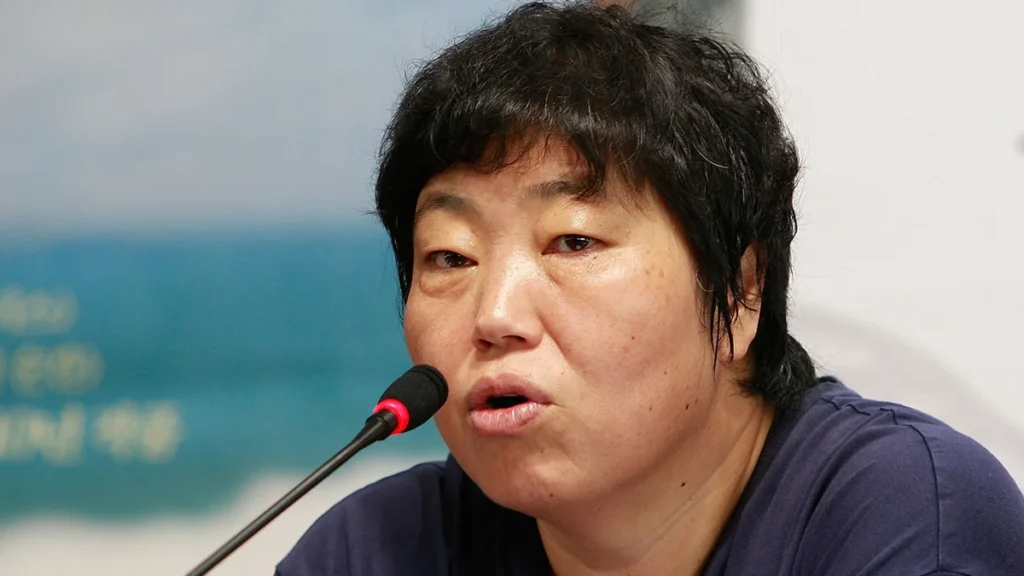
Yim Soon-rye is a highly acclaimed South Korean film director known for her thought-provoking and emotionally resonant storytelling. With a career spanning over three decades, Yim has established herself as a prominent figure in the Korean film industry. Her films often explore themes of family, identity, and societal issues, delving into the complexities of human relationships and the challenges faced by individuals in a rapidly changing world.
Yim’s unique directorial style combines striking visuals with a keen eye for detail and authentic performances, resulting in captivating cinematic experiences. Her works have garnered critical acclaim both domestically and internationally, earning her numerous accolades and making her a respected figure in the world of cinema. Yim Soon-rye’s contribution to Korean cinema is immeasurable, as she continues to inspire and captivate audiences with her thought-provoking narratives and artistic vision.
Park Chan-wook

Park Chan-wook is a highly acclaimed South Korean filmmaker known for his visually stunning and emotionally gripping films. Born in 1963, he began his career in the 1990s and quickly gained recognition for his unique storytelling style and bold cinematic choices. Park’s films often explore themes of revenge, redemption, and the human capacity for violence.
He gained international fame with his 2003 film “Oldboy,” which won the Grand Prix at the Cannes Film Festival and solidified his reputation as a master of storytelling. Park’s films are characterized by their meticulous attention to detail, striking visuals, and complex characters. With his innovative approach to filmmaking, Park Chan-wook has become an influential figure in world cinema, leaving a lasting impact on both Korean and international audiences.
Yu Hyun-Mok

Yu Hyun-mok was a renowned South Korean film director known for his significant contributions to the Korean New Wave movement. Born in 1925 in what is now North Korea, Yu began his career in the film industry in the 1950s and quickly gained recognition for his innovative storytelling and technical prowess. He explored various themes in his films, including the struggles of the working class, the effects of war, and the complexities of human relationships.
Yu’s films often depicted the harsh realities of Korean society, shedding light on the social and political issues of the time. His masterpiece, “Obaltan” (also known as “Aimless Bullet”), is considered a groundbreaking film that portrays the post-war disillusionment and despair faced by ordinary citizens. Yu’s impactful filmmaking style and commitment to social realism have left an indelible mark on Korean cinema, making him one of the most influential directors in the country’s history.
A vision curated by a filmmaker, not an algorithm
In this video I explain our vision
Hong Sang-soo

Hong Sang-soo is a highly acclaimed South Korean filmmaker known for his distinctive and introspective style of storytelling. With a career spanning over two decades, he has garnered international recognition and critical acclaim for his works. Hong’s films often explore themes of love, relationships, and the complexities of human interactions.
His narratives are characterized by their minimalist approach, long takes, and recurring motifs. Through his films, Hong presents a nuanced and introspective examination of the human condition, often blurring the lines between reality and fiction. His unique storytelling style and keen observation of everyday life have made him a prominent figure in contemporary cinema, earning him numerous awards and a dedicated following of cinephiles around the world.
Kim Ki-young

Kim Ki-young was a highly influential South Korean film director known for his unique and unconventional storytelling style. He rose to prominence during the 1960s and 1970s, challenging traditional Korean cinema with his dark and psychological narratives. Kim Ki-young’s films often explored themes of human desires, obsession, and the destructive power of love.
He was a master of creating tension and suspense, and his use of innovative camera techniques and striking visuals added depth to his storytelling. Some of his most notable works include “The Housemaid” and “Woman of Fire.” Kim Ki-young’s films continue to be celebrated for their artistic vision and thought-provoking narratives, solidifying his legacy as one of the most important figures in Korean cinema history.
Yoon Ga-Eun

Yoon Ga-eun is a talented South Korean filmmaker known for her unique storytelling and insightful exploration of societal issues. Born in 1983, Ga-eun graduated from the Korean Academy of Film Arts. She gained international recognition with her debut feature film, “The World of Us,” which won numerous awards and was praised for its sensitive portrayal of childhood friendships and the impact of social hierarchies on young minds.
Ga-eun’s works often highlight the struggles faced by marginalized individuals, particularly children, in Korean society. With her exceptional cinematic style and thought-provoking narratives, Yoon Ga-eun continues to captivate audiences and contribute to the growth of Korean cinema.
Im Kwon-Taek

Im Kwon-Taek is a highly renowned South Korean film director, often considered a pioneer of the country’s cinematic industry. With a career spanning over six decades, he has directed numerous critically acclaimed films that have garnered international recognition. Im Kwon-Taek is known for his deep exploration of Korean culture and history, often incorporating elements of traditional Korean art forms such as pansori (a form of musical storytelling) into his films.
His works are characterized by their poetic storytelling, masterful cinematography, and rich character development. Im Kwon-taek’s contributions to Korean cinema have not only elevated its global reputation but have also played a significant role in preserving and promoting Korean cultural heritage through the medium of film.
Lee Chang-dong

Lee Chang-dong is a highly acclaimed South Korean filmmaker known for his profound storytelling and thought-provoking themes. Born in 1954, he started his career as a novelist before entering the film industry. Lee’s films often delve into the complexities of human emotions, societal issues, and the struggles of ordinary people. His works are characterized by their meticulous attention to detail, rich character development, and captivating cinematography.
Lee’s filmography includes masterpieces like “Peppermint Candy,” “Secret Sunshine,” and “Burning,” which have garnered critical acclaim and numerous awards worldwide. Through his unique cinematic style, Lee Chang-dong has established himself as one of the most influential and visionary directors in contemporary cinema.
Bong Joon-ho
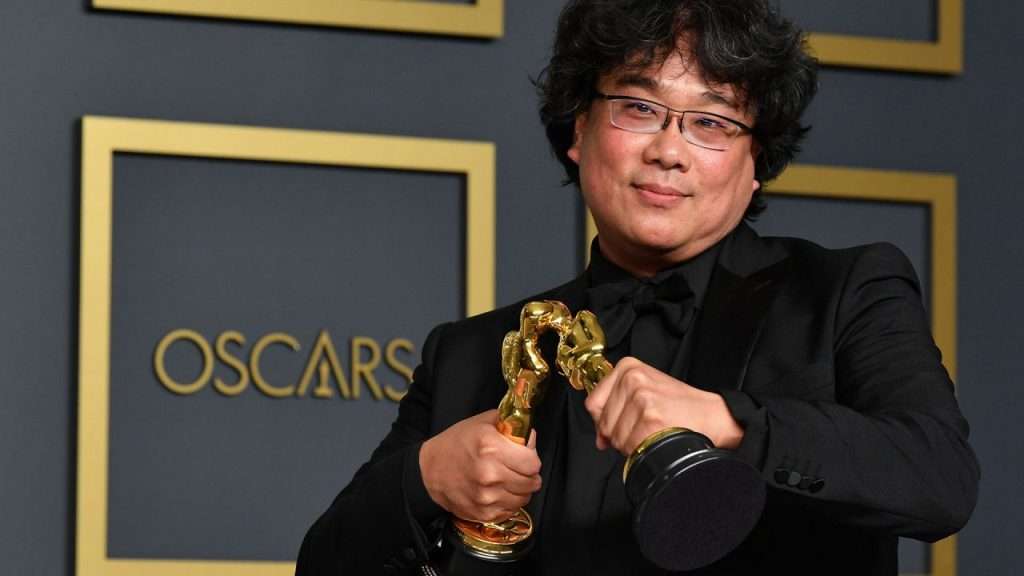
Bong Joon-ho is a South Korean film director and screenwriter known for his unique storytelling and genre-bending films. Born in 1969, Bong has garnered international acclaim for his ability to seamlessly blend different genres, often infusing elements of suspense, drama, and dark humor into his works.
Some of his notable films include “Memories of Murder,” a gripping crime thriller based on a real-life serial murder case, and “Parasite,” a satirical black comedy that explores the class divide in contemporary society. Bong’s films are often praised for their compelling narratives, social commentary, and stunning cinematography. His distinctive style and ability to tackle complex themes have made him a prominent figure in the global film industry, earning him numerous accolades and a dedicated fan base.
Hur Jin-ho

Hur Jin-ho is an acclaimed South Korean director specializing in poignant romantic dramas that delve into love, loss, and human fragility. Films like ‘Christmas in August,’ ‘One Fine Spring Day,’ and ‘April Snow’ feature understated narratives, exquisite cinematography, and emotionally authentic performances, earning him awards and a reputation for quiet, introspective storytelling.
Hur Jin-ho’s oeuvre is defined by melancholic lyricism and nuanced portrayals of fleeting relationships against life’s impermanence, often using seasonal metaphors and natural light for poetic intimacy. ‘Christmas in August’ poignantly captures terminal illness’s quiet devastation, pioneering subtle emotional realism in Korean romance. His deliberate pacing and focus on unspoken longing distinguish him from flashier contemporaries, fostering profound viewer empathy. This refined artistry has garnered critical acclaim, establishing him as a key figure in elevating personal dramas within Korean cinema’s diverse landscape.
Im Sang-soo

Im Sang-soo crafts provocative dramas and thrillers that dissect class divides, power dynamics, and human depravity. Known for remaking films like The Housemaid (2010), his works explore erotic tension and moral corruption in elite households. Earlier films such as A Tale of Two Sisters-inspired stories highlight psychological depth, while his narratives often feature strong female characters navigating betrayal and revenge, marking him as a bold voice in contemporary Korean cinema.
Choi Dong-hoon

Choi Dong-hoon is a master of big-budget Korean blockbusters, directing stylish heist thrillers and period adventures like ‘The Big Swindle,’ ‘The Thieves,’ and ‘Confidential Assignment.’ Known for ensemble casts, intricate plots, and high-octane action, his films such as ‘Assassination,’ a 1930s resistance saga, blend historical drama with explosive set pieces, captivating domestic and international audiences.
Choi Dong-hoon’s films excel in elaborate plotting and kinetic energy, transforming complex cons and historical epics into crowd-pleasing spectacles. His visual flair—sweeping camerawork, vibrant palettes, and seamless genre fusion—evokes Hollywood grandeur while rooting stories in Korean contexts, as in ‘The Thieves,’ Asia’s highest-grossing film then. Meticulous world-building and charismatic antiheroes define his style, balancing wit, romance, and violence. This commercial prowess has redefined Korean genre filmmaking, rivaling global franchises with distinctly local flavor.
Hwang Dong-hyuk

Hwang Dong-hyuk rose to international fame as the creator and director of ‘Squid Game,’ Netflix’s record-breaking survival drama series. A former assistant director turned auteur, he previously helmed features like ‘Silenced,’ a harrowing drama on child abuse, and ‘Miss Granny,’ a heartwarming comedy remake hit. His shift to prestige TV marked a pivotal evolution in Korean storytelling.
Hwang Dong-hyuk’s work critiques societal inequalities with sharp satire and visceral tension, evident in ‘Squid Game’s’ allegory of capitalism’s brutality through deadly children’s games. Drawing from personal financial struggles, he crafts emotionally resonant narratives blending genre thrills with profound social commentary. ‘Silenced’ exposed institutional corruption, sparking real-world reforms, while ‘Miss Granny’ showcased his lighter touch. His global phenomenon success underscores Korean cinema’s expanding influence, proving his adeptness at humanizing systemic flaws through accessible yet incisive drama.
Zhang Lu

Zhang Lu, a Korean-Chinese auteur, weaves poetic dramas exploring diaspora, poverty, and quiet introspection. Films like Oasis (2002) and A Man Full of Sorrow portray marginalized lives with tender lyricism, often starring non-actors. His bilingual works bridge cultures, delving into love amid hardship, and have garnered awards for their humanistic gaze on overlooked Korean and Chinese communities.
Zhang Lu’s cinema is a meditative essay on alienation, employing sparse dialogue, long takes, and natural lighting to evoke profound solitude. Drawing from his ethnic Korean roots in China, he crafts narratives of transient souls—migrants, outcasts—finding fleeting connections. Oasis exemplifies his magical realism touch, blending tragedy with whimsy to humanize the downtrodden. Critics celebrate his rejection of melodrama for subtle emotional layers, fostering empathy without sentimentality. Though less commercial, his festival darlings influence arthouse peers, offering poignant counterpoints to mainstream bombast with philosophical depth and cross-border resonance.
Moon Byung-gon

Moon Byung-gon brings fresh intensity to thrillers, focusing on survival horror and human endurance. His Beast (2023) chronicles desperate fugitives evading pursuit, blending relentless action with emotional stakes. Earlier shorts and features showcase his knack for confined spaces and primal conflicts, earning notice at international festivals for raw authenticity and innovative pacing in the Korean genre landscape.
Moon Byung-gon’s style emphasizes visceral realism and claustrophobic dread, pushing actors to extremes in high-concept scenarios. Beast exemplifies his command of chase dynamics, using Korea’s terrain for immersive pursuits that probe desperation and brotherhood. Influenced by festival circuits, his films prioritize atmospheric soundscapes and handheld camerawork for immediacy. While emerging, his promise lies in subverting expectations—merging horror tropes with social realism. Critics highlight his efficient storytelling amid limited budgets, positioning him as a successor to veterans, with potential to redefine survival thrillers through unflinching humanism and genre innovation.
Park Hoon-jung

Park Hoon-jung excels in high-octane action and gangster tales, blending stylish violence with intricate plotting. His breakout New World (2013) follows an undercover cop infiltrating a crime syndicate, praised for its twists and ensemble cast. Films like The Divine Fury (2019) mix horror and martial arts, while Unstoppable (2018) delivers raw revenge drama. Park’s screenwriting background shines in taut narratives that elevate genre conventions.
Park Hoon-jung’s filmmaking thrives on kinetic energy and moral complexity, revitalizing Korean crime thrillers with Western influences and local grit. New World masterfully toys with loyalties, echoing Infernal Affairs while carving a distinct identity through sharp dialogue and brutal choreography. His visual style favors dynamic tracking shots and neon-lit underworlds, amplifying tension. Critics laud his character-driven approach, where antiheroes reveal societal fractures. Transitioning from screenwriter to director, Park balances spectacle with substance, though some note formulaic elements; his oeuvre expands Korean action’s scope, gaining cult following for unrelenting pace and thematic bite.
Na Hong-jin
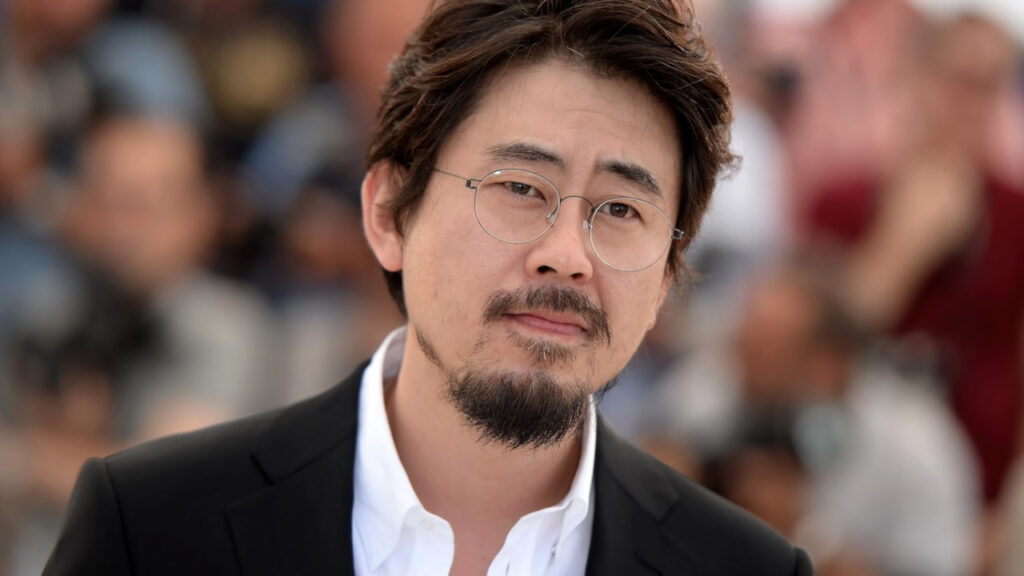
Na Hong-jin is a master of genre filmmaking, renowned for his gripping horror-thrillers that blend supernatural elements with social commentary. His debut feature The Wailing (2016) explores rural superstitions and police investigation amid mysterious deaths, while films like The Yellow Sea (2010) and The Murderer (2017) delve into crime and moral ambiguity. Hong-jin’s works often feature atmospheric tension and visceral scares, cementing his status as a rising force in Korean cinema.
Na Hong-jin’s directorial style is defined by meticulous world-building and escalating dread, transforming everyday settings into nightmarish realms. In The Wailing, he masterfully intertwines shamanism, Christianity, and folklore to critique societal fears, earning international acclaim at Cannes. His protagonists grapple with personal failings amid larger conspiracies, showcasing his skill in hybrid genres—horror fused with noir and action. Critics praise his technical prowess, from haunting sound design to expansive cinematography capturing Korea’s landscapes. Despite occasional pacing critiques, Hong-jin’s films deliver profound existential chills, influencing global genre cinema with their raw intensity and cultural depth.
A vision curated by a filmmaker, not an algorithm
In this video I explain our vision

