
Mumblecore emerged in the early 2000s as a defiant whisper against the bombast of Hollywood’s blockbuster machine, a grassroots uprising of filmmakers armed with digital cameras and unscripted truths. Born from the DIY ethos of post-college ennui, this movement captured the halting, naturalistic dialogue of twenty-somethings adrift in urban limbo—jobs that numb, relationships that fray, and desires mumbled into the void. Its cultural jolt lay in democratizing cinema, proving that raw intimacy could eclipse polished spectacle, influencing a generation to embrace imperfection as the ultimate authenticity.

Rooted in the digital revolution’s cheap tools and festival circuits like South by Southwest, mumblecore evolved from influences like Slacker and neorealism, forging a punk-rock aesthetic of improvisation, non-professional casts, and real-world locations. Critics derided it as privileged hipster navel-gazing, yet its power pulsed in subverting commercial excess, offering a “digital socialism” that bypassed star egos and marketing bloat. This fusion of low-budget rebellion and emotional nakedness reshaped independent cinema, blending the mundane with profound revelations about millennial disconnection.
Today, as its echoes ripple into mumblegore and beyond, mumblecore stands as a vital bridge between indie purity and arthouse evolution, reminding us that true cinematic revolution thrives not in budgets or stars, but in the unfiltered pulse of human hesitation. Its legacy invites us to cherish these must-see gems, where every stuttered word carves a deeper scar on the soul of film history.
The Endless (2017)

The Endless (2017) stands as a rare mumblecore-inflected gem in genre cinema, where directors Justin Benson and Aaron Moorhead, playing brothers escaping dead-end lives, deliver naturalistic dialogue that feels utterly improvised yet precisely honed. Their return to a cryptic cult commune unspools with low-fi intimacy, capturing sibling tensions and existential drift through unadorned conversations amid cosmic anomalies—time loops, eerie monoliths—that ground Lovecraftian vastness in human-scale vulnerability.[web:1][web:3]
This film’s mumblecore essence shines in its rejection of polished exposition, favoring rambling talks around campfires and strained brotherly banter to reveal warped perceptions of time and reality, making the unknowable “It” lurking beyond feel chillingly personal. Benson and Moorhead’s DIY ethos elevates indie ingenuity, blending social realism with subtle SF horror, proving mumblecore’s power to infuse genre with authentic emotional stakes and philosophical dread.
The Lost Poet
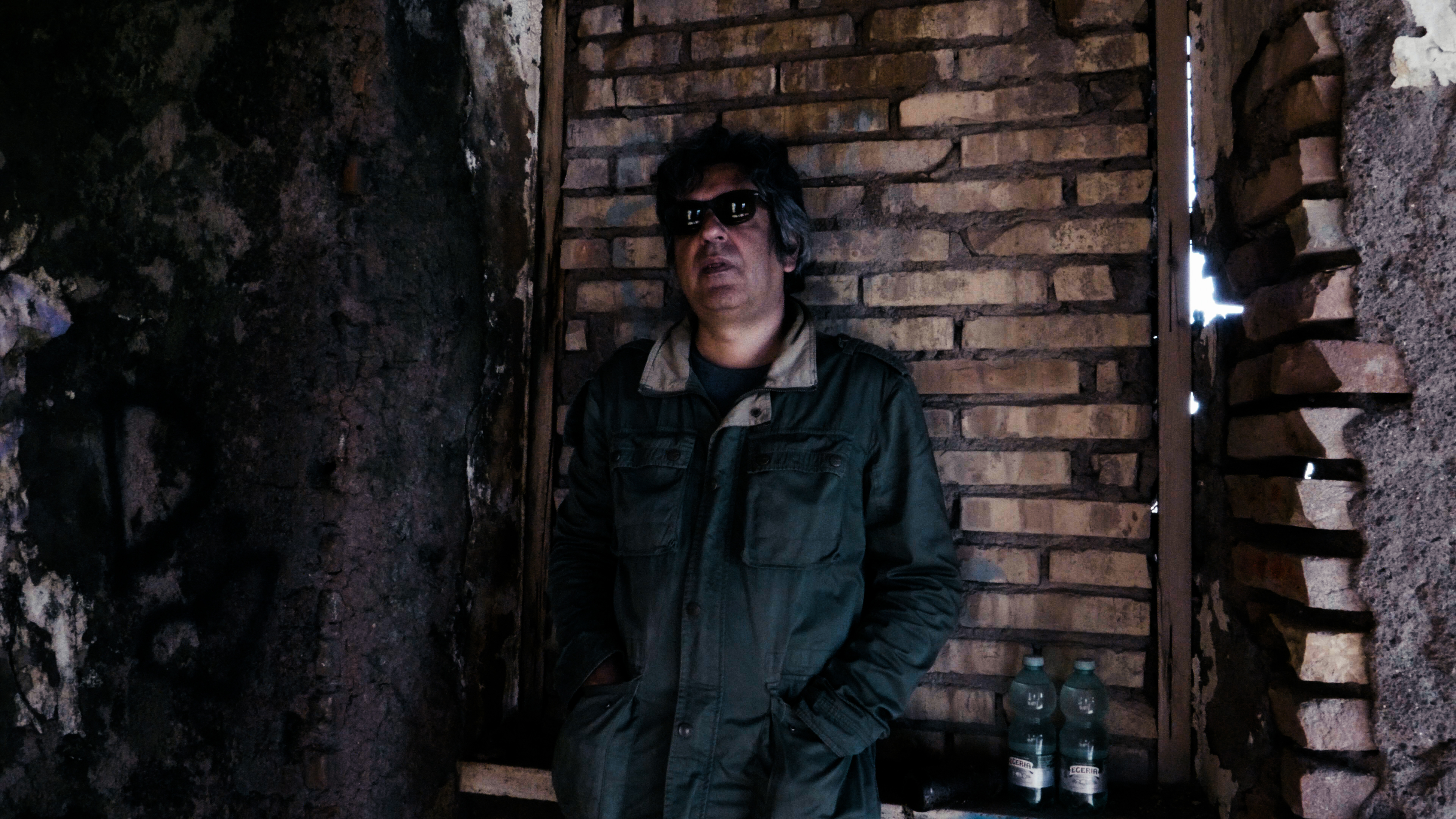
Drama, by Fabio Del Greco, Italy, 2024.
Dante Mezzadri wants to see an old friend, nicknamed the Iguana, whom he has lost sight of for many years, and who has managed to turn their shared youthful passion for poetry into a job, becoming a famous writer and poet. The man escapes from his bourgeois life and his wife to live homeless on the Roman coast, printing and trying to sell his poetry collections. At night he sleeps in a park of old carnival floats, inside a papier-mâché tank, and waits for the opportunity to meet his old friend, who however never shows up for appointments in the places they frequented when they were young, now in ruins. Dante's poetry books do not interest anyone and to support himself he is forced to "change product": he starts selling the infamous "cannibal pill" on behalf of young drug dealers, a new drug that sells like hot cakes and causes sensory and consumerist ecstasy. However, he realizes that this powerful drug is very dangerous for those who take it, he comes into conflict with his ethical conscience and throws all the pills into the sea. However, the dealers want to collect their money.
Shot over a period of 2 years, the film is a reflection on the cultural and artistic rubble of the society in which the protagonist lives, in an increasingly mechanized, consumerist and arid world. Dante Mezzadri is yet another human being who has renounced his inspiration and his creativity, but unlike many he is not willing to give his life to a system that distances him from his true identity. The physical world around him, however, seems constructed in such a way that it seems impossible to escape from this "invisible cage". The enthusiasm of the people he meets is ignited only by sensory gratification, by unreal visions of personal affirmation and success, by "metaverses" that offer an escape into an illusory and destructive reality. The poet's house on the coast, where he met with his friends as a young man, is just a pile of abandoned rubble. What happened to all those who wanted to become poets and ended up becoming something else? Are there internal forces with which that house can be "rebuilt"?
LANGUAGE: Italian
SUBTITLES: English, Spanish, French, German, Portuguese
Creep 2 (2017)

Creep 2 (2017) extends the mumblecore ethos into found-footage horror with raw, improvisational dialogue that captures the awkward intimacy of its characters. Director Patrick Brice and star Mark Duplass craft a sequel where videographer Sara answers Aaron’s cryptic Craigslist ad, only to engage in a tense psychological duel. Shot on a shoestring budget with minimal crew, the film thrives on unpolished naturalism, turning mundane conversations into escalating dread.
In the spirit of mumblecore’s focus on relational unease, Creep 2 subverts expectations by making Sara a skeptical foil to Aaron’s manic-depressive killer, their banter a meta-commentary on creative stagnation and genre tropes. Duplass’s vulnerable performance deepens the creep factor, while the lo-fi aesthetic amplifies authentic discomfort, proving mumblecore’s power to unsettle through everyday verisimilitude rather than spectacle.

Always Shine (2016)

Always Shine captures the raw essence of mumblecore through its intimate portrayal of two struggling actresses, Anna and Beth, whose weekend getaway in Big Sur unravels into a tense confrontation fueled by jealousy and professional resentment. Sophia Takal‘s direction employs naturalistic dialogue and subtle improvisational vibes, hallmarks of the movement, to dissect the quiet cruelties of female friendship under Hollywood’s patriarchal pressures, where passive-aggression simmers without explosive catharsis.
Mackenzie Davis delivers a blistering, unfiltered performance as the frustrated Anna, her every barbed line echoing mumblecore’s emphasis on authentic emotional messiness, while Caitlin FitzGerald’s brittle Beth embodies performative vulnerability. Takal weaves psychological horror into this low-budget indie framework, using Big Sur’s haunting landscapes and sly parallelism to mirror inner turmoil, transforming mundane rivalry into a chilling meditation on identity and exploitation that elevates the genre’s DIY spirit.
Another Evil (2016)

Another Evil (2016) masterfully embodies mumblecore’s essence through its lo-fi intimacy and improvisational awkwardness, as painter Dan (Mark Proksch) grapples with a haunted vacation home by enlisting the eccentric ghost hunter Os (Steve Zissis). Their mismatched bromance unfolds in cringe-inducing dialogues and mundane rituals, blending supernatural unease with slice-of-life banalities in Carson Mell‘s voyeuristic style, turning exorcism into a study of male loneliness and emotional ineptitude.
This indie gem elevates mumblecore by subverting haunted house tropes with dry, Office-like humor and character-driven tension, where Os’s needy pedantry rivals the ghosts’ menace. Mell’s sparse camerawork and sound design amplify the discomfort of interpersonal friction, proving mumblecore’s power to infuse horror with authentic, unpolished humanity that lingers far beyond the scares.
The Alchemist Cookbook (2016)

The Alchemist Cookbook (2016) embodies mumblecore’s raw essence through its lo-fi intimacy, capturing a young outcast named Sean holed up in a woodland trailer with his cat Kaspar, dabbling in haphazard alchemy to escape societal drudgery. Director Joel Potrykus lingers voyeuristically on mundane rituals—mixing chemicals, devouring cat food, dancing in Christmas lights—infused with awkward humor and creeping dread, all shot with minimal resources that heighten the isolationist vibe central to the movement’s unpolished authenticity.
Potrykus elevates mumblecore’s slacker ennui into psychological horror, blending deadpan comedy with hallucinatory terror as Sean’s experiments summon inner demons, blurring reality in extended takes of gluttony and paranoia. Ty Hickson’s sub-verbal performance anchors the film’s humanity, making the protagonist’s descent both relatable and unnerving, a testament to indie cinema’s power to transmute banality into profound unease without polished artifice.
A vision curated by a filmmaker, not an algorithm
In this video I explain our vision
Appropriate Behavior (2015)

Desiree Akhavan‘s debut establishes her as a key voice in contemporary mumblecore, crafting a witheringly dry comedy about Brooklyn identity politics and romantic dissolution. The film’s non-sequential structure—triggered memories of a failed relationship interspersed with present-day misadventures—mirrors mumblecore’s aesthetic of fragmented selfhood and emotional inarticulacy. Akhavan’s deadpan delivery and intimate camera work capture the genre’s signature anxiety about urban life, sexuality, and the performance of authenticity amid social expectations.
What distinguishes Appropriate Behavior within mumblecore’s lineage is its unflinching exploration of female bisexuality and immigrant family dynamics, territories largely unexplored by the movement’s earlier practitioners. Rather than romanticizing dysfunction like some mumblecore predecessors, Akhavan treats Shirin’s passive-aggressive behavior and sexual confusion with restraint and sensitivity. The film’s ensemble cast—particularly Halley Feiffer‘s scene-stealing best friend—grounds the meandering narrative in genuine human connection, suggesting mumblecore’s evolution toward emotional maturity without sacrificing its commitment to awkward realism and comedic precision.
They Look Like People (2015)

They Look Like People captures the raw essence of mumblecore through its handheld camerawork and improvised-feeling dialogue, centering on two lifelong friends, Wyatt and Christian, whose awkward, intimate bond unravels amid Wyatt’s spiraling paranoia about an otherworldly threat. Perry Blackshear’s micro-budget debut strips away genre excess, favoring subtle tension and authentic male vulnerability over jump scares, evoking a post-mumblecore chill where everyday conversations mask creeping dread.
In the mumblecore tradition of emotional realism, the film’s slow-burn horror blooms from unscripted-like interactions and filtered character perspectives, questioning reality without easy answers until a tender, definitive climax. Wyatt’s isolation and Christian’s fumbling loyalty highlight the genre’s strength in portraying flawed psyches through hypermasculine facades and heartfelt bromance, making this indie gem a must-see for its lingering unease and humane depth.
Happy Christmas (2014)

Happy Christmas (2014) captures the essence of mumblecore through its raw, improvised intimacy, following Jenny (Anna Kendrick), a directionless 27-year-old crashing with her brother Jeff and his wife Kelly (Joe Swanberg and Melanie Lynskey) during the holidays. Her chaotic presence—marked by partying, awkward confessions, and fleeting romances—disrupts their new-parent routine, yielding hyper-naturalistic dialogues that feel unscripted and alive.
In true mumblecore fashion, Joe Swanberg eschews dramatic arcs for subtle emotional undercurrents, exploring millennial growing pains and family bonds without resolution or judgment. The film’s lightweight risk-aversion frustrates some, yet its fly-on-the-wall verité and nuanced performances affirm the movement’s power: everyday messiness as profound cinema, where imperfection breeds authentic connection.
Starry Eyes (2014)

Starry Eyes (2014) defies easy categorization within mumblecore’s naturalistic dialogue and low-budget intimacy, yet its raw portrayal of aspiring actress Sarah Walker‘s desperation echoes the movement’s unflinching gaze at personal unraveling. Alexandra Essoe‘s tour-de-force performance captures the mundane humiliations of Hollywood hopefuls—endless auditions, backstabbing roommates, and dead-end waitsressing—with a gritty realism that feels authentically improvised, minus the genre’s typical restraint.
The film’s pivot to body horror underscores mumblecore’s underbelly of emotional decay, transforming Sarah’s ambition into a visceral Faustian bargain with industry predators. Directors Kevin Kölsch and Dennis Widmyer blend seedy LA realism with shocking gore, critiquing fame’s corrupt toll in a way that amplifies mumblecore’s themes of quiet desperation exploding into chaos, making it a must-see hybrid for fans of unfiltered human frailty.
It Follows (2014)

It Follows (2014) stands as a striking outlier in mumblecore’s landscape, where David Robert Mitchell channels the movement’s raw naturalism into a haunting supernatural thriller. The film’s protagonists engage in sparse, naturalistic dialogue amid suburban ennui, evoking the improvisational intimacy of mumblecore staples like those from Andrew Bujalski or Greta Gerwig‘s early works. Yet, Mitchell elevates this with a relentless entity passed through intimacy, transforming idle teen conversations into existential dread, all shot with lingering wide lenses that isolate characters in vast, empty frames.
This fusion of mumblecore’s “meaningful-meaninglessness”—stares into the void, Dostoevsky readings, nervous shifts—crafts a dreamlike unreality, where young lives unfold in an adult-void vacuum. The curse’s inevitability mirrors mumblecore’s focus on aimless youth, but weaponizes it into psychosexual terror, subverting slasher tropes with purposeful pacing and superior sound design. Though not pure mumblecore, It Follows proves the genre’s aesthetic can haunt beyond realism, blending indie character study with inescapable horror.
Creep (2014)

Creep (2014) exemplifies mumblecore’s raw intimacy through its found-footage simplicity, where videographer Aaron (Patrick Brice) arrives at a remote cabin to document Josef (Mark Duplass), a man claiming terminal illness for his unborn child’s video diary. What unfolds is a slow descent into unease, fueled by improvised awkwardness and unscripted tension, hallmarks of the movement’s low-budget ethos pioneered by Duplass himself.
In connecting to mumblecore’s essence, Creep weaponizes the genre’s naturalistic dialogue and handheld realism to build psychological dread, eschewing gore for the creeping horror of interpersonal discomfort. Duplass’s manic, empathetic performance blurs victim and predator, mirroring mumblecore’s fascination with flawed humanity, transforming a Craigslist gig into an indelible study of trust’s fragility.[web:1][web:2][web:3][web:4][web:5]
Frances Ha (2012)

Frances Ha captures the essence of mumblecore through its raw, improvised dialogue and unflinching portrayal of post-college drift, as Greta Gerwig’s titular dancer navigates New York’s underbelly with awkward grace. Noah Baumbach‘s black-and-white aesthetic, shot on digital to mimic film grain, evokes French New Wave spontaneity, stripping away gloss to reveal the mundane humiliations of adulting—failed auditions, roommate betrayals, and impulsive escapades that feel utterly lived-in and unscripted.
In mumblecore’s spirit, the film thrives on Gerwig’s naturalistic performance, turning Frances’s delusions of grandeur and relational fumblings into a poignant comedy of millennial malaise, where friendship fractures under real-world pressures yet endures. Baumbach and Gerwig’s screenplay favors organic humor over plot contrivances, making her journey from Sacramento detours to tentative self-possession a microcosm of indie cinema’s intimate humanism.
All the Light in the Sky (2012)

All the Light in the Sky captures the essence of mumblecore through its barebones aesthetic and improvisational intimacy, centering on Marie, a fading actress in Malibu confronting the industry’s youth obsession. Jane Adams delivers a raw, unadorned performance, monologuing her insecurities amid casual encounters with indie filmmaker friends like Larry Fessenden, all shot on a shoestring budget in natural light that mirrors the movement’s rejection of polished narratives.
Swanberg’s direction evolves mumblecore’s hallmark realism, blending quiet desperation with subtle humor in Marie’s mentorship of her hungover niece, Sophia Takal, highlighting generational shifts in low-budget cinema. Though some threads feel stretched over its 78 minutes, the film’s strength lies in its lived-in rhythm, offering a poignant snapshot of artistic perseverance that elevates it among must-see mumblecore gems.
The Colour Wheel (2011)

The Color Wheel (2011) exemplifies mumblecore’s raw intimacy through its stripped-down road trip narrative, where estranged siblings J.R. and Colin, played by Carlen Altman and writer-director Alex Ross Perry, embark on a chaotic retrieval mission from her ex-professor. Shot on grainy black-and-white 16mm, the film’s 80 minutes pulse with improvised-feeling dialogue that erupts in verbal eviscerations, capturing sibling resentment and social awkwardness with unfiltered authenticity.
This mumblecore gem weaponizes discomfort as its core engine, pushing taboo boundaries—incestuous undertones and racial jabs—while anchoring in hyper-realistic performances that feel cobbled from friends’ lives, evoking the movement’s DIY ethos. Perry’s script layers cynical vitriol over pathos, probing generation-specific anxieties about redemption in a hostile world, making The Color Wheel a thorny, exhilarating dispatch from indie cinema’s unpolished frontier.
Your Sister's Sister (2011)

Lynn Shelton‘s Your Sister’s Sister exemplifies mumblecore’s raw intimacy, thrusting Jack, still reeling from his brother’s death, into a secluded cabin where he unexpectedly connects with Iris’s sister, Hannah, amid tequila-fueled confessions and a one-night stand. When Iris arrives, secrets unravel in overlapping dialogues that capture the genre’s hallmark improvisation, blending grief, desire, and sibling bonds into a tense, naturalistic love triangle played out over one chaotic weekend.
What elevates this mumblecore gem is its unadorned authenticity: Mark Duplass, Emily Blunt, and Rosemarie DeWitt deliver softly spoken, overlapping lines that feel eavesdropped from real life, turning contrived revelations into profound explorations of vulnerability and adult reckoning. Shelton’s direction favors subtle emotional shifts over melodrama, embodying mumblecore’s faith in conversation as catharsis, where optimism emerges not from tidy resolutions but from messy human truths.
Tiny Furniture (2010)

Tiny Furniture captures the essence of mumblecore through its raw, unscripted intimacy, as Lena Dunham directs and stars as Aura, a recent college graduate adrift in her mother’s Tribeca loft. Featuring Dunham’s real-life family—mother Laurie Simmons as the artist photographing miniatures and sister Grace as the precocious poet—the film unfolds with spontaneous dialogues on post-graduation malaise, superficial romances, and fragile ambitions. This lo-fi chamber piece thrives on its “tininess,” blending discomforting humor with the genre’s hallmark naturalism, free from polished artifice.
In the mumblecore tradition, Tiny Furniture dissects millennial inertia without resolution, prioritizing emotional authenticity over narrative drive. Aura’s meandering encounters—job woes, fleeting hookups, sibling rivalries—mirror the movement’s focus on improvised, confessional storytelling. Dunham’s bold auto-fiction heralds a fresh voice, earning SXSW acclaim and launching her career, yet its navel-gazing risks alienating viewers seeking deeper catharsis. Ultimately, it exemplifies mumblecore’s power: turning personal vulnerability into wry, relatable cinema.
Breaking Upwards (2009)

Breaking Upwards captures the essence of mumblecore through its raw, autobiographical intimacy, as directors Daryl Wein and Zoe Lister-Jones star as versions of themselves in a stagnating New York romance. They devise a rigid schedule—days on, days off—to engineer their breakup, only for chaos to ensue amid forbidden texts and meddling parents. This low-budget experiment thrives on unpolished dialogue and handheld visuals, blending humor with heartache in quintessential mumblecore fashion.
The film’s genius lies in its hyper-articulate neuroticism, echoing Woody Allen while grounding it in the genre’s DIY ethos and technological-era immediacy. By documenting their real-life relational spiral, Wein and Lister-Jones dissect co-dependency and the fear of true solitude, making Breaking Upwards a must-see for its fresh meditation on loving without being in love. Mumblecore’s strength shines here: authentic vulnerability over polished narrative.
Humpday (2009)

Lynn Shelton’s Humpday captures the raw essence of mumblecore through its improvised dialogues and micro-budget intimacy, centering on two straight friends—Ben (Mark Duplass) and Andrew (Joshua Leonard)—who drunkenly pledge to film a gay porn for artistic notoriety. What begins as absurd bravado unravels into a tense examination of male bonding, exposing the fragility of bromance under societal scrutiny. Shelton’s handheld camera and naturalistic performances strip away cinematic polish, making every awkward pause feel palpably real.
In the mumblecore tradition, Humpday transcends its provocative hook to probe deeper insecurities: Ben’s domestic stagnation clashes with Andrew’s nomadic freedom, revealing how repressed desires and homophobic undercurrents sabotage intimacy. Anna (Alycia Delmore) emerges as a nuanced foil, her reactions grounding the farce in relational truth. Shelton masterfully edits these unscripted moments into a deceptively sharp comedy that challenges straight masculinity, proving mumblecore’s power to elevate the mundane into profound revelation.
Harmony and Me (2009)

Harmony and Me (2009) captures the essence of mumblecore through its raw depiction of a heartbroken slacker named Harmony, a directionless songwriter navigating post-breakup malaise in Austin. With improvised dialogue and lo-fi aesthetics, the film follows his awkward encounters with unsympathetic family, oddball coworkers, and a sympathetic piano teacher, blending mundane work woes and romantic purgatory in a narrative that prioritizes emotional authenticity over plot momentum.
This mumblecore gem shines in its apathetic visual style and laconic humor, evoking early Woody Allen while embodying the genre’s adrenal rush of low self-esteem among Generation X and Y slackers. Justin Rice‘s low-key performance anchors the charm amid charmless characters, though disjointed romance and work threads dilute tension, making it a diverting, if sloppy, must-see for fans of Mutual Appreciation-style indie introspection.
The House of the Devil (2009)

The House of the Devil stands as a provocative outlier in mumblecore’s landscape, where Ti West channels the movement’s raw, improvisational ethos into a slow-burn horror homage. Jocelin Donahue‘s Samantha embodies the genre’s naturalistic vulnerability, her understated performance amid 1980s period trappings evoking the lo-fi intimacy of mumblecore staples like Greta Gerwig’s early roles. Yet West subverts expectations with meticulous tension-building, transforming mundane babysitting dread into a voyeuristic unease that feels authentically indie, prioritizing atmosphere over dialogue-driven realism.
This film’s mumblecore kinship shines in its deliberate pacing and character-driven unease, eschewing bombastic scares for the quiet paranoia of everyday isolation. Donahue’s believable final-girl arc, blending terror with resilience, mirrors the movement’s focus on relatable human frailties, while the explosive finale delivers visceral payoff. Though not purely mumblecore, its micro-budget craftsmanship and retro authenticity make it a must-see bridge between indie naturalism and genre reinvention.
Wendy and Lucy (2008)
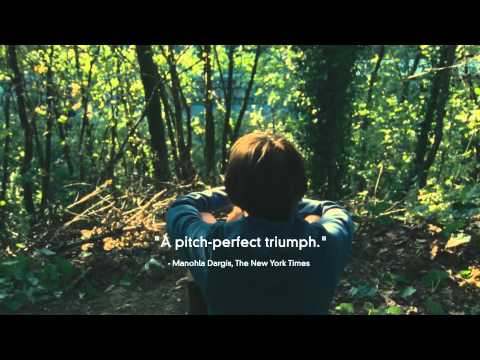
Michelle Williams delivers a marvel of internalized desperation in Kelly Reichardt‘s austere portrait of economic collapse. As Wendy, a migrant worker stranded in a postindustrial Oregon town after her dog goes missing, Williams embodies the mumblecore aesthetic through her refusal of performative emotion. Her composure cracks only once, in a moment of fitful hysteria that feels earned rather than manufactured, perfectly capturing how poverty demands emotional restraint and invisible suffering.
Reichardt’s narrative minimalism mirrors the film’s thematic preoccupation with invisibility and disconnection. By structuring the plot around small, concrete tasks—fixing a broken-down car, searching for Lucy, counting dwindling cash—the director transforms everyday survival into quiet devastation. The mumblecore sensibility emerges not through dialogue but through what remains unsaid: Wendy’s eventual decision to leave Lucy with a stranger speaks volumes about internalized shame and the belief that poverty disqualifies one from love, a profoundly American tragedy told through restraint rather than melodrama.
Nights and Weekends (2008)

Nights and Weekends (2008) captures the raw essence of mumblecore through its unflinching portrayal of a long-distance romance between Mattie and James, played by co-directors Greta Gerwig and Joe Swanberg. Shot on a micro-budget over years with handheld digital video, the film immerses us in their stolen weekends of passionate reunions that devolve into petty bickering and emotional withdrawal, all rendered in naturalistic, improvised dialogue that feels painfully authentic.
This mumblecore milestone elevates the genre by layering psychological depth beneath its rambling soliloquies and awkward silences, exposing the narcissistic undercurrents of modern twentysomething love. Gerwig’s fluid, trance-like expressiveness and Swanberg’s terse detachment strip away cinematic polish, turning intimate rituals—from lustful embraces to stifled sobs—into a brave autopsy of relational decay, making it a must-see for the movement’s fearless intimacy.
Hannah Takes the Stairs (2007)

Joe Swanberg’s Hannah Takes the Stairs captures the essence of mumblecore through its raw, improvised depiction of twentysomething drift in a Chicago office, where Greta Gerwig’s restless Hannah bounces between fleeting romances with colleagues Paul, Matt, and Mike. Shot on shaky digital video, the film thrives on awkward pauses, halting banter, and unscripted authenticity, eschewing plot for the mundane rhythms of dissatisfaction and ennui that define the genre’s lo-fi rebellion against polished cinema.
Gerwig’s breakout performance anchors the film’s mumblecore soul, blending comedic charm with poignant vulnerability as Hannah navigates chronic restlessness and relational flux, her inarticulateness mirroring real-life fumbling. Swanberg unites the movement’s dream team—Duplass, Bujalski, and others—in a hangout vibe that prioritizes empathetic character beats over drama, making it a must-see for its honest probe into early-adulthood malaise and the beauty of unhurried, imperfect connection.
Frownland (2007)

Frownland (2007) captures the raw essence of mumblecore through its unflinching portrait of Keith, a maladjusted New York outcast whose social ineptitude spirals into chaos amid crumbling relationships and a dead-end coupon-selling gig. Shot piecemeal over years on a shoestring budget by writer-director Ronald Bronstein, who drew from his own life as a freelance projectionist, the film immerses viewers in grubby Brooklyn tenements and awkward encounters, eschewing polished narratives for chaotic, documentary-style cinematography by Sean Price Williams that mirrors the characters’ fractured psyches.
In the mumblecore canon, Frownland stands out for its fearless blend of scathing humor and visceral pain, balancing Keith’s grotesque bids for empathy—like feigned tears amid snotty outbursts—with an eerie electronic score evoking inner turmoil. Dore Mann’s maniacal debut performance as the self-described “troll” forces uncomfortable proximity to social pathology, rejecting commercial indie tropes for a pure, autobiographical vision that redefines personal expression in low-budget American cinema.
Quiet City (2007)
![Quiet City (2007) ORIGINAL TRAILER [HD]](https://blog.indiecinema.co/wp-content/plugins/wp-youtube-lyte/lyteCache.php?origThumbUrl=https%3A%2F%2Fi.ytimg.com%2Fvi%2FsR3PQNC2rl0%2F0.jpg)
Quiet City captures the essence of mumblecore through its stripped-down portrait of two aimless twenty-somethings, Jamie and Charlie, who meet by chance on a desolate New York subway platform late at night. Stranded after her friend fails to appear, Jamie enlists Charlie’s help navigating the city, leading to a day of wandering diners, parks, and parties. Shot on digital video with naturalistic lighting, the film unfolds in real time, eschewing plot for the quiet rhythms of urban drift and tentative connection.
In the mumblecore tradition, Aaron Katz privileges improvised, halting dialogue that reveals character through awkward pauses and mundane revelations, far from polished Hollywood banter. Visually poetic yet unpretentious, it evokes Hopper’s lonely cityscapes while infusing optimism into post-collegiate malaise, celebrating fleeting trust amid uncertainty. Erin Fisher and Cris Lankenau’s authentic performances anchor this gentle exploration of transition, making Quiet City a must-see gem of the movement’s intimate humanism.
The Puffy Chair (2005)

The Puffy Chair exemplifies mumblecore’s raw intimacy through its low-budget road trip narrative, where Josh and Emily’s quest to reupholster a shabby gift for Josh’s father unravels their stagnant relationship. Improvised dialogue and handheld camcorder aesthetics capture the mundane frictions of young adulthood—petty arguments, financial scrimping, and unspoken resentments—eschewing polished scripts for unfiltered emotional truth that defines the movement’s rejection of Hollywood gloss.
In dissecting quarter-life malaise and communication breakdowns, the Duplass brothers craft a heartbreakingly honest portrait of love’s quiet erosion, culminating in a cathartic confrontation that prioritizes character growth over contrived resolutions. This naturalistic triumph, blending humor with poignant realism, cements The Puffy Chair as a mumblecore cornerstone, proving small-scale storytelling yields profound insights into human disconnection.
Mutual Appreciation (2005)

Mutual Appreciation (2005) captures the essence of mumblecore through its raw portrayal of twentysomethings adrift in Brooklyn, where aspiring musician Alan navigates cramped apartments, half-empty venues, and awkward encounters. Andrew Bujalski’s shaky, monochrome cinematography mimics a home movie, immersing viewers in the unpolished intimacy of young lives marked by meandering relationships and unspoken doubts. The film’s dialogue-heavy script, rife with diplomatic evasions, embodies the genre’s core: unarticulated frustrations and mutual misunderstandings among friends like Lawrence, Ellie, and Sara.
Bujalski elevates mumblecore beyond mediocrity by infusing latent satisfaction amid the chaos, contrasting the epiphanic despair of his Funny Ha Ha (2002). Alan’s average indie songwriter persona—played by real-life musician Justin Rice—grounds the film in authentic mediocrity, rejecting romantic caricatures for nuanced, painfully real human connections. This tender, literate voice for awkward youth cements Mutual Appreciation as a must-see, highlighting mumblecore’s power to find poetry in the pathetically everyday.
Kissing on the Mouth (2005)

Kissing on the Mouth (2005) marks Joe Swanberg’s audacious debut, embodying mumblecore’s raw essence through its DIY ethos and unfiltered gaze on post-college intimacy. Ellen drifts into sex with her ex while roommate Patrick simmers with unspoken jealousy, captured in unglamorous close-ups of shaving, condoms, and showers. Premiering at SXSW, this micro-budget provocation blends explicit encounters with improvised dialogues, prioritizing authenticity over polish to dissect hookups and emotional evasion.
In mumblecore’s pantheon, the film’s confrontational style—forty percent extended sex scenes, sixty percent relativistic monologues on marriage and desire—challenges cinematic norms, turning banality into brutal candor. Swanberg’s steady-cam naturalism evokes Lumière-like realism, where drama emerges from roommate tensions and frank confessions, not contrived plots. Though uneven, its bravery in exposing vulnerability cements it as a foundational must-see, igniting the movement’s intimate revolution.
All the Real Girls (2003)

All the Real Girls captures the raw essence of mumblecore through its intimate portrait of Paul and Noel, two young lovers navigating first love’s fragile tenderness in a rundown North Carolina mill town. Paul Schneider and Zooey Deschanel deliver improvised, halting dialogues that feel achingly authentic, their flirtations—kissing palms instead of lips—shimmering with vulnerability amid aimless buddies and economic stagnation. David Gordon Green‘s poetic lens lingers on everyday absurdities and emotional stumbles, eschewing plot for lived-in truth.
This film’s mumblecore mastery lies in its unflinching empathy for directionless twenty-somethings, where heartbreak unfolds not in grand drama but quiet devastation, like Paul’s mirror-gazing montage or Noel’s scar revelation. Green’s early indie voice, blending Malick-esque dreaminess with grounded regret, elevates fleeting relationships into profound emotional realism, making All the Real Girls a must-see cornerstone of the movement’s focus on unadorned human connection.
Funny Ha Ha (2002)

Funny Ha Ha captures the essence of mumblecore’s birth through its raw depiction of post-collegiate drift, following Marnie, a 23-year-old adrift in temp jobs and ambiguous romances during a hazy Boston summer. With threadbare production and largely improvised dialogue, Andrew Bujalski prototypes the genre’s charm: meandering conversations brimming with subtext, evoking the ennui of arrested development among aimless millennials. Kate Dollenmayer‘s anchoring performance navigates uncertainty and apathy, making the almost plotless drift feel achingly authentic.
This patient zero of mumblecore excels in its blunt naturalism, stripping away indie clichés for vulnerable truthfulness in half-formed sentences and strained eye contact that mirror real social flailing. Bujalski’s own turn as the passive-aggressive Mitchell underscores the movement’s genius—subtle growth sneaks up without grandiosity, as Marnie’s quiet arc rejects others’ chaos. Uncompromising and influential, it revitalized Amerindie by embracing the pathetic poetry of young adulthood’s sidestepping and mind games.
🎬 Indie Cinema’s Intimate Landscapes
Mumblecore cinema captures the essence of contemporary alienation through naturalistic dialogue, minimal plots, and deeply personal storytelling. These related articles explore the philosophical and artistic foundations that make independent cinema a powerful mirror for exploring human connection and disconnection.
The History of American Independent Cinema: The Films That Made the Revolution
The history of American independent cinema reveals how filmmakers broke free from studio constraints to tell authentic, character-driven stories. Understanding this revolutionary lineage provides essential context for appreciating mumblecore’s emergence as a natural evolution of indie filmmaking that prioritizes dialogue and introspection over spectacle.
👉 GO TO THE SELECTION: The History of American Independent Cinema: The Films That Made the Revolution
Films Guide to Navigating Depression and Melancholy
Mumblecore’s subtle exploration of emotional landscapes shares profound thematic territory with films about depression and melancholy, both examining the interior lives of isolated protagonists. These introspective narratives use minimalist aesthetics to expose the complex psychology beneath surface-level interactions.
👉 GO TO THE SELECTION: Films Guide to Navigating Depression and Melancholy
Independent Films to Watch Absolutely
Independent films that demand to be watched absolutely represent the same commitment to artistic integrity that defines mumblecore cinema’s rejection of conventional narrative. These works prioritize authenticity and creative vision over commercial appeal, creating deeply resonant experiences through intimate storytelling.
👉 GO TO THE SELECTION: Independent Films to Watch Absolutely
Films on Alienation
Mumblecore directly addresses alienation as its central theme, using awkward silences and conversational fumbling to portray the modern experience of disconnection. This thematic focus makes films about alienation essential companions for understanding how indie cinema captures the fractured psychology of contemporary life.
👉 GO TO THE SELECTION: Films on Alienation
Discover Independent Cinema
Mumblecore and independent cinema thrive on Indiecinema streaming, where you can explore the full spectrum of intimate, character-driven storytelling that challenges mainstream narrative conventions. Dive deeper into the films that celebrate authenticity, vulnerability, and the profound beauty found in ordinary human moments.
👉 EXPLORE THE CATALOG: Watch Indie Films in Streaming
A vision curated by a filmmaker, not an algorithm
In this video I explain our vision

