
American directors have always been divided between the greats film studios in Hollywood and from work in small productions of independent films. American filmmakers have had a major impact on the international film market since the early 20th century. The dominant style of American cinema is the classic Hollywood cinema, and is still common to many films made to date. While the French Auguste and Louis Lumière are usually credited with birthing modern cinema, American filmmakers became a dominant force in the market.

Actually most of the innovations, inventors and artists were in Europe, mainly in France. The productions of the United States have been able to import what already existed in an industrial system, in which cinema has lost the inclination to become art to become a product of mass entertainment, capable of creating fashions and lifestyles, entertainment and forms of thought guided by careful commercial planning where the producer and the studio are the ones who have the decision-making power.
In mainstream cinema, the American director is just a cog in a large production machine, comparable to a simple employee executing the project. Even directors who have had great commercial success and great decision-making autonomy are unable to realize their most personal projects that are not in line with the logic of profit, as for example happened to Alfred Hitchcock for the film Psycho.
As a reaction to the dominant film industry, American directors who have worked in independent cinema have been and continue to be very numerous. Independent films play an important part and enjoy the possibility of having budgets that in other countries would be considered impossible. Most of these independent films, however, have only an independence and are produced by subsidiary companies of the big studios dedicated to creating products for the niche audience of moviegoers.
American Directors and Hollywood

Hollywood has produced the third-largest variety of films of any domestic cinema, after India and China, with more than 600 English-language films typically released each year. Even though the UK, Canada, Australia and New Zealand produce films in the same language, they are not part of the Hollywood system. Hollywood was conceived as a multinational cinema, and has produced numerous linguistic variations of some titles, often in French or Spanish. Contemporary Hollywood often outsources production to Canada, Australia and New Zealand.
Hollywood is thought to have been the first film market, in the sense of being where the first film studios and production businesses emerged. It is the birthplace of numerous genres of cinema – including comedy, drama, action, music, romance, horror, sci-fi and warfare – and has effectively set the example for other national film markets.
The United States produced the world’s first synchronized sound musical film, The Jazz Singer, in 1927, and for the next several years has been at the forefront of the progress of sound film. In the early 20th century, the US film market was mainly based in the Hollywood area, Los Angeles, California. American director DW Griffith developed the film language. Citizen Kane (1941) by the American director Orson Welles is often referred to in critics’ polls as the best movie of all time. The major studios in Hollywood are the main source of the most commercial films in the world. Most Hollywood films that have grossed more at the box office outside the United States than films made in other places.
The most famous filmmakers who were not born in the United States, or who did not have their childhood in the United States, are not included in this list. Many filmmakers considered “American” were actually immigrants from other countries in their youth or adulthood. They were able to carry out large and expensive projects in America that were not feasible in their home countries. They had the opportunity to work with famous actors, receiving large fees for each film, but most of them soon came into conflict with the Hollywood production system, returning to their home country where they had made their arthouse films. The avant-garde films made with low budgets in Europe, in fact, remain their most important and considered fundamental works in the history of cinema. Standard production procedures and an all-star cast often created commercial successes but were not sufficient to make meaningful films.
Edwin S. Porter
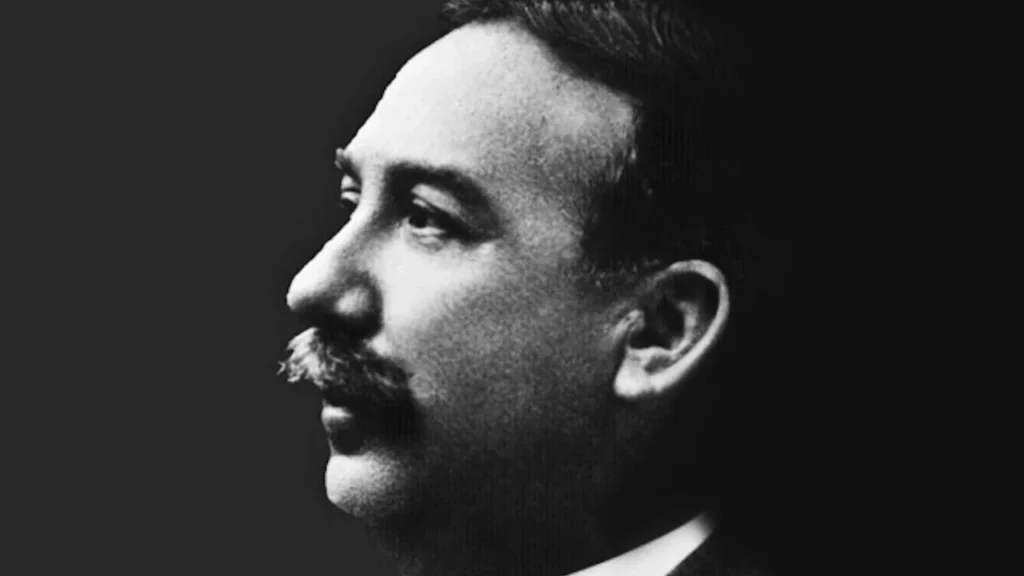
Edwin Stanton Porter, born in 1870, was an American director, also very popular as a producer and director of photography with the Edison Manufacturing Company and the Famous Players Film Company. Of the more than 250 films produced by Porter, his essential film consists of: What Happened on Twenty-third Street, New York City, (1901); Jack and the Beanstalk (1902); Life of an American Fireman (1903); The Great Train Robbery (1903); The European Rest Cure (1904); The Kleptomaniac (1905); Life of a Cowboy (1906); Rescued from an Eagle’s Nest (1908); The Prisoner of Zenda (1913).

DW Griffith

David Griffith, born January 22, 1875, was an American film director considered among the most important figures of the history of cinema, gave rise to many elements of film montage and expanded the art of narrative film. Griffith is best known to modern audiences for directing the film The Birth of a Nation (1915), which earned its producers huge profits, but also attracted much debate for its anti-Semitic views and degrading depictions of African Americans, its glorification of the Ku Klux Klan and its racist perspective. The film caused riots in a number of major cities across the United States, and the NAACP sought to have the film banned. Griffith made his next film Intolerance (1916) as a response to critics, who he felt unfairly insulted his work.
Fred Niblo
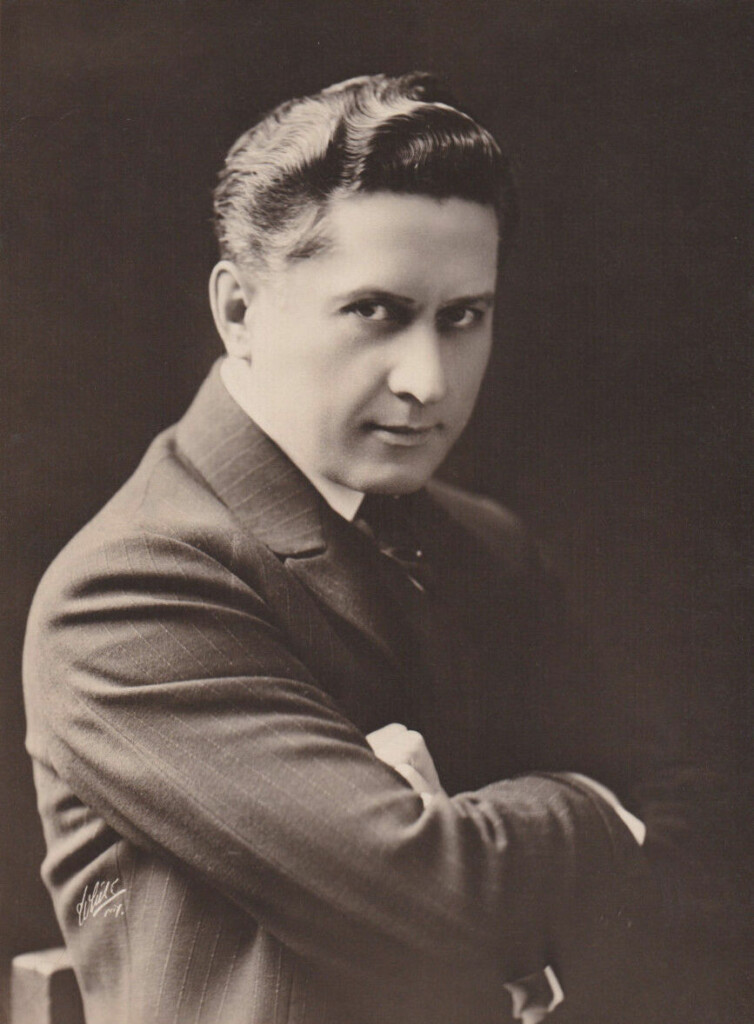
Fred Niblo, who entered this world on January 6, 1874, was a multifaceted American artist renowned for his contributions as a director, producer, and actor. His journey in the entertainment industry commenced with performances in vaudeville and the thriving realm of live theater. For over two decades, he captivated audiences with his live monologue acts, tirelessly performing across a multitude of venues around the globe. His adventures eventually led him to Australia, where between 1912 and 1915, he immersed himself in the evolving motion picture industry. There, he leveraged his theatrical expertise to transition into filmmaking, marking the beginning of his illustrious career in cinema through the creation of his inaugural films.
Robert J. Flaherty
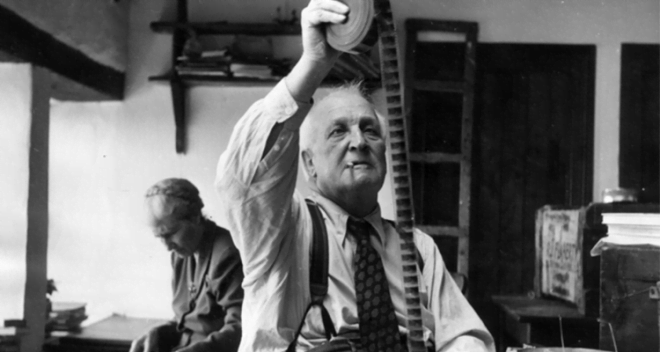
Robert Flaherty, born on February 16, 1884, was a pioneering American filmmaker renowned for his innovative contributions to the field of documentary cinema. He gained recognition and acclaim for directing and producing “Nanook of the North” in 1922, which went down in history as the first feature-length documentary to achieve significant commercial success. This groundbreaking film depicted the lives and daily struggles of an Inuit family, capturing the world’s attention with its authentic and narrative style. Flaherty’s career continued to thrive as he ventured into the South Seas for “Moana” in 1926, presenting a visual exploration of Polynesian culture. Subsequently, he traveled to Ireland’s remote Aran Islands to create “Man of Aran” in 1934, where he masterfully documented the harsh realities and resilience of the island’s inhabitants. Through his innovative storytelling and detailed portrayal of diverse cultures, Robert Flaherty is revered as the progenitor of both documentary and ethnographic cinema, laying the foundation for future filmmakers to explore and document the human experience with depth and respect.
A vision curated by a filmmaker, not an algorithm
In this video I explain our vision
Buster Keaton
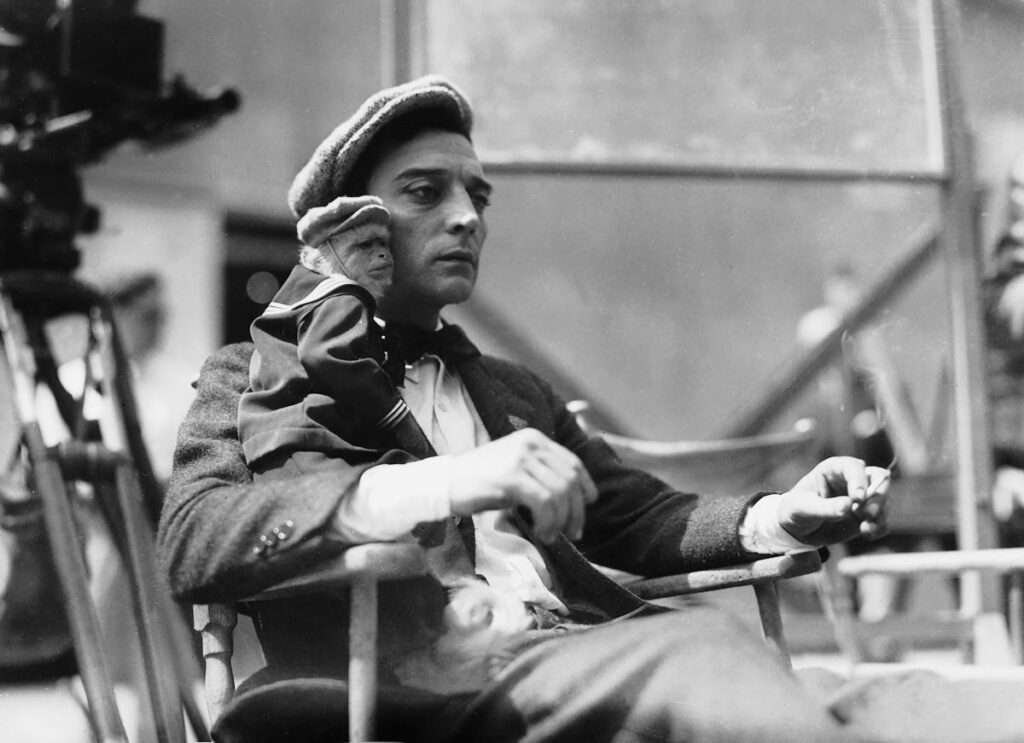
Buster Keaton, born on October 4, 1895, in Piqua, Kansas, grew to become a prominent figure in American entertainment as an actor, comedian, and director. He gained widespread acclaim for his groundbreaking silent film performances, which were characterized by intricate physical comedy. His unique style included elaborate stunts and visual gags, delivered with a notably stoic and deadpan expression, which earned him the affectionate nickname “The Great Stone Face.” Keaton’s ability to convey humor without speaking set him apart in an era where physical prowess and expressive storytelling were paramount in filmmaking. Furthermore, he holds an esteemed place among the greatest film directors of his time, contributing timeless artistry to Hollywood cinema. His innovative approach to film-making and acting continues to inspire and influence generations of artists, securing his role as a pillar of classic Hollywood.
King Vidor

King Wallis Vidor, born February 8, 1894, was an American director, also film producer and screenwriter, whose 67-year film career spanned the sound and silent periods. His works are distinguished by a bright and thoughtful depiction of modern social problems. An auteur director, Vidor approached numerous genres and allowed subject matter to define style, often pushing the boundaries of cinematic convention.
Howard Hawks
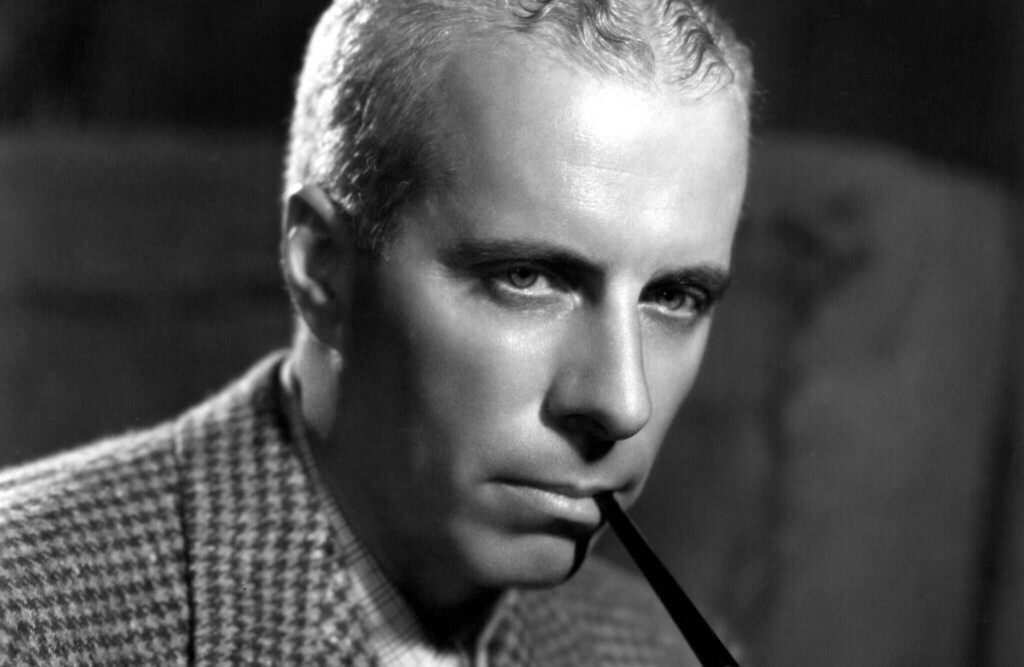
Howard Hawks, who was born on May 30, 1896, holds a significant place in the annals of American cinema as a director, producer, and screenwriter during Hollywood’s Golden Age. Known for his versatility, Hawks effortlessly transitioned across a wide array of genres, showcasing his prolific talent. His directorial portfolio includes a staggering variety, encompassing comedies, dramas, gangster films, science fiction, film noirs, war films, and westerns, each crafted with his distinct style. Among his most renowned films are iconic titles like “Scarface” (1932), “Bringing Up Baby” (1938), and “Only Angels Have Wings” (1939). Continuing his legacy, he directed “His Girl Friday” (1940), which remains a classic for its rapid-fire dialogue, and “To Have and Have Not” (1944), showcasing vibrant on-screen chemistry. Further cementing his reputation, he directed “The Big Sleep” (1946), “Red River” (1948), “The Thing From Another World” (1951), “Gentlemen Prefer Blondes” (1953), and “Rio Bravo” (1959), each contributing to his esteemed legacy. Hawks’s films are notably marked by the presence of strong, quick-witted female characters, a defining element of what is often termed the “Hawksian woman,” who captivated audiences with their intelligence and charm.
Mervyn LeRoy
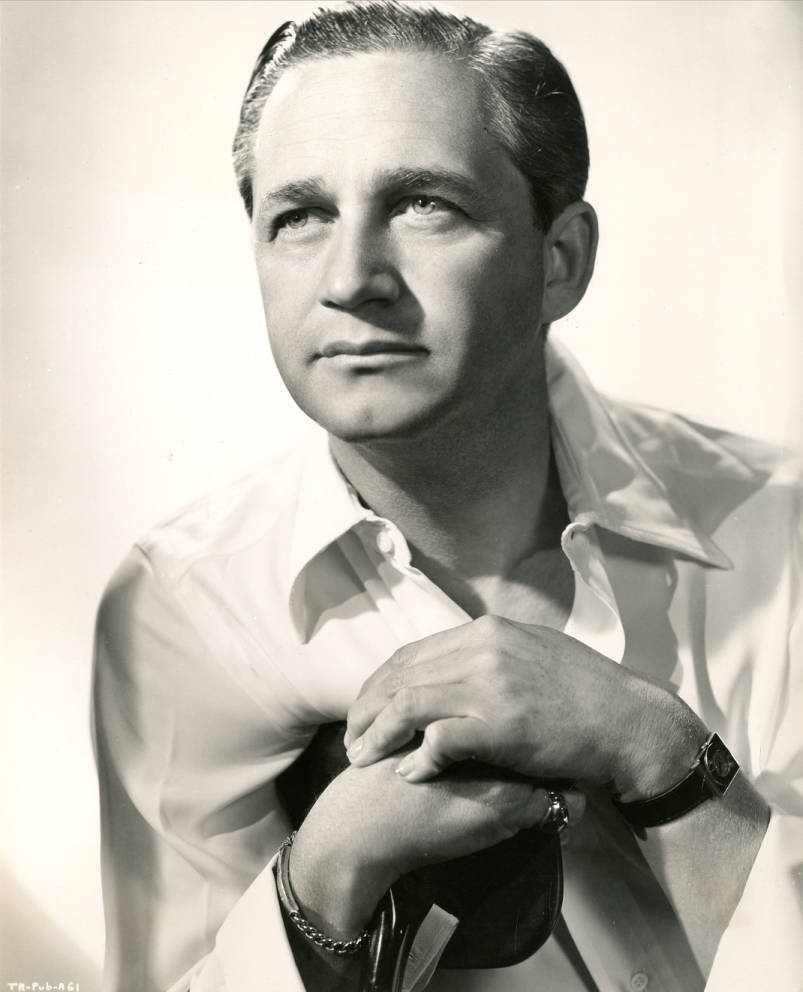
Mervyn Leroy, born October 15, 1900, was an American film director. In his youth he acted in vaudeville films as well as in comedy films. Throughout the 1930s, LeRoy was between two specialists in efficient and inexpensive film directing at Warner Brothers studios, the other being his friend Michael Curtiz. LeRoy’s many well-known films from his time at Warners include Little Caesar (1931), I Am a Fugitive From a Chain Gang (1932), Gold Diggers of 1933 (1933), and They Won’t Forget (1937). LeRoy moved to Metro-Goldwyn-Mayer in 1939 to serve as both director and producer. Perhaps his most significant achievement as a producer is the timeless 1939 The Wizard of Oz, on which he was also credited as director.
Ernest B. Schoedsack
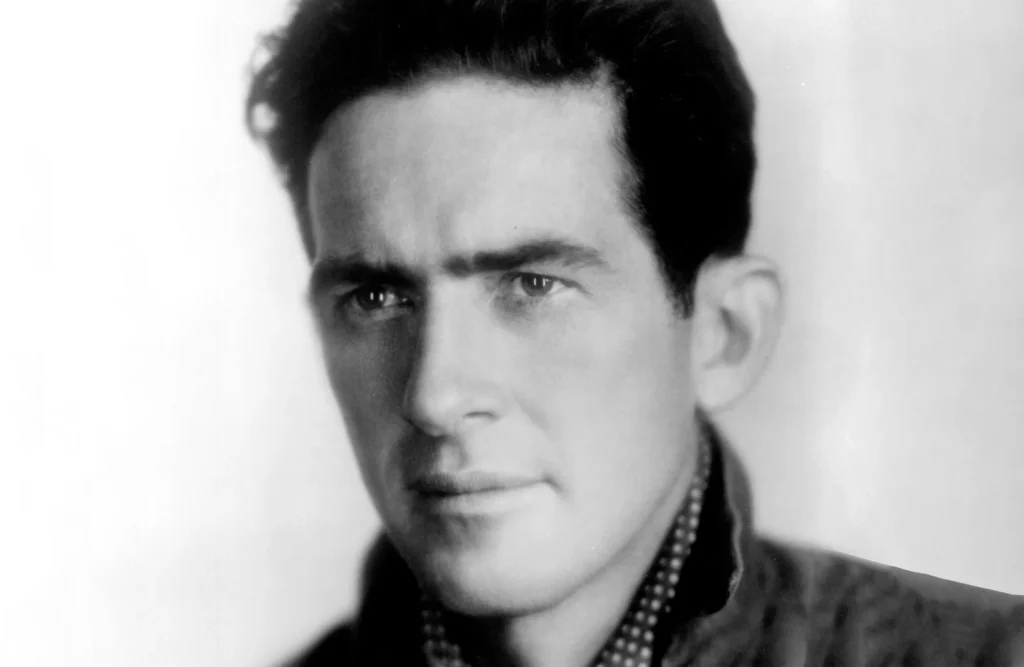
Ernest Beaumont Schoedsack, who entered the world on June 8, 1893, was a prominent figure in the realm of American cinema, known for his multifaceted roles as a cinematographer, director, and film producer. His contributions to the film industry are particularly notable for his collaborative efforts with Merian C. Cooper, another distinguished name in filmmaking. Together, they crafted a series of influential films that left an indelible mark on the genre of adventure and fantasy. Among their most acclaimed works is the legendary King Kong, a film that revolutionized special effects and narrative storytelling in its era. They also embarked on creating Chang: A Drama of the Wilderness, a groundbreaking pseudo-documentary that illustrated the human struggle against nature, capturing audiences with its pioneering style. Additionally, The Most Dangerous Game added to their prestigious portfolio, a thriller adapting Richard Connell‘s tale into a gripping cinematic experience. Schoedsack’s enduring legacy in the industry is a testament to his vision and innovative spirit.
John Cromwell
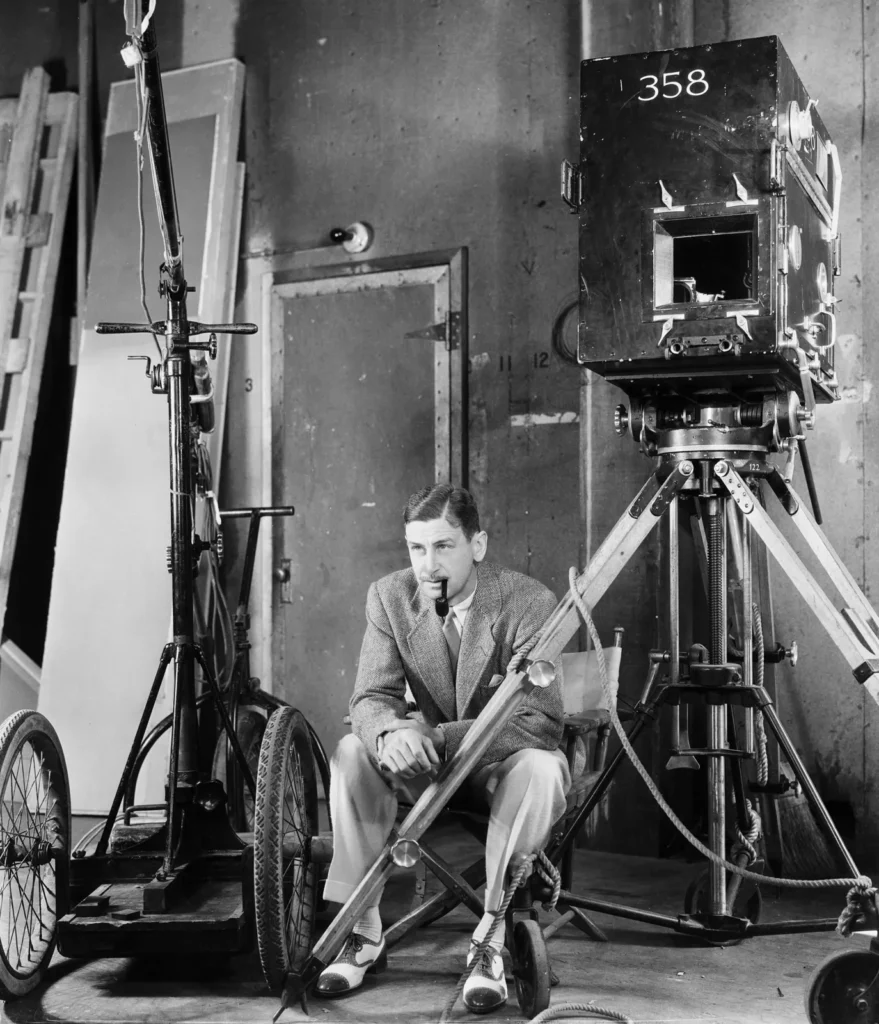
John Cromwell, born on December 23, 1886, was a notable figure in the American film industry, both as a director and an actor. His career was a remarkable journey through the evolving landscape of cinema, beginning with contributions to the silent film era and extending into the complex genre of film noir by the 1950s. This period was marked by dramatic stylistic changes within the industry, and Cromwell adeptly transitioned across these eras, showcasing his versatility and skill. His work spanned several decades, during which he encountered the challenges of the Hollywood blacklist, a period when many in the film industry faced scrutiny and exclusion due to political biases during the Red Scare. However, by the early 1950s, Cromwell successfully navigated these challenges, and his role in Hollywood had largely been reinstated, allowing him to continue his contributions to cinema.
William Cameron Menzies
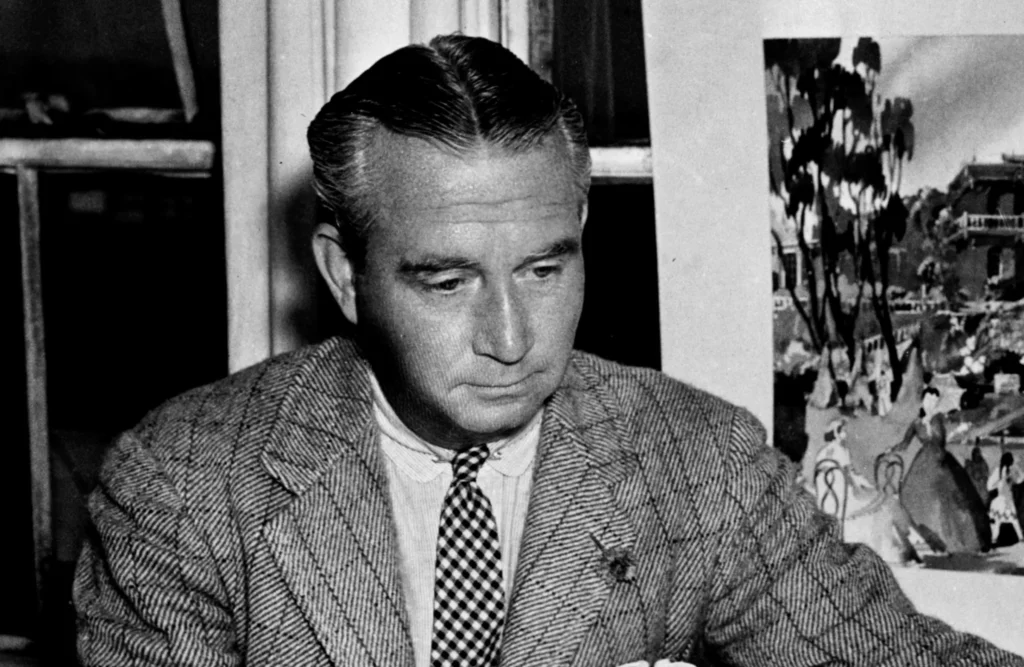
William Cameron Menzies, born July 29, 1896, was an American film production designer and art director, as well as a film director and producer. He began his career during the silent era and later started using color in films with significant results.
Victor Fleming
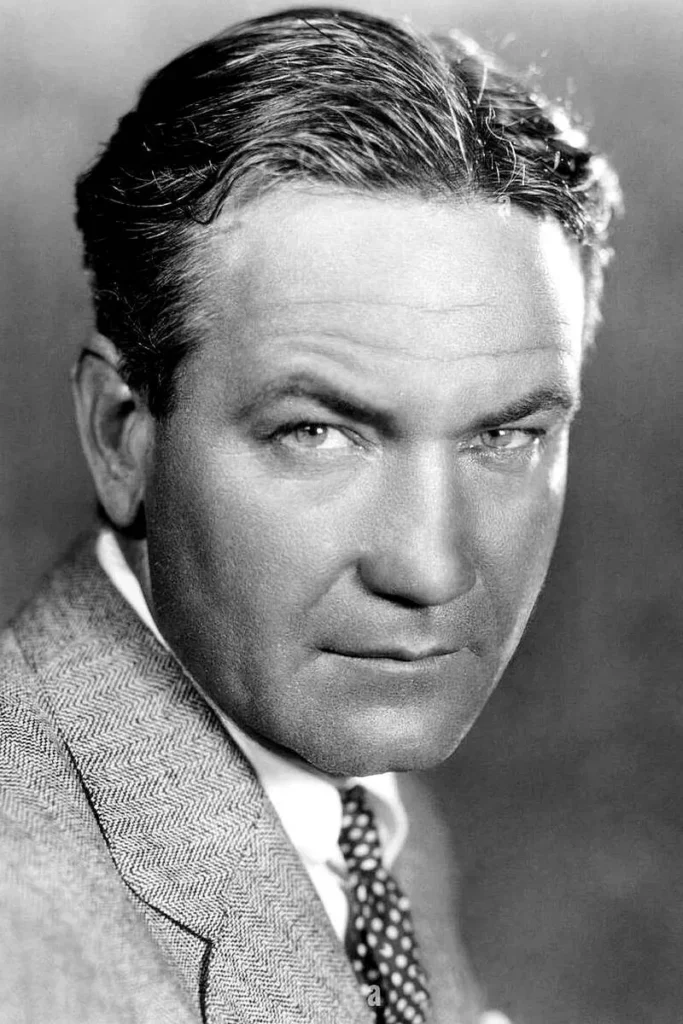
Victor Lonzo Fleming, born on February 23, 1889, emerged as a notable figure in the American film industry, recognized primarily for his work as a cinematographer, producer, and director. Over the years, Fleming’s exceptional talents became apparent, leading him to craft some of cinema’s most enduring classics. Among his extensive body of work, two films stand out, having garnered a remarkable reputation across decades. These are the 1939 masterpieces “Gone with the Wind” and “The Wizard of Oz.” Not only did “Gone with the Wind” earn him the prestigious Academy Award for Best Director, solidifying his status in Hollywood, but both films have been celebrated for their enduring impact and artistic innovation. So much so, that along with the critical acclaim and historic box office success, they have been immortalized in the annals of cinematic history. In fact, according to the 2007 American Film Institute’s Top 100 list, both films have the distinction of being placed within the top 10, securing Fleming’s legacy as an iconic filmmaker whose work continues to influence and inspire generations within the industry.
George Stevens
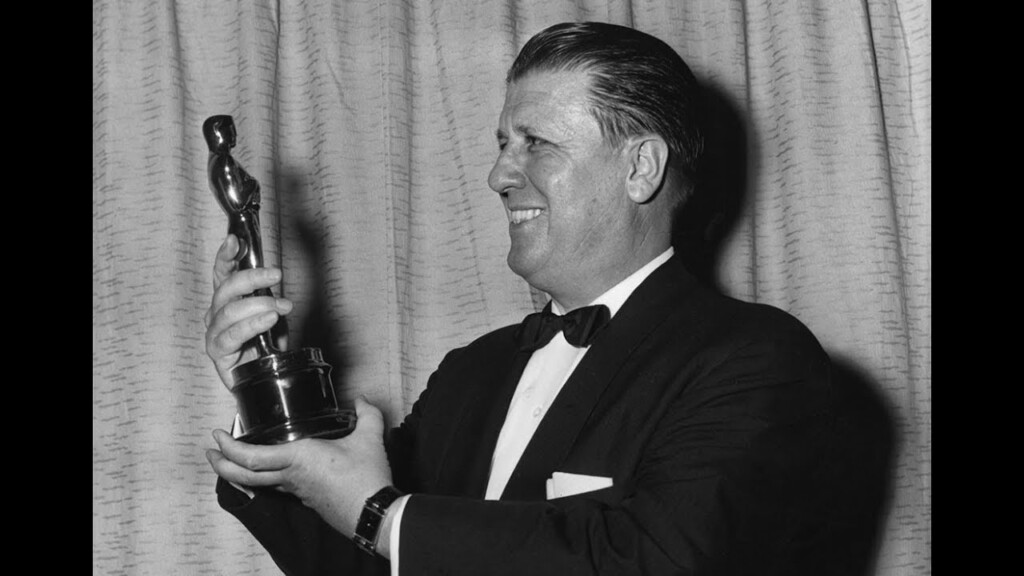
George Cooper Stevens, born December 18, 1904, was an American film director, producer, cinematographer and screenwriter. The films he has produced have been nominated for the Academy Award for Best Picture 6 times while he has had 5 Best Director nominations, winning twice. Among his most significant films are Swing Time (1936 ), Gunga Din (1939) and the 5 films for which he was chosen as best director: The More the Merrier (1943 ); A Place in the Sun (1951), for which he won the Academy Award for Best Director; Shane (1953), Giant (1956), for which he won the Academy Award for Best Director, and The Diary of Anne Frank (1959).
George Cukor
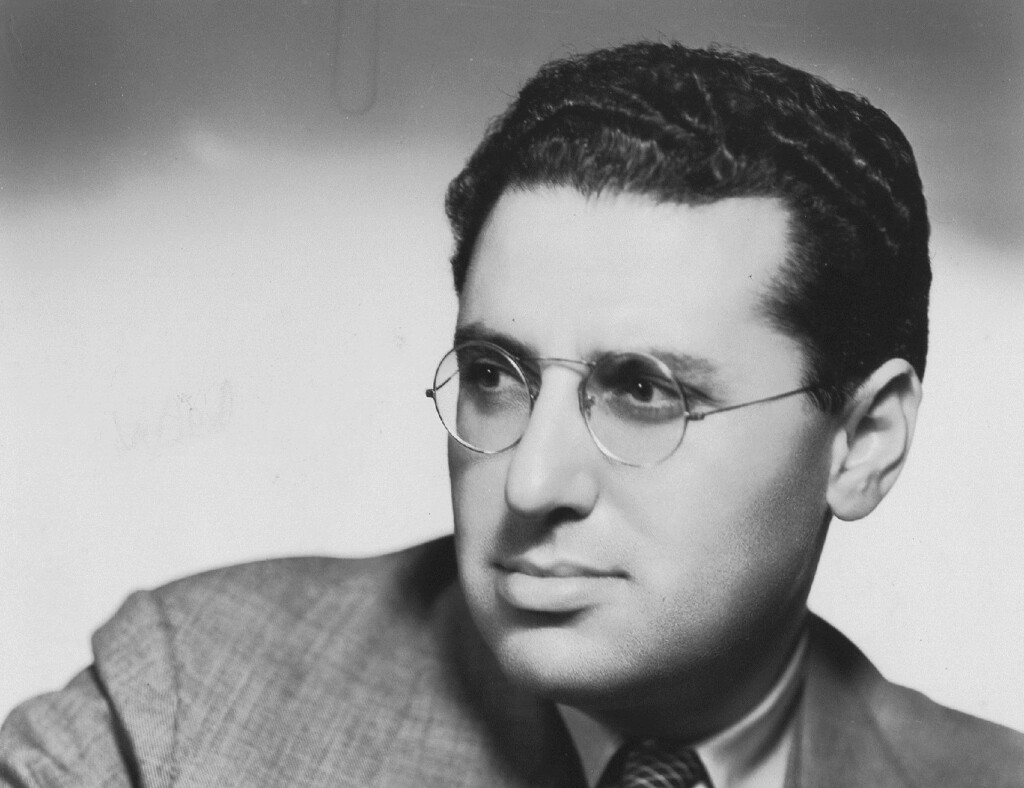
George Dewey Cukor, born July 7, 1899, was an American film director and producer. He generally focused on comedies and literary adaptations. His profession grew at RKO when David O. Selznick, the studio’s head of production, appointed Cukor to direct many of RKO’s significant films, including What Price Hollywood? (1932), A Bill of Divorcement (1932), Our Betters (1933) and Little Women (1933). When Selznick moved to Metro-Goldwyn-Mayer in 1933, Cukor directed and directed Dinner at Eight (1933) and David Copperfield (1935) for Selznick, and Romeo and Juliet (1936) and Camille (1936) for Irving Thalberg.
Orson Welles
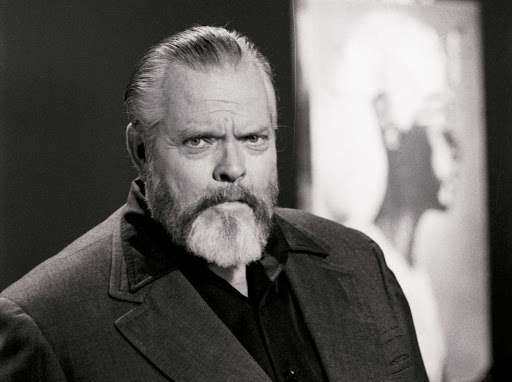
Orson Welles, born May 6, 1915, was an American actor, screenwriter, producer and director, known for his brilliant work in theatre, radio and film. It is thought to be among the best and most important directors ever. His first film was Citizen Kane (1941), which is regularly ranked as one of the best films ever made and which he co-wrote, produced, directed and starred as the title character, Charles Foster Kane. Welles directed twelve other films, most notably The Magnificent Ambersons (1942), The Lady from Shanghai (1947), Touch of Evil (1958), The Trial (1962), Chimes at Midnight (1966) and F. for Fake (1973). His unique directorial style includes non-linear and layered storytelling, uses of lighting such as chiaroscuro, unusual camera angles, radio sound effects, deep angles and long takes. He has been called “the supreme author”.
Sam Wood
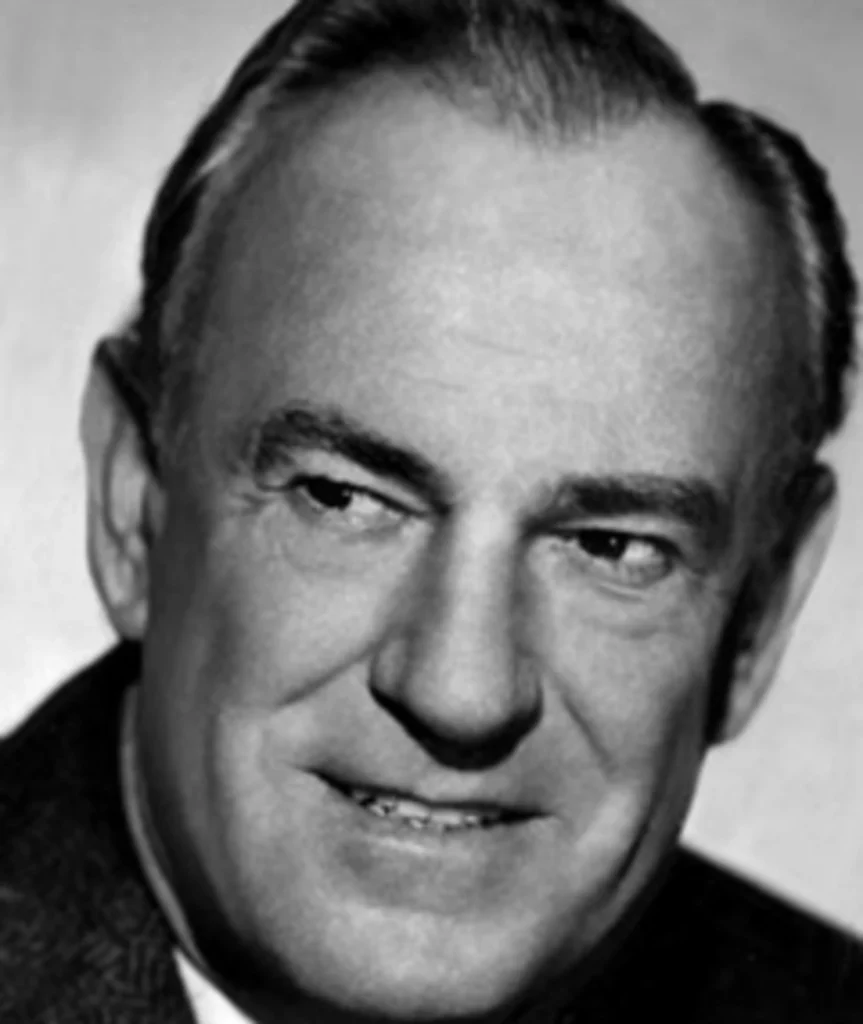
Samuel Grosvenor Wood, born July 10, 1883, was an American film director and producer best known for directing such Hollywood blockbusters as A Night at the Opera, A Day at the Races, Goodbye, Mr. Chips, The Pride of the Yankees and For Whom the Bell Tolls and for his uncredited work directing portions of Gone with the Wind. As a young man, Wood developed an interest in fitness that continued through the years and influenced his interest in making sports-themed films. In the 1940s, at the height of his abilities, he made such films as Kings Row (1942) and Ivy (1947).
Vincente Minnelli
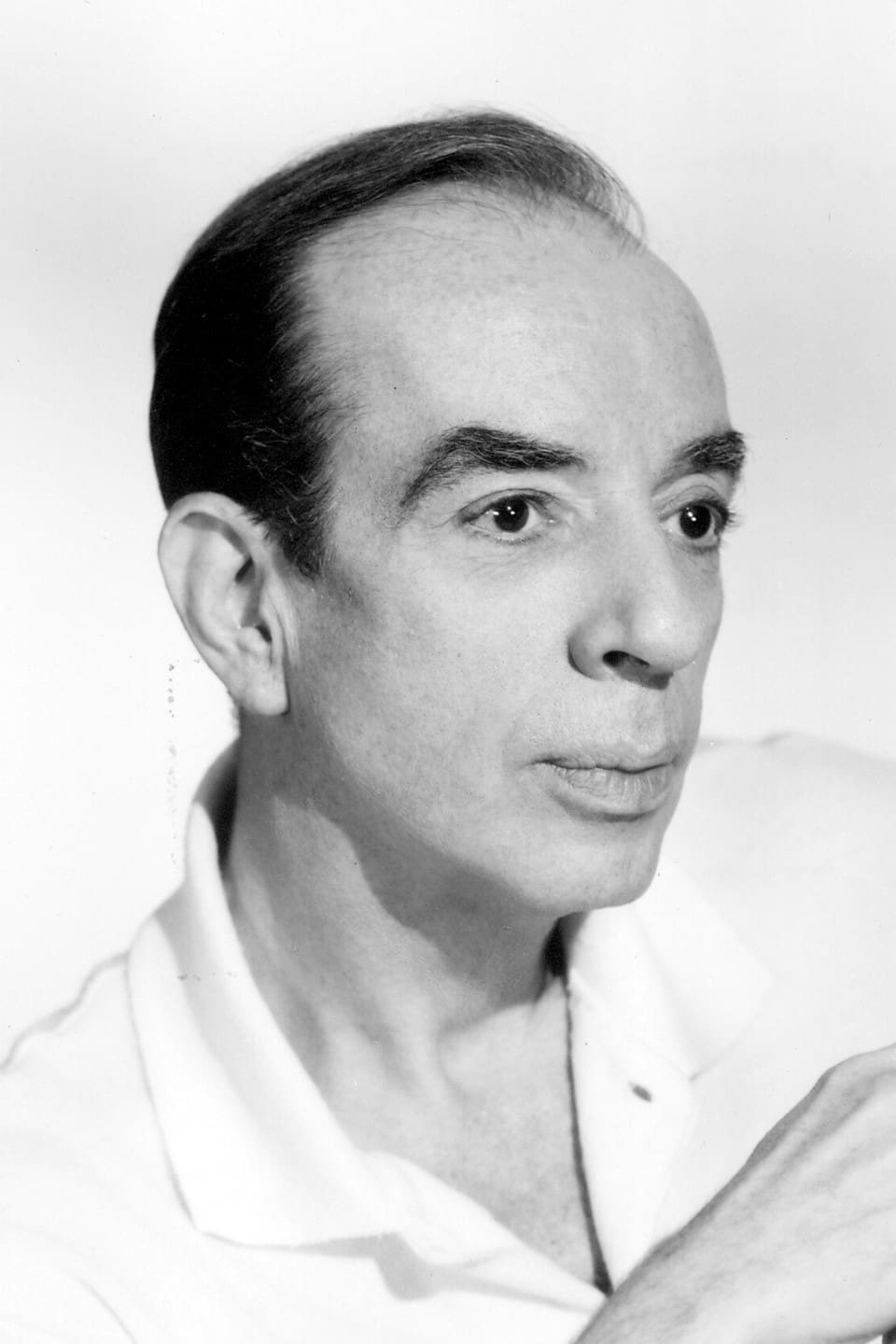
Vincente Minelli, born February 28, 1903, was an American film director. He directed the timeless film musicals Meet Me in St. Louis (1944), An American in Paris (1951), The Band Wagon (1953) and Gigi (1958). An American in Paris and Gigi both won the Academy Award for Best Picture, with Minnelli winning Best Director for Gigi. In addition to having actually directed some of the most popular musicals of his day, Minnelli made comedies and melodramas. He was married to Judy Garland from 1945 to 1951. His daughter is Liza Minelli.
Frank Capra

Frank Capra, born May 18, 1897, was an Italian-born American director, author and producer who went on to make some of the most acclaimed films of the 1940s and 1930s. Born in Italy and raised in Los Angeles from the age of 5, his success story has led film historians to consider him the “American dream itself. Capra became America’s leading director in the 1930s, winning 3 Academy Awards for Best Director in 6 nominations, as well as 3 other Academy Awards in 9 other categories. Among his major films were It Happened One Night (1934), Mr. Deeds Goes to Town (1936), You Can’t Take It with You (1938), and Mr. Smith Goes to Washington (1939). During World War II, Capra served in the US Army Signal Corps and produced propaganda films, such as the Why We Fight series.
William A. Wellman
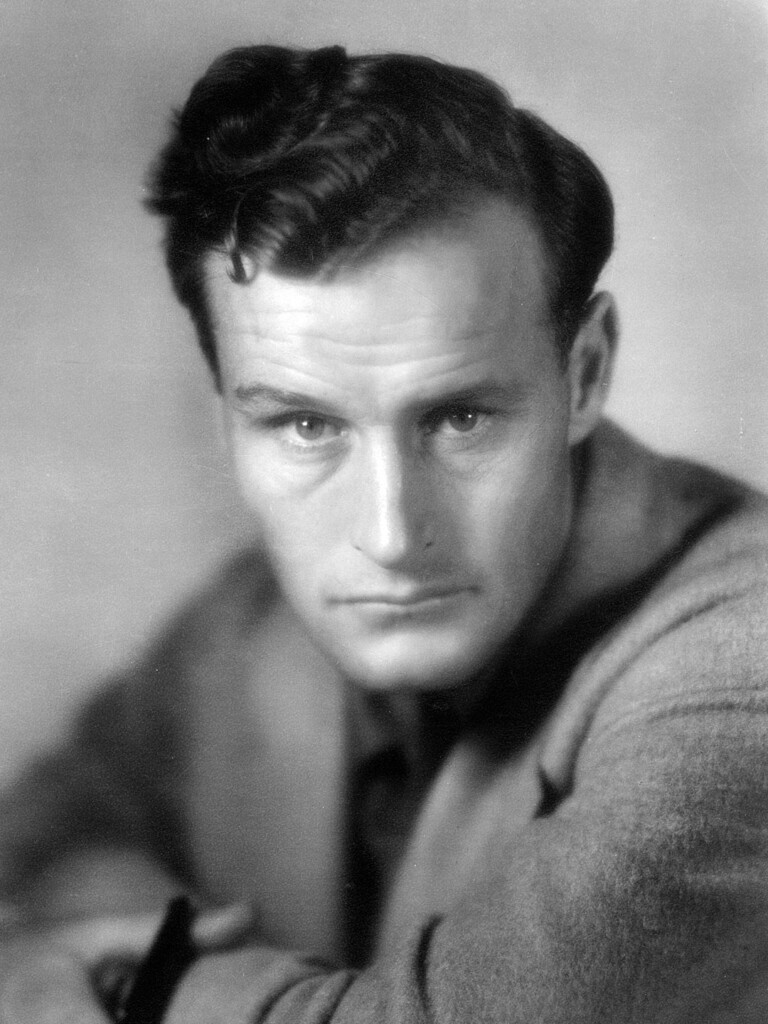
William Augustus Wellman, born February 29, 1896, was an American film director best known for his work in crime films and action films, often centered around the theme of air travel. He has similarly directed a number of highly regarded satirical comedy films. Beginning his film career as an actor, he went on to direct over 80 films, sometimes co-credited as a producer. In 1927, Wellman directed Wings, which ended up being the first film to win an Academy Award for Best Picture at the first Academy Awards event.
Robert Rossen
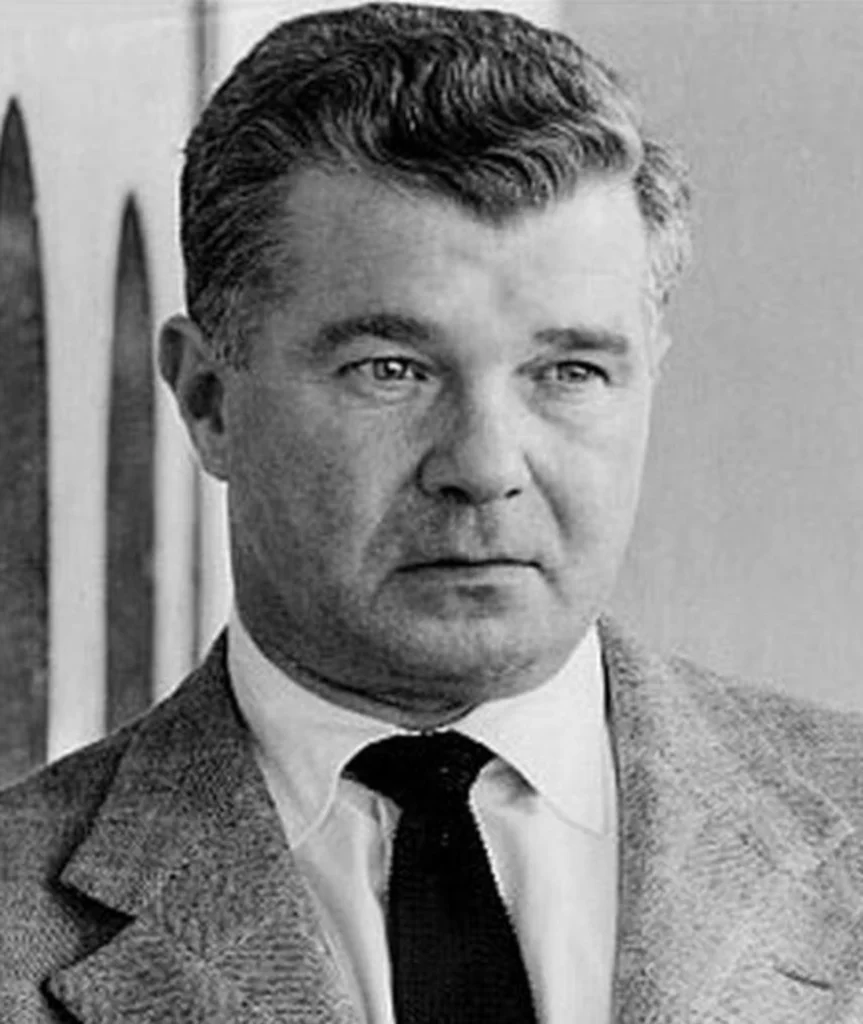
Robert Rossen, born March 16, 1908, was an American film writer, director, and producer. His 1949 film All the King’s Men won Academy Awards for Best Picture, Best Actor and Best Supporting Actress, while Rossen was singled out for an Academy Award for Best Director. It won the Golden Globe for Best Director and the film won the Golden Globe for Best Picture. In 1961, he directed The Hustler, which was nominated for 9 Academy Awards and won 2.
Raoul Walsh
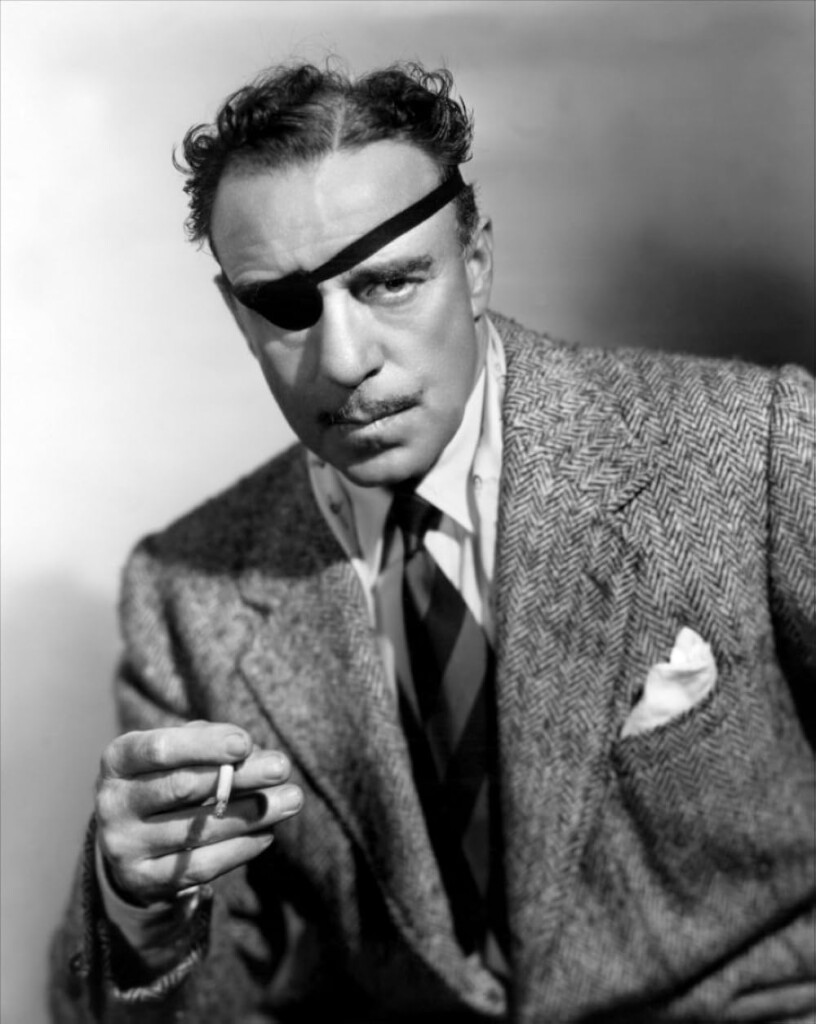
Raoul Walsh, born March 11, 1887, was an American director, actor, founding member of the Academy of Motion Picture Arts and Sciences and brother of movie star George Walsch. He was known for playing John Wilkes Booth in the silent film The Birth of a Nation (1915) and directing such films as the legendary The Big Trail (1930) with John Wayne in his first starring role, The Roaring Twenties with James Cagney and Humphrey Bogart, High Sierra (1941) with Ida Lupino and Humphrey Bogart, and White Heat (1949) with James Cagney and Edmond O’Brien. He directed his last film in 1964. His work has been considered to have an impact on directors such as Rainer Werner Fassbinder, Jack Hill, and Martin Scorsese.
Joseph L. Mankiewicz
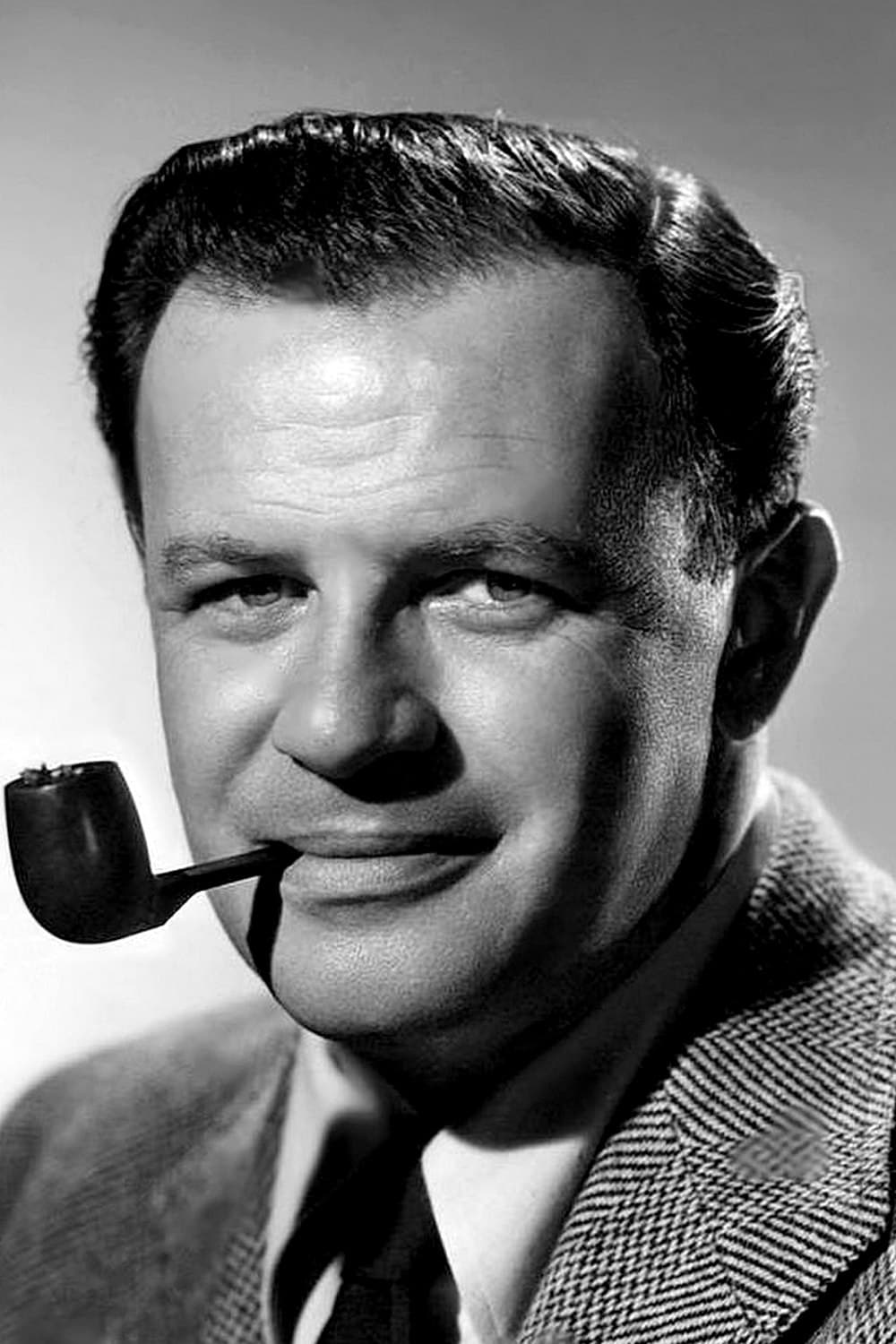
Joseph Leo Mankiewicz, born February 11, 1909, was an American film producer, screenwriter, and director. Mankiewicz had a long career in Hollywood and won both the Academy Award for Best Director and the Academy Award for Best Adapted Screenplay in later years for A Letter to Three Wives (1949) and All About Eve (1950), the the latter of which was nominated for 14 Academy Awards and won 6. Comfortable in a wide range of categories and able to generate well-performed roles from famous actors and little-known actors alike, Mankiewicz integrated paradoxical and complex scripts with an accurate, in some cases elegant mise en scène.
Stanley Donen
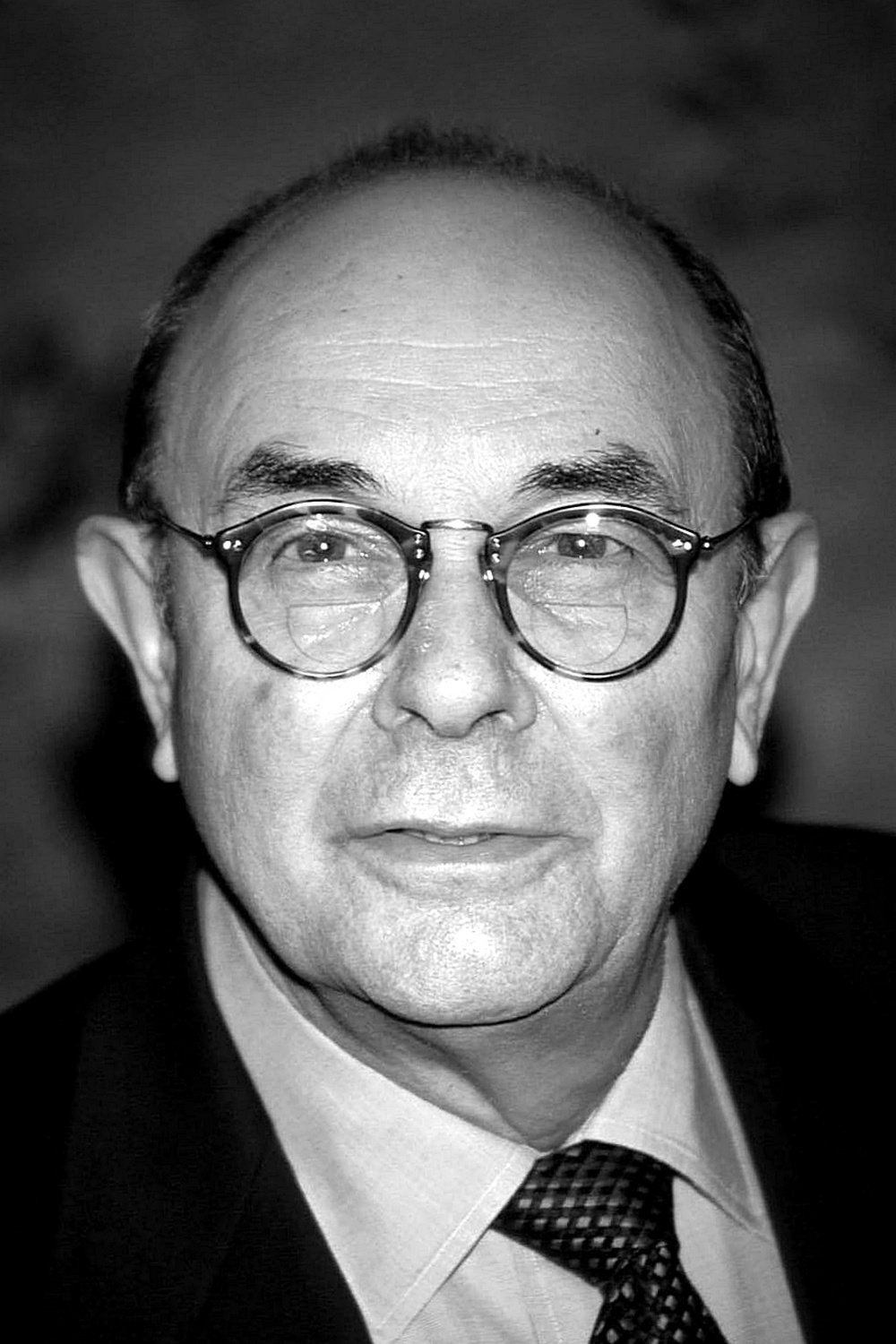
Stanley Donen, who entered the world on April 13, 1924, was a distinguished American director and choreographer. He is best remembered for his collaboration with the legendary Gene Kelly in creating two of the most iconic and celebrated musicals in cinema history. The first of these timeless classics is “On the Town,” released in 1949, a film that captivated audiences with its innovative approach and vibrant depiction of sailors on leave in New York City. The other masterpiece, “Singin’ in the Rain,” released in 1952, is renowned across the globe for its delightful combination of songs, comedy, and dance sequences that continue to define the genre.Beyond his work with Kelly, Donen contributed significantly to the musical film era with several other notable productions. In 1951, he brought to life “Royal Wedding,” a charming film featuring Fred Astaire‘s unforgettable dance scene on the ceiling. Then, in 1954, he directed “Seven Brides for Seven Brothers,” acclaimed for its lively choreographic feats. Donen’s prolific career continued with “It’s Always Fair Weather” in 1955, tackling post-war themes with humor and ingenuity. In 1957, he directed the elegant and stylish “Funny Face,” which showcased Audrey Hepburn‘s enchanting presence and was a visual delight full of sartorial charm. He also directed the sophisticated romantic comedy “Indiscreet” in 1958, a film that skillfully blended humor and romance with stars Ingrid Bergman and Cary Grant. Rounding off this part of his illustrious career, Donen created the thrilling espionage comedy “Charade” in 1963, featuring the captivating duo of Cary Grant and Audrey Hepburn. Stanley Donen’s remarkable body of work continues to inspire and entertain, leaving an indelible mark on the landscape of American cinema.
Anthony Mann
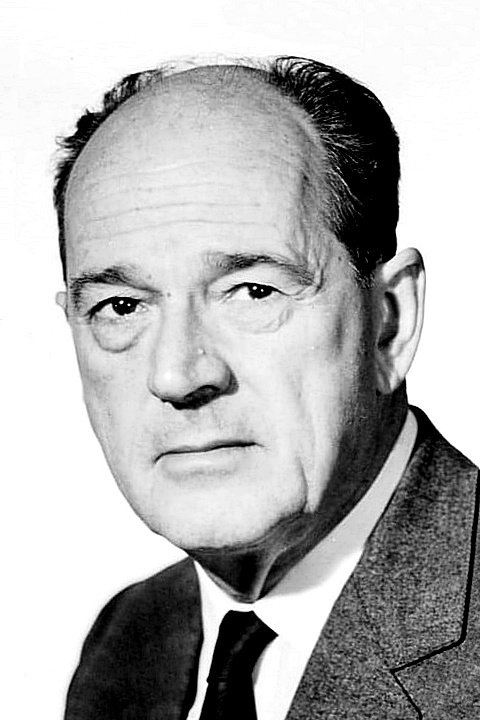
Anthony Mann, born June 30, 1906, was an American director and actor. Mann first started out as a stage star appearing in various productions. In 1937, he moved to Hollywood where he worked as a talent scout and casting director. He then ended up becoming an assistant director, mostly working for Preston Sturges. His directorial launch was Dr. Broadway (1942). He has directed numerous feature films for many production companies, including RKO Pictures, Eagle-Lion Films, Universal Pictures and Metro-Goldwyn-Mayer. His first really significant success was T-Men (1947), which garnered significant recognition in the category of film noir through low spending plans and short shooting schedules. As a director, he often worked with cinematographer John Alton.
Richard Fleischer
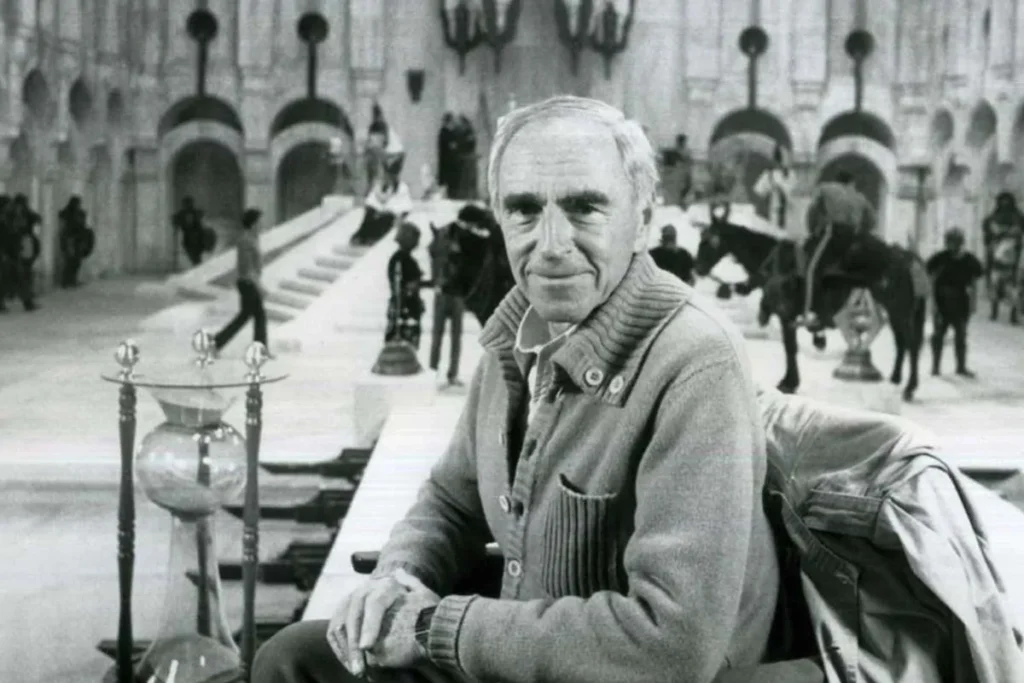
Richard O. Fleischer, born December 8, 1916, was an American film director from the height of Hollywood’s Golden Age to the American New Wave. He has directed films in many categories and themes, he is best known for his big budget films, which consist of: 20,000 Leagues Under the Sea (1954), The Vikings (1958), Barabbas (1961 ), Fantastic Voyage (1966 ), the musical film Doctor Dolittle (1967 ), the impressive war film Tora! Torah! Torah! (1970), the dystopian thriller Soylent Green (1973), the historical drama Mandingo (1975), and Robert E. Howard’s sword-and-sorcery films Conan the Destroyer (1984) and Red Sonja (1985).
Richard Fleischer
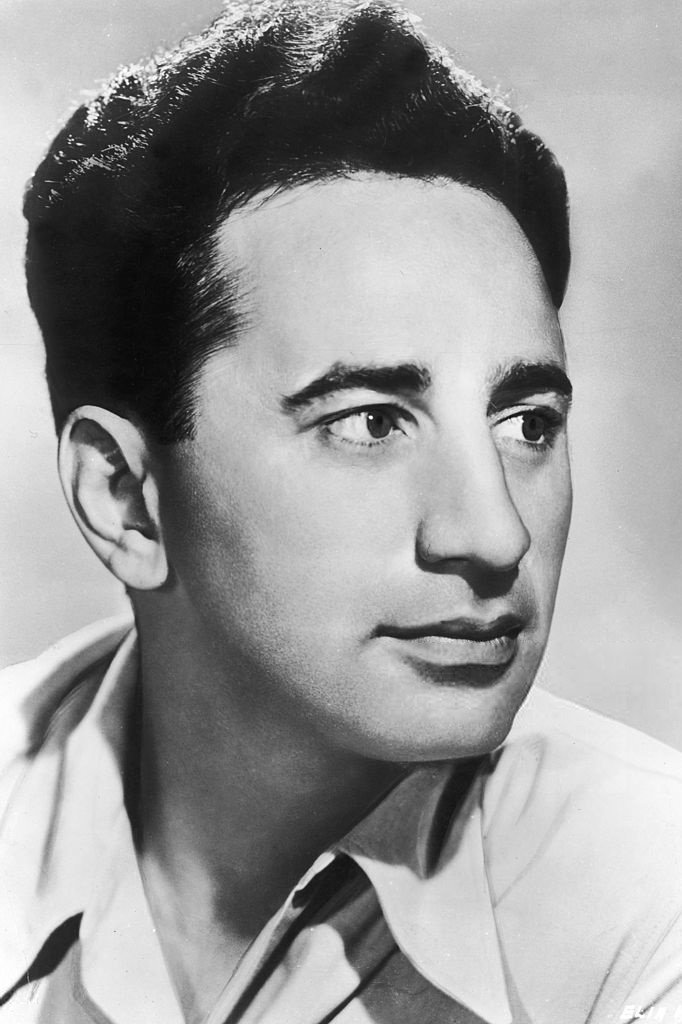
Elia Kazan, born September 7, 1909, was an American film and theater director, actor, producer and writer of films, defined by The New York Times as “among the most important directors in the history of Broadway and Hollywood. Born in Constantinople (now Istanbul), to Greek parents from Cappadocia, his family moved back to the United States in 1913. After attending Williams College and then the Yale School of Drama, he acted for 8 years, later enrolling in the Group Theater in 1932 and co-founded the Actors Studio in 1947. With Robert Lewis and Cheryl Crawford, his actors’ studio presented “Method Acting” under the instruction of Lee Strasberg. Kazan starred in a couple of films, including City for Conquest (1940).
Nicholas Ray
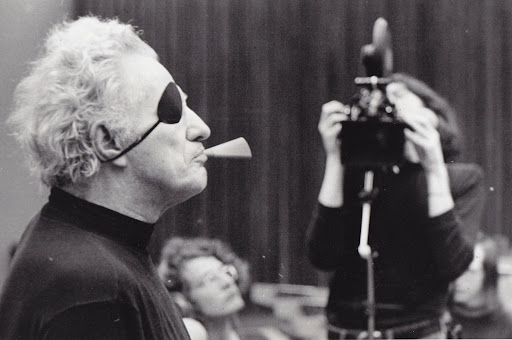
Nicholas Ray, a prominent figure in the American film industry, was born on August 7, 1911. As an esteemed film star, director, and screenwriter, Ray carved a significant niche in cinematic history. He gained widespread recognition and acclaim for his influential work on the 1955 classic, Rebel Without a Cause. This iconic film solidified his reputation and is often considered a pinnacle achievement in his career. Throughout his active years, from 1947 to 1963, Ray contributed to numerous cinematic narratives, each leaving a lasting imprint on audiences and critics alike. Among his acclaimed repertoire are films such as They Live By Night, which marked his directorial debut, In A Lonely Place, a gripping noir thriller, Johnny Guitar, a unique Western that challenged genre conventions, and Bigger Than Life, a daring exploration of societal themes. Additionally, in the 1970s, Ray embarked on a project titled We Can’t Go Home Again, a deeply personal and experimental film that remained unfinished at the time of his passing, yet continued to intrigue and inspire future filmmakers.Ray’s innovative use of the CinemaScope frame, along with his striking application of color, garnered particular admiration and had a profound influence on the development of the French New Wave. His techniques and artistic vision left an indelible mark on filmmakers who sought to redefine cinema during that period. The venerable Jean-Luc Godard, one of the movement’s leading figures, famously lauded Ray’s cinematic contributions, encapsulating his reverence with the statement: “…there is the cinema. And cinema is Nicholas Ray.” Through his compelling storytelling and groundbreaking visual style, Ray continues to be celebrated as a towering influence in the annals of film history, inspiring both contemporaries and subsequent generations of artists.
Robert Aldrich
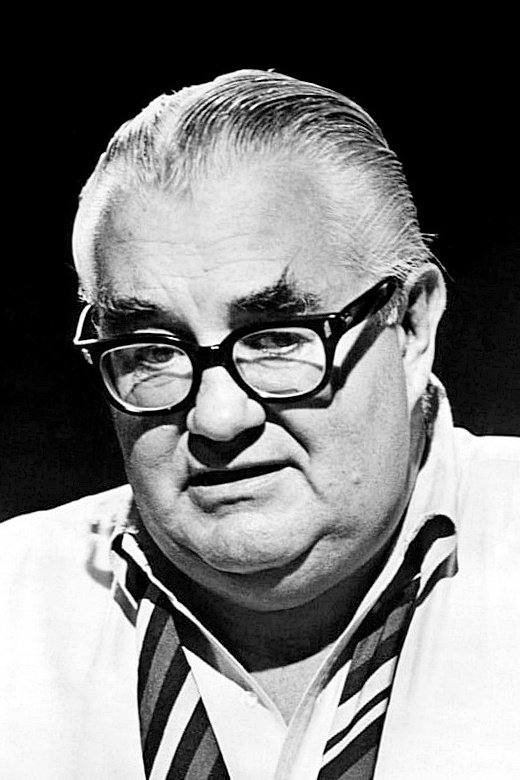
Robert Burgess Aldrich, born on August 9, 1918, was a notable figure in the American film industry, renowned for his multifaceted roles as a film writer, director, and producer. Throughout his illustrious career, he contributed significantly to the cinematic world with a diverse array of films that left an indelible impact on audiences and critics alike. Among his most acclaimed works is the adventure-filled classic “Vera Cruz,” released in 1954, which showcased his ability to blend action and storytelling seamlessly. The following year, Aldrich captivated audiences with “Kiss Me Deadly,” a film noir masterpiece that remains a benchmark for the genre. In 1955, he continued his trend of exceptional filmmaking with “The Big Knife,” a scathing critique of Hollywood that highlighted his incisive storytelling skills.
Aldrich’s 1956 offerings were equally compelling, with “Autumn Leaves” delivering a poignant drama and “Attack” presenting a gritty war narrative. Perhaps one of his most recognizable films, “What Ever Happened to Baby Jane?” released in 1962, showcased his adeptness at creating psychological thrillers that gripped viewers with their intricate plots and intense performances. His ability to craft chilling atmospheres was further evident in the 1964 film “Hush… Hush, Sweet Charlotte,” which solidified his reputation as a master of suspense.
John Ford

John Martin Feeney, born February 1, 1894, known as John Ford, was an American film director and naval officer, master of the western movie. He is as famous for Westerns such as Stagecoach (1939), The Searchers (1956) and The Man Who Shot Liberty Valance (1962) as well as adaptations of mainstream 20th-century American books such as The Grapes of Wrath (1940). He received 6 Academy Awards, including a record 4 wins for Best Director. In a career spanning more than 50 years, Ford directed more than 140 films, but most of his silent films are lost. Ford is regarded as one of the most important and essential filmmakers of his generation. Ford’s work was held in high regard by his colleagues, with Akira Kurosawa, Orson Welles and Ingmar Bergman among those who defined him among the best directors of eternity.
Cecil B. DeMille
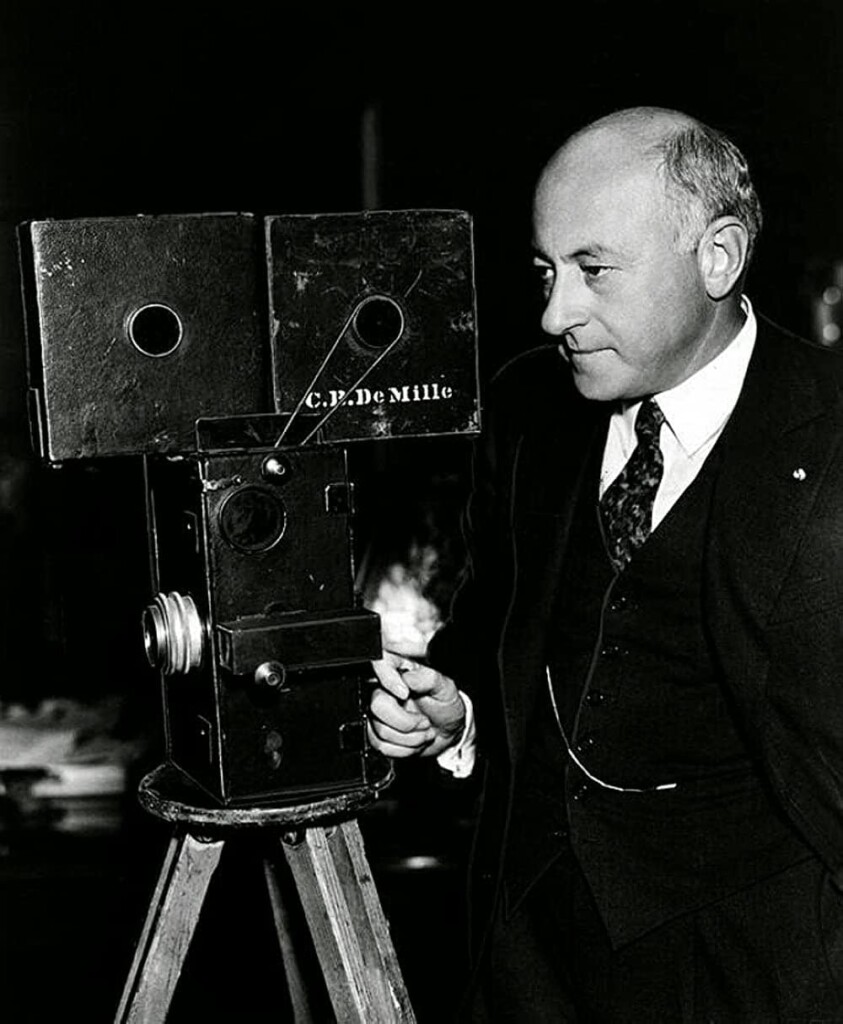
Cecil DeMille, born on August 12, 1881, was an American film producer, actor and director. Between 1914 and 1958, he made 70 films, both sound and silent films. He is recognized as one of the founding fathers of American cinema and the most commercially successful producer-director in motion picture history. His films were distinguished by their impressive scale and cinematic spectacularity. His silent films consisted of social dramas, westerns, farces, morality comedies and historical reenactments. He was an active Freemason and a member of the Prince of Orange Lodge in New York City.
Alfred Hitchcock (1899)

Alfred Hitchcock is widely recognized as an unsurpassed master of the thriller and horror genres, renowned worldwide for his uncanny ability to create an atmosphere of suspense using cinematic techniques that defy traditional canons. His artistic excellence is evident in his timeless masterpieces such as 1960’s “Psycho,” a landmark film that forever changed audiences’ perceptions of fear and the psychology of crime, and 1963’s “The Birds,” a bold film that redefined the ways in which cinema depicts the menace and insidious terror latent in nature. These works not only rewrote the rules of genre cinema, but also left an indelible mark that has shaped and inspired generations of filmmakers, further cementing Hitchcock’s enduring legacy in the global cinema landscape.
Hitchcock is renowned for his meticulous and careful control of direction, as well as his sophisticated and thoughtful use of photography and editing. These techniques were expertly employed to influence and manipulate the audience’s emotions in unique and innovative ways. For example, his famous shower scene in “Psycho” not only remains etched in the memory of all who have seen it, but continues to be considered one of the most monumental and iconic moments in world cinema. Hitchcock’s influence on the thriller genre remains unsurpassed, leaving a lasting legacy. His ability to blaze new trails and his influence are still visible today in the global film industry and in the visual language of the suspense genre, which continues to inspire filmmakers and fans around the world.
Billy Wilder
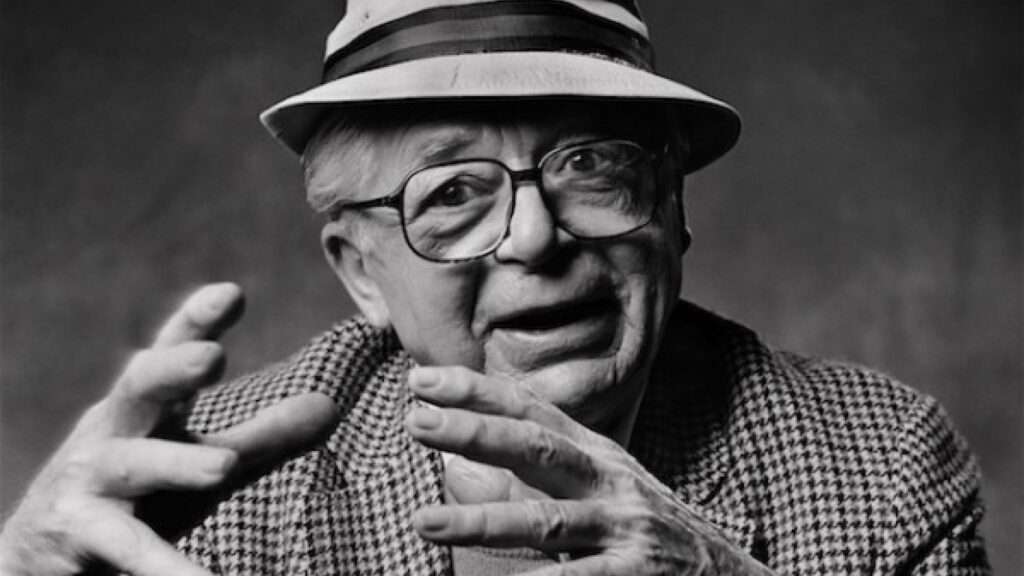
Billy Wilder, born June 22, 1906, was an Austrian-American film director. His Hollywood career spanned 50 years and he is regarded as one of the most flexible and brilliant directors of classic Hollywood cinema. He was nominated for the Academy Award for Best Director 8 times, winning twice, and for Screenplay for a Motion Picture 13 times, winning 3 times. Wilder ended up becoming a screenwriter while residing in Berlin. The growth of the Nazi Party and anti-Semitism in Germany saw him move to Paris. He then moved to Hollywood in 1933 and had significant success when he, Charles Brackett and Walter Reisch composed the screenplay for the Academy Award-nominated film Ninotchka (1939). Wilder earned his first Best Director Oscar election with the noir film adaptation of the original Double Indemnity (1944), for which he co-wrote the film screenplay with Raymond Chandler. Wilder won the Academy Award for Best Director and Best Screenplay for the film adaptation of the original The Lost Weekend (1945), which also won the Academy Award for Best Picture.
Edward Dmytryk
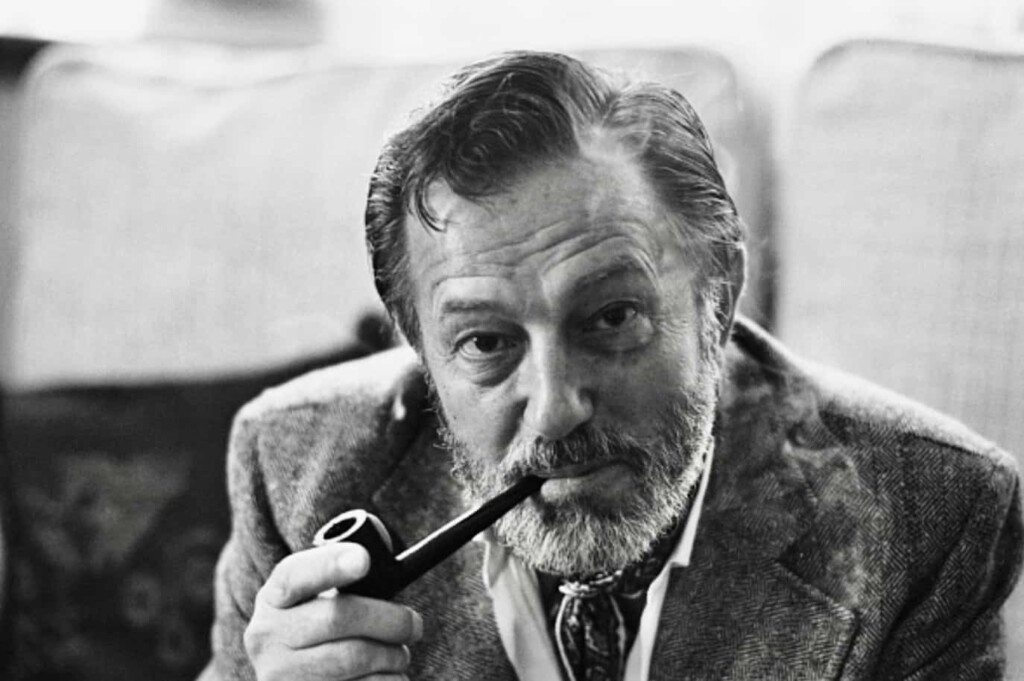
Edward Dmytryk, born September 4, 1908, was an American film director. He was known for his film noirs of the 1940s and won an Oscar election for best director for Crossfire (1947). In 1947, he was listed as one of the Hollywood Ten, a group of blacklisted film professionals who refused to testify to the McCarthy-era National Un-American Activities Committee. All served prison terms for contempt of Congress. In 1951, however, Dmytryk testified to HUAC and called people, such as Arnold Manoff, whose careers were then marred for several years, to restore their profession. Employed again by independent producer Stanley Kramer in 1952, Dmytryk is probably best known for directing Caine Mutiny (1954), a major success, which was nominated for Best Picture and several other awards at the 1955 Academy Awards. Dmytryk was nominated for a Directors Guild Award for Outstanding Directorial Achievement in Motion Pictures.
Robert Wise
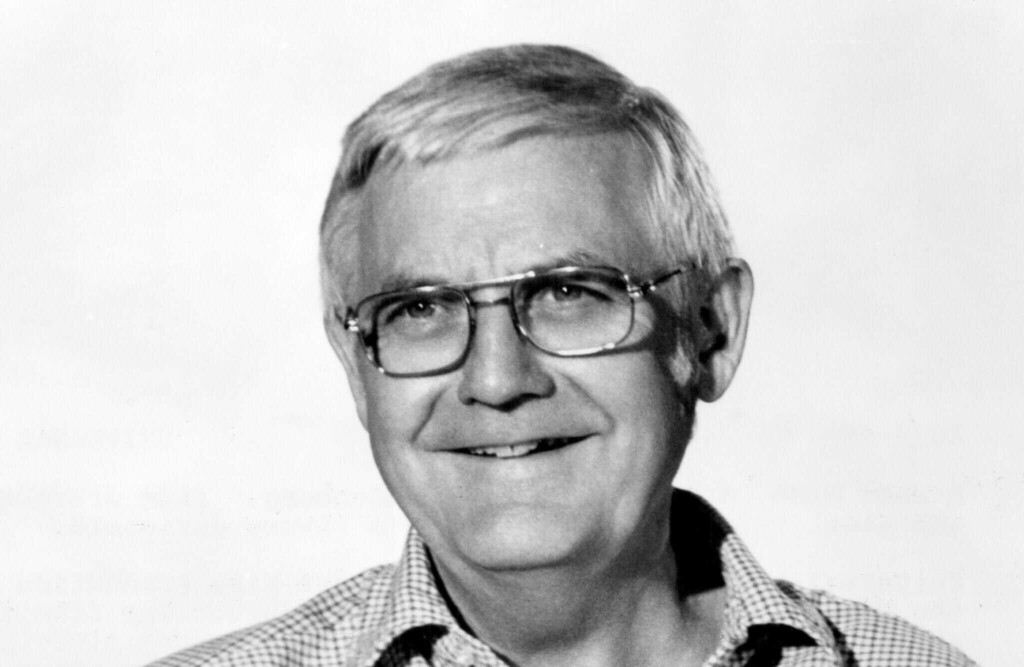
Robert Wise, born September 10, 1914, was an American film editor, director and producer. He won Academy Awards for Best Director and Best Picture for his musical films West Side Story (1961) and The Sound of Music (1965). He was similarly singled out for Best Film Editing for Citizen Kane (1941) and directed and produced The Sand Pebbles (1966), which was singled out for Best Picture. His other films include The Body Snatcher (1945), Born to Kill (1947), The Set-Up (1949), The Day the Earth Stood Still (1951), Destination Gobi (1953), This Could Be The Night (1957). ), Run Silent, Run Deep (1958 ), I Want to Live! (1958), The Haunting (1963), The Andromeda Strain (1971), The Hindenburg (1975) and Star Trek: The Motion Picture (1979).
John Frankenheimer
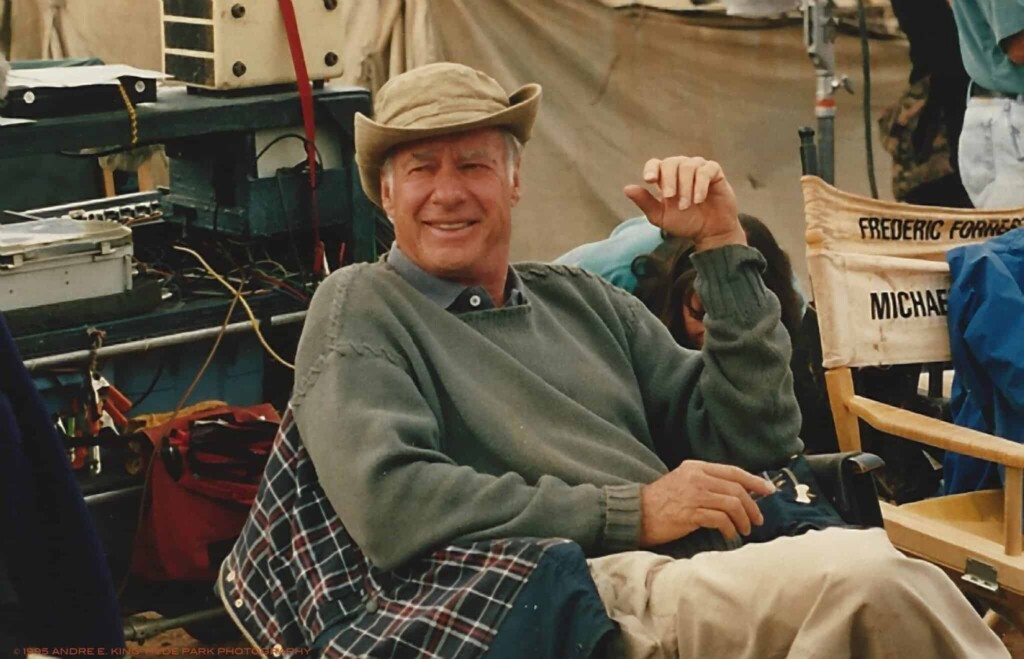
John Frankenheimer, born February 19, 1930, was an American film and television director known for social dramas and action/suspense films. Among his credits were Birdman of Alcatraz (1962), The Manchurian Candidate (1962), Seven Days in May (1964), The Train (1964), Seconds (1966), Grand Prix (1966), French Connection II ( 1975), Black Sunday (1977), The Island of Doctor Moreau (1996) and Ronin (1998). He won 4 Emmy Awards, 3 in a row, in the 1990s for directing the television films Against the Wall, The Burning Season, Andersonville and George Wallace, the last of which he also won a Golden Globe for Best Miniseries or television movie.
Robert Mulligan
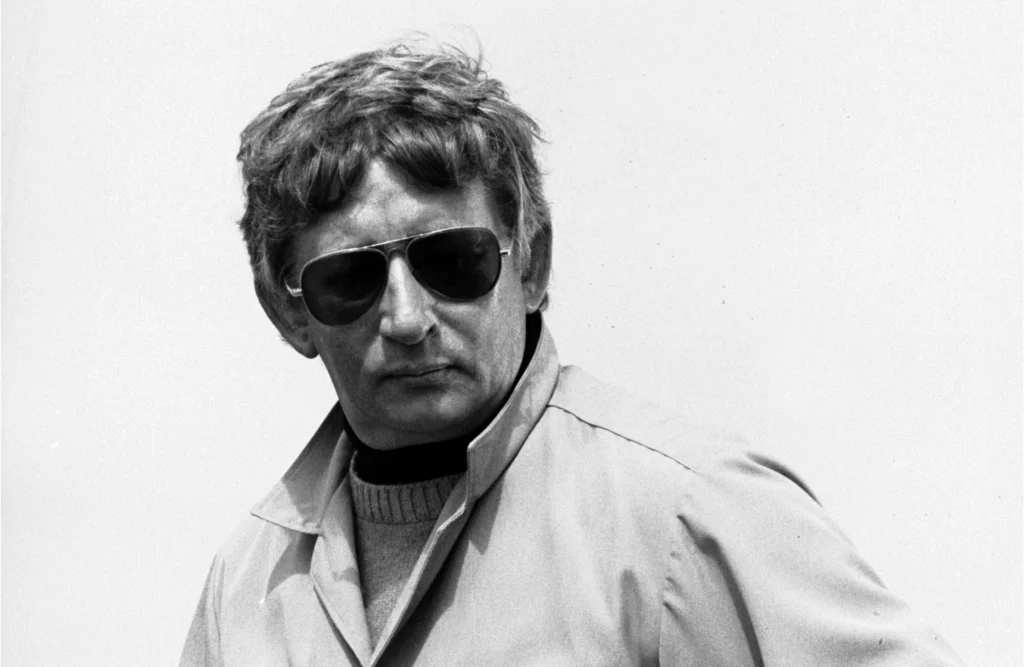
Robert Mulligan, born August 23, 1925, was an American director and producer. He is best known for his humanist dramas, consisting of To Kill a Mockingbird (1962), Summer of ’42 (1971), The Other (1972), Same Time, Next Year (1978) and The Man in the Moon (1991) . ). He was also known in the 1960s for his extensive collaborations with producer Alan J. Pakula.
John Sturges
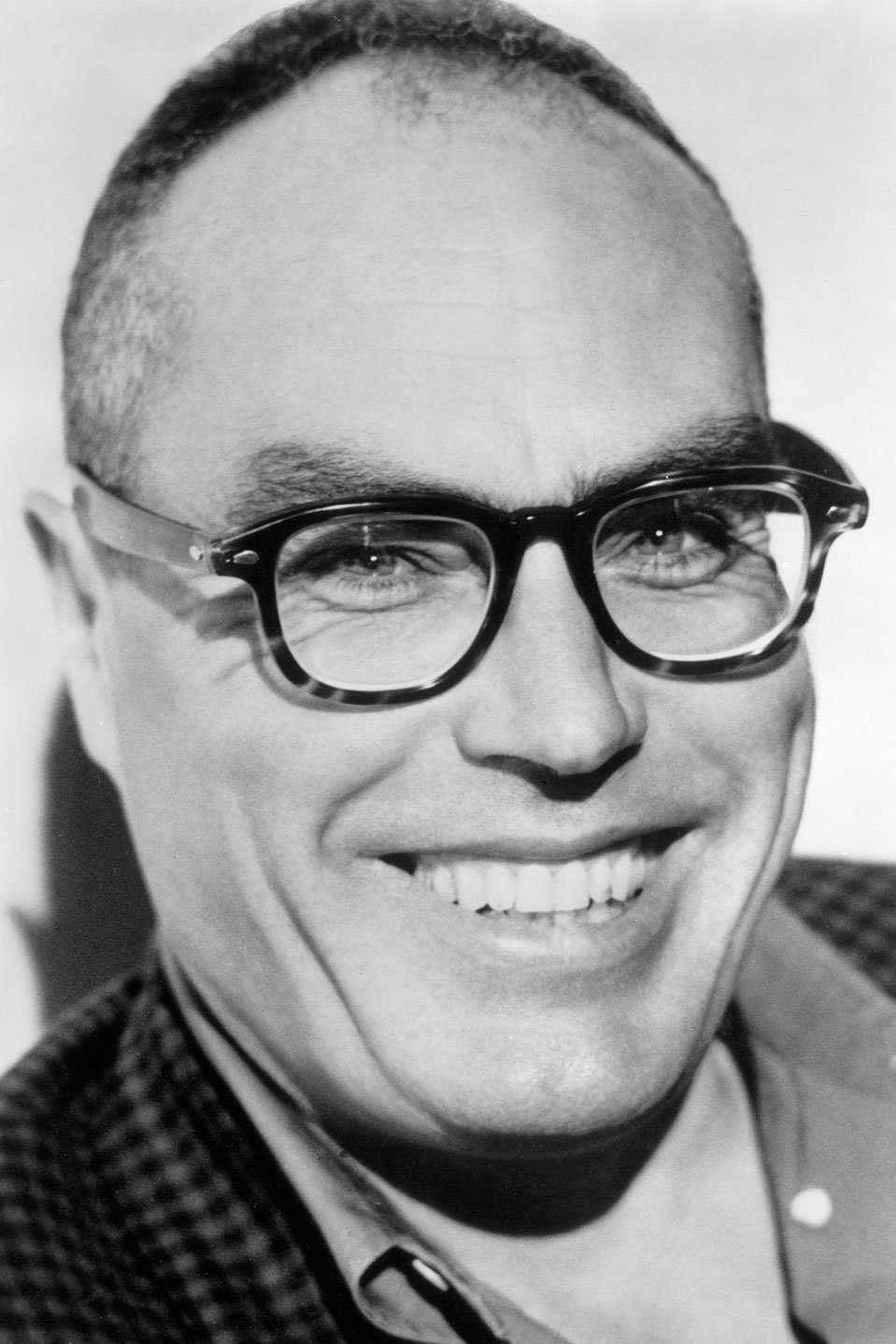
John Sturges, born on January 3, 1910, emerged as a prominent American film director whose contributions to cinema have left a lasting legacy. He carved a niche for himself in Hollywood through his distinctive filmmaking style and storytelling prowess. Some of his most acclaimed works include “Bad Day at Black Rock” (1955), a tense thriller that artfully explores themes of prejudice and justice, and “Gunfight at the OK Corral” (1957), an iconic Western that delves into the historical feud between lawmen and outlaws.Sturges further solidified his reputation with the monumental “The Magnificent Seven” (1960), a film that has grown into a quintessential Western a staple in the genre. This movie not only showcased his ability to direct large ensembles but also demonstrated his knack for creating compelling narratives that resonate with audiences. Following this success, he directed “The Great Escape” (1963), a gripping war film that captivates viewers with its meticulous attention to detail and thrilling depiction of a mass escape from a German POW camp during World War II.Concluding his string of notable films in the 1960s, Sturges directed “Ice Station Zebra” (1968), a Cold War-era suspense thriller that blended espionage with high-stakes drama beneath the polar ice caps. His career is marked by his ability to navigate diverse genres while infusing each project with significant cinematic and cultural weight.In 2013, Sturges’ “The Magnificent Seven” was selected for preservation in the prestigious United States National Film Registry by the Library of Congress, acknowledging its profound impact as a film that is “culturally, historically, or aesthetically significant.” Following suit, in 2018, “Bad Day at Black Rock” was also honored with inclusion, confirming Sturges’ status as a director whose work continues to influence and inspire.
Samuel Fuller
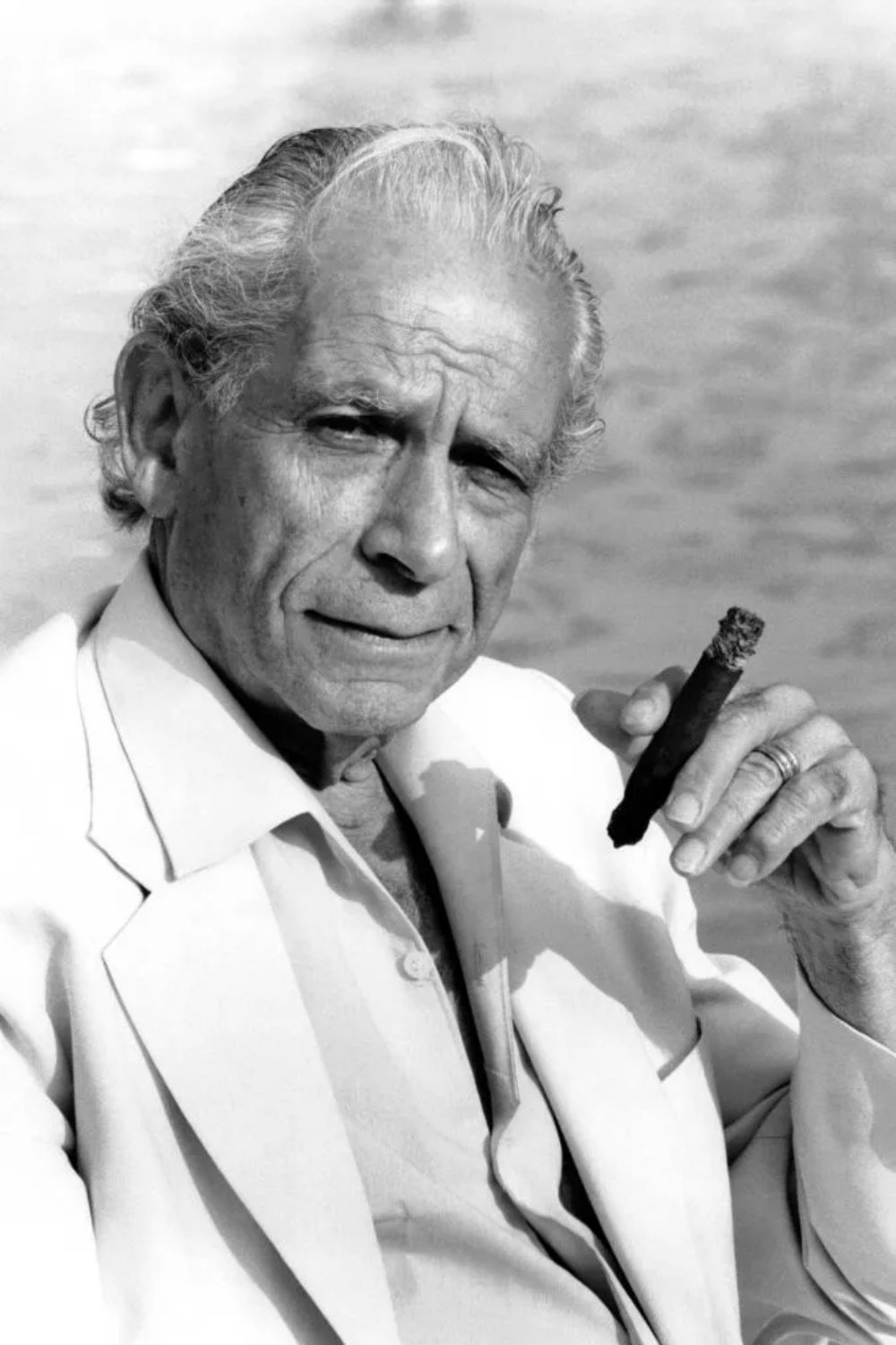
Samuel Fuller, born August 12, 1912, was a film director, screenwriter, author, journalist and World War II veteran known for directing low-budget genre films with innovative styles, often made outside the traditional system of study. Fuller composed his very first screenplay for Hats Off in 1936 and made his directorial debut with the Western I Shot Jesse James (1949). He would go on to direct numerous other westerns and war thrillers throughout the 1950s. Fuller transitioned from westerns and war films in the 1960s with his low-budget thriller Shock Corridor in 1963, followed by neo-noir The Naked Kiss (1964). He was inactive in film for most of the 1970s, before composing and directing the semi-autobiographical war film The Big Red One (1980) and the drama White Dog (1982), for which he co-wrote the screenplay with Curtis Hanson. Many of his films would be important to French New Wave directors, most notably Jean-Luc Godard, who provided him with a cameo in Pierrot le Fou (1965).
Irvin Kershner (1923)

Irvin Kershner, a Ukrainian-American director, brought artistic depth to mainstream franchises with his sophomore Star Wars entry. Notable films include Stakeout on Dope Street (1958), early crime drama; The Young Captives (1960); Loving (1970), introspective character study; Up the Sandbox (1972), Barbra Streisand vehicle; and The Empire Strikes Back (1980), iconic sci-fi sequel deepening mythic lore with Hoth battles, Yoda’s wisdom, and Vader’s revelation.
Kershner’s painterly eye and psychological nuance elevate genre work, as Empire’s shadowy visuals and emotional stakes outshine predecessors, earning timeless acclaim for pacing and character arcs. His style favors intimate drama amid spectacle, evident in 40 Guns’ operatic Westerns and Never Say Never Again’s suave Bond. Less prolific post-Empire, his influence endures in sequel artistry. Critics hail his Empire as pinnacle Star Wars, blending operatic tragedy with innovative effects; though underrated overall, Kershner’s humanism and visual poetry distinguish him among American directors bridging independent sensibilities with blockbuster mastery.
Stanley Kramer
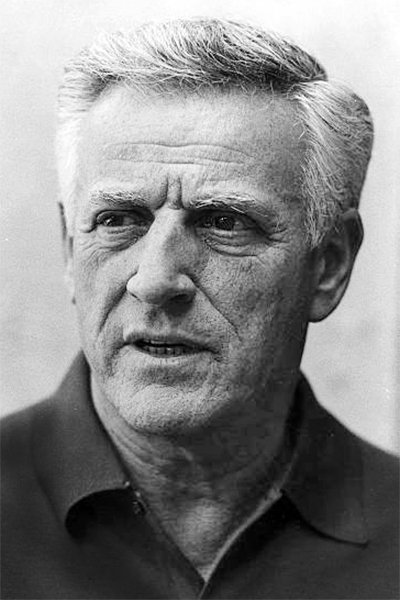
Stanley Kramer, born September 29, 1913, was an American film director and producer, responsible for making some of Hollywood’s most popular films and an icon of liberal cinema. As an independent producer and director, he accentuated topical social reflections that most studios prevented. Among the topics covered in his films were bigotry (in The Defiant Ones and Guess Who’s Coming to Dinner), nuclear war (in On the Beach), greed (in It’s a Mad, Mad, Mad, Mad World ), creationism against progress (in Inherit the Wind) and the domino effects of fascism (in Judgment at Nuremberg). His other films are High Noon (1952, as producer), The Caine Mutiny (1954, as producer) and Ship of Fools (1965).
Martin Ritt
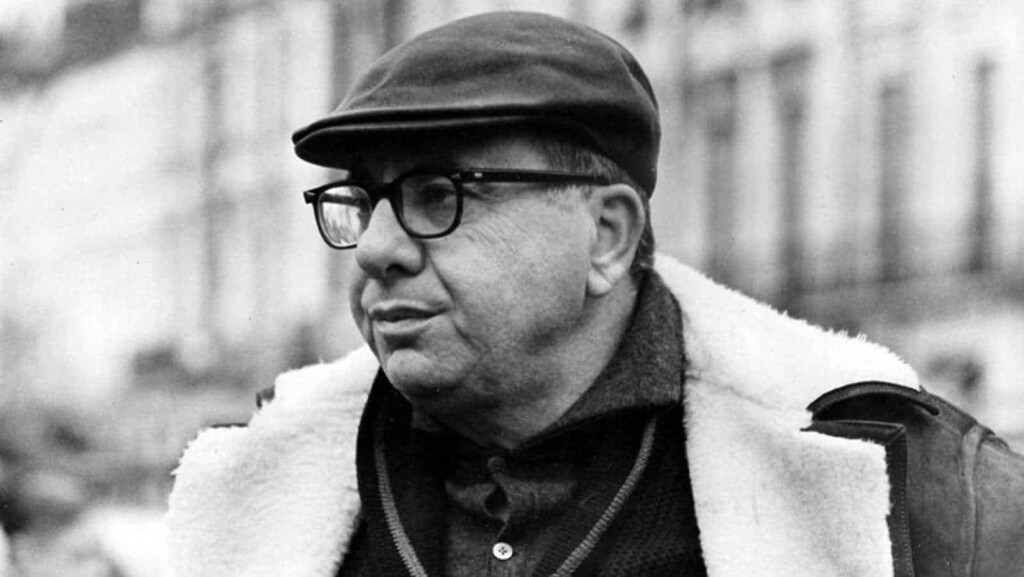
Martin Ritt, born March 2, 1914, was an American director who worked in both film and theater, known for his socially conscious films. Some of the films he directed are The Long, Hot Summer (1958), The Black Orchid (1958), Paris Blues (1961), Hemingway’s Adventures of a Young Man (1962), Hud (1963), The Spy Who Came in from the Cold (1965), Hombre (1967), The Great White Hope (1970), Sounder (1972), The Front (1976), Norma Rae (1979), Cross Creek (1983), Murphy’s Romance (1985), Nuts ( 1987) and Stanley & Iris (1990).
Arthur Penn
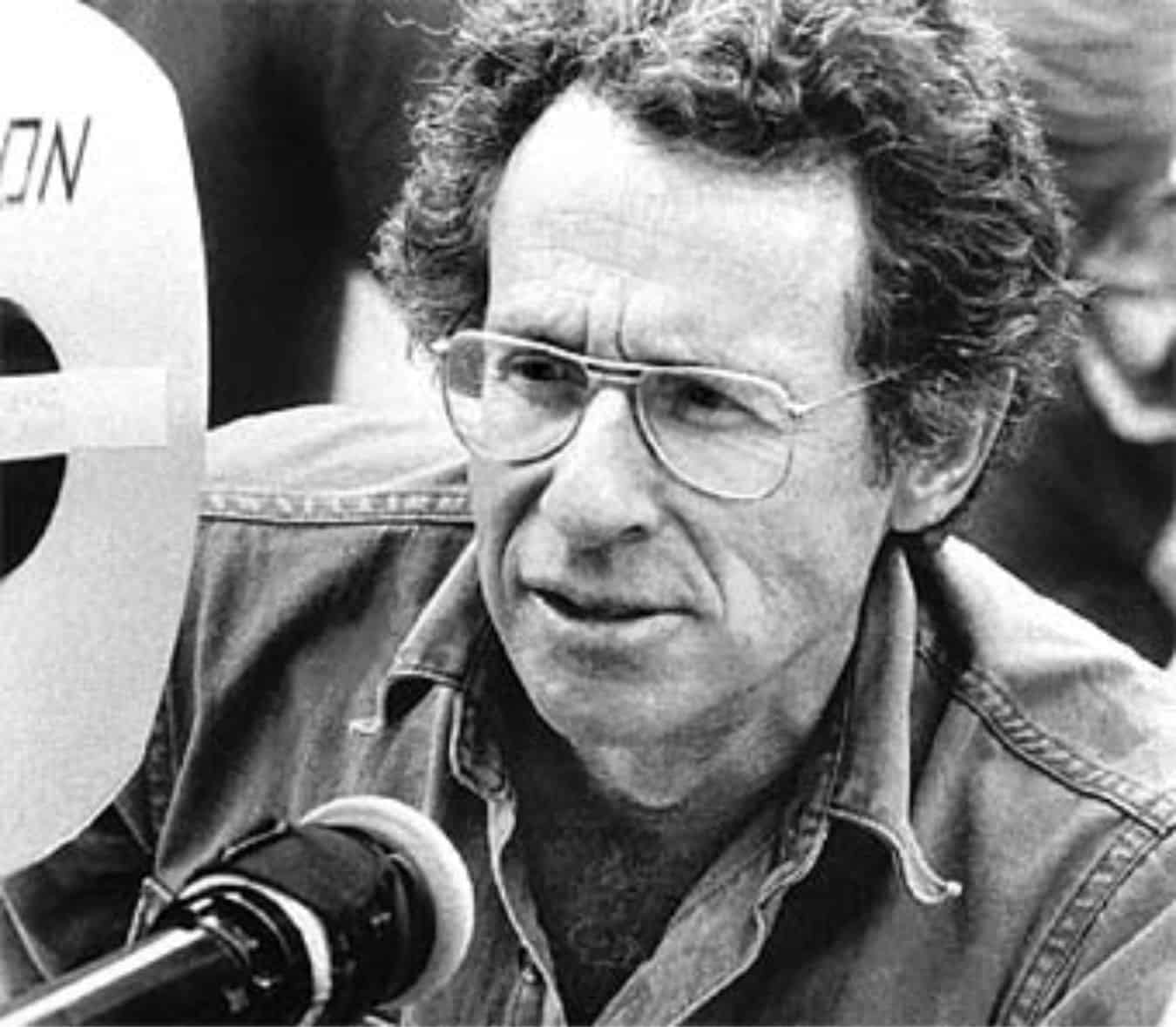
Arthur Penn, born on September 27, 1922, was a prominent American director who made significant contributions to theatre, television, and film. He played an integral role in the American New Wave, a movement known for challenging traditional Hollywood conventions and introducing innovative storytelling techniques. Throughout the 1960s, Penn gained acclaim for directing a series of highly popular films, including the intense drama “The Chase” (1966), a project that showcased his ability to blend compelling narratives with intricate character development. Beyond the 1960s, Penn continued to make his mark on the film industry with his work on notable revisionist Westerns. He directed acclaimed films like “Little Big Man” (1970), which offered a satirical take on the American frontier, as well as “Night Moves” (1975) and “The Missouri Breaks” (1976), each contributing to the genre with unique stylistic choices and thought-provoking themes. These films, despite being commercial disappointments, received favorable reviews from critics who praised their depth and originality, further cementing Penn’s enduring legacy as a visionary filmmaker.
Mike Nichols
Mike Nichols, born November 6, 1931, was an American film and stage director, producer, comedian, and actor. He is remembered for his ability to work across a range of genres and his ability to get the best out of actors, regardless of their experience. He is among 17 people to have actually won all 4 of America’s top awards: Emmy, Grammy, Oscar, and Tony. His other honors consist of 3 BAFTA Awards, the Lincoln Center Gala Tribute in 1999, the National Medal of Arts in 2001, the Kennedy Center Honors in 2003 and the AFI Life Achievement Award in 2010. His films have garnered a total of 42 Oscar nominations and 7 wins.
Richard Brooks
Richard Brooks, born May 8, 1912, was an American writer, film author, film producer and director. Chosen for 8 Academy Awards in his career, he was known for Blackboard Jungle (1955), Cat on a Hot Tin Roof (1958), Elmer Gantry (1960; for which he won the Academy Award for Best Adapted Screenplay), Blood cold (1967) and Looking for Mr. Goodbar (1977).
George A. Romero
George Romero, born February 4, 1940, was an American film director, author, and publisher. His film series Night of the Living Dead about a zombie armageddon began with the 1968 film of the same name and is generally considered a major part of the zombie movie. Other films in the series consist of Dawn of the Dead (1978) and Day of the Dead (1985). Apart from this series, his works consist of The Crazies (1973), Martin (1978), Knightriders (1981), Creepshow (1982), Monkey Shines (1988), The Dark Half (1993) and Bruiser (2000). He also produced the television series Tales from the Darkside, from 1983 to 1988.
Sam Peckinpah
David Peckinpah, born February 21, 1925, was an American film director and screenwriter. His legendary 1969 western The Wild Bunch earned an Academy Award election and was ranked No. 80 on the American Film Institute’s Top 100 list. His films used an original and aesthetically brilliant representation of action and violence as well as a revisionist method to the western category. Peckinpah’s films deal with corruption and violence in human society. His characters are losers or loners who want to be respectable, but must take risks to resist in a world of nihilism and cruelty. He was offered the label “Bloody Sam” due to the violence in his films. Peckinpah’s combative nature, marked by years of alcohol and drug abuse, influenced his career. The production of many of his films consisted of battles with producers and team members, damaging his credibility and career. Peckinpah’s other films are Major Dundee (1965), The Ballad of Cable Hogue (1970), Straw Dogs (1971), The Getaway (1972), Pat Garrett and Billy the Kid (1973), Bring Me the Head of Alfredo Garcia (1974), Cross of Iron (1977) and Convoy (1978), the most commercially successful film of his career.
George Roy Hill
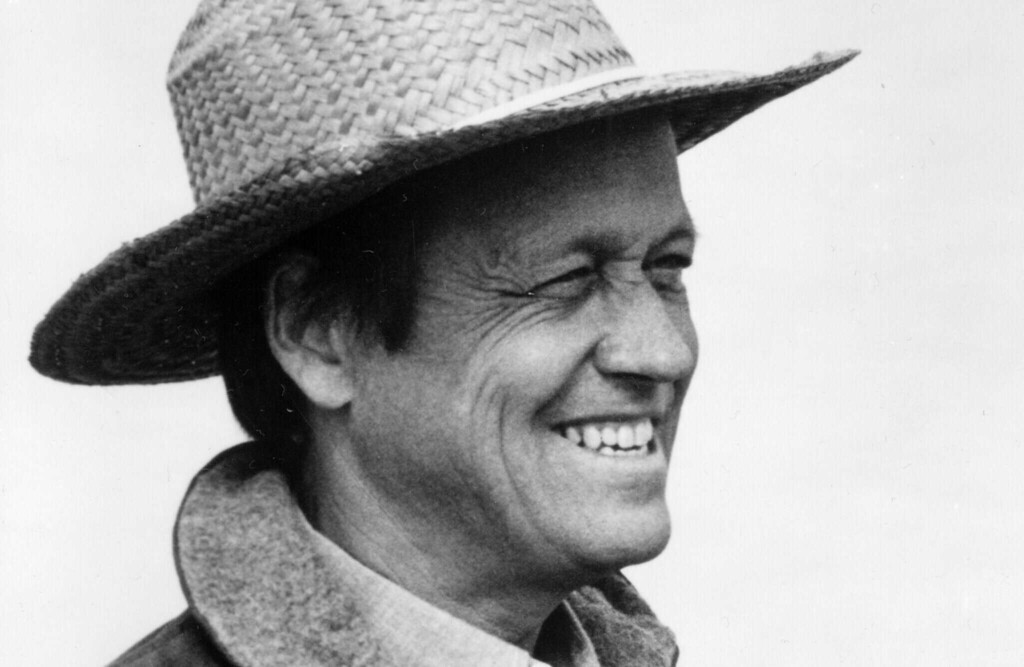
George Roy Hill, born December 20, 1921, was an American film director. He is best remembered for directing such films as Butch Cassidy and the Sundance Kid (1969) and The Sting (1973), both starring Paul Newman and Robert Redford. Hill is also known for directing such films as The World of Henry Orient (1964), Hawaii (1966), Thoroughly Modern Millie (1967), Slaughterhouse-Five (1972), The Great Waldo Pepper (1975), Slap Shot (1977 ), A Little Romance (1979), The World According to Garp (1982) and his last film Funny Farm (1988).
Bob Rafelson
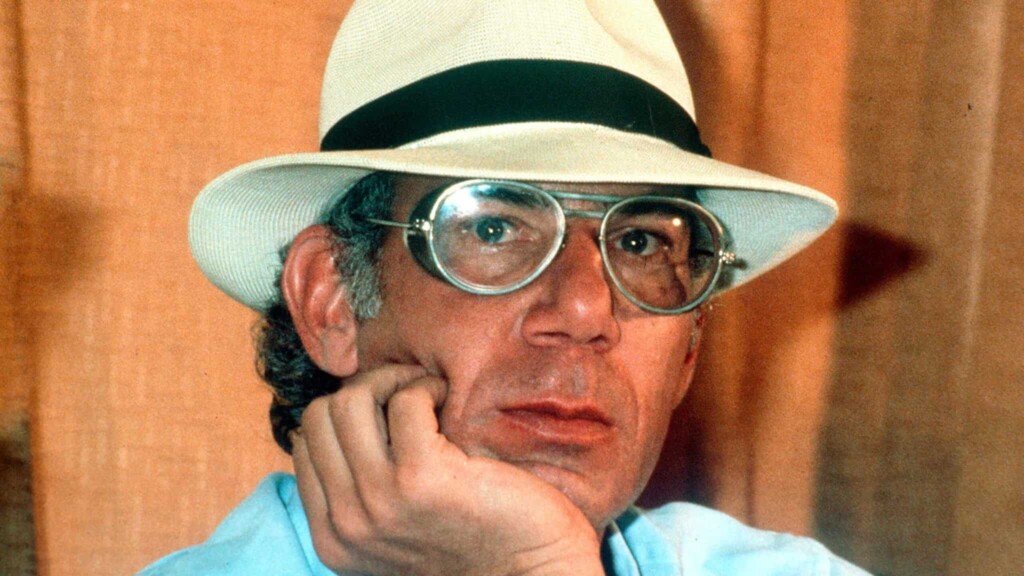
Robert Rafelson, born February 21, 1933, was an American film author, director, and producer. He is considered to be among the pivotal figures in the beginning of the New Hollywood movement of the 1970s. Among his best-known films as a director are those made as part of the company he cofounded, Raybert/BBS Productions, Five Easy Pieces (1970) and The King of Marvin Gardens (1972), along with popular later films, The Postman It Always Rings Twice (1981) and The Mountains of the Moon (1990). Other films he produced as part of BBS consist of 2 of the most notable films of the period, Easy Rider (1969) and The Last Picture Show (1971). Easy Rider, Five Easy Pieces, and The Last Picture Show have all been selected to be inducted into the Library of Congress’s National Film Registry. He was also co-creator of the pop group and television series The Monkees with BBS partner Bert Schneider. His first wife was production designer Toby Carr Rafelson.
Joseph Losey
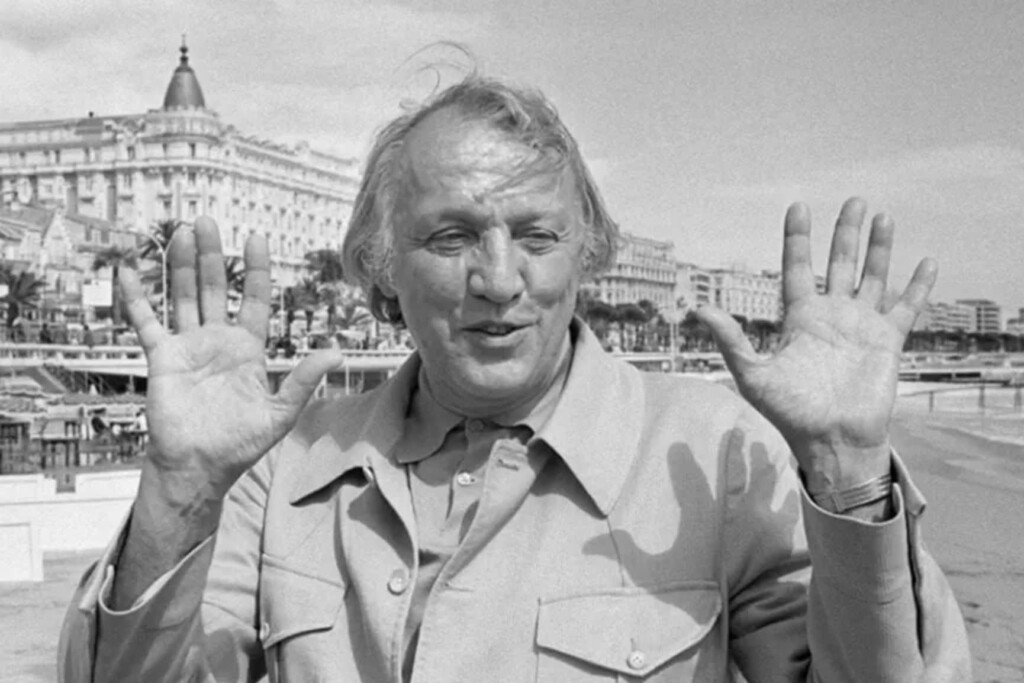
Joseph Losey, whose life began on January 14, 1909, emerged as an influential American writer, producer, and director for the stage and screen. Hailing originally from Wisconsin, Losey’s educational journey led him to Germany, where he had the opportunity to study under the renowned playwright and theater practitioner Bertolt Brecht. This international exposure profoundly influenced his artistic vision and narrative style. Upon returning to the United States, Losey initially carved out a promising career in Hollywood. However, during the politically charged climate of the 1950s, he found himself blacklisted amidst the era’s notorious witch hunts against alleged Communist sympathizers in the entertainment industry. This turning point prompted Losey to relocate to Europe, where he continued his filmmaking endeavors with great resolve and brilliance. He ultimately established himself predominantly within the British film industry, where he directed a series of noteworthy films. Among the most critically acclaimed and commercially viable of his works were those crafted in collaboration with the distinguished screenwriter Harold Pinter. Together, they produced masterpieces such as “The Servant” (1963), a psychological drama exploring themes of power and class, and “The Go-Between” (1971), a poignant examination of societal norms and personal memory, both of which left an indelible mark on the cinematic landscape.
Don Siegel
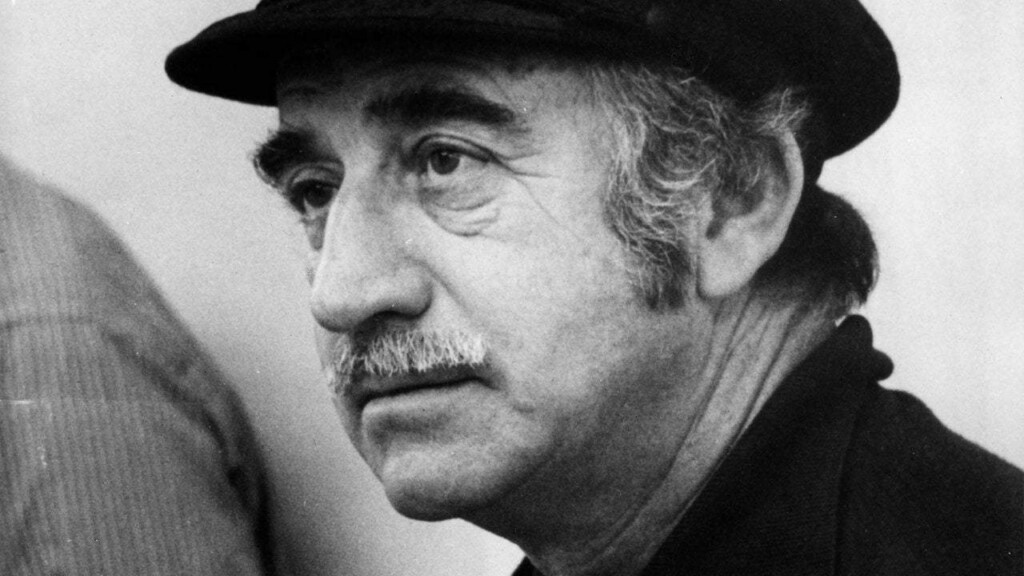
Donald Siegel, who entered this world on October 26, 1912, was an influential American director and producer who left a significant mark on both the film and television industries. Renowned for his distinctive style, Siegel was celebrated as a master of crafting tough, sincere, and often pessimistic action-adventure films. His works are characterized by tightly woven plots and a focus on individualistic characters who often stand as loners against the backdrop of their narratives. One of Siegel’s most notable contributions to the genre is the science fiction horror classic, Invasion of the Body Snatchers, released in 1956, which has since become a staple of the genre and a reference point for subsequent works.Furthermore, Siegel’s collaborative efforts with Clint Eastwood resulted in a series of five impactful films, cementing his reputation as a versatile director. Among these collaborations are the political thriller Dirty Harry, released in 1971, which became a cultural touchstone of its era, and the gripping prison drama Escape from Alcatraz, which hit theaters in 1979 and captivated audiences with its portrayal of a legendary jailbreak. In addition to these achievements, Siegel also directed the legendary John Wayne in what would be the actor’s final film, the poignant western The Shootist, released in 1976. This film has been hailed as a fitting tribute and a dignified conclusion to Wayne’s illustrious career in cinema.
Blake Edwards
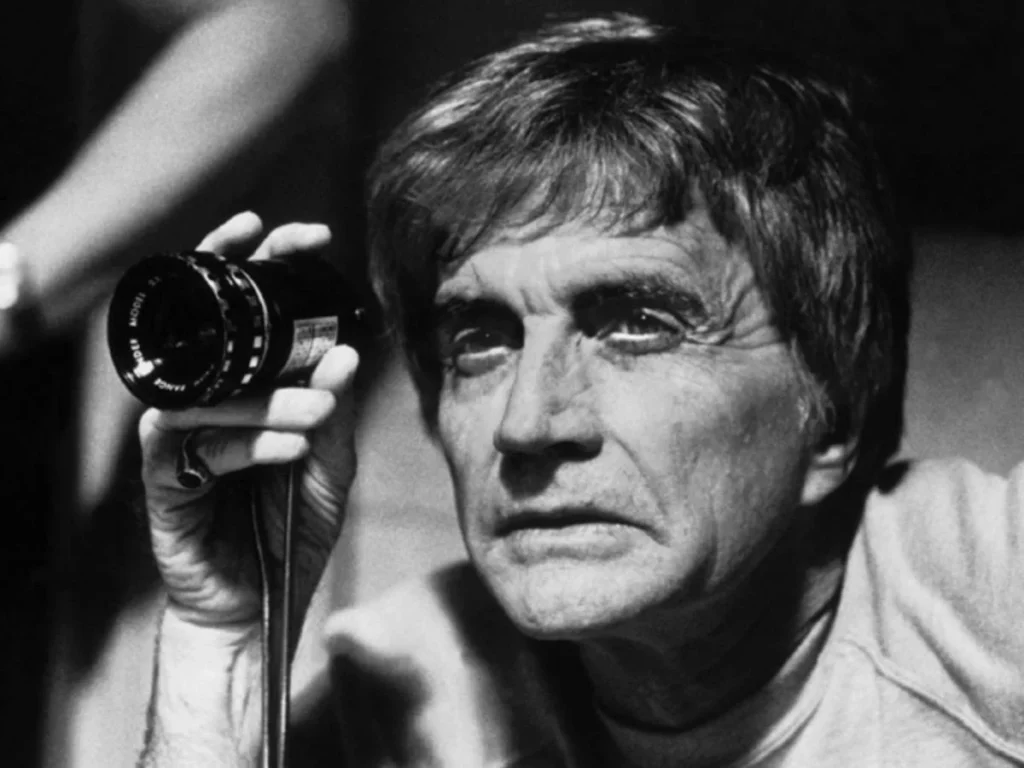
Blake Edwards, born July 26, 1922, was an American film director, also screenwriter, producer and actor. Edwards began his career in the 1940s as an actor but soon began writing film and radio scripts before turning to directing and producing in television and film. His most famous films include Breakfast at Tiffany’s (1961), Days of Wine and Roses (1962), The Great Race (1965), 10 (1979), Victor/Victoria (1982) and the extraordinary Pink Panther film series. with British star Peter Sellers. Typically regarded primarily as a comedy director, he has also directed a number of drama, musical, and investigative films. Toward the end of his career, he left writing, directing and producing for the theatre.
Peter Bogdanovich
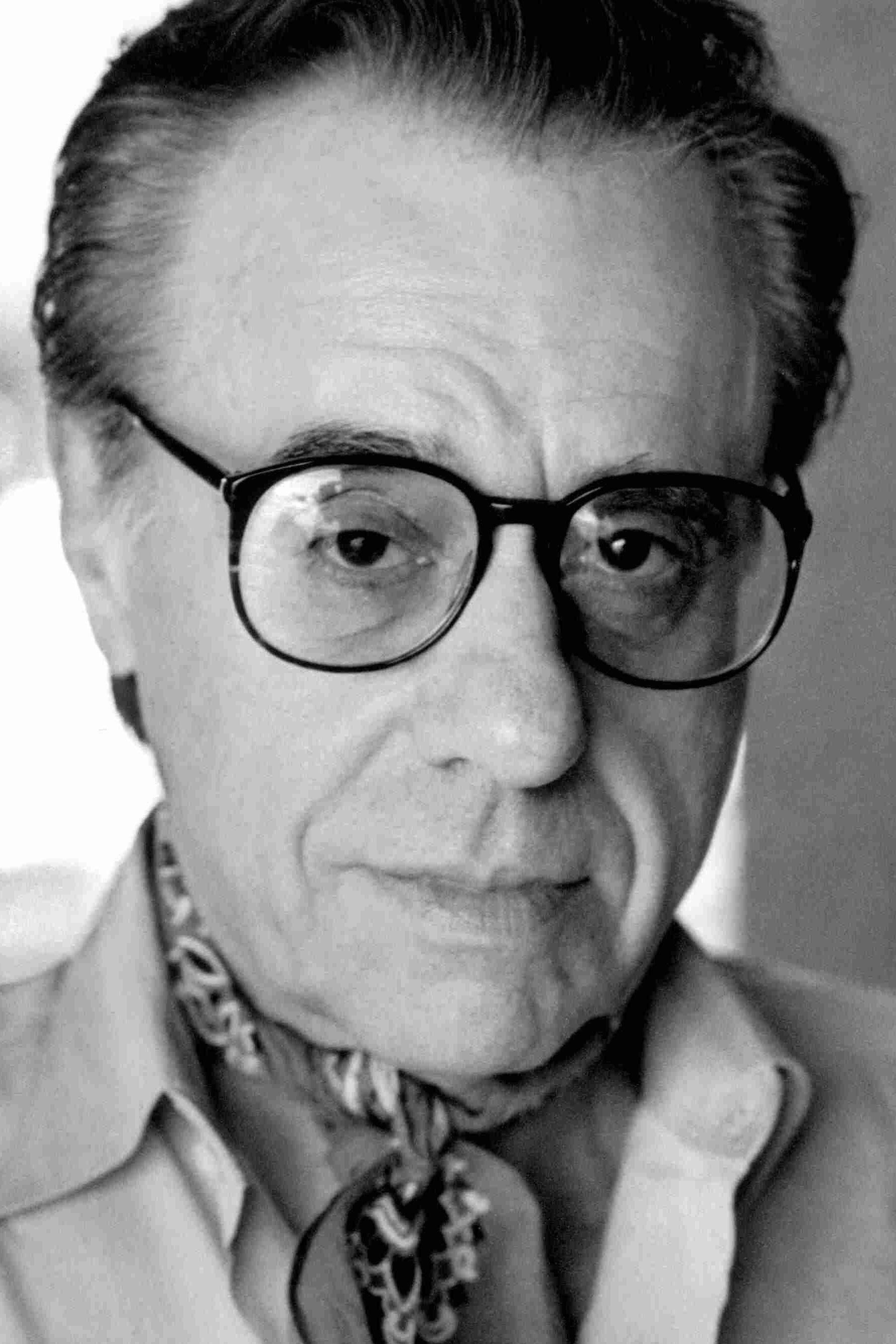
Peter Bogdanovich, born July 30, 1939, was an American film director, author, actor, critic, producer, and film historian. Among the “New Hollywood” directors, Bogdanovich started out as a film reporter until he was brought in to cover The Wild Angels (1966) by Roger Corman. Following the success of that film, he directed his own film Targets (1968), which received critical praise. He gained prevalent recognition and increased recognition for his coming-of-age drama The Last Picture Show (1971). The film garnered eight Academy Award nominations, including for Best Picture, with Bogdanovich earning nominations for Best Director and Best Adapted Screenplay, and Ben Johnson and Cloris Leachman winning Academy Awards for their supporting roles.
Roger Corman

Roger Corman was born April 5, 1926 and is an American actor, producer and director, icon of independent cinema. Many of Corman’s films are based on works that have already established important credibility, such as his cycle of cult movie low-budget In 1964, Corman, appreciated by members of the French New Wave and the Cahiers du Cinéma, ended up being the youngest director to have a retrospective at the Cinémathèque Française, the British Film Institute and the Museum of Modern Art. He was the co-founder of New World Pictures, the creator of the New Concorde and is a longtime member of the Academy of Motion Picture Arts and Sciences.
In 2009 he was awarded an Honorary Academy Award. Corman is also known for distributing numerous foreign directors in the United States, such as Federico Fellini, Ingmar Bergman, François Truffaut and Akira Kurosawa. He provided a debut and mentored many young filmmakers such as Francis Ford Coppola, Ron Howard, Martin Scorsese, Jonathan Demme, Peter Bogdanovich, Joe Dante, John Sayles, and James Cameron, and was extremely important in the New Cinema movement. Hollywood of the 70s and 60s. He has also helped launch the careers of such stars as Peter Fonda, Jack Nicholson, Dennis Hopper, Bruce Dern, Sylvester Stallone, Diane Ladd, and William Shatner.
William Friedkin
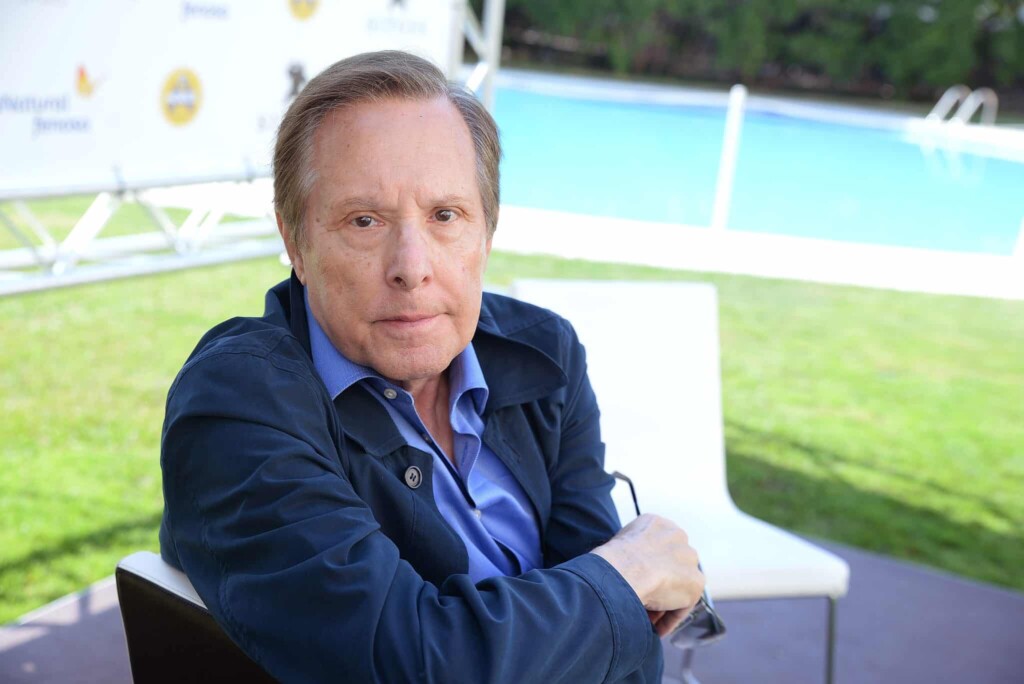
William Friedkin, whose birth date is August 29, 1935, stands as a notable figure within the realm of American cinema, having made substantial contributions as a film and television producer, screenwriter, and director. He is particularly linked with the transformative “New Hollywood” era of the 1970s, a time marked by innovation and bold storytelling in the film industry. Friedkin embarked on his career journey in documentary filmmaking in the early 1960s, where he honed his craft and developed a keen narrative style.His directorial prowess became indisputably clear with the release of the gripping thriller film, The French Connection, in 1971. This film achieved critical and commercial success, capturing five prestigious Academy Awards. These accolades included Best Picture, Best Adapted Screenplay, and Best Director, solidifying Friedkin’s status as an influential filmmaker. His reputation was further bolstered by his masterful work on the iconic horror film, The Exorcist, released in 1973. This film not only terrified audiences worldwide but also garnered him an Academy Award nomination for Best Director, a testament to his skill in crafting compelling and haunting cinematic experiences.
Hal Ashby
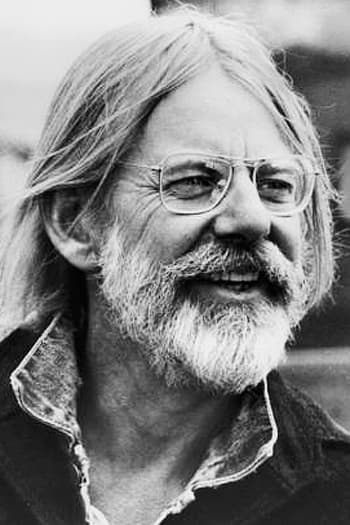
William Hal Ashby, born September 2, 1929, was an American film director and editor associated with the New Hollywood motion picture wave. Prior to his directing career, Ashby edited films for Norman Jewison, most notably The Russians Are Coming, The Russians Are Coming (1966), which earned Ashby an Academy Award nomination for Best Editing, and In the Heat of the Night ( 1967), which made him his only Oscar for the same category. Ashby earned a third Academy Award election, this time for Best Director for Coming Home (1978). Other films directed by Ashby include The Landlord (1970), Harold and Maude (1971), The Last Detail (1973), Shampoo (1975), Bound for Glory (1976) and Being There (1979).
Francis Ford Coppola

Francis Ford Coppola was born April 7, 1939 and is an American screenwriter, producer and director. He is regarded as one of the significant figures of the New Hollywood film movement of the 1970s and 1960s. Coppola has received 5 Academy Awards, 6 Golden Globes, 2 Palmes d’Or and a British Academy Film Award (BAFTA). After directing The Rain People in 1969, Coppola co-wrote Patton (1970), which earned him the Academy Award for Best Original Screenplay alongside Edmund H. North.
Coppola’s success as a director came with the release of The Godfather (1972), which transformed the category of gangster films, obtaining an extraordinary reception from audiences and critics. The Godfather won 3 Academy Awards: Best Picture, Best Actor and Best Screenplay adapted by Mario Puzo. His film The Godfather Part II (1974) became the first sequel to win the Academy Award for Best Picture. Highly praised by critics, the film won Coppola 3 more Academy Awards: Best Adapted Screenplay, Best Director and Best Picture, making him the second director after Billy Wilder to win these 3 awards for the same film.
John Cassavetes

John Cassavetes, born on December 9, 1929, was a notable figure in American cinema who excelled as an actor, director, and screenwriter. Celebrated both on television and in films, he became a trailblazer in the realm of American independent cinema. Through his unique vision and artistic integrity, Cassavetes not only wrote and directed visionary films but also financed them partially through the income he earned from his acting career.
This self-sufficient approach allowed him to maintain creative freedom, distinguishing his work from mainstream Hollywood productions. He is often hailed as a radical iconoclast in the film industry, challenging conventional storytelling methods and inspiring a new generation of filmmakers. For many critics and cinephiles, Cassavetes stands out as perhaps the most influential American director of the latter half of the 20th century, leaving a profound legacy in the art of filmmaking.
Mel Brooks
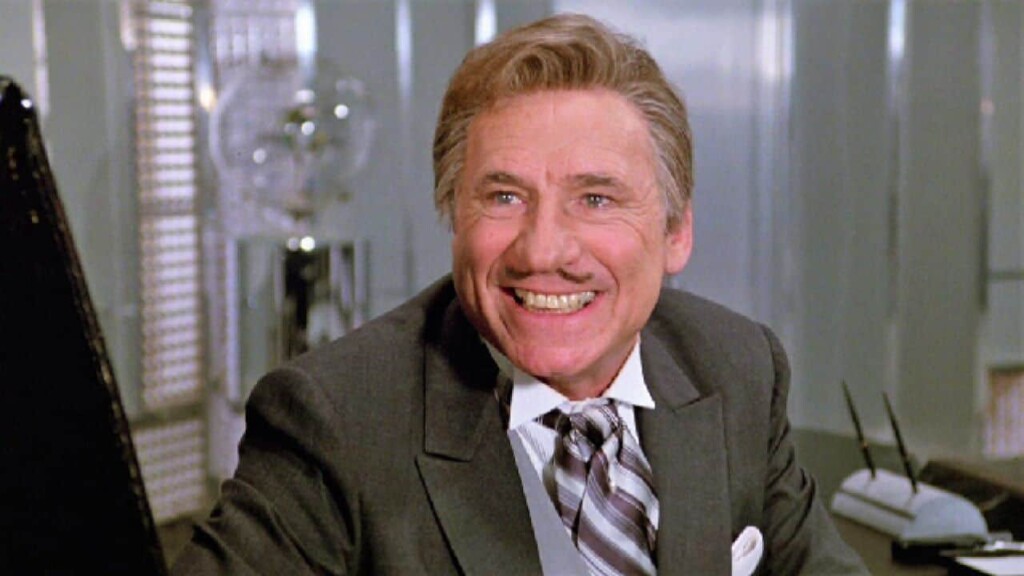
Mel Brooks, born June 28, 1926, is an American actor, comedian and director. In a profession spanning over 70 years, he is the author and director of a number of effective farces and parodies. He began his career as a comedian and writer for Sid Caesar‘s variety show Your Show of Shows (1950-1954) alongside Woody Allen, Neil Simon and Larry Gelbart. With Carl Reiner, he developed the comedic character The 2000 Year Old Man. He wrote, with Buck Henry, the entertaining hit television series Get Smart (1965-1970).
Stanley Kubrick

Stanley Kubrick, whose birth date is July 26, 1928, successfully established himself as a multifaceted American film director, producer, screenwriter, and photographer. Widely lauded as one of the most talented directors in the annals of cinematic history, Kubrick’s extensive body of work predominantly consists of adaptations from existing books or fictional narratives. His films are distinguished for their striking and inventive cinematography, a wry and often dark sense of humor, meticulous attention to detail, and numerous other unique qualities that have earned them a lasting influence and admiration.Kubrick’s early life was spent in the Bronx, New York City, where he attended William Howard Taft High School between 1941 and 1945. Although his academic performance was considered average, his profound fascination with literature, photography, and film was evident from a young age. Demonstrating remarkable autodidactic aptitude, Kubrick taught himself the intricacies of filmmaking and directing once he concluded his high school education.Embarking on his career as a professional photographer in the late 1940s and early 1950s, Kubrick contributed his talents to Look magazine. During this period, he began experimenting with short films operating on minimal budgets, which marked the humble beginnings of his illustrious film career. In 1956, Kubrick made a significant breakthrough with the film ‘The Killing,’ produced for United Artists, which was a milestone in Hollywood history. Following this success, he collaborated with the acclaimed actor Kirk Douglas on two noteworthy projects: the powerful war narrative ‘Paths of Glory’ released in 1957 and the sweeping historical epic ‘Spartacus’ in 1960, both of which contributed significantly to his growing reputation in the film industry.
Steven Spielberg
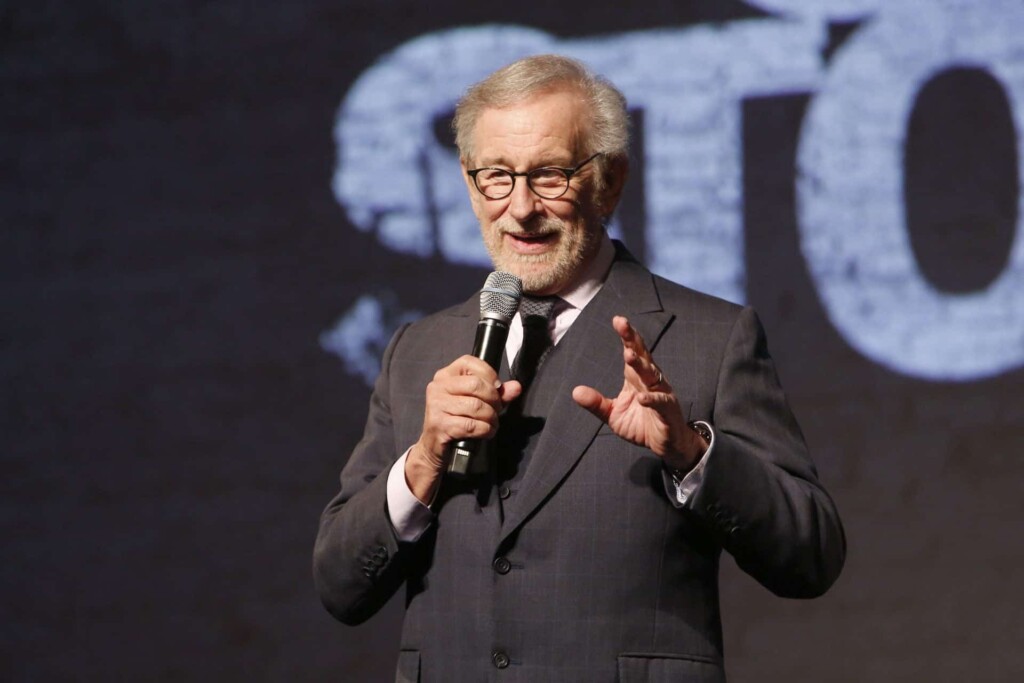
Steven Spielberg, born on December 18, 1946, is a renowned American director, author, and producer. He is a pivotal figure in the New Hollywood era and has become the most commercially successful filmmaker in history. Spielberg’s remarkable career is studded with accolades, reflecting his profound impact on the cinematic landscape.
His impressive achievements include winning three prestigious Academy Awards, a distinguished Cecil B. DeMille Award recognizing his outstanding contributions to the entertainment industry, and an AFI Life Achievement Award, celebrating his exceptional career and influence in film. Furthermore, seven of Spielberg’s iconic films have been honored with induction into the National Film Registry by the Library of Congress, underscoring their cultural, historical, and aesthetic significance. These achievements highlight Spielberg’s enduring legacy and formidable presence within the world of cinema.
Sidney Lumet
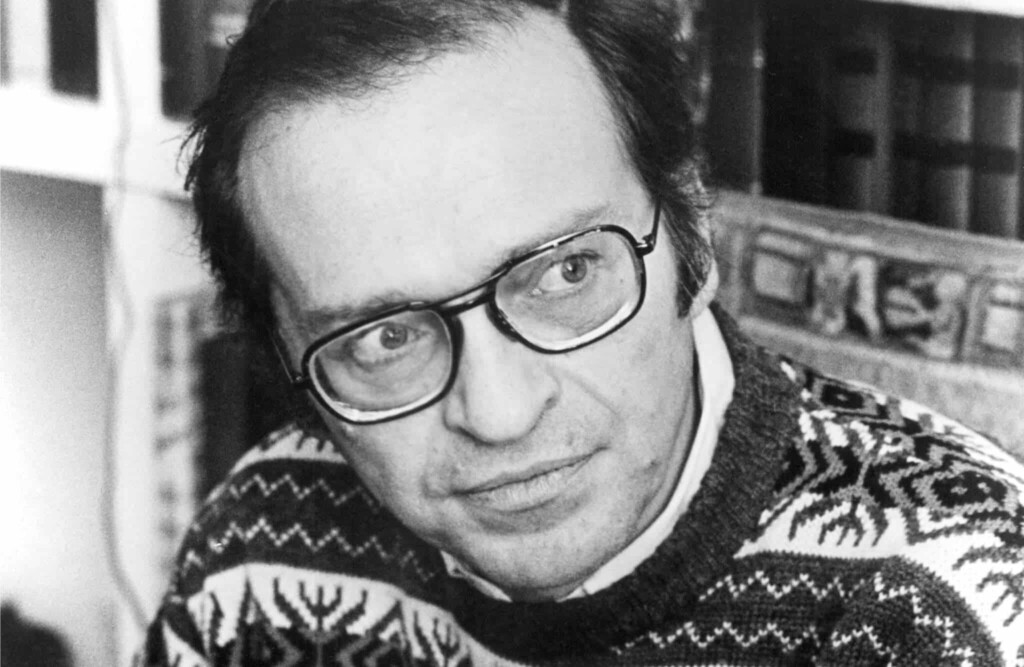
Sidney Lumet, whose birth date was June 25, 1924, emerged as a significant figure in the realm of American filmmaking. Over the span of his illustrious career, Lumet’s directorial prowess was recognized with five nominations for the prestigious Academy Awards. Remarkably, four of these nominations were in the category of Best Director, a testament to his exceptional ability to helm complex narratives with a profound impact. These nominations were for some of his most acclaimed works, including the intensely dramatic courtroom exploration in “12 Angry Men” released in 1957, the riveting biographical crime saga “Dog Day Afternoon” from 1975, the incisive media critique found in “Network” from 1976, and the gripping legal drama “The Verdict,” which premiered in 1982. Furthermore, Lumet’s talent extended beyond direction, earning him a nomination for Best Adapted Screenplay for the intricate crime drama “Prince of the City” in 1981.Although he never received a competitive Oscar for his work, his substantial contribution to the film industry was acknowledged through the receipt of an Academy Honorary Award, underscoring his enduring influence and legacy in cinema. Sidney Lumet’s distinguished career also included the significant achievement of having an impressive total of 14 of his films being shortlisted for the Academy Awards, illustrating the consistent quality of his cinematic contributions and his ability to resonate deeply with audiences and critics alike.
Sydney Pollack
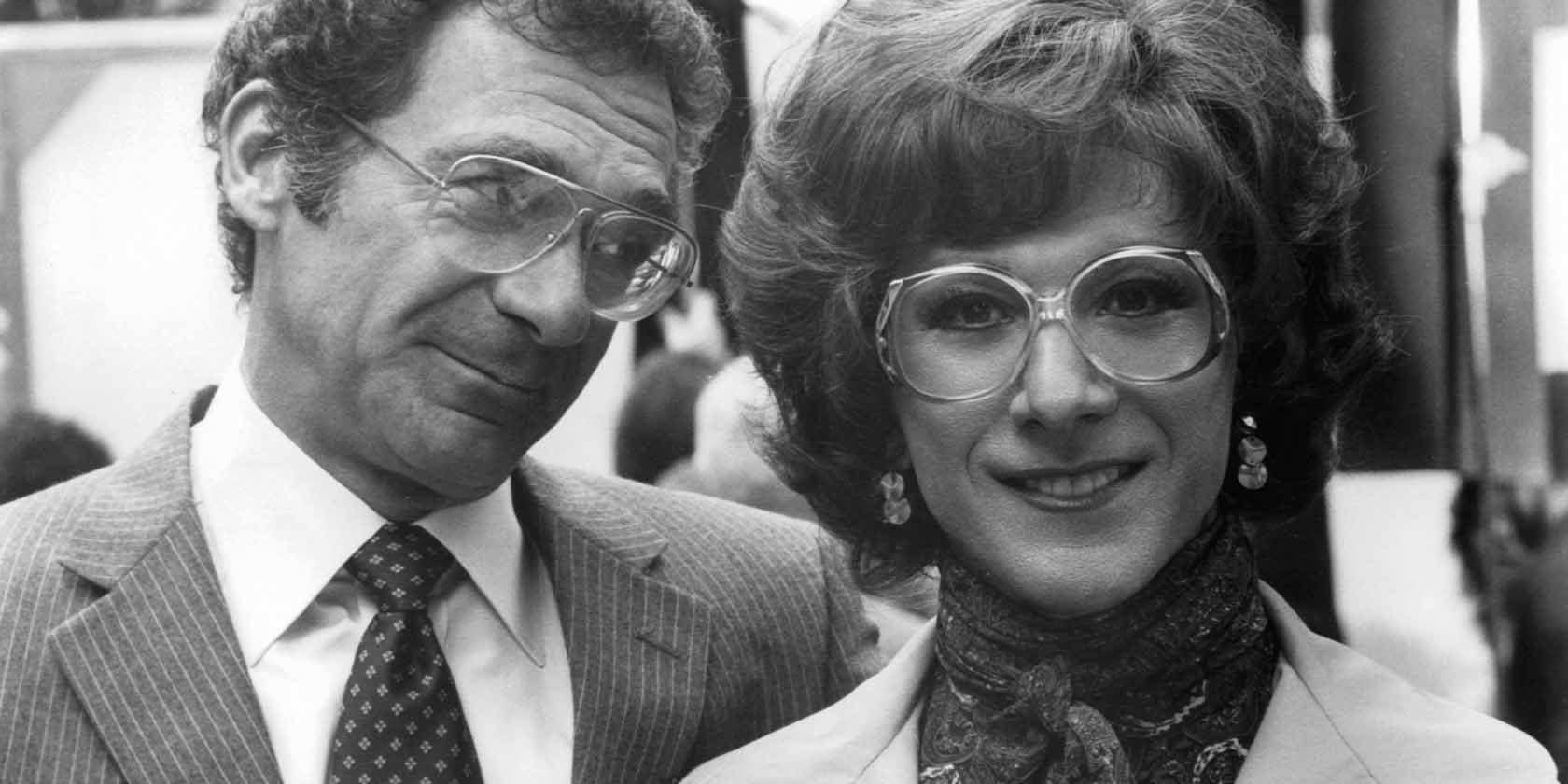
Sydney Pollack, born July 1, 1934, was an American film producer, actor and director. Pollack has directed more than 20 movies and 10 television shows, starred in over 30 shows and movies, and produced over 44 feature films. For his film Out of Africa (1985), Pollack won Academy Awards for Best Director and Best Picture. He was nominated for the Oscar for best director for Shoot Horses, right? (1969) and Tootsie (1982). Some of his other best known works include Jeremiah Johnson (1972), The Way We Were (1973), Three Days of the Condor (1975) and Absence of Malice (1981). His next films were Havana (1990), The Firm (1993), The Interpreter (2005), and he starred in and produced the film Michael Clayton (2007). Pollack also appeared in Robert Altman‘s The Player (1992), Woody Allen‘s drama Husbands and Wives (1993), and Stanley Kubrick’s sultry psychological drama Eyes Wide Shut (1999).
Alan J. Pakula
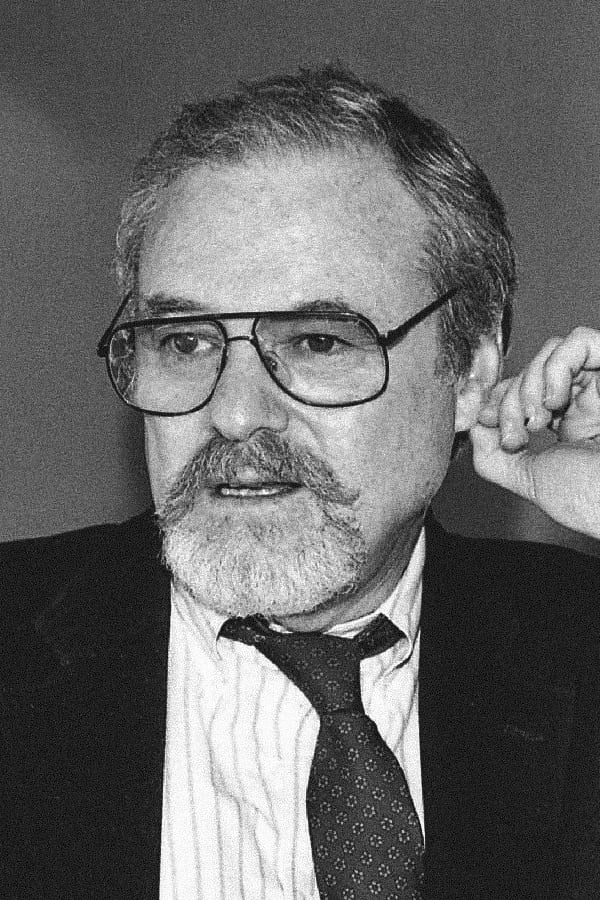
Alan Jay Pakula, born on April 7, 1928, was a distinguished American film auteur, widely recognized for his multifaceted roles as a producer and director in the cinematic world. His exceptional contributions to the film industry were acknowledged with three prestigious Academy Award nominations. One of his notable achievements was his nomination for Best Picture for the timeless classic, “To Kill a Mockingbird” in 1962, a film that continues to resonate with audiences worldwide for its poignant narrative and social impact. In 1976, his masterful direction in the gripping political thriller “All the President’s Men” earned him a nomination for Best Director, underscoring his ability to bring complex stories to the screen with compelling authenticity. Furthermore, in 1982, he was recognized for his screenplay adaptation of “Sophie’s Choice,” receiving a nomination for Best Adapted Screenplay, which highlighted his adeptness at transforming profound literary works into cinematic masterpieces.Pakula was also celebrated for his “trilogy of fear,” a series of films that captivated audiences with their intense narratives and psychological depth. This trilogy began with the film “Klute” in 1971, a suspenseful tale that delves into the intricacies of human behavior and relationships. Following this, “The Parallax View” in 1974 presented a riveting exploration of conspiracy and existential dread. Concluding the trilogy in 1976, “All the President’s Men” not only showcased his directorial prowess but also solidified his reputation as a director capable of crafting stories that combined real-world events with intense drama. Through these films, Pakula skillfully weaved narratives that examined the darker aspects of society, leaving an indelible mark on the landscape of American cinema.
Michael Cimino

Michael Cimino, born February 3, 1939, was an American film director. Among the “New Hollywood” directors, Cimino achieved popularity with The Deer Hunter (1978), which won 5 Academy Awards, including Best Picture and Best Director. A native of New York City, Cimino began his career shooting commercials and moved to Los Angeles to pursue screenwriting in 1971. After co-writing the screenplays for Silent Running (1972) and Magnum Force (1973), he wrote the screenplay for Thunderbolt and Lightfoot (1974), which became his directorial launch, and among the highest-grossing films of the year.
Awards for co-writing, directing and producing The Deer Hunter in 1978 led to Cimino getting the budget for Heaven’s Gate (1980). The film ended up being a massive box office flop, costing production studio United Artists an estimated $37 million. In recent years, Heaven’s Gate has been drastically re-evaluated, being hailed as one of the best American films of all time, “among the highest achievements of Hollywood cinema. His last feature film was The Sunchaser which was released in 1996. Until his death, he continued to deal with films that ultimately never came to fruition.
John Landis
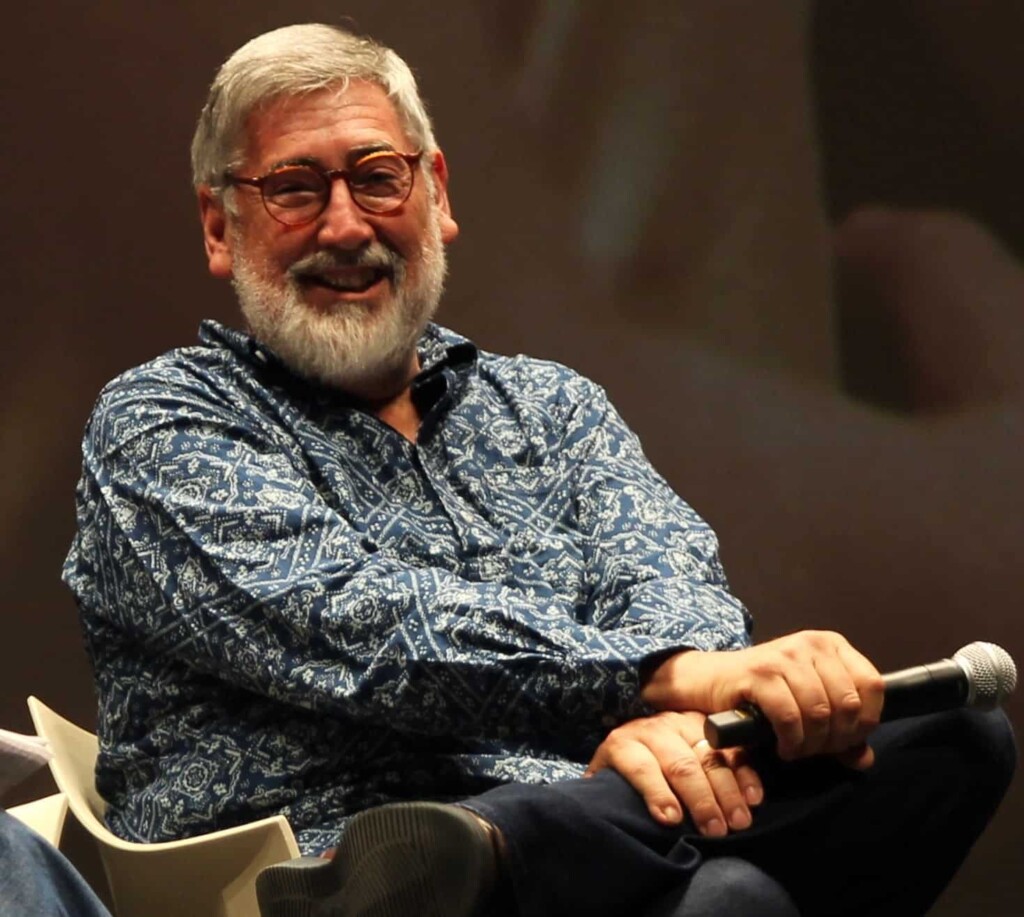
John Landis, born on August 3, 1950, is an influential figure in the American entertainment industry known for his work as both a comedy director and actor. Renowned for his distinctive style in the comedy genre, Landis has made significant contributions through his direction of numerous iconic films that have become cultural milestones. His career took off with the groundbreaking comedy “The Kentucky Fried Movie” in 1977, which set the stage for future successes. Following this, he directed the uproarious classic “National Lampoon’s Animal House” in 1978, a film that quickly became emblematic of American college humor, cementing his reputation as a master of comedy.In 1980, Landis further solidified his standing with “The Blues Brothers,” a musical comedy that combined slapstick humor with a memorable soundtrack. This was followed by the cult horror-comedy “An American Werewolf in London” in 1981, demonstrating his versatility and his ability to blend genres seamlessly. The early ’80s also saw him at the helm of “Trading Places” (1983), a film that cleverly critiqued social class disparities through a comedic lens.Continuing his streak of successful films, Landis directed “Three Amigos!” in 1986, a western comedy featuring a star-studded cast, and “Coming to America” in 1988, a film that broke new ground in portraying African cultures with humor and respect. His filmography also includes “Beverly Hills Cop III” in 1994, which added to his repertoire in the action-comedy sphere.Apart from his work in film, Landis played a significant role in music video history. He directed the music video for Michael Jackson‘s “Thriller” (1983), which revolutionized the format by blending narrative cinema with music. The video is frequently hailed as a pioneering example of the medium. In 1991, he reunited with Jackson to direct the visually captivating “Black or White” video, further intertwining his legacy with the evolution of music videos. Through these diverse contributions, John Landis has left an indelible mark on both cinema and popular culture.
John Carpenter
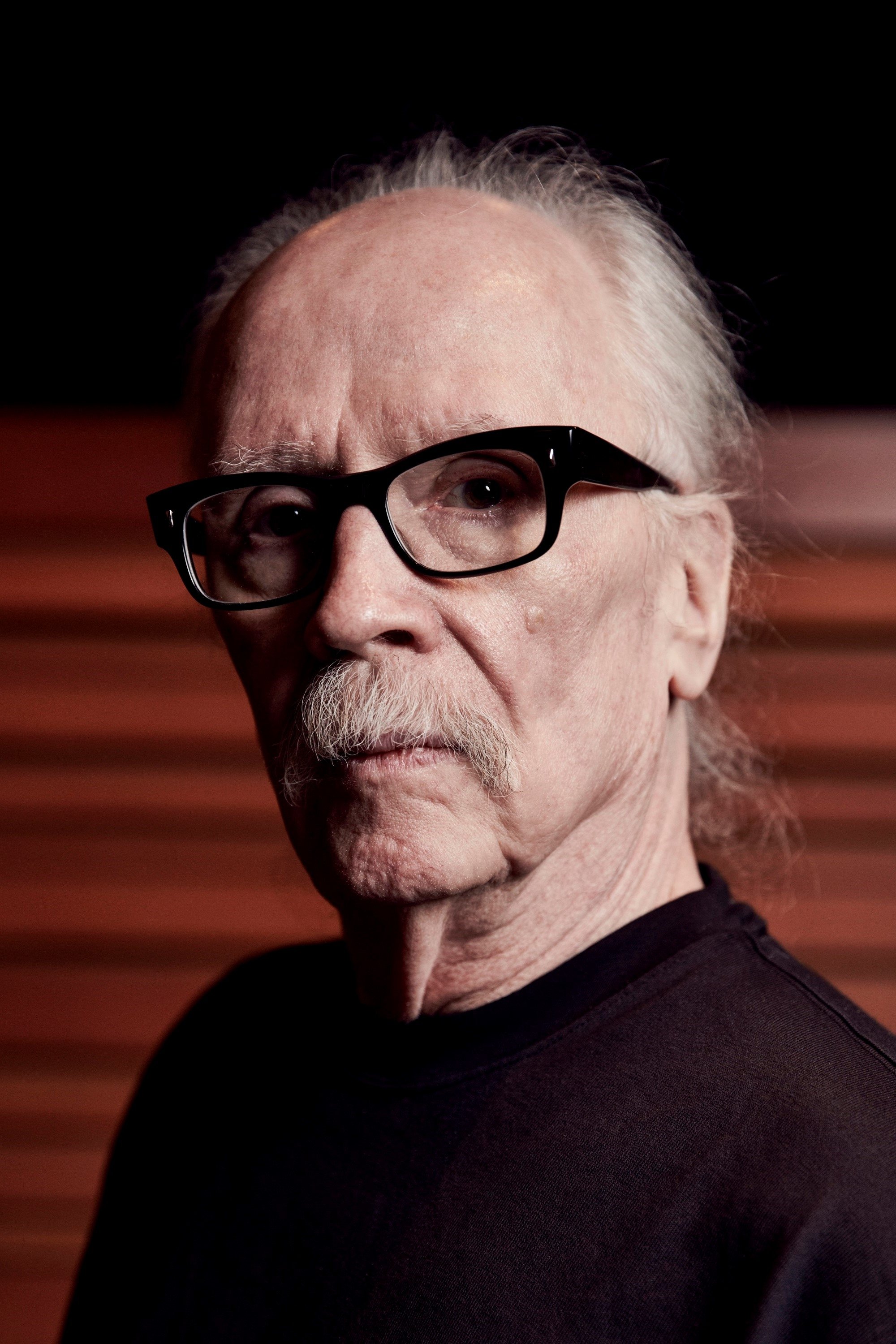
John Carpenter, born January 16, 1948, is an American director, actor and author. He has worked in different categories of films, but mostly in action and science fiction films of the 80s and 70s. He is generally recognized as one of the best masters of horror cinema. At the 2019 Cannes Film Festival they offered him the Golden Coach Award, admiring him as “an innovative genius of raw, wonderful and magnificent feeling. Carpenter’s early films were blockbusters such as Halloween (1978), The Fog (1980), Escape from New York (1981) and Starman (1984).
His other productions of the 1970s and 1980s have become cult classics, and he has been recognized as a prominent director. These films Dark Star (1974), Assault on Precinct 13 (1976), The Thing (1982), Christine (1983), Big Trouble in Little China (1986), Prince of Darkness (1987), They Live (1988), In the Mouth of Madness (1994) and Escape from L.A. (1996). Carpenter has composed or co-composed most of the music for his films. He won a Saturn Award for Best Music for the film Vampires (1998). He has released 4 studio albums, titled Lost Themes (2015), Lost Themes II (2016), Anthology: Movie Themes 1974– 1998 (2017) and Lost Themes III: Alive After Death (2021).
Philip Kaufman
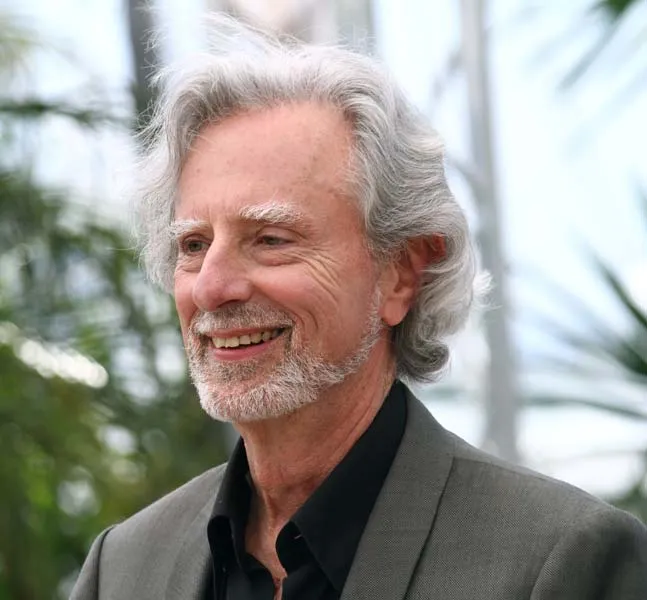
Philip Kaufman, born October 23, 1936, is an American director and screenwriter who directed fifteen films in a career spanning more than sixty years. He has actually been called a “radical” and a “critic”, notable for his flexibility and self-confidence. He is an “author” whose films have consistently revealed his personal vision. Kaufman’s works actually consist of film genres such as realism, horror, erotica, western, crime. His selection of topics was diverse, having adapted books with different styles and stories. Examples are The Unbearable Lightness of Being (1988) by Milan Kundera, Rising Sun (1993) by Michael Crichton, a remake of Invasion of the Body Snatchers (1978) and the sensual works of Henry & June (1990) by Anaïs Nin. His film The Wanderers (1979) achieved cult status. His biggest success was Tom Wolfe‘s The Right Stuff (1983), which garnered eight Academy Award nominations, including Best Picture.
Woody Allen
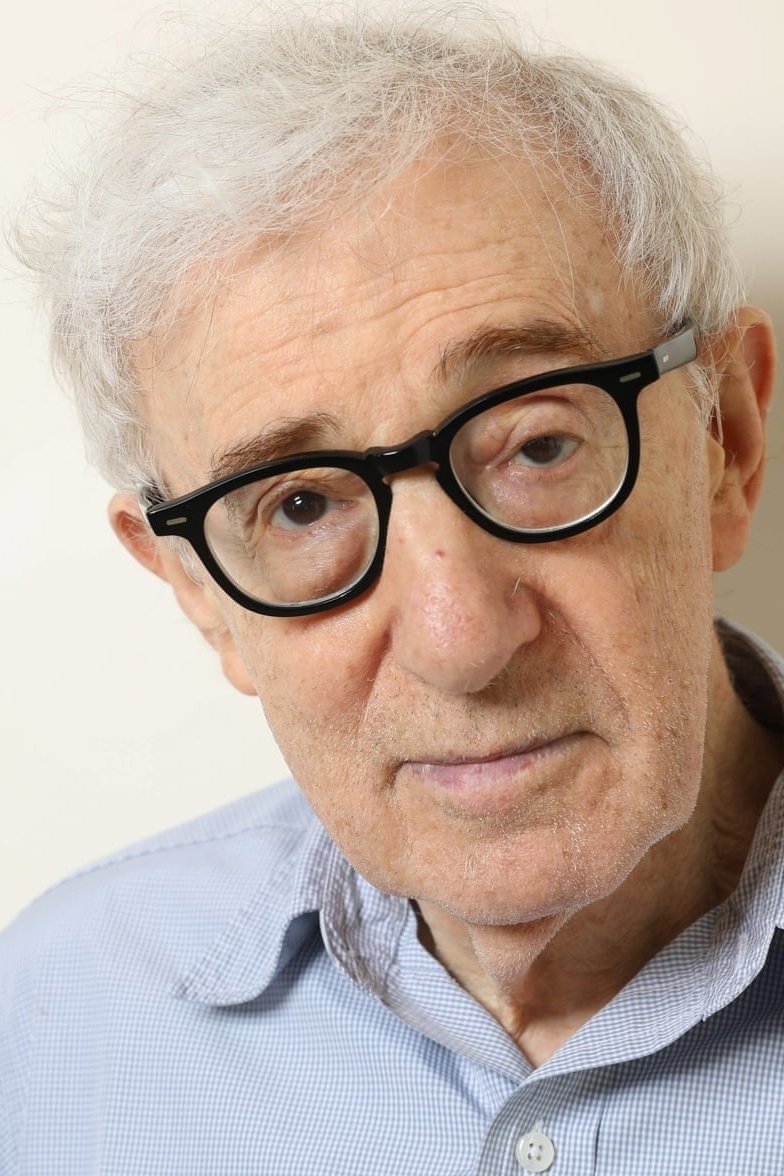
Woody Allen, born November 30, 1935, is an American director, comedian, actor and author whose profession spans more than 60 years and several Academy Award-winning films. He began his career writing for television in the 1950s and working alongside Mel Brooks, Carl Reiner, Larry Gelbart and Neil Simon. He has published a number of books including fiction and humorous pieces composed for The New Yorker. In the early 1960s, he performed as a funnyman in Greenwich Village alongside Lenny Bruce, Elaine May, Mike Nichols and Joan Rivers. There he established a monologue style and persona of an insecure, intellectual, whiny man. In 2004, Comedy Central ranked Allen #4 on their list of the 100 Greatest Comedians, while a UK study ranked Allen #3 on their Greatest Comedians list.
Jim Jarmusch
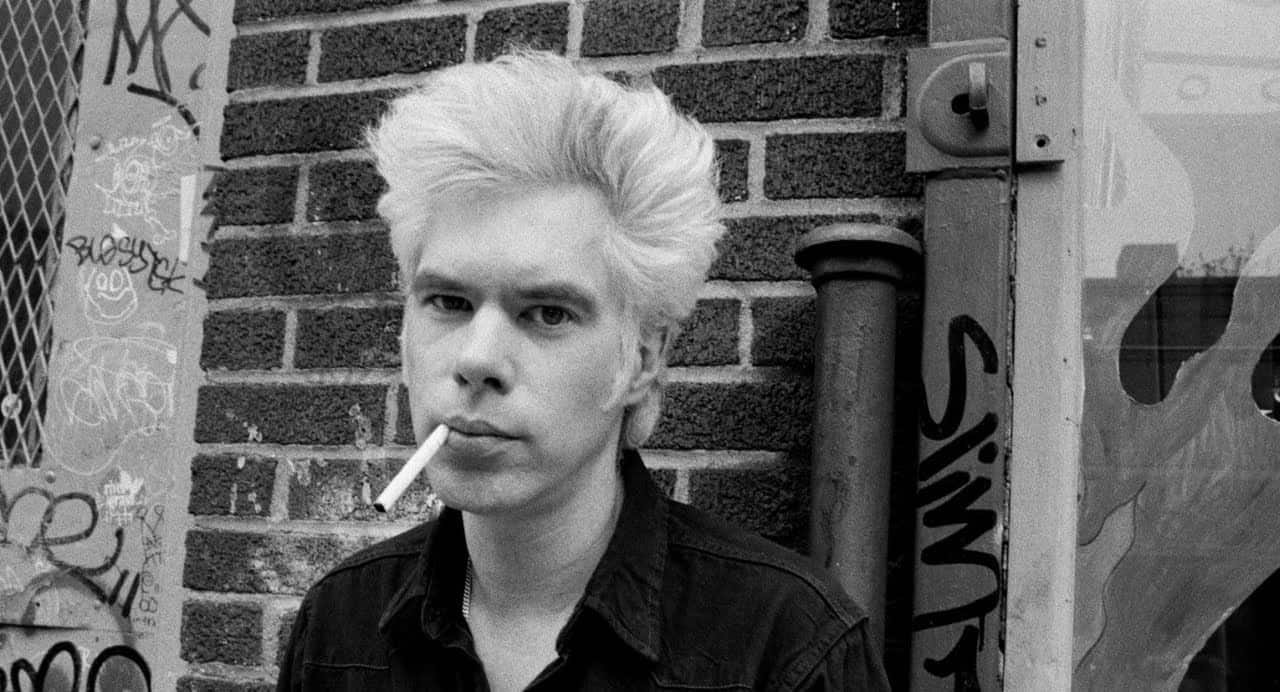
Jim Jarmusch, born on January 22, 1953, is a renowned American film director and screenwriter who has been a staunch advocate for independent cinema since the transformative era of the 1980s. His unique approach to filmmaking has been showcased in a variety of critically acclaimed films, including the groundbreaking “Stranger Than Paradise” released in 1984, followed by “Down by Law” in 1986 and “Mystery Train” in 1989. Continuing his successful career, Jarmusch directed “Dead Man” in 1995, “Ghost Dog: The Way of the Samurai” in 1999, “Coffee and Cigarettes” in 2003, “Broken Flowers” in 2005, “Only Lovers Left Alive” in 2013, “Paterson” in 2016, and the intriguing “The Dead Don’t Die” in 2019. His innovative film “Stranger Than Paradise” was recognized for its cultural and historical significance and thus was inducted into the prestigious National Film Registry in December 2002.Beyond his directorial achievements, Jim Jarmusch is also a talented musician. He has composed original music scores for several of his films, showcasing his versatility and artistic vision that extend beyond the cinematic realm. Additionally, he has collaborated with the eminent lute player Jozef van Wissem, resulting in the release of three albums that further cemented his reputation as a multifaceted artist. Jarmusch’s enduring contributions to both film and music highlight his commitment to fostering creative expression and expanding the boundaries of traditional art forms.
Terry Gilliam
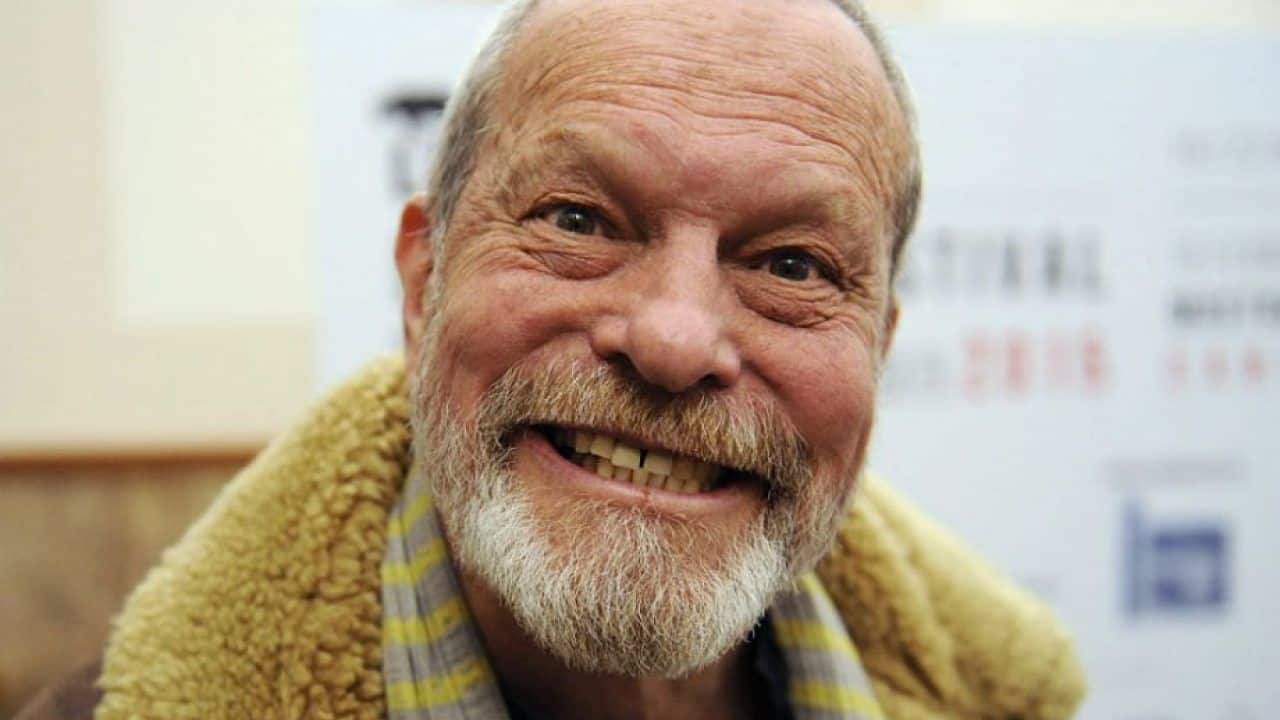
Terrence Gilliam, born November 22, 1940, is an American-born British actor, comedian, animator, filmmaker as well as former fellow Monty Python artists. Gilliam has directed 13 feature films, including Time Bandits (1981), Brazil (1985), The Adventures of Baron Munchausen (1988), The Fisher King (1991), 12 Monkeys (1995), Fear and Loathing in Las Vegas (1998) , The Brothers Grimm (2005), Tideland (2005) and also The Imaginarium of Doctor Parnassus (2009). As the only Monty Python participant not born in Britain, he became a naturalized British citizen in 1968 and also officially renounced his American citizenship in 2006.
Paul Schrader
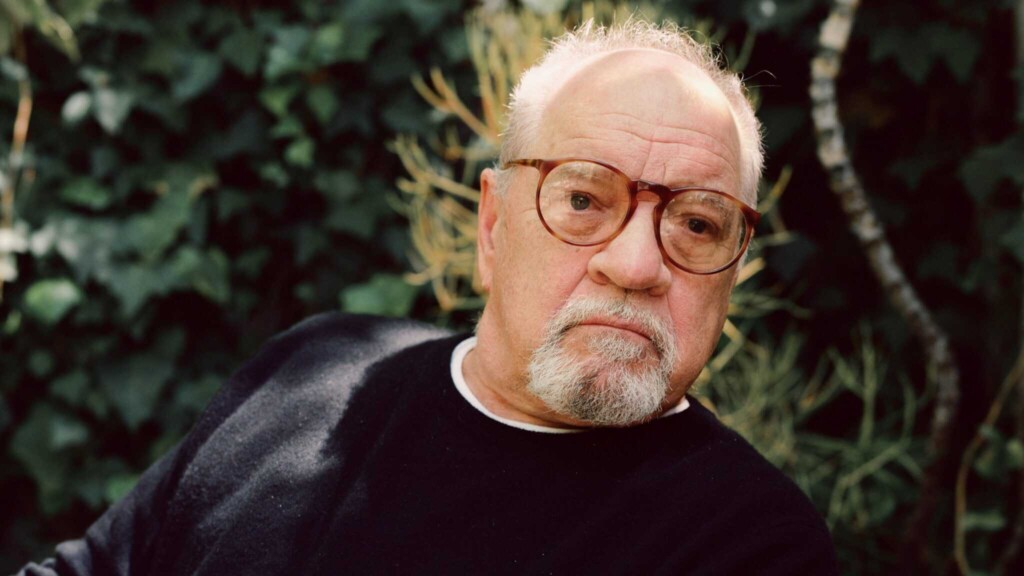
Paul Joseph Schrader, born July 22, 1946, is an American film writer , film director and also film critic. He initially gained recognition through the screenplay of Martin Scorsese’s film Taxi Driver (1976). He later continued his collaboration with Scorsese, writing Raging Bull (1980), The Last Temptation of Christ (1988), Bringing Out the Dead (1999). Schrader also made 24 films, including Blue Collar (1978), Hardcore (1979), American Gigolo (1980), Cat People (1982), Mishima: A Life in Four Chapters (1985), Light Sleeper (1992), Affliction (1997), as well as First Reformed (2017); the latter earned him his first Academy Award nomination. Schrader’s work is known for its depiction of estranged men grappling with existential dilemmas, a structure he has called “God’s lonely boy.
John Huston
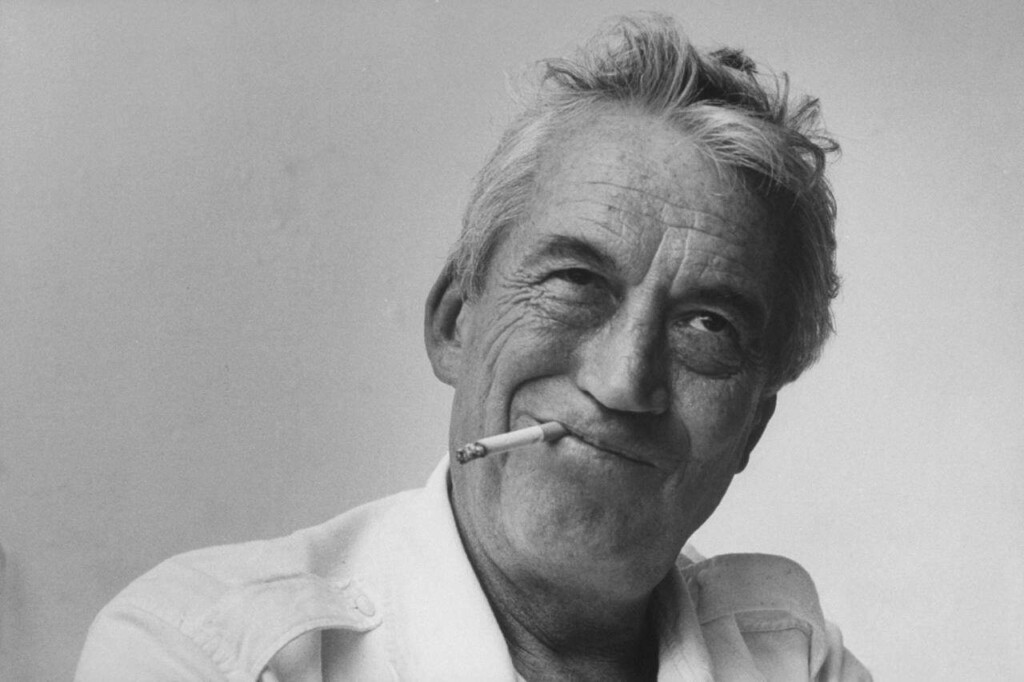
John Huston, born August 5, 1906, was an American film director, screenwriter, actor and musician. He created the screenplays for many of the 37 feature films he directed, many of which are considered classics today, including The Maltese Falcon (1941), The Treasure of the Sierra Madre (1948), The Asphalt Jungle (1950), The African Queen (1951 ), The Misfits (1961 ), Fat City (1972 ), The Man Who Would Be King (1975) and Prizzi’s Honor (1985 ). During his 46 years in the business, Huston achieved 15 Oscar elections, winning twice. He also led both his father, Walter Huston, and his daughter, Anjelica Huston, to Oscar wins.
Martin Scorsese

Martin Scorsese, born November 17, 1942, is an American film director, screenwriter and producer. Scorsese became among the significant figures of the New Hollywood period. He has received several significant honors, including an Academy Award, a Grammy Award, 3 Emmy Awards, 4 British Academy Film Awards, 2 Directors Guild of America Awards, an AFI Life Achievement Award, and the Kennedy Center Honor in 2007.
Scorsese holds a MA from New York University’s Steinhardt School of Culture, Education, and Human Development in 1968. His directorial pitch, Who’s That Knocking at My Door (1967), was accepted at the Chicago Film Festival. In the 1970s and 1980s, Scorsese’s films, heavily influenced by his Italian-American background and his childhood in New York City, centered on men with macho attitudes who frequented the world of crime. They are films of nihilism and Catholic ideas of regret and redemption. Its hallmarks consist of an innovative use of slow motion, freeze frames and scenes of violence.
His 1973 crime film Mean Streets was the start of his prestigious film career. Scorsese won the Palme d’Or at Cannes with his psychological thriller Taxi Driver starring Robert De Niro, who worked with Scorsese on 8 other films including New York, New York (1977), Raging Bull (1980) King of Comedy (1982), Goodfellas (1990 ) and Casino (1995). In the 2000s and 2010s, Scorsese enjoyed critical acclaim and box office success with a series of collaborations with Leonardo DiCaprio. These films consist of Gangs of New York (2002), The Aviator (2004), The Departed (2006), Shutter Island (2010) and The Wolf of Wall Street (2013). He worked once again with De Niro on The Irishman (2019). Other film works by Scorsese are the black comedy After Hours (1985), the romantic drama The Age of Innocence (1993), the drama Hugo (2011) and the epic movies spirituals The Last Temptation of Christ (1988), Kundun (1997) and Silence (2016).
Coen Brothers
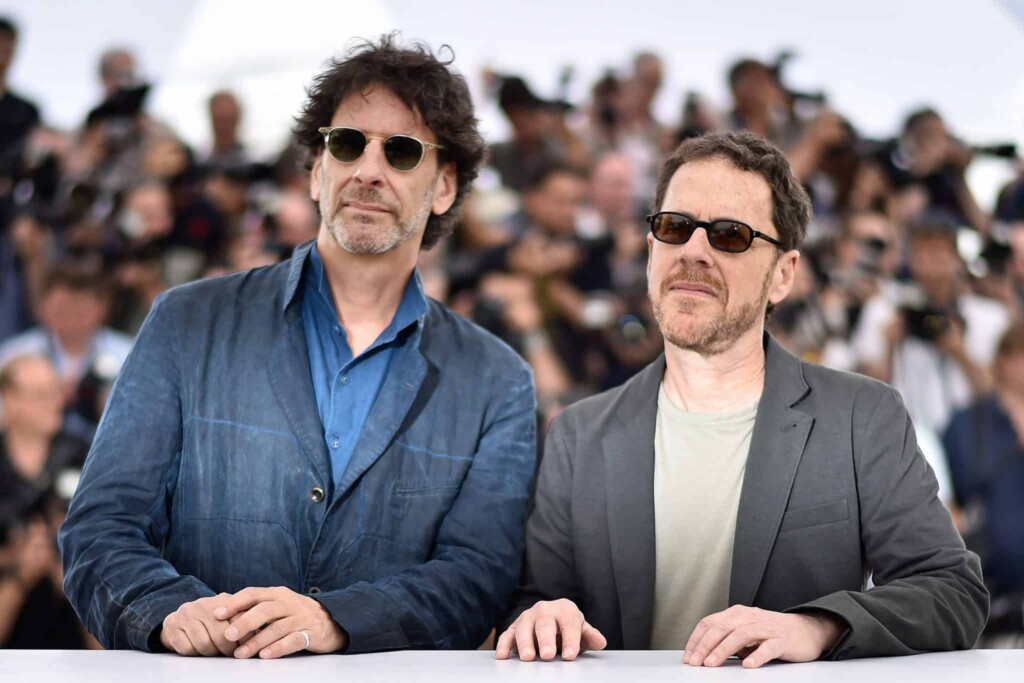
Joel Coen, born November 29, 1954, and Ethan Coen, born September 21, 1957, are American film directors of various genres. Their most famous works are Raising Arizona (1987), Miller’s Crossing (1990), Barton Fink (1991), Fargo (1996), The Big Lebowski (1998), Brother, Where Art Thou? (2000), No Country for Old Men (2007), Inside Llewyn Davis (2013) and The Ballad of Buster Scruggs (2018).
The Coen brothers collectively write, direct and produce their films, although until The Ladykillers (2004) Joel had sole directing credit and Ethan to produce. They were shortlisted for 13 Academy Awards together, and separately for one award each, winning Best Original Screenplay for Fargo and Best Picture, Best Director, and Best Adapted Screenplay for No Country for Old Men. The duo also won the Palme d’Or for Barton Fink (1991).
Robert Zemeckis

Robert Zemeckis, a Chicago native, excels in blending live-action with cutting-edge animation, delivering heartfelt tales of wonder and whimsy. Iconic films: Back to the Future trilogy (1985-1990), time-travel adventures sparking cultural phenomena; Who Framed Roger Rabbit (1988), seamless toon-human hybrid; Forrest Gump (1994), Oscar-winning odyssey through American history; Contact (1997), thoughtful sci-fi; and motion-capture milestones like The Polar Express (2004) and A Christmas Carol (2009).
Zemeckis’s style thrives on innovative tech serving character-driven stories, mastering performance capture to evoke empathy in uncanny valleys while Who Framed Roger Rabbit set animation-live-action benchmarks. His oeuvre spans populist fantasy, historical reflection, and speculative fiction, often infused with optimistic humanism and sly humor. Critics laud Gump’s poignant satire and Back to the Future’s kinetic joy, though later CGI ventures drew mixed reviews for stylistic excess. Grossing billions, Zemeckis shaped 1980s-90s blockbusters, proving technology amplifies timeless themes of destiny, belief, and American dream.
Brian De Palma

Brian De Palma, born on September 11, 1940, stands as a distinguished American film director and screenwriter whose remarkable career spans more than half a century. Renowned for his significant contributions to the genres of thriller, crime, and psychological thrillers, De Palma has carved out a unique niche in the film industry. Emerging as a prominent figure among the New Hollywood generation of filmmakers, he developed a distinct style that often pays homage to cinematic greats like Alfred Hitchcock and Jean-Luc Godard, incorporating thematic and visual quotes from their works into his films. Despite facing criticism for the depiction of violence and sexual content in his creations, De Palma’s films have nevertheless been championed by esteemed American critics, including the likes of Roger Ebert and Pauline Kael. His oeuvre is celebrated for masterpieces such as “Carrie” (1976), “Dressed to Kill” (1980), “Scarface” (1983), and “The Untouchables” (1987). Additionally, De Palma is credited with directing several cult classics, which include “Sisters” (1972), “Phantom of the Paradise” (1974), “Blow Out” (1981), “Body Double” (1984), “Casualties of War” (1989), “Carlito’s Way” (1993), “Femme Fatale” (2002), and “Passion” (2012). His legacy is marked by a complex interplay of homage and innovation, reflective of his enduring impact on the cinematic landscape.
Clint Eastwood
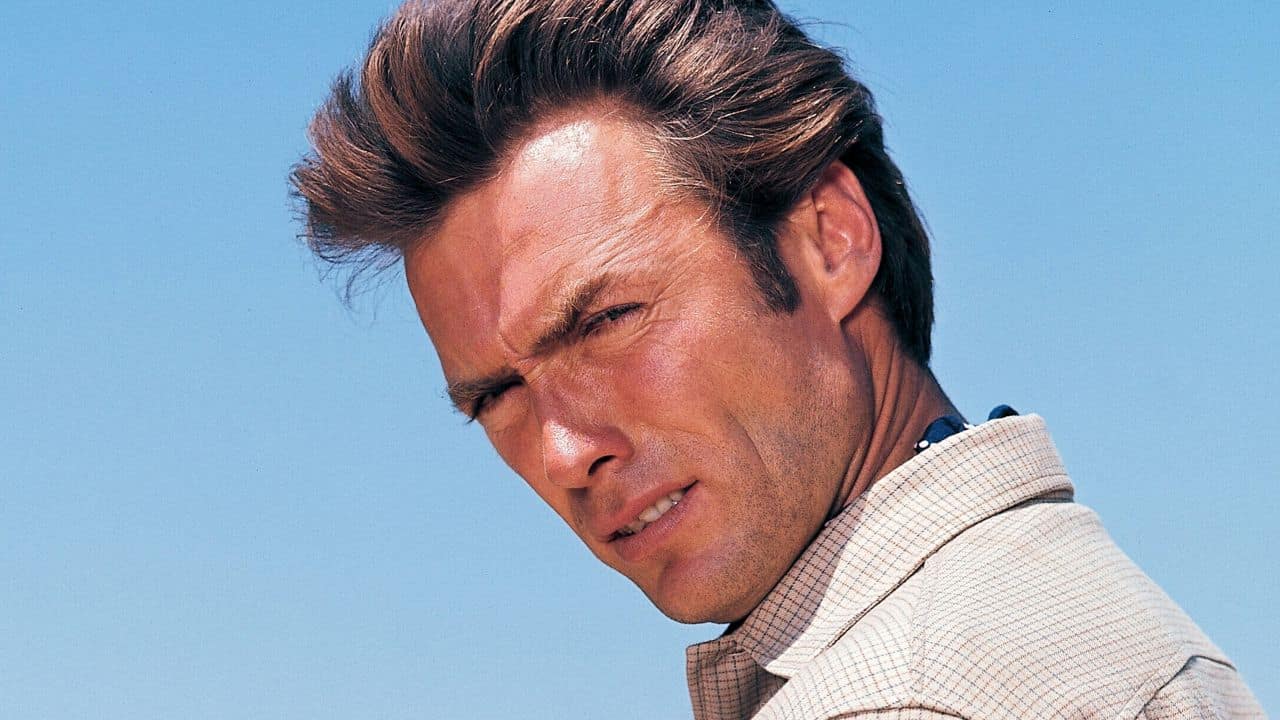
Clinton Eastwood, born May 31, 1930, is an American actor and director. After gaining success in the Western television series Rawhide, he rose to worldwide fame with his role as the ‘Man with No Name’ in Sergio Leone‘s Spaghetti Western ‘Dollar Trilogy’ throughout the mid-1960s and also as anti-hero police officer Harry Callahan in 5 Dirty Harry films in the 80’s and also in the 70’s. These films, to name a few, made Eastwood a symbol of manhood. Elected in 1986, Eastwood served for 2 years as mayor of Carmel-by-the-Sea, California.
Tim Burton
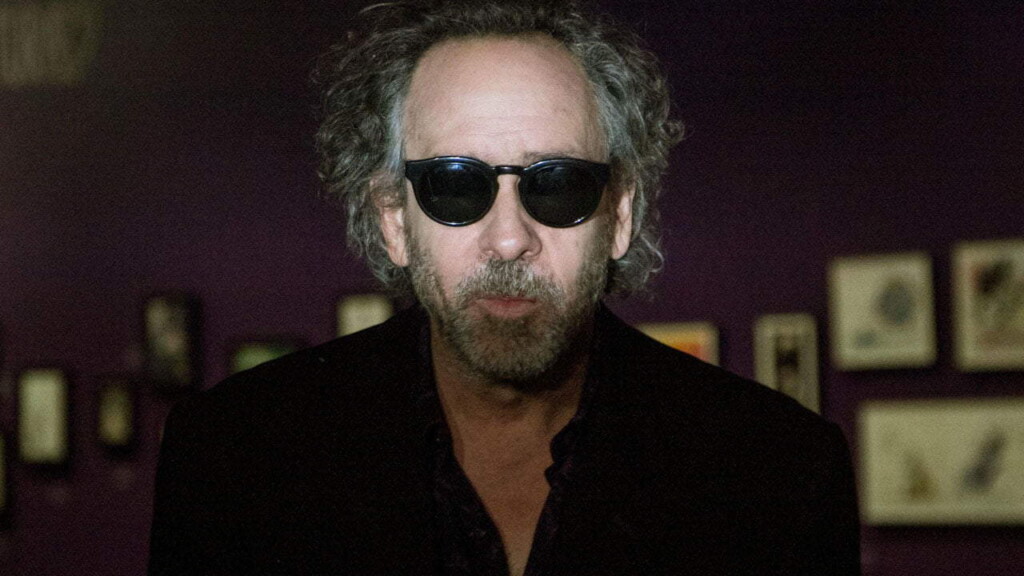
Timothy Burton, born August 25, 1958, is an American film director and musician. He is known for gothic genre and scary movies like Beetlejuice (1988), Edward Scissorhands (1990), The Nightmare Before Christmas (1993), Ed Wood (1994), Sleepy Hollow (1999), Corpse Bride (2005 ), Sweeney Todd: The Demon Barber of Fleet Street (2007), Dark Shadows (2012) and Wednesday (2022). Burton also directed the superhero films Batman (1989) and Batman Returns (1992), the science fiction film Planet of the Apes (2001), the fantasy drama Big Fish (2003), the musical film Charlie and also The Chocolate Factory ( 2005), and the dream films Alice in Wonderland (2010) and Miss Peregrine’s Home for Special Children (2016).
Abel Ferrara
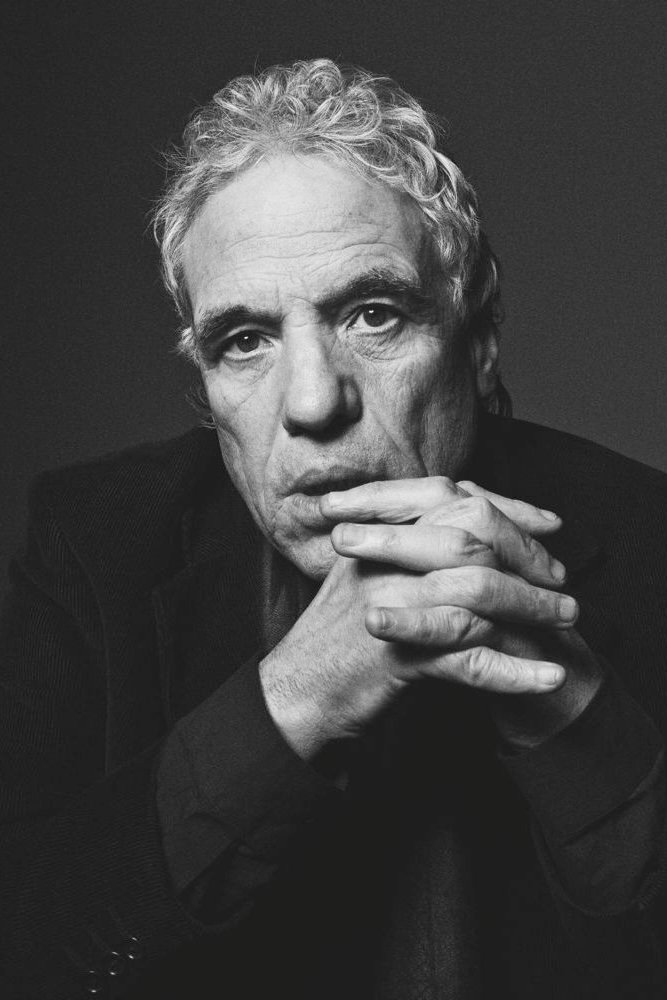
Abel Ferrara, born on July 19, 1951, is an acclaimed American film director, celebrated for his penchant for creating films that are frequently both controversial and thought-provoking. His distinctive style is marked by the frequent integration of neo-noir elements and the vibrant depiction of urban environments. As a seasoned veteran of the independent film scene, Ferrara has crafted a number of highly regarded works that have left significant imprints on audiences and critics alike. Among his most notable films, “Ms. 45,” released in 1981, is recognized for its intense themes and gripping narrative.
In 1990, he offered a gritty exploration of power and crime with “King of New York,” a film that highlighted his ability to weave compelling stories within atmospheric, cityscape settings. His 1992 film “Bad Lieutenant” further cemented his reputation, tackling complex moral narratives head-on. Finally, “The Funeral,” released in 1996, is another striking example of his unique filmmaking approach, showcasing his adeptness at merging emotional, deeply human stories with bold cinematic techniques. Through these works and many others, Abel Ferrara has established a lasting legacy in the world of cinema as a director unafraid to delve into challenging content while continuously employing a vivid, urban aesthetic.
Robert Altman
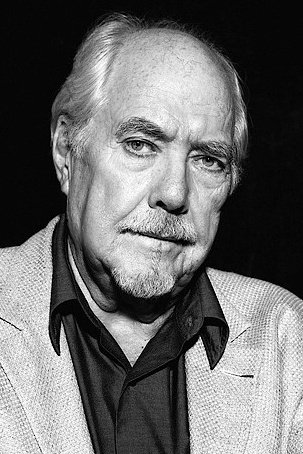
Robert Altman, born February 20, 1925, was an American screenwriter and director. He was nominated five times for the Academy Award for Best Director and is considered one of the masters of the New Hollywood period. Altman’s cinema ranges across many categories, typically with a “subversive” twist that normally relies on satire and humor to reveal his individual views. Altman is the quintessential “anti-Hollywood” and maverick filmmaker, both in his themes and directorial design. The actors particularly enjoyed working with her direction as it motivated them to improvise by stimulating their imagination.
Altman frequently created multitrack recordings that produce dialogue superimposed from numerous actors. This produces a more natural, more vibrant and more complex experience for the audience. He likewise made extremely mobile use of the movie camera and zoom lenses to augment the action taking place on the screen. Altman’s best-known directorial achievements consist of M*A*S*H (1970), McCabe & Mrs. Miller (1971), The Long Goodbye (1973), Nashville (1975), 3 Women (1977), The Player (1992), Shortcuts (1993) and Gosford Park (2001). He has never won a competitive Oscar despite 7 elections. His films M*A*S*H, McCabe & Mrs. Miller, The Long Goodbye and Nashville have been selected for the US National Film Registry. Altman is among 3 directors whose films have simultaneously won the Golden Bear in Berlin, the Golden Lion in Venice and the Palme d’Or in Cannes.
James Ivory
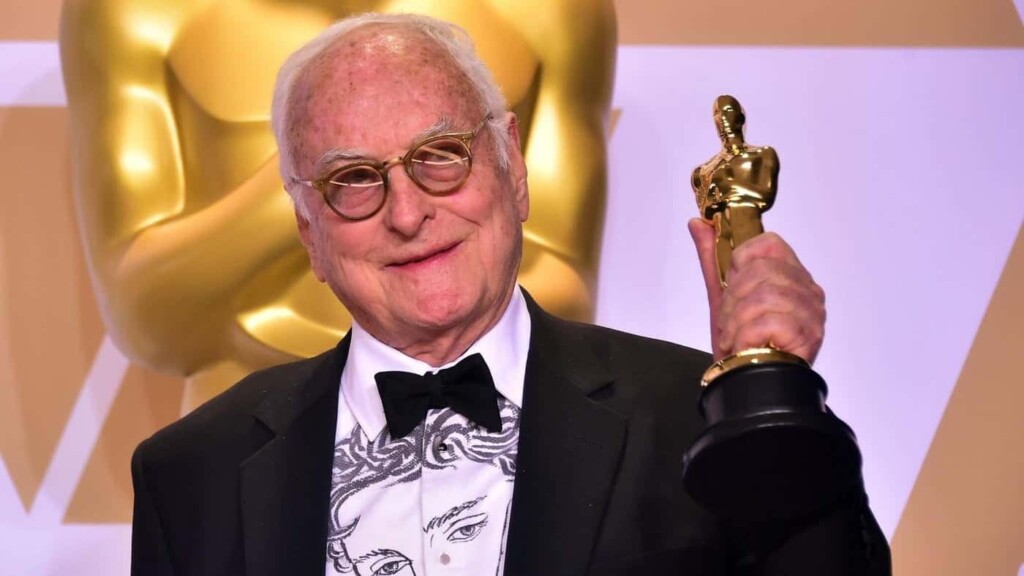
James Ivory was born on June 7, 1928 and is an American film producer, screenwriter, and also director. For years he worked extensively with the Indian-born film producer Ismail Merchant, his life partner, and also with the writer Ruth Prawer Jhabvala. All 3 starred for Merchant Ivory Productions, whose films won 7 Academy Awards; Ivory himself was nominated for 4 Oscars, winning one.
Quentin Tarantino
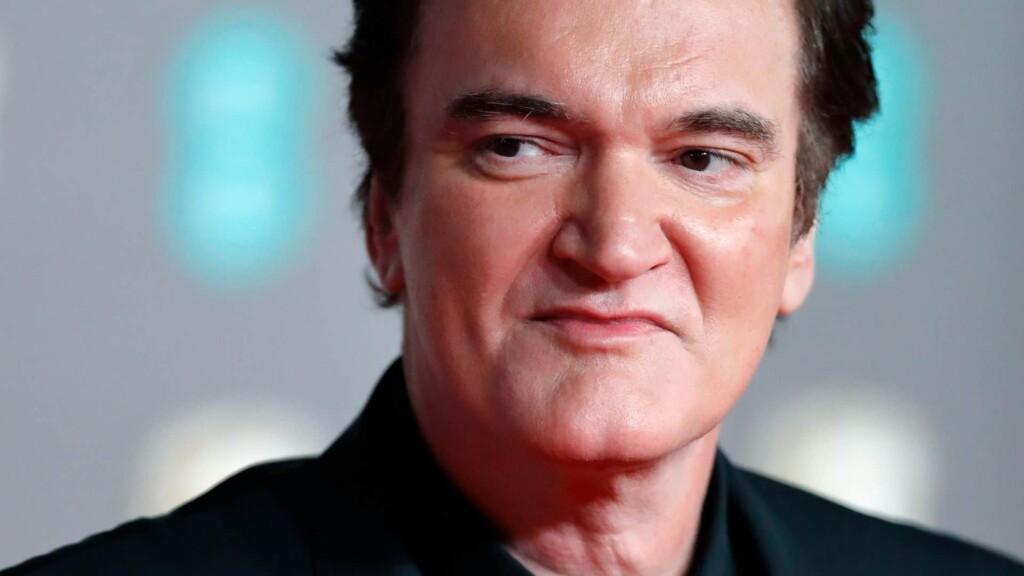
Quentin Tarantino, born March 27, 1963, is an American director, producer, author and actor. His films are part of pop culture: non-linear stories, violence, a counterpoint between dialogue and aesthetics. Various other directorial tropes that determine his style include the use of tracks from the 1970s and 1960s and images of women’s bare feet. Tarantino began his career as an independent director with the release of the crime film Reservoir Dogs in 1992. His second film, Pulp Fiction (1994), a dark and humorous thriller, was a notable success with audiences and critics winning numerous Awards: Palme d’Or and Academy Award for Best Original Screenplay. Tarantino’s third film, Jackie Brown (1997), was inspired by blaxploitation films.
In 2003, Tarantino directed the martial arts-influenced Kill Bill: Volume 1; it was followed by volume 2 in 2004. He then made the exploitation slasher Death Proof (2007), part of a double feature with Robert Rodriguez, launched under the cumulative title Grindhouse. His next film Inglourious Basterds (2009) tells an alternative view in the category of war films. He followed that up with Django Unchained (2012), a revenge Spaghetti Western, which earned him his second Academy Award for Best Original Screenplay. Tarantino’s eighth film, The Hateful Eight (2015), is a revisionist western thriller. His most recent film, Once Upon a Time in Hollywood (2019), is an entertaining drama set in the late 1960s about the transition from old Hollywood to new Hollywood. A novelization of the film was also released in 2021, becoming her debut book.
Oliver Stone
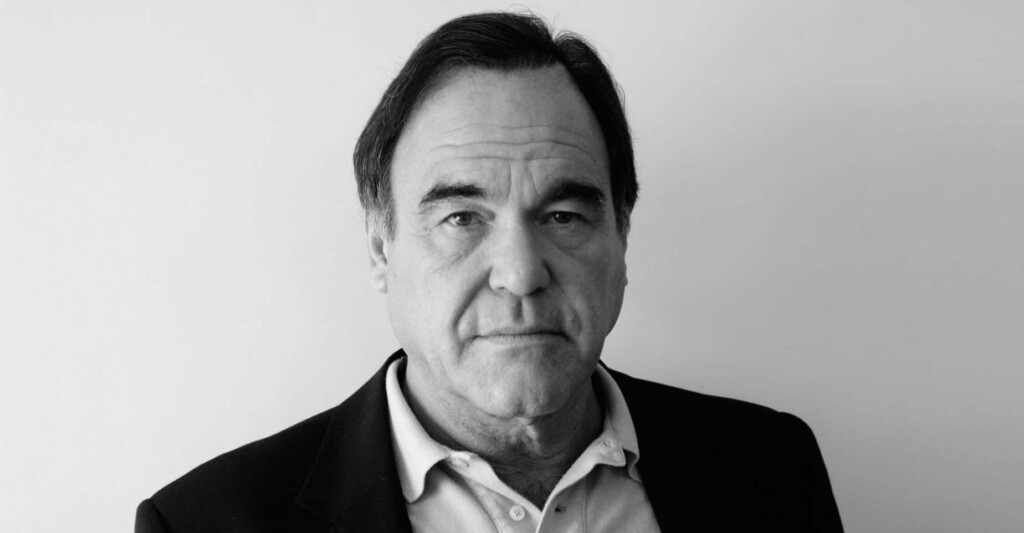
Oliver Stone, born September 15, 1946, is an American film writer, director and producer. Stone won an Academy Award for Best Adapted Screenplay as writer of Midnight Express (1978), and also wrote the film remake Scarface (1983). Stone rose to prominence as writer and director of the war drama Platoon (1986), which won Academy Awards for Best Director and Best Picture. Platoon was the beginning of a trilogy of films based on the Vietnam War, in which Stone starred as a foot soldier. He continued the collection with Born on the Fourth of July (1989) – for which Stone won his directorial Oscar, and Heaven & Earth (1993). Stone’s various other works consist of the drama Salvador (1986) based on the Salvadoran Civil War; the financial drama Wall Street (1987) and sequel Wall Street: Money Never Sleeps (2010); the Jim Morrison biopic The Doors (1991); the crime film Natural Born Killers (1994); a trilogy of films based on the American presidency: JFK (1991), Nixon (1995) and W. (2008); and also Snowden (2016).
Gus Van Sant
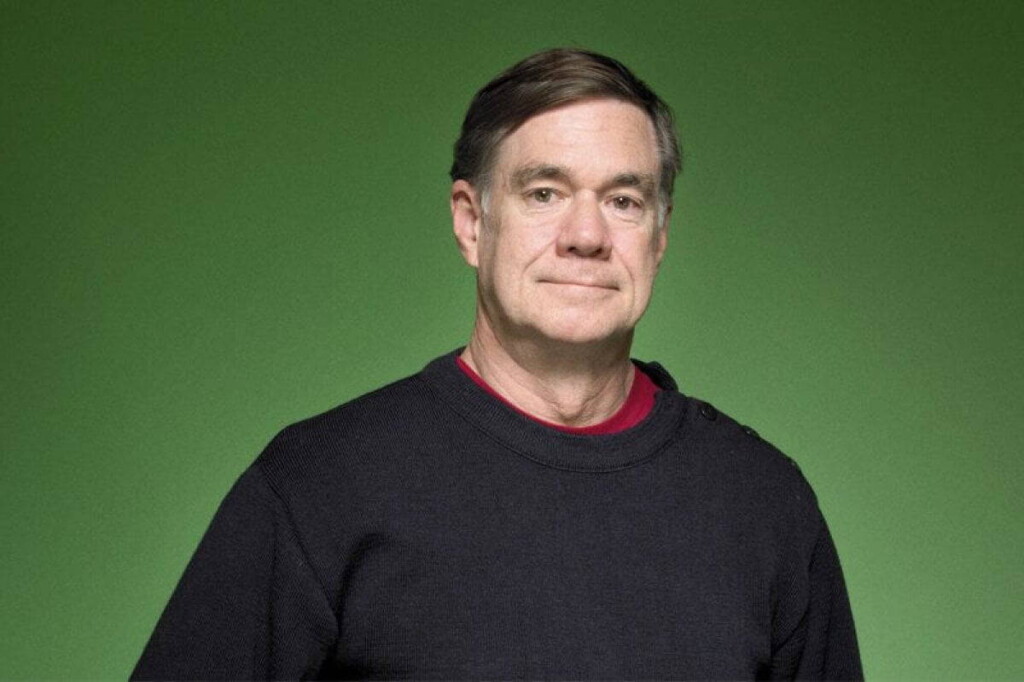
Gus Van Sant Jr., born on July 24, 1952, is an acclaimed American film director, producer, photographer, and artist, with a career that has spanned several decades. Throughout his illustrious journey in the world of cinema, Van Sant has gained notable recognition for his work in both mainstream and independent filmmaking circles. His distinctive films often explore themes related to marginalized subcultures, with a particular focus on narratives surrounding homosexuality, thereby offering a voice to stories and characters that are often underrepresented in mainstream media.
This thematic commitment has cemented his reputation as a visionary storyteller who is not afraid to push boundaries and challenge societal norms. Due to his groundbreaking contributions to the film industry, Van Sant is celebrated as one of the most influential figures in the New Queer Cinema movement, an era marked by its exploration of queer themes and its departure from traditional cinematic narratives.
John Sayles
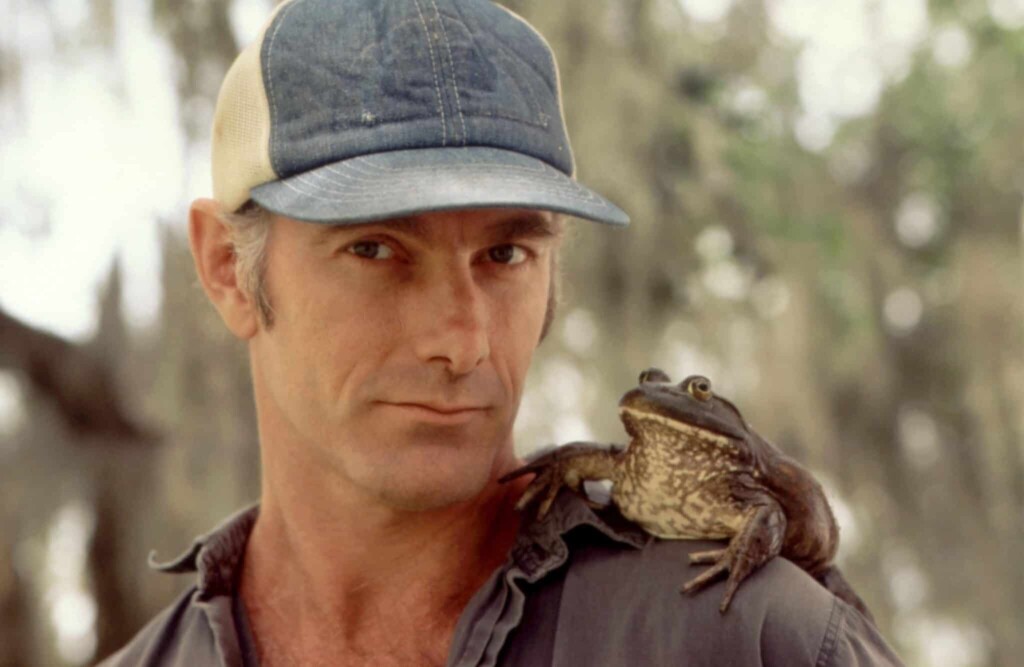
John Sayles, celebrated for his multifaceted career spanning decades, was born on September 28, 1950, and has made significant contributions to American cinema as an independent film director, screenwriter, actor, and editor. Renowned for his distinctive storytelling and unique vision, Sayles has earned widespread acclaim; he was nominated twice for the prestigious Academy Award for Best Original Screenplay. These nominations were for the critically acclaimed drama, Passion Fish, released in 1992, and the deeply evocative Lone Star, which premiered in 1996. Both films are notable for their intricate narratives and compelling character development.
In addition to these achievements, Sayles directed the thought-provoking film Men with Guns in 1997, which garnered a nomination for the Golden Globe Award for Best Foreign Language Film, underscoring his ability to transcend cultural barriers in storytelling. His remarkable directorial debut, Return of the Secaucus 7, released in 1980, made an indelible mark in film history, so much so that it was inducted into the National Film Registry, affirming its cultural, historical, and aesthetic significance within the American film landscape. Through these varied accomplishments, John Sayles has solidified his reputation as a trailblazer in independent cinema, influencing and inspiring a multitude of filmmakers and audiences alike.
Terrence Malick
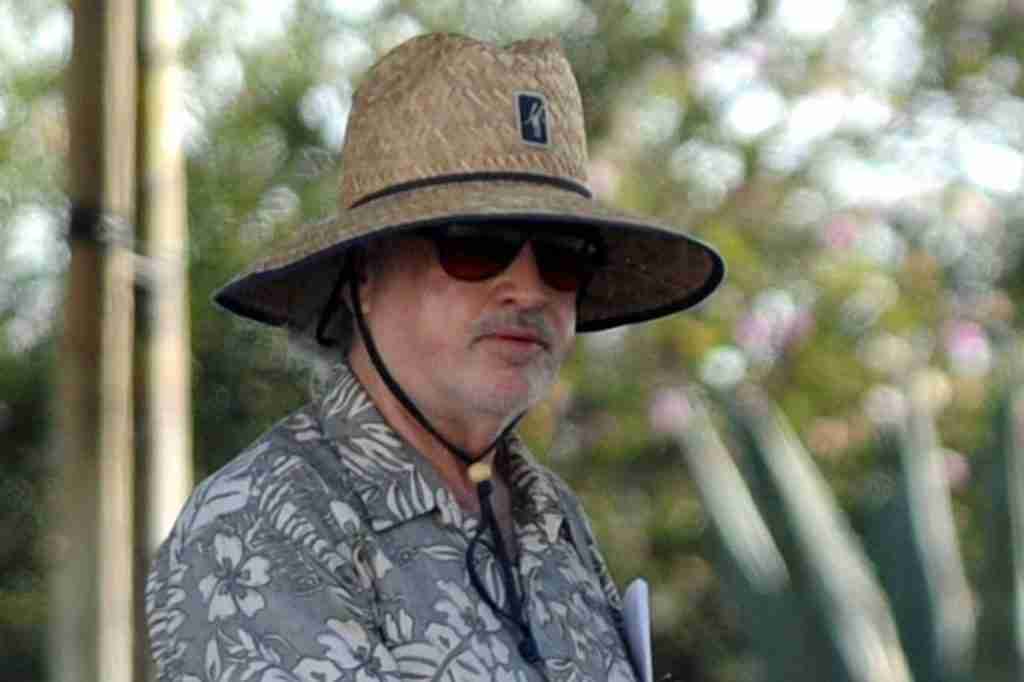
Terrence Malick, an influential figure in the world of cinema, was born on November 30, 1943, in the United States and has emerged as a revered film director known for his distinctive storytelling and cinematic style. Throughout his illustrious career, which spans several decades, Malick has directed numerous acclaimed films that have left an indelible mark on audiences and critics alike. Among his notable works are “Days of Heaven” released in 1978, which showcased his unique visual narrative; “The Thin Red Line” in 1998, a film that brought him widespread recognition and earned him prestigious Academy Award nominations for both Best Director and Best Adapted Screenplay. His remarkable journey continued with “The New World” in 2005, further solidifying his reputation in the industry.In 2011, Malick released “The Tree of Life,” a profound cinematic piece that further demonstrated his visionary approach to filmmaking. This film not only garnered another Academy Award nomination for Best Director but also achieved critical acclaim by winning the coveted Palme d’Or at the 64th Cannes Film Festival, one of the highest honors in the film industry. Malick’s work is characterized by its philosophical depth, exploration of themes such as existence and nature, and his ability to evoke powerful emotions through a visual and musical symphony, making him a legendary icon in the realm of modern cinema.
Todd Haynes
Todd Haynes, born January 2, 1961, is an American film producer, screenwriter, and also director. His films tell of famous artists, dystopian societies and even sexuality. Haynes first gained exposure with his short film Superstar: The Karen Carpenter Story (1987), which chronicled the terrible life and death of singer Karen Carpenter, using Barbie dolls as actresses. The short film has become a cult film. Haynes’ directorial debut, Poison (1991), an intriguing queer film from the AIDS era, established him as a transgressive filmmaker. Poison won the Sundance Film Festival Grand Jury Prize and is considered an influential work of New Queer Cinema.
David Fincher

David Fincher, born August 28, 1962, is an American film director. His films, especially thrillers and biographical dramas, have won 40 nominations at the Academy Awards, including 3 for him as best director. Fincher was the founder of Propaganda Films, a film production company. Born in Denver, Colorado, Fincher wanted to make movies from an early age. He has directed countless videos, most notably Madonna’s “Express Yourself” in 1989 and also “Vogue” in 1990, both of which earned him the MTV Video Music Award for Best Direction. He made his feature film debut with Alien 3 (1992), which garnered mixed reviews, followed by the much better received thriller Seven (1995). Fincher found success with The Game (1997) and even bigger success with Fight Club (1999). In 2002, he made a comeback with the thriller Panic Room starring Jodie Foster.
Michael Mann
Michael Mann, who was born on February 5, 1943, is a renowned American director, writer, and producer with influential credentials in both film and television. Celebrated for his distinct and personal style, particularly within the police film genre, Mann has left an indelible mark on the entertainment industry. Among his most acclaimed cinematic achievements are the films “Thief” (1981), a compelling crime thriller that showcases his knack for tension and character depth, “Manhunter” (1986), a remarkable adaptation of Thomas Harris’s novel that laid the foundations for future cinematic portrayals of serial killers, and “The Last of the Mohicans” (1992), a sweeping epic that combines historical drama with thrilling action. Additionally, his celebrated film “Heat” (1995) stands out for its intricate narrative and memorable performances, particularly in its portrayal of the cat-and-mouse game between a detective and a professional thief.Mann’s distinguished career also includes “The Insider” (1999), a gripping drama based on true events revolving around the tobacco industry cover-up, and the stylistically acclaimed “Collateral” (2004), showcasing an intense night in Los Angeles through the eyes of a taxi driver and a hitman. Furthermore, the film “Public Enemies” (2009) revives the era of notorious criminals with acute attention to period details and Mann’s signature gritty realism.Beyond his work in film, Michael Mann has significantly shaped television. He was the executive producer of the iconic television series “Miami Vice” (1984-89), which not only became a cultural phenomenon with its vibrant depiction of the Miami vice squad but also its dynamic and groundbreaking storytelling. Mann’s vision for the series was so enduring that he later adapted it into a 2006 film, further solidifying its legacy. His ability to blend visual style with storytelling across different media has made Michael Mann a pivotal figure in the landscape of modern entertainment.
Darren Aronofsky

Darren Aronofsky, born February 12, 1969, is a film producer, director and screenwriter American. His films are known for their modernist, melodramatic and often disturbing aspects, often in the form of psychological dramas and thrillers. Aronofsky attended Harvard University, where he studied film and social anthropology, and later the American Film Institute where he studied directing. He won several film awards after finishing his thesis film, Supermarket Sweep, which ended up as a finalist for the National Student Academy Award. In 1997, he founded the film and television production company Protozoa Pictures. His breakthrough play, the surrealist mental thriller Pi (1998), was produced for $60,000 and grossed over $3 million; It earned Aronofsky the Sundance Film Festival Best Directing Award and an Independent Spirit Award for Best First Screenplay.
Aronofsky’s sequel, the psychological drama Requiem for a Dream (2000), is based on the book of the same name by Hubert Selby Jr. After writing the World War II film Below (2002), Aronofsky began production on his third film , the romantic sci-fi drama The Fountain (2006). The film performed poorly at the box office but has built up a cult following. His fourth film, the sports drama The Wrestler (2008), launched to great acclaim and both stars of the film, Mickey Rourke and Marisa Tomei, won Academy Awards. Her next film, Black Swan (2010), received even greater praise and numerous accolades, with five Academy Awards nominations, including Best Picture and Best Director, and a win for Best Actress for Natalie Portman. Aronofsky’s sixth feature film, the biblical-inspired emotional Noah (2014), became number 1 in the overall chart despite a lukewarm reception from audiences and critics. His seventh film, Mother! (2017), sparked debate upon release due to its eerie scenes, polarizing both audiences and critics.
Steven Soderbergh

Steven Soderbergh, born January 14, 1963, is an American film director, producer, editor, screenwriter and cinematographer. A leader in modern independent cinema, Soderbergh is a respected and renowned director. Soderbergh’s groundbreaking directorial independent drama Sex, Lies, and also Videotape (1989) brought him into the mainstream of the public eye. At 26, Soderbergh became the youngest director to win the Palme d’Or at the Cannes Film Festival, and the film was a worldwide success, along with various awards. In Hollywood, he directed the entertaining crime Out of Sight (1998), the biopic Erin Brockovich (2000) and the crime drama Traffic (2000). For Traffic he won the Oscar for best director.
Christopher Nolan
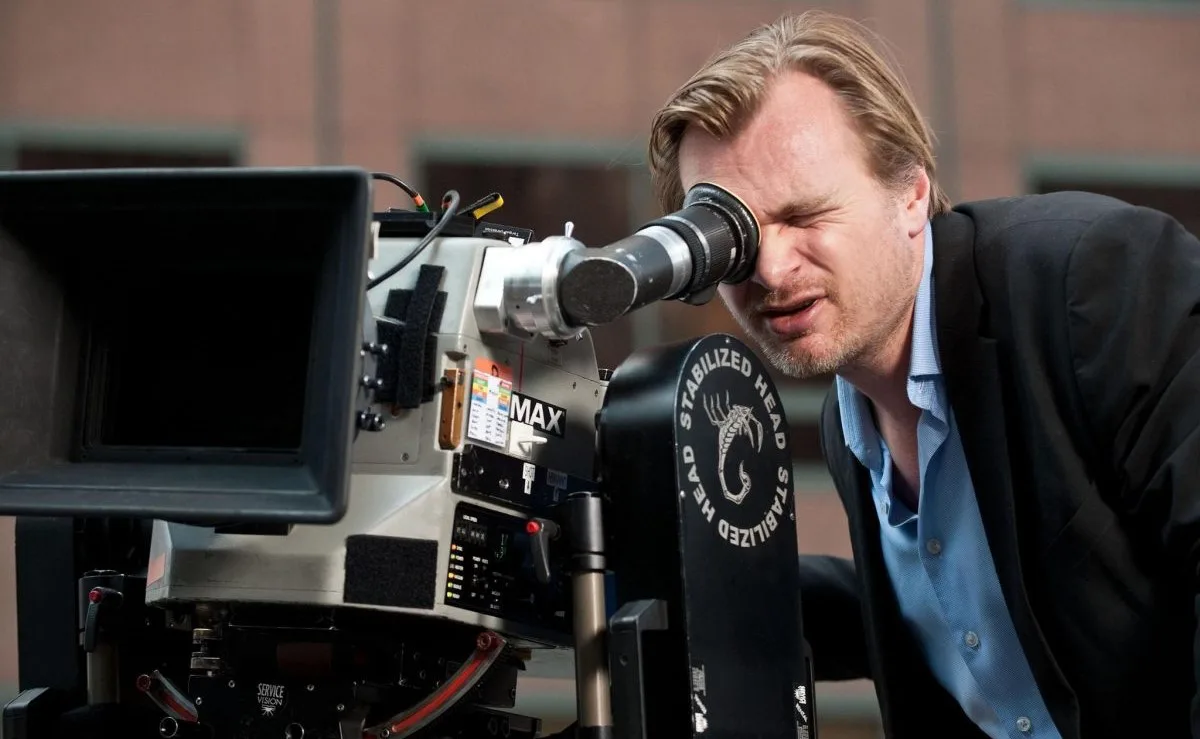
British-born but quintessentially American in career, Christopher Nolan crafts intellectually rigorous blockbusters blending cerebral puzzles with emotional heft. Key films include Memento (2000), a nonlinear thriller on memory loss; The Dark Knight trilogy (2005-2012), elevating superhero genre with gritty realism; Inception (2010), dream-heist mind-bender; Interstellar (2014), space epic probing time and love; and Oppenheimer (2023), biographical drama on the atomic bomb’s father.
Nolan’s signature non-linear narratives and practical effects-driven spectacles demand active viewer engagement, as in Dunkirk’s converging timelines or Tenet’s temporal inversion. His themes—time’s tyranny, moral ambiguity, human ambition—resonate through IMAX grandeur and Hans Zimmer scores. Acclaimed for intellectual ambition elevating genre fare, he faces critique for dense plotting and masculine focus, yet influences peers profoundly. With Batman elevating comic adaptations and Oppenheimer earning Oscars, Nolan bridges art-house complexity and mass appeal, embodying modern Hollywood’s pinnacle of ambitious storytelling.
David Lynch

David Lynch, born January 20, 1946, is an American filmmaker, painter, visual artist, actor, and writer. Winner of an Academy Honorary Award in 2019, Lynch won 3 Academy Awards for Best Director, and the César Award for Best Foreign Film twice, as well as the Palme d’Or at the Cannes Film Festival and a Golden Lion for Lifetime Achievement at the Venice Film Festival. In 2007, a panel of critics convened by The Guardian stated that David Lynch is the most important contemporary director. His work has led him to be identified as “the first truly populist surrealist” by film critic Pauline Kael.
Lynch studied painting before starting making short films in the late 1960s. His very first feature, the surrealist Eraserhead (1977), ended up a hit on the midnight cinema circuit, followed by the direction of The Elephant Man (1980), Dune (1984) and Blue Velvet (1986). Lynch subsequently developed his own television series with Mark Frost, Twin Peaks (1990-91), which initially ran for 2 seasons. He also made the prequel film Twin Peaks: Fire Walk with Me (1992) and the roadway film Wild at Heart (1990). Moving more towards surrealist cinema, 3 of his later films operated on non-linear and dreamlike narrative structures: Lost Highway (1997), Mulholland Drive (2001) and Inland Empire (2006). Lynch and Frost reunited in 2017 for the third season of Twin Peaks which aired on Showtime. Lynch co-wrote and directed every episode, and again played the role of Gordon Cole.
Richard Linklater
Richard Linklater, born on July 30, 1960, is a prominent American writer, producer, and director renowned for his unique cinematic contributions that often explore themes deeply entrenched in the essence of small-town Americana and the profound effects of the passage of time. His filmography embodies a diverse range of styles and genres, reflecting his dynamic storytelling ability and keen observational insight. Linklater first gained widespread recognition with “Slacker” (1990), a comedic exploration of disaffected youth, followed by the critically acclaimed “Dazed and Confused” (1993), a nostalgic look at teenage life in the 1970s.
One of his most distinguished accomplishments is the deeply introspective trilogy of romance films: “Before Sunrise” (1995), “Before Sunset” (2004), and “Before Midnight” (2013). These films intricately delve into the nuanced dynamics of human relationships as they evolve with time. Additionally, Linklater showcased his versatility with the uproarious “School of Rock” (2003), a musical comedy that appeals to audiences of all ages through its blend of humor and rock music.
Wes Anderson

Wesley Anderson, born May 1, 1969, is an American film director. His films are known for their eccentricity as well as unique aesthetics. Defined by some film critics as a modern example of an auteur’s work, 3 of Anderson’s films: The Royal Tenenbaums (2001), Moonrise Kingdom (2012), and The Grand Budapest Hotel (2014) appeared in the 2016 BBC Culture poll on the best films since 2000.
Spike Lee
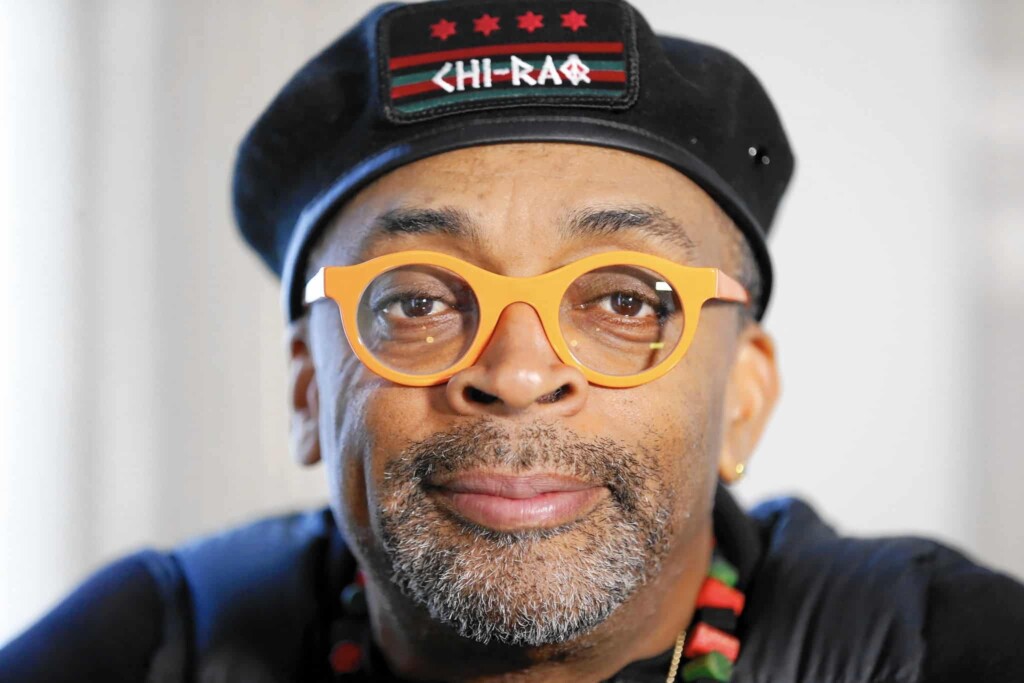
Spike Lee, born March 20, 1957, is an American film director, screenwriter, actor and producer. His production company, 40 Acres and Mule Filmworks, has produced more than 35 films since 1983. He made his directorial debut with She’s Got ta Have It (1986). In fact, he wrote and directed films such as School Daze (1988), Do the Right Thing (1989), Mo’ Better Blues (1990), Jungle Fever (1991), Malcolm X (1992), Crooklyn (1994), Clockers (1995) , 25th Hour (2002), Inside Man (2006), Chi-Raq (2015), BlacKkKlansman (2018) and Da 5 Bloods (2020). Lee has also starred in eleven of his own feature films. His films are innovative and well performed by actors such as Denzel Washington, Laurence Fishburne, Samuel L. Jackson, Giancarlo Esposito, Rosie Perez, Delroy Lindo and John David Washington.
Michael Moore
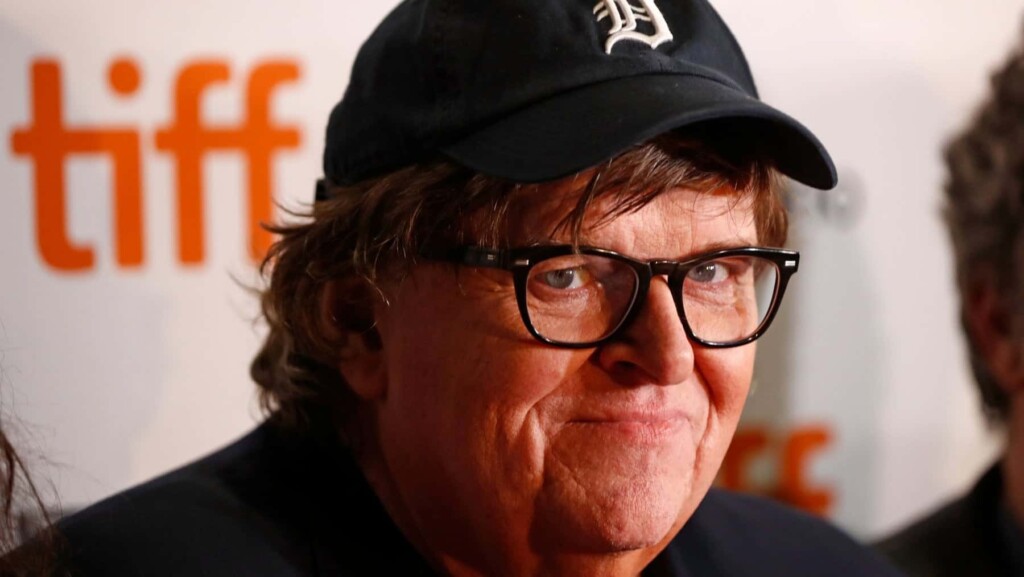
Michael Moore, born April 23, 1954, is an American director and writer. His works often deal with the themes of globalization and consumerism. Moore won the 2002 Academy Award for Best Documentary for Bowling for Columbine, which investigated the reasons for the carnage at Columbine High School and US guns. Fahrenheit 9/11, a documentary about the presidency of George W. Bush and the War on Terror, grossed $119,194,771 to become the highest-grossing docudrama at the US box office of all time. The film also won the Palme d’Or at the 2004 Cannes Film Festival. His docudrama Sicko, takes a look at health care in the United States, and has been in the top 10 highest-grossing docudramas since 2020.
Robert Rodriguez
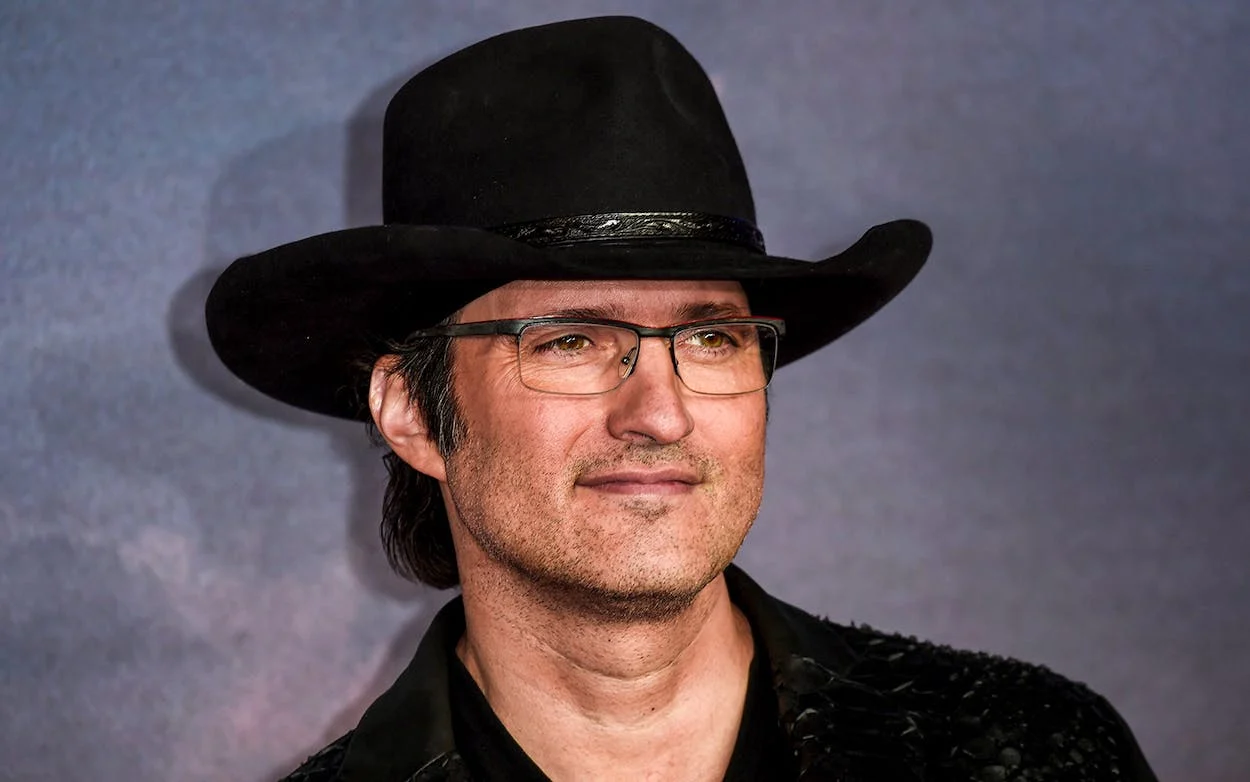
Robert Rodriguez, born June 20, 1968, is an American film director. He shoots most of his films in Mexico and his home state of Texas. Rodriguez directed the 1992 action film El Mariachi, which was a commercial success after earning $2.6 million ($4.9 million in 2021 dollars) against a budget plan of $7,000 ($13,153 in 2021 dollars) . The film spawned two sequels jointly recognized as the Mexico Trilogy: Desperado and Once Upon a Time in Mexico.
Paul Thomas Anderson
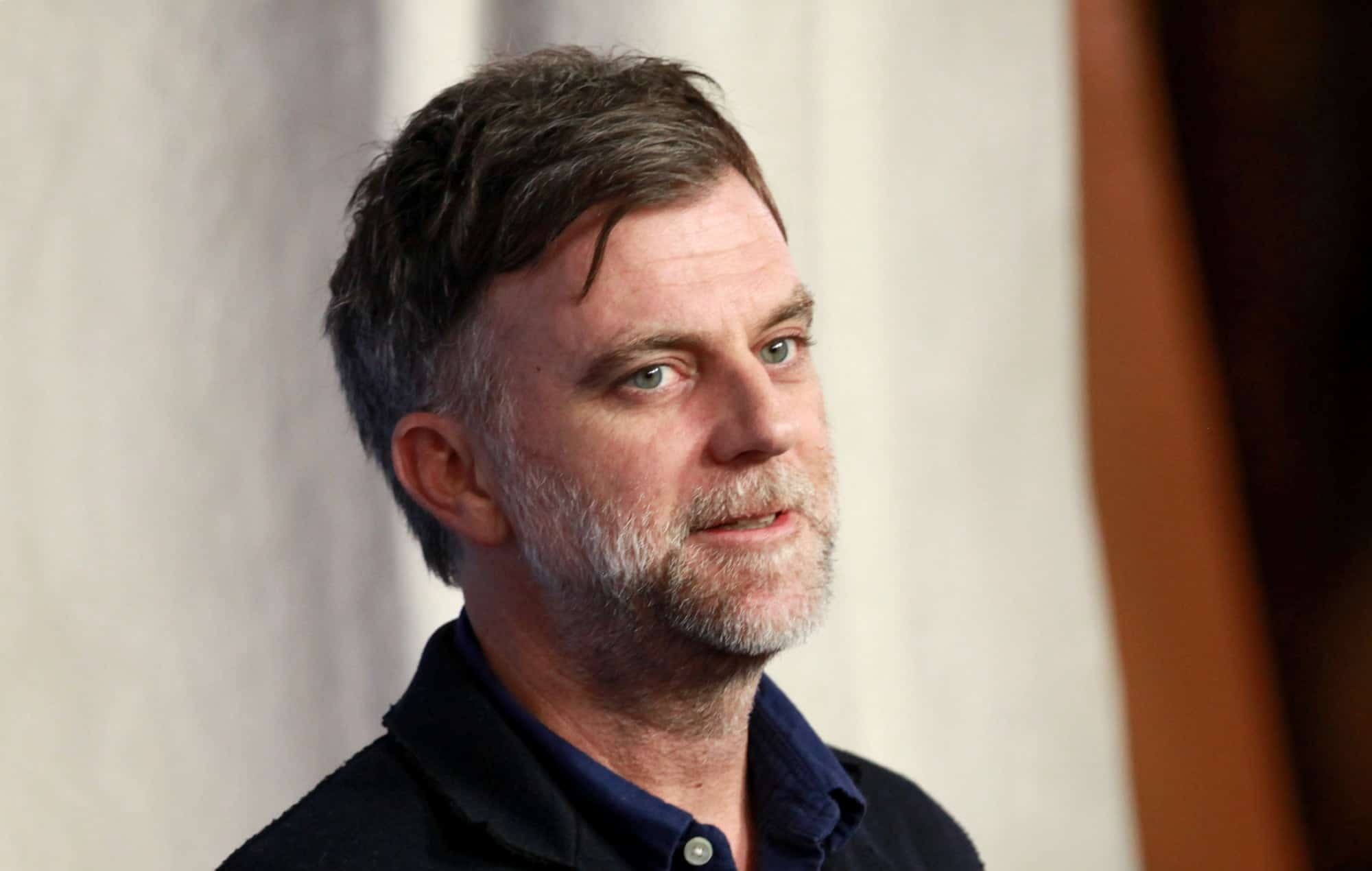
Paul Thomas Anderson, born on June 26, 1970, in the United States, has become a renowned figure in the world of filmmaking. Known for his distinctive style and compelling storytelling, he embarked on his career as a film director with his first feature film, Hard Eight, which premiered in 1996. This initial work laid the foundation for what would become a series of critically acclaimed films. The following year, in 1997, Anderson achieved notable success with Boogie Nights, a film that delves into the adult film industry and captured the attention of critics and audiences alike. His reputation continued to flourish as he released Magnolia in 1999, a complex narrative that interweaves multiple characters’ stories, further establishing his unique directorial voice. In 2002, Anderson presented Punch-Drunk Love, a film blending elements of comedy and drama, showcasing his versatile approach to storytelling.
Anderson’s fifth cinematic venture, There Will Be Blood, released in 2007, reached remarkable heights of both critical acclaim and commercial success. This gripping narrative, set against the backdrop of the Southern California oil boom, explores the ambitions and moral complexities of an oil prospector. Lauded as one of the finest films of the 2000s, it solidified Anderson’s status as a master filmmaker. Continuing his trajectory of poignant storytelling, he introduced The Master in 2012, a film examining the relationship between a World War II veteran and a charismatic leader of a religious movement. In 2014, he followed up with Inherent Vice, a neo-noir film adaptation.
Julian Schnabel
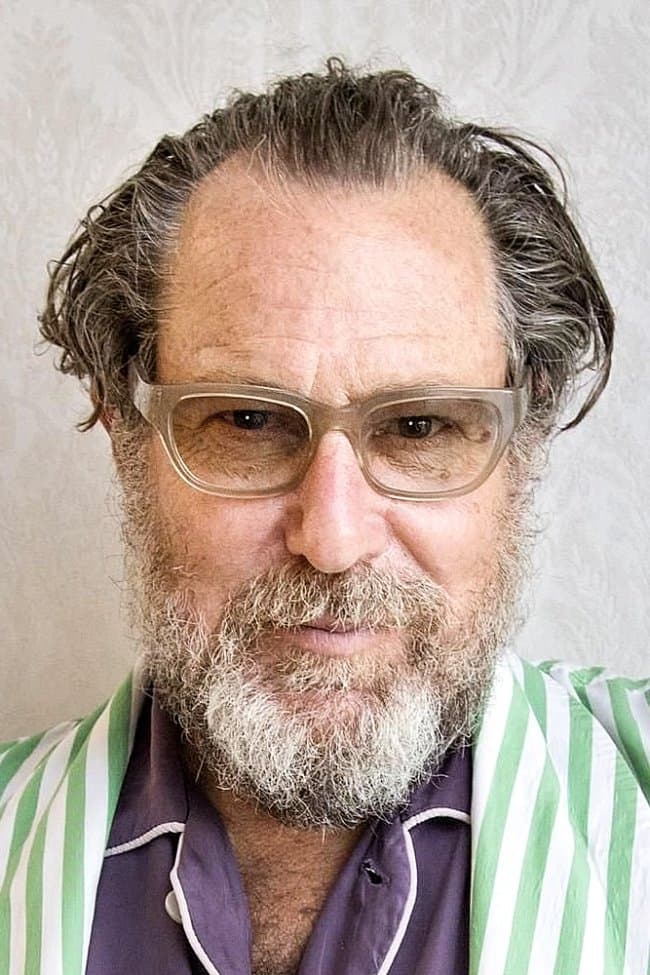
Julian Schnabel, born October 26, 1951, is an American painter and filmmaker. In the 1980s, he gained worldwide interest for his “plate paintings,” with ceramic plates affixed onto large paintings. Since the 1990s he has been a supporter of the arthouse cinema independentSchnabel directed Before Night Falls, which became Javier Bardem‘s Academy Award-nominated film, as well as The Diving Bell and the Butterfly, which was nominated for four Academy Awards. Lastly, it won the Cannes Film Festival Award for Best Director and the Golden Globe for Best Director, as well as getting nominated for the Academy Award for Best Director and also the César for Best Director.
Kathryn Bigelow
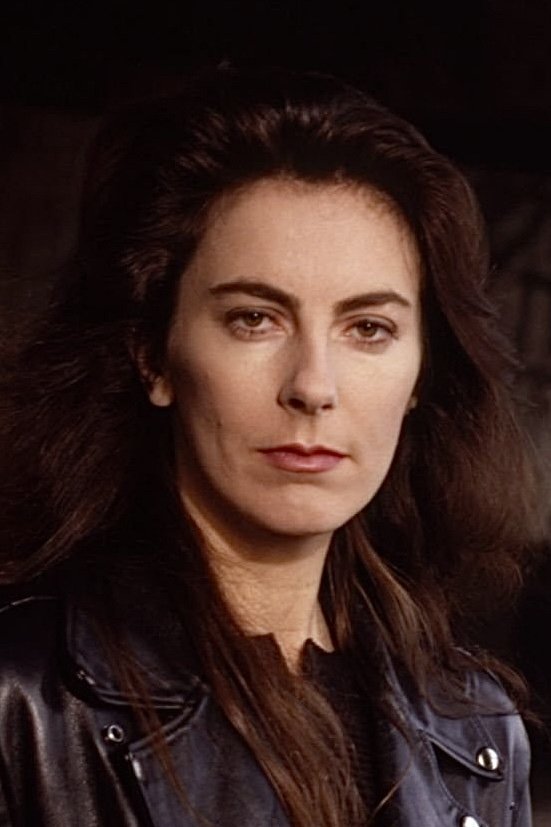
Kathryn Ann Bigelow, born November 27, 1951, is an American film director. Covering a wide range of film genres, his notable films are Near Dark (1987), Point Break (1991), Strange Days (1995), K-19: The Widowmaker (2002), The Hurt Locker (2008), Zero Dark Thirty (2012) and Detroit (2017). Bigelow was the first woman to win the Academy Award for Best Director for The Hurt Locker, the Directors Guild of America Award for Best Director, and the BAFTA Award for Best Director. She was also the first woman to win the Saturn Award for Best Director, with Strange Days. In addition, the publication Time named him among the 100 most important people in the world in 2010.
Ari Aster

Ari Aster, born July 15, 1986, is an American film producer, screenwriter and director. He is known for writing and directing the horror films Hereditary (2018) and Midsommar (2019). Aster was born into a Jewish family in New York City on July 15, 1986, the son of an artist father and a poet mother. As a child, Aster was fascinated by horror films, regularly renting them from home video stores. In 2004, he enrolled at the College of Santa Fe, where he studied filmmaking. After finishing in 2008, he was accepted into the Fellow Class of 2010 at the AFI Conservatory’s graduate program, where he earned an MFA with an emphasis in directing.
A vision curated by a filmmaker, not an algorithm
In this video I explain our vision

