
Metacinema stands as one of cinema’s most provocative inventions, a deliberate rupture in the seamless illusion of narrative where the medium turns its gaze inward, confronting both itself and its audience with unflinching reflexivity. This self-referential alchemy—born from early experiments like those shattering the fourth wall in the dawn of the twentieth century—evolved into a sophisticated language by the mid-century, as auteurs wielded it to dissect genre tropes, expose production artifices, and interrogate the very act of spectatorship. Far from mere gimmickry, metacinema pulses with cultural potency, mirroring society’s shifting relationship to truth and fiction in an era saturated by images, where films no longer merely entertain but provoke us to question the stories we consume.

Its aesthetic evolution traces a thrilling arc from silent-era montages that unveiled the camera’s machinery to contemporary deconstructions that blend irony with intimacy, often deploying direct address, mirrored confessions, or ironic visual cues to shatter suspension of disbelief. In arthouse realms especially, this technique flourishes as a tool for profound critique—parodying conventions, implicating viewers in moral complicity, or pondering cinema’s ontology—elevating the form beyond escapism into philosophical terrain. Culturally, metacinema has reshaped our collective imagination, influencing everything from festival darlings to subtle indies, fostering a dialogue between screen and seat that demands active engagement rather than passive absorption.
The true brilliance of metacinema lies in its power to bridge the chasm between major studio ambitions and independent visions, where high-polish reflexivity in festival-acclaimed works converses with raw, low-budget experiments from global margins. By mingling these strands, it revitalizes cinema’s spirit, reminding us that the most vital films are those unafraid to reveal their seams, inviting us deeper into the art while challenging the boundaries of what a movie can be.
The Plague (2025)

Charlie Polinger’s debut feature is a masterclass in psychological tension that transcends the specificity of its water polo camp setting to become essential contemporary cinema. The Plague (2025) earned a Cannes premiere with an 11-minute standing ovation, recognition deserved for its unflinching examination of how normalized cruelty operates within social hierarchies. The film’s visceral approach to childhood ostracism—metaphorized through the invented “plague” used to isolate protagonist Eli—reveals uncomfortable truths about complicity and moral compromise that resonate far beyond adolescence.
What distinguishes The Plague from typical coming-of-age narratives is Polinger’s refusal to sentimentalize or resolve the psychological damage inflicted by peer cruelty. Everett Blunck’s quietly devastating performance as Ben captures the protagonist’s internal fracturing with remarkable nuance, while Kayo Martin’s Jake embodies a terrifying ordinariness in his casual wielding of social power. The film’s cold, almost Soviet aesthetic—reinforced by an oppressive score of human vocalizations—transforms a simple camp narrative into an interrogation of how systems of exclusion are constructed and perpetuated, making it indispensable viewing for anyone seeking cinema that genuinely disturbs and provokes.
Don Barry: A Quixotic Exploration
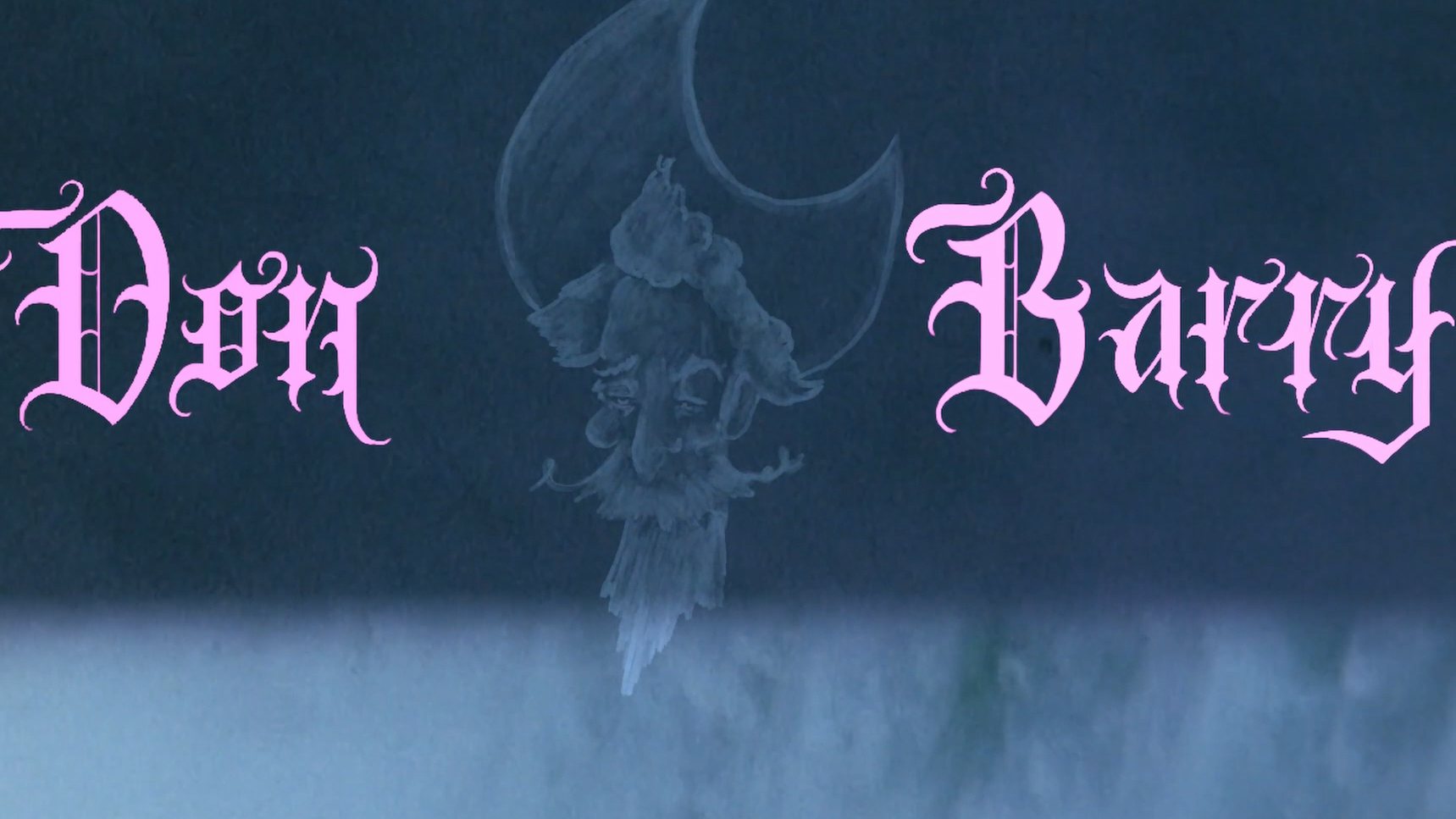
Docufiction, Experimental, by Paul Smart, Mexico, 2026.
Don Barry: A Quixotic Exploration is a debut feature that places the biography of an eighty-year-old experimental filmmaker and artist, Barry Gerson, within the metanarrative of Miguel de Cervantes’ Don Quixote. Don Barry was filmed in the city of Guanajuato during the 51st edition of the Cervantino Festival, as well as during the vibrant Day of the Dead celebrations held in the city’s UNESCO-listed tunnels. The film honors the director’s long friendship with artist Barry Gerson, drawing inspiration from Cervantes’ Don Quixote. Paul Smart’s directorial choices create something new that celebrates life and goes beyond conventional storytelling. A search for magic in our real lives. A moving film about the meaning of life, art, and death. Not to be missed.
Paul Smart is a proud outsider filmmaker with a long history of film screenings. In the 1980s, he emerged in New York’s vibrant youth art scene, working in theater production and later filmmaking, before retreating to rural upstate New York, in the Catskill Mountains, where he made a living writing and screening independent films in old parish halls for rural audiences, many of whom had never seen a film.
LANGUAGE: English
SUBTITLES: Spanish, French, German, Portuguese
Sinners (2025)

Ryan Coogler‘s Sinners (2025) erupts as a ferocious metacinema triumph, weaving Southern Gothic horror into a mirror of America’s festering racial wounds. Set in the 1930s Mississippi Delta, it follows twin brothers Smoke and Stack as they orchestrate a juke joint revelry that unleashes vampiric chaos, forcing a visceral clash between Black resilience and white supremacist terror. This is no mere genre exercise; it’s a bold confrontation with history’s undead legacies, demanding viewers witness the hydra of racism—from Klan shadows to cultural vampirism—that devours community souls.
The film’s metacinematic genius lies in its layered evils, distinguishing supernatural bloodlust from man-made atrocities, all while critiquing Christianity’s coercive grip and appropriation’s parasitic dance. Michael B. Jordan’s dual performance ignites the screen, blending hedonistic joy with haunting regret, culminating in a sunlit purge that lingers like a post-credits reckoning. Sinners commands attention as essential viewing, its ambitious sprawl forging unforgettable truths from horror’s primal forge.

The Phoenician Scheme (2025)
![THE PHOENICIAN SCHEME - Official Trailer [HD] - Only in Theaters May 30](https://blog.indiecinema.co/wp-content/plugins/wp-youtube-lyte/lyteCache.php?origThumbUrl=https%3A%2F%2Fi.ytimg.com%2Fvi%2FGEuMnPl2WI4%2F0.jpg)
Wes Anderson‘s The Phoenician Scheme (2025) masterfully blends metacinematic whimsy with espionage thriller tropes, transforming a tale of corporate scheming and familial redemption into a dollhouse diorama of human folly. Benicio del Toro’s Zsa-Zsa Korda, a ruthless tycoon dodging assassins while grooming nun-in-training daughter Liesl (Mia Threapleton) as his heir, navigates a labyrinthine plot of rivet conspiracies and Phoenician land grabs. Anderson’s impeccable symmetry and vignette-like stops—featuring eccentrics played by Riz Ahmed, Tom Hanks, and Scarlett Johansson—elevate the caper into essential metacinema, where style interrogates legacy’s fragility.
Yet this visual splendor occasionally distracts from emotional depths, as black-and-white afterlife visions and a tender father-daughter thaw hint at poignant stakes amid the zany assassinations and betrayals. Critics hail it as Anderson’s thrilling darkest entry, with unpredictable twists and heartfelt payoff, though some decry the narrative as style over substance. For metacinema aficionados, its self-aware celebration of auteur quirks—redeeming exploitation through reunion—demands viewing, a bold not-to-be-missed evolution in Anderson’s oeuvre.
With Hasan in Gaza (2025)

Kamal Aljafari’s rediscovered miniDV footage from 2001 transforms archival material into urgent testimony, assembling a deceptively simple portrait of Gaza during the Second Intifada that demands contemporary viewing. The film’s observational restraint—capturing mundane moments of daily life through taxi windows and crowded streets—becomes a radical act of preservation against erasure, resisting the flattening of Palestinian existence into mere political abstraction while linking historical violence to present catastrophe.
The film’s formal brilliance lies in its refusal of didacticism; by withholding explicit commentary on current atrocities, Aljafari allows the ordinary to speak with devastating force. The stretched temporality embraces the cyclical trap of occupation itself, where children playing on beaches and bustling markets coexist with rubble and displacement, making With Hasan in Gaza essential cinema that bears witness through durational observation rather than rhetoric, positioning memory and survival as inseparable acts of resistance in contemporary documentary practice.
What Does That Nature Say to You? (2025)

Hong Sang-soo’s What Does That Nature Say to You? (2025) masterfully embodies metacinema through its deceptively simple gaze at everyday rituals, transforming a young poet’s visit to his girlfriend’s sprawling family home into a profound reflection on art’s place in life. Shot with raw, handheld intimacy that evokes a smartphone confession, the film blurs the line between lived reality and cinematic invention, inviting viewers to question where personal anecdote ends and directed poetry begins. Nature itself becomes a silent co-director, its rustling leaves and mountain vistas whispering truths about sincerity amid boozy revelations.
In this metacinematic gem, Hong’s signature repetitions—meals, car rides, cigarette pauses—unfold as meta-commentary on storytelling’s inertia, mirroring the poet’s feckless idealism against the family’s grounded vitality. The standout dinner inquisition hilariously dissects class, creativity, and inertia, with nature framing human frailty like a perpetual zoom-out. Premiering at Berlinale, it reaffirms Hong’s genius for making the mundane cinematic poetry, a must-see for those chasing films that interrogate their own fabrication.
A vision curated by a filmmaker, not an algorithm
In this video I explain our vision
Resurrection (2025)

Resurrection (2025, 狂野时代) emerges as a metacinematic triumph, where Bi Gan resurrects cinema itself through a radical anthology of six segments mirroring a century of Chinese history and film evolution. Each chapter deploys distinct aspect ratios, color palettes, and styles—from hypnotic long takes to a breathtaking 30-minute continuous shot—blurring fiction and reality in a futuristic dreamscape where immortality forbids dreaming. This sensory odyssey, centered on a rebel “Deliriant,” defies commercial entropy, demanding active immersion that rewards with profound reflections on cinema’s subversive vitality.
In the pantheon of metacinema, Resurrection stands unmissable for its manifesto-like fervor, channeling motifs of fire, mirrors, and wax into a love letter to film’s ephemeral power against obsolescence. Bi Gan’s auteur precision, echoing his feats in Kaili Blues and Long Day’s Journey Into Night, crafts poetic rebellion: not sappy homage, but a visceral puzzle probing perception, memory, and human agency. Its Cannes acclaim underscores why this poetic, philosophic epic—visually orchestrated by Dong Jingsong and scored by M83—redefines cinematic resurrection.
A Nice Indian Boy (2025)

A Nice Indian Boy crafts a metacinematic gem by weaving Bollywood romance tropes into a queer diaspora narrative, subverting expectations with raw emotional authenticity. Directed by Roshan Sethi from Madhuri Shekar’s play, it mirrors the artifice of rom-coms through Naveen’s hesitant courtship with Jay, a white adoptee steeped in Indian culture, exposing the performative tensions of family acceptance and cultural hybridity.
Karan Soni and Jonathan Groff’s chemistry elevates this indie standout, blending humor and heartbreak in wedding chaos that deconstructs cinematic clichés. Its hushed intimacy and vibrant visuals make it unmissable metacinema, celebrating love’s messy reinvention amid immigrant traditions, a tender triumph for arthouse hearts.
Universal Language (2025)

Universal Language (2025) crafts a surreal interzone between Tehran and Winnipeg, where Farsi signage graces Canadian snowscapes and French immersion classes erupt in bilingual chaos. Schoolgirls unearth frozen cash, a tour guide shepherds baffled tourists through absurd landmarks, and a Quebec bureaucrat embarks on a melancholic homecoming, their paths weaving in episodic fragments that defy linear narrative for metacinematic play.
This deft tragicomedy exemplifies metacinema’s power by blending Iranian New Wave poetics with Canadian deadpan, questioning belonging through cultural collision and linguistic slippage. Matthew Rankin‘s fragmented form—sharp cuts revealing hidden breakdowns, role-swapping finales—mirrors identity’s fluidity, turning personal dislocation into universal absurdity, a must-see for its bold revision of national myths and heartfelt xenophobic riposte.
Sentimental Value (2025)

Sentimental Value (2025) masterfully dissects the interplay between art and fractured family bonds, positioning itself as essential metacinema that blurs the line between creator and creation. Joachim Trier‘s Oslo-set drama follows filmmaker Gustav Borg, a self-absorbed veteran played by Stellan Skarsgård, who returns after years abroad with a script drawn from his late wife’s suicide, seeking to cast his estranged daughter Nora, portrayed by Renate Reinsve. As old wounds reopen amid rehearsals with international star Rachel Kemp (Elle Fanning), the film exposes how personal history fuels artistic genius, demanding unflinching emotional excavation.
In this metacinematic triumph, Trier employs an omniscient narrator, hypnotic light interludes, and fades to black as chapter breaks, evoking literary texture while mirroring Gustav’s autofictional screenplay. The naturalistic performances—Skarsgård’s layered charm, Reinsve’s raw resentment—immerse viewers in subtle tensions, where autumnal symbolism harvests themes of loss and legacy. Though its slow burn risks detachment, Sentimental Value resonates as Trier’s finest, a profound testament to cinema’s power to confront the sentimental costs of creation, indispensable for discerning audiences.
Hamnet (2025)
![HAMNET - Official Trailer [HD] - Only In Theaters This Thanksgiving](https://blog.indiecinema.co/wp-content/plugins/wp-youtube-lyte/lyteCache.php?origThumbUrl=https%3A%2F%2Fi.ytimg.com%2Fvi%2FxYcgQMxQwmk%2F0.jpg)
Chloé Zhao’s Hamnet (2025) emerges as a metacinematic triumph, transforming the raw grief of Shakespeare’s family into a profound meditation on art’s alchemical power. Through Jessie Buckley’s ethereal Agnes and Paul Mescal’s introspective William, the film weaves personal tragedy—the death of their son—into the mythic genesis of Hamlet, blurring life and stage in a ritual of loss and creation that demands to be seen.
Its pastoral visuals and deliberate pacing reject cinematic spectacle for intimate observation, making grief a lived ecosystem that mirrors the Bard’s own existential depths. In an era of flattened emotions, Hamnet insists on unsparing truth, elevating period drama to essential metacinema where private anguish births universal theater, leaving viewers shattered yet exalted.
Seeds (2025)

Brittany Shyne’s directorial debut captures disappearing Black agricultural heritage through luminous black-and-white cinematography reminiscent of Gordon Parks‘ Depression-era documentation. The film chronicles Willie Head Jr.’s multigenerational farm in Georgia, weaving intimate family moments with systemic critiques of USDA discrimination. Shyne’s nine-year commitment produces a meditative portrait that functions simultaneously as personal testimony and historical preservation, establishing essential cinema for understanding contemporary agrarian struggle.
The film’s metacinematic power resides in its formal restraint and philosophical depth. Rather than exploiting rural poverty for aesthetic consumption, Shyne positions herself as custodian of community memory, invited to document ancestral knowledge and land stewardship. This ethical framework transforms documentary into resistance, where capturing everyday rhythms—children learning from elders, harvest cycles, agricultural advocacy—becomes revolutionary act. Seeds emerges as indispensable viewing precisely because it refuses spectacle while demanding urgent attention to historical erasure.
Lurker (2025)

Lurker (2025) masterfully dissects the parasitic underbelly of modern fame through Matthew’s calculated infiltration of pop star Oliver’s entourage, transforming a chance boutique encounter into a chilling ascent of manipulation and betrayal. Director Alex Russell‘s taut slow-burn builds unease with meticulous cinematography, capturing the gawky retail worker’s empty hunger in Théodore Pellerin’s unnerving performance, where bulging eyes and forced smiles reveal a leech-like soullessness amid the vapid shimmer of Instagram stardom.
In the spirit of metacinema, Lurker reflexively probes cinema’s own obsessions with celebrity and power dynamics, echoing Nightcrawler and Saltburn while critiquing the blurred lines between fan and faker in a fame-obsessed culture. Its ambiguous power shifts and open-ended finale force viewers to question who’s puppeteering whom, delivering a teeth-gritting dramedy that strips characters bare, mirroring the flimsy platitudes of social media ascension and making it an unmissable dispatch from indie cinema’s sharp edge.
Song Sung Blue (2025)
![SONG SUNG BLUE - Official Trailer [HD] - Only in Theaters This Christmas](https://blog.indiecinema.co/wp-content/plugins/wp-youtube-lyte/lyteCache.php?origThumbUrl=https%3A%2F%2Fi.ytimg.com%2Fvi%2FZqU7iiHFCzw%2F0.jpg)
Song Sung Blue (2025) transforms a modest documentary into a metacinematic triumph, where Craig Brewer‘s script playfully bends the true story of Neil Diamond tribute act Lightning & Thunder into a crowd-pleasing drama that mirrors its own performative essence. Hugh Jackman and Kate Hudson embody Mike and Claire Sardina with infectious charisma, their sequined beltings of “Soolaimon” and “Play Me” elevating schmaltz into something irresistibly human, as the film reflects on art’s power to reinvent faded dreams amid real-life adversities like accidents and addiction.
In the spirit of metacinema’s self-aware gaze, Song Sung Blue masterfully shifts from campy musical highs to raw emotional depths, eschewing superficial feel-good tropes for a stranger-than-fiction resilience that resonates universally. Brewer’s direction anchors the melodrama in authentic commitment, making the duo’s journey—not toward stardom, but survival—a vital testament to cinema’s ability to harmonize truth, tears, and timeless songs into an unmissable ode to the indomitable spirit.
The Housemaid (2025)

The Housemaid (2025) delivers a pulpy erotic thriller that revels in metacinema’s delight of subverting domestic noir tropes, with Sydney Sweeney‘s ex-con housemaid Millie ensnared in a Long Island mansion’s web of paranoia and locked doors. Directed by Paul Feig, it adapts Freida McFadden’s bestseller into a twist-laden ride where Amanda Seyfried‘s unhinged wife Nina unravels the facade of wealth, culminating in a bonkers feminist reversal that exposes patriarchal predation. Performances anchor the absurdity, making it a guilty pleasure not to miss for genre aficionados craving narrative rug-pulls.
Though tonally uneven—straddling campy excess and sterile visuals—The Housemaid earns its metacinema must-see status through audacious reversals that redirect sympathies, echoing Get Out’s social bite while prioritizing female solidarity over eroticism. Feig’s playful genre deconstruction, bolstered by Sweeney’s tense vulnerability and Seyfried’s manic danger, transforms airport-novel schlock into a mirror for contemporary rage, demanding viewers witness its wild, if flawed, takedown of privilege’s horrors.
Marty Supreme (2025)

Marty Supreme (2025) surges into the metacinema pantheon as an unmissable visceral plunge into unchecked ambition, where Timothée Chalamet’s career-defining portrayal of ping-pong hustler Marty Mauser embodies the chaotic pulse of American excess. Josh Safdie, stepping solo from the Uncut Gems frenzy, crafts a relentless thrill ride of scheming and self-sabotage, blending stylistic flourishes like anachronistic music and kinetic visuals with the protagonist’s pathetic likability. This isn’t mere sports drama but a character study of ego’s destructive drive, demanding viewers confront their own complicity in rooting for the scumbag.
What elevates Marty Supreme to essential viewing lies in its immersive metacinema mastery—overstuffed yet electrifying, it mirrors the antihero’s narcissism through immersive sound design, unsteady camerawork, and bizarre flourishes like Auschwitz flashbacks and honey-smeared grotesqueries. Safdie’s direction pulses with anxiety-fueled surprises, critiquing capitalism’s reckless entitlement without moralizing, making it a thrilling, empty trip that’s profoundly alive. Chalamet’s bravura performance ensures this wild journey lingers, a rite of passage for auteur cinema not to be missed.
Oslo Stories Trilogy (2025)

Dag Johan Haugerud‘s audacious trilogy demonstrates metacinema at its most sophisticated, where the act of storytelling becomes inseparable from the narrative itself. By structuring three independent films around a single dramatic event—a teenage girl’s manuscript sparking generational conflict—Haugerud transforms cinema into a hall of mirrors, examining how stories reshape memory, desire, and family bonds. The films resist conventional coming-of-age tropes, instead interrogating the relationship between lived experience and artistic representation.
What elevates this work into essential viewing is its self-conscious exploration of language and form. The prominent voice-over narration, the meta-fictional quality as older generations reinterpret Johanne’s intimate writings, and the deliberate rhythm of dialogue over action establish cinema as an act of interpretation rather than mere documentation. By winning the Golden Bear at Berlin, Dreams (Love Sex) validates this radical approach: that films questioning their own mechanisms of storytelling possess greater artistic urgency than those content with surface naturalism.
The Parasocial Thriller (2025)

The Parasocial Thriller, Alex Russell‘s audacious 2025 debut, masterfully dissects the blurred boundaries between fan and idol in a metacinematic lens that exposes cinema’s own obsession with voyeurism. Théodore Pellerin’s Matthew, a gawky retail drone turned social chameleon, infiltrates pop star Oliver’s (Archie Madekwe) entourage with chilling precision, mirroring how films like Nightcrawler weaponize observation as predation. This not-to-be-missed entry thrives on its refusal of genre tropes, evolving the parasocial narrative into a codependent dance of manipulation that feels eerily prescient.
What elevates The Parasocial Thriller within metacinema’s pantheon is its unflinching portrayal of power’s fluid exchange, where screens become both portal and prison. Russell’s script, laced with bleak humor and intimate camerawork, captures the emptiness fueling obsession, defying expectations of violent catharsis for a subtler erosion of identity. Pellerin’s revelatory performance—those bulging eyes hungry for validation—anchors this thrilling provocation, making it essential viewing for anyone probing cinema’s reflection on our digital delusions.
Vulcanizadora (2024)

Vulcanizadora (2024) masterfully embodies metacinema by dissecting its own narrative fabric, transforming a seemingly simple buddy hike into a profound meditation on failure and revelation. Joel Potrykus, wielding the camera like a scalpel, shifts from scrappy slacker antics—friends bashing trees and launching bottle rockets—to a shocking pivot that upends expectations, mirroring cinema’s power to lure viewers into complacency before shattering illusions. This structural sleight-of-hand, captured on lush 16mm by Adam J. Minnick, elevates the film beyond genre confines, demanding rewatches to unpack its layered truths.
In the metacinema vein, Vulcanizadora reflects on filmmaking’s ritualistic essence, where long static takes and abrupt close-ups echo the characters’ emotional unraveling, blurring screen and psyche. Potrykus and Joshua Burge deliver raw, unfiltered portrayals of fractured masculinity, their dark humor yielding to poignant isolation post-catastrophe. A must-see for its unflinching gaze at cinema’s ability to confront the unspoken horrors of existence, it lingers like a faulty memory, redefining catharsis in independent American outliers.
🎥🔄 Infinite Loops: Metacinema Must-Sees
Explore the labyrinth of self-referential cinema through these handpicked articles that echo the infinite cycles of reincarnation and narrative recursion found in films like Infinite. Delving into movies that blur reality and fiction, they capture the essence of metacinema’s endless reflections. Perfect companions for cinephiles navigating perceptual mazes.
Surrealist Cinema: the Unconscious in Films
Surrealist Cinema plunges into the unconscious realm of films where dreams and reality intertwine, mirroring Infinite’s themes of past-life memories resurfacing in hallucinatory visions. These works challenge viewers to question the boundaries of perception, much like the protagonist’s schizophrenic recollections. A gateway to metacinema’s dreamlike infinities.
👉 GO TO THE SELECTION: Surrealist Cinema: the Unconscious in Films
The Unconscious and its Relationship With Cinema
The Unconscious and its Relationship With Cinema uncovers how films tap into repressed memories and archetypes, paralleling Infinite’s narrative of reincarnated souls haunted by forgotten lives. This exploration reveals cinema as a mirror to the psyche’s infinite depths. Essential for understanding metafilmic layers of identity and recall.
👉 GO TO THE SELECTION: The Unconscious and its Relationship With Cinema
The Avant-Garde Cinema: Movies to Watch
The Avant-Garde Cinema showcases experimental films that defy linear storytelling, evoking Infinite’s looping timelines and fractured realities. These bold works experiment with form to mimic eternal recurrence, inviting endless reinterpretation. A cornerstone for metacinema enthusiasts seeking narrative mazes.
👉 GO TO THE SELECTION: The Avant-Garde Cinema: Movies to Watch
Weird and Absurd Films That Defy Logic
Weird and Absurd Films That Defy Logic features movies that trap audiences in paradoxical loops, akin to Infinite’s battle against cyclical doom. Their bizarre structures question existence itself, creating metacinematic puzzles without resolution. Ideal for fans of reality-bending, infinite explorations.
👉 GO TO THE SELECTION: Weird and Absurd Films That Defy Logic
Dive Deeper into Indiecinema
Unlock more metacinema wonders and infinite cinematic journeys on Indiecinema streaming, your portal to independent films that redefine reality. Discover hidden gems that loop back to the heart of storytelling today.
👉 EXPLORE THE CATALOG: Watch Indie Films in Streaming
A vision curated by a filmmaker, not an algorithm
In this video I explain our vision

