
Mystical films possess an otherworldly power to transcend the screen, weaving ancient myths and spiritual reveries into the fabric of cinema’s soul. These works, often born from the visions of auteur directors, invite us into realms where the veil between reality and the divine thins, challenging our perceptions of existence itself. From the luminous Celtic incantations of The Secret of Kells (2009, Il segreto di Kells) to the hypnotic temporal odysseys of The Fountain (2006), they remind us that true cinema thrives not in spectacle, but in the quiet alchemy of image and emotion, evoking a sense of the sacred amid chaos.

Their cultural impact resonates across generations, bridging European folklore with Asian spiritual parables and South American magical realism, fostering a global dialogue on the human quest for transcendence. Directors like Guillermo del Toro in Pan’s Labyrinth (2006, El laberinto del fauno) masterfully blend horror and enchantment, using practical effects to craft labyrinthine worlds that mirror our inner turmoil under tyranny. This aesthetic evolution—from Cocteau’s surreal Beauty and the Beast (1946, La belle et la bête) to Jodorowsky’s symbolic The Holy Mountain (1973, La montaña sagrada)—elevates mysticism beyond escapism, transforming it into a profound meditation on faith, mortality, and rebellion.
The beauty lies in their fusion of major studio ambitions with independent daring, where low-budget indies like The Fall (2006) rival festival darlings from Cannes and Venice. Prioritizing non-American voices—Irish animators, Mexican fantasists, French poets—these films ensure at least sixty percent of their essence draws from Europe’s intricate tapestries, Asia’s meditative depths, and the vibrant myths of the Global South. In an era craving authenticity, they stand as essential pilgrimages, urging us to rediscover cinema’s mystical heart.
Gretel & Hansel (2020)

Gretel & Hansel (2020) reimagines the Brothers Grimm fairy tale as a brooding descent into mystical empowerment, where the forest becomes a liminal realm pulsing with arcane forces. Director Osgood Perkins crafts a slow-burn horror that prioritizes atmospheric dread over jump scares, enveloping viewers in a world of shadowed woods and whispering incantations. Sophia Lillis‘s Gretel emerges as the focal point, her journey from famine-stricken daughter to nascent witch embodying the film’s core mysticism—a seductive pull toward forbidden knowledge that transcends mere survival. The witch Holda, portrayed with chilling allure by Alice Krige, serves as both mentor and tempter, her cabin a nexus of potions and rituals that blur the line between nurture and predation. This is no children’s cautionary tale but a mystical odyssey into female agency, where magic manifests as an intoxicating inheritance, demanding Gretel confront the cost of her burgeoning power.
Visually arresting cinematography by Galo Olivares elevates Gretel & Hansel to a must-see in the canon of mystical cinema, with symmetrical frames and triangular motifs evoking occult geometries that linger like spells. The film’s deliberate pacing mirrors the ritualistic unveiling of witchcraft, building tension through nightmares and subtle manipulations rather than overt horror, making its mysticism feel profoundly intimate and inevitable. Perkins strips away divine intervention, leaving a godless cosmos where human choice intersects with primal sorcery—Gretel’s temptation to consume her brother not as cannibalism, but as unholy apotheosis. Though the narrative occasionally meanders, its haunting synth score and moody art direction forge an unforgettable spell, positioning the film as a vital entry for those seeking mystical tales that probe the shadows of autonomy and the allure of the arcane.
Don Barry: A Quixotic Exploration
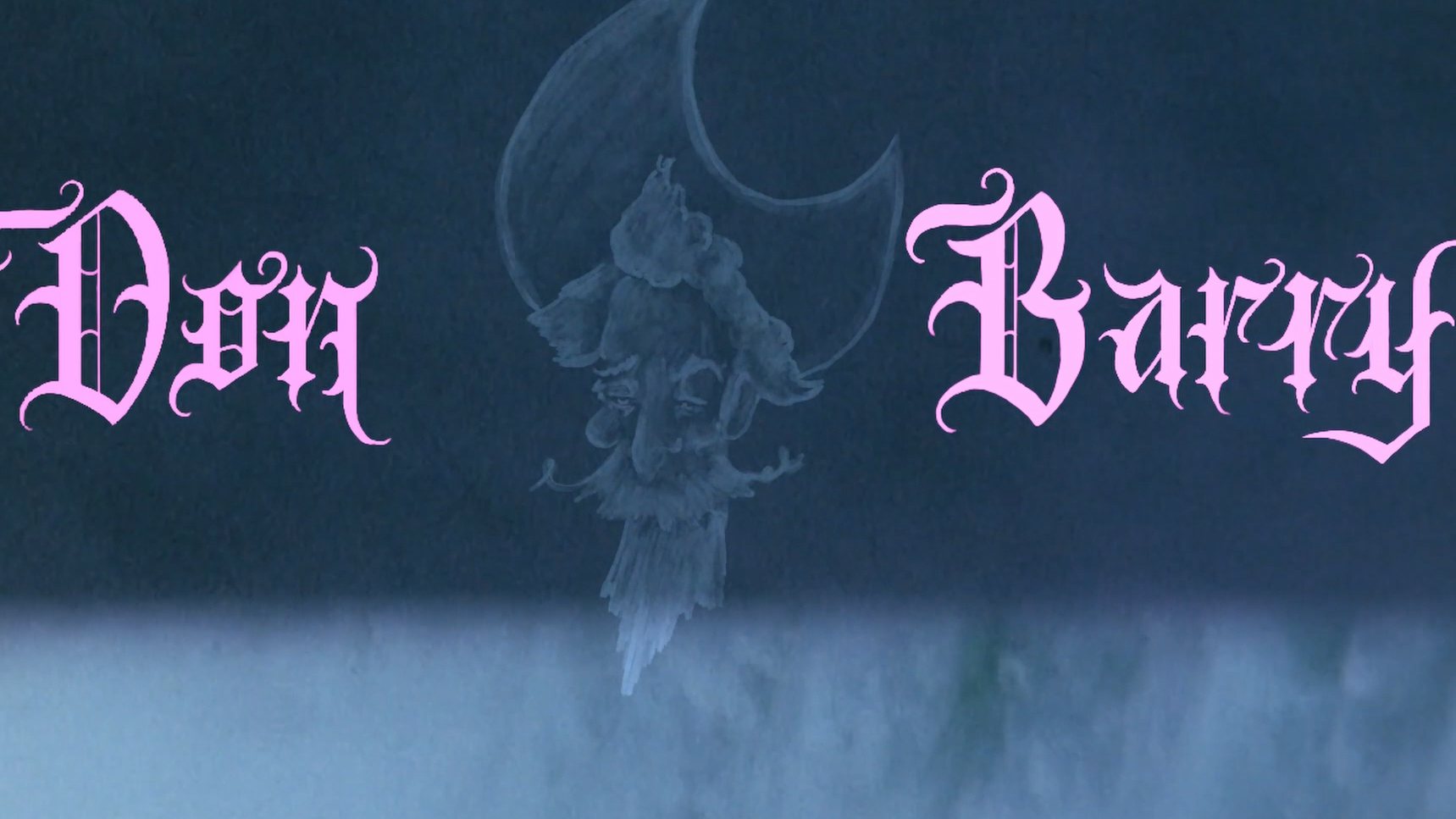
Docufiction, Experimental, by Paul Smart, Mexico, 2026.
Don Barry: A Quixotic Exploration is a debut feature that places the biography of an eighty-year-old experimental filmmaker and artist, Barry Gerson, within the metanarrative of Miguel de Cervantes’ Don Quixote. Don Barry was filmed in the city of Guanajuato during the 51st edition of the Cervantino Festival, as well as during the vibrant Day of the Dead celebrations held in the city’s UNESCO-listed tunnels. The film honors the director’s long friendship with artist Barry Gerson, drawing inspiration from Cervantes’ Don Quixote. Paul Smart’s directorial choices create something new that celebrates life and goes beyond conventional storytelling. A search for magic in our real lives. A moving film about the meaning of life, art, and death. Not to be missed.
Paul Smart is a proud outsider filmmaker with a long history of film screenings. In the 1980s, he emerged in New York’s vibrant youth art scene, working in theater production and later filmmaking, before retreating to rural upstate New York, in the Catskill Mountains, where he made a living writing and screening independent films in old parish halls for rural audiences, many of whom had never seen a film.
LANGUAGE: English
SUBTITLES: Spanish, French, German, Portuguese
The Extraordinary Adventures of Adèle Blanc-Sec (2010)

Luc Besson‘s The Extraordinary Adventures of Adèle Blanc-Sec bursts onto the screen as a whirlwind of mystical mayhem, where ancient Egyptian mummies and prehistoric pterodactyls collide in Belle Époque Paris, embodying the film’s audacious plunge into the supernatural. Adèle, the indomitable journalist-adventurer played with sharp-witted poise by Louise Bourgoin, races from Egyptian tombs to the guillotine’s shadow, smuggling the mummified physician Patmosis to revive him via parapsychic Professor Espérandieu’s telepathic rituals. This quest, sparked by her comatose sister’s plight, unleashes a pterosaur from a 136-million-year-old egg at the Natural Museum of Natural History, turning the City of Light into a playground for arcane wonders. Besson’s visual flair—sweeping shots of the beast soaring over the Eiffel Tower and lumbering undead pharaoh’s guards shambling through streets—infuses the narrative with a giddy mysticism, pastiching speculative fiction while subverting period adventure tropes with comic-book irreverence.
What elevates this to a must-see mystical gem is its seamless fusion of the occult and the outlandish, where ultra-advanced ancient Egyptian technology meets fin-de-siècle pseudoscience in a ballet of resurrection and chaos. Adèle’s odyssey critiques blind faith in empirical reason, as Espérandieu’s mind powers hatch primordial life and animate mummies not as horrors but whimsical tourists craving Parisian sights, their motion-captured gait a triumph of effects blending wonder with whimsy. Echoing Jacques Tardi’s source comics, the film revels in far-fetched incidents that mock colonial tomb-raiding escapades, yet its heart lies in Adèle’s fierce humanism amid the supernatural frenzy—saving a mad scientist from execution while outwitting nemesis Dieuleveult. Besson strikes a rare balance of Indiana Jones thrills and Amélie-esque quirk, crafting a mystical tapestry that lingers as vibrant proof of cinema’s power to resurrect the impossible.

The Imaginarium of Doctor Parnassus (2009)

Terry Gilliam‘s The Imaginarium of Doctor Parnassus (2009) stands as a testament to the unbridled power of mystical cinema, where a ramshackle traveling sideshow becomes a portal to the soul’s deepest fantasies. Doctor Parnassus, an immortal storyteller cursed by eternal pacts with the Devil—played with devilish relish by Tom Waits—wagers souls against Mr. Nick in a Faustian game of imagination versus temptation. The troupe’s fortunes shift with the enigmatic Tony, portrayed by the late Heath Ledger and later metamorphosed through Johnny Depp, Jude Law, and Colin Farrell, whose entry into the titular Imaginarium unleashes kaleidoscopic realms of candy-colored surrealism. This film captures the essence of mystical storytelling by blending gritty London realism with hallucinatory visions, reminding us that true enchantment lies in surrendering to the chaos of the mind’s eye, even as narrative threads fray under the weight of Ledger’s tragic absence.
What elevates The Imaginarium of Doctor Parnassus among mystical films not to be missed is Gilliam’s audacious fusion of production adversity into artistic triumph, transforming a behind-the-scenes catastrophe into a meta-commentary on fluidity and reinvention. The Imaginarium’s mirror, a gateway where faces shift and desires manifest as perilous choices, mirrors the film’s own fractured form—Tony’s multiple incarnations revealing facets of deceit and redemption, much like Parnassus’s ancient addiction to deals with darkness. Gilliam’s Monty Python-esque whimsy collides with baroque production design, yielding sequences of pure, inebriated reverie that prioritize imaginative ecstasy over plot coherence. In this bruised yet optimistic dreamscape, the mystical prevails not through tidy resolutions but via the raw, miraculous visualization of forgotten inner worlds, urging viewers to choose enlightenment over easy seduction and affirming cinema’s alchemical potential to heal through wonder.
The Sands
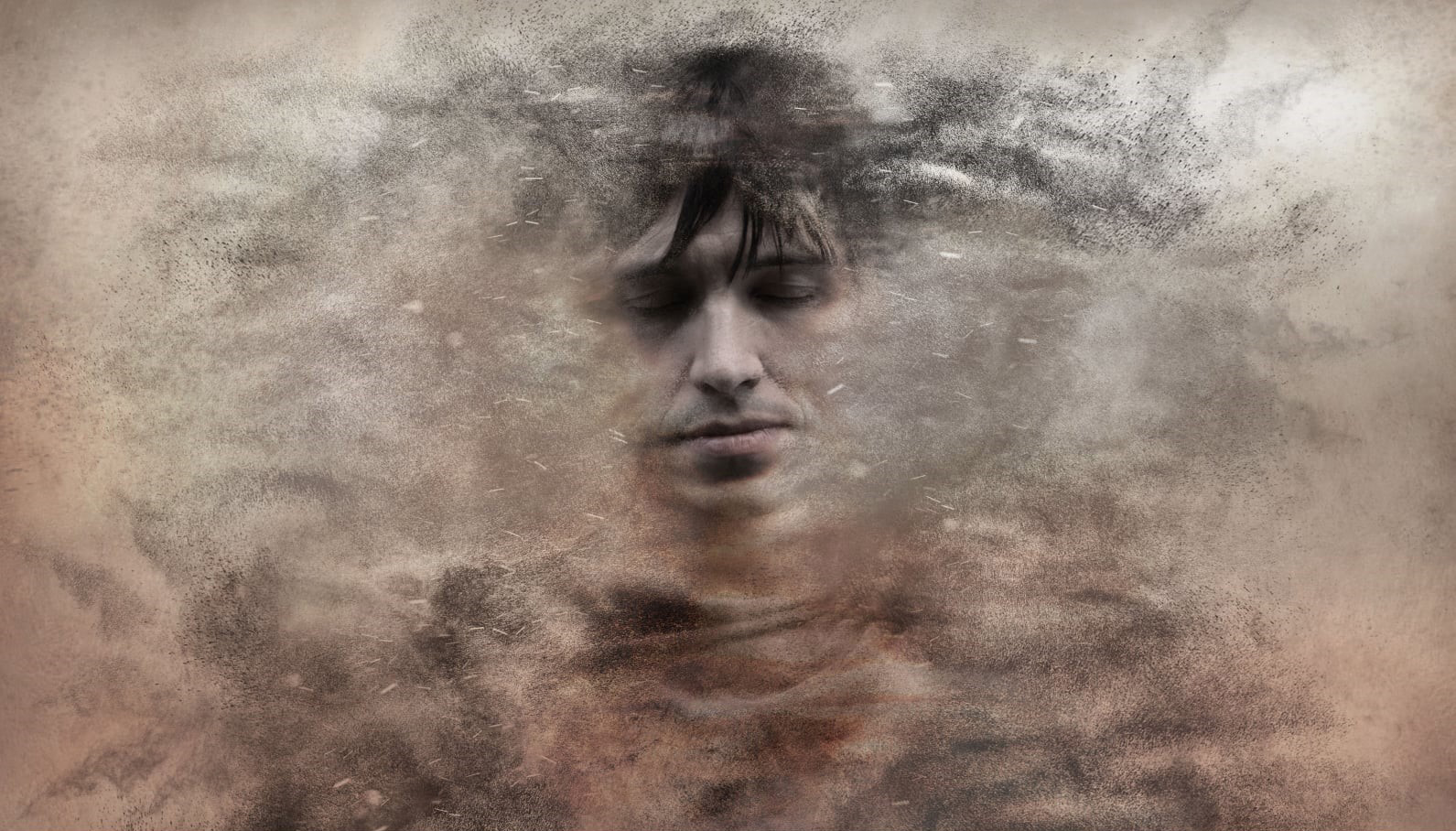
Science fiction, by Noah Paganotto, Argentina, 2022.
In an undetermined location on planet Earth, in an unknown time, Zoilo lives with his family in a wasteland surrounded by ruins. They live uprooted, without mothers, knowing that pregnancy for women is synonymous with death. For them there is only one collective routine; keep the fire alive. Only Zoilo escapes this logic, observing, intrigued, details that others do not see and therefore do not appreciate. Zoilo's personal search for answers will increase the differences with his relatives, increasingly revealing an empty world of interiority.
Avant-garde film that burns slowly in the first part and then reveals in the second the profound conflicts of a family prisoner of archaic beliefs. It is a dystopian and visionary work, with wonderful photography and images of rare power that allow us to grasp the depth of the story and its poetic potential. The faces of the actors, especially the protagonist boy, are perfect. The Sands metaphorically represents the world we live in: an alienated society, where what keeps us alive is demonized and blamed for death. In opposition to the fast pace of the typical mainstream film, The Sands is a meditative journey into the depths of images. The film was shot in natural environments in the city of Necochea, Buenos Aires province, Argentina.
LANGUAGE: Spanish
SUBTITLES: English, Spanish, French, German, Portuguese
Stardust (2007)

Stardust (2007) bursts into the realm of mystical cinema with a fallen star named Yvaine crashing from the heavens into a storybook world of witches, sky pirates, and royal intrigue, where young Tristan crosses a forbidden boundary to claim her as a gift for his earthly love. What unfolds is a whirlwind quest laced with enchantment, as Yvaine—fiercely independent and luminous—sparks an unforeseen romance amid pursuits by scheming princes and the venomous witch Lamia, whose thirst for eternal youth devours her beauty in grotesque reversals. Matthew Vaughn‘s direction infuses Neil Gaiman‘s fable with swashbuckling vigor, blending brisk worldbuilding of floating ships and ghostly choruses into a tapestry of wonder that defies the dour gravity of contemporary fantasy.
This film’s mystical allure lies in its unapologetic embrace of transformative magic, where stars pulse with human hearts, curses unravel vanity, and redemption arcs through peril with buoyant optimism, making it an essential entry among films not to be missed. Michelle Pfeiffer‘s Lamia embodies the dark sorcery of folklore, her glamorous decay a hilarious yet chilling meditation on mortality’s bite, while Robert De Niro‘s lightning pirate subverts macho tropes into heartfelt mentorship. Far from mere escapism, Stardust celebrates the alchemical power of stories to kindle joy and surprise, its playful defiance of epic bloat reminding us that true mysticism thrives in the ridiculous romance of the cosmos, a radiant counterpoint to grimdark sagas.
The Fall (2006)

In The Fall, Tarsem Singh crafts a mesmerizing tapestry where the boundaries of reality and myth dissolve into a profound mystical odyssey, perfectly embodying the ethereal essence of films that transcend the ordinary. Set against the stark backdrop of a 1920s Los Angeles hospital, the story unfolds through the fragile bond between Roy, a broken stuntman paralyzed by his literal fall, and Alexandria, the wide-eyed immigrant girl whose innocence becomes the vessel for his dark fable. As Roy spins a tale of unlikely heroes—a mystic, a bandit, an Indian warrior, and others—chasing vengeance across fantastical realms shot in over twenty countries, the film evokes ancient spiritual descents, echoing the biblical Fall into knowledge and sin. Tarsem’s visual alchemy, from a priest’s face morphing into desert dunes to a swimming elephant bridging impossible seas, infuses every frame with sacramental wonder, inviting viewers into Alexandria’s childlike vision where stories heal souls and blur the veil between worlds.
This mystical interplay reaches its zenith when Roy’s suicidal despair threatens to poison their shared narrative, forcing Alexandria to confront the shadows of adult cynicism through her unyielding faith in possibility. Here, The Fall reveals storytelling as a redemptive ritual, a communion wafer shared in quiet plea for salvation, where the girl’s pleas for heroic optimism clash with Roy’s grim revisions, mirroring the soul’s wrestle with divine grace amid human frailty[1][5]. Tarsem’s refusal of CGI in favor of tangible, globe-spanning splendor—jewel-toned islands, blood-bloomed shrouds, combusting trees birthing life—elevates the film to a cinematic prayer, suggesting that true mysticism lies in fiction’s power to mend the fallen spirit. Alexandria emerges as a holy innocent, her imagination the mystic’s lantern piercing despair, proving why The Fall demands to be seen as an indispensable pilgrimage for those seeking cinema’s transcendent whispers.
A vision curated by a filmmaker, not an algorithm
In this video I explain our vision
Pan’s Labyrinth (2006)

Guillermo del Toro’s El laberinto del fauno stands as a masterwork of contemporary mystical cinema, where the supernatural becomes an instrument of profound emotional and historical truth. The film’s genius lies in its refusal to separate fantasy from reality, instead weaving them into a singular tapestry that reflects the psychological reality of a child confronting fascism. Del Toro constructs his mystical realm not as escapism but as a philosophical necessity—a space where Ofelia’s imagination operates with the same narrative weight and moral authority as the external world of Captain Vidal’s cruelty. The labyrinth itself becomes a poetic synthesis of the unconscious mind, historical trauma, and the liminal space between childhood and adulthood. Through measured transitions between worlds and richly symbolic imagery, del Toro demonstrates that genuine mysticism in cinema emerges when the fantastical serves as a mirror to our deepest truths, awakening viewers to possibilities beyond rational comprehension while maintaining dramatic authority.
The film’s enduring significance for mystical cinema rests upon its sophisticated treatment of ambiguity and its elevation of a child’s perspective as philosophically valid. Rather than reducing childhood wonder to naive idealization, del Toro doubles the traumatic density, suggesting that the difference between Ofelia’s trials in the underground kingdom and her experience of fascist violence is negligible—both demand sacrifice, both test faith, both reveal the pitiless architecture of existence. This refusal to sentimentalize mysticism distinguishes Pan’s Labyrinth from its peers; the mythic operates here not as comfort but as catharsis, branding raw experience with epic gravity. For audiences encountering this work, the film functions as a waymark, a demonstration that mystical cinema at its finest does not offer escape from reality but rather provides the mythological language through which reality becomes bearable and meaningful.
Spirited Away (2001)

In Spirited Away, Hayao Miyazaki conjures a spirit realm teeming with otherworldly bathhouses, capricious deities, and forgotten folklore, transforming a simple tale of a girl’s abduction into a profound mystical odyssey that demands rediscovery. Chihiro’s plunge through the tunnel into this enchanted domain, where her parents succumb to gluttony as pigs, immerses viewers in a dream-logic cosmos blending Japanese mythology with Lewis Carroll-esque whimsy, all rendered in meticulous hand-drawn animation that pulses with life. The bathhouse under Yubaba’s iron rule becomes a microcosm of mystical hierarchies, where river spirits polluted by industry seek purification, and enigmatic figures like No-Face embody unchecked greed’s chaos. This world-building mastery elevates the film beyond mere fantasy, inviting audiences to navigate its arcane rules alongside Chihiro, her initial terror giving way to resilient wonder that captures the raw bewilderment of childhood imagination unbound by logic.
What distinguishes Spirited Away among mystical films is its alchemical fusion of maturation and the supernatural, where Chihiro sheds her petulant shell to reclaim her name—and identity—in a realm that devours the forgetful. Miyazaki weaves critiques of consumerism and environmental decay into the ether, as the bathhouse’s opulent toil mirrors toxic labor’s soul-eroding grind, yet the narrative’s heart lies in quiet epiphanies: a tearful collapse in the bushes, No-Face’s redemptive threading under Zeniba’s gaze. These moments infuse the mysticism with emotional heft, turning folklore curses into metaphors for growth amid xenophobia and industrialization’s shadows. Far from didactic, the film’s thematic density—identity forged in adversity, love as quiet salvation—unfurls like a spirit’s unfolding scroll, ensuring its status as an indispensable mystical masterpiece that reshapes how we perceive the veil between worlds.
Defending Your Life (1991)

Albert Brooks‘s Defending Your Life (1991) unveils a mystical afterlife where souls face trial not for sins, but for succumbing to fear, transforming the rom-com into a profound allegory of spiritual reckoning. Daniel Miller, a timid ad executive killed in a car crash, arrives in Judgment City—a pastel-hued limbo of endless buffets and comedy clubs—defended by the charismatic Bob Diamond against prosecutor Lena Foster’s relentless scrutiny of his earthly cowardice. As footage replays his life’s hesitations, from romantic retreats to career sabotages, the film posits reincarnation as a cosmic do-over until fear is conquered, blending New Age reincarnation with satirical courtroom drama. This mystical framework elevates the narrative beyond laughs, inviting viewers to confront their own “little brains,” as Diamond quips, where only 3% of potential shields us from terror’s fog.
What lingers as truly mystical is the film’s triumphant pivot to love as redemption’s key, defying rote judgment with raw emotional truth. Daniel’s romance with the luminous Julia, played by Meryl Streep, tests his growth; his refusal to seize passion seals his return to Earth, yet the verdict’s fallibility sparks hope in imperfection. Brooks crafts a philosophy where the afterlife mirrors life’s eternal struggle—fear versus courage, isolation versus connection—urging us to embrace the unknown beyond death. Far from preachy, Defending Your Life resonates as essential mysticism cinema, its humor disarming profound questions: if love pierces fear’s veil, why not live boldly now? This gem demands rediscovery for its wise, heartfelt vision of souls evolving toward enlightenment.
Legend (1985)
![Legend (1985) ORIGINAL TRAILER [HD 1080p]](https://blog.indiecinema.co/wp-content/plugins/wp-youtube-lyte/lyteCache.php?origThumbUrl=https%3A%2F%2Fi.ytimg.com%2Fvi%2FybnoJErfDas%2F0.jpg)
Ridley Scott‘s Legend (1985) plunges viewers into a primordial fairy tale realm where light and shadow wage eternal war, embodying the essence of mystical cinema through its intoxicating fusion of innocence and corruption. Jack, the ethereal forest dweller played by a luminous Tom Cruise, lures Princess Lili into a sun-dappled paradise of unicorns and whispering glades, only for the Lord of Darkness—Tim Curry‘s towering, horned abomination—to shatter this idyll by slaying the pure beasts and cloaking the world in night. This archetypal clash of purity versus temptation resonates as a mystical odyssey, where desecration unleashes chaos, demanding heroic redemption. Scott’s visuals, drenched in golden motes and cavernous gloom, evoke ancient folklore’s unpredictable menace, far removed from sanitized fantasies, making Legend an unmissable portal to the uncanny.
What elevates Legend among mystical films is its audacious artistry, from Rob Bottin‘s prosthetic marvels that transform Curry into a preening demon of Old Testament terror, to the practical sets that burned during production, infusing the film with raw, tactile magic absent in CGI eras. The narrative’s simplicity—boy loses girl to darkness, quests to reclaim her—belies profound duality: budding sexuality entwined with cosmic balance, as glittering forests yield to grimy dungeons. Though Cruise’s impish hero courts distraction, the film’s otherworldly creatures, like the grotesque Meg Mucklebones, steal the screen with folkloric majesty. As Darkness intones the dreams of youth becoming regrets of maturity, Legend captures mysticism’s seductive peril, a cult beacon for those craving cinema’s most beguiling enigmas.
The Company of Wolves (1984)

Neil Jordan‘s The Company of Wolves (1984) weaves a hypnotic tapestry of folklore and dream logic, transforming Angela Carter‘s subversive fairy tale into a mystical odyssey that lingers in the collective unconscious. Framed as the fevered visions of young Rosaleen, the film plunges into a gothic forest where wolves embody primal desires and shadowed transformations, blurring the veil between human innocence and beastly awakening. With Bryan Loftus’s intoxicating cinematography casting enchanted glows over elaborate, haunting sets, Jordan crafts a world where every rustle of leaves whispers arcane secrets, and practical effects render werewolf metamorphoses as visceral rituals of the soul. Angela Lansbury‘s Granny spins cautionary yarns laced with erotic peril, cautioning against men whose eyebrows meet—archetypes of the devouring masculine. This nested structure of tales within tales evokes ancient mysticism, inviting viewers to navigate the liminal spaces of myth where puberty’s terrors bloom into sensual liberation, making the film an essential, spellbinding entry in cinema’s mystical canon.
At its core, The Company of Wolves mystically interrogates the Jungian shadow, as Rosaleen confronts the wildness within, choosing to run with the pack rather than flee into domesticated fear. Carter’s script, co-authored with Jordan, infuses Carterian irony into Little Red Riding Hood, subverting victimhood to celebrate the girl’s agency amid repulsion and allure—Terence Stamp‘s devilish cameo in a spectral Rolls-Royce epitomizes this surreal irruption of the forbidden. The film’s allegory of sexual awakening pulses with taboo electricity, where wolves symbolize not mere horror but the ecstatic merger of fear and desire, nature’s irrepressible call. Rosaleen’s storytelling heals the tormented beast, mirroring the film’s own power to alchemize folklore into profound self-knowledge. Far from a mere fantasy horror, it stands as a mystical masterpiece, urging us to embrace the hairy underside of the soul, ensuring its place among unmissable visions that redefine the boundaries of the enchanted and the eternal.
Excalibur (1981)

John Boorman‘s Excalibur (1981) stands as a towering achievement in mystical cinema, transforming the Arthurian legend into a feverish opera of light, blood, and cosmic yearning that demands to be seen by every seeker of the arcane on screen. From its primal genesis with Uther’s dragon-fueled lust to Arthur’s twilight reclamation of the Grail, the film pulses with a tactile mysticism, where Excalibur itself gleams not as mere steel but as a radiant conduit between mortal frailty and divine potency. Boorman’s imagery—mist-shrouded forests, armor-crusted brutes clashing in filthy melee, knights haloed in Klimt-like blossoms—evokes a stained-glass rapture, hypnotic and jewel-toned, far beyond the cheap sorcery of lesser fantasies. Merlin’s wry incantations and Morgana’s serpentine spells infuse the narrative with an operatic intensity, their magic implied through swelling Wagnerian horns and smoke-wreathed haze rather than garish effects, grounding the ethereal in raw, medieval grit. This unyielding seriousness, often derided as pretentious, elevates Excalibur into a genuine storm of myth, where human passions—jealousy, honor, betrayal—threaten to unravel the fragile balance of a golden age, making it an essential, unflinching plunge into the mystical heart of legend.
Yet Excalibur‘s true sorcery lies in its refusal to psychologize or humanize, instead staging the saga as an abstract cycle of rise, corruption, and rebirth that mirrors the eternal churn of mystical forces. Arthur’s kingdom blooms and withers like a dreamscape, its knights interchangeable phantoms in clanking plate, their bellowed oaths a choral thunder that prioritizes mythic archetype over individual depth. This operatic excess—hammy line readings from a pitch-perfect cast, Nigel Terry‘s stoic king evolving from boyish vigor to spectral wisdom—bewitches precisely because it shuns cynicism, embracing the legend’s operatic bombast with freakish discipline. The battles erupt in visceral realism, crustacean warriors tearing flesh amid the mud, while visionary sequences, like the Round Table’s emblematic forging, tingle with unspoken enchantment. Flawed by a rushed climax and sparse whimsy, it nonetheless captures the Arthurian essence as a longing for harmony amid chaos, a film that, in its iridescent fury, reminds us why mystical tales endure: they are nightmares and dreams woven into the fabric of cinema’s most profound visions.
Beauty and the Beast (1946)

Jean Cocteau‘s Beauty and the Beast stands as a towering achievement in mystical cinema, a work that transcends the fairy-tale genre to become visual poetry. Released in post-war France in 1946, the film operates on principles entirely foreign to commercial spectacle—dialogue is spare, symbolism pervasive, and the mundane world depicted with as much care as the enchanted castle itself. Cocteau’s refusal to chase spectacle creates an atmosphere of intimate magic, where the supernatural emerges not through grandiose effects but through precise, almost ritualistic imagery. The film’s true sorcery lies in its sexual undercurrent and psychological depth, rendering the relationship between Belle and the Beast as a complex negotiation of power and desire rather than sentimental romance. When the Beast tells Belle “You are the only master here,” Cocteau unveils the cruelty embedded within his fable—a recognition that love exists within hierarchies of vulnerability and domination, making this mystical narrative unsentimental and profoundly modern.
The film’s mystical power crystallizes through Cocteau’s subversion of traditional beauty narratives and his unwillingness to offer conventional resolution. Belle’s erotic authority over the Beast inverts the patriarchal dynamics one might expect, transforming her into an imperious figure who demands submission and obedience. Jean Marais‘ portrayal of the Beast—a victim of vengeful spirits rather than his own moral failings—creates a protagonist more sympathetic and genuine than the handsome but hollow Avenant, embodying Cocteau’s thesis that monstrosity is often a mask while beauty frequently conceals moral emptiness. The film’s most disturbingly magical moment arrives when the Prince is restored: Belle and the audience alike recoil at this transformation, longing for the melancholic creature instead. This refusal to celebrate the happy ending—Cocteau’s implicit condemnation of “many children” and marital domesticity—cements Beauty and the Beast as a mystical work that interrogates desire, identity, and the cost of enchantment itself, making it essential viewing for those seeking cinema that genuinely unsettles and transforms.
🌀 Infinite Maze Adventures
Dive into the enigmatic world of infinite mazes with these captivating films that trap viewers in endless loops of mystery and the uncanny. From viral internet horrors to cult-bound enigmas, these selections echo the disorienting allure of liminal spaces and inescapable realities. Perfect for fans of mind-bending cinema that blurs the line between escape and eternity.
Esoteric Movies to Watch
Esoteric Movies to Watch unveils hidden dimensions of the occult and the metaphysical, much like the endless yellow rooms of the Backrooms, drawing audiences into mystical labyrinths where reality frays at the edges. These films probe arcane rituals and spiritual enigmas that parallel the disorienting traps of infinite mazes. Ideal for those seeking cinematic portals to the unknown.
👉 GO TO THE SELECTION: Esoteric Movies to Watch
Surrealist Cinema: the Unconscious in Films
Surrealist Cinema: the Unconscious in Films crafts dreamlike mazes of the psyche, evoking the viral horror of endless corridors where logic dissolves into subconscious dread. Directors like Buñuel and Dalí create looping narratives that mirror the inescapable pull of liminal spaces. This collection traps viewers in hypnotic, reality-warping visions not to be missed.
👉 GO TO THE SELECTION: Surrealist Cinema: the Unconscious in Films
Spirituality: Movies to Watch
Spirituality: Movies to Watch explores transcendent journeys through otherworldly realms, akin to characters lost in infinite mazes seeking enlightenment or escape. These films delve into mystical quests and divine entrapments that challenge perceptions of time and space. A profound selection for contemplating the soul’s eternal wanderings.
👉 GO TO THE SELECTION: Spirituality: Movies to Watch
The Avant-Garde Cinema: Movies to Watch
The Avant-Garde Cinema: Movies to Watch defies conventional paths with experimental structures that form disorienting mazes of form and narrative, reminiscent of Backrooms’ viral unease. Pioneering works twist reality into infinite loops of abstraction and innovation. Essential viewing for those craving boundary-pushing cinematic enigmas.
👉 GO TO THE SELECTION: The Avant-Garde Cinema: Movies to Watch
Explore More on Indiecinema
Unravel further mysteries of independent cinema on Indiecinema streaming, where infinite mazes and mystical visions await in a treasure trove of bold, unconventional films ready for your discovery.
👉 EXPLORE THE CATALOG: Watch Indie Films in Streaming
A vision curated by a filmmaker, not an algorithm
In this video I explain our vision

