
The figure of the witch is one of cinema’s most powerful and enduring archetypes. The collective imagination is marked by two potent extremes: on one hand, the classic and sometimes comforting iconography of folklore and fantasy; on the other, her incarnation as a symbol of pure terror. Cinema has explored both of these faces with unforgettable results.

In recent years, especially, the genre has seen an extraordinary rebirth, thanks to the return of folk horror and a new wave of auteur cinema. In these works, the witch ceases to be a simple evil hag and becomes a complex archetype, a symbol of rebellion against patriarchal structures, a vehicle for exploring social paranoia, female power, and psychological horror.
This guide is a journey across the entire spectrum of this figure. It is a path that unites the great classics that defined the genre with the most subversive independent productions. From the pop culture icons that defined our childhoods to the “art-horror” works that use folklore for a psychological investigation, here is a selection of films that perfectly embody the evolution of this myth.
🆕 The Modern Coven: Best Recent Witch Movies
You Won’t Be Alone (2022)

In 19th-century Macedonia, a young mute girl is kidnapped and transformed into a witch by an ancient shapeshifting entity called “Old Maid Maria.” Curious about the human life she was denied, the girl begins killing villagers to steal their skin and assume their likeness, living different lives (man, woman, child) to understand what it means to be human.
Australian-Macedonian director Goran Stolevski signs a dazzling debut described as the “Malick of horror.” It is not a scare-fest, but a poetic, cruel, and wonderful meditation on existence. The body horror of the transformations is visceral, but the storytelling is lyrical and philosophical. A masterpiece of arthouse folk horror reinventing witch mythology as an eternal observer.

The Last Thing Mary Saw (2023)

New York, 1843. In a strict Calvinist farming community, young Mary is interrogated while blindfolded with a bloody cloth. Her crime is a forbidden love for the housemaid Eleanor. The family’s religious repression and the brutal punishment the two girls endure awaken a dark force in the house. The grandmother, a severe and mysterious matriarch, seems to guard secrets that go beyond simple faith.
A slow, oppressive chamber folk horror, lit almost exclusively by candlelight (reminiscent of The Witch and Barry Lyndon). Rory Culkin is unsettling as an intruder, but the heart of the film is the silence preceding the supernatural storm. It is a film about repression breeding monsters, elegant and frightening in its stillness.
Omen (Augure) (2023)

Koffi, a Congolese man living in Belgium, returns to Kinshasa with his pregnant white fiancée to visit his family after years of absence. But the homecoming is not happy: his family and community consider him a sorcerer (“Zabolo”) due to a birthmark on his face and ancient superstitions. The film weaves his story with three other characters accused of witchcraft in a hallucinated and magical Kinshasa.
Winner of the “New Voice” award at Cannes, artist Baloji directs a visually psychedelic work blending magical realism, Afro-futurism, and social critique. Witchcraft here is not about cauldrons, but the label society sticks on those who are different. Incredible costumes, saturated colors, and visionary direction for a film exploring modern African mysticism.
Cuckoo (2024)

Seventeen-year-old Gretchen moves with her family to a German alpine resort run by the eerie Mr. König. She soon discovers the woods around the hotel hide a secret linked to a species of “cuckoo-women”: witch-like creatures that use sonic screams to disorient victims and implant their eggs in unsuspecting human families.
Tilman Singer reinvents the figure of the “woman of the woods” with a sci-fi and biological approach. It is not the classic magical witch, but an evolutionary predator manipulating time and perception. It is a stylish, loud weird horror, with an iconic Hunter Schafer fighting against a completely new and disturbing mythology.
A vision curated by a filmmaker, not an algorithm
In this video I explain our vision
The Devil’s Bath (2024)

Austria, 1750. In an isolated and deeply religious mountain village, a woman named Agnes marries but soon falls into a deep depression (“the devil’s bath”). Unable to commit suicide because it would be a mortal sin leading to Hell, Agnes seeks a terrifying theological loophole: committing a capital crime (killing a child) to be executed and, through final confession, obtain God’s forgiveness.
The directors of Goodnight Mommy (Veronika Franz and Severin Fiala) create a masterpiece of historical Folk Horror based on real trial records. There are no witches on broomsticks, but the pure horror of religious fanaticism and the female condition labeled as possession or witchcraft. It is a devastating, visually painterly, and psychologically unbearable film. The true face of the historical “witch hunt.”
1st Bite
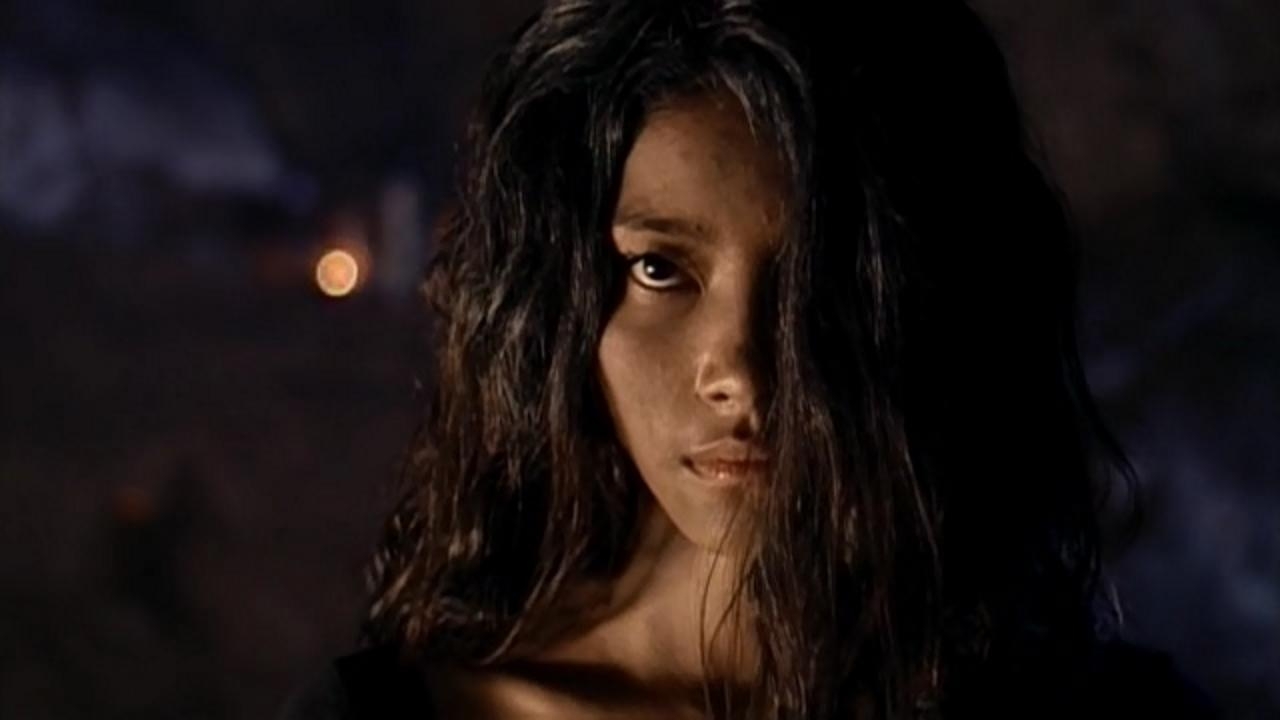
Horror, romantic, by Hunt Hoe, Canada, 2006.
Gus is a charming man who works as a cook in an oriental restaurant in Montreal. His boss sends him to a remote island in Thailand to meet a master of Zen cuisine and improve the quality of his dishes. There he meets a mysterious woman named Lake who lives in a cave and informs him that the Zen cooking master is dead. Gus goes to live in the cave and begins a love affair with Lake. But the cook's psychological balance rapidly worsens, including hallucinations, alcohol and malaise. Lake doesn't want Gus to leave, but Gus feels that he needs to escape the island and that his life is in danger.
First Bite is a very original Canadian independent film that crosses different film genres in its narration, suddenly passing from romanticism to suspense to horror. Direction and editing that is never banal, supported by shots with wide-angle lenses that increase the tension and by a cast of actors in excellent shape that offer very intense and realistic interpretations. Between mysticism, black magic, love stories and tropical islands, Primo bite is the odyssey of a man who remains prisoner in a trap from which he can no longer escape, lost between passions and exotic foods. An escape from evil energies in search of spiritual meanings set between wild nature and metropolis.
LANGUAGE: English
SUBTITLES: Spanish. French, German, Portuguese
🌑 What shade of Terror are you looking for?
Fear cinema is a vast and complex universe that goes far beyond a single monster or a single curse. From refined psychological atmospheres to visceral violence, every subgenre strikes different chords of the unconscious. To help you find the perfect movie for your sleepless night, we have selected our essential guides exploring every face of the cinematic nightmare.
Cult Horror & The Occult
The figure of the witch is central to the history of “cursed” cinema. From Suspiria to The Blair Witch Project, there are films that redefined how we imagine black magic, turning old legends into pop icons. If you want to discover the milestones that blended esotericism with fear, this is the essential list.
👉 GO TO THE LIST: Cult Horror Movies
Gothic Cinema
Witches don’t just live in the woods, but also in crumbling castles and foggy crypts. The Gothic genre is the natural habitat of romantic and decadent witchcraft, where curses are often linked to blood, eternal love, and death. Here you will find films where atmosphere matters more than the scare.
👉 GO TO THE LIST: Gothic Movies
Folk Horror & Pagan Rites
The witch is the priestess of nature. Folk Horror explores the ancient and rural side of magic: isolated cults, sacrifices in cornfields, and forgotten deities. If you are fascinated by horror born from the earth and peasant traditions (like in The Wicker Man or Midsommar), this is your genre.
👉 GO TO THE LIST: Folk Horror Movies
Italian Horror Movies
Italy has a very strong esoteric tradition. Our masters, from Mario Bava to Dario Argento, painted witchcraft with bright colors and a baroque cruelty unique in the world. The “Three Mothers” and old provincial sorceresses are the protagonists of a visceral cinema that set the standard.
👉 GO TO THE LIST: Italian Horror Movies
The Best Witch Movies of all Time
For centuries, the figure of the witch has embodied society’s deepest fears: uncontrolled female power, the bond with nature, and the dark. Before CGI, cinema told of witchcraft through gothic atmospheres, historical reconstructions of trials, and unsettling folklore. In this section, we travel to the roots of the myth: from Scandinavian silent masterpieces to the psychedelic Technicolor of the 70s, here are the works that defined the iconography of black magic forever.
The Undead (1957)

A woman is put into a psychic trance and sent back in time directly into the body of one of her medieval ancestors, who is doomed to die as a witch. She runs away from a real witch named Livia (Allison Hayes), who works with the devil. There is also another witch, a rogue who helps Livia, and one of the psychics who travels back in time with her. Produced and directed by Roger Corman, this is an unusual and funny B movie that is a mix of horror: violence, reincarnation, time travel, comedy, and fun.
There are funny scenes with the witch and the leprechaun turning into animals, especially a pair of grotesque-looking bats. Even the undertaker is amusing with his witty rhymes and arguments, such as when he calls the graveyard his “meat farm.” The devil is great, with his constant laughter and a huge pitchfork. On Saturdays, he summons a trio of dead girls to go up to the grave and dance. The film is particularly notable for the appearance of actress Hayes in her very skintight dress.
Hayes was a B-movie starlet of the 1950s, mostly due to her appearance in Attack of the 50-Foot Woman. The film was shot in six days on a budget of $70,000, in an old supermarket. It is also notable for featuring a female antagonist and a female lead, with the main male character playing a weak and vulnerable role. The film has a cult following among fans of horror films, drive-ins, and small-budget independent films. If you like this genre, you have to check it out.
Black Sunday (1960)

In 1630 Moldavia, witches Asa Vajda (Barbara Steele) and Javuto are sentenced to death by Asa’s brother and the Inquisition. They are tortured, branded with the letter “S” of Satan, and have an iron mask nailed to their faces. Two hundred years later, they return from the realm of the dead when a group of medical professionals discovers the burial site and accidentally damages the cross and glass panel. One of the medical professionals cuts himself on the glass, and his blood revives the witch. She summons Javuto with the plan of draining the blood of her kinswoman, Princess Katia (also played by Steele), to gain eternal life.
This is a gothic horror created in Italy which is regarded as one of the outstanding works of art of the horror. It makes use of a mix of atmosphere, sound, gore and its environments from gothic movie. Reminiscent of excellent 1930s black and white horror films like Dracula, and the Hammer horror films that inspired it. It is notable for being the directorial launch of Mario Bava and actress Barbara Steele, both of whom are mostly associated with the horror style. Bava would later direct notable films Black Sabbath, The Body and the Whip, Blood and Black Lace, Kill Baby, Kill, A Bay of Blood, Lisa and the Devil.
Steele became recognized for her striking charm, big eyes, and dark hair, appearing in numerous horror films such as Pit and the Pendulum, The Horrible Dr. Hichcock, The Ghost, Castle of Blood, An Angel for Satan, and The Curse of the Crimson Altar. Steele succeeds in her portrayal of conflicting personalities, effortlessly transitioning from innocent princess to wicked witch.
There are many notable scenes, including the opening where the witch is tortured and killed. There are excellent close-up shots of the iron mask and the nails inside it, as it cuts back to shots of the witch as the mask approaches her. Then there’s a scene where they hammer the mask onto her face, and blood oozes out. There are also a series of impressive scenes where the mask is removed, and scorpions emerge from her hollow eyes, followed by a series of scenes showcasing her regeneration.
Halloween
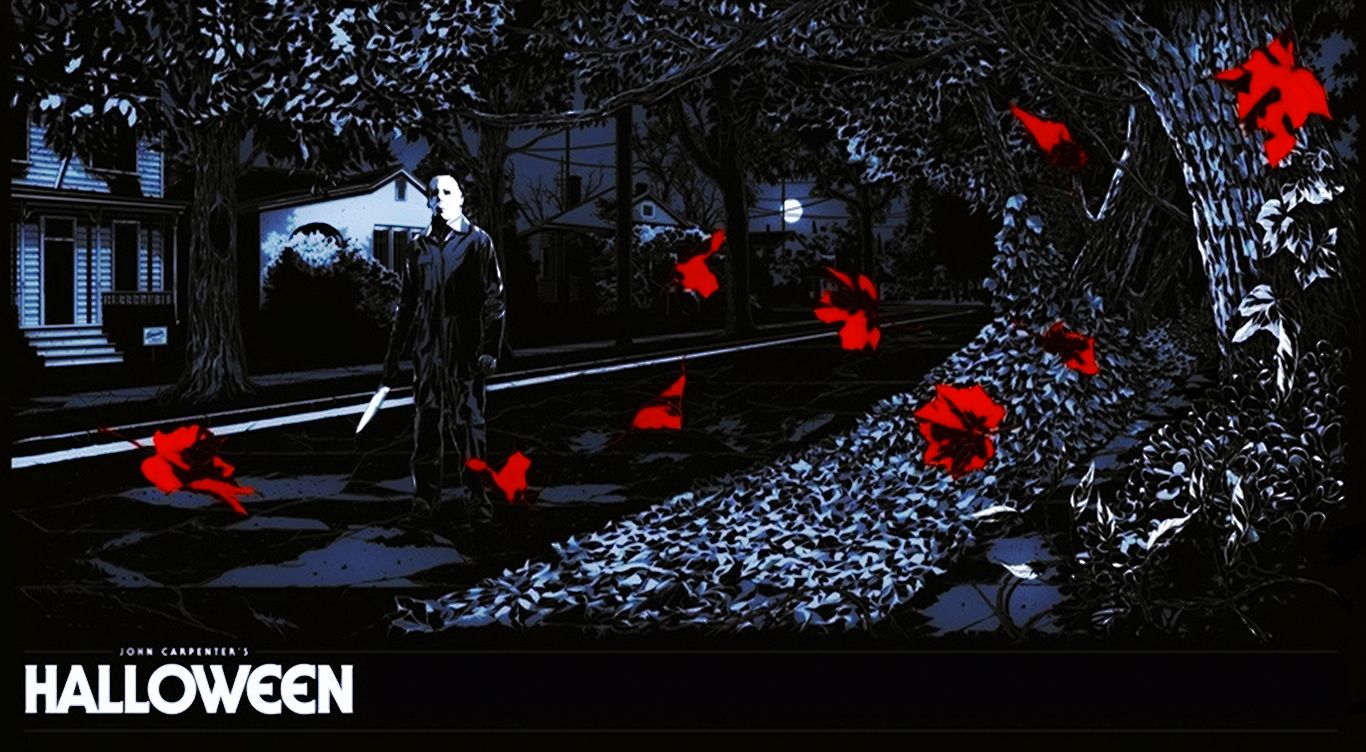
Horror, by John Carpenter, United States, 1978.
An independent film shot on a very small budget, it grossed over $ 80 million worldwide at the time. It is the most successful slasher movie and one of the 5 most profitable films in the history of cinema, which has become a cult with countless sequels and reboots. Carpenter describes the remote American province in an extraordinary way and raises the tension for over an hour, without anything happening, with a linear and effective direction, and with hypnotic music created by himself. A brilliant director who manages, with a few simple elements and a small production, to create a horror destined to remain in the worldwide cinematic imagination.
LANGUAGE: English
SUBTITLES: Spanish, French, German, Portuguese
The Terror (1963)

Lieutenant Duvalier (Jack Nicholson), a French soldier, loses contact with his unit and is forced to wander alone near the Baltic Sea. While searching for his regiment, he spots Helene (Sandra Knight), a mysterious beauty, walking alone. Spellbound, Duvalier begins following her, but she vanishes. He later catches up with her and follows her to a castle, where he meets the bizarre Baron Von Leppe (Boris Karloff), finds signs of witchcraft, and learns the shocking truth about Helene.
Horror movie by Roger Corman from 1963, featuring Jack Nicholson’s first starring role. Beneath the surface of a genre film lies an interesting exploration of occult themes related to witchcraft, such as the ability to take control of people’s physical bodies through the etheric body and other invisible bodies. The phenomenon of mesmerism is also mentioned, a term derived from the name of its inventor, the German doctor Franz Anton Mesmer, who lived in the eighteenth century.
Kwaidan (1964)

Kwaidan” is a 1964 Japanese film masterfully directed by Masaki Kobayashi, celebrated for its distinct and awe-inspiring contribution to cinema. The film is an adaptation of four short stories penned by Lafcadio Hearn, a renowned author known for his intriguing Japanese ghost stories. Each segment of this anthology delves into the eerie and supernatural realm, showcasing Kobayashi’s skillful direction and profound understanding of Hearn’s haunting narratives. Through vivid cinematography and haunting sound design, “Kwaidan” stands as a testament to the captivating storytelling traditions of Japan, embracing the mysterious and otherworldly elements that characterize Hearn’s tales. The film not only entertains but also immerses viewers in the rich tapestry of Japanese folklore, offering a visual and emotional journey into the supernatural.
The film consists of four unique episodes, each unfolding in a separate time and location, yet all unified by a central theme: narratives of ghosts and witchcraft. The first episode transports viewers to a haunting medieval village where the spirit of a long-deceased resident returns with an eerie message. The second episode journeys to a mist-shrouded Victorian manor, inhabited by the restless ghost of a forlorn governess. In the third episode, the audience is drawn into the mysterious depths of a dense forest in ancient times, where witches gather under the moonlight for secret ceremonies. The final episode is set in a modern cityscape, where an unexpected encounter with a spectral figure disrupts the routine life of a young artist. Each segment unfolds in a richly poetic and visually captivating manner, immersing viewers in a fantastical and dreamlike realm.
The film garnered widespread acclaim due to its unique and innovative approach to the horror fiction genre. Kwaidan” has ascended to the status of an icon within Japanese cinema, achieving international renown and securing numerous awards and honors across multiple prestigious film festivals. Esteemed for its artistic excellence, it stands as a remarkable work that captivates both aficionados of auteur filmmaking and those who find a special allure in the mystical world of Japanese ghost stories and folklore. Its distinctive style and narrative depth contribute to its lasting legacy, appealing deeply to audiences who seek a fusion of creative vision and cultural tradition.
Viy (1967)

A young Orthodox seminarist, Khoma, gets lost in the Ukrainian steppe and ends up in the barn of an old witch who rides him flying through the sky. After beating her to death, she transforms into a beautiful girl. Khoma is then summoned by a rich merchant to watch over his dead daughter’s body for three nights in an old wooden church. In Viy, the boy discovers the dead girl is the witch, who awakens every night to attack him, summoning demons, spirits, and finally the Viy, the king of gnomes with stone eyes.
The first and only horror film officially produced in the Soviet Union, this is a dark fairy tale based on Gogol’s story. It is a masterpiece of practical, artisanal special effects: flying coffins, grotesque creatures, and gothic sets that look like they came out of a storybook. The atmosphere is suspended between peasant folklore and surrealist nightmare. An essential classic for lovers of Slavic witchcraft roots.
The Conqueror Worm (1968)
![The Conqueror Worm (1968) ORIGINAL TRAILER [HD 1080p]](https://blog.indiecinema.co/wp-content/plugins/wp-youtube-lyte/lyteCache.php?origThumbUrl=https%3A%2F%2Fi.ytimg.com%2Fvi%2F5tvvbAyWUyc%2F0.jpg)
In 1645, England finds itself entrenched in a tumultuous civil war, a period characterized by pervasive social and political upheavals that ripple through the fabric of society. Amidst this chaos, local towns are plunged into strife and uncertainty. As the established social order crumbles, opportunistic men emerge, eager to capitalize on the prevailing turmoil. These individuals, driven by ambition and the desire for control, manipulate the pervasive superstitions surrounding witchcraft to their advantage. By playing on the fears and gullibility of the populace, they manage to consolidate power, further exacerbating the already volatile social landscape. This exploitation of witchcraft fears not only disrupts communities but also deepens the divides, sowing suspicion and mistrust among the townsfolk, as traditional structures are continually tested by the relentless tide of war and change.
Among these individuals, there is one notorious figure known as the witch hunter Matthew Hopkins, portrayed by Vincent Price. Hopkins travels through the small villages scattered across the countryside, exploiting the confessions of supposed witches for his own dastardly purposes. His exploitation knows no bounds as he manipulates his authority to seek illicit gains, engaging in coercive sexual acts and amassing wealth through deception. In a particularly heinous act, Hopkins persecutes a pastor, subjecting him to abuse before ultimately having him hanged. Devastated by this brutal injustice, the pastor’s niece finds herself entwined with a young man, her suitor, who is driven by a vow of vengeance. He passionately pledges that he will not rest until he hunts down Matthew Hopkins and avenges the cruel fate that befell the pastor, by taking the witch hunter’s life.
Price recounted that every actor on the set faced significant challenges due to the director, Michael Reeves, who struggled to effectively communicate with them. This communication barrier created a tense and complex environment during production. The title of the film underwent a change for its release in the American market, becoming The Conqueror Worm. This alteration was strategically made to align with Price’s other projects related to Edgar Allen Poe, thereby capitalizing on the popularity of these works. Ultimately, the film’s release in America was met with moderate commercial success, grossing approximately $1,500,000.
Haxan
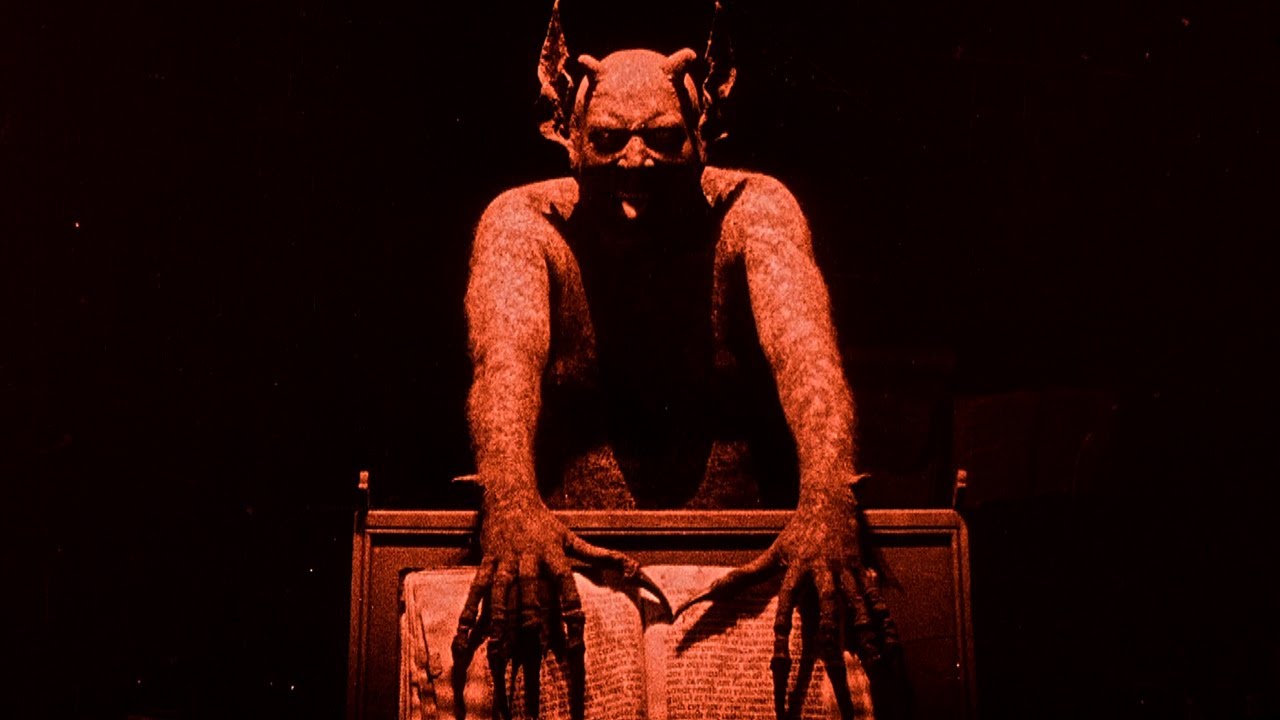
Documentary, by Benjamin Christensen, Sweden, 1922.
Desecration of tombs, torture, demon-possessed nuns and witches' sabbath: Haxan, Witchcraft Through the Ages is an incredibly original and unconventional film that has become legendary over time. Between documentary and dramatic fiction, the film guides us through the scientific hypothesis that the witches of the Middle Ages suffered from the same ills as the mentally ill of the modern era. A frightening and at the same time humorous gothic horror, with the creation of documentary and non-fiction sequences that anticipate the innovations of the Nouvelle Vague. Something absolutely unique in the history of cinema.
Food for thought
In Sanskrit Devil and Divine come from the same root, dev. Madness is the dark side of man and it is as natural as the bright side. When you are able to tell a madman that not only is he mad but that you are too, a bridge is immediately created, and it is possible to help him. The nature of life is neither logical nor rational. Life is illogical, wild and contradictory.
LANGUAGE: English, Swedish
SUBTITLES: Spanish, French, German, Portuguese
Rosemary’s Baby (1968)

Rosemary Woodhouse and her husband Guy, a struggling actor, move into the Bramford, an old New York building with a sinister reputation. After Guy makes a secret pact with their neighbors, an eccentric elderly couple, his career suddenly takes off, and Rosemary becomes pregnant under violent, dreamlike circumstances. In Rosemary’s Baby, the pregnancy turns into an ordeal of physical pain and paranoia: Rosemary becomes convinced the neighbors are a coven of witches wanting her baby for a Satanic rite, but no one believes her.
Roman Polanski directs the definitive masterpiece of urban occultism. There are no gothic castles, but a modern apartment where evil hides behind the banality of everyday life. Mia Farrow offers an iconic performance of fragility and manipulation. The film is an agonizing metaphor for the loss of bodily autonomy and patriarchy (the husband “selling” his wife for a career), culminating in a hopeless finale that changed horror history.
The Wicker Man (1973)

The Wicker Man” is a classic 1973 British film that was skillfully directed by Robin Hardy and penned by the talented writer Anthony Shaffer. This movie stands out as an exemplary representation of a cult film and has achieved a revered status among film enthusiasts over the decades.
The central character in the film is Police Sergeant Neil Howie, portrayed by the talented Edward Woodward. He is dispatched to the secluded Scottish isle of Summerisle to delve into the mysterious case of a missing young girl, Rowan Morrison. As Sergeant Howie sets foot on the island, he encounters an eccentric and insular society, which operates under the charismatic yet enigmatic leadership of Lord Summerisle, depicted by the illustrious Christopher Lee. Within this peculiar setting, Howie must navigate the community’s unusual customs and beliefs, unraveling the mystery that intertwines their seemingly archaic traditions with the vanishing of young Rowan. As he digs deeper, the island’s strange lifestyle and rituals unveil a challenge both professionally and personally, leading to unexpected revelations and a confrontation with the island’s way of life that tests his own convictions and beliefs.
As Howie delves deeper into his ongoing investigations, he stumbles upon an increasing array of peculiarities and has numerous unsettling encounters with the island’s inhabitants. Each individual he meets appears to be deeply and secretly entangled in the workings of a clandestine pagan cult. With every step he takes, the atmosphere grows increasingly sinister. As Howie edges closer to uncovering the truth, he begins to suspect that the missing girl’s vanishing is intricately linked to a malevolent ritual of darkness. This ritual seems to center around the ominous figure of a colossal wicker man, hinting at a horrifying culmination of hidden intentions and ancient practices.
Belladonna of Sadness (1973)
![Belladonna of Sadness (1973) ORIGINAL TRAILER [HD]](https://blog.indiecinema.co/wp-content/plugins/wp-youtube-lyte/lyteCache.php?origThumbUrl=https%3A%2F%2Fi.ytimg.com%2Fvi%2FuPzaIN23l4s%2F0.jpg)
In medieval France, young and beautiful Jeanne is raped by the local feudal lord on her wedding night. Ostracized and desperate, she makes a pact with a phallic-shaped devil appearing in her dreams. In Belladonna of Sadness, the demon grants her immense sexual and magical power, transforming her into a powerful witch leading a peasant revolt, until she is captured and burned at the stake, becoming the symbol of the French Revolution.
Produced by Osamu Tezuka’s Mushi Production, this Japanese anime is an erotic and psychedelic work of art forgotten for decades. Animated with static watercolors and styles reminiscent of Klimt and Art Nouveau, it is a radical feminist manifesto and visually stunning. It is not a cartoon: it is an acid trip on sexual violence, witchcraft as emancipation, and history.
Suspiria (1977)

From the hypnotic opening sequence, following Suzy Bannion’s arrival by taxi through a forest in a torrential downpour, Suspiria immediately drags the viewer into a Brothers Grimm-style macabre fairy tale, where rational logic gives way to pure sensory suggestion. The combined assault of Goblin’s tribal and baroque score and Luciano Tovoli’s phantasmagorical cinematography creates a hermetic universe where reality is suspended. Argento and Tovoli specifically recovered old Technicolor stocks and used avant-garde lighting strategies to achieve saturated and unnatural chromatic effects, explicitly inspired by Disney’s classic Snow White, transforming red, yellow, green, and blue into living, pulsating, and menacing elements.
In this visual nightmare, colors are not mere decoration but end up being the true “monster” of the film, a clear indication that the supernatural permeates every corner of the academy’s Art Nouveau architecture. Every neon light and velvet texture seems to hide a threat beyond human comprehension. Significantly, this path of visual excess culminates in a paradox at the finale: when Suzy finally comes face to face with the film’s supreme antagonist, the powerful witch Helena Markos, she is not perceived visually. Mater Suspiriorum is an invisible entity, forcing the heroine to rely on other senses to strike at an evil that was hiding right behind the dazzling beauty of the surface.
The Witches of Mount Sciliar
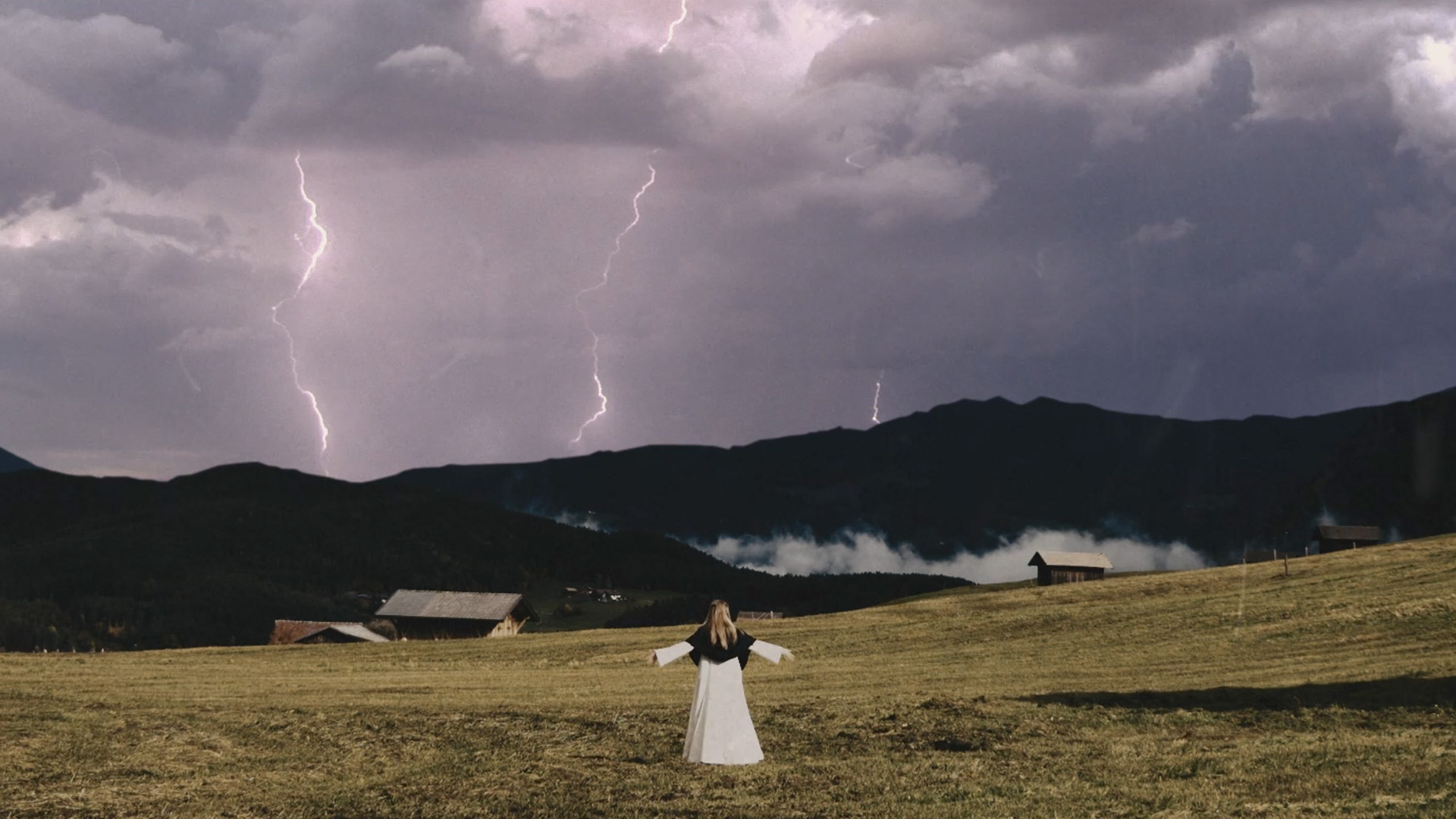
Docufiction, by Andrea Dalfino, 2022, Italy.
The Witches of Scillar is a documentary that delves deeply into the trials that took place in Alto Adige, in Castel Presule and surrounding areas at the beginning of the 16th century, following which more than 10 were condemned to the stake on charges of witchcraft, becoming the real and precursors of the infamous Witch Hunt. Starting from the analysis of the historical context and intertwining local legends with actual events and analyzing the locations of the events with the help and guidance of experts, this film offers a new historical perspective on what happened, culminating with the exposition of what remains of the witches in South Tyrol today and how the crimes of the inquisition are judged in retrospect today.
Alto Adige is a land full of mystery, where history and legend are intertwined, with its magical and fascinating scenarios that push the mind and imagination to wander, investigate, discover. Here is the Sciliar, a suggestive mountain massif located in the natural park of the same name against the backdrop of the Dolomites, and no other mountain is so full of myths and legends as this one, on which it is said that fairy creatures and spirits of all sorts live , and in the Middle Ages it was held up as a meeting place for witches and devils. Here, during the time of the Inquisition, 10 women accused of witchcraft were tried and killed. Director Andrea Dalfino made the documentary The Witches of the Sciliar, enriching the film with fictional scenes that retrace the intricate events of the Fiè trial.
LANGUAGE: Italian
SUBTITLES: English, Spanish, French, German, Portuguese
The Craft (1996)

Sarah, a girl with latent telekinetic powers and a troubled past, moves to Los Angeles and is welcomed by a trio of Catholic school outcasts who practice witchcraft. With Sarah’s arrival, their circle is complete, and their powers become real and immense. Initially, they use magic for revenge on bullies and self-improvement, but in The Craft, the group’s leader, Nancy, becomes power-hungry and starts abusing black magic, turning the game into a deadly war between friends.
This is the quintessential generational cult movie of the 90s. It mainstreamed goth aesthetics and Wiccan witchcraft. Beneath the teen gloss, it is a dark film about female power dynamics, bullying, and mental health. Fairuza Balk, as the psychotic Nancy, delivers one of the most electric and scary performances of the decade.
Eve’s Bayou (1997)

In 1960s Louisiana, young Eve Batiste discovers her father’s infidelities—a charming doctor—and the dark secrets of her bourgeois family. Trying to make sense of the adult world that hurts her, she turns to her aunt Mozelle, a psychic who practices voodoo/hoodoo, and a local witch, Elzora. In Eve’s Bayou, what starts as a childish wish to punish her father turns into a real curse with tragic consequences, exploring the thin line between superstition and the power of will.
Kasi Lemmons’ debut is a masterpiece of Southern Gothic. Visually sumptuous and beautifully acted (Samuel L. Jackson, Jurnee Smollett), it treats magic not as a special effect, but as an integral part of the cultural and spiritual fabric of the African American community in the South. It is a film about memory (“memory is a selection of images, some true, others invented”) and the emotional consequences of domestic witchcraft.
The Blair Witch Project (1999)
![Blair Witch - Trailer italiano ufficiale [HD]](https://blog.indiecinema.co/wp-content/plugins/wp-youtube-lyte/lyteCache.php?origThumbUrl=https%3A%2F%2Fi.ytimg.com%2Fvi%2FMOW5u7x7MPM%2F0.jpg)
In October 1994, three film students disappear in the woods near Burkittsville, Maryland, while shooting a documentary about the local legend of the Blair Witch. A year later, their footage is found. The Blair Witch Project is the chronicle of their unraveling: what begins as a school project turns into a nightmare of disorientation, noises in the night, mysterious rock piles, and an invisible presence hunting them without ever showing itself, driving them to madness.
This film changed the history of marketing and horror, launching the global Found Footage phenomenon. Costing very little and sold as a “true story” thanks to a pioneering viral internet campaign, it terrified the world by banking on the primal fear of the unknown. The witch is never seen, but her presence is everywhere. A perfect example of how suggestion can be more powerful than any CGI monster.
The Lords of Salem (2012)

Heidi, a radio DJ in Salem, Massachusetts (and a recovering drug addict), receives a wooden box containing a vinyl record from an unknown band called “The Lords.” When she plays the record, the hypnotic music triggers bizarre visions in her and awakens the women of the town. In The Lords of Salem, Heidi discovers she is the descendant of a coven of witches burned in 1696, who are returning to perform a ritual for the birth of the Antichrist through her, using music as a mass spell.
Rob Zombie abandons redneck splatter for an atmospheric, slow, and surrealist horror paying homage to Polanski, Kubrick, and Ken Russell. Visually baroque and psychedelic, the film divides audiences but fascinates with its sacrilegious aesthetic and how it blends the real history of Salem with a neon nightmare. Sheri Moon Zombie delivers her most fragile and intense performance in a film that is a malignant work of visual art.
The Witches Are Back (2014)

What Shaun of the Dead achieved in redefining the cinematic portrayal of zombies and what What We Do in the Shadows executed in bringing a fresh, comedic take to vampires, Witching & Bitching attempted to mirror for the depiction of witches in film, even though it didn’t quite reach the same level of prominence. In comparing the two movies, it’s Edgar Wright’s creation that resonates more authentically and effectively captures the essence of its supernatural theme than Alex de la Iglesia’s Witching & Bitching. This film primarily unfolds as a heist story that unexpectedly veers into the bizarre realm of cannibalistic witches, infused with layers of ridiculous and farcical humor.
Filled with outstanding performances from its talented Spanish cast, this film offers an unexpected mix of humor and horror, delivering scenes rich in blood-curdling gore. The combination of wit and chilling horror keeps audiences both entertained and on edge, challenging typical genre expectations. Although the witches portrayed may not seem entirely serious at first glance, their menacing presence lingers, underlined by their unsettling actions which include the potential for them to bind you to a spit and roast you alive. The movie crafts a unique atmosphere where the comedic elements do not detract from the horrific, ensuring an engaging experience that satisfies fans of both genres.
The Witch (2015)

From the very beginning, The Witch immerses us in an unforgiving and inhospitable territory. We are compelled to reflect, as contemplation is our only option, on the staunch insistence of Puritan patriarch William, portrayed by Ralph Ineson, who resolutely proposes exiling his family from their established area in “New England.” Their carriage consistently faces difficulties as it traverses the barren landscape, drawing closer to the edges of the New World, right at the threshold of an uncharted and dense forest. It is the year 1620, and William declares with unwavering conviction, “We will rule this wilderness.” As viewers, we are thrust into this uncertain journey, pondering the challenges that await in this vast and wild expanse.
Eggers’ “The Witch – A New England Folk Tale” is a terrifying and engrossing film that adeptly captures the mystique and allure of the unknown. It would indeed be a gross understatement to merely suggest that it bears a resemblance to the Salem witch trials, given that these infamous events transpire nearly 70 years after the period depicted in the film. The ominous implications and unpredictable consequences of these historic trials loom menacingly over “The Witch,” casting a haunting shadow throughout the narrative. Eggers expertly crafts tension in every scene, skillfully avoiding conventional special effects or gratuitous gore, and instead, he employs masterful editing to weave a suspenseful atmosphere. This clever technique results in a feverishly intricate web of desire and unease, where elemental instincts like lust, defiance, yearning, and greed simmer just beneath the surface of human experience, subtly influencing actions yet never fully subdued or controlled.
The Love Witch (2016)

The beautiful and charming Elaine, a young modern-day witch, moves to a picturesque California town after the mysterious death of her ex-husband. Determined to find the perfect man, she uses spells and love potions to seduce a series of men. Her spells, however, work all too well, unleashing in them an adoration so all-consuming and pathetic that it proves lethal, leaving a trail of broken hearts and corpses in her wake.9
Anna Biller’s film is a unique work, a scathing feminist critique disguised as an impeccable aesthetic reconstruction of 1960s Technicolor thrillers.11 This stylistic choice is not a nostalgic whim but a weapon. Biller immerses the viewer in a visually sumptuous and familiar world only to dismantle its misogynistic foundations from within.11 The director’s hands-on approach—personally handling writing, directing, editing, production design, and costumes—is a political statement in itself: an act of total female authorial control in a male-dominated industry.12
The Love Witch brilliantly subverts the theory of the “male gaze.” 11 Although Elaine presents herself as the ultimate object of desire, the film is shot entirely from her point of view. The men are not protagonists but passive objects of her desire, weak and narcissistic figures who are literally destroyed by the power of the female emotions they are unable to handle.12 When confronted with the all-consuming love Elaine demands, they crumble.
A Dark Song (2016)

Shattered by grief over the loss of her young son, Sophia rents an isolated house in the Welsh countryside and hires Joseph Solomon, a cynical and world-weary occultist. Her goal is to perform an exhausting and dangerous black magic ritual that is supposed to last for months in order to contact her guardian angel. However, she hides her true, dark intention from Solomon: she seeks not comfort, but revenge against her son’s murderers.
A Dark Song is a work that transcends the boundaries of the horror genre, transforming an occult ritual into a powerful and heartbreaking metaphor for the grieving process. Director Liam Gavin uses the complex and historically accurate Abramelin ceremonial magic not for spectacle, but to map a psychological journey. Each phase of the ritual—forced isolation, physical purification, extreme deprivation, and confrontation with demonic entities—corresponds perfectly to the stages of grief: denial, anger, bargaining, and depression.17
Unlike many films about the occult, here magic is not an easy trick but an exhausting, methodical, and psychologically devastating labor. This realistic approach makes Sophia’s journey incredibly believable, leaving the viewer in constant doubt: is what’s happening supernatural, or the result of a psychological breakdown induced by trauma and isolation? Solomon acts less like a magician and more like a brutal therapist, forcing Sophia to confront her inner demons.
Hagazussa (2017)

Hagazussa” is a 2017 Austrian arthouse film, written and directed by Lukas Feigelfeld. This film is known for being a striking and visually powerful work that explores themes of witchcraft, isolation, and paranoia. The film is set in the 15th century in the Austrian Alps. It follows the story of Albrun, a young woman who has lived on the margins of society, outcast from the community due to rumors surrounding her deceased mother, who is also thought to have been a witch. Albrun lives in a secluded cabin and earns her living by gathering herbs in the forest. As the film progresses, Albrun’s life becomes increasingly dark and disturbing. She suffers from isolation, superstitions, and hallucinatory visions. Furthermore, when she experiences abuse and discrimination from the local population, her psyche is severely affected, leading her to sink deeper and deeper into madness.
Hagazussa” is a film that emphasizes atmosphere and a feeling of oppression rather than a linear narrative. Directed by Lukas Feigelfeld, it is characterized by long shots and a masterful use of photography, which captures the disturbing beauty of the Alps and helps to create a sense of claustrophobia and growing emotional discomfort. This arthouse film is appreciated by lovers of experimental cinema and psychological horror, as it offers a dark and enveloping vision of witchcraft and the fears that afflict its main character. It is a work that spares no effort in showing the darkness and cruelty of human nature, and for this reason, it has earned acclaim among critics and moviegoers who seek unusual and intense cinematic experiences.
Suspiria (2018)

During a period marked by terrorist attacks known as the German Autumn, an American dancer named Susie Bannion makes a pivotal move to Berlin with aspirations of joining a well-regarded ballet company renowned for its excellence. Amidst this backdrop of unrest, one of the dedicated pupils, Patricia Hingle, mysteriously vanishes after purportedly aligning with the infamous Baader-Meinhof terrorist group. However, the reality behind her disappearance unfolds as she confides in her psychotherapist, Dr. Josef Klemperer. Patricia claims she uncovered unnerving secrets about the ballet school—that it conceals a coven of witches led by a formidable figure called Helena Markos. In her startling revelations, Patricia asserts that Helena proclaims herself as the embodiment of one of the three ancient and malevolent deities, ominously known as the Three Mothers. Specifically, Helena is believed to represent the formidable and enigmatic Mother of Sighs. This claim casts a shadow over the institution, adding an air of dark mystique to the school’s prestigious reputation as a safe haven for artistic expression amidst the chaos of the times.
An experimental film crafted by a prominent production company and helmed by the talented director Luca Guadagnino, this cinematic creation stands as a remarkable piece that transcends the traditional boundaries and norms of standard cinematic expression seen in contemporary times. From the very first scenes, the film grips the audience with its truly terrifying atmosphere. As the narrative unfolds, viewers are drawn deeper into a mysterious plot that slowly unveils the dark secrets and hidden society of witches lurking behind the façade of a seemingly ordinary dance academy. The intricate storytelling weaves a compelling tension that keeps the audience on edge, revealing layer upon layer of the eerie and enigmatic world that lies beneath.
The conclusion of the film, which some might perceive as over-the-top, is a quintessential example from the annals of cinema history. It exemplifies a shrewd artistic decision that astonishes and fundamentally transforms the narrative style to depict the horror with unflinching transparency. Despite being relatively recent, this film is destined, as time progresses, to be wholeheartedly embraced as one of the essential must-see movies and a venerable masterpiece.
You Won’t Be Alone (2022)

In an isolated 19th-century Macedonian village, a newborn baby is kidnapped and transformed into a witch by a disfigured ancient spirit. Raised in total isolation and unable to speak, the young witch, Nevena, is a wild and curious creature. Abandoned by her witch “mother,” she begins to explore the human world by assuming the identities of her victims, living their lives in a poetic and brutal journey to discover what it means to be human.19
Goran Stolevski’s debut feature is a work of heartbreaking beauty, closer to a Terrence Malick visual poem than a traditional horror film. It uses the figure of the shapeshifting witch as an existential “tabula rasa.” Nevena, having never known society, experiences life without preconceptions. Each new form she takes—a peasant woman, a man, a child, even a dog—is an opportunity for her, and for us, to observe the cruelty and beauty of existence from a radically different perspective.
The film’s contemplative style, with its lyrical cinematography capturing the Macedonian landscape and narration driven by Nevena’s inner whispers, creates a unique atmosphere. Horror is present, embodied by the tragic and terrifying figure of the old witch, Maria, and by sudden bursts of violence, but it always serves a deeper meditation on empathy, suffering, and the desperate search for connection.
Nevena’s power becomes a potent tool for analyzing gender dynamics. When she lives in a man’s body, she experiences a freedom and autonomy that were denied to her as a woman, highlighting how identity is shaped by the constraints of the body we inhabit.20 The film redefines the concept of a “curse.” Nevena’s transformation, initially an act of violence, reveals itself to be a paradoxical gift: the capacity for radical empathy. By literally living “in the skin” of others, she transcends loneliness and achieves a deeper understanding of the human experience than anyone else.
Insight
From a young age, we become accustomed to viewing films centered around witches and witchcraft as frightening stories imbued with terror, specifically crafted by directors and writers to engage our imaginations and challenge our inner fears. These films often serve as vessels that stimulate our desire to understand and confront what scares us most. However, when delving deeper into the rich tapestry of these themes, we uncover an array of astonishing and unbelievable aspects of human history that often go unnoticed. At the core of many witch-themed films lies the enduring phenomenon of witchcraft, a practice steeped in antiquity that stretches back through the ages, its origins dissolving into the mists of time. What we often perceive as mere fantasy or fiction in these narratives is, in fact, rooted in a historical tradition that has evolved and adapted, reflecting centuries of cultural, social, and religious beliefs that have shaped our understanding of the mystical and the mysterious.
The Character of the Witch

A witch is often depicted as a woman who devotes herself to the mystical and magical arts, typically possessing arcane powers and a keen interest in wielding her influence through the practices of black magic. Yet, it’s essential to understand that the term ‘witch’ doesn’t invariably carry a negative connotation. In the context of pagan traditions, the label ‘witch’ merely identified individuals who had the ability to use potions, herbs, and crystals, alongside a wealth of esoteric knowledge. Such individuals were regarded not just for their magical prowess but for their connection to nature and the ancient wisdom embedded in its elements, demonstrating skills in creating remedies, casting spells, and exploring the mysteries of the universe through a deep understanding of the mystical sciences. They were often seen as wise advisers and healers, utilizing their talents for the benefit of their communities, embodying a bridge between the physical and spiritual worlds.
One of the most commonly held beliefs about witches is that they collaborate with the devil to disseminate malevolence among humankind. This notion, along with the associated beliefs, has been utilized throughout history as a means to find and persecute scapegoats, particularly those who are mentally unstable, marginalized by society, suffering illnesses in their advanced age, or those who possess unconventional or unattractive appearances. These scapegoats, often vulnerable and powerless, become targets for blame and persecution, their individuality overshadowed by irrational fears and superstitions. Despite their differences, these individuals are unfairly grouped together under the label of witchcraft, facing accusations and punishments based not on their actions but on the pervasive societal anxieties of their time. The witch hunts, driven by such doctrines, serve as dark reminders of how these misconceptions about witches have been historically manipulated to justify acts of discrimination and violence against the innocent.
For centuries, the church has engaged in the practice of witch hunts, targeting and pursuing individuals whom they deem fragile or those whose beliefs and lifestyles do not align with their religious ideologies. These individuals were accused of consorting or conspiring with the devil, Satan, facing persecution based on these allegations. This pattern of behavior demonstrates the church’s historical tendency to cast suspicion and direct hostility towards those perceived as threats to their religious doctrines, often resulting in severe consequences for the accused. Similarly, in contemporary times, Islamic fundamentalists persist in executing terrorist attacks on individuals they label as “Western sinners,” driven by a belief that such acts are justified by their interpretation of ideology. These fundamentalists view the lifestyles and values of the West as sinful or morally corrupt, prompting them to resort to violence as a means of enacting their version of divine justice. Both situations illustrate a recurring theme throughout history and into the present day: the use of ideology to justify acts of aggression and persecution against those considered as outsiders or opponents.
The Witches’ Sabbath
In ancient societies, particularly during the Middle Ages, individuals known as witches were often perceived as a significant menace. These women were seen as threats not only to the safety and well-being of the local populace but also to the prosperity and abundance of the agricultural lands upon which communities heavily depended. In those times, witchcraft was synonymous with peril, symbolizing a formidable danger that needed to be addressed. The centerpiece of this fear revolved around the event known as the witch sabbath. These gatherings, typically conducted deep within the recesses of dense forests, served as pagan celebrations dedicated to the veneration of malevolent forces, often referred to as the evil one. During these clandestine assemblies, it was believed that witches engaged in various rituals that enabled them to acquire mystical powers of a sinister nature. Such powers were considered perilous, posing a potential threat not just to individuals but to the entire community. Consequently, the presence and activities of witches during these festivals were matters of grave concern, fostering distrust and fear among the local inhabitants. Through the enactment of these sabbaths, witches were thought to gain extraordinary abilities that held the potential to cause harm to anyone who crossed their path.
Traces of these ceremonies have their roots in the era of Ancient Egypt and extend across thousands of years. Throughout history, regardless of the era or continent, the practice of black magic appears to remain widespread globally. This pervasive influence is deeply embedded in a variety of cultural narratives. For instance, classical Greek and Roman literature abounds with stories portraying witches as grotesque hybrid creatures that are part human, part beast. This archetype of the witch is likewise evident in the mythologies and religious texts of Mesopotamia, where these figures surface in local lore, as well as in ancient Judaism and the Bible, where similar entities find mention. Despite the passage of time, these legends continue to intrigue, underscoring the enduring fascination and fear surrounding the concept of witchcraft and its perceived supernatural powers.
In Italy, stories and legends concerning witchcraft are richly woven into the cultural fabric of the Aeolian Islands, a group of volcanic isles nestled off the scenic coast of Sicily. These enchanting islands have long been a backdrop for whispered tales and fears surrounding the supernatural. Beginning in the year 1200, a turning point emerged when the patriarch, drawing upon over a century of investigations by self-proclaimed theologians into demonology, decisively initiated the notorious witch hunts through an official decree. This marked the beginning of a dark era characterized by heightened paranoia and religious fervor against alleged practitioners of the occult. By the year 1275, this escalating fear reached a grim milestone with the first recorded execution by burning at the stake of a woman accused of engaging in black magic. This tragic event unfolded in the city of Toulouse, setting a grim precedent for the severe persecution of those suspected of witchcraft in the years that followed.
The Persecution of Witches
Throughout the centuries, an enormous number of women, numbering in the hundreds of thousands, faced horrific deaths by being burned at the stake across Europe. This brutal period reached its zenith during the 1400s, fueled heavily by the influential text known as the Malleus Maleficarum. Authored by a German friar and sanctioned by the Catholic Church, this manuscript became the quintessential tool for promoting the idea of witchcraft. It served as a powerful piece of propaganda, capable of swaying even those who previously rejected the notion of witches’ existence. By disseminating fear and suspicion, the Malleus Maleficarum played a pivotal role in the widespread persecution and extermination of countless women under accusations of witchery.
In the infamous text known as the Malleus Maleficarum, one can find highly detailed and exceptionally practical guidelines designed explicitly for identifying and apprehending individuals accused of witchcraft—a practice meticulously followed by inquisitors for many generations. These guidelines delve into comprehensive methods that were steadfastly observed by inquisitors who had been tasked with this formidable responsibility for hundreds of years. Central to their strategy was the use of torture, a brutal instrument wielded to forcefully extract admissions and confessions concerning the alleged engagement in sinister acts of black magic, primarily targeting women. These women, often innocent, were relentlessly pursued and interrogated under the grim suspicion of participating in malevolent sorcery. In the eyes of the general populace, who were heavily influenced by pervasive propaganda, witches were not only feared but regarded as a legitimate and insidious sect, threatening the fabric of society. This widespread belief was fueled by societal fears and ignorance, showcasing the powerful effect of misinformation and the historical persecution faced by those branded as witches.
One of the principal centers of European witchcraft was situated in Italy, specifically in Benevento, a place reputed to host satanic gatherings under the auspices of a grand walnut tree. These gatherings, commonly referred to as satanic sabbaths, were held with great regularity, occurring three times each week. However, the activities in Benevento were not limited to mere rituals performed in the secluded forest; they represented a more complex and organized sect of witches. The witches were structured with meticulous regulations and a distinct hierarchy, mirroring the ecclesiastical frameworks of Rome but dedicated to antithetical aims and motivations. This clandestine organization defied established norms, offering an inverted mirror of religious devotion. The grizzly climax of these dark times in Italy was marked by the final execution of a witch by burning at the stake, which occurred as late as 1828.
In Bulgakov’s literary masterpiece, “The Master and Margarita,” there is a particular ointment with the extraordinary ability to grant witches the power of flight. This mystical salve enables them to journey through the night sky, guiding them to the secret location where the grand Sabbath is destined to unfold. At this clandestine gathering, witches and other supernatural beings have the esteemed honor of participating in a bizarre ritual that includes kissing the very anus of Satan himself. This ritualistic act signifies their profound allegiance and is often followed by a series of hedonistic and frenzied festivities. These include wild and unrestrained sexual orgies, energetic and hypnotic dances, and the chilling and tragic offering of human sacrifices, often sadly involving the lives of innocent children. Such events capture the eerie atmosphere and dark themes that Bulgakov weaves into his narrative, reflecting the depths of supernatural lore and the extremes of gothic traditions.
Rational Explanations of Witchcraft
The essay by a Dutch physician, “De praestigiis daemonum,” published in 1563, stands out for being the first to propose a hypothesis linking witchcraft to mental illnesses of a hallucinatory nature. In this groundbreaking work, the author suggested that the accused witches, often women, might actually be suffering from severe mental illnesses or deep-seated frustrations. These women, misunderstood and stigmatized by society, were the usual targets of allegations of witchcraft. Despite this pioneering perspective, numerous priests and theologians in the subsequent centuries continued to author new essays and treatises that reinforced the prevailing belief in witchcraft. These writings contributed to the perpetuation of the dominant narrative concerning witchcraft, effectively overshadowing the insightful connections that could have shifted public understanding toward a more compassionate view of these afflicted individuals. As such, the initial insights offered by the 1563 essay remained largely unheeded as society clung to age-old fears and misconceptions.
Numerous prominent characteristics of witchcraft bear a resemblance to aspects found in modern spiritual movements like Wicca. These practices often do not possess the specific terminology associated with established major religions, and instead, they are directed towards universal spiritual entities, embodying traits commonly found in pagan traditions. Across the globe, New Age movements have gained widespread popularity, and today, they are embraced by millions of adherents. These spiritual currents emphasize personal growth and self-exploration, often through rituals and a connection with nature, mirroring the appeal of historical pagan beliefs. The emphasis on personal spirituality and the eschewing of hierarchical structures resonate with those seeking more personalized spiritual paths. This contemporary movement appeals to diverse individuals, unified by the pursuit of deeper spiritual understanding and connection. As these movements continue to spread, they influence not only individual lives but also the broader cultural perceptions of spirituality and religious expression, welcoming an era that celebrates diverse paths to spiritual enlightenment.
The most recent and astonishing instance of witch hunts can be seen in the persecution endured by the Indian spiritual leader Osho during the 1980s. Osho faced harassment due to the New Age commune he established in the arid lands of Oregon, within the United States. This spiritual community drew ire from Christian fundamentalists who labeled him the leader of a satanic sect. Despite a lack of definite charges, he was arrested and faced legal challenges that echoed old prejudices. This resulted in him leading a life marked by exile, where he traversed the globe in search of refuge. The ordeal took him across numerous nations, each successively denying him sanctuary, compelling him to navigate through a world that seemed to turn its back on him universally.
Does the witch hunt continue to persist in contemporary times? It is possible that it has merely transformed its designation, and that the modern-day witches and shamans bear no resemblance to those of the satanic sabbaths of old. Nevertheless, the technique of scapegoating appears to remain a prominent strategy utilized by those wielding significant power, whether in the political or spiritual realms. These authorities consistently direct their condemning fingers, aided by mass media, towards specific groups that they intend to vilify and metaphorically ‘burn at the stake.’ Through sensationalized stories and the amplification of fear, they craft narratives that demand public outrage and persecution, whether justifiable or not. This modern incarnation of the witch hunt reflects timeless mechanisms of control and social manipulation, illustrating humanity’s continuous struggle with power and fear throughout history.
A vision curated by a filmmaker, not an algorithm
In this video I explain our vision

