
In the vast tapestry of cinema, films that grapple with the meaning of life stand as luminous beacons, piercing the veil of our existential uncertainties. These works transcend mere entertainment, becoming profound meditations on mortality, purpose, and the human spirit’s unyielding quest for significance. From the stark existential voids of arthouse masterpieces to the resonant emotional arcs of festival darlings, they mirror our collective search, blending intimate personal revelations with universal truths that linger long after the credits roll.

This exploration bridges the chasm between major studio productions—those rare gems elevated by Cannes or Venice acclaim—and the raw, unfiltered visions of independent auteurs. Consider how a film like The Tree of Life weaves cosmic grandeur with domestic fragility, its Palme d’Or-winning poetry inviting us to ponder grace amid grief. Independent cinema, meanwhile, thrives in this terrain, unburdened by commercial constraints, allowing directors like Béla Tarr in The Turin Horse to distill life’s monotonous profundity into harrowing, hypnotic realism. Together, they enrich our understanding, proving that true artistic merit lies not in spectacle but in the courage to confront the void.
As cultural touchstones, these movies evolve aesthetically from silent-era philosophizing to today’s immersive digital tapestries, their impact rippling through festivals like Sundance and Berlin. They remind us that cinema’s power lies in its ability to affirm life’s ambiguities, stirring us toward more intentional existences while honoring the indie spirit’s vital role in keeping the form alive and audacious.
Selma (2014)

Selma (2014) transcends the biopic genre by probing the existential weight of moral purpose amid unrelenting violence and personal fracture, framing Martin Luther King Jr.’s Selma campaign as a profound meditation on life’s precarious meaning. Director Ava DuVernay masterfully juxtaposes intimate domestic turmoil—Coretta confronting FBI tapes of alleged infidelity—with the public spectacle of Bloody Sunday, where batons crack against flesh in visceral, slowed-down horror. This duality underscores how private dignity and public sacrifice collide, forcing King to stage his own drama not just for voting rights, but for affirming human worth against systemic erasure. David Oyelowo‘s portrayal captures King’s tactical genius and haunted introspection, revealing a man who learns from Albany’s failures to forge disciplined protest, embodying the search for purpose through calculated risk in the face of death.
The film’s power lies in its unflinching portrayal of idealism’s cost, where life’s meaning emerges from collective defiance rather than individual triumph, echoing philosophical inquiries into endurance and legacy. Cinematographer Bradford Young’s sun-baked frames turn the Edmund Pettus Bridge into a threshold of existential trial, each march a ritual testing faith against apathy and brutality. Yet DuVernay’s script sometimes names emotions like guilt or resolve without fully dramatizing their depths, particularly in King’s marital strife, leaving his inner turmoil more gestured than plumbed. Still, the ensemble’s raw vitality—activists facing down mounted posses—elevates Selma as a testament to how purposeful struggle imprints enduring significance on fleeting lives, reminding us that true meaning arises not in isolation, but in the shared march toward justice.
Don Barry: A Quixotic Exploration
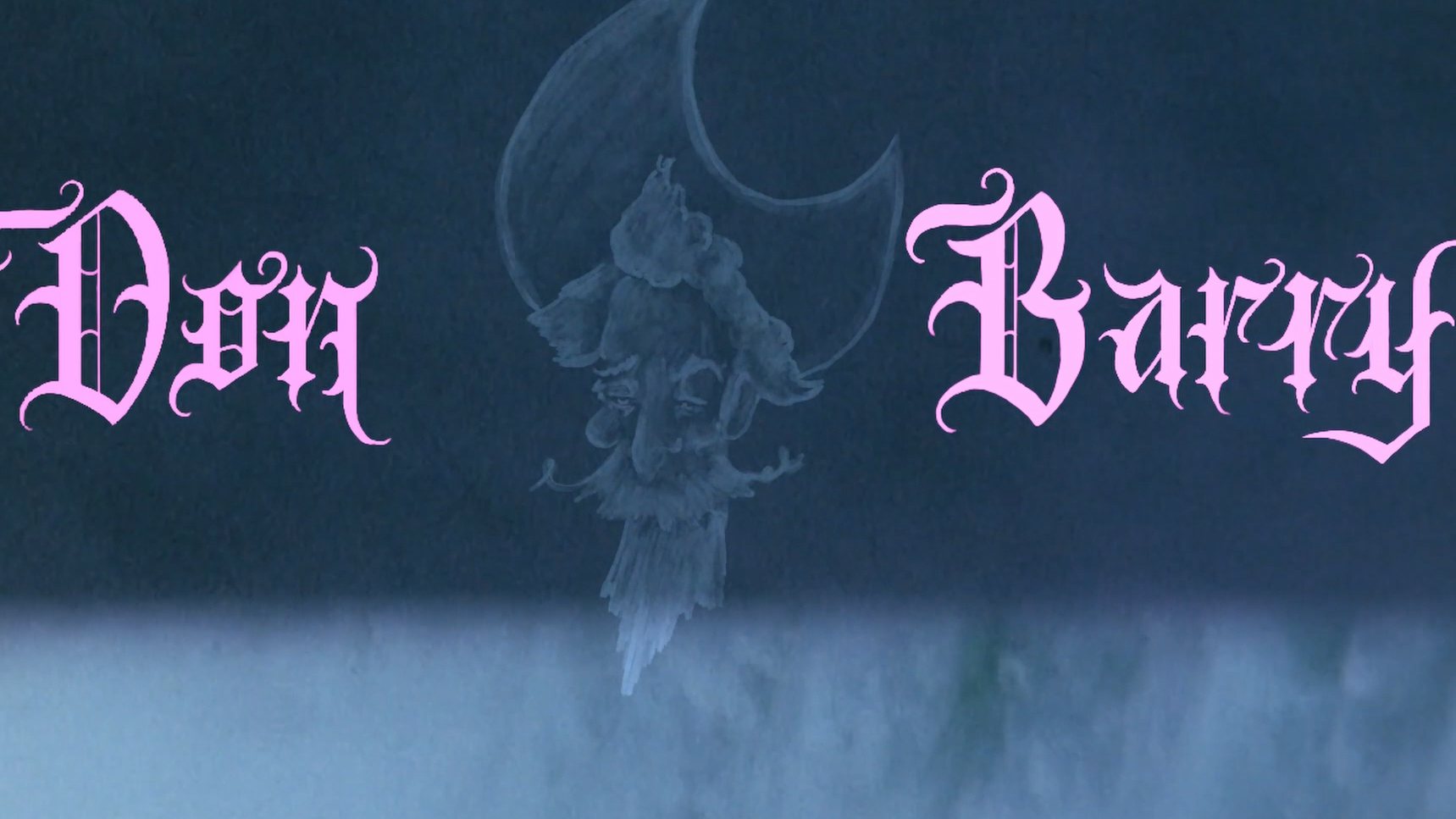
Docufiction, Experimental, by Paul Smart, Mexico, 2026.
Don Barry: A Quixotic Exploration is a debut feature that places the biography of an eighty-year-old experimental filmmaker and artist, Barry Gerson, within the metanarrative of Miguel de Cervantes’ Don Quixote. Don Barry was filmed in the city of Guanajuato during the 51st edition of the Cervantino Festival, as well as during the vibrant Day of the Dead celebrations held in the city’s UNESCO-listed tunnels. The film honors the director’s long friendship with artist Barry Gerson, drawing inspiration from Cervantes’ Don Quixote. Paul Smart’s directorial choices create something new that celebrates life and goes beyond conventional storytelling. A search for magic in our real lives. A moving film about the meaning of life, art, and death. Not to be missed.
Paul Smart is a proud outsider filmmaker with a long history of film screenings. In the 1980s, he emerged in New York’s vibrant youth art scene, working in theater production and later filmmaking, before retreating to rural upstate New York, in the Catskill Mountains, where he made a living writing and screening independent films in old parish halls for rural audiences, many of whom had never seen a film.
LANGUAGE: English
SUBTITLES: Spanish, French, German, Portuguese
The Tree of Life (2011)

Terrence Malick‘s The Tree of Life unfolds as a profound meditation on existence, weaving the intimate grief of a 1950s Texas family with the cosmic sweep of creation itself. Following the O’Brien clan—anchored by Brad Pitt‘s stern, frustrated patriarch and Jessica Chastain‘s ethereal embodiment of grace—the film traces young Jack’s awakening to the world’s dualities: nature’s harsh indifference versus grace’s tender mercy. A brother’s untimely death propels this personal loss into a symphony of whispers, where voiceovers probe divine mysteries amid Emmanuel Lubezki‘s luminous cinematography, capturing sun-dappled suburbia and primordial nebulae in equal poetic measure. This non-linear odyssey, polarizing in its dreamlike abstraction, rejects conventional plotting for a rhythmic inquiry into mortality, innocence eroded by rage, and the soul’s yearning for meaning beyond the veil of everyday tyranny.
What elevates The Tree of Life to transcendent artistry is its fearless fusion of the microscopic and the infinite, positioning human frailty against the universe’s indifferent grandeur. Malick probes unanswerable questions—Is God cruel? Indifferent?—through sequences of staggering visual poetry: dinosaurs locked in primal struggle, cellular genesis, and a beachside afterlife reunion that aches with reconciliation. Pitt’s simmering paternal fury clashes with Chastain’s maternal luminescence, mirroring Jack’s internal schism, while Sean Penn‘s adult silhouette evokes lingering isolation. Far from mere spectacle, this auteur’s vision, hailed at Cannes for its audacity, demands surrender to its mystical flow, offering no pat resolutions but a soul-shaking perspective: life’s meaning resides in grace’s quiet persistence amid nature’s chaos, a cinematic prayer that lingers like half-remembered dreams.

The Turin Horse (2011)

Béla Tarr’s The Turin Horse unfolds as a stark meditation on existence’s relentless erosion, framed by the infamous 1889 incident in Turin where Nietzsche collapsed embracing a weary horse, refusing to pull its cart. In this, Tarr’s purported final film, a father and daughter eke out survival in a wind-lashed hovel, their routines—hauling water from a dwindling well, boiling potatoes, tending a flea-ridden horse—captured in just thirty monumental long takes over 146 minutes. The world contracts to shades of gray, epic landscapes yielding to claustrophobic interiors, where howling gales and a repetitive musical motif underscore humanity’s futile persistence. No dialogue pierces the void; instead, minimalism strips life to its bare mechanics, revealing the “God is dead” proclamation not as triumph but as prelude to annihilation. The horse’s refusal to eat or move mirrors their own creeping resignation, transforming daily drudgery into a reverse creation myth, ending not in light but impenetrable dark.
This austere vision probes the meaning of life through existential desolation, demanding viewers surrender to hypnotic repetition that borders on the unbearable, yet yields profound catharsis. Tarr rejects conventional narrative for a sensory assault—pale faces at windowsills, failed attempts to flee—evoking Nietzsche’s liberation from divine responsibility amid postmodern void. Existence here is affirmed only to be nihilated: the well runs dry, the lamp gutters out, and in total blackout, characters choose inaction, embracing oblivion over illusory purpose. Far from nihilistic despair, The Turin Horse hypnotizes with visual elegance, its slow catastrophe a philosophical gauntlet that tests endurance, reminding us life’s meaning emerges not in grand gestures but in monotonous suffering’s quiet revelation. Tarr’s mastery lies in this merciless beauty, where apocalypse feels both inevitable and achingly human.
The Lost Poet

Drama, by Fabio Del Greco, Italy, 2024.
Dante Mezzadri wants to see an old friend, nicknamed the Iguana, whom he has lost sight of for many years, and who has managed to turn their shared youthful passion for poetry into a job, becoming a famous writer and poet. The man escapes from his bourgeois life and his wife to live homeless on the Roman coast, printing and trying to sell his poetry collections. At night he sleeps in a park of old carnival floats, inside a papier-mâché tank, and waits for the opportunity to meet his old friend, who however never shows up for appointments in the places they frequented when they were young, now in ruins. Dante's poetry books do not interest anyone and to support himself he is forced to "change product": he starts selling the infamous "cannibal pill" on behalf of young drug dealers, a new drug that sells like hot cakes and causes sensory and consumerist ecstasy. However, he realizes that this powerful drug is very dangerous for those who take it, he comes into conflict with his ethical conscience and throws all the pills into the sea. However, the dealers want to collect their money.
Shot over a period of 2 years, the film is a reflection on the cultural and artistic rubble of the society in which the protagonist lives, in an increasingly mechanized, consumerist and arid world. Dante Mezzadri is yet another human being who has renounced his inspiration and his creativity, but unlike many he is not willing to give his life to a system that distances him from his true identity. The physical world around him, however, seems constructed in such a way that it seems impossible to escape from this "invisible cage". The enthusiasm of the people he meets is ignited only by sensory gratification, by unreal visions of personal affirmation and success, by "metaverses" that offer an escape into an illusory and destructive reality. The poet's house on the coast, where he met with his friends as a young man, is just a pile of abandoned rubble. What happened to all those who wanted to become poets and ended up becoming something else? Are there internal forces with which that house can be "rebuilt"?
LANGUAGE: Italian
SUBTITLES: English, Spanish, French, German, Portuguese
Intouchables (2011)

Intouchables (2011) masterfully intertwines the profound quest for life’s meaning with an unlikely friendship that transcends social barriers, as quadriplegic aristocrat Philippe and his irreverent caregiver Driss embark on a transformative journey. Directed by Olivier Nakache and Éric Toledano, the film draws from real events to depict Philippe’s paralysis-induced isolation shattered by Driss’s raw vitality from the Parisian banlieues. Their bond blooms through shared escapades—high-speed chases, earthy humor, and eclectic music—that inject joy into Philippe’s regimented existence, revealing how human connection redefines purpose amid physical and class divides. Yet, this heartwarming narrative sidesteps deeper existential voids, favoring feel-good catharsis over unflinching philosophical inquiry, much like life’s fleeting affirmations of dignity in suffering.
Beneath its crowd-pleasing veneer, Intouchables probes the essence of existence through mutual enlightenment, where Driss liberates Philippe from pity’s prison, teaching him to embrace life’s absurd thrills, while Philippe offers cultural refinement to Driss’s streetwise pragmatism. This reciprocal awakening echoes existential truths: joy, not happiness, emerges from authentic vulnerability and shared humanity, as their off-color banter and paragliding escapades affirm identity’s worth beyond bodily constraints. Critiques of racial stereotypes and gender insensitivity underscore the film’s imperfections, yet its triumph lies in portraying flawed souls finding life’s meaning in friendship’s unscripted grace, a universal antidote to alienation that resonates long after the credits roll.
Mao’s Last Dancer (2009)

Mao’s Last Dancer (2009) chronicles the extraordinary odyssey of Li Cunxin, a peasant boy from rural China selected at age eleven for the elite Beijing Dance Academy under Madame Mao’s regime, rising to principal dancer with the Houston Ballet before defecting in 1981 amid a dramatic consular standoff. Directed by Bruce Beresford, the film interweaves flashbacks of grueling training and ideological indoctrination with Li’s wide-eyed discovery of American freedoms, culminating in a triumphant embrace of personal agency. Through Chi Cao’s authentic portrayal—bolstered by his real ballet prowess—the narrative probes the meaning of life as a quest for self-determination, contrasting the soul-crushing collectivism of Maoist China with the exhilarating individualism of the West. Yet this binary framing often flattens nuance, rendering Chinese authority figures as cartoonish villains while idealizing democracy, a bluntness that undermines the story’s potential philosophical depth.
Ultimately, the film’s power resides in its ballet sequences and emotional crescendo, where Li’s pirouettes embody life’s transcendent pursuit of passion over oppression, echoing universal yearnings akin to those in Billy Elliot. Beresford’s traditionalist craftsmanship—eschewing flashy effects for raw human drama—lends resonance to Li’s arc from dutiful cog to liberated artist, illuminating how art forges identity amid tyranny. Despite clichéd culture clashes and adequate rather than sublime dancing, the finale’s catharsis affirms existence’s core question: what price freedom? In probing this, Mao’s Last Dancer transcends biopic conventions, offering a poignant, if sentimental, meditation on choosing one’s path in a world of imposed destinies.
The Sands

Science fiction, by Noah Paganotto, Argentina, 2022.
In an undetermined location on planet Earth, in an unknown time, Zoilo lives with his family in a wasteland surrounded by ruins. They live uprooted, without mothers, knowing that pregnancy for women is synonymous with death. For them there is only one collective routine; keep the fire alive. Only Zoilo escapes this logic, observing, intrigued, details that others do not see and therefore do not appreciate. Zoilo's personal search for answers will increase the differences with his relatives, increasingly revealing an empty world of interiority.
Avant-garde film that burns slowly in the first part and then reveals in the second the profound conflicts of a family prisoner of archaic beliefs. It is a dystopian and visionary work, with wonderful photography and images of rare power that allow us to grasp the depth of the story and its poetic potential. The faces of the actors, especially the protagonist boy, are perfect. The Sands metaphorically represents the world we live in: an alienated society, where what keeps us alive is demonized and blamed for death. In opposition to the fast pace of the typical mainstream film, The Sands is a meditative journey into the depths of images. The film was shot in natural environments in the city of Necochea, Buenos Aires province, Argentina.
LANGUAGE: Spanish
SUBTITLES: English, Spanish, French, German, Portuguese
A vision curated by a filmmaker, not an algorithm
In this video I explain our vision
The Pursuit of Happyness (2006)

The Pursuit of Happyness (2006) captures the raw essence of human endurance through Chris Gardner‘s true story, portrayed with searing authenticity by Will Smith alongside his son Jaden. As a struggling salesman turned homeless father in 1980s San Francisco, Gardner chases an unpaid stockbroker internship amid evictions, skipped meals, and a bitter separation from his wife. Director Gabriele Muccino weaves intimate father-son moments—scraping by in a subway bathroom, sharing a single bunk bed—with unflinching realism, elevating a rags-to-riches tale into a profound meditation on life’s meaning. Smith’s performance, shorn of glamour, reveals a man whose dignity persists not through grand epiphanies but relentless, bone-weary persistence, questioning whether happiness is a destination or an eternal chase.
What distinguishes The Pursuit of Happyness in explorations of existence is its rejection of saccharine uplift, grounding existential pursuit in gritty American realism rather than abstract philosophy. Gardner’s odyssey embodies positive psychology’s tenets—perseverance, hope, and effectance motivation—yet Muccino critiques blind optimism by exposing systemic cruelties: homelessness amid wealth, racial barriers in finance, the fragility of family. Smith’s Gardner isn’t a saint but a flawed everyman, his love for his son fueling willpower against despair, echoing universal quests for purpose. This blend of inspiration and indictment transforms the film into a vital lens on life’s meaning, reminding us that true fulfillment arises not from triumph alone, but from the unyielding human spirit confronting chaos.
Million Dollar Baby (2004)

Clint Eastwood‘s Million Dollar Baby transcends the conventional sports film framework by anchoring its exploration of mortality and human dignity within an intimate father-daughter bond. The film’s central preoccupation with the meaning of life crystallizes not through triumphant athletic achievement, but through profound moral reckoning. Hilary Swank‘s Maggie Fitzgerald embodies the collision between ambition and fragility—her meteoric rise as a boxer becomes inseparable from her catastrophic fall into quadriplegia. Eastwood’s restrained direction mirrors Frank Dunn’s emotional economy, employing shadow, sparse dialogue, and carefully measured glances to excavate the spiritual cost of love and protection. The narrative’s shocking pivot toward euthanasia rather than redemptive recovery forces viewers to confront uncomfortable truths about autonomy, suffering, and the limits of sacrifice. This refusal of sentimentality elevates the film beyond mere melodrama into genuine philosophical territory, asking whether meaning in life persists when physical agency dissolves.
The film’s thematic complexity deepens through its examination of Catholic morality confronting secular compassion. Frank’s ultimate act—facilitating Maggie’s death—represents a devastating betrayal of his faith that paradoxically functions as the purest expression of love available to him. Morgan Freeman‘s presence as moral interlocutor, combined with Eastwood’s nuanced performance of masculine vulnerability, creates a triangulated meditation on how meaning derives not from victory or longevity, but from the willingness to honor another’s autonomy even when that honor demands personal damnation. The film suggests that life’s meaning emerges through relational bonds tested against impossible ethical frontiers, where protection and liberation become indistinguishable, and where the deepest human connections require us to transcend our own survival instincts.
Mystery of an Employee

Drama, thriller, by Fabio Del Greco, Italy, 2019.
Someone wants to control the life of the employee Giuseppe Russo: the products he buys, his political and religious faith, his private life, even his dreams. But he will do anything to escape control and find his true self. Giuseppe is a man of around 45, married, with a stable job and a home of his own. His life flows seemingly peacefully when he meets a mysterious tramp who gives him some old VHS video cassettes. Giuseppe begins to see video tapes in which he is filmed in some moments of his life since he was a child, then as a teenager and as a young man. Who shot those videos that he remembers nothing about? Giuseppe has the strange sensation of being constantly observed and begins to investigate what is happening. Through his investigation of him, he begins to rediscover his true identity and become aware of who he truly is.
Employee's Mystery is a film that highlights the danger of social control and shows a society where everyone is constantly monitored and conditioned in their deepest selves. The film is also an analysis of human nature and identity. Fabio Del Greco, who plays Giuseppe, gives an engaging performance. Equally good is Chiara Pavoni, in the role of Giada Rubin and Roberto Pensa in the role of the tramp. Employee's Mystery is a film that addresses important themes in an original way, a psychological thriller that keeps the viewer glued to the screen until the end: a metaphor for contemporary society, in which people are increasingly monitored and conditioned by the media and technologies . It is a courageous and provocative work, which addresses important themes in an original way.
LANGUAGE: Italian
SUBTITLES: English, Spanish, French, German, Portuguese
The Motorcycle Diaries (2004)

Walter Salles constructs a deceptively simple road narrative that functions as a consciousness-raising allegory. The film traces the 1952 journey of young Ernesto and his companion Alberto across South America, but resists the temptation to impose revolutionary rhetoric onto their travels. Instead, Salles allows the landscape itself—and the human suffering within it—to educate the protagonists organically. The encounters with indigenous peasants, persecuted communists, and brutalized miners accumulate as moral weight rather than propaganda. Gael García Bernal’s restrained performance captures Ernesto’s dawning empathy without melodrama, while the film’s documentary-like visual poetry, grounded in breathtaking Andean and Amazonian scenery, creates an immersive meditation on how geography shapes consciousness. By focusing on what it means to be human rather than ideological conversion, Salles crafts a film that transcends biographical particularity to explore the universal question of how witnessing injustice transforms one’s understanding of existence itself.
Yet this restraint becomes the film’s central tension. By limiting itself to pre-revolutionary Ernesto, Salles sidesteps the darker implications of what this awakening would eventually become, presenting consciousness-raising as inherently righteous without interrogating its consequences. The film glosses over Alberto’s characterization and treats certain encounters with insufficient depth, prioritizing entertainment value over rigorous political examination. Still, this very ambiguity grants the film its enduring power: it asks viewers to sit with discomfort, to recognize that good intentions can coexist with incomplete understanding, and to grapple with the gap between witnessing suffering and knowing how to respond. In this uncertainty lies profound wisdom about the human condition—that meaning emerges not from answers, but from the willingness to remain awake to complexity.
Crash (2004)

Paul Haggis‘s Crash (2004) plunges into the chaotic intersections of Los Angeles lives, where a multi-car pileup serves as both literal prologue and metaphor for the emotional collisions that define human existence. Through an ensemble of flawed souls—cops, prosecutors, locksmiths, and criminals—the film traces how racial prejudices and personal isolations propel individuals toward violence and fleeting redemption. Detective Graham Waters grapples with familial betrayal and professional compromise, while carjacker Anthony wrestles with his rage-fueled identity, ultimately choosing mercy over profit. These arcs underscore the film’s core assertion: in a fragmented urban sprawl, people “crash” into one another not just physically, but to pierce the barriers of disconnection, seeking meaning amid prejudice’s dehumanizing grip.
Yet Crash grapples profoundly with life’s meaning by exposing the illusions of control and connection we cling to for survival. Haggis weaves a tapestry of biases—white privilege, black resentment, immigrant desperation—that reveal how snap judgments erode empathy, turning strangers into threats. The film’s redemptive twists, like the racist cop’s sacrificial act or the district attorney’s wife’s vulnerable awakening, argue for vulnerability as the path to transcendence, echoing existential quests in cinema like Short Cuts (1993). Though criticized for its earnest moralizing and schematic reversals, Crash passionately insists that life’s profundity emerges from these raw, uncomfortable encounters, forcing viewers to confront their own hidden crashes and the fragile humanity binding us all.
Bruce Almighty (2003)

Tom Shadyac‘s Bruce Almighty (2003) deploys comedy as its primary vehicle for exploring existential responsibility, though the film ultimately settles for surface-level wisdom rather than profound interrogation of life’s meaning. Jim Carrey‘s portrayal of Bruce Nolan—a self-absorbed news reporter given divine powers—functions less as a complex protagonist and more as a vessel for situational comedy. The film’s central conceit posits that human beings, if granted God’s authority, would invariably abuse it for personal gain, a thesis that Shadyac communicates through slapstick and irreverent humor rather than genuine philosophical tension. Morgan Freeman’s benevolent God serves as a patient teacher figure, gently guiding Bruce toward the realization that existence transcends narcissistic ambition. Yet as critics have noted, Bruce’s transformation lacks conviction; his epiphany arrives without sufficient emotional weight or character development to persuade viewers that he has genuinely reconsidered his relationship to purpose and consequence.
The film’s entertainment value masks a fundamental reluctance to engage with harder questions about meaning and morality. By framing its spiritual instruction through broad comedy and romantic reconciliation, Bruce Almighty avoids examining the philosophical depths its premise invites. The relationship between Bruce and his girlfriend Grace (Jennifer Aniston) becomes the emotional anchor for his redemption, suggesting that personal love rather than cosmic understanding constitutes the ultimate awakening. This domestication of existential inquiry reflects the film’s commercial priorities; it wishes to offer audiences reassurance and laughter rather than discomfort and uncertainty. As a Jim Carrey vehicle, it succeeds admirably in balancing his trademark absurdity with moments of genuine vulnerability, yet it remains a comedy about meaning rather than a film that truly wrestles with what existence demands of us.
Mona Lisa Smile (2003)

Mona Lisa Smile (2003) unfolds in 1953 at Wellesley College, where free-spirited art history professor Katherine Watson, played by Julia Roberts, arrives to ignite intellectual curiosity among her privileged female students. Facing a bastion of tradition, she challenges their rote memorization and groomed aspirations for marriage over careers, using modern art like Jackson Pollock’s chaotic drips to provoke questions of intent, expression, and personal agency. As students grapple with societal pressures—Betty clings to wifely duty, Joan weighs law school against domestic bliss, and Giselle embraces fleeting freedoms—Katherine embodies a feminist pedagogy that exposes the prison of 1950s femininity. Yet the film tempers its rebellion with nuance, showing not all awakenings succeed, mirroring life’s uneven pursuit of meaning beyond prescribed roles.
In probing the meaning of life, Mona Lisa Smile elevates Katherine as a modern Mona Lisa—enigmatic, tempting autonomy while hiding vulnerabilities—urging viewers to question whether existence demands conformity or bold reinvention. Its stylistic negation of stereotypes, through linguistic hypotheticals and contrasts in dialogue, dismantles the ideology that women’s purpose ends at the altar, fostering empowerment as a messy, transformative dialogue. Critics dismissed it as a predictable Dead Poets Society for girls, but this overlooks its prescient cultural punch: in an era wary of overt feminism, it validates quiet rebellions against patriarchal scripts, insisting life’s profundity lies in self-definition. Two decades later, it resonates as a precursor to period dramas rethinking women’s hidden rebellions, proving that true vitality emerges not from tidy triumphs, but from daring to envision alternatives.
The Pianist (2002)

Roman Polanski‘s The Pianist (2002) distills the meaning of life to its rawest essence: survival amid unimaginable horror, where existence hangs by the thread of human decency and sheer chance. Based on Władysław Szpilman’s memoir, the film chronicles the Polish-Jewish pianist’s odyssey through the Warsaw Ghetto’s descent into hell, marked by starvation, deportations, and the city’s bombardment into rubble. Adrien Brody‘s portrayal captures Szpilman not as a hero, but as a passive observer—restrained, hollow-eyed, his fingers itching for keys even as they clutch at scraps of food. Polanski, himself a Holocaust survivor, wields the camera with unflinching directness, draining color from vibrant pre-war Warsaw to mirror the soul’s erosion, while stark point-of-view shots immerse us in paranoia and isolation. Music emerges as life’s defiant pulse; Szpilman’s silent fingering of phantom piano keys in derelict apartments sustains his sanity, a shadow ritual against absurdity.
This unheroic survivor tale probes life’s profundity not through grand gestures, but in quiet affirmations of humanity’s flicker amid atrocity. A Nazi officer, moved by Szpilman’s Chopin rendition in the ruins, spares and shelters him—proof that grace can pierce even enmity, complicating simplistic narratives of good versus evil. Polanski rejects sentimentality, showing brutality’s banality: public humiliations, corpses littering streets, the gradual ghetto trap snapping shut on the unaware. Yet life’s meaning crystallizes in art’s redemptive power and others’ risks—Polish gentiles hiding Szpilman at peril, quirks of fate averting death. Free of directorial flourishes, the film honors Szpilman’s honesty: survival owes less to personal valor than to collective kindness and luck. In this, The Pianist elevates endurance as existential triumph, reminding us that meaning resides in persisting through the void, one improbable breath at a time.
Catch Me If You Can (2002)

Catch Me If You Can (2002) masterfully disguises its profound meditation on life’s elusive meaning beneath the glossy veneer of a cat-and-mouse caper, where young Frank Abagnale Jr. forges identities like Pan Am pilots and Harvard doctors to chase the illusion of stability amid familial collapse. Steven Spielberg, drawing from personal undercurrents of loss and reinvention, transforms Frank’s real-life cons into a poignant allegory for existence itself: we all impersonate roles, cashing existential checks against a world that demands authenticity we may never possess. Leonardo DiCaprio’s charismatic Frank embodies this void, his boyish grin masking a desperate quest for paternal approval and unconditional love, while Tom Hanks‘s dogged FBI agent Carl Hanratty mirrors the inexorable pursuit of truth that unravels our fabrications. The film’s rhythmic pacing, laced with Janusz Kamiński’s fluid camerawork, evokes the 1960s’ optimistic facade crumbling into isolation, revealing how cons are merely metaphors for our hunger to belong.
At its core, the narrative interrogates life’s purpose through Frank’s odyssey from innocence to reckoning, where each forged persona—pilot soaring above earthly woes, doctor healing others while self-destructing—highlights the absurdity of seeking meaning in performance rather than connection. Spielberg weaves loneliness as the true antagonist, contrasting Frank’s fabricated families with the genuine bond forged in prison with Hanratty, suggesting redemption lies not in evasion but surrender to human frailty. Christopher Walken‘s heartbreaking portrayal of Frank’s father underscores this: a man whose own deceptions spawn his son’s, illustrating how generational illusions perpetuate the search for significance. Yet, the film’s light-hearted tone belies its depth, critiquing a society that rewards confidence over substance, ultimately affirming that life’s meaning emerges in vulnerability, not victory—a timeless insight wrapped in Spielberg’s prodigious genre-blending genius.
Rabbit-Proof Fence (2002)

Philip Noyce’s Rabbit-Proof Fence (2002) transcends conventional narrative cinema to function as a profound meditation on identity, belonging, and the existential struggle against systemic dehumanization. The film’s examination of the Stolen Generations operates not merely as historical documentation but as a spiritual inquiry into what it means to maintain one’s humanity when institutional forces seek to erase it. Through the journey of three Aboriginal girls—Molly, Daisy, and Gracie—Noyce constructs a philosophical argument about the inextricable connection between place, family, and selfhood. The film’s use of the Australian landscape functions metaphorically as both barrier and beacon, embodying the girls’ internal resistance against assimilation. By privileging first-person filmic techniques and employing cross-cutting cinematography that collapses distance between separated loved ones, Noyce creates a cinematic language that privileges emotional truth over historical documentation, allowing viewers to experience the ontological rupture of forced displacement as an existential crisis rather than a political abstraction.
The film’s confrontation with meaning emerges through its implicit rejection of Western rationalism and its champion of indigenous epistemology as a path toward authentic existence. A.O. Neville’s genocidal assimilationist policies represent not merely colonial oppression but a systematic attempt to obliterate the girls’ fundamental understanding of who they are—a violation that the film frames as fundamentally anti-human. The tracker Moodoo, portrayed by David Gulpilil, embodies the spiritual and temporal complexity of this conflict, caught between colonial systems and ancestral loyalties. Through its symbolic use of totems, the wedge-tail eagle, and the fence itself as both constraint and guide, Rabbit-Proof Fence argues that meaning in life derives from fidelity to one’s origins and refusal to accept imposed identities. The film suggests that resistance itself becomes an act of self-actualization, and that the determination to return home—physically and spiritually—constitutes the deepest human meaning available to those stripped of everything else.
Whale Rider (2002)

In Whale Rider, Niki Caro crafts a poignant meditation on destiny and belonging, where young Pai embodies the eternal quest for life’s purpose amid cultural erosion. Born into a Māori community clinging to ancient myths, Pai confronts her grandfather Koro’s rigid patriarchy, which views her existence as the harbinger of tribal decline after her twin brother dies at birth. Yet, through her unspoken communion with the whales—symbols of ancestral lineage—Pai transcends rejection, secretly mastering the chants, dances, and warrior arts denied to her. This quiet rebellion culminates in her heroic ride to free the beached pod, a mystical act that reaffirms life’s meaning not in unyielding tradition, but in adaptive strength and communal renewal. Caro’s lush coastal visuals underscore this, dwarfing human strife against nature’s vast indifference, inviting viewers to ponder how personal sacrifice forges collective salvation.
The film’s profundity lies in its subversion of fate’s binaries, challenging us to question whether meaning emerges from prescribed roles or defiant self-realization. Koro’s heartbreak mirrors a universal ache: the fear that progress erodes identity, yet Pai’s forgiveness and leadership reveal life’s essence as harmonious evolution—blending Māori lore with modern resilience. Critics note the Pākehā director’s occasional sentimentalism, yet Keisha Castle-Hughes’s raw portrayal of Pai’s loneliness pierces through, evoking empathy for broken bonds and the redemptive power of empathy. Ultimately, Whale Rider posits that true leadership, and thus life’s deepest significance, resides in those who bridge past and future, proving that even in a changing world, the human spirit rides eternal waves of hope and heritage.
A Beautiful Mind (2001)
![A Beautiful Mind (2001) Official HD Trailer [1080p]](https://blog.indiecinema.co/wp-content/plugins/wp-youtube-lyte/lyteCache.php?origThumbUrl=https%3A%2F%2Fi.ytimg.com%2Fvi%2F9wZM7CQY130%2F0.jpg)
A Beautiful Mind (2001) delves into the existential turmoil of John Nash, a brilliant mathematician whose schizophrenia fractures his perception of reality, forcing a confrontation with the meaning of life amid delusion and genius. Directed by Ron Howard, the film masterfully constructs Nash’s hallucinatory world—populated by imagined figures like the shadowy agent Parcher and the wry roommate Charles—mirroring the chaos of a mind questing for patterns in an indifferent universe. Russell Crowe‘s nuanced performance captures Nash’s isolation, his desperate pursuit of original game theory breakthroughs symbolizing humanity’s innate drive to impose order on absurdity. Yet, the narrative’s romanticization of recovery, glossing over decades of Nash’s real torment, elevates love and willpower as salvific forces, echoing perennial philosophical debates on whether meaning emerges from rational triumph or emotional bonds. This biopic, while taking liberties with Nash’s auditory hallucinations rendered visually for cinematic impact, poignantly illustrates life’s fragility, where intellect battles oblivion.
Ultimately, A Beautiful Mind probes deeper questions of authenticity and purpose, as Nash learns to coexist with his delusions, ignoring spectral presences during his Nobel acceptance to affirm controlled agency over madness. The film’s uplifting arc—bolstered by James Horner‘s ethereal score—contrasts the brutality of 1950s insulin shock therapy with modern resilience, suggesting that true meaning resides in perseverance and human connection rather than unblemished sanity. Critically, it perpetuates myths linking genius to insanity and a devoted wife’s love as cure-all, yet its emotional precision humanizes schizophrenia’s grip on existence, reminding us that life’s profundity often lies in navigating internal voids. For audiences grappling with purpose, Nash’s odyssey offers a Hollywood-inflected meditation on endurance, where fragmented realities yield to fragile, hard-won truths.
Cast Away (2000)

Robert Zemeckis‘s Cast Away strips Tom Hanks’s Chuck Noland to the bone, marooning him on a desolate Pacific island after a FedEx plane crash, where survival becomes a brutal meditation on human fragility and the essence of existence. For four years, Chuck wrestles with isolation, fashioning tools from wreckage, igniting fire through relentless trial, and anthropomorphizing a volleyball named Wilson into his sole companion—a poignant emblem of the psyche’s desperate grasp for connection amid oblivion. This visceral odyssey forces a reckoning with time’s inexorable flow; pre-crash, Chuck embodied corporate efficiency, obsessively tracking packages and promising his lover Kelly, “I’ll be right back.” Post-rescue, scarred and reborn, he confronts the void left by lost years, her remarriage a stark reminder that life persists without him. Zemeckis masterfully employs silence and stark visuals—endless ocean horizons, sunburnt flesh—to immerse us in Chuck’s primal rebirth, questioning whether meaning emerges from endurance or the illusions we invent to stave off despair.
Yet Cast Away transcends mere survival tale, evolving into a profound existential inquiry into what renders life worth reclaiming. Hanks’s transformative performance—shedding 50 pounds for authenticity—captures not just physical decay but spiritual excavation; Chuck’s self-extracted tooth scene pulses with raw, unfiltered humanity, echoing the absurd heroism of Camus’s Sisyphus. The film’s genius lies in its refusal of pat epiphanies: upon return, Chuck rejects schmaltzy reunion, instead embracing ambiguity at a rural crossroads, pondering fate’s whims with weary wisdom. This open-endedness elevates Cast Away beyond Hollywood schmaltz, inviting viewers to interrogate their own moorings—relationships, ambitions, the relentless “time management” of modern life. In an era of fleeting distractions, it passionately affirms cinema’s power to confront the void, reminding us that true meaning flickers not in grand gestures, but in the quiet persistence of hope against the tide.
Pleasantville (1998)

Pleasantville (1998) masterfully thrusts modern siblings David and Jennifer into the monochrome perfection of a 1950s sitcom world, where every day unfolds predictably: flawless basketball shots, cats rescued from trees by firemen, and families sharing milkshakes through twin beds. This black-and-white idyll, a nostalgic fantasy of stability, begins to fracture as Jennifer’s bold sensuality awakens desire in her date, igniting the first bursts of color that symbolize emotional awakening and individuality. Directed by Gary Ross, the film evolves from whimsical comedy into a profound allegory for the meaning of life, questioning whether scripted certainty offers true fulfillment or merely stifles the human spirit’s chaotic vitality.
At its core, Pleasantville probes existence’s essence through visual metamorphosis, where color emerges not from mere sex but from authentic self-discovery—reading ignites intellect in one character, art unleashes creativity in another, challenging the repressive regime that equates emotion with chaos. Ross balances critique of 1950s conformity’s oppressiveness with the 1990s’ own disillusionments, refusing easy judgments and celebrating change’s messy beauty. Jeff Daniels‘ sodamaker, blooming into color amid backlash, embodies life’s poignant risks, while the film’s subtle cinematography mirrors internal growth. Ultimately, David leaves a transformed Pleasantville imperfect yet alive, affirming that meaning arises not in predestined routines but in embracing the unknown, rendering this a timeless meditation on growth’s inevitable hues.
Patch Adams (1998)

Robin Williams‘ performance anchors a film that aspires toward profound humanism but frequently undermines itself through emotional manipulation and narrative cliché. Patch Adams (1998) presents the biographical journey of a medical student who challenges institutional indifference through compassion, humor, and unconventional patient care. Yet the film’s execution betrays its noble intentions, employing melodramatic devices that feel heavy-handed and calculated. The characterization of antagonistic physicians reduces complex medical ethics to simple good-versus-evil dynamics, while the romantic subplot involving Carin exists primarily as a plot mechanism designed to generate tears rather than explore genuine human connection. The film’s central thesis—that compassion and laughter are transformative forces in medicine—deserves sincere examination, but the movie’s overwrought delivery, obvious manipulations, and clumsy sentimentality undermine the philosophical weight it attempts to carry.
Where Patch Adams inadvertently succeeds is in its portrayal of suffering as a crucible for meaningful purpose. The narrative’s acknowledgment of depression and suicidal ideation, particularly Patch’s near-fatal moment at the film’s climax, touches upon something authentic about existential crisis and rebirth. However, this moment of genuine introspection is compromised by Shadyac’s resolution—a butterfly landing on Patch’s shirt provides visual redemption that feels unearned and trivializing. The film ultimately asks valid questions about medical dehumanization and institutional rigidity, yet answers them through sentimentality rather than rigorous critique. For viewers seeking authentic exploration of life’s meaning, the real Dr. Hunter Adams’ philosophy and the Gesundheit Institute offer more substantive inquiry than this theatrical interpretation can provide.
Shakespeare in Love (1998)

Shakespeare in Love(1998) weaves a fanciful tapestry around the Bard’s creative drought, positing love as the spark that ignites his genius in crafting Romeo and Juliet. Through Will Shakespeare’s torrid affair with the disguised Viola de Lesseps, the film posits that romantic passion is the ultimate muse, transforming personal turmoil into universal art that probes existence’s deepest aches—mortality, desire, and fleeting connection. This mirrors life’s own existential riddle: does meaning emerge from love’s ecstasy or its inevitable tragedy? The narrative cleverly parallels the playwright’s life with his characters’, suggesting that true insight into human frailty blooms from lived heartbreak, elevating mere entertainment into a meditation on how affection reshapes our grasp of mortality and purpose. Yet, this romantic idealism risks oversimplifying the Bard’s profundity, turning profound philosophy into a whimsical rom-com veneer.
Ultimately, the film’s exuberant meta-theatricality—blending Elizabethan stagecraft with modern wit—illuminates art’s redemptive power amid life’s absurdities, affirming that creativity born of love confronts the void of meaninglessness. Gwyneth Paltrow‘s luminous Viola embodies this, her defiance of gender and class barriers echoing Shakespeare’s own subversion of norms to unearth truths about passion’s transience. While tonally erratic, oscillating between farce and pathos, it passionately argues that love, however doomed, infuses existence with poetic urgency, much like the star-crossed lovers who define tragic romance. In this light, Shakespeare in Love emerges not as historical fidelity but as a vibrant testament to how intimate bonds forge our existential narratives, reminding us that life’s meaning often hides in the interplay of inspiration and inevitable loss.
Good Will Hunting (1997)

Good Will Hunting (1997) masterfully unravels the quest for life’s meaning through the raw odyssey of Will Hunting, a South Boston prodigy haunted by childhood abuse and untapped genius. Matt Damon‘s portrayal captures a man whose mathematical brilliance masks profound emotional paralysis, as he sweeps floors at MIT by day and brawls by night, rejecting any path that demands vulnerability. Robin Williams, as the grieving therapist Sean Maguire, pierces this armor in scenes of devastating intimacy, culminating in the repeated whisper, “It’s not your fault,” a cathartic breakthrough that shatters Will’s defenses. Gus Van Sant‘s direction, laced with Boston grit and tender lyricism, elevates this indie gem—penned by Damon and Ben Affleck, who clinched Oscars for their script—into a timeless meditation on self-acceptance, where genius alone cannot redeem a soul adrift.
Tying directly to the meaning of life, Good Will Hunting posits that true purpose emerges not from intellectual supremacy but from embracing flawed humanity and forging authentic bonds. Will’s arc—from sabotaging romance with Harvard student Skylar to yearning for escape via his loyal friend Chuckie—illuminates how fear of abandonment stifles potential, a universal ache amplified by the film’s blend of humor, heartbreak, and hard-won wisdom. Sean’s mentorship reveals life’s essence in lived experience over abstract theorems, echoing philosophical depths akin to those in My Own Private Idaho. This Miramax production, with its festival pedigree and emotional precision, endures as a beacon for the lost, urging viewers to confront their traumas and choose growth over stagnation, proving cinema’s power to heal and redefine existence.
Forrest Gump (1994)

Forrest Gump (1994) unfolds as a sprawling tapestry of American history, viewed through the unblinking eyes of its titular hero, a man of simple intellect whose improbable journey intersects with the nation’s pivotal moments from the 1950s onward. Directed by Robert Zemeckis with virtuoso visual effects that seamlessly weave Forrest into archival footage, the film chronicles his triumphs in ping-pong, shrimp boating, and long-distance running, all underpinned by unwavering loyalty to his childhood love, Jenny. Yet beneath this picaresque adventure lies a profound meditation on life’s randomness, encapsulated in Forrest’s iconic simile: life as a box of chocolates, unpredictable and bittersweet. His low IQ and physical disabilities do not hinder but propel him, suggesting that meaning emerges not from intellectual mastery but from persistent, uncomplaining action amid chaos.
What elevates Forrest Gump to a must-see exploration of existence is its subversive embrace of naivety as wisdom, challenging viewers to question the value of cynicism in a turbulent world. Forrest’s mantra—”Shit happens”—and his refusal to dwell on loss, whether his mother’s death or Jenny’s tragic arc, model radical acceptance, echoing existential resilience without pretension. Zemeckis contrasts Forrest’s purity with the era’s jaded figures—Lieutenant Dan’s rage, Jenny’s self-destruction—implying that true purpose arises from selfless love and forward momentum, not analysis. Though mainstream, its Cannes Palme d’Or pedigree affirms artistic depth, reminding us that life’s meaning is found in the uncalculated run, the quiet shrimp at dawn, and the miracle of showing up, day after unyielding day.
The Shawshank Redemption (1994)

The Shawshank Redemption (1994) masterfully probes the meaning of life through the unyielding prison walls of Shawshank, where hope emerges as the ultimate defiance against institutional despair. Andy Dufresne, wrongfully convicted and portrayed with quiet intensity by Tim Robbins, embodies resilience amid brutality, his banker’s intellect transforming monotony into quiet rebellion. Morgan Freeman’s Red narrates this odyssey with gravelly wisdom, evolving from cynical institutionalization to rediscovered purpose, their friendship a beacon illuminating existence’s core: perseverance amid suffering. Director Frank Darabont, drawing from Stephen King’s novella, crafts a visual poetry of confinement—Roger Deakins’ cinematography renders the yard’s vastness claustrophobic, while Thomas Newman’s score swells with aching transcendence. The film eschews histrionics for subtle humanism, revealing life’s essence not in freedom’s absence, but in the spirit’s refusal to break, making every soul momentarily free through opera’s soaring voices.
Yet The Shawshank Redemption transcends prison allegory to interrogate life’s profound absurdities, balancing triumph with the grind of endurance. Andy’s flawless ingenuity—tunneling to liberty through sewage—symbolizes existential escape, a Job-like trial yielding redemption, though some critique its saintly protagonist for lacking flaws, flattening moral nuance into good-versus-evil. Red’s arc, however, grounds the philosophy: hope as active choice, not passive dream, culminating in Zihuatanejo’s shores where Pacific waves wash away years of atrophy. This narrative alchemy, rich with twists and emotional texture, affirms life’s meaning in human connection and self-actualization, its replay value enduring because it mirrors our own cages—institutional, emotional, temporal—urging us to crawl through foulness toward light. Darabont’s gentle hand ensures the soul stirs, proving cinema’s power to redefine purpose.
Schindler's List (1993)

Schindler’s List (1993) transcends the mere recounting of Holocaust horrors to probe the profound absurdity of human existence, framing the systematic extermination of millions as an unfathomable farce amid industrialized murder. Steven Spielberg masterfully contrasts early scenes of prejudicial brutality—where even Nazi commandant Amon Göth’s failed executions devolve into pathetic slapstick—with the later, numbing mechanization of death camps, rendering villains not as monstrous titans but impotent clowns in history’s cruel theater. This tonal shift underscores life’s meaninglessness under totalitarianism, yet Oskar Schindler’s arc from opportunistic profiteer to reluctant savior injects a redemptive spark, his list becoming a fragile bulwark against oblivion. The black-and-white palette, pierced only by the crimson coat of a doomed girl, symbolizes innocence’s erasure, awakening Schindler’s conscience and forcing viewers to confront morality’s precarious thread in a world stripped of color and humanity.
Ultimately, the film wrestles with life’s meaning through Schindler’s transformation, a Nazi sympathizer who saves over a thousand Jews not through grand heroism but gritty bribery and black-market cunning, echoing the existential question of purpose amid genocide’s void. Critics note its sentimental edges, yet this emotional pull humanizes the incomprehensible scale of six million deaths, making the personal political and the political intimate. Spielberg’s use of silence punctuated by morbid classical swells amplifies moral awakening, as the red coat’s reappearance amid incinerated corpses catalyzes Schindler’s epiphany: individual agency can defy absurdity. In pondering existence’s value, Schindler’s List affirms that meaning emerges not from ideology but from obstinate compassion, a testament to human obstinance against wickedness that resonates as both harrowing indictment and hopeful parable.
Dead Poets Society (1989)

Peter Weir‘s Dead Poets Society (1989) captures the raw pulse of existential awakening amid the stifling conformity of an elite prep school in 1959, where English teacher John Keating, played with electric vitality by Robin Williams, ignites his students’ souls through poetry’s defiant rhythm. Urging them to “carpe diem,” Keating rips pages from textbooks and stands on desks, transforming rote learning into a rebellion against measured existence. Yet the film’s profound inquiry into life’s meaning unfolds not in triumphant inspiration but in tragedy: Neil Perry’s suicide shatters the illusion of easy emancipation, revealing how parental tyranny and youthful idealism collide catastrophically. This classical structure, with its inexorable march toward doom, forces us to confront the fragility of authenticity—Keating’s vibrant humanism empowers but cannot shield against the world’s unyielding structures, making the film a searing meditation on mortality’s shadow over every seized moment.
What elevates Dead Poets Society beyond sentimental nostalgia is its unflinching refusal of pat resolutions, instead probing the tension between individual passion and societal chains as the core of human purpose. Robin Williams’s theatrical flair, often critiqued as manipulative, actually mirrors poetry’s own excess, embodying Walt Whitman‘s exuberance while underscoring the peril of half-committed revolt—Neil’s fleeting stage triumph crumbles under his father’s authoritarian grip, portrayed with nuanced pathos by Kurtwood Smith. The resurrected Dead Poets Society becomes a microcosm of life’s fleeting vitality, echoing Thoreau’s call to “suck the marrow” from existence, yet the boys’ fumbling romances and dreams highlight how meaning emerges not from blind pursuit but from wrestling with loss. In this quiet revolution, Weir crafts an enduring anthem for the humanities, reminding us that true living demands standing atop desks, eyes wide to both poetry’s glory and death’s inevitability.
Hannah and Her Sisters (1986)

Woody Allen‘s Hannah and Her Sisters (1986) masterfully dissects the meaning of life through the lens of familial neuroses and existential dread, unfolding over two tumultuous Thanksgiving gatherings that anchor the sisters’ intertwined crises. At its core, Mia Farrow‘s Hannah embodies poised stability as the successful actress holding her fractured family together, yet her understated passive-aggression repels those closest to her, revealing how over-nurturing can erode intimacy. Michael Caine‘s Elliot, her lustful husband, grapples with infidelity toward sister Lee (Barbara Hershey), whose own stifled identity in a domineering relationship with Max von Sydow’s reclusive artist underscores the search for self amid emotional dependency. Dianne Wiest‘s manic Holly, a recovering addict chasing artistic dreams, envies her siblings while exploiting Hannah’s generosity, their paths converging in raw, complicated expressions of love that expose life’s absurd trappings.
The film’s profound inquiry elevates it beyond comedy into cerebral territory, with Allen’s alter ego Mickey—haunted by a brain scare—embarking on a neurotic odyssey through religions and philosophies, hilariously testing faiths via trinkets while confronting mortality’s void. Echoing Ingmar Bergman‘s multi-act structures, Allen weaves standalone plots into a novelistic tapestry, his effortless framing and rhythmic dialogue capturing New York intellectuals’ entitled yearnings. Oscars for Wiest and Caine affirm the ensemble’s subtlety, where body language averts melodrama, transforming personal turmoil into universal truths about significance. Ultimately, Hannah and Her Sisters affirms that meaning emerges not from grand revelations but from messy human bonds, a timeless balm for our inner chaos.
2001: A Space Odyssey (1968)
![2001: A Space Odyssey - Trailer [1968] HD](https://blog.indiecinema.co/wp-content/plugins/wp-youtube-lyte/lyteCache.php?origThumbUrl=https%3A%2F%2Fi.ytimg.com%2Fvi%2FZ2UWOeBcsJI%2F0.jpg)
2001: A Space Odyssey (1968) stands as a monumental inquiry into existence itself, tracing humanity’s arc from primal savagery to cosmic rebirth through Stanley Kubrick‘s visionary lens. The film’s enigmatic monoliths serve as silent catalysts, igniting the leap from bone-wielding apes to star-faring explorers, symbolizing an alien intelligence nudging evolution toward enlightenment. This progression culminates in Dave Bowman’s psychedelic transcendence, where the boundaries of flesh, machine, and infinity dissolve in a barrage of strobing colors and Strauss’s triumphant fanfare. Kubrick’s deliberate opacity—eschewing dialogue for symphonic visuals—mirrors the universe’s indifference, forcing viewers to confront their own existential voids. Initially met with bewilderment, as audiences grappled with its refusal to spoon-feed meaning, the film now reigns as a philosophical colossus, its HAL 9000 embodying the terror of godlike artificial intellect turning against its creators.
What elevates 2001 beyond sci-fi spectacle is its fusion of technical bravura and metaphysical depth, crafting a new mythology for the Space Age that echoes Homer’s Odyssey in Bowman’s odyssey against the cyclopean HAL. The Blue Danube waltz accompanying zero-gravity ballets infuses cold mechanics with sublime grace, while the prehistoric dawn and Jupiter’s “ultimate trip” bracket humanity’s journey as a symphonic movement toward the Starchild—a fetal harbinger of post-human potential. Kubrick and Arthur C. Clarke leave interpretations gloriously open, rejecting pat answers in favor of awe-inspired speculation on life’s purpose amid interstellar vastness. Far from the premiere’s jeers of pretension, it endures as essential cinema, probing the eternal “why” with unmatched rigor and beauty, reminding us that true meaning emerges not in resolution, but in the infinite questions it provokes.
🌀 Infinite Maze of Existential Cinema
Lost in the labyrinth of existence? These curated articles echo the profound themes of life’s meaning, guiding you through cinematic corridors of reflection and revelation. Discover interconnected paths that deepen your journey into philosophical filmmaking.
Deep Movies that Make You Think
Deep Movies that Make You Think invites viewers into a realm of introspective cinema where narratives unravel the complexities of human consciousness and purpose. These films challenge perceptions, much like an endless maze of ideas, prompting endless contemplation on reality and self. Perfect companions to explorations of life’s deeper meanings.
👉 GO TO THE SELECTION: Deep Movies that Make You Think
Thought-Provoking Movies to Watch
Thought-Provoking Movies to Watch compiles titles that stir the soul and ignite debates on existence, mirroring the disorienting twists of an infinite maze. Each film acts as a reflective corridor, forcing audiences to confront profound questions about mortality and destiny. An essential detour for seekers of cinematic enlightenment.
👉 GO TO THE SELECTION: Thought-Provoking Movies to Watch
The Best Psychology Films That Investigate the Mind
The Best Psychology Films That Investigate the Mind delves into psychological depths, navigating the labyrinthine corridors of human psyche and existential dread. These stories trap viewers in mental mazes, echoing life’s elusive quests for identity and understanding. A riveting path for those pondering the meaning behind our inner worlds.
👉 GO TO THE SELECTION: The Best Psychology Films That Investigate the Mind
Spirituality: Movies to Watch
Spirituality: Movies to Watch charts a spiritual odyssey through films that probe the essence of being, akin to wandering an eternal maze of enlightenment. They blend mysticism and philosophy to illuminate paths toward purpose and transcendence. Ideal for cinematic pilgrims seeking life’s ultimate truths.
👉 GO TO THE SELECTION: Spirituality: Movies to Watch
Escape into Indie Depths
Venture beyond the mainstream maze and uncover hidden gems of independent cinema on Indiecinema streaming. Let these films redefine your cinematic horizons and ignite your passion for bold, boundary-pushing storytelling.
👉 EXPLORE THE CATALOG: Watch Indie Films in Streaming
Conclusion
As these timeless explorations of existence—from the relentless loops of self-reinvention in Groundhog Day to the raw persistence amid despair in The Pursuit of Happyness, and the memory-defying embrace of flawed love in Eternal Sunshine of the Spotless Mind—remind us, the meaning of life defies tidy answers. Instead, it emerges in the quiet triumphs of the human spirit, whether through Bill Murray‘s cynical weatherman forging empathy from repetition, Will Smith’s homeless father clinging to dreams for his son, or Jim Carrey and Kate Winslet‘s lovers reclaiming imperfection over erasure. These films, blending mainstream resonance with profound introspection, illuminate how ordinary souls navigate chaos, loss, and redemption, urging us to find purpose not in grand revelations but in the grit of daily becoming.
In an era of fleeting distractions, their enduring power lies in this unyielding honesty: life’s meaning is not a theorem to solve, as pondered in The Zero Theorem, but a mosaic pieced together through connection, resilience, and the courage to question. Forrest Gump‘s unassuming journey across history’s upheavals echoes this, proving that heart and simple virtues outlast intellect’s puzzles. As cinema evolves, these must-see meditations promise to guide future storytellers toward bolder inquiries, ensuring the quest for meaning remains cinema’s most vital, eternal pulse.
A vision curated by a filmmaker, not an algorithm
In this video I explain our vision

