
What is Creativity
The official definition of the concept of creativity is the ability to find ideas and new proposals to solve problems, mix existing resources into something new, solve problems in an innovative way or change what already exists by improving it.

Going beyond the classic definitions, we discover that creativity is something much more complex and broad than what psychology tells us. Creativity can be the greatest rebellion and the greatest resource of personal growth that a human being can conquer. To create it is necessary to free oneself from any social conditioning and any pre-established mental structure.
Following the instructions according to the social and educational models does not mean that you create copies of things that already exist. It means following the psychology of the crowd and mass homologation. The creative, on the other hand, must enter mysterious and unknown roads in the jungle of existence.
How Does Creative Thinking Develop?
It is no coincidence that for centuries creatives, painters, artists and musicians were marginalized from society and had to live as bohemians, vagabonds in search of a place in the world. Society does not understand creatives and, in some cases, as in dictatorships, tries to stop them in every way.
The creative is rarely recognized in life: his work and his ideas need decades if not centuries to be understood. Those who are successful among contemporaries are often people who are not creative at all. More than anything else they understood the bizarre mechanisms of the society in which they live and applied them to achieve success.
The gratification and reward of the truly creative individual, on the other hand, is connected simply to the individual act of creation. He is not interested in success in power or economic gratification because he has already achieved the greatest satisfaction in his creative act, while he is painting, while he is dancing, while he is creating a work of art.
In fact, success in the material world passes through a series of filters that distort the true creative essence. A series of mediations and compromises that end up absorbing vital energy. The pure creative act, on the other hand, gives those who create it an immediate and much more powerful satisfaction.
10 Tips for Being Creative
- Every creative act you do must be a matter of life or death. Your creation must involve you totally.
- Stay in the present because every creative act only happens in the here and now.
- Find an activity that you enjoy, that you would even do for free several hours a day, that makes you forget the knowledge of time and space. Do something for the simple pleasure of doing. With these conditions, creativity will grow more and more.
- The creative act is a sublimation of energy, and energy is predominantly sexual energy. So welcome sexuality in a total way and then transform it into something higher: Love.
- If you live in repression and indifference your creativity slowly disappears and your creative thinking dries up.
- Meditation favors your creativity because it dissolves tensions and neuroses. The energy that was stuck in these points can finally be used for creativity. An energy so great that you didn’t even think you had.
- While an anonymous job that leaves you indifferent sucks your energy, creative work is an energy multiplier. The more energy you invest in a creative project, the more energy it comes back to you: it’s a virtuous circle.
- Creativity is not a serious thing but it is a form of play. The more you are willing to play, the more you are on the path of creativity growth.
- In everyday life there are hundreds of elements that drain your energy: commitments, responsibilities, relationships, media news. Drop all of this and become a detached and impartial observer. In this way all the holes from which you continuously lose vital energy will be automatically repaired, and you will feel stronger and stronger.
- Give up your inner conflicts and accept yourself for who you are. By giving up all the contradictions you have with yourself you set yourself up for a huge new amount of energy that you can use creatively. Accept yourself for who you are and forget yourself while doing the creative act, whatever it is.
How Does Creativity Work?
Creativity is a paradoxical phenomenon: the more active you are, the more it escapes you, the more relaxed you are and the more it grows. Why does this happen? Because activity and action are completely different and opposite things. Activity is an almost compulsive need to continually do things. For example, some people are continuously active because if they were not they would sink into boredom and sadness.
The action, on the other hand, is an explosion that comes from relaxation and calm. When your mind is empty and you are connected to intuition, you suddenly feel the need to take action. True action is an energy that transcends the individual and comes through inspiration and intuition. The business, on the other hand, can be profitable in the long term or serve no purpose. It simply serves to deceive oneself to escape from the present moment, from the here and now.
The Here and Now of Creativity
Creativity always happens in the here and now: it makes you forget the future and the past and makes you live intensely in the present moment. When you are creative and totally involved in what you do you forget about yourself, and any half planned. This is because in reality half of the creativity is you, the creation of your identity. There are no external goals.
The ambitious person who pursues goals that have nothing to do with his identity is not creative, he is in search of success and power, he is destined to gradually lose mental clarity. Up to possible cases of insanity.
Creativity, on the other hand, is a celebration of existence that takes place in the present moment. Creativity is a prayer of gratitude that takes place in the here and now, and that cancels all existential anguish. Whether there are gains or not, it doesn’t matter.
Creativity is also a moment of connection with the Absolute where you become aware that in reality there is no goal to reach. All that is needed is already there. Everything we want to become we are already in the creative act.
Creativity and Nature
Artists often describe their creative experience as a phenomenon of possession in which they do not themselves act. Indeed creativity is a Divine position of the flow of nature. Something great is expressed through the artist but it is not his ego that creates it. The artist is only a medium, an intermediary of the creative form that is transmitted to him by the Whole.
It is enough to observe nature to realize this in nature everything is creative and everything relies on the universe. The trees, the plants, the animals are all regulated by perfect cycles, by the universal creativity that provides every necessary element.
When you become creative you become similar to the flow of natural energy: desires disappear, ambitions disappear. And you are already what you always wanted to be.
Creativity and Work
The satisfaction of creative work is intrinsic: fame and success may or may not come but this is indifferent. Sometimes a creative work can be recognized long after it is created. But the reward of creative work is the only currency with immediate payment at no time: it happens at the very moment in which you are creating with the satisfaction and fullness of being.
Satisfaction, joy and connection with the world of intuition are the payment of any creative project. This does not mean, however, that a creative project never has concrete economic results. On the contrary.
If organized in thoughtful rational planning, through a solid written plan, a creative project can have more important results than any project designed solely for ambition or greed that offers things that are actually of little use.
A vision curated by a filmmaker, not an algorithm
In this video I explain our vision
Don Barry: A Quixotic Exploration
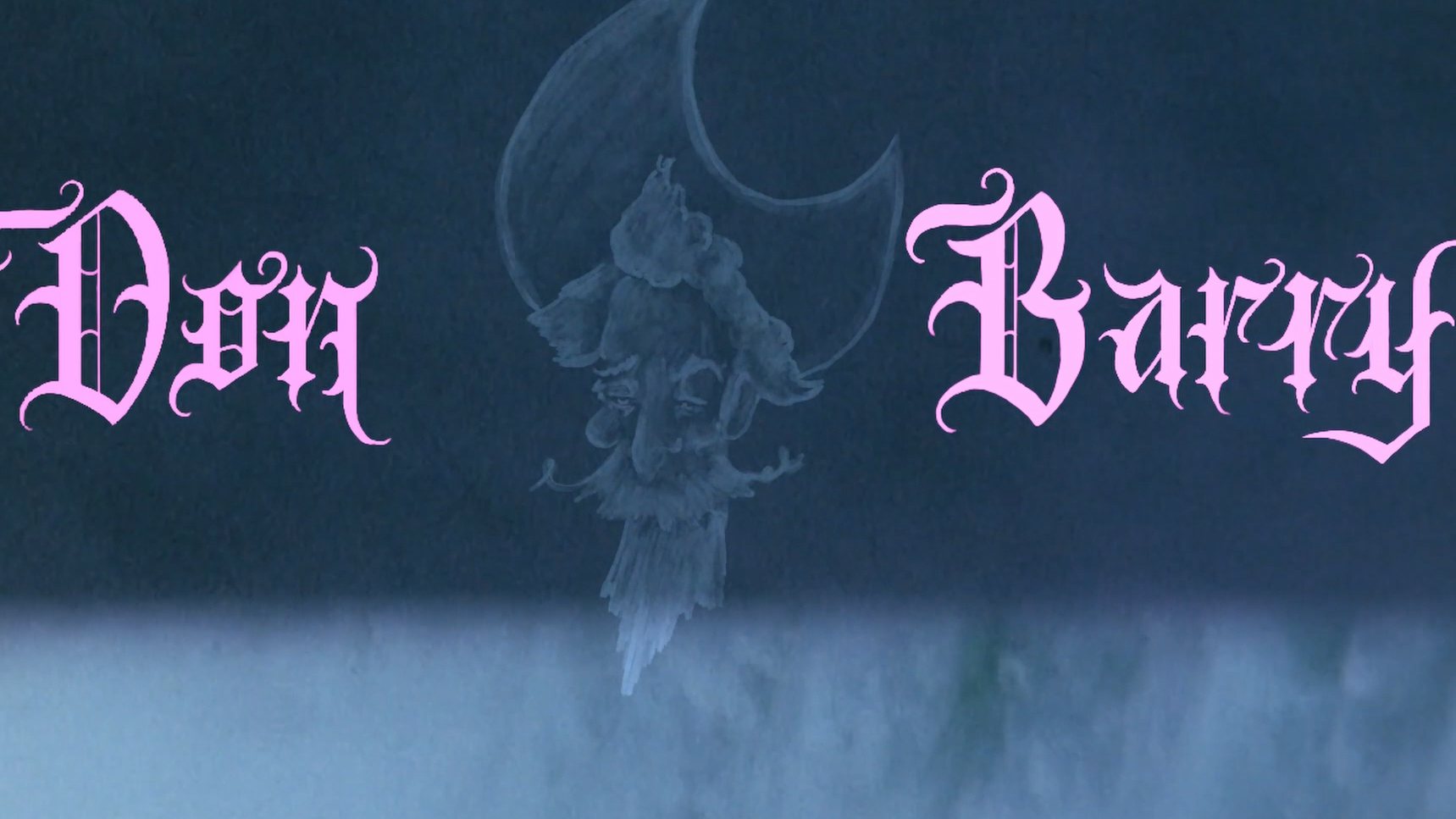
Docufiction, Experimental, by Paul Smart, Mexico, 2026.
Don Barry: A Quixotic Exploration is a debut feature that places the biography of an eighty-year-old experimental filmmaker and artist, Barry Gerson, within the metanarrative of Miguel de Cervantes’ Don Quixote. Don Barry was filmed in the city of Guanajuato during the 51st edition of the Cervantino Festival, as well as during the vibrant Day of the Dead celebrations held in the city’s UNESCO-listed tunnels. The film honors the director’s long friendship with artist Barry Gerson, drawing inspiration from Cervantes’ Don Quixote. Paul Smart’s directorial choices create something new that celebrates life and goes beyond conventional storytelling. A search for magic in our real lives. A moving film about the meaning of life, art, and death. Not to be missed.
Paul Smart is a proud outsider filmmaker with a long history of film screenings. In the 1980s, he emerged in New York’s vibrant youth art scene, working in theater production and later filmmaking, before retreating to rural upstate New York, in the Catskill Mountains, where he made a living writing and screening independent films in old parish halls for rural audiences, many of whom had never seen a film.
LANGUAGE: English
SUBTITLES: Spanish, French, German, Portuguese
Creativity Movies to Get Inspiration
The Lost Poet
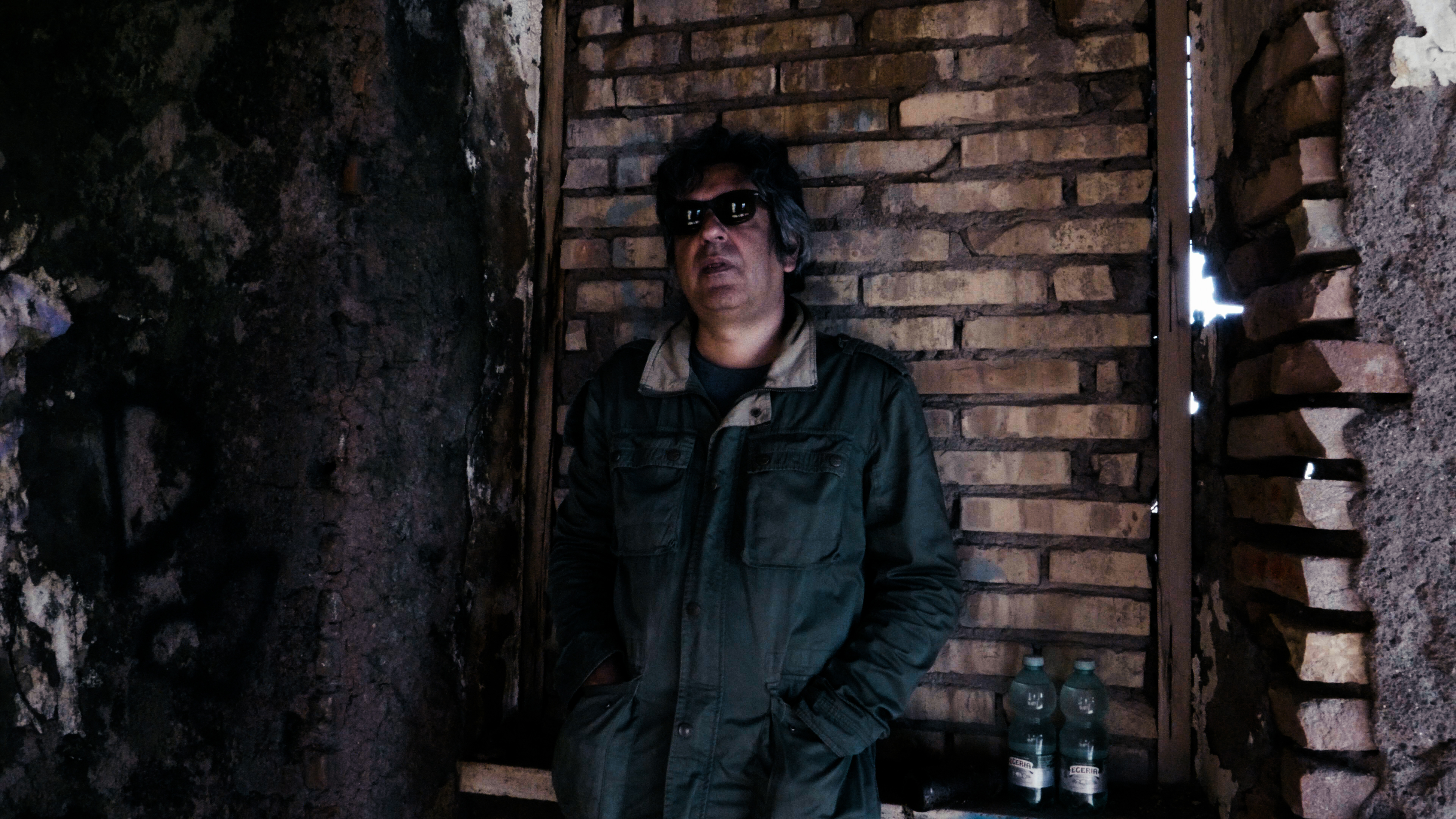
Drama, by Fabio Del Greco, Italy, 2024.
Dante Mezzadri wants to see an old friend, nicknamed the Iguana, whom he has lost sight of for many years, and who has managed to turn their shared youthful passion for poetry into a job, becoming a famous writer and poet. The man escapes from his bourgeois life and his wife to live homeless on the Roman coast, printing and trying to sell his poetry collections. At night he sleeps in a park of old carnival floats, inside a papier-mâché tank, and waits for the opportunity to meet his old friend, who however never shows up for appointments in the places they frequented when they were young, now in ruins. Dante's poetry books do not interest anyone and to support himself he is forced to "change product": he starts selling the infamous "cannibal pill" on behalf of young drug dealers, a new drug that sells like hot cakes and causes sensory and consumerist ecstasy. However, he realizes that this powerful drug is very dangerous for those who take it, he comes into conflict with his ethical conscience and throws all the pills into the sea. However, the dealers want to collect their money.
Shot over a period of 2 years, the film is a reflection on the cultural and artistic rubble of the society in which the protagonist lives, in an increasingly mechanized, consumerist and arid world. Dante Mezzadri is yet another human being who has renounced his inspiration and his creativity, but unlike many he is not willing to give his life to a system that distances him from his true identity. The physical world around him, however, seems constructed in such a way that it seems impossible to escape from this "invisible cage". The enthusiasm of the people he meets is ignited only by sensory gratification, by unreal visions of personal affirmation and success, by "metaverses" that offer an escape into an illusory and destructive reality. The poet's house on the coast, where he met with his friends as a young man, is just a pile of abandoned rubble. What happened to all those who wanted to become poets and ended up becoming something else? Are there internal forces with which that house can be "rebuilt"?
LANGUAGE: Italian
SUBTITLES: English, Spanish, French, German, Portuguese
The Sands
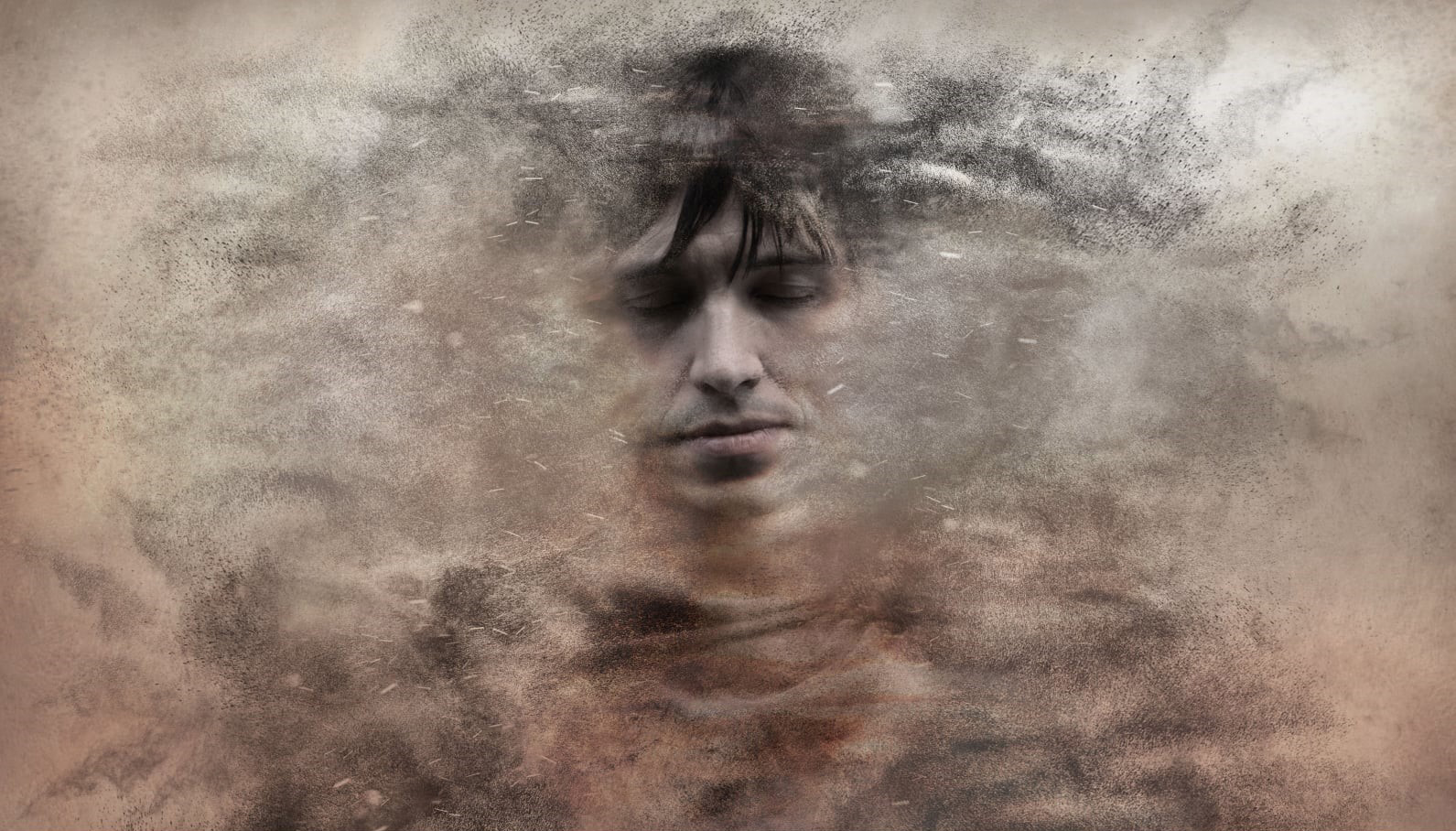
Science fiction, by Noah Paganotto, Argentina, 2022.
In an undetermined location on planet Earth, in an unknown time, Zoilo lives with his family in a wasteland surrounded by ruins. They live uprooted, without mothers, knowing that pregnancy for women is synonymous with death. For them there is only one collective routine; keep the fire alive. Only Zoilo escapes this logic, observing, intrigued, details that others do not see and therefore do not appreciate. Zoilo's personal search for answers will increase the differences with his relatives, increasingly revealing an empty world of interiority.
Avant-garde film that burns slowly in the first part and then reveals in the second the profound conflicts of a family prisoner of archaic beliefs. It is a dystopian and visionary work, with wonderful photography and images of rare power that allow us to grasp the depth of the story and its poetic potential. The faces of the actors, especially the protagonist boy, are perfect. The Sands metaphorically represents the world we live in: an alienated society, where what keeps us alive is demonized and blamed for death. In opposition to the fast pace of the typical mainstream film, The Sands is a meditative journey into the depths of images. The film was shot in natural environments in the city of Necochea, Buenos Aires province, Argentina.
LANGUAGE: Spanish
SUBTITLES: English, Spanish, French, German, Portuguese
A Bucket of Blood
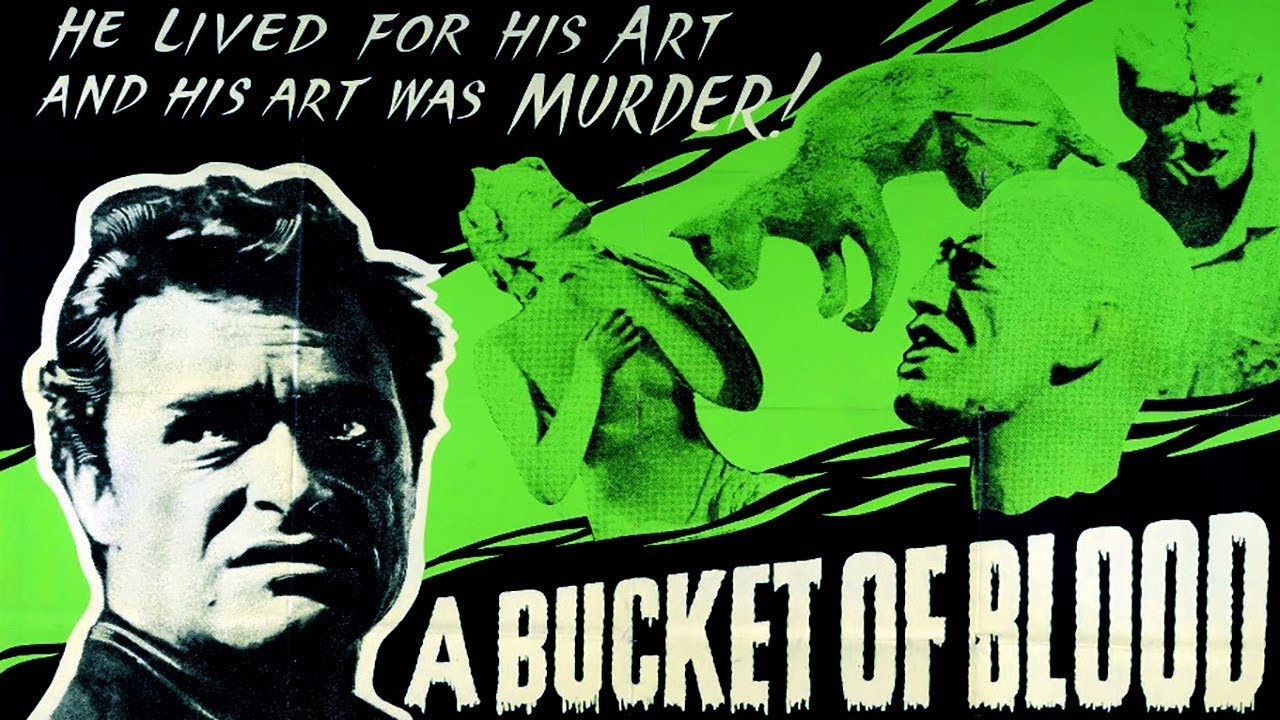
Comedy, Crime, by Roger Corman, United States, 1959.
Produced on a budget of $ 50,000, it was shot in five days by low-budget B movie king Roger Corman. One night, after hearing the words of Maxwell H. Brock, a poet who performs at The Yellow Door cafe, the obtuse waiter Walter Paisley returns home to try to create a sculpture of the face of the hostess Carla, but accidentally kills the cat. Instead of giving the animal a proper burial, Walter covers the cat with clay, leaving the knife stuck inside. The next morning Walter shows the cat to Carla and her boss Leonard. Carla is enthusiastic about the work and convinces Leonard to exhibit it in his bar. Walter receives praise from Will and the other beatniks in the cafe.
Food for thought
Art kills and hands real life over to immortality. What are the characters of a film, a painting or a sculpture if not non-human crystallizations, theorems and representations of people we have seen, heard, dreamed, met in real life?
LANGUAGE: English
SUBTITLES: Spanish, French, German, Portuguese

