Independent Culture

Albrecht Dürer and the occult in Renaissance art
The Melancholic Gaze as Occult Instrument You are standing in front of a copper engraving that is roughly the size of a hardcover book, and

The Melancholic Gaze as Occult Instrument You are standing in front of a copper engraving that is roughly the size of a hardcover book, and
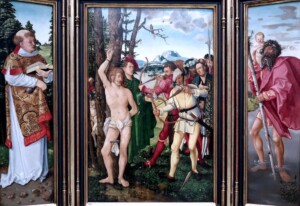
The Workshop as Threshold: Baldung Grien's Visual Language of Transgression You are standing in front of a woodcut made in 1510, and something is wrong
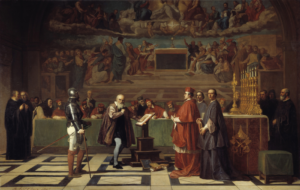
Innsbruck, 1485: The Machinery of Accusation You are standing in a public square in Innsbruck in the autumn of 1485, and a woman is pointing
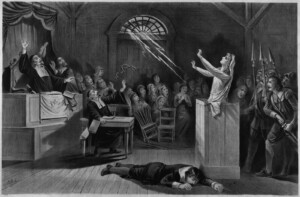
The Bureaucratic Architecture of Evil You are sitting across from a bureaucrat. He has filed the correct forms. He has obtained the necessary signatures. He
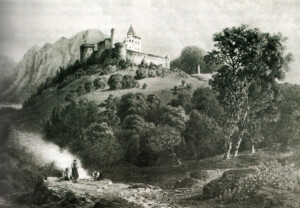
The Architecture of Inherited Power You walk through a doorway that has not changed in six hundred years, and the stone around you holds a
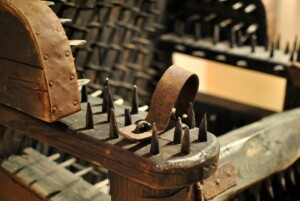
The Architecture of Induced Confession You are already inside a system designed to produce your guilt before it has been decided. The room is small.
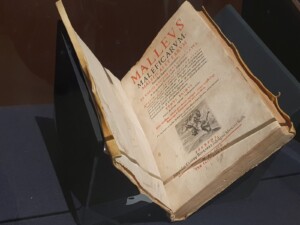
The Document as Weapon You are sitting in a wooden chair that has been designed, with considerable forethought, to be slightly too small for your
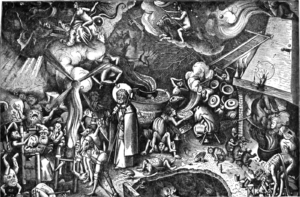
The Bureaucracy of Evil You are handed a document. It is dense, procedural, cross-referenced, and organized into three parts with numbered questions and formal responses.
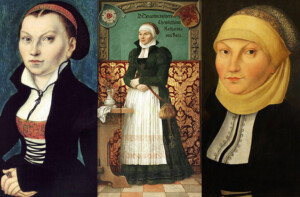
The Theology of Rupture You are standing in a church that smells of tallow and damp stone, and the priest at the front is speaking
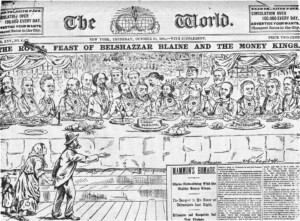
The Ritual Identification of the Threat You are sitting in your kitchen when the alert arrives. The tone is specific — not the generic chime
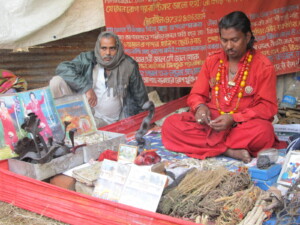
The Herbalist at the Door You are standing in your kitchen when they knock. Not a polite knock — the kind that arrives with a
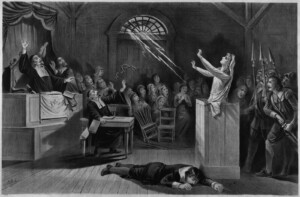
The Body as Evidence You are standing in a room that smells of wet stone and tallow smoke, and someone is describing your body to
In this video I explain our vision
